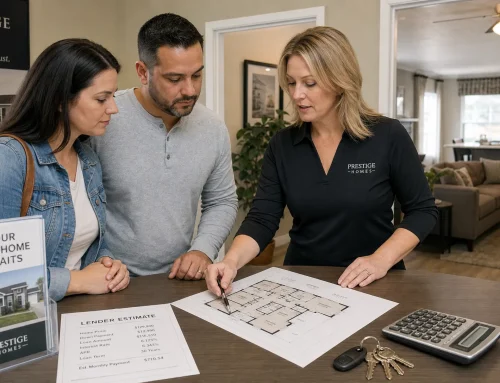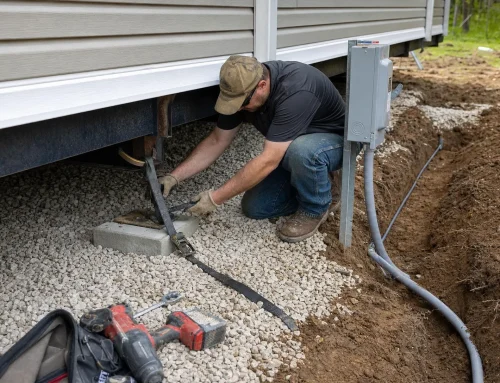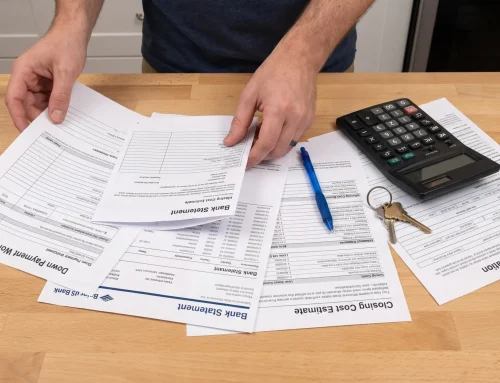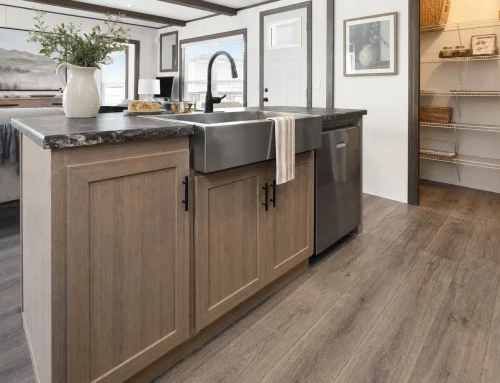

When you search for manufactured homes for sale in San Antonio, you will see everything from brand-new, move-in ready models to older homes listed by private sellers and communities. The tricky part is that the “right” deal is not just the price tag. It is the home type, the land plan (park or private property), the paperwork, and the financing path that actually fits your situation.
This guide walks you through what to verify before you fall in love with a floor plan, so you can shop confidently and avoid common (and expensive) surprises.
Know what you are shopping for (manufactured vs modular vs “mobile”)
In everyday conversation, people often say “mobile home” for anything factory-built. In Texas listings, you will usually see these categories:
- Manufactured home (HUD Code): Built in a factory to federal HUD standards, transported in sections, and installed on-site. Most new inventory in San Antonio falls here.
- Modular home: Built in a factory but to local building codes (similar to site-built). It is typically financed and permitted more like a traditional home.
- Pre-1976 “mobile home”: Homes built before the HUD Code went into effect (June 15, 1976). These can be harder to finance and insure.
Why this matters: the home type influences loan options, insurance requirements, installation standards, and resale value.
If you want the official overview of HUD Code manufactured housing, see the HUD Manufactured Housing Program.
Where to find manufactured homes for sale in San Antonio (and what each source means)
San Antonio buyers commonly shop through three channels. Each has a different risk and paperwork profile.
| Where you buy | Typical situation | Pros | Watch-outs |
|---|---|---|---|
| Retailer/dealer | New homes, ordered or move-in ready | Clear model info, floor plans, coordinated delivery/installation, financing help | Site work and setup costs can be separate from the home price |
| Community (land-lease park) sales | Home sold inside a specific community | Faster move-in potential, amenities, community approval support | You must qualify with the community and budget for lot rent |
| Private sale | Used home sold by an individual | Sometimes lower upfront price | Title/ownership issues, unknown setup quality, repair costs can add up |
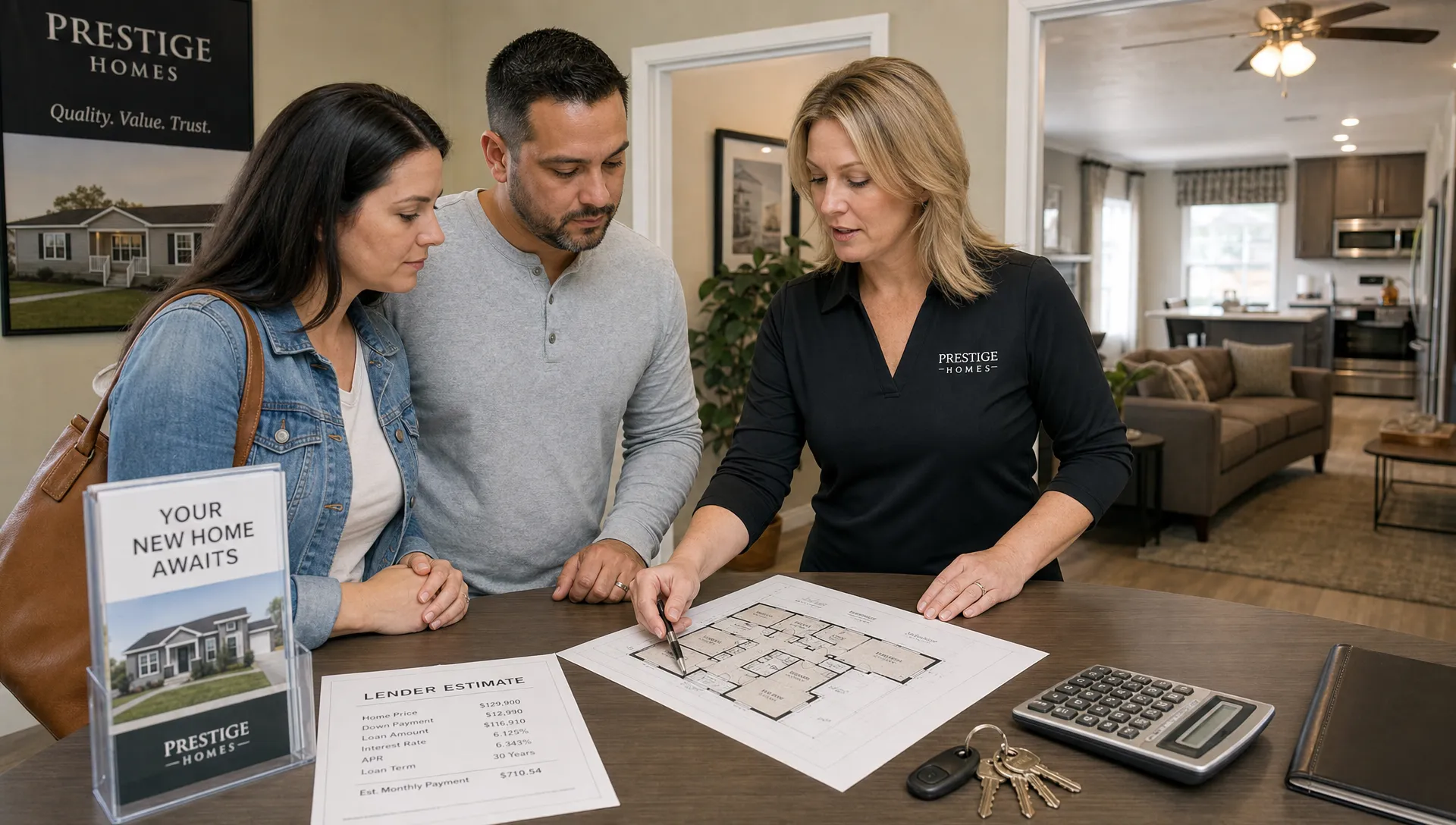
If you want the “simple path,” many buyers start with a retailer who can coordinate the home, financing, and next steps, especially for first-time buyers.
New vs used: what to check before you schedule delivery
A beautiful walkthrough can hide costly problems. Whether the home is new or used, verify these basics early.
For new manufactured homes
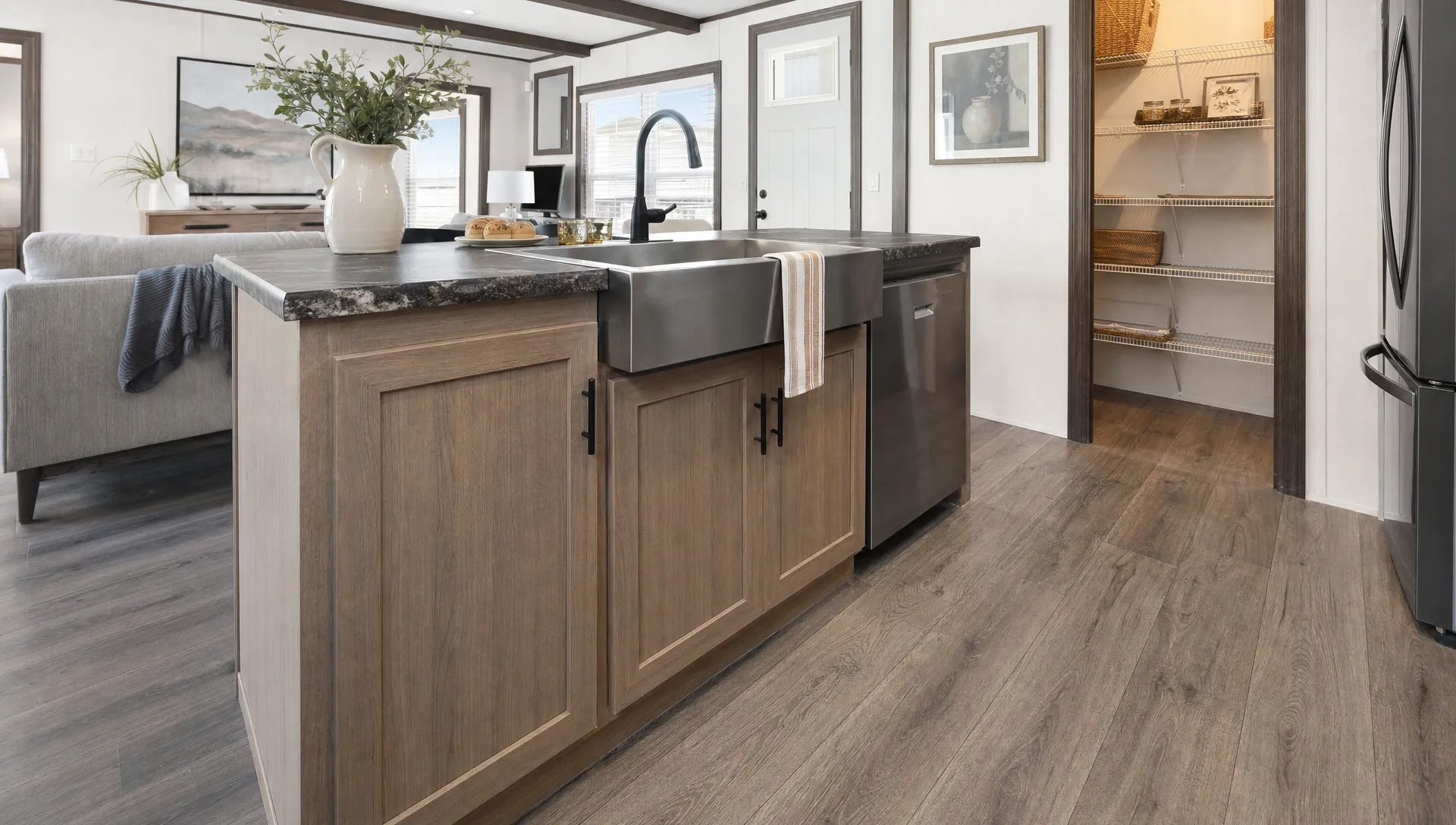
New homes reduce maintenance uncertainty, but you still want to confirm what is included.
Focus on:
- What “move-in ready” includes (appliances, skirting, steps, HVAC, utility hookups, driveway, etc.)
- Wind and installation requirements for your site and neighborhood (your installer and local jurisdiction will guide specifics)
- Energy features that impact monthly bills, especially in South Texas heat
If energy savings are a priority, you can use Homes2Go SA’s Texas-specific checklist in their guide to energy-efficient manufactured homes.
For used manufactured homes
Used homes can be a smart option, but condition and documentation are everything.
Look for:
- Signs of roof or plumbing leaks (staining around vents, soft spots in flooring, swollen trim)
- Foundation and level (doors that do not close, cracked drywall seams, uneven floors)
- HVAC age and duct condition (comfort issues often trace back to ducts)
- Previous repairs (ask what was fixed, when, and by whom)
- Missing labels/plate information (which can complicate financing, insurance, and verification)
If a seller cannot clearly document ownership and the home’s identity, treat it as a serious red flag, even if the home looks great.
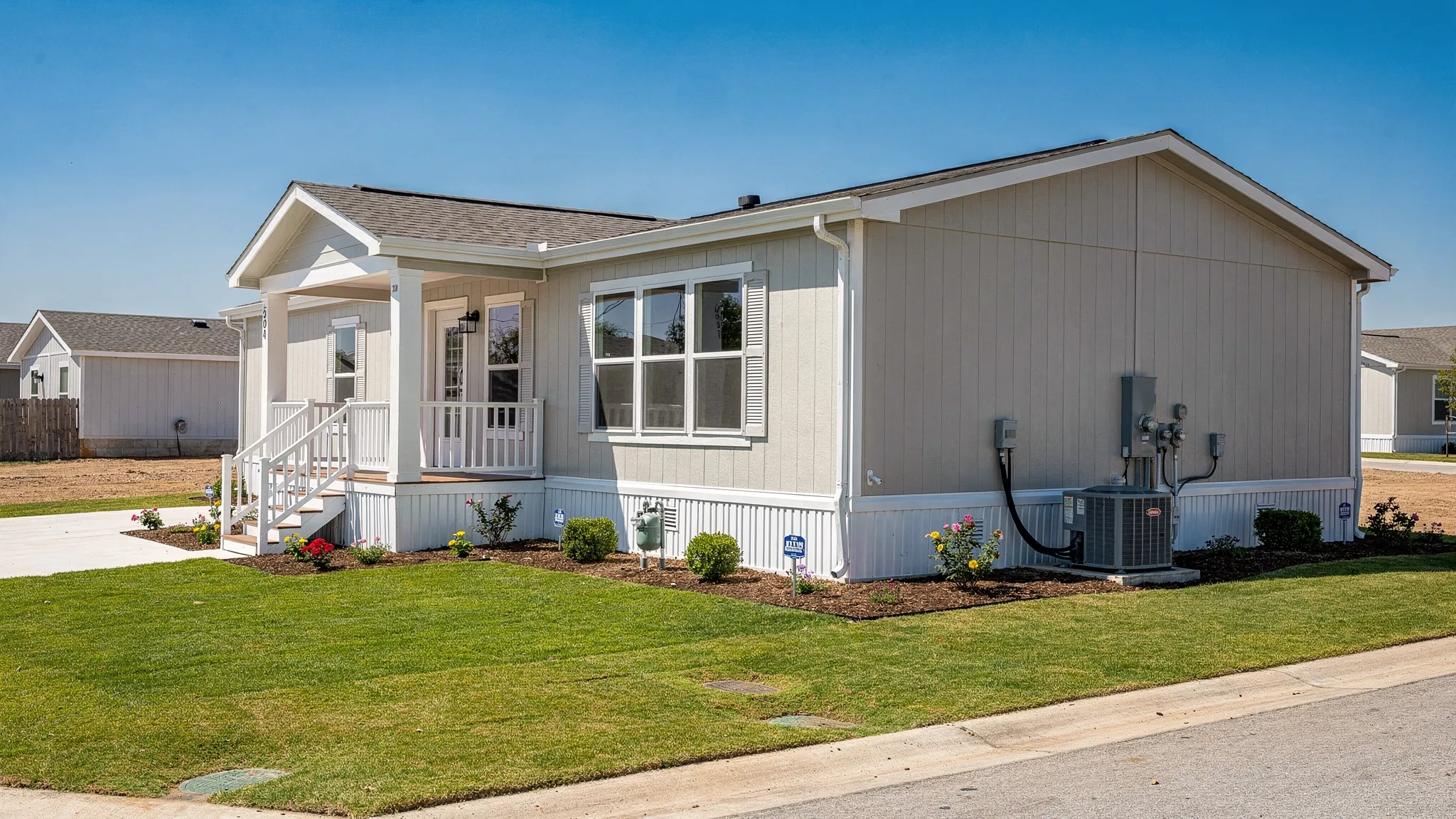
Budget beyond the listing price (the real cost of buying)
The listing price is only one piece of the total. Your real budget depends on whether you are placing the home in a community or on private land, and how much site work is already done.
Here are common cost categories to plan for.
| Cost category | What it can include | Commonly varies based on |
|---|---|---|
| Site preparation | Clearing, grading, pad, drainage | Lot condition, soil, access |
| Utilities | Water, sewer/septic, electric, gas, trenching | Distance to connections, private vs city services |
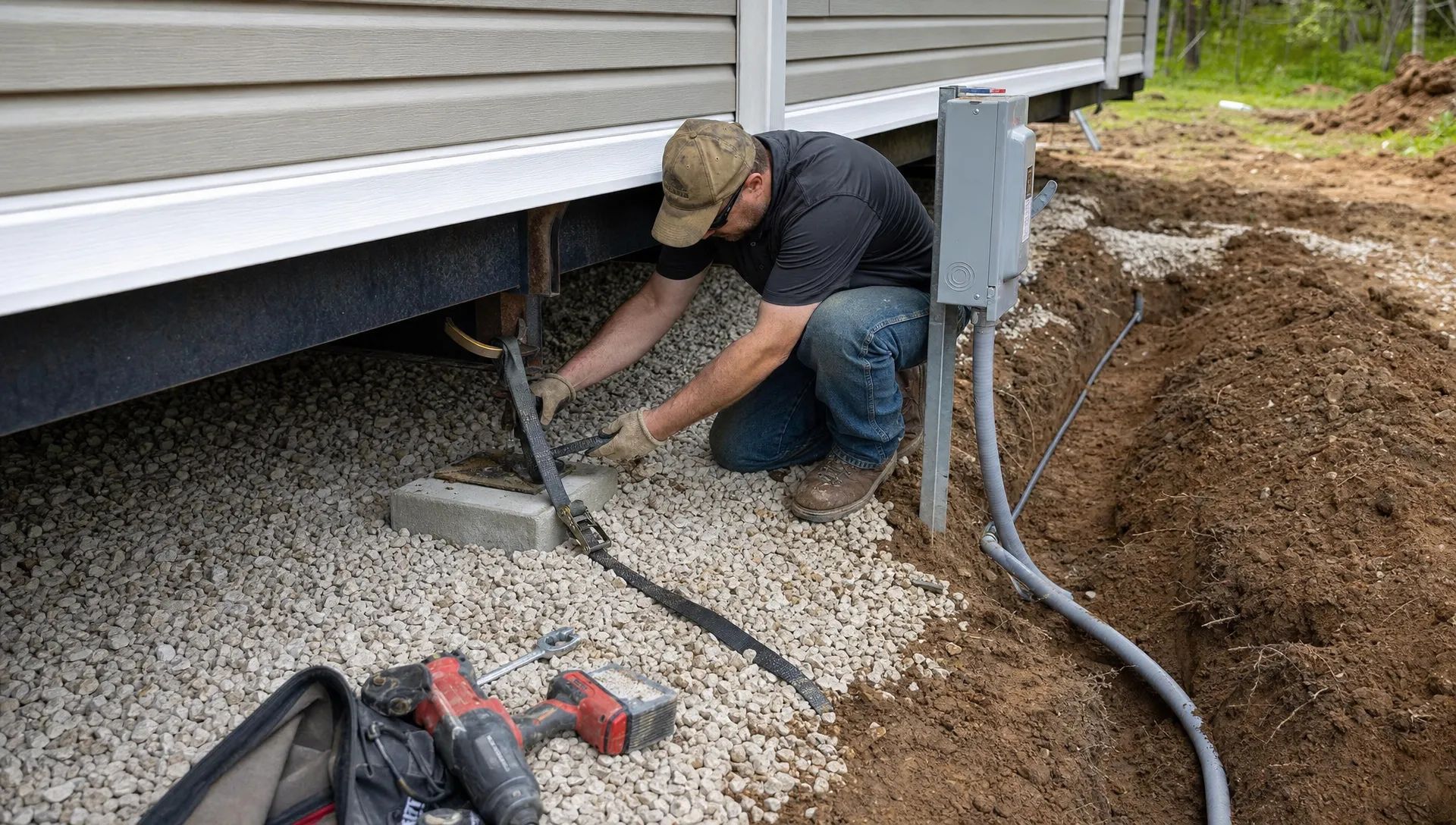
| Transportation and setup | Delivery, set, tie-downs/anchors, leveling | Distance, site access, local requirements |
| Foundation type | Piers, runners, or engineered systems | Financing type, soil, local standards |
| Permits and inspections | Local permits, inspections, third-party where applicable | Municipality or county rules |
| Insurance | Homeowners policy (and flood if needed) | Home type, location, lender requirements |
| Ongoing housing costs | Lot rent (if in a community), property taxes, maintenance | Park amenities, county tax rates, age/condition |
Tip: if you are comparing two “similar” homes, the one on a ready site (or in a community with existing hookups) can be less expensive overall, even if its sticker price is higher.
Financing basics: match the loan to the land plan
Manufactured home financing usually falls into two buckets:
Home-only financing (often called chattel)
This is common when the home will be placed in a land-lease community or when you do not own the land.
Expect the lender to focus on:
- Credit profile and income stability
- Down payment and cash reserves
- The home’s eligibility (age, condition, documentation)
Land and home financing (mortgage-style)
If you are buying land (or already own it) and the home will be installed as real property, you may qualify for mortgage-style options, depending on your situation.
This path often involves more steps (site evaluation, appraisal, installation requirements), but it can be a strong fit for long-term ownership.
If you are exploring this route, Homes2Go SA has a deeper walkthrough on land and home packages in San Antonio.
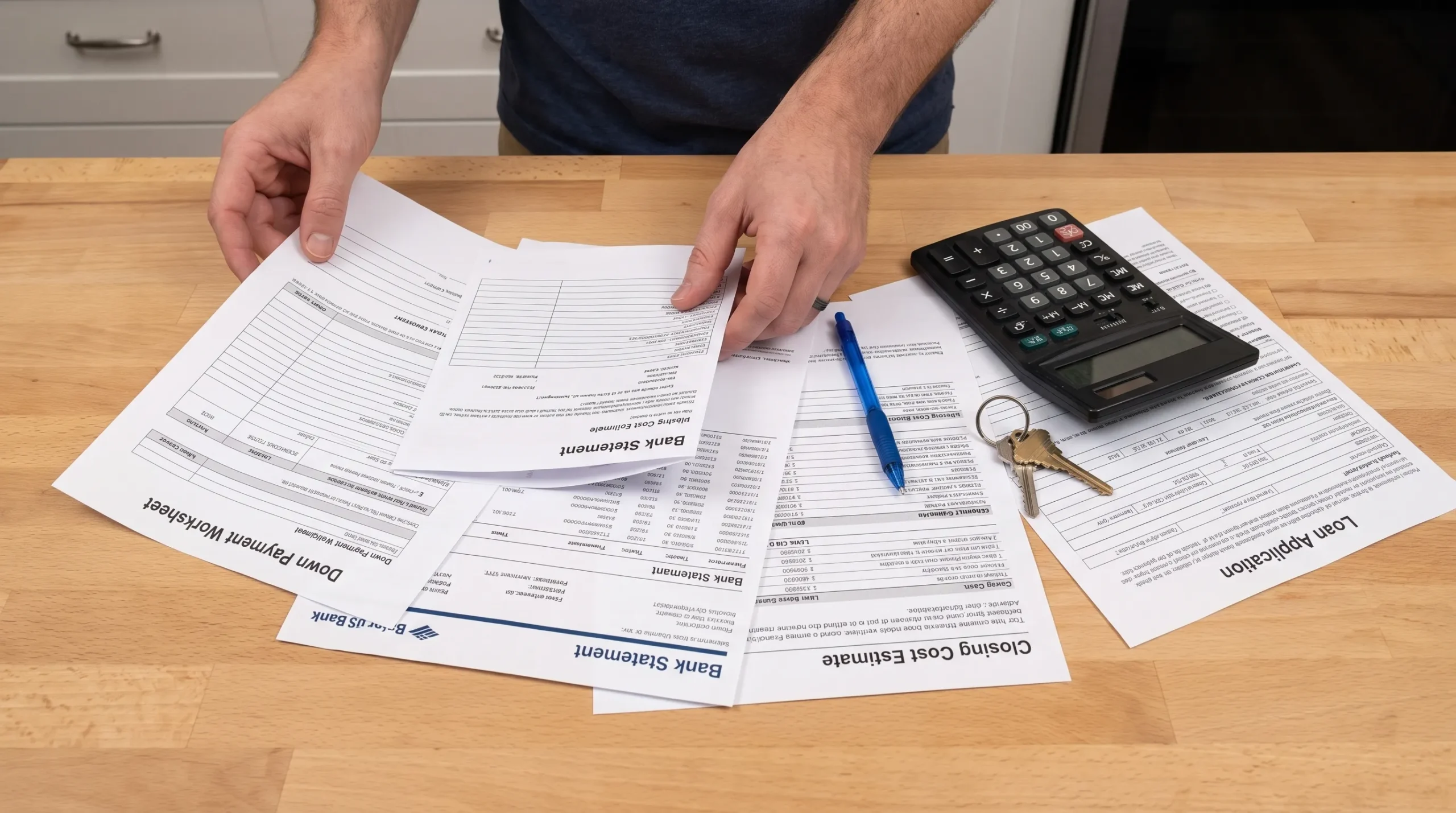
For a practical consumer overview of the home loan process and documents, the Consumer Financial Protection Bureau’s “Owning a Home” resources are a solid reference.
Community vs private land in San Antonio: choose your lifestyle first
A lot of buyer stress comes from deciding on the home before deciding where it will live.
Buying in a land-lease community
This is often the fastest route to move-in, because the community may already have:
- Prepared lots
- Utility access
- Park rules and approval steps that are well defined
Your main job is to confirm the full monthly housing cost (including lot rent and utilities) and the community’s requirements for home age, size, and condition.
If you are shopping communities, start with Homes2Go SA’s local roundup of San Antonio mobile home parks.
Placing on private land
Private land offers control and privacy, but it adds variables:
- Zoning and placement rules
- Utility access (especially septic planning on rural lots)
- Driveway and delivery access for transport
Before you commit, ask who is responsible for verifying the site and what happens if the site needs extra work after purchase.
Texas paperwork you should understand (before you put money down)
Manufactured homes have a paper trail that matters as much as the physical condition of the home.
Key items commonly involved in Texas include:
- Proof of ownership and lien status (to ensure the seller can legally sell it)
- Home identification details (needed for financing, insurance, and records)
- Statement of Ownership and Location (SOL) process and related documentation in Texas
For the official state starting point, see the Texas Department of Housing and Community Affairs (TDHCA) manufactured housing page: TDHCA Manufactured Housing.
If you are buying used, do not rely on “we will figure it out later” for title and ownership. Make documentation a condition of moving forward.
A realistic buying timeline (from shopping to move-in)
Every purchase is different, but the steps generally follow a predictable order:
- Clarify your land plan (community lot vs private land)
- Get prequalified so you shop within a real payment range
- Tour models and compare floor plans (and confirm what is included)
- Choose the home and complete lender paperwork
- Finalize site readiness (permits, utility plan, delivery access)
- Schedule delivery and installation
- Complete inspections and final walkthrough
- Move in and set up ongoing services (insurance, utilities, community compliance)
The biggest delays usually come from site readiness (utilities, permits, access) and from documentation issues on used homes.
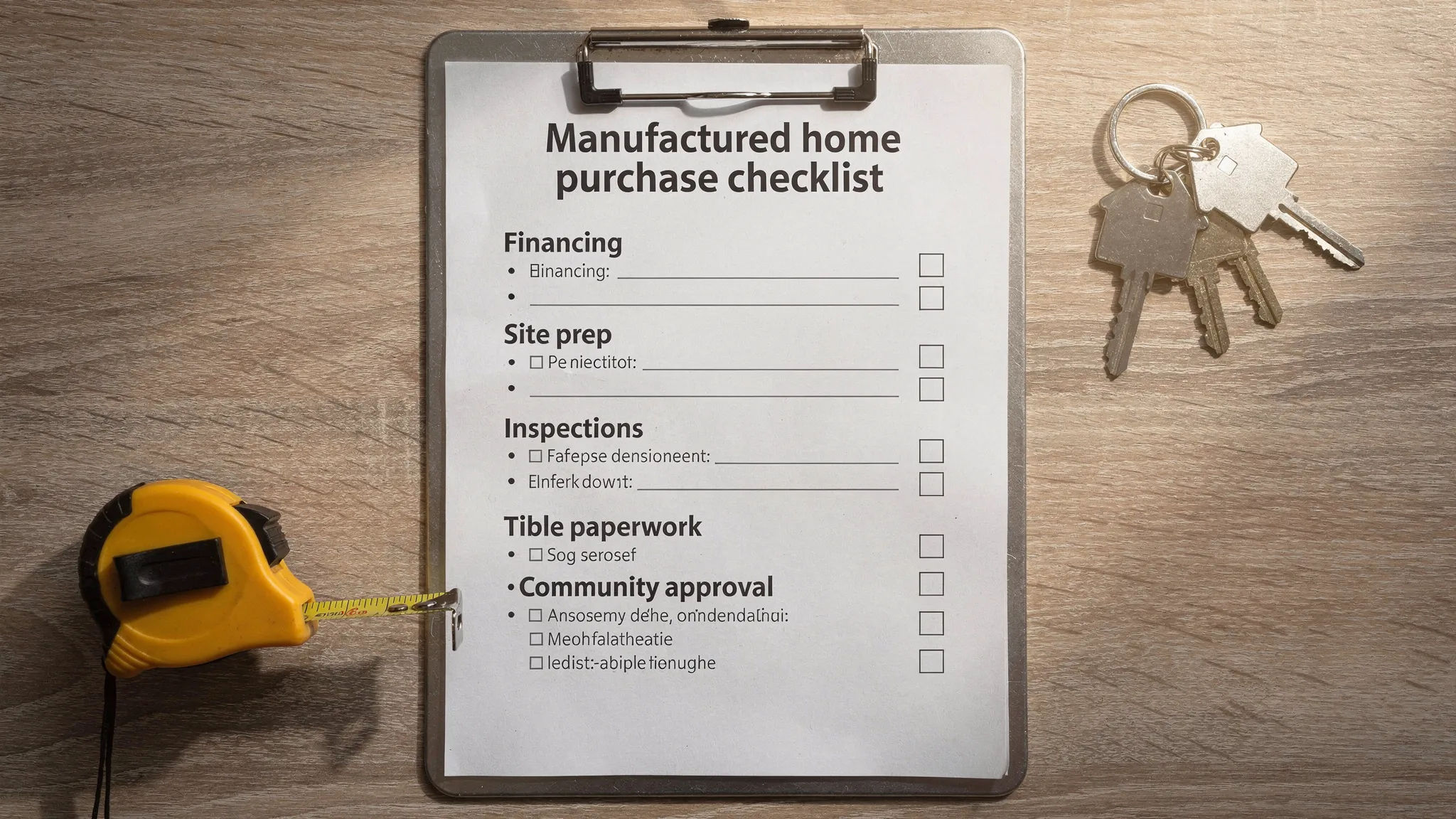
Questions to ask any seller or retailer (copy/paste checklist)
Bring these questions to tours and phone calls. Clear answers are a good sign you are dealing with a professional process.
- What is included in the price shown? (setup, skirting, steps, appliances, HVAC, delivery distance)
- Is the home eligible for my financing type? If yes, what documentation will the lender require?
- What is the estimated timeline to move-in based on my land plan?
- What site work must be completed before delivery? Who coordinates it?
- What warranties apply (home, appliances, installation), and who handles service requests?
- If buying in a community, what are the approval requirements and typical monthly costs?
- What are the ongoing costs I should expect beyond the loan payment (insurance, taxes, lot rent, maintenance)?
Frequently Asked Questions
Are manufactured homes a good option for affordable housing in San Antonio? Yes, manufactured homes can lower the barrier to homeownership by offering modern layouts at a lower entry cost than many site-built homes, especially when you plan the full site and monthly costs upfront.
What is the difference between manufactured and modular homes in San Antonio listings? Manufactured homes are built to the federal HUD Code and installed on-site. Modular homes are built to local building codes and are typically financed and permitted more like site-built homes.
Can I finance a manufactured home without buying land? In many cases, yes. Home-only financing (often called chattel) is commonly used when the home will be placed in a land-lease community or when the buyer does not own the land.
What should I verify before buying a used manufactured home in San Antonio? Confirm ownership and lien status, verify the home’s identification details, and inspect for water damage, leveling issues, roof condition, plumbing, electrical concerns, and HVAC performance.
Is it faster to buy in a community or place a home on private land? Many buyers move faster in a community because lots and utilities may already be prepared. Private land can offer more control, but permits, utilities, and access can add time.
Ready to shop manufactured homes for sale in San Antonio with expert help?
Homes2Go San Antonio helps buyers compare floor plans, understand total costs, and explore flexible financing options with trusted local lenders, without guessing your way through paperwork or installation steps. If you want a clearer path from browsing to move-in, start by exploring available homes and requesting guidance at Homes2Go SA.
 FHA Loans Mobile Homes: Eligibility and Steps
 Mobile Homes for Rent San Antonio: Where to Look