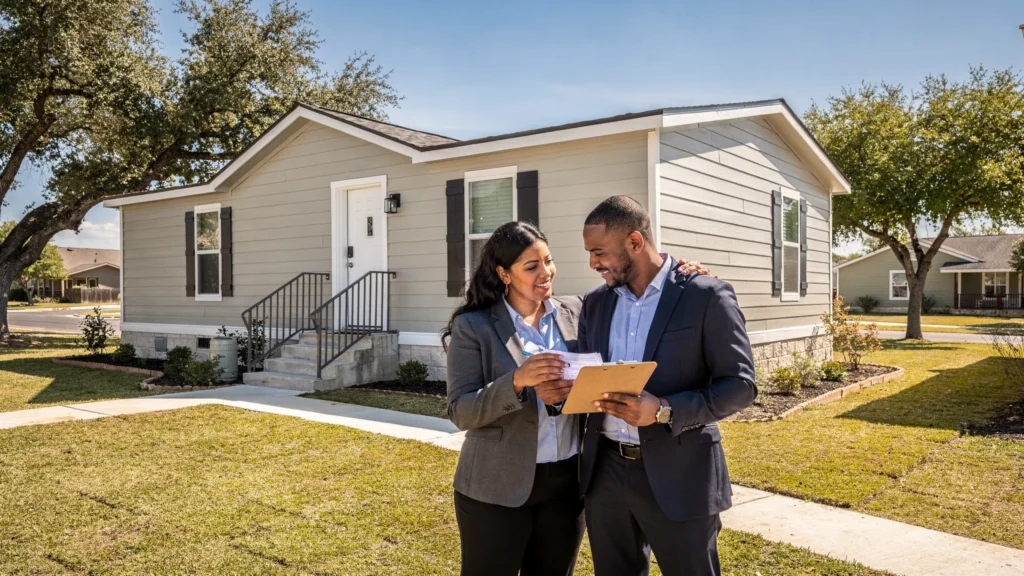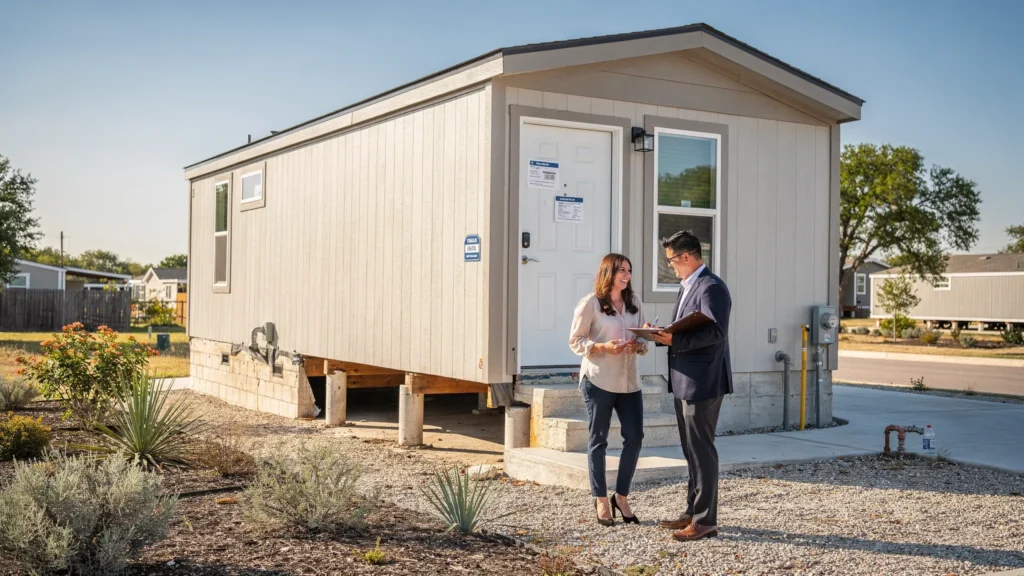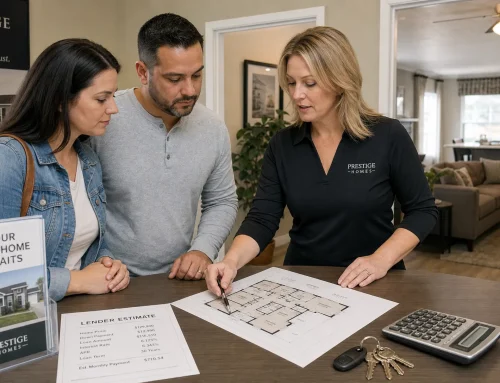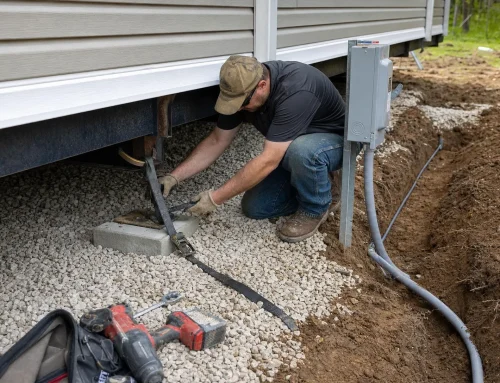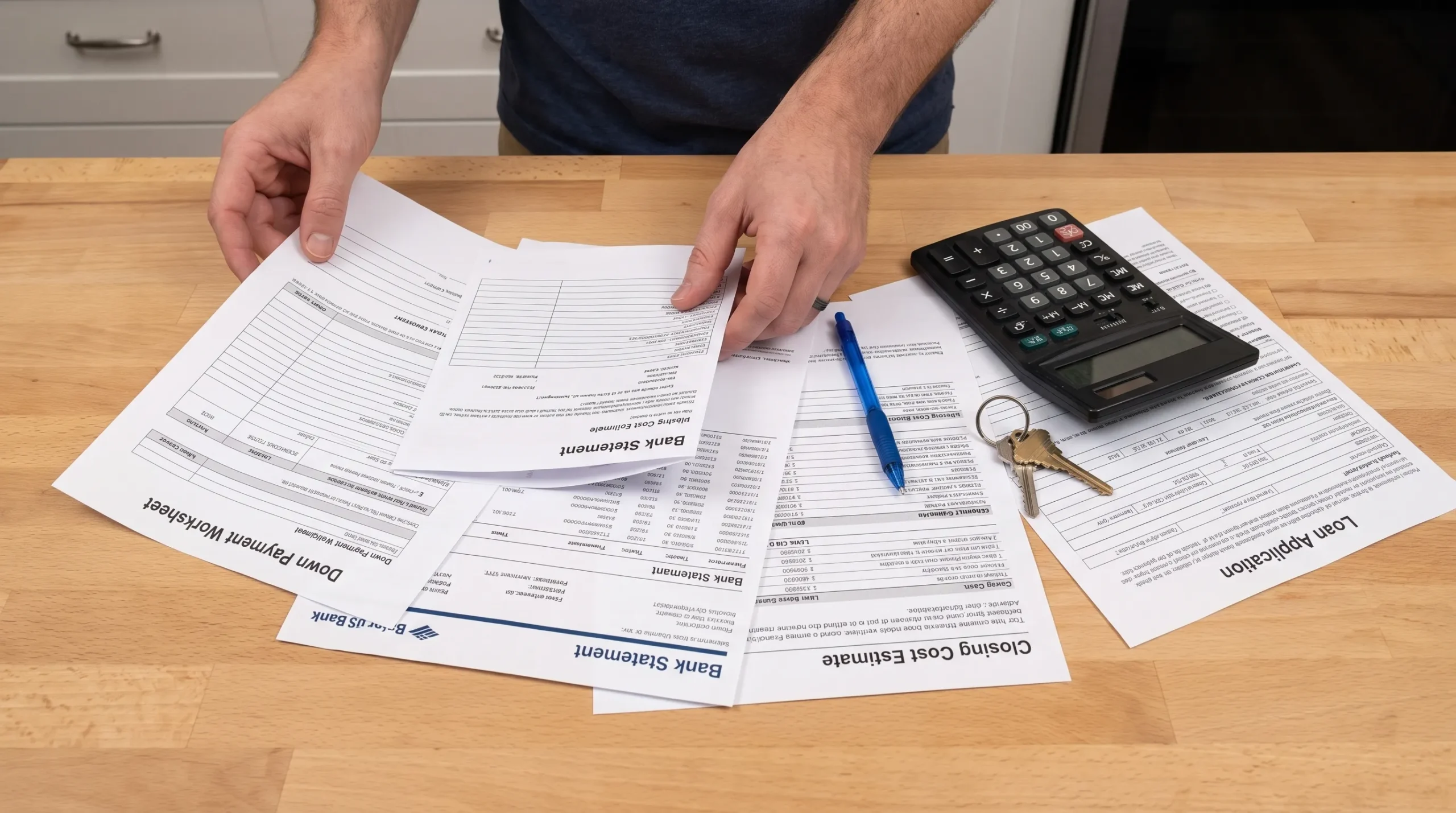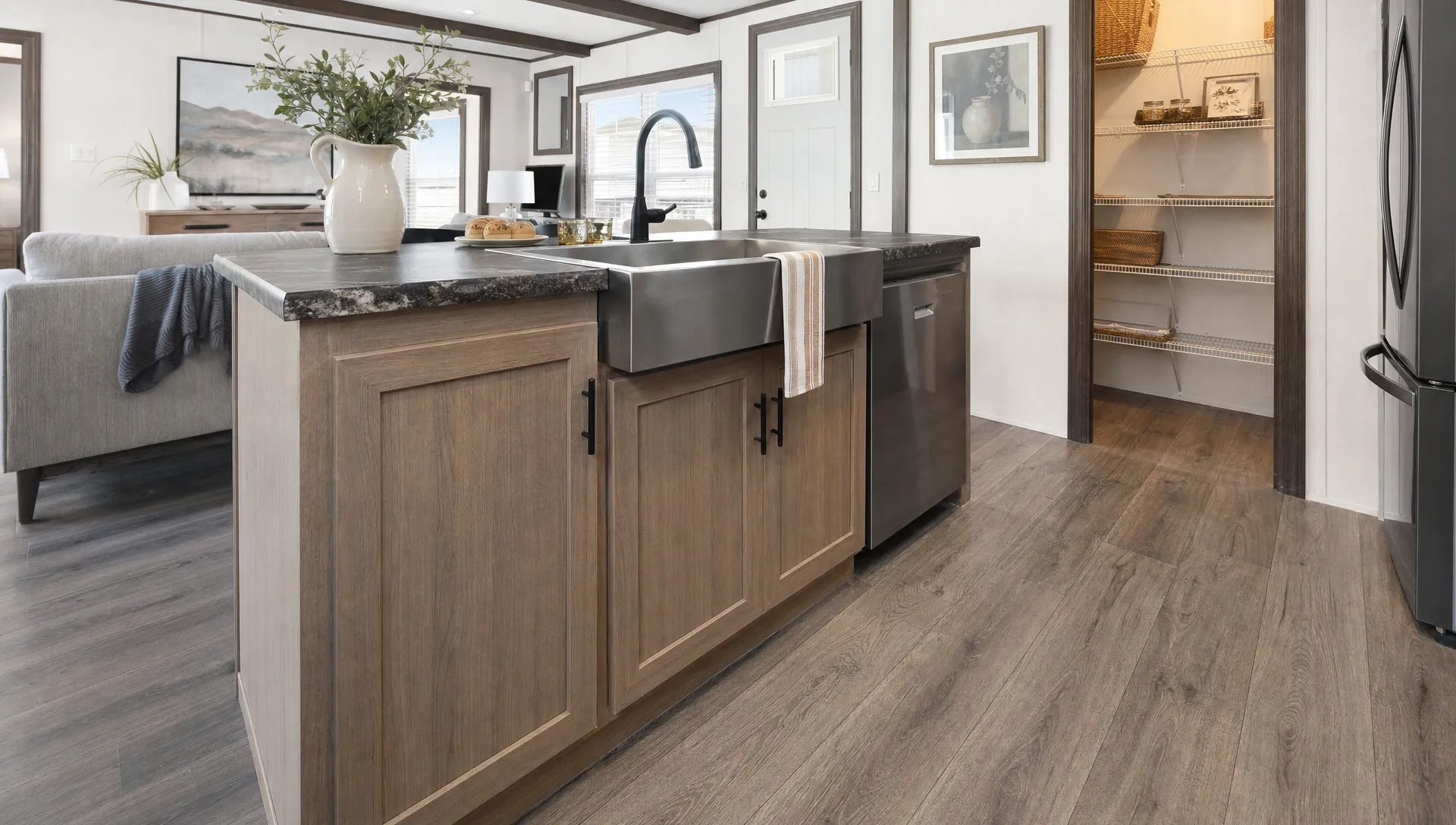

Buying a home and buying land can feel like two separate projects with two separate sets of paperwork. Manufactured homes with land packages combine them into one coordinated purchase, which can simplify financing, planning, and move-in for many buyers in the San Antonio area.
This guide explains what a land package actually includes, how the purchase is structured, what financing typically looks like, and what to verify on the land before you commit.
What are manufactured homes with land packages?
A land package (often called a land-and-home package) is a purchase where you get:
- A manufactured home (built to the federal HUD Code standards).
- A specific piece of land where the home will be placed.
- A defined scope of site work and installation (this varies by deal).
Instead of buying a home now and “figuring out the land later,” a land package is intended to bundle the big moving parts into one plan and, often, one closing.
If you want a deeper, San Antonio specific walkthrough, Homes2Go also shares a longer guide here: land and home packages in San Antonio.
What’s typically included (and what might not be)
Not all land packages are identical. One package might be close to turnkey, while another covers only the home and land, with site work handled separately.
Here’s a practical way to think about it.
| Component | Usually part of the land package? | Notes to confirm before you sign |
|---|---|---|
| Manufactured home | Yes | Model, size, specs, and what is “standard” vs upgrades |
| Land | Yes | Legal description, survey, access, and deed restrictions |
| Home delivery | Often | Confirm distance assumptions and schedule |
| Installation/setup | Often | Confirm installer is licensed where required, and what level of foundation is included |
| Utilities planning | Sometimes | Water, electric, sewer/septic, gas, internet availability |
| Site prep | Sometimes | Clearing, grading, driveway, drainage, soil work |
| Permits/inspections | Sometimes | Depends on jurisdiction and who is managing the build |
| Skirting/steps/porches | Sometimes | “Move-in ready” can still mean optional exterior items |
The key takeaway is simple: ask for a written scope showing what is included, what is excluded, and who is responsible for each task.
How ownership and “property type” affects your loan
One of the most important concepts in manufactured home buying is whether the home is treated as:
- Real property (similar to a traditional house, often when the home is permanently affixed and the land is owned), or
- Personal property (similar to a vehicle title approach, common in many chattel loans).
This matters because it can influence:
- Which loans you qualify for
- Down payment expectations
- Appraisal requirements
- Insurance type
- How taxes are handled
Manufactured homes are built to HUD’s Manufactured Home Construction and Safety Standards (HUD Code). If you want to read the primary source, see the HUD Manufactured Housing Program.
Texas also has its own rules for manufactured housing administration through the state. A helpful starting point is the Texas Department of Housing and Community Affairs (TDHCA) Manufactured Housing Division.
How the land package process works (end-to-end)
Even when a retailer or partner helps coordinate the project, it helps to understand the basic sequence so you know what comes next and what can cause delays.
1) Prequalification and budget planning
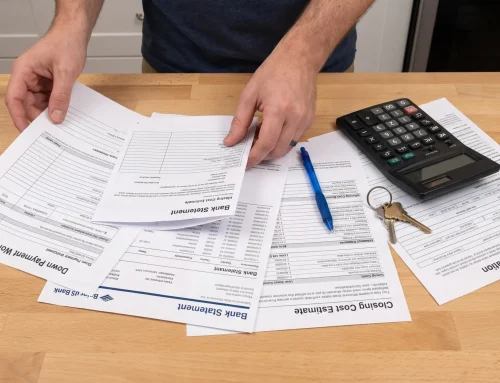
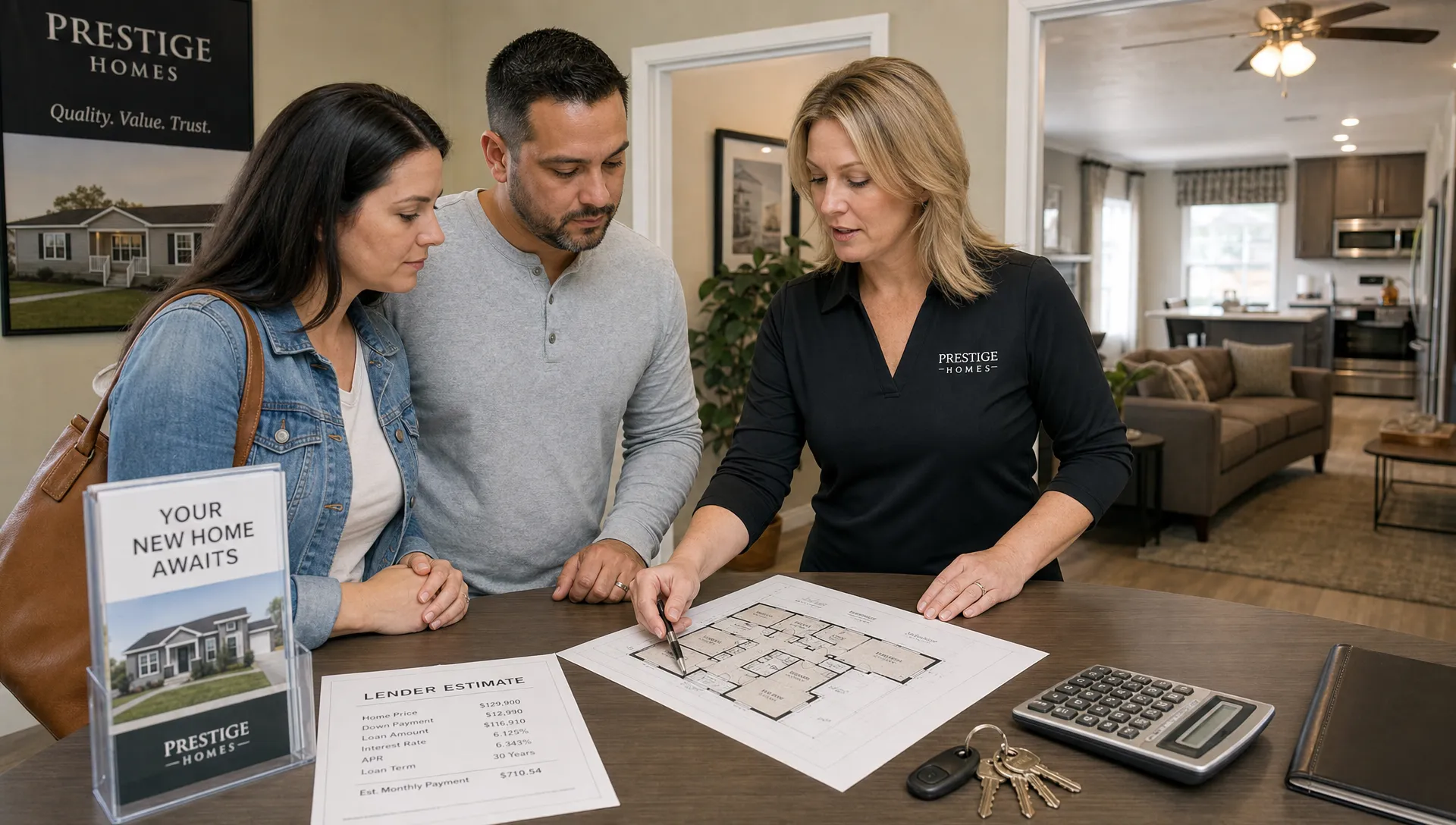
A land package budget is more than the home price. It can include land costs, closing costs, site work, utility connections, and installation. Early prequalification helps you shop realistically and avoid falling in love with a home before you know what your monthly payment range will be.
Homes2Go summarizes common loan paths on their manufactured home financing page, including chattel and land-home mortgage options.
2) Choose your home (and confirm specs)
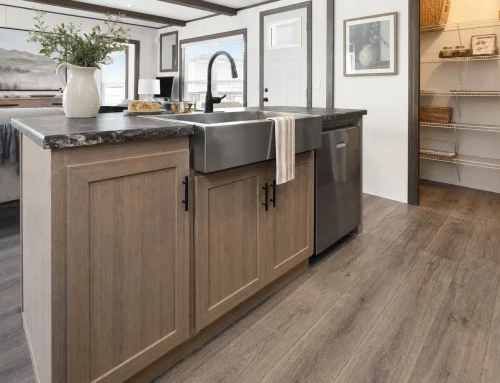
This is where you narrow the floor plan, features, and energy options. Because San Antonio summers are intense, many buyers prioritize comfort and operating costs, not just the sticker price.
If you want a practical checklist of efficiency features, see: energy-efficient manufactured homes for Texas heat.
3) Select the land and confirm it is buildable for your plan
“Buildable” is not just about whether you can physically place a home there. It also includes legal access, utility feasibility, and whether local rules or deed restrictions allow a manufactured home.
This is the stage where buyers often benefit from professional guidance because it is easy to underestimate costs for wells, septic, grading, or extending power.
4) Due diligence and final loan approval
This phase typically includes items like:
- Survey and title work
- Appraisal (when required by the loan)
- Permitting plan (jurisdiction dependent)
- Final installation plan and site scope
If you are comparing chattel vs mortgage style financing, the Consumer Financial Protection Bureau has an overview of manufactured housing finance considerations here: CFPB manufactured housing.
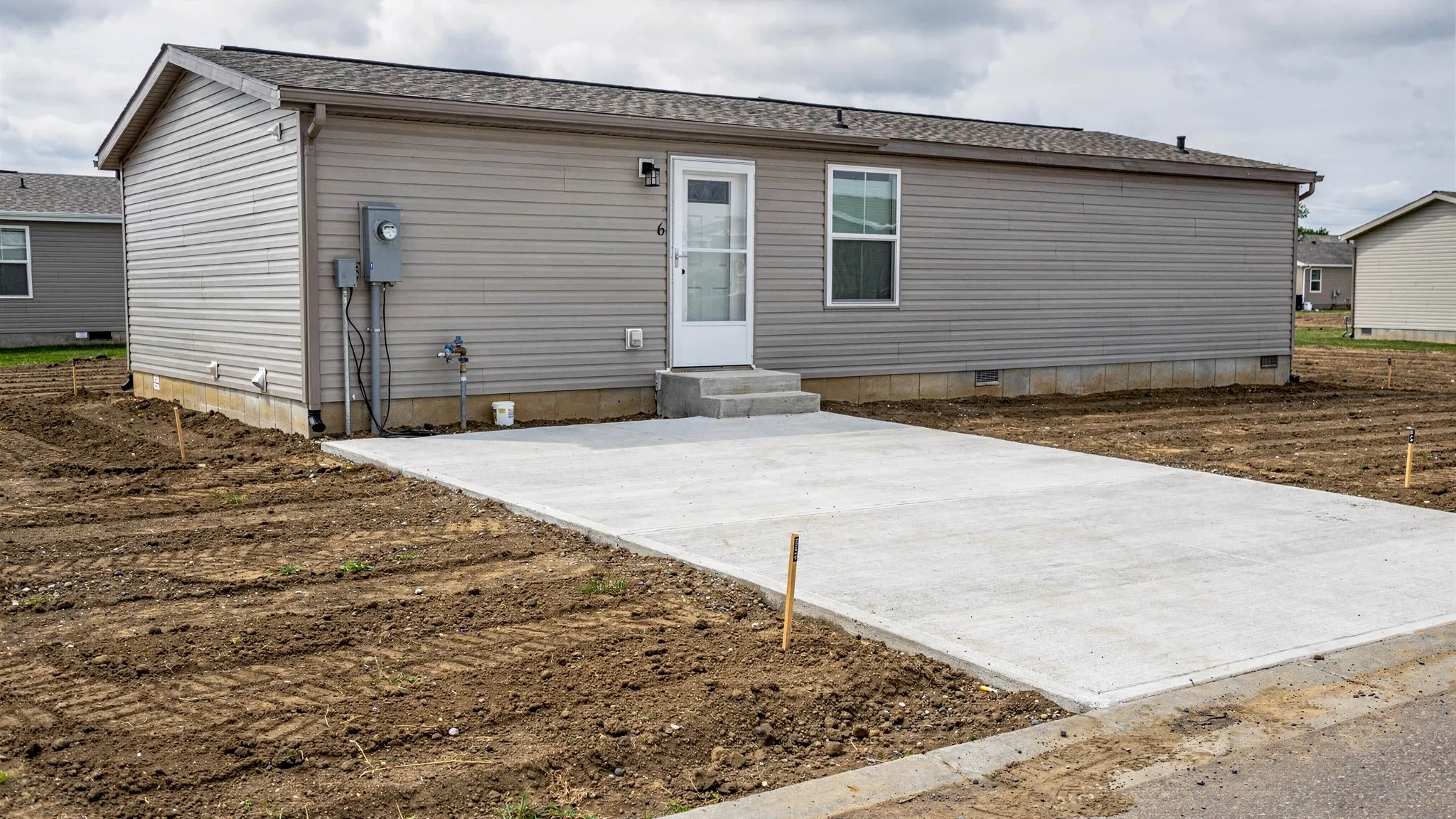
5) Site work, delivery, and installation
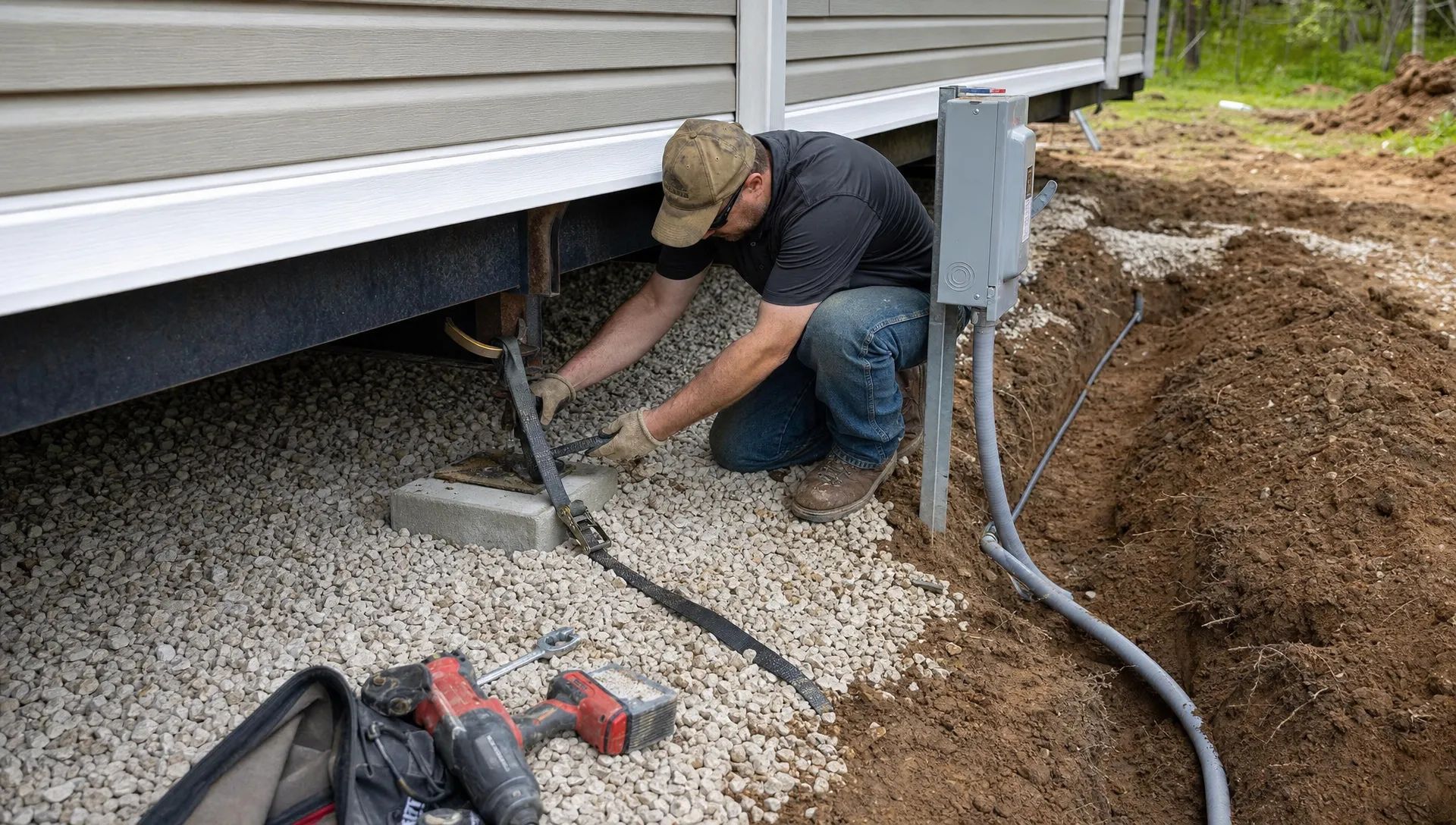
Once the site is ready, the home can be delivered and installed. The exact steps depend on your installation type and what is included in the package.
6) Final inspections, closing, and move-in
Depending on how the deal is structured, you may close once the home is installed and approved, or you may close earlier with funds released in stages. Your lender and the parties coordinating the package will clarify the timeline.
Financing options for manufactured homes with land packages
Financing is one of the main reasons buyers choose a land package. When the home and land are purchased together, you may have more pathways than a home-only purchase.
Here’s a simplified comparison. Terms and eligibility vary by lender and borrower.
| Financing path | Common use case | What it typically funds | Why buyers choose it |
|---|---|---|---|
| Land-home mortgage (conventional or government-backed) | You are buying land and home together | Land + home + qualifying project costs | Often closer to traditional home lending structure |
| FHA Title II (when eligible) | Manufactured home treated more like real estate | Land + home (when requirements are met) | Often used by buyers seeking a low down payment option |
| VA (when eligible) | Veterans and eligible borrowers | Land + home (when requirements are met) | Can be a strong option for qualified buyers |
| USDA (when eligible) | Rural-eligible areas and qualified borrowers | Land + home (when requirements are met) | Can help in eligible zones outside core city areas |
| Chattel loan | Home-only or some land scenarios depending on structure | Primarily the home as personal property | Often faster and simpler for home-only situations |
For a San Antonio oriented explanation of these options, including chattel vs mortgage differences, start here: Homes2Go financing options.
Land due diligence checklist (San Antonio area realities)
Land surprises are where budgets get blown. Before you commit to a land package (or before you buy land to pair with a home), verify the items below.
- Zoning and restrictions: Confirm manufactured homes are allowed and ask about deed restrictions or HOA rules.
- Access: A legal, usable access route matters for delivery and emergency vehicles.
- Utilities: Verify electricity availability, water source (municipal vs well), and sewer (municipal vs septic).
- Drainage and flood risk: Check flood maps and the lay of the land. You can reference FEMA Flood Maps.
- Soil and grading needs: Slopes, soil type, and drainage can affect foundation and site prep.
- Septic feasibility (if needed): Septic requires space, setbacks, and suitable soil.
- Setbacks and placement: Make sure the home size and orientation fits the parcel rules.
If you are early in the journey and still deciding between private land and a land-lease community, this overview can help: mobile homes in San Antonio, a quick buyer guide.
How long do land packages take?
Timelines vary based on land readiness, permitting complexity, manufacturer lead time, weather, and utility scheduling. In practice, land packages usually move faster when:
- The land already has utilities available at the road or on-site.
- Access is straightforward for delivery.
- The loan type and documentation are a good match for the property.
- The site work scope is clearly defined early.
Common bottlenecks include extending power, septic planning, title or survey issues, and last-minute scope changes.
Pros and cons of manufactured homes with land packages
A land package is not automatically “better,” it is just a different way to structure the purchase.
Potential benefits
A land package can reduce coordination stress because the home, land, and installation plan are aligned. It can also improve financing flexibility when compared with some home-only scenarios, since the land can help support a mortgage style structure (depending on eligibility and lender requirements).
Potential tradeoffs
Land due diligence becomes your make-or-break step, and it can take time. You also need clarity on what “included” really means so you do not assume driveway, porches, utility connections, or full site prep are automatically part of the price.
Questions to ask before you sign anything
A good land package quote should be specific. Ask for clear answers to these questions in writing:
- Is the land included in the contract price, and is it the exact parcel I toured?
- What site work is included, and what is excluded?
- Which installation standard is being used, and who is coordinating it?
- What utilities are available now, and what new connections are needed?
- What is the expected timeline, and what items commonly delay closing?
- Which loan types does this project realistically qualify for based on the land and home?

Frequently Asked Questions
Are manufactured homes with land packages the same as “land-home packages”? Yes. Buyers and retailers use several names, including land-and-home packages, land-home packages, or manufactured home packages with land.
Can I use my own land and still get a land package style loan? Often, yes. Many buyers place a manufactured home on land they already own, but the financing and required documentation can differ depending on how the home will be titled and affixed.
Do land packages always include site prep and utility hookups? Not always. Some packages include a larger scope of site work, while others focus on the home and land purchase with site work handled separately. Always confirm the written scope.
Is it easier to finance a manufactured home when land is included? It can be, because owning the land may open mortgage style pathways in some cases. Eligibility depends on the home, the land, and the lender requirements.
What’s the biggest risk buyers overlook with land packages? Underestimating land readiness. Utilities, drainage, access, surveys, and restrictions can add time and cost if they are not verified early.
Can Homes2Go help with land packages in San Antonio? Homes2Go San Antonio specializes in manufactured homes and offers guidance through the buying process, including flexible financing options and help navigating the steps involved in a land-and-home purchase.
Explore manufactured homes with land packages in San Antonio
If you’re considering manufactured homes with land packages, the fastest way to avoid surprises is to match three things early: your home model, your land realities (utilities, access, restrictions), and a financing path that fits.
Browse Homes2Go San Antonio’s resources, then reach out for guidance tailored to your situation:
- Learn about financing: manufactured home financing options
- Go deeper on the full process: land and home packages in San Antonio
- Start shopping smart: manufactured homes in San Antonio options, prices, and tips