
If you are browsing double wide mobile homes for sale, you are likely looking for something that feels closer to a traditional house, without the price tag (or timeline) that often comes with site-built construction. Double wides can offer spacious layouts, modern interiors, and energy-efficient options, but they also come with a few practical requirements that matter a lot in Texas, like placement rules, installation details, and financing structure.
This guide walks through what a double wide is, what to inspect before you buy, and how to avoid the most common surprises.
What is a double wide mobile home (and is it “mobile” or “manufactured”)?
A “double wide” generally means a home built in two sections (often called “halves”) that are transported separately and then joined together on-site. People still commonly say “mobile home,” but most new homes sold today are manufactured homes built to the federal HUD Code (in effect for homes built after June 15, 1976).
If you want to confirm a home is a HUD Code manufactured home, look for:
- A HUD label (also called a certification label) on the exterior of each transportable section
- A data plate (often inside a kitchen cabinet, bedroom closet, or electrical panel) listing key construction details
For a plain-English overview of manufactured housing standards, HUD’s program pages are a solid starting point: HUD manufactured housing.
Why buyers choose a double wide
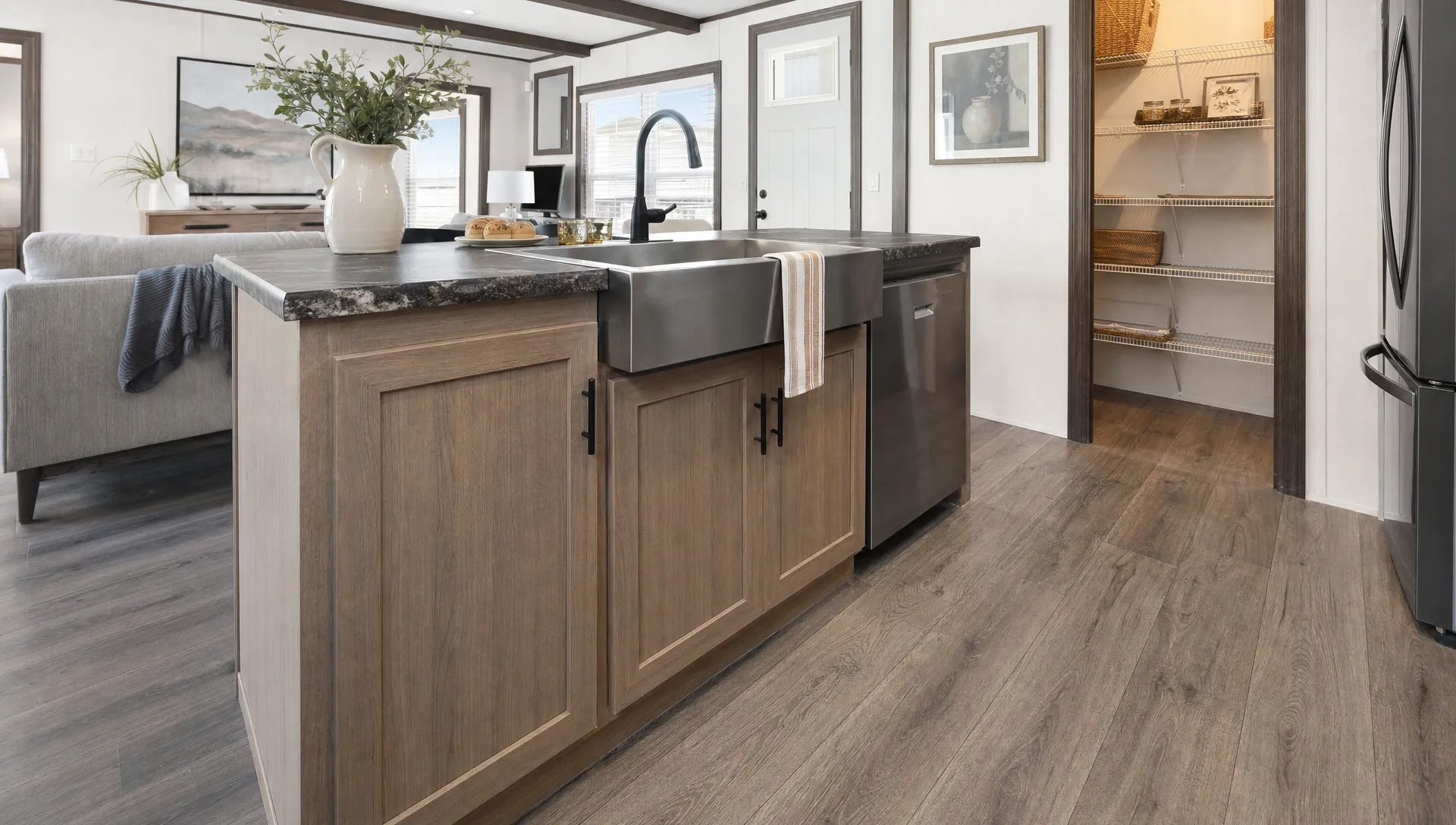
For many shoppers, a double wide hits the “sweet spot” between affordability and comfort. Compared to a single wide, you usually gain a wider footprint, more separation between bedrooms, and more flexible common areas.
Common reasons buyers prefer double wides include:
- More livable layouts (often with larger kitchens, dining areas, and living rooms)
- More bedrooms and storage without feeling cramped
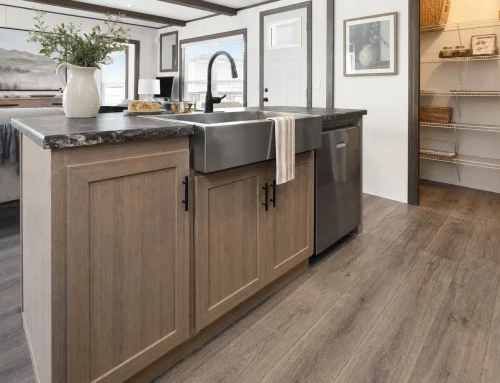
- A more house-like feel, especially with features like finished drywall, upgraded trim, and pitched roof options
- Energy-efficient design choices, depending on the model and package
If energy costs are a big concern in South Texas, it helps to compare insulation, windows, duct sealing, and HVAC efficiency before choosing a model. (You can also review Homes2Go SA’s guide to shopping for efficiency in Texas heat: energy-efficient manufactured homes.)
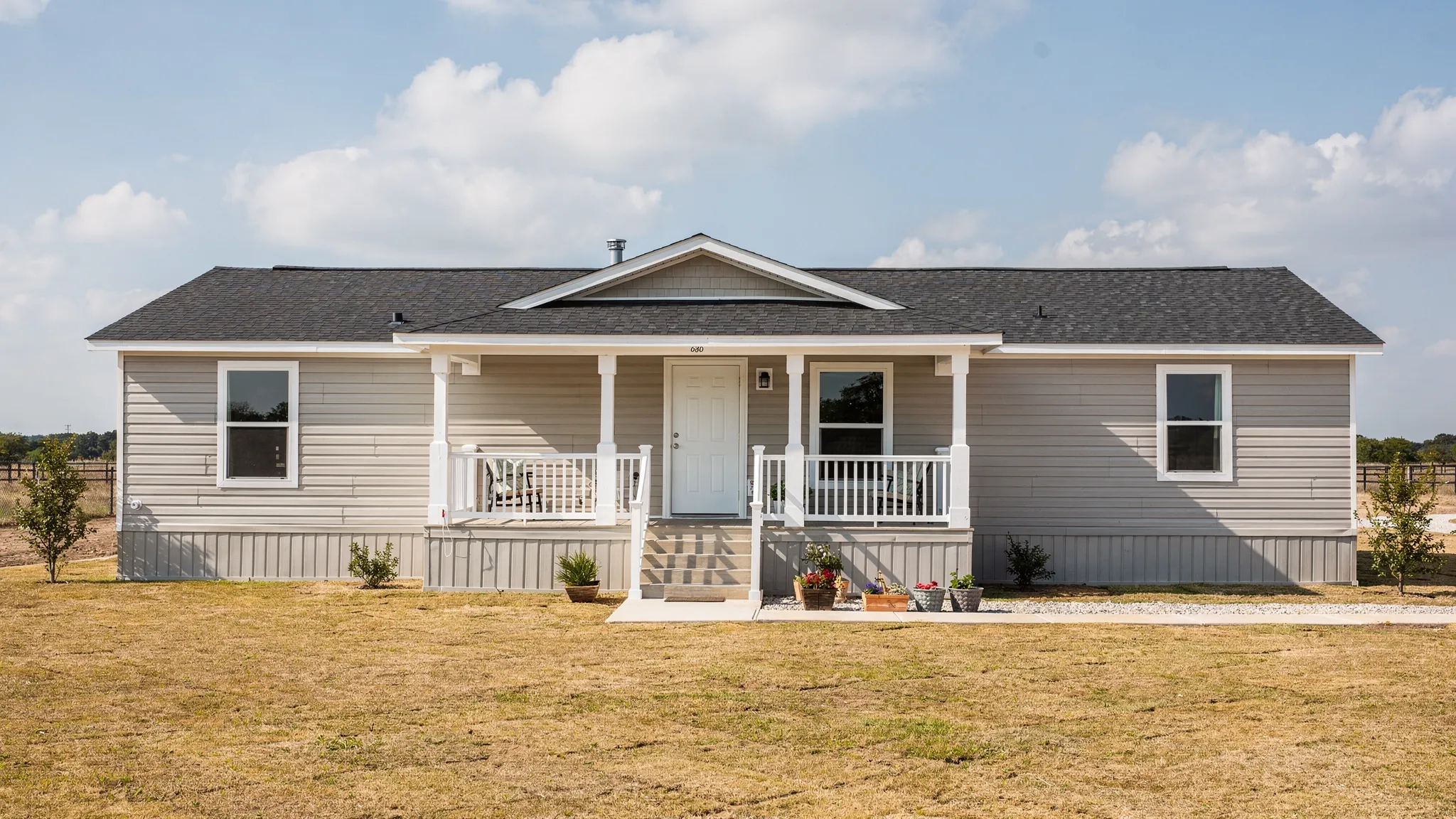
The trade-offs to know before you fall in love with a floor plan
Double wides can be a great value, but they are not “plug-and-play.” A few realities to plan for:
You need the right site (or the right community lot)
A double wide generally needs more space for both the finished footprint and installation access. If you are placing on private land, setbacks, easements, driveway access for delivery, and utility availability can all affect feasibility.
If you are placing in a land-lease community, the community may have restrictions on:
- Maximum or minimum home size
- Roof pitch, exterior siding, or skirting requirements
- Age limits (for used homes) or manufacturer approval lists
For a community-first approach in the San Antonio area, see: best mobile home parks in San Antonio.
Setup and installation details matter more than most buyers expect
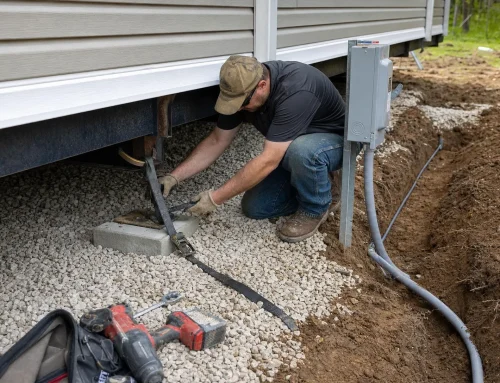
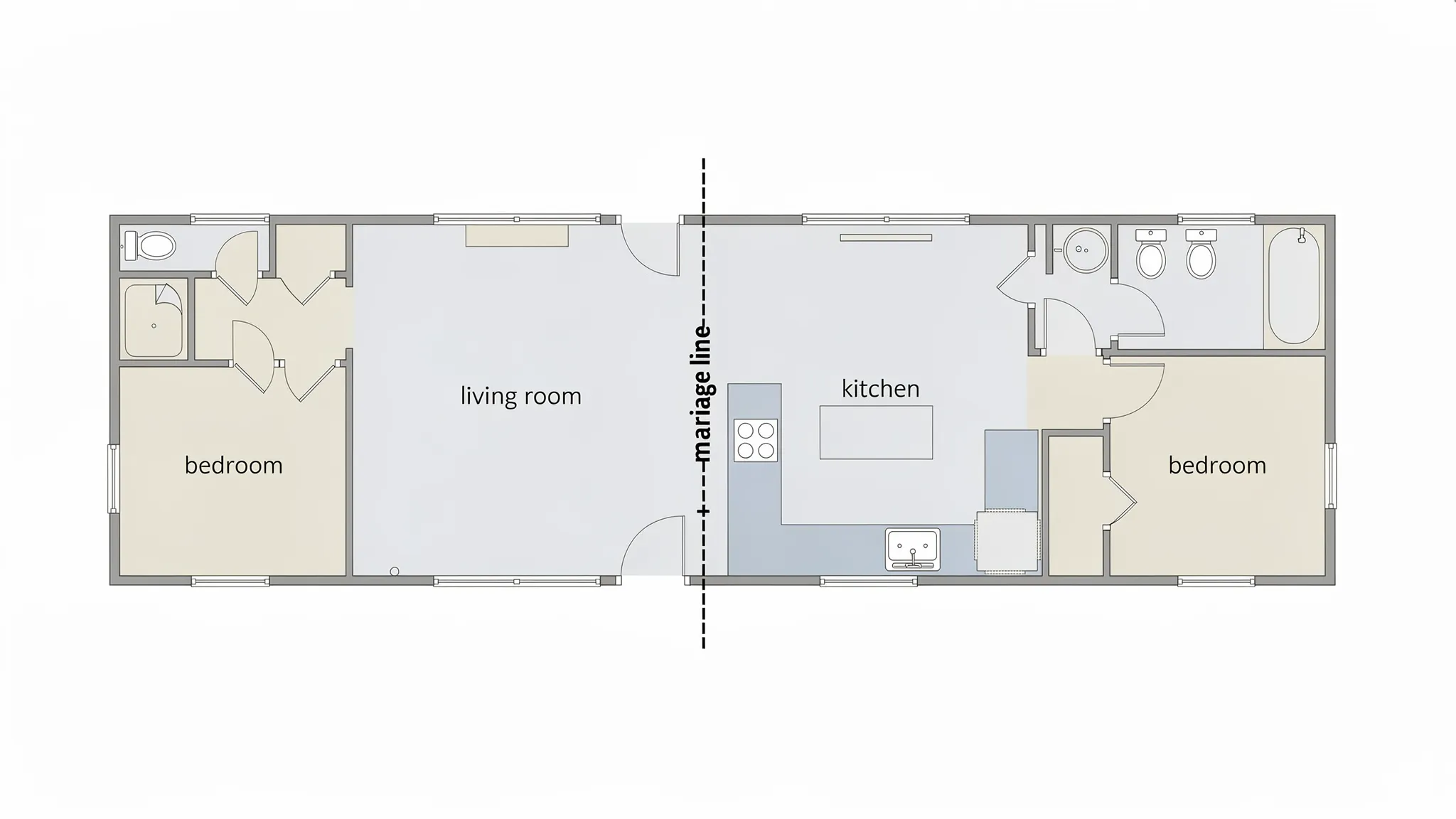
A double wide has a “marriage line” where the two halves meet. A quality installation should ensure that the seam is properly sealed and finished, and that systems like HVAC and plumbing are connected correctly.
Texas has specific oversight around manufactured home installation. For official guidance and rules, start with the Texas Department of Housing and Community Affairs (TDHCA).
Transportation and access can make or break a deal
Even if the home itself is affordable, delivery constraints can add complexity:
- Narrow roads, steep slopes, or tight turns
- Trees, power lines, or limited site access
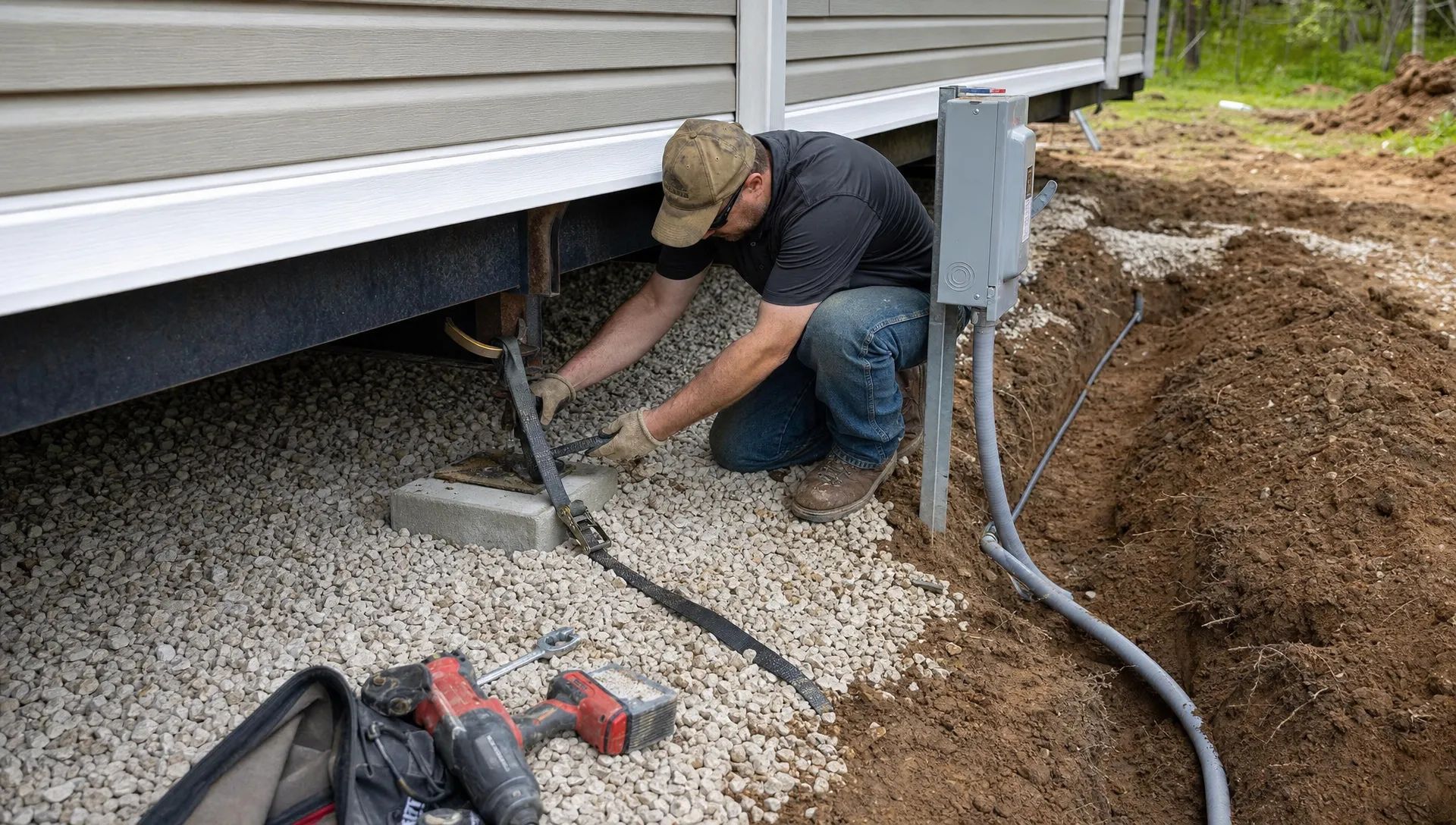
- Timing and coordination for set, tie-downs, and utility hookups
The key is to evaluate the site early, not after you pick a model.
Double wide vs single wide vs modular: a quick comparison
Buyers often compare these categories while shopping, but they solve different problems.
| Type | Built to | Typical buyer goal | Key consideration |
|---|---|---|---|
| Single wide | Usually HUD Code (if manufactured) | Lowest upfront cost, smaller footprint | Tighter layout, fewer placement options in some communities |
| Double wide | Usually HUD Code (if manufactured) | More space and “house feel” at a value | Needs more site planning, higher setup complexity than single wide |
| Modular home | Typically state/local building code (not HUD Code) | Site-built style, often on permanent foundation | Different permitting, financing, and builder coordination |
If you want a broader overview of these definitions (mobile vs manufactured vs modular), Homes2Go SA also covers them in: Mobile Homes San Antonio: A Quick Buyer Guide.
What to look for when touring double wide mobile homes for sale
A double wide can look great in photos and still disappoint once you check the right details. Here are the areas that most reliably separate a “good deal” from a future headache.
1) Floor plan flow (not just bedroom count)
Square footage alone does not guarantee comfort. Pay attention to:
- Bedroom separation (privacy for families, roommates, or guests)
- Kitchen work triangle and pantry space
- Where the laundry sits (hallway, mudroom, near bedrooms)
- Entry locations and how traffic moves through the living area
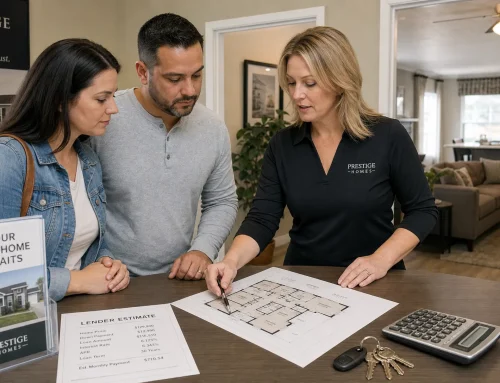
Ask for the detailed floor plan and confirm room dimensions if furniture fit matters.
2) Construction features that affect comfort
Some upgrades are mainly aesthetic. Others impact daily life in Texas.
Focus your questions on:
- Insulation package (walls, floors, ceiling)
- Window type and solar heat gain performance (especially on west-facing elevations)
- HVAC system efficiency and duct sealing
- Roof design and ventilation
If you want a practical shopping checklist for heat and humidity, see: how energy-efficient manufactured homes save more in Texas heat.
3) The “marriage line” and finish quality
On a double wide, the join between the two sections should look and feel intentional after setup.
During a walkthrough, check:
- Whether floors feel level and stable across the seam
- Whether drywall seams and trim transitions look clean
n- Whether doors close smoothly (sticking can indicate shifting or leveling issues)
4) Documentation that protects you
Whether the home is new or used, make sure you can verify what you are buying.
Ask about:
- HUD labels and the data plate location
- Serial/VIN information and title status (especially for used homes)
- Any warranty coverage offered by the manufacturer (new homes) or seller terms
Placement decisions: community lot vs private land
Your placement plan changes your true budget and timeline.
Putting a double wide in a community
This is often simpler because utilities are already nearby and the community may have a clear process for approvals. However, you will want to confirm in writing:
- Lot rent amount and what it includes
- Community rules on exterior features (porches, sheds, fencing)
- Home size requirements and appearance standards
- Approval process and timeframes
For a deep dive on comparing parks and what to verify on tours, see: Best Mobile Home Parks San Antonio 2025 Roundup.
Putting a double wide on private land
You gain control and potentially long-term value, but you take on more moving parts:
- Zoning and deed restrictions
- Utility connections (water, sewer or septic, power)
- Driveway and delivery access
- Permits, inspections, and foundation requirements
If you want a step-by-step walkthrough of land selection and coordination, this guide can help: Land and Home Packages in San Antonio: Complete Guide.
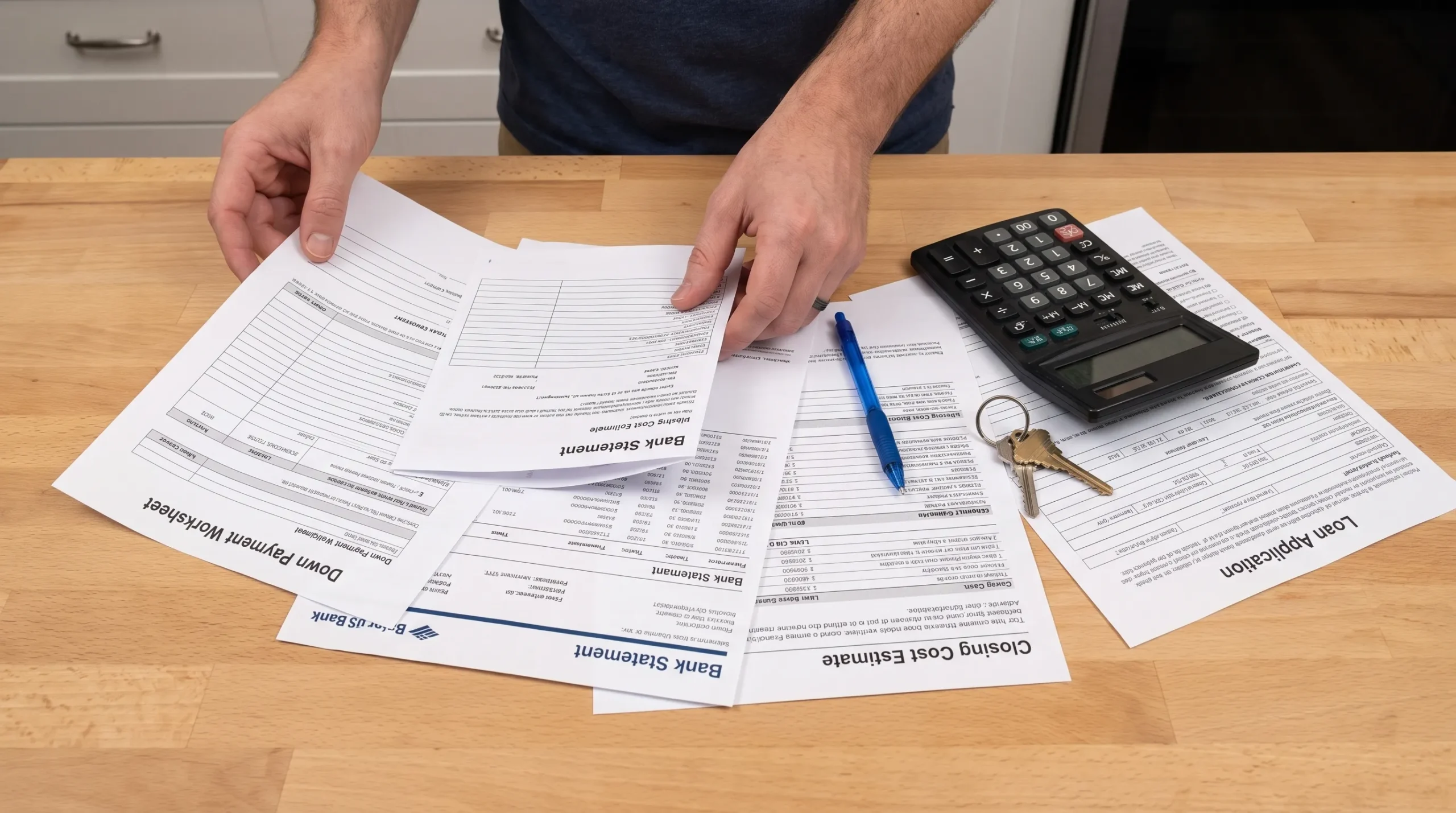
Financing a double wide: what changes depending on land
Financing is one of the biggest “hidden forks in the road” with double wides.
In general, buyers see two broad paths:
Home-only financing (often called chattel)
This is common when the home will be placed in a land-lease community or on land you do not own. Rates and terms vary widely by borrower profile and lender guidelines.
Land-and-home (mortgage-style) financing
If the home is permanently placed on land you own (and titled appropriately as real property, where applicable), you may qualify for mortgage-style financing options.
Because manufactured home lending has unique rules, it is worth reading the CFPB’s consumer guidance to understand terminology and risks: CFPB manufactured housing resources.
If you are local to the San Antonio area, Homes2Go SA notes that they work with trusted local lenders and can guide first-time buyers through the process (without you having to guess which questions to ask).
Cost checklist: the “out-the-door” picture (without guessing prices)
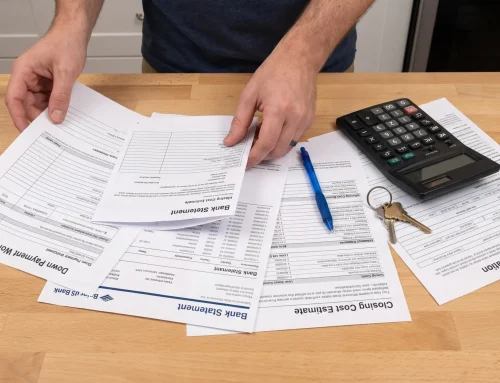
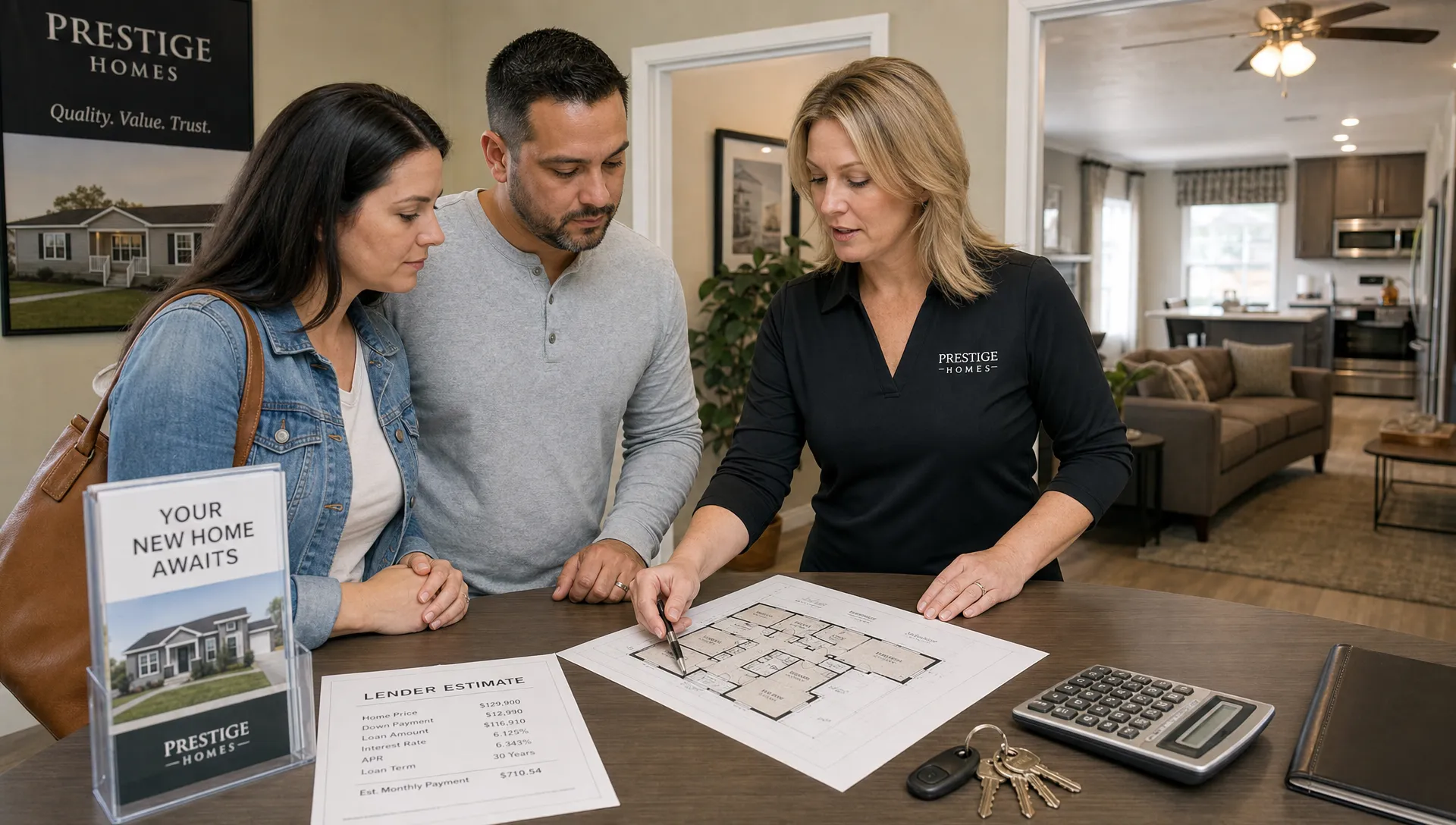
When comparing double wide mobile homes for sale, avoid judging deals by the home price alone. The most helpful approach is to request an itemized, out-the-door estimate based on your placement plan.
Here is a cost checklist you can use to keep quotes comparable:
| Cost category | What it may include | Why it matters |
|---|---|---|
| Home price and options | Base model, upgrades, appliance packages | Options can change value and monthly payment significantly |
| Delivery and set | Transport, crane/set coordination (if needed) | Site access can increase complexity |
| Foundation and anchoring | Pier and beam or other approved system, tie-downs | Safety, compliance, long-term stability |
| Utility connections | Electric, water, sewer/septic, gas (if applicable) | Often the biggest variable on private land |
| Permits and inspections | Local permits, installation inspections | Prevents delays and surprise rework |
| Steps, skirting, porches | Required access points and finish-out | Some communities require specific standards |
| Insurance and taxes | Homeowners coverage, property tax approach | Impacts monthly budget |
| Ongoing site costs | Lot rent (community) or land costs (private) | Changes the true monthly cost of living |
Questions to ask before you commit
These questions tend to surface issues early, while you still have leverage.
- What is included in the quoted price (delivery, set, HVAC, skirting, steps)?
- Where will the home be placed, and has the site been evaluated for access?
- What installation standard will be used, and who is responsible for coordination?
- Is the home new or used, and what documentation is available (HUD labels, data plate, title history)?
- What energy-efficiency package is included (insulation, windows, HVAC efficiency level)?
- What warranty applies, and what does it cover?
- If placing in a community, what are the written rules for home size, exterior standards, and approvals?
Frequently Asked Questions
Are double wide mobile homes a good investment? Double wides can be a strong value for buyers who prioritize space and a home-like layout, especially when the home is well-installed and placed in a desirable location. Like any housing purchase, long-term value depends on condition, upkeep, placement (community vs land), and local market factors.
What is the difference between a double wide and a manufactured home? “Double wide” describes the size and the fact that the home comes in two sections. “Manufactured home” describes the construction standard (HUD Code) for homes built after June 15, 1976. Many double wides sold today are HUD Code manufactured homes.
Can I put a double wide on my land in Texas? Often yes, but it depends on zoning, deed restrictions, utility access, and installation requirements. It is smart to verify placement rules and site readiness before you choose a model. TDHCA is a key resource for Texas manufactured housing information.
Is it harder to finance a double wide than a single wide? Not necessarily. Financing is usually more affected by whether you are buying the home only (often chattel) or buying land and home together (mortgage-style). Your credit profile, down payment, and lender guidelines matter more than “single vs double.”
What should I inspect on a double wide walkthrough? Focus on floor plan flow, insulation and HVAC details, finish quality at the marriage line, and documentation like HUD labels and the data plate. If it is a used home, title status and condition history are especially important.
Ready to compare double wide models in San Antonio?
If you want help narrowing down double wide mobile homes for sale to the options that actually fit your land or community plan, Homes2Go San Antonio can help you compare floor plans, understand the real out-the-door costs, and explore flexible financing with trusted local lenders.
Explore available homes and get guidance from a local team at Homes2Go SA.
 Rent to Own Mobile Homes Near Me: Finder Guide
 Mobile Homes for Sale with Land: Local Insights