
Buying a mobile home with land can be one of the fastest paths to homeownership in the San Antonio area, but it is also the kind of purchase where small paperwork or site details can cause big delays. The good news is that if you follow a clear process, you can avoid the most common surprises, like discovering too late that a lot cannot be permitted for a manufactured home, or that utility hookups will cost more than expected.
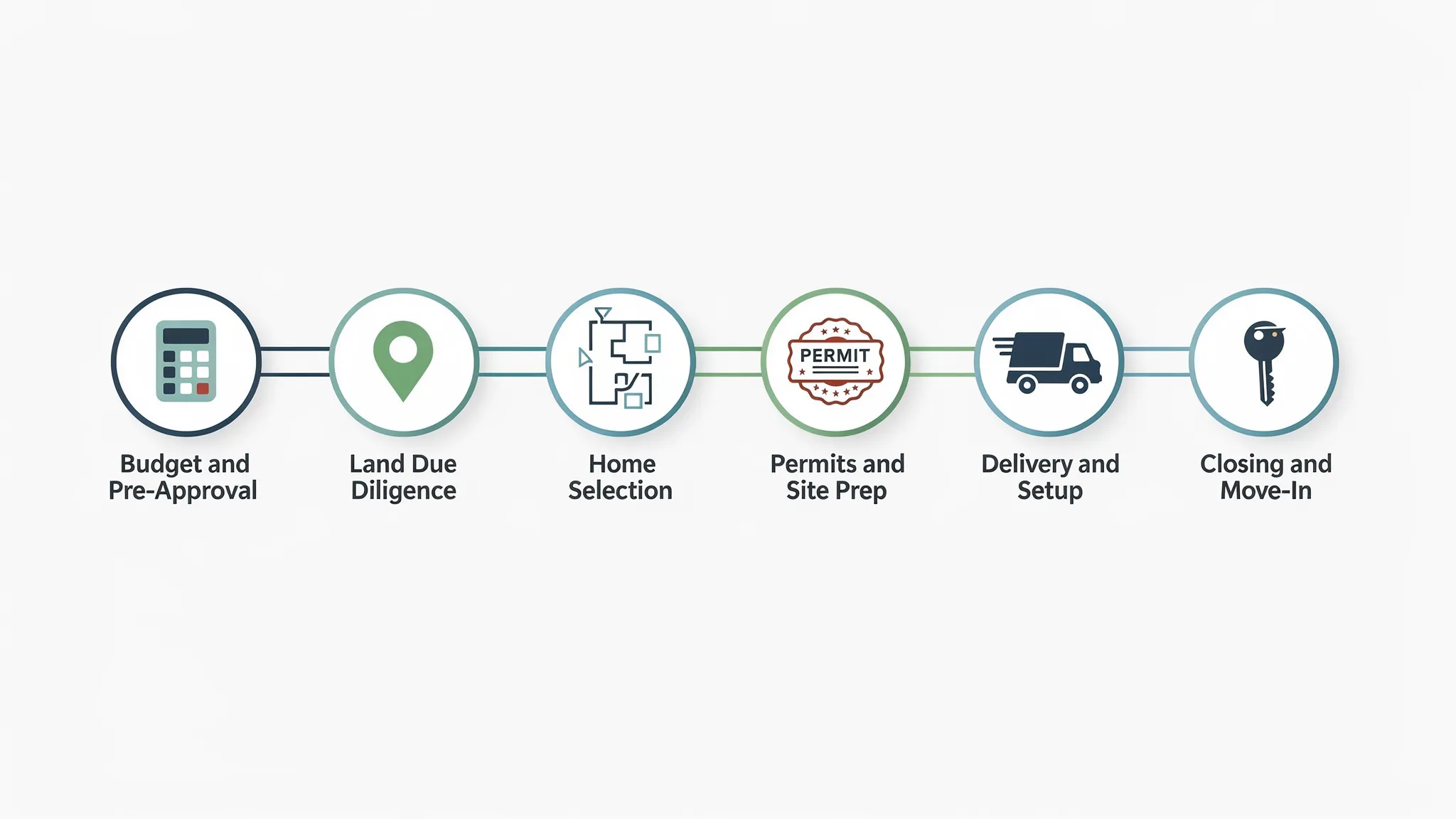
This step-by-step guide walks through the full journey, from budgeting and land due diligence to installation, closing, and move-in. It is written for buyers who want to own both the home and the land, not rent a lot in a land-lease community.
Before you start: 3 ways people buy a mobile home with land
Most buyers end up in one of these paths:
- Land and home together (one coordinated purchase): Often called a land-and-home package. This can reduce coordination headaches because the home, site plan, and financing are planned together.
- Buy land first, then buy the home: Works well if you already own land, inherit land, or find a great lot early. It can also add steps (and sometimes extra financing complexity).
- Buy an existing manufactured home that already sits on owned land: This can be the simplest from a “move-in quickly” standpoint, but you still need solid due diligence on title, condition, and whether the home is legally attached to the land.
No matter which path you choose, the steps below will keep you organized.
Step 1: Set a budget that includes land, home, and site costs
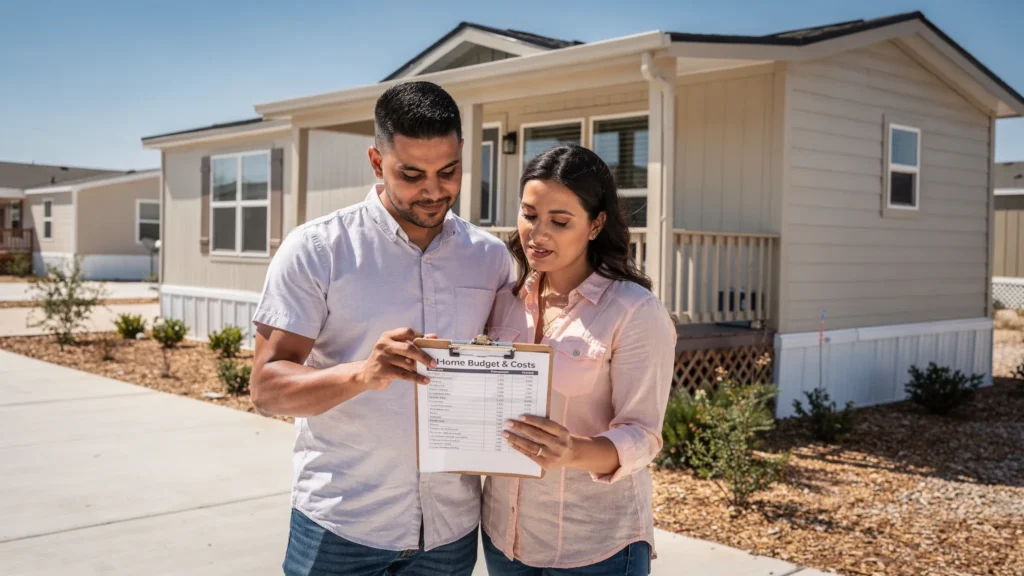
Buyers often focus on the home price and forget that buying land adds a second layer of costs. A realistic budget for a mobile home with land should include:
- Land purchase price
- Home price and options
- Site prep (clearing, pad, grading)
- Utility connections (water, power, sewer or septic)
- Foundation type and installation
- Driveway/access work (especially on rural lots)
- Permits, surveys, and inspections
- Insurance and property taxes
A good rule is to ask for an itemized “all-in” estimate early, even if some line items are ranges until the land is confirmed.
Quick cost-bucket reference
| Cost bucket | What it usually includes | When it hits your timeline |
|---|---|---|
| Land | Purchase price, closing costs, title work | Up front |
| Home | Base price, upgrades, delivery | Mid process |
| Site work | Clearing, pad, driveway, utility trenches | Before delivery |
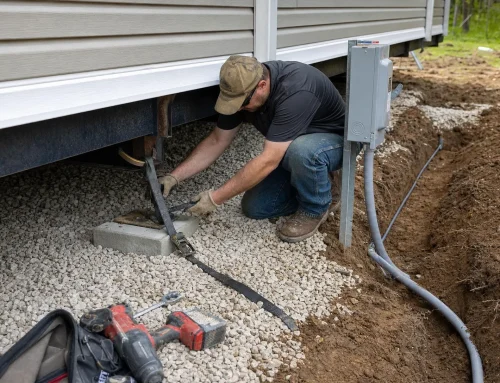
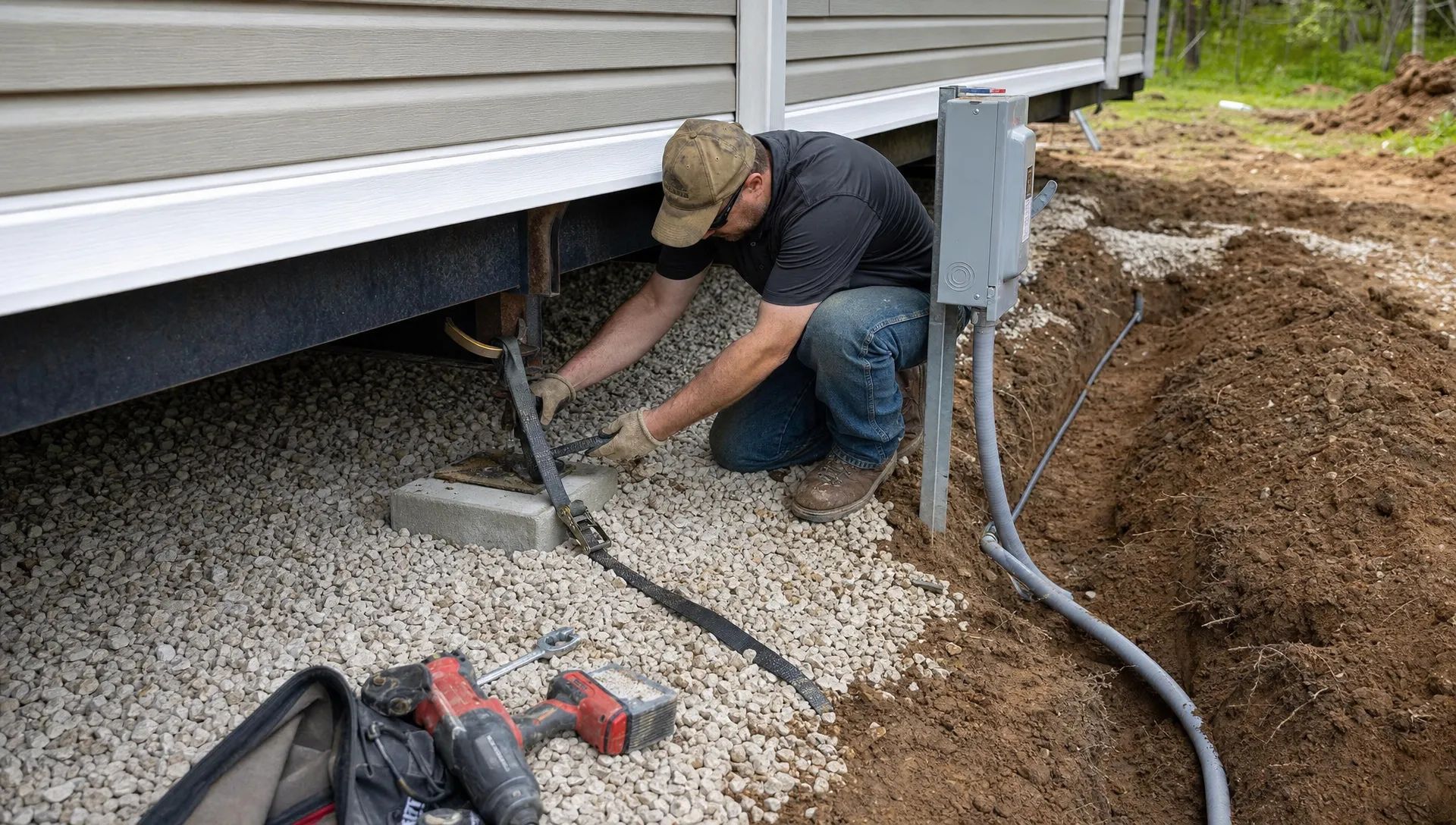
| Installation | Foundation, tie-downs, setup, skirting/steps (varies) | Around delivery |
| Permitting | Permits, inspections, addresses, septic permits (if needed) | Before setup |
If you are not sure where your costs will land, get clarity on the “big swing” items first: utilities (especially septic), driveway/access, and foundation requirements.
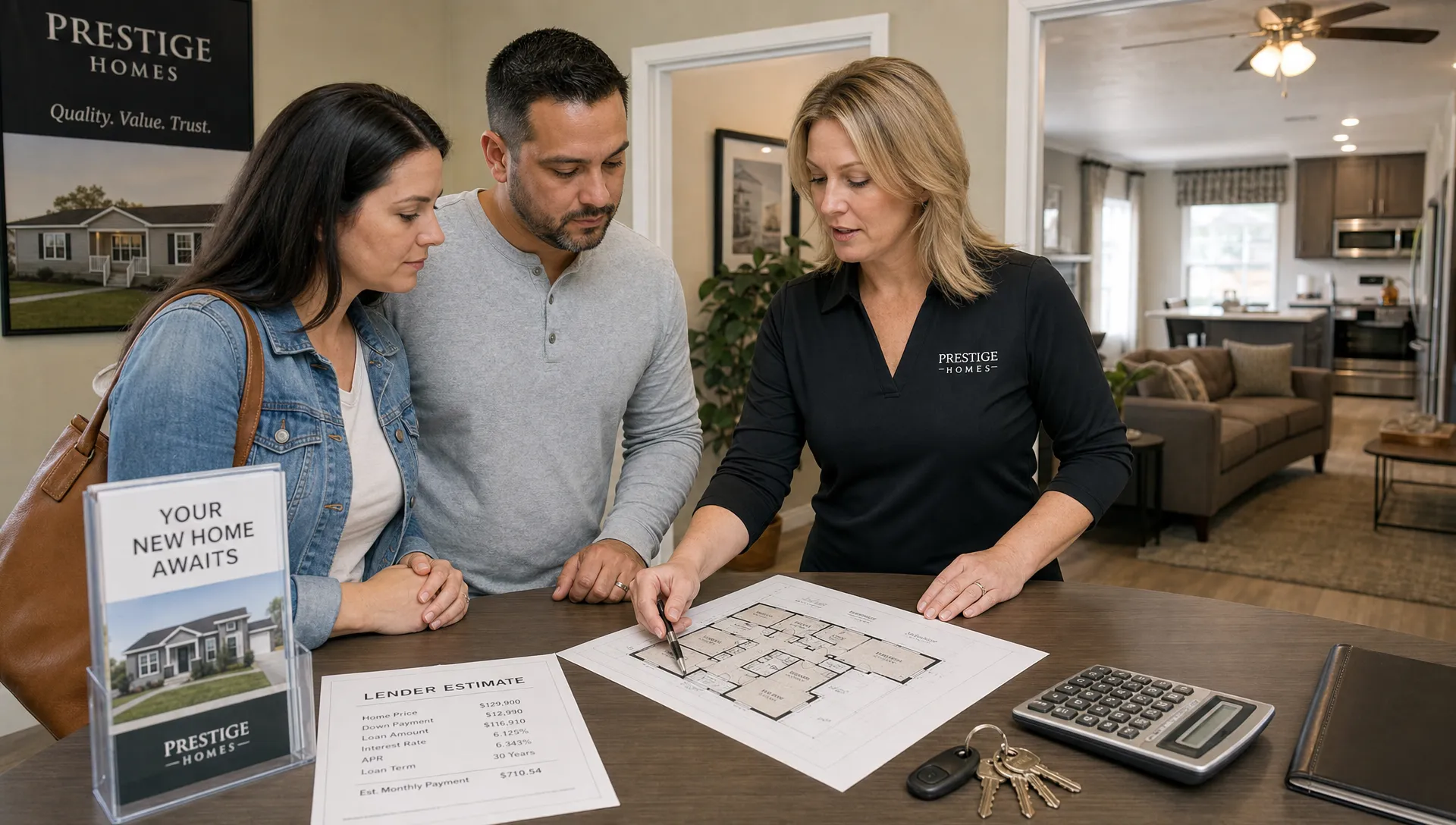
Step 2: Get pre-approved for the right type of financing
Financing is not one-size-fits-all for manufactured homes with land. The right loan type can depend on whether the home will be titled as personal property or converted to real property (often required for traditional mortgages).
Here is a plain-English comparison.
| Financing path | Best for | Common requirements (general) | What to watch |
|---|---|---|---|
| Chattel (home-only) | Home purchase without land, or land owned separately but not collateralized | Down payment varies, lender underwriting, home title is key | Often higher rates/shorter terms than mortgages |
| Land-home mortgage | Buying land + home together as real estate | Appraisal, foundation/installation standards, escrow/closing process | Can take longer due to land, appraisal, and setup rules |
| Construction-to-permanent (some cases) | When land + installation resembles a build process | Detailed plans, contractor/install coordination, draws | More documentation and tighter timelines |
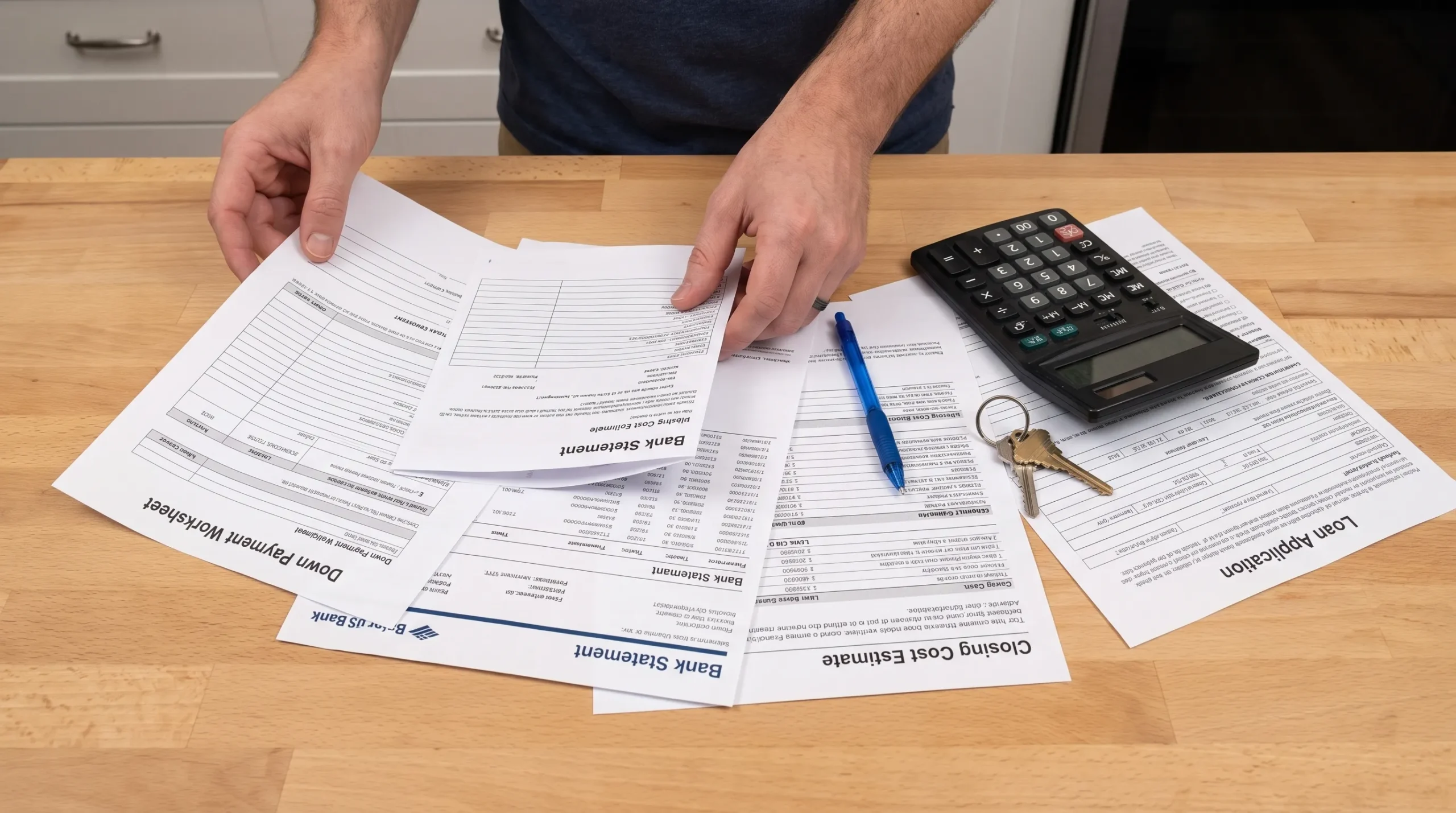
Lenders also verify identity, income, and bank activity. If you have ever gone through strict identity checks on regulated platforms, you have seen how detailed this can be. Mortgage and lending verification overlaps with compliance concepts like KYC and AML (know your customer and anti-money-laundering) where documentation must match exactly.
Tip: Do not pick land before you understand your financing guardrails. Some loan programs have property requirements (access, utilities, foundation type, and appraisal conditions) that can eliminate a lot after you have already fallen in love with it.
Step 3: Find land that can legally and practically support a manufactured home
This is the step that saves people the most money.
Even if a lot is beautiful and affordable, you need to confirm it can actually be used the way you intend. In and around San Antonio, that can mean checking city rules if it is within city limits, or county requirements if it is outside city limits.
Land due diligence checklist (buyer-friendly)
| What to verify | Why it matters | Who can confirm |
|---|---|---|
| Zoning/land use rules | Some areas restrict or conditionally allow manufactured homes | City/county planning office |
| Deed restrictions/HOA rules | Private restrictions can ban manufactured homes even if zoning allows | Title company, HOA docs |
| Utilities availability | Bringing power/water/sewer to a lot can be a major cost | Utility providers, well/septic pros |
| Septic feasibility (if needed) | Soil and permitting can determine whether a septic system is possible | Septic installer, county authority |
| Floodplain/drainage | Flood risk affects insurance and whether the site is buildable | FEMA flood maps, surveyors |
| Access and road frontage | Delivery requires sufficient access for transport and setup | Site visit + installer input |
For Texas-specific manufactured housing regulatory info, the Texas Department of Housing and Community Affairs (TDHCA) is a key reference point for ownership and installation rules and resources: TDHCA Manufactured Housing Division.
San Antonio reality check: Many land listings are marketed broadly. Always confirm restrictions and utility realities before you spend money on surveys, inspections, or earnest deposits.
Step 4: Choose the right home for the land (not just the prettiest model)
Once you have a viable land shortlist, select a home that fits both your lifestyle and your site constraints.
Key “fit” questions to answer early:
- Size and layout: Will the home footprint fit setbacks and the usable area?
- Access for delivery: Can the delivery path handle the length/width of the home sections?
- Energy efficiency: In South Texas heat, insulation, windows, duct sealing, and HVAC efficiency can materially affect monthly costs.
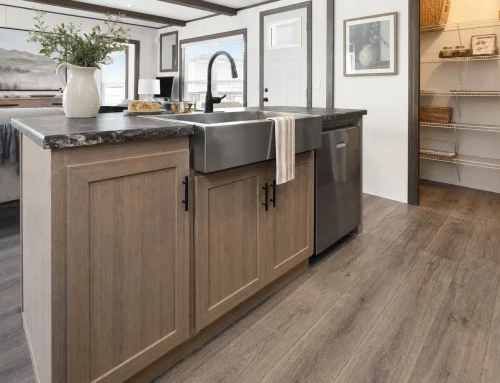
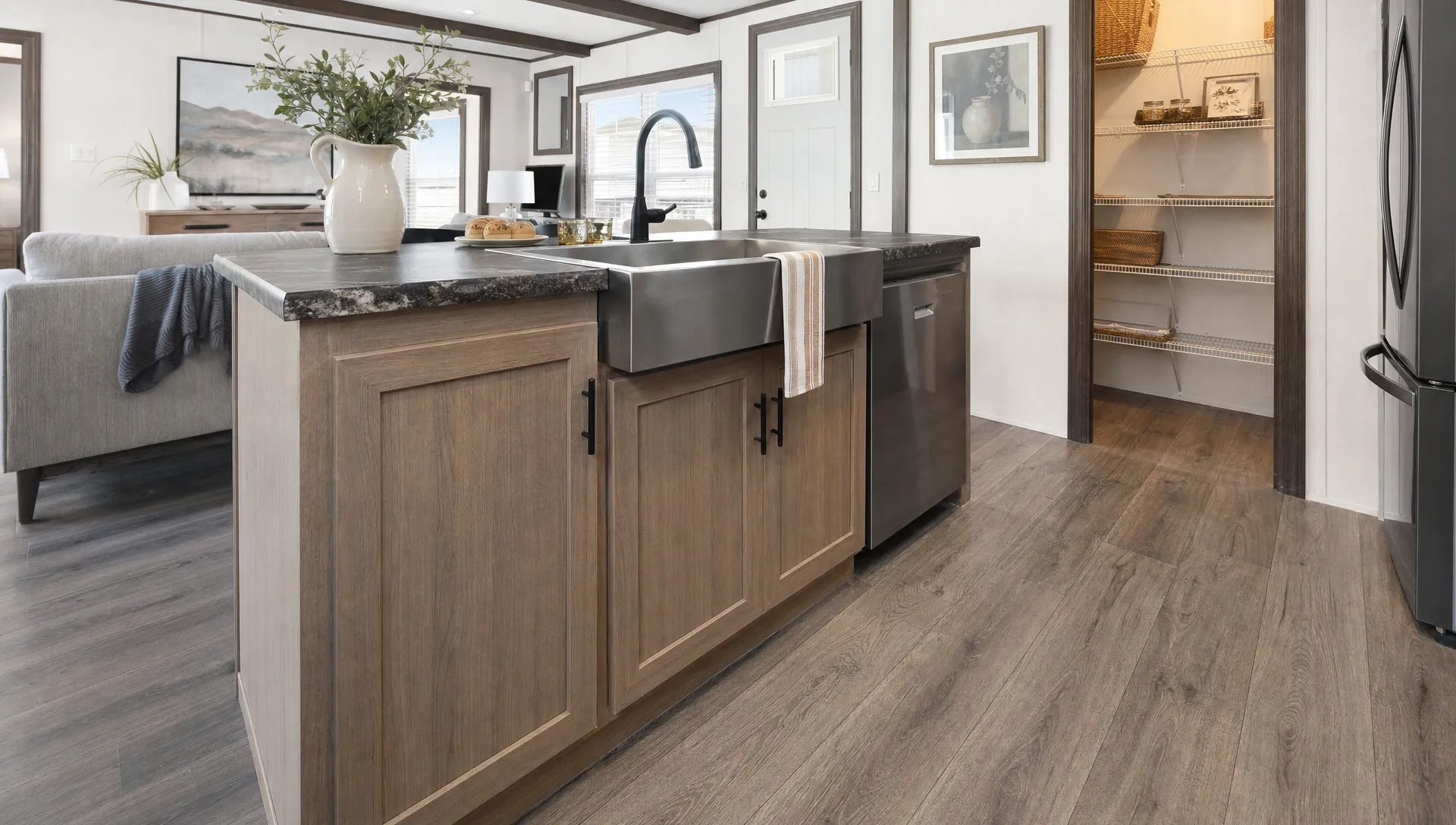
- Finish level and move-in readiness: Decide what must be included up front versus what you can do later.
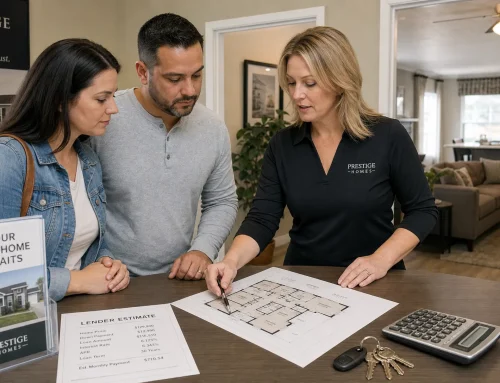
At Homes2Go San Antonio, buyers typically start by narrowing down floor plans and selecting a model that matches budget and site realities (with detailed floor plans and expert guidance available).
Step 5: Request a written, itemized estimate that includes land-related scope
A manufactured home quote can look “complete” while still excluding critical land scope. Ask for clarity on what is included versus not included.
Examples of scope items that should be explicitly addressed:
- Delivery and setup
- Foundation type assumptions
- Utility hookups (what is included and what is “by others”)
- Permitting responsibilities
- Driveway/access requirements
- Steps/landings, skirting, and tie-downs (as applicable)
If any line item is unknown until the land is finalized, you still want it listed as an allowance or “pending site verification” so it does not disappear.
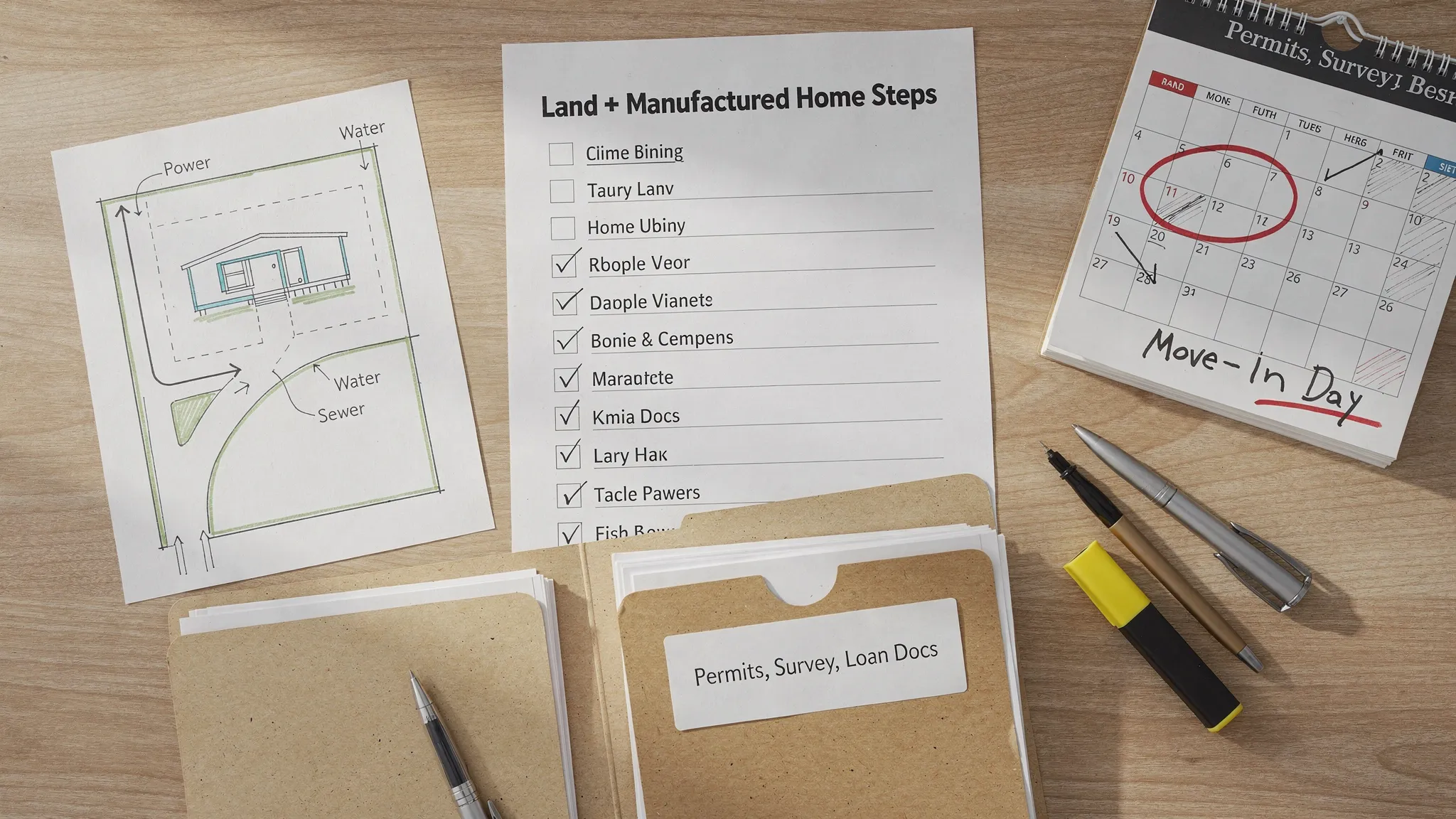
Step 6: Confirm permits, addressing, and installation requirements
Permitting varies by jurisdiction and property specifics, so treat this as a coordination step, not an afterthought.
Common items that may be required include:
- Site plan (showing home placement, setbacks, driveway, utilities)
- Septic permits (if applicable)
- Electrical permits and inspections
- 911 address assignment (often needed for utilities)
If you are unsure where to start for consumer-friendly guidance on mortgages and closing basics, the Consumer Financial Protection Bureau has solid primers: CFPB home loan resources.
Step 7: Prepare the land (site prep) before the home arrives
Site prep is where timelines most often slip because multiple vendors may be involved.
A typical site prep sequence includes:
- Clearing and grading
- Building the pad or foundation base
- Trenching for utilities
- Installing septic and/or water connection (if needed)
- Ensuring driveway and turning radius are delivery-ready
Tip: Have the installer or site pro confirm access in advance. A lot can be legally buildable but still logistically difficult (tight turns, soft soil, steep grades).
Step 8: Schedule delivery and installation with a realistic buffer
Delivery and setup is not just “drop the home and done.” It may include multiple visits and inspections.
Plan for:
- Delivery window coordination
- Setup, leveling, and securing the home
- Utility connections and system testing
- Final walkthrough and punch list
Weather and contractor schedules can shift dates. Build buffer time into any lease-ending plans.
Step 9: Handle ownership, title, and (if applicable) real property conversion
This step depends on how you finance and how the home is legally recorded.
In Texas, manufactured homes have specific ownership documentation processes (and lenders often require precise alignment between the home paperwork and land records). If you are using a land-home mortgage, your lender and closing agent will tell you what must happen for the home to be treated as real estate for the loan.
Do not guess here. Mistakes in names, addresses, serial/VIN information, or legal descriptions can cause last-minute closing delays.
Step 10: Close, connect, and move in (with a post-close checklist)
Before you call it done, tie up the operational details that make the home livable and protect your investment.
A practical post-close checklist:
- Confirm utilities are active (electric, water, sewer/septic, internet)
- Save warranty and installer documents in one folder
- Photograph the home at move-in (useful for maintenance tracking)
- Confirm property tax setup and homestead eligibility (ask your county appraisal district)
- Create a maintenance calendar (filters, HVAC service, caulking checks)
Common mistakes to avoid when buying a mobile home with land
Most costly issues come from skipping verification steps.
- Buying land before confirming restrictions (zoning, deed restrictions, HOA rules).
- Underestimating utility costs, especially septic and long power runs.
- Not getting an itemized scope for delivery, foundation, and site prep.
- Assuming timelines are like a site-built home, or like buying in a land-lease community. Land plus installation adds coordination.
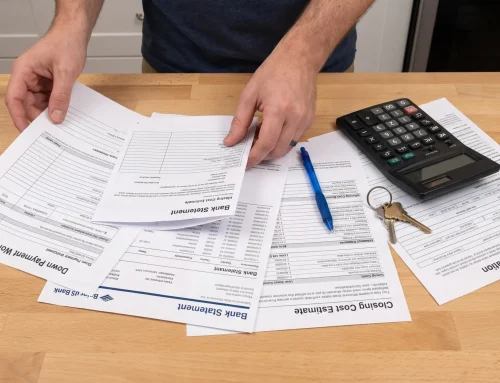
- Waiting too long to gather documents for the lender, title company, and insurance.
How long does it usually take?
Timelines vary based on land readiness, permitting, and financing. As a planning range, many buyers should expect several weeks to a few months from serious shopping to move-in, with land and utilities being the biggest variables.
If your land already has utilities in place and permitting is straightforward, the process can move much faster.
Frequently Asked Questions
Is buying a mobile home with land the same as a land-and-home package? Not always. A land-and-home package typically means the land and home are coordinated (and often financed) together. You can also buy land first and add the home later, or buy an existing manufactured home already on owned land.
Can I put a manufactured home on any land I buy near San Antonio? No. You need to confirm zoning/land use rules, deed restrictions, and practical factors like utility access and septic feasibility. Always verify before you commit.
What is the biggest “hidden” cost when buying land for a manufactured home? Utilities and access work are common surprises, especially septic systems, long electrical runs, and driveway improvements needed for delivery.
Do I need a permanent foundation to finance a manufactured home with land? It depends on the loan type and lender requirements. Many land-home mortgage options require installation standards that treat the home more like real property. Ask your lender early.
Is a manufactured home considered real estate or personal property in Texas? It can be either, depending on how it is titled/recorded and whether it is attached to land under the required process. Your lender and closing agent should guide you.
How can a first-time buyer stay organized through the process? Use a single folder (digital or physical) for land documents, lender paperwork, quotes, permits, and installation records. Also keep an itemized cost sheet that you update as quotes become firm.
Ready to buy a mobile home with land in San Antonio?
If you want help matching a home model to your land plan (or finding a path that bundles the process), Homes2Go San Antonio can guide you through home selection, floor plans, and financing options with trusted local lenders.
Explore available homes and get expert help at Homes2Go San Antonio.
 Cheap Manufactured Homes for Sale: Smart Buying Tips
 Rent to Own Mobile Homes Near Me: Finder Guide