
Buying a manufactured home in Texas is often more affordable than buying a traditional site-built home, but skipping the inspection can turn a good deal into a costly surprise. Whether you are comparing move-in ready homes in San Antonio, buying a used home in a community, or placing a new manufactured home on private land, an inspection helps confirm the home is safe, properly installed, and worth the price you are paying.
So, how much does a manufactured home inspection cost in Texas? In most cases, buyers should budget about $350 to $900 for a standard independent inspection. If the property needs a foundation certification, termite inspection, septic inspection, well inspection, or other lender-required reports, total due diligence costs can reach $700 to $1,800 or more.
The exact cost depends on the home’s size, age, location, foundation, accessibility, and whether the home is being financed as personal property or real estate. Here is what Texas buyers should know before scheduling an inspection.
What Is a Manufactured Home Inspection?
A manufactured home inspection is a detailed review of the home’s visible systems and components. The inspector looks for safety concerns, installation issues, water damage, electrical or plumbing problems, roof leaks, HVAC concerns, structural movement, and maintenance items that could affect the home’s value or livability.
Manufactured homes are different from site-built homes because they are built in a factory under the federal HUD Code, then transported and installed at the home site. The U.S. Department of Housing and Urban Development oversees federal manufactured housing construction and safety standards, while the Texas Department of Housing and Community Affairs Manufactured Housing Division regulates many manufactured housing matters in Texas, including licensing, statements of ownership, and installation-related requirements.
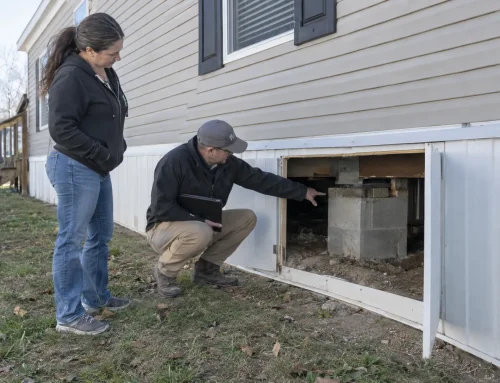
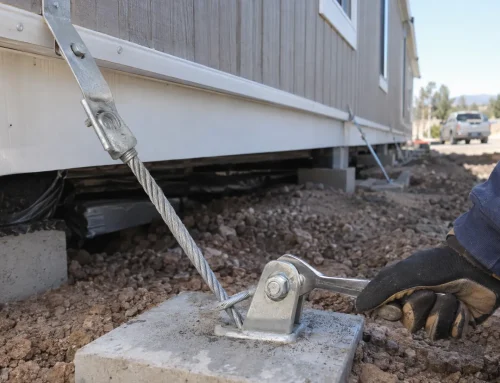
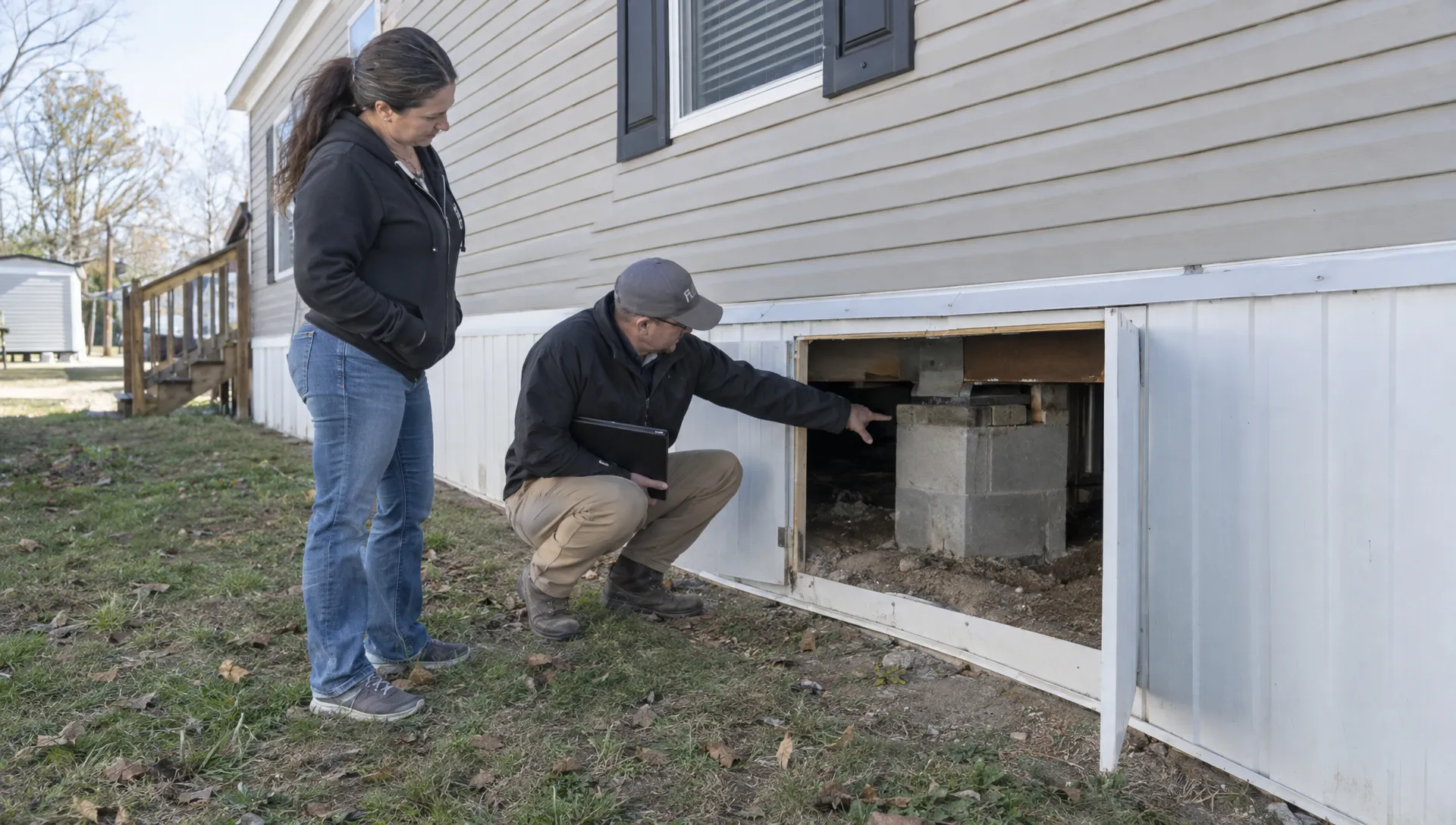
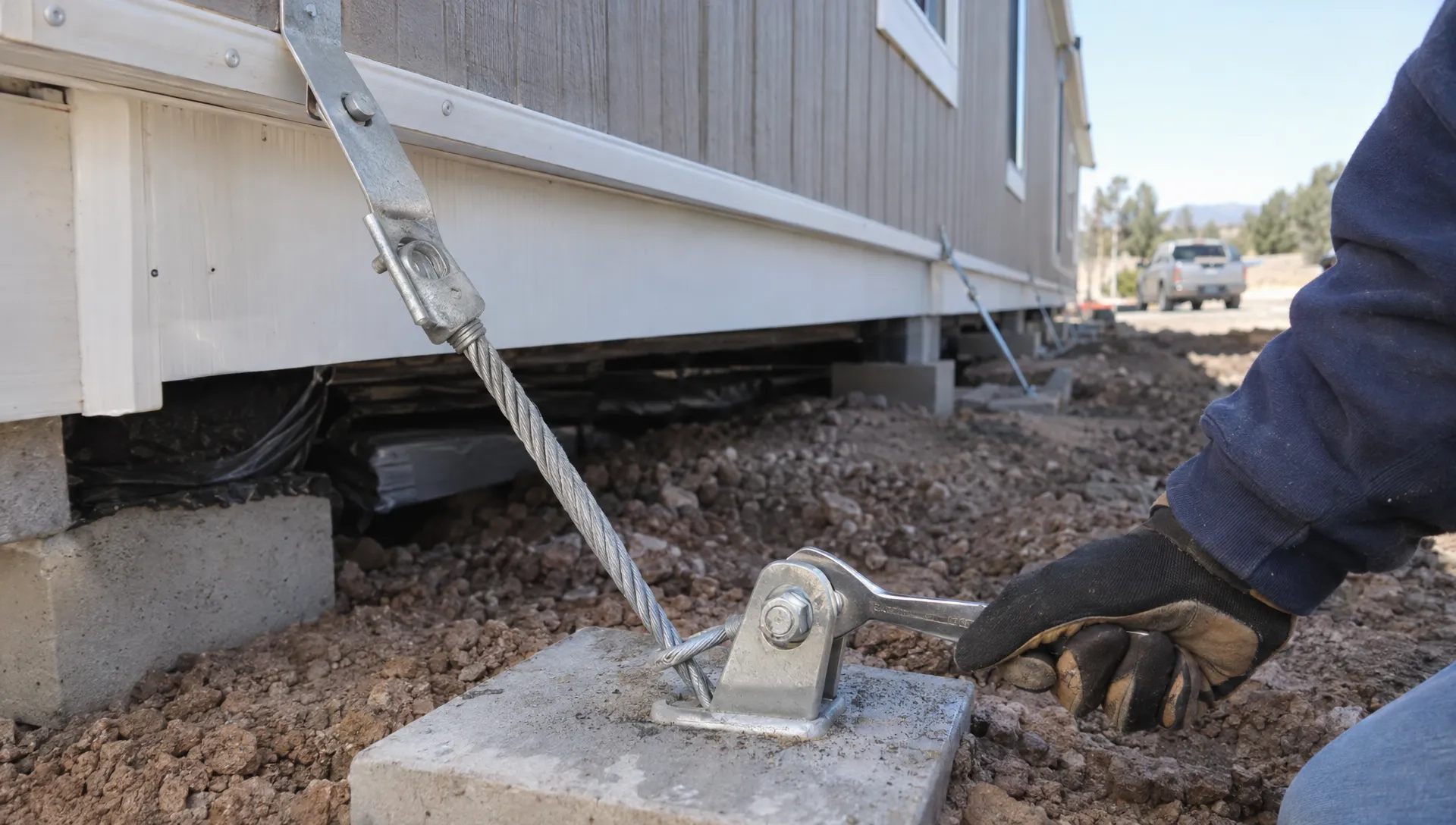
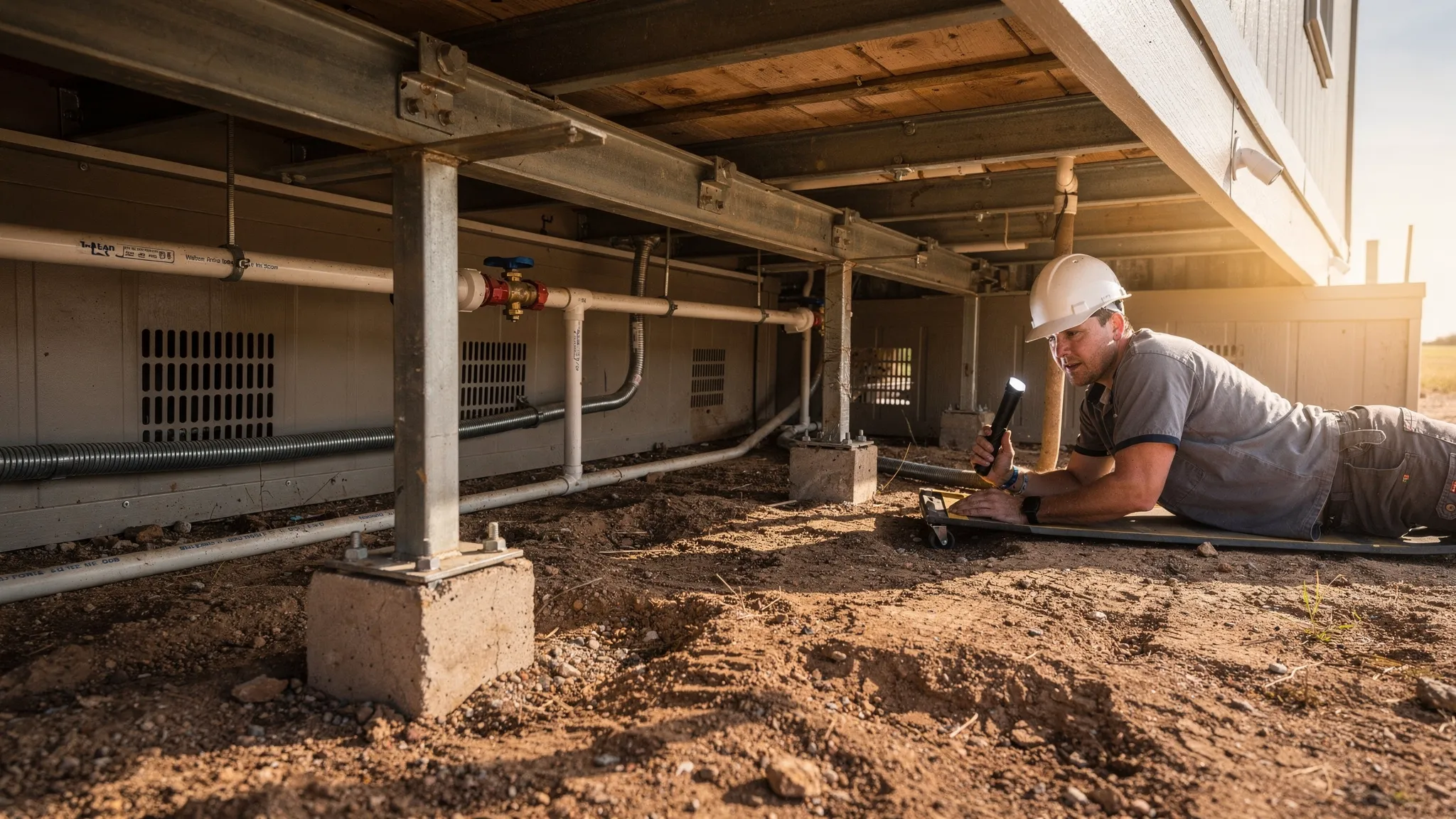
Because of this, a good manufactured home inspection should go beyond a basic walk-through. It should pay close attention to the areas that are unique to manufactured homes, including the chassis, piers, anchors, skirting, marriage line, underbelly, vapor barrier, and utility connections.
Average Manufactured Home Inspection Cost in Texas
Texas inspection pricing varies by market, but most buyers can use the following ranges as a practical starting point.
| Inspection or report | Typical Texas cost range | When it may be needed |
|---|---|---|
| Standard manufactured home inspection | $350 to $900 | Most new or used home purchases |
| Single-wide inspection | $300 to $600 | Smaller homes with easier access |
| Double-wide inspection | $400 to $800 | Larger homes or homes with a marriage line |
| Foundation certification or engineer letter | $400 to $900 | Common for FHA, VA, USDA, or real-property financing |
| Termite or wood-destroying insect inspection | $100 to $250 | Often requested by lenders or buyers |
| Septic inspection | $300 to $600 | Private land with an on-site septic system |
| Well inspection and water testing | $250 to $600 | Rural land or homes not connected to public water |
| Reinspection after repairs | $100 to $250 | Used to verify completed repairs |
These are typical buyer-paid ranges, not fixed statewide fees. A home in a rural area outside San Antonio may cost more to inspect if the inspector charges travel fees. A larger multi-section home may cost more than a small single-section home. A home with limited crawlspace access can also take longer to inspect.
If you are planning a full land-and-home purchase, inspection costs should be treated as part of your total upfront budget, along with appraisal, survey, title work, insurance, permits, utility connections, and financing costs. For a broader look at the buying process, see our guide to land and home packages in San Antonio.
What Does a Manufactured Home Inspector Check?
A standard inspection usually covers the visible and accessible condition of the home. It is not a guarantee that every hidden defect will be found, but it gives you a much clearer picture of the home’s current condition.
A manufactured home inspection commonly includes:
- Roof condition, roof penetrations, flashing, and signs of leaks
- Exterior siding, windows, doors, trim, decks, steps, and skirting
- Interior walls, ceilings, floors, cabinets, doors, and visible water stains
- Plumbing fixtures, drain performance, water heater, and visible supply lines
- Electrical panel, outlets, GFCI protection, fixtures, and visible wiring concerns
- HVAC system operation, vents, thermostat, and accessible ductwork
- Kitchen appliances that are included in the sale
- Crawlspace, underbelly, vapor barrier, piers, blocking, anchors, and tie-downs when accessible
- Marriage line, ceiling seams, floor transitions, and signs of separation in multi-section homes
In Texas, professional real estate inspectors are licensed by the Texas Real Estate Commission. TREC also publishes Standards of Practice for real estate inspections. However, not every general home inspector has the same level of experience with manufactured homes, so it is smart to ask direct questions before hiring one.
A good question to ask is: “How many manufactured homes have you inspected in the last year, and do you inspect the crawlspace, tie-downs, piers, and underbelly when accessible?”
Standard Inspection vs Foundation Certification
One of the most common cost surprises for Texas buyers is the difference between a home inspection and a foundation certification.
A standard inspection is a condition report. It helps you understand whether the home has visible defects, maintenance issues, or safety concerns. A foundation certification, sometimes called an engineer certification, is different. It is usually completed by a licensed professional engineer and may be required by lenders when the manufactured home is being financed as real property.
For FHA-insured mortgages, manufactured homes must meet specific eligibility and foundation requirements. HUD’s guidance on manufactured housing financing and permanent foundations is especially important when a buyer is using FHA Title II financing. You can learn more through HUD’s manufactured housing programs.
Here is the practical difference:
| Item | Standard inspection | Foundation certification |
|---|---|---|
| Main purpose | Evaluates visible condition and safety concerns | Confirms foundation system meets required standards |
| Who performs it | Licensed home inspector or qualified inspector | Usually a licensed professional engineer |
| Typical buyer question answered | “What is wrong with the home?” | “Will this foundation satisfy lender requirements?” |
| Common for cash buyers | Recommended | Sometimes optional |
| Common for FHA, VA, USDA, or real-property loans | Recommended | Often required |
If you are financing the home, ask your lender early whether a foundation certification is required. This is especially important for used manufactured homes, homes on private land, and land-home transactions.
New Manufactured Home: Do You Still Need an Inspection?
Many buyers assume a new manufactured home does not need an inspection because it is built under federal standards and delivered by professionals. A new home may have fewer wear-and-tear issues, but an inspection can still be valuable.
New manufactured homes can experience transportation damage, setup issues, utility connection problems, cosmetic defects, or incomplete punch-list items. The final installation quality matters as much as the factory build. A new home should be level, properly supported, correctly connected to utilities, and protected from water intrusion.
For a new home, the inspection may focus more on:
- Delivery damage
- Proper setup and leveling
- Roof, siding, and trim condition after transport
- Plumbing leaks after utility connection
- HVAC performance
- Interior finish issues
- Door and window operation
- Skirting, steps, decks, and site drainage
At Homes2Go San Antonio, buyers can compare available models, review floor plans, and get guidance throughout the purchase process. If you are still deciding which home type fits your budget, our manufactured homes in San Antonio guide explains common model options, price factors, and placement considerations.
Used Manufactured Home: Why Inspection Costs Are Usually Worth It
Used manufactured homes can offer strong value, but they also carry more risk. Older homes may have roof leaks, soft floors, outdated electrical components, plumbing repairs, HVAC wear, drainage problems, or foundation movement. In a multi-section home, the marriage line and roof connection should be checked carefully for water intrusion and separation.
A few inspection findings can have major financial consequences. For example, soft subflooring around a bathroom may start as a small moisture issue but become a larger repair if the leak has spread underneath the flooring. Damaged skirting may seem cosmetic, but it can allow animals, wind-driven rain, and cold air into the crawlspace. Poor drainage can cause recurring foundation and moisture problems.
A used manufactured home inspection can help you decide whether to:
- Move forward with the purchase
- Renegotiate the price
- Request repairs before closing
- Ask for seller credits where allowed
- Walk away from a home with major concerns
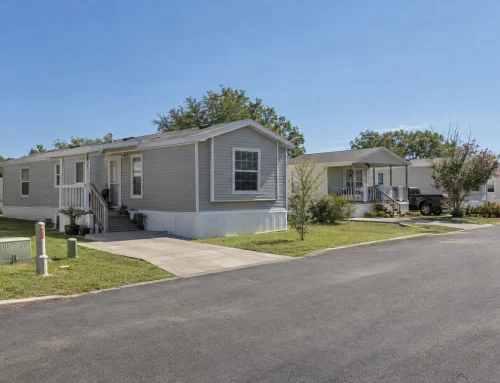
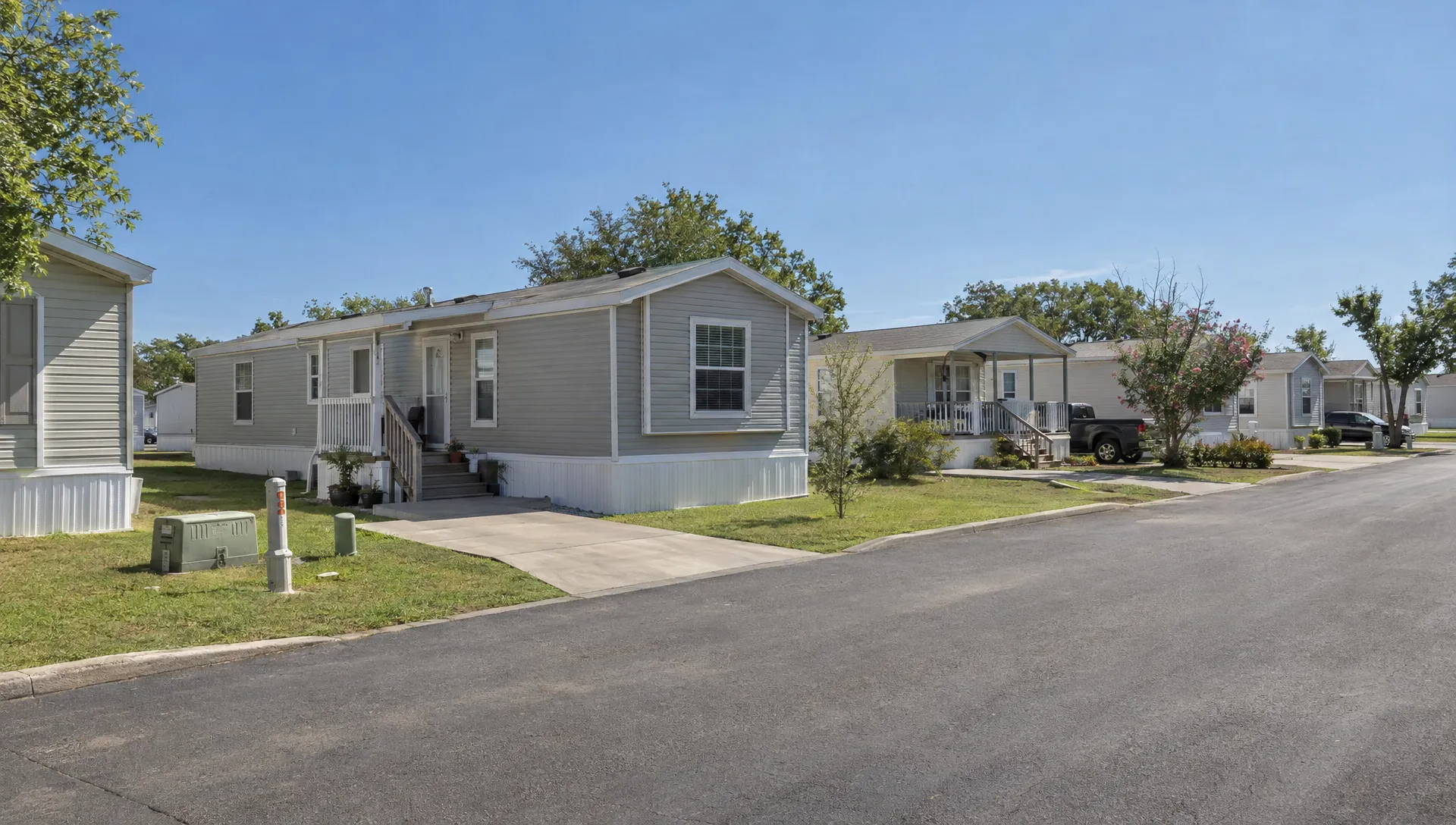
If the home is located in a manufactured home community, also review the community rules, lot rent, pet policies, parking, and any requirements for home condition or exterior improvements. The home inspection tells you about the structure, but the community review tells you whether the location fits your lifestyle and budget.
What Affects Manufactured Home Inspection Cost in Texas?
The cost of a manufactured home inspection is not based on one factor. Inspectors usually consider the amount of time, complexity, travel, and risk involved.
Home size and layout
A single-wide manufactured home usually costs less to inspect than a double-wide or triple-wide because there is less square footage and fewer systems to evaluate. Multi-section homes also have marriage lines, additional roof connections, and more crawlspace components to review.
Age and condition
Older homes often take longer to inspect because they may have previous repairs, additions, moisture stains, outdated systems, or inaccessible areas. A well-maintained 5-year-old home is usually simpler to inspect than a 30-year-old home with multiple owners and incomplete records.
Foundation and crawlspace access
If the inspector can safely access the crawlspace, they may be able to check piers, anchors, ductwork, plumbing lines, insulation, and the underbelly. If access is blocked, too low, unsafe, or sealed, the inspection may be limited. Some inspectors charge more for crawlspace access because it takes additional time and safety precautions.
Location and travel
Inspection fees may be higher in rural areas, especially if the inspector must drive far from a major metro area. Around San Antonio, pricing can vary depending on whether the home is inside the city, in a nearby community, or on acreage outside Bexar County.
Add-on inspections
The biggest cost increases usually come from add-ons, not the base home inspection. Septic, well, termite, pool, structural engineering, and HVAC specialist evaluations can each add separate fees. These may be worth it when the property includes private utilities or when the standard inspector recommends further evaluation.
Lender requirements
If you are using financing, the lender may require additional documentation. This is common when the manufactured home is part of a land-home package or is being treated as real property. The exact requirements depend on the loan type, the lender, the home, and the property.
For more on loan types, visit our manufactured home financing page.
Who Pays for the Inspection?
In most Texas transactions, the buyer pays for the independent inspection because the inspection is part of the buyer’s due diligence. That gives the buyer direct access to the inspector’s report and a clearer understanding of the home’s condition.
For new manufactured homes, the retailer, installer, manufacturer, lender, or local authority may have separate processes related to setup, installation, warranty, or required approvals. Those are not always the same as an independent buyer inspection. If you want your own inspector, ask how the inspection can be scheduled and at what stage of the process it makes the most sense.
For resale homes, buyers often schedule inspections shortly after the purchase agreement is signed. If the manufactured home is being sold with land through a real estate contract, your inspection deadline may be tied to your option period or contract terms. If the home is being sold as personal property, make sure your written agreement clearly explains inspection rights, deadlines, and what happens if major issues are found.
Is a Manufactured Home Inspection Required in Texas?
An independent buyer’s inspection is not always legally required, but it is strongly recommended. Separate from a buyer’s inspection, Texas has rules for manufactured housing installation, titling, and licensing through TDHCA’s Manufactured Housing Division.
In practice, whether an inspection or report is “required” depends on the situation:
| Situation | Is an independent inspection required? | What to watch for |
|---|---|---|
| Cash purchase of used home only | Usually not required | Still recommended for condition and negotiation |
| New home purchase | Not always required by buyer | Setup quality, delivery damage, punch-list items |
| Land-home purchase with mortgage | Often expected by buyer, sometimes required by lender | Appraisal, foundation, title, survey, insurance |
| FHA, VA, or USDA financing | Lender may require specific reports | Foundation certification and program rules |
| Private land with septic or well | Not always required, but often wise | Utility condition, water quality, system capacity |
Do not assume one inspection covers everything. A home inspector, appraiser, engineer, pest inspector, septic professional, and lender all serve different roles.
How to Choose a Manufactured Home Inspector in Texas
The cheapest inspection is not always the best value. A qualified inspector who understands manufactured homes can help you avoid expensive blind spots.
Before hiring an inspector, ask:
- Are you licensed in Texas, if required for the type of inspection you perform?
- How much experience do you have with manufactured homes?
- Do you inspect the crawlspace, piers, anchors, underbelly, and marriage line when accessible?
- Does your report include photos?
- How soon will I receive the report?
- What is excluded from your inspection?
- Do you offer reinspections after repairs?
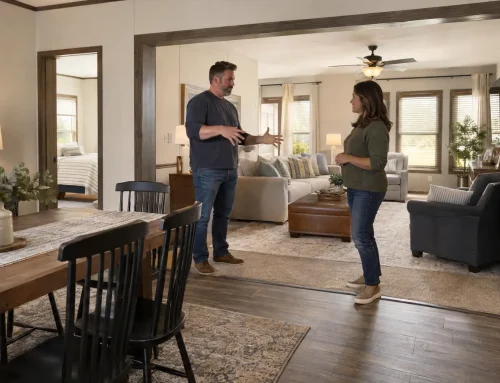
It is also helpful to attend the inspection if possible. You can ask questions, see issues firsthand, and better understand which repairs are urgent versus routine maintenance.
Ways to Save Money Without Skipping the Inspection
Inspection costs are small compared with the potential cost of hidden structural, moisture, or utility problems. Still, there are smart ways to manage your budget.
First, ask for a clear written quote before scheduling. The quote should explain the base fee, travel charges, reinspection fee, and any add-ons. Second, confirm that utilities will be turned on before the inspection. If power, water, or gas are off, the inspector may not be able to test key systems, which can lead to a second trip.
Third, gather documents in advance. Useful records may include the HUD label information, serial number, Statement of Ownership, installation paperwork, warranty documents, repair receipts, roof age, HVAC service records, and community rules if the home is in a park.
Finally, do not pay for every add-on automatically. Start with the home, land, lender, and utility situation. A septic inspection makes sense if the home uses septic. A well inspection makes sense if the home has a private well. A foundation certification may be necessary if your lender requires it. The right inspection package should match the actual purchase.
Budget Example for a Texas Buyer
Here is a realistic example for a buyer purchasing a used double-wide manufactured home on private land outside San Antonio.
| Item | Estimated cost |
|---|---|
| Standard manufactured home inspection | $550 |
| Foundation certification | $650 |
| Termite inspection | $150 |
| Septic inspection | $450 |
| Reinspection after repairs | $150 |
| Estimated total | $1,950 |
That may sound like a lot, but it can be a wise investment if it identifies major repair issues before closing. On the other hand, a buyer purchasing a newer single-wide home in a land-lease community might only need a standard inspection in the $350 to $600 range, depending on the inspector and property.
Inspection Red Flags That Deserve Extra Attention
Not every issue should stop a purchase, but some findings require careful review. Pay special attention to roof leaks, active plumbing leaks, soft floors, unsafe electrical work, missing or damaged anchors, major leveling issues, mold-like staining, damaged underbelly material, and signs of ongoing drainage problems.
Also be cautious with unpermitted additions. Porches, decks, rooms, carports, and roof structures can affect safety, insurance, community approval, and lender review. If an addition is attached incorrectly, it can place stress on the home or create water intrusion points.
For buyers focused on long-term utility costs, inspection is also a good time to evaluate insulation, windows, duct leakage, HVAC age, and shading. Our guide to energy-efficient manufactured homes in Texas heat explains what to look for in the San Antonio climate.
Frequently Asked Questions
How much does a manufactured home inspection cost in Texas? Most standard manufactured home inspections in Texas cost about $350 to $900. The final price depends on size, age, location, crawlspace access, and whether extra inspections are needed.
Does a manufactured home inspection include the foundation? A standard inspection may include visible piers, supports, anchors, and signs of movement if accessible. A lender-required foundation certification is different and usually requires a licensed professional engineer.
Do I need an inspection on a brand-new manufactured home? It is still a smart idea. New homes can have transportation damage, setup issues, utility connection problems, or punch-list items that should be corrected before move-in.
Who pays for the inspection in Texas? The buyer usually pays for an independent inspection. In some transactions, sellers may agree to repairs or credits after inspection findings, but that depends on the contract and negotiation.
Is an appraisal the same as an inspection? No. An appraisal estimates value for the lender or buyer. An inspection evaluates the home’s condition and identifies visible defects, safety issues, and maintenance concerns.
Can I use any home inspector for a manufactured home? You should look for an inspector with manufactured home experience. Ask whether they inspect crawlspaces, piers, anchors, underbelly material, and marriage lines when accessible.
Buying a Manufactured Home in San Antonio? Plan the Inspection Early
A manufactured home inspection is one of the best ways to protect your budget before you buy. For most Texas buyers, the base inspection cost is manageable, but extra reports can add up quickly, especially with land-home financing, private utilities, or older resale homes.
Homes2Go San Antonio helps families and individuals compare manufactured home models, understand floor plans, explore flexible financing options, and navigate the buying process with local guidance. If you are preparing to buy in the San Antonio area, start by choosing the right home and asking early which inspections or lender documents may apply to your situation.
Explore available options with Homes2Go San Antonio and take the next step toward affordable homeownership with more confidence.
 Double Wide Manufactured Homes: Layouts, Prices, Tips
 3 Bedroom Trailers for Rent Near Me: Smart Search Tips