
After setup, the company that handles a manufactured home warranty repair depends on the source of the problem, not simply where you bought the home. A factory defect generally goes to the manufacturer, an installation issue to the installer and an appliance failure may go through that appliance brand’s service network.
Your retailer is often the practical starting point, especially when the cause is unclear. But the business scheduling the appointment, the technician doing the work and the party paying for it may be different. Here is how to get the right people involved without losing time or authorizing work you may have to pay for yourself.
Who is responsible after your home is set up?
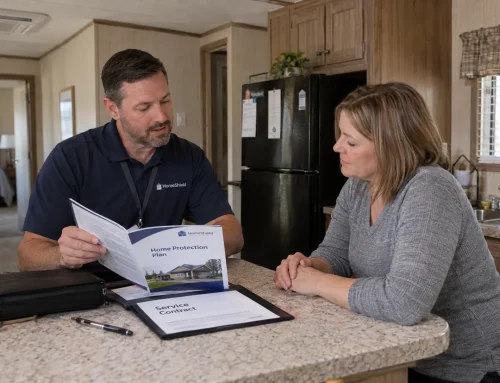
Start with the service contact in your closing or warranty packet. If the packet directs you to the retailer, notify that office first. If it provides a manufacturer’s claim portal or service number, follow those instructions and keep the retailer informed.
This table offers a starting point, not a final determination of coverage:
| Suspected source | First party to notify | What needs to be established |
|---|---|---|
| Factory materials or workmanship | Manufacturer’s warranty department, often through the retailer | Whether the condition is a covered manufacturing defect |
| Leveling, supports, anchoring or section connections | Installer and retailer | Whether setup followed the applicable installation requirements |
| Refrigerator, range or other separately warranted equipment | Contact named in the equipment warranty | Whether that warranty applies and who may service it |
| Grading, drainage or separately contracted utility work | Contractor responsible for that work | Whether the problem falls within the contractor’s scope |
| Damage discovered after delivery | Retailer and the responsible delivery or setup contact | When the damage occurred and which agreement applies |
A manufactured home warranty claim can involve more than one company, particularly when factory-built components connect during installation. You do not need to diagnose the defect before reporting it. Describe what you see and ask the parties to determine the cause.
Match the problem to its cause
Factory defects versus installation problems
A cabinet separating from a wall could involve factory fastening, movement during transportation or problems with the home’s support. A leaking pipe might have failed inside a factory-built section or at a connection completed during setup.
Those distinctions matter because different businesses may be responsible for correcting the problem. Report the symptom precisely: where it occurs, when you first noticed it and whether it changes after rain, temperature shifts or equipment use.
Avoid opening walls or removing materials just to prove your theory. Photos and an authorized inspection are usually a better starting point.
Leveling, marriage-line connections and settling
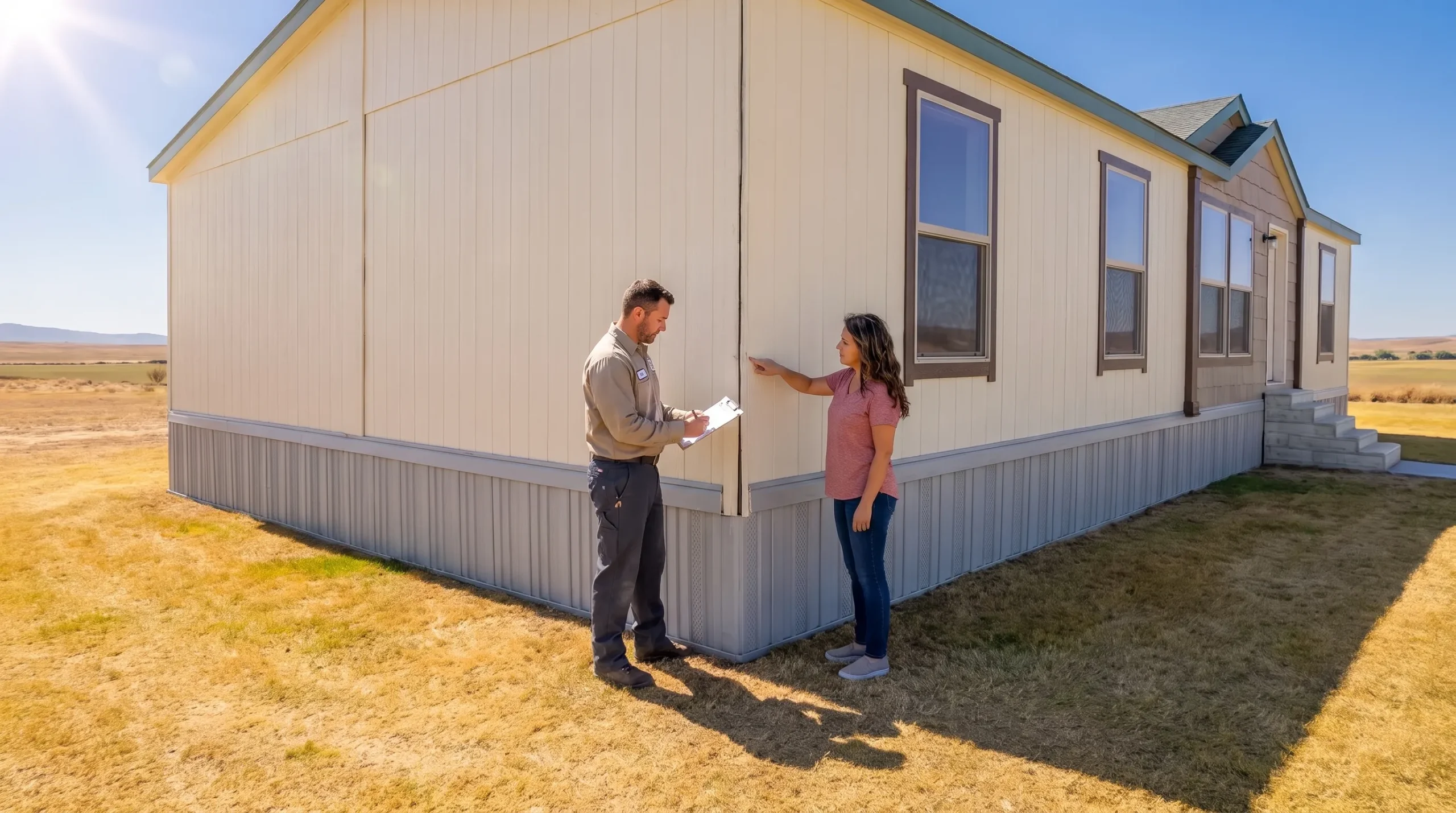
For a multi-section home, the marriage line is where the sections join. Problems near that connection may involve installation work, factory construction or both. Doors that suddenly bind, widening gaps and uneven flooring deserve investigation rather than an automatic explanation of “normal settling.”
A manufactured home warranty does not make every future leveling adjustment free. Coverage depends on the cause, applicable legal requirements and the written terms. Ask the installer to identify whether an adjustment is routine maintenance or correction of an installation defect, and request that explanation in writing.
If the answer is unclear, ask whether an inspection against the home’s installation instructions is appropriate. Do not crawl beneath the home to inspect supports or attempt adjustments yourself.
Appliance and HVAC repairs
An appliance can have its own warranty even when it was included with the home. The service instructions may require an authorized technician and the appliance’s model and serial numbers.
HVAC problems can be more complicated. A failed equipment component differs from disconnected ductwork, an electrical supply issue or improper field installation. Report the symptoms to the appropriate service contact rather than assuming the equipment manufacturer must handle everything.
Before booking a visit, ask who pays the diagnostic charge if the technician finds that another contractor’s work caused the problem.
Site work and utility connections
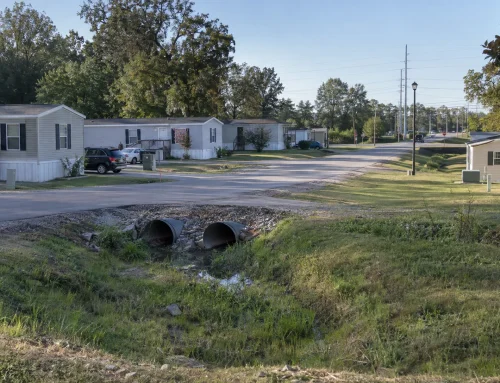
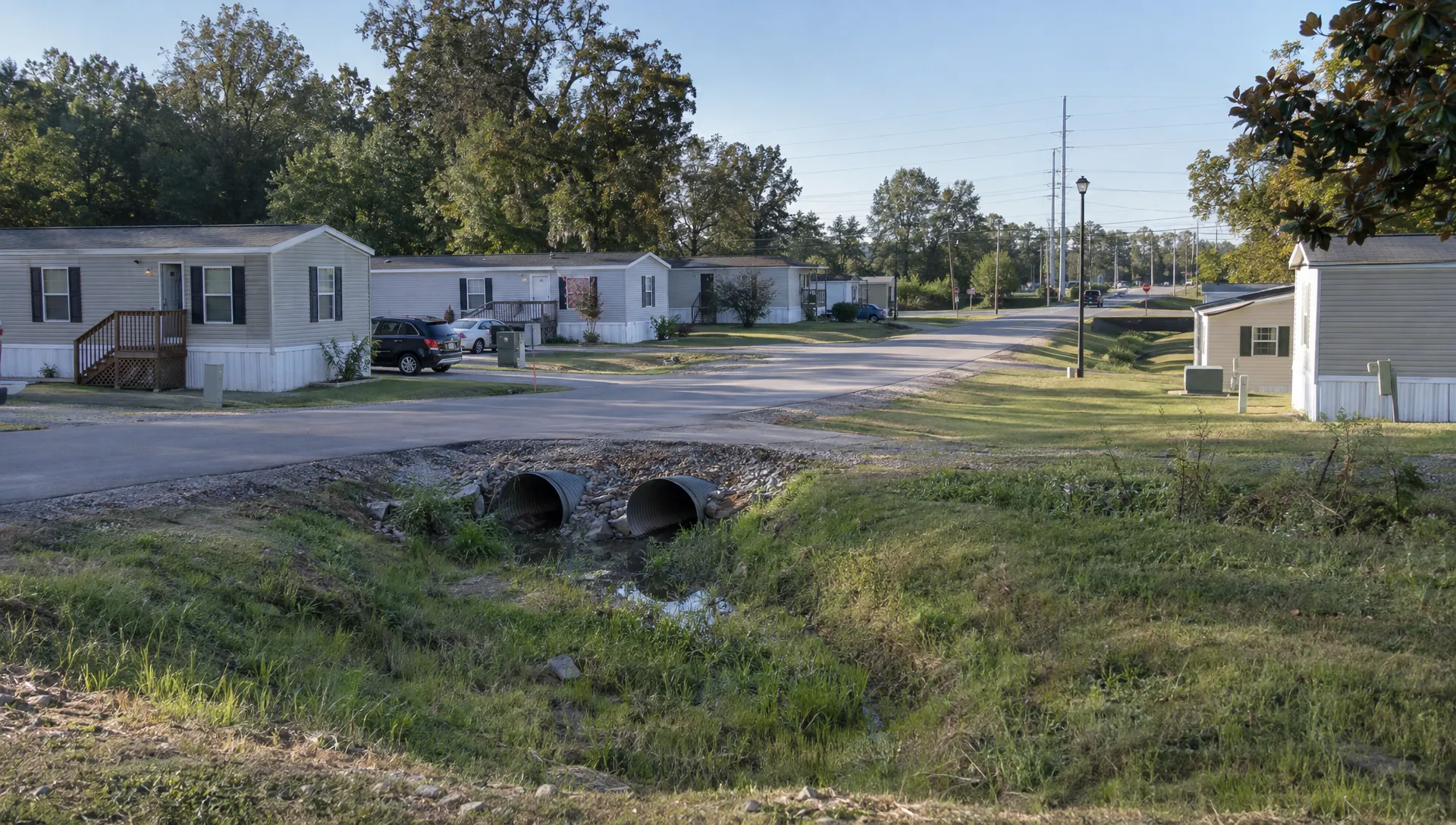
Water beneath a home may come from a plumbing leak, poor drainage or runoff from a neighboring lot. Those causes require different repairs and may involve different contracts.
Keep the pad, grading, utility and installation agreements together. They help identify who performed each part of the project, particularly when you hired a site contractor separately.
When a manufactured home warranty dispute involves several possible causes, request a written inspection finding rather than accepting verbal referrals from one company to another. A useful finding identifies the condition, the likely cause and the work needed to correct it.
What coverage does not automatically include
Manufacturer warranties generally address specified defects, not every expense associated with owning a home. Maintenance, ordinary wear, unauthorized alterations and damage from outside events may be excluded, depending on the terms and applicable law.
An older, previously owned or relocated home needs particular attention. Do not assume the original warranty transfers to a new owner, restarts after a move or covers damage associated with relocation. Ask for written confirmation of any remaining coverage and its conditions.
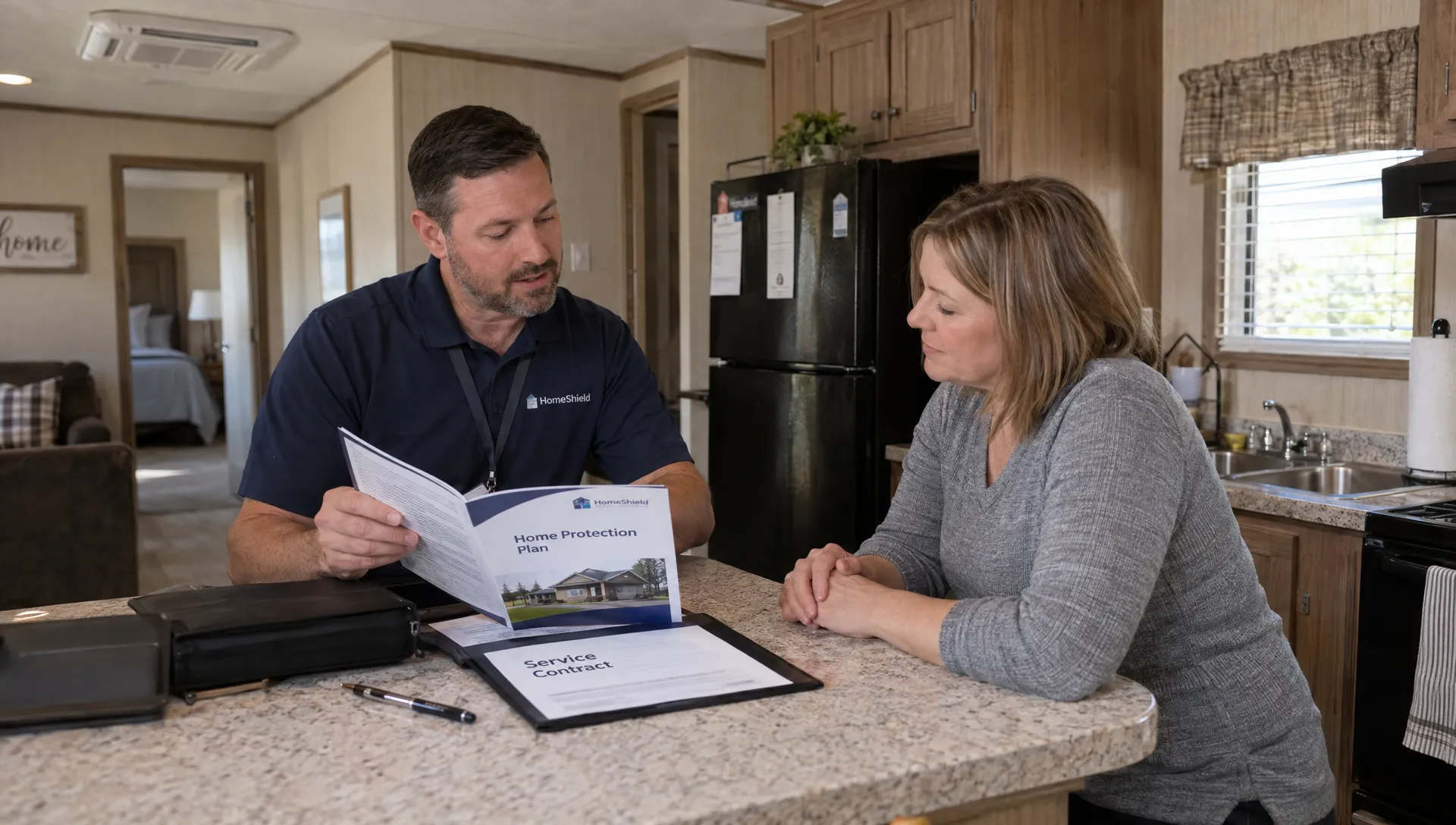
Also distinguish among three different protections:
- A manufacturer’s warranty addresses covered defects under its written terms and applicable law.
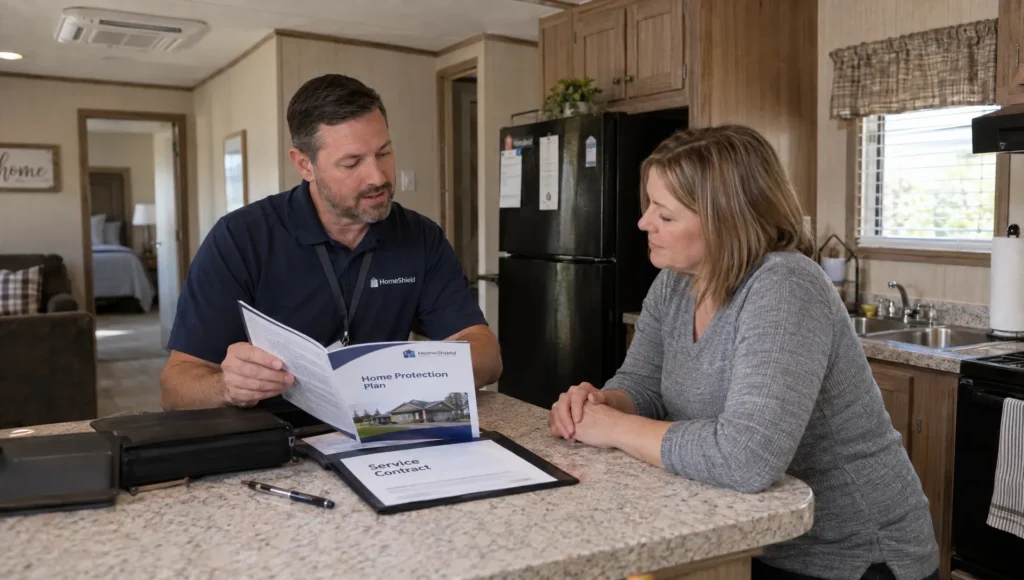
- A home service contract may cover specified equipment breakdowns, subject to its exclusions, fees and limits.
- Homeowners insurance addresses covered losses under the policy rather than serving as a general repair guarantee.
Our comparison of home warranty plans and homeowners insurance explains those differences in more detail. For a post-setup problem, identify the likely cause before deciding which protection might apply.
How to open a manufactured home warranty claim
Gather the records that identify the home and problem
Locate the purchase agreement, written warranties, installation paperwork and final walkthrough or punch-list records. Keep the home’s serial number available, along with the manufacturer’s name and any relevant appliance identification.
Photograph the affected area from a distance and close up. For a leak, capture both the suspected entry point and the resulting damage if you can do so safely. Date your records and note when the condition first appeared, whether it is getting worse and any previous repair attempts.
Include relevant maintenance receipts and communications. If an earlier technician adjusted the same door or repaired the same connection, that history helps the next person understand whether the problem has returned.
A final inspection approval is useful documentation, but it does not replace your warranty packet or establish coverage for every later issue.
Send written notice and ask for a claim number
Even if you call first, follow up through the notice method specified in your paperwork. An email to a salesperson may not satisfy a warranty’s formal notice requirements.
A useful manufactured home warranty notice describes the condition without claiming certainty about its cause. For example: “The front bedroom door began binding on November 10. A gap has also appeared at the ceiling near the section connection. Photos are attached. Please confirm receipt and advise who will inspect it.”
Ask for the claim number, the assigned contact and the expected next step. If installation or site work may be involved, notify those parties promptly as well. Keep copies and delivery confirmations rather than relying on a verbal promise that someone will pass the message along.
Confirm authorization before paying for repairs
Before a technician begins, establish who authorized the visit, what work is approved and whether you could owe a diagnostic or service charge. Ask whether a proposed repair is being treated as warranty work, maintenance or a customer-paid service.
Do not hire an outside contractor and assume reimbursement will follow. Unauthorized work can complicate coverage and make the original condition harder to evaluate.
Urgent safety issues are different from routine scheduling. Leave the area if necessary, contact emergency services or the utility for immediate hazards and use qualified emergency help. Take reasonable steps to limit additional damage when safe, preserve receipts and notify the responsible parties promptly. Reimbursement still depends on the applicable terms and facts.
Texas protections and what to do if nobody accepts responsibility
For San Antonio buyers, the written warranty is not the only document that matters. Texas Occupations Code Chapter 1201 contains manufactured-housing warranty and consumer-protection provisions. The applicable requirements depend on the parties, transaction and issue involved.
Do not assume a manufactured home warranty’s expiration date is also the deadline for every notice, complaint or legal remedy. Verify current requirements promptly, especially when the home was recently installed or a problem has already been reported without resolution.
If the retailer, manufacturer and installer keep referring you to one another, send a concise written timeline to the relevant parties. Include the original notice date, claim numbers, inspection findings, attempted repairs and the unresolved condition. Ask each company to explain its position and identify the contract provision or inspection finding it relies on.
For unresolved construction or installation concerns, contact the Manufactured Housing Division of the Departamento de Vivienda y Asuntos Comunitarios de Texas. Ask about the current complaint process, required records and whether the matter falls within its authority.
An agency complaint is not automatic approval of coverage or reimbursement. Do not assume it pauses other deadlines. For substantial damage, a denied claim or an approaching deadline, a Texas attorney can help assess the available options.
Questions to settle before the final walkthrough
The easiest time to clarify responsibility is before a problem develops. Ask who receives service requests after setup, who performed the installation and who coordinates a repair involving more than one company.
For example, if you are considering the Legacy Heritage H-3256-42A, a four-bedroom, two-bathroom, 1,622-square-foot doublewide available from Homes2Go in San Antonio, request the warranty and installation documents that apply to that specific purchase. The floor plan helps you evaluate the home, but it does not establish repair coverage.
Ask which work will be completed before handover, how outstanding items will be recorded and where future notices must be sent. Confirm the coverage start date rather than assuming it is the day you move in.
Our guide to setup through the final walkthrough can help you prepare for that handoff. Keep any punch list separate from later service requests so completed and unresolved items remain easy to track.
Knowing the manufactured home warranty contact is useful; knowing the installer, site contractor and appliance service contacts prevents avoidable delays when the cause crosses those boundaries.
Preguntas frecuentes
Does the dealer have to perform every repair after setup? Not necessarily. The retailer may coordinate service, while a manufacturer-authorized technician, installer or appliance service company performs the work. Responsibility for the cost depends on the cause, agreements and applicable law.
How long does coverage last? There is no single period that describes every protection on the home. Review the manufacturer, installation and equipment documents separately, including their start dates and notice requirements. Texas law may also provide applicable protections, so verify current requirements rather than relying on a general rule of thumb.
Can I choose my own repair contractor? Ask for written authorization first unless immediate safety needs require emergency action. Hiring someone independently does not guarantee reimbursement and may complicate inspection of the original defect.
What if the same problem returns after a repair? Report it promptly under the existing claim number and document the recurrence with new dates and photos. Request a written explanation of the diagnosis and proposed correction. Do not assume an earlier repair automatically extends the manufactured home warranty or preserves every deadline.
Get the service handoff clear before you buy
When comparing homes at Homes2Go San Antonio, ask to review the warranty packet, installation responsibilities and post-setup service contacts for the home you are considering. A clear written handoff gives you a practical place to start if something needs attention after move-in.
 Home Warranty Plans for Mobile Homes vs. Homeowners Insurance