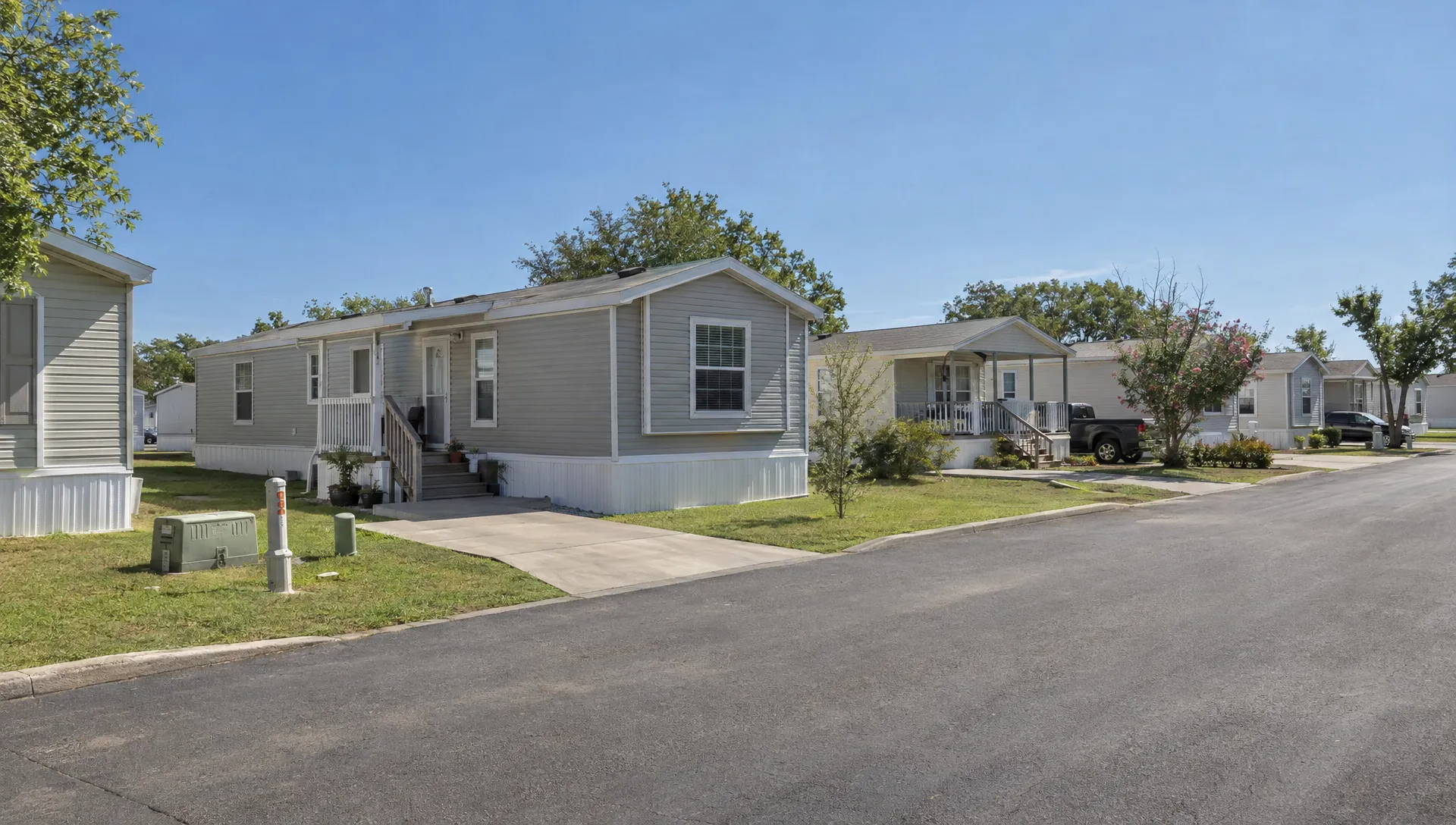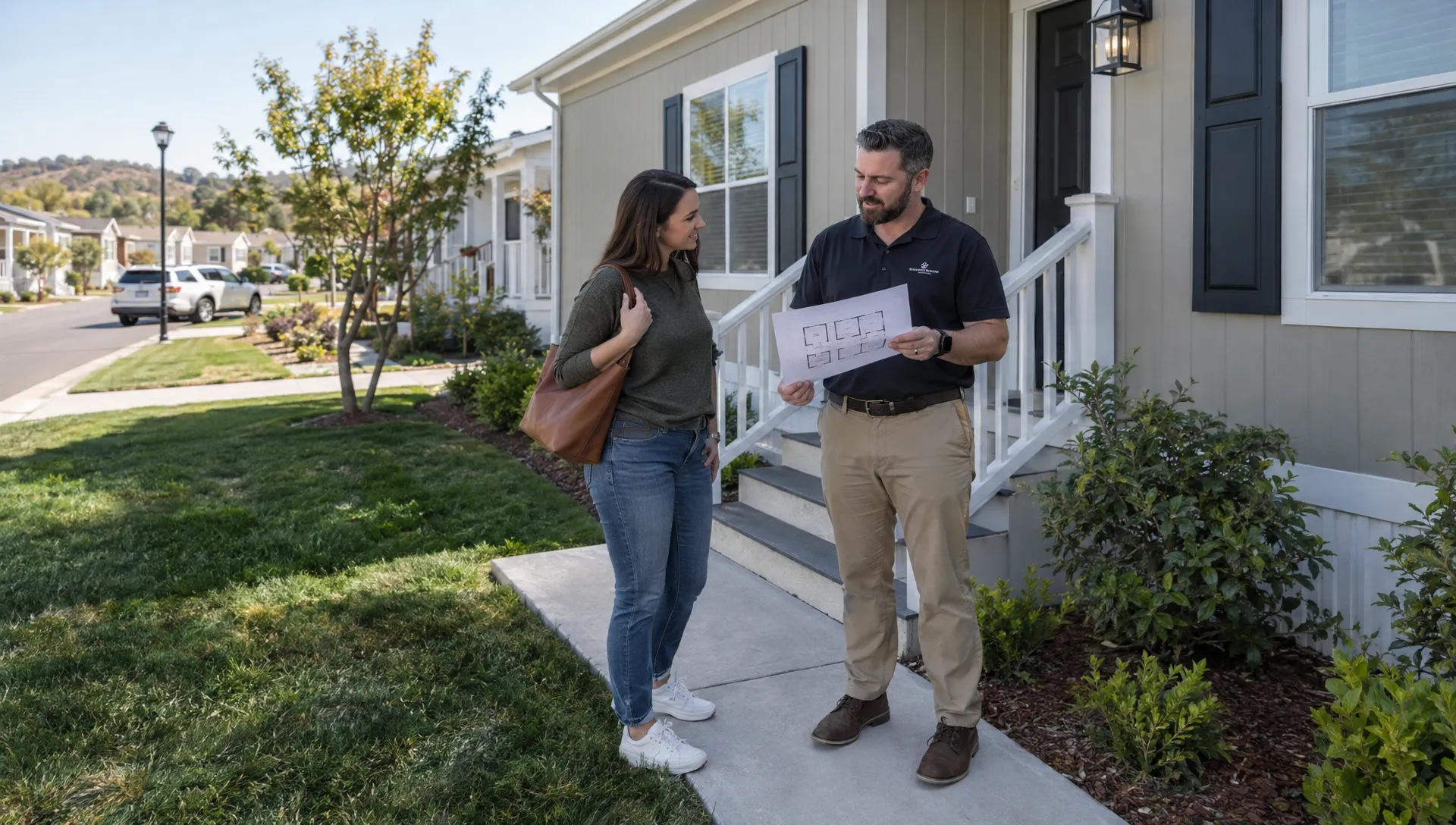

An FHA Title 1 loan for manufactured home purchases can help finance a home, a homesite or both. Unlike a traditional FHA mortgage, this program can also work when you buy the home but rent the land beneath it. That distinction makes it worth exploring if you are considering a manufactured home community in the San Antonio area.
The key is understanding what the loan actually covers, which lender offers it and how your homesite affects approval. FHA insurance does not guarantee financing, and the monthly loan payment is only one part of your housing budget.
What Title I actually does
The program’s official name uses the Roman numeral Title I, although buyers often search for “Title 1.” FHA insures qualifying loans made by participating lenders. It does not lend the money directly to you.
That insurance protects the lender against certain losses if a borrower defaults. You remain responsible for repayment, and default can put the home or other pledged property at risk.
Title I manufactured-home loans have fixed interest rates, but the lender determines the rate offered to you. Your credit profile, loan structure and the lender’s requirements affect the proposal you receive.
The program also differs from FHA Title II financing, which generally involves a mortgage secured by a manufactured home and land classified as real property. Title I can accommodate a home-only purchase without requiring you to buy the homesite.
An FHA Title 1 loan for manufactured home financing is therefore a specific lending program, not a label for every FHA-backed manufactured-home loan. Start by confirming that the lender actually originates Title I manufactured-home loans rather than only traditional FHA mortgages.
What can the loan finance?
HUD’s manufactured-home financing guidance describes three basic purchase arrangements: the home alone, a manufactured-home lot alone or the home and lot together.
| Loan arrangement | What you are financing | Homesite consideration |
|---|---|---|
| Home only on land you own | The manufactured home | The lender reviews the site and installation arrangement |
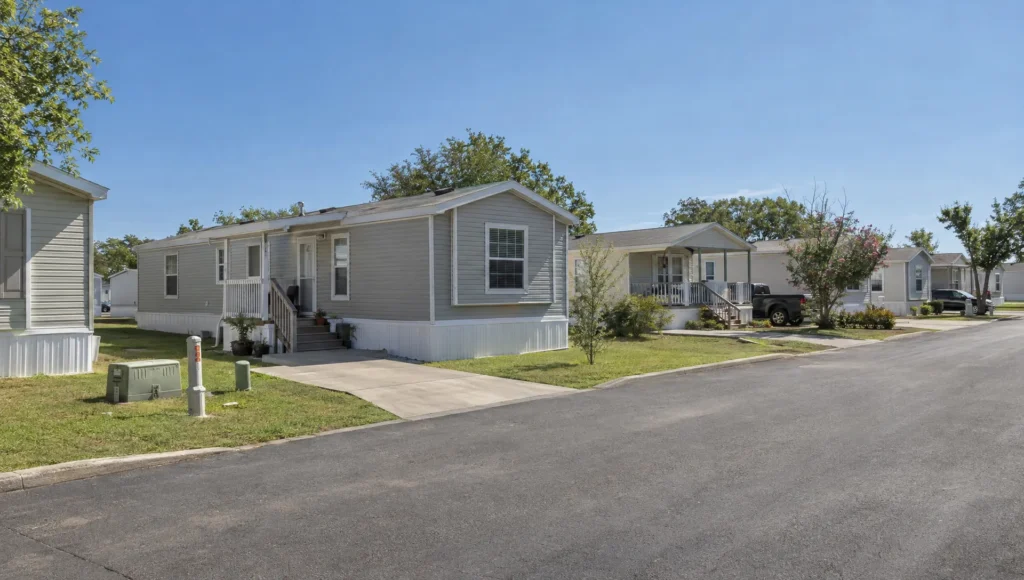
| Home only on rented land | The manufactured home, not ownership of the lot | The lease and community must satisfy applicable requirements |
| Lot only | A qualifying manufactured-home lot | The lender evaluates the lot and intended use |
| Home and lot together | The manufactured home and qualifying land | Both parts of the transaction must qualify |
Eligible transportation and installation expenses may be included in a home purchase loan, subject to program rules and lender approval. Do not assume every dealer charge, site improvement or community fee is financeable.
Before choosing an FHA Title 1 loan for manufactured home ownership, separate the home price from delivery, setup, land and other expenses. This makes it easier to see which costs the lender will finance and which require cash.
How financing works on a rented lot
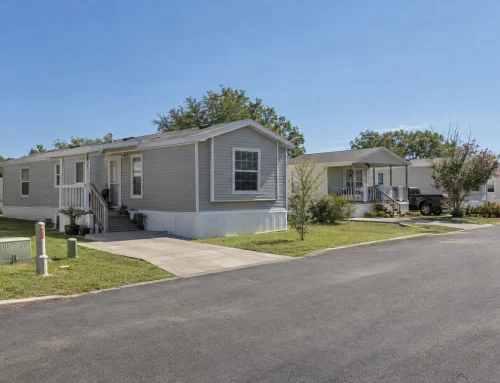
You do not necessarily need to own land to use Title I. However, renting a homesite creates a separate obligation: you must keep paying lot rent alongside the home loan.
HUD’s consumer guidance describes an initial lease term of at least three years and at least 180 days’ advance notice of lease termination. Have the lender review the actual lease, including its termination provisions, rather than relying on a community representative’s verbal description.
Also check rent increases, utility billing, community rules and whether the specific home can be installed on the selected lot. Loan approval does not replace community acceptance.
For San Antonio buyers, this is a practical reason to choose the homesite early. A home that fits your budget may still be unsuitable for a particular lot because of its dimensions, installation needs or community restrictions.
FHA Title 1 loan for manufactured home limits and terms
The program does not have one universal dollar limit. The applicable cap depends on whether you finance a home, a lot or both. Home-related limits also distinguish between single-section and multi-section manufactured homes.
Because dollar limits can change, ask the lender for the current HUD limit for your exact loan category. Older articles may show amounts that no longer apply. Also confirm whether financed fees and installation expenses count toward that ceiling.
An FHA Title 1 loan for manufactured home purchases is subject to a program maximum, but that maximum is not a promise of approval. The lender still evaluates the transaction and how much you can repay.
The federal Title I regulations establish these maximum repayment terms:
| Loan type | Maximum term under program rules |
|---|---|
| Manufactured home only | 20 years and 32 days |
| Manufactured-home lot only | 15 years and 32 days |
| Single-section manufactured home and lot | 20 years and 32 days |
| Multi-section manufactured home and lot | 25 years and 32 days |
A lender can offer a shorter term. Compare both the monthly payment and total borrowing cost: extending repayment generally lowers the payment but increases total interest when the rate and loan amount stay the same.
What the lender evaluates
Your ability to repay
Expect the lender to review income, existing debts, credit history and the cash available for the transaction. Approval depends on the complete application, not simply whether your credit score clears an advertised threshold.
Ask for the required down payment, closing costs and any reserve requirements in writing. Do not assume that down-payment figures from FHA Title II mortgage advertisements apply to Title I.
When comparing an FHA Title 1 loan for manufactured home financing, request the interest rate, annual percentage rate, loan term and itemized fees. Ask which FHA insurance charges apply and whether they are financed or collected separately. APR is useful for comparing borrowing costs, but your housing budget must also account for expenses outside the loan.
If you have variable income or recent employment changes, ask what documentation the lender needs before making a nonrefundable commitment.
The home and installation site
The lender also evaluates the home’s eligibility, condition, documentation and installation arrangement. A dealer’s description of a property as a “mobile home” is not enough to establish that it meets the program’s manufactured-home requirements.
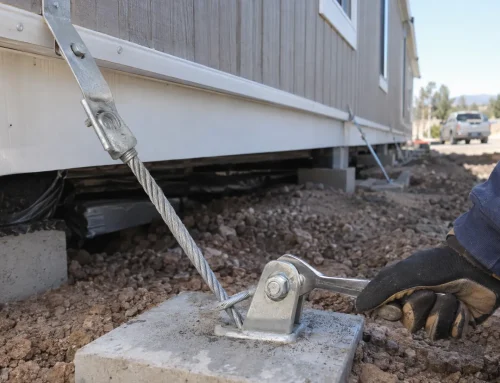
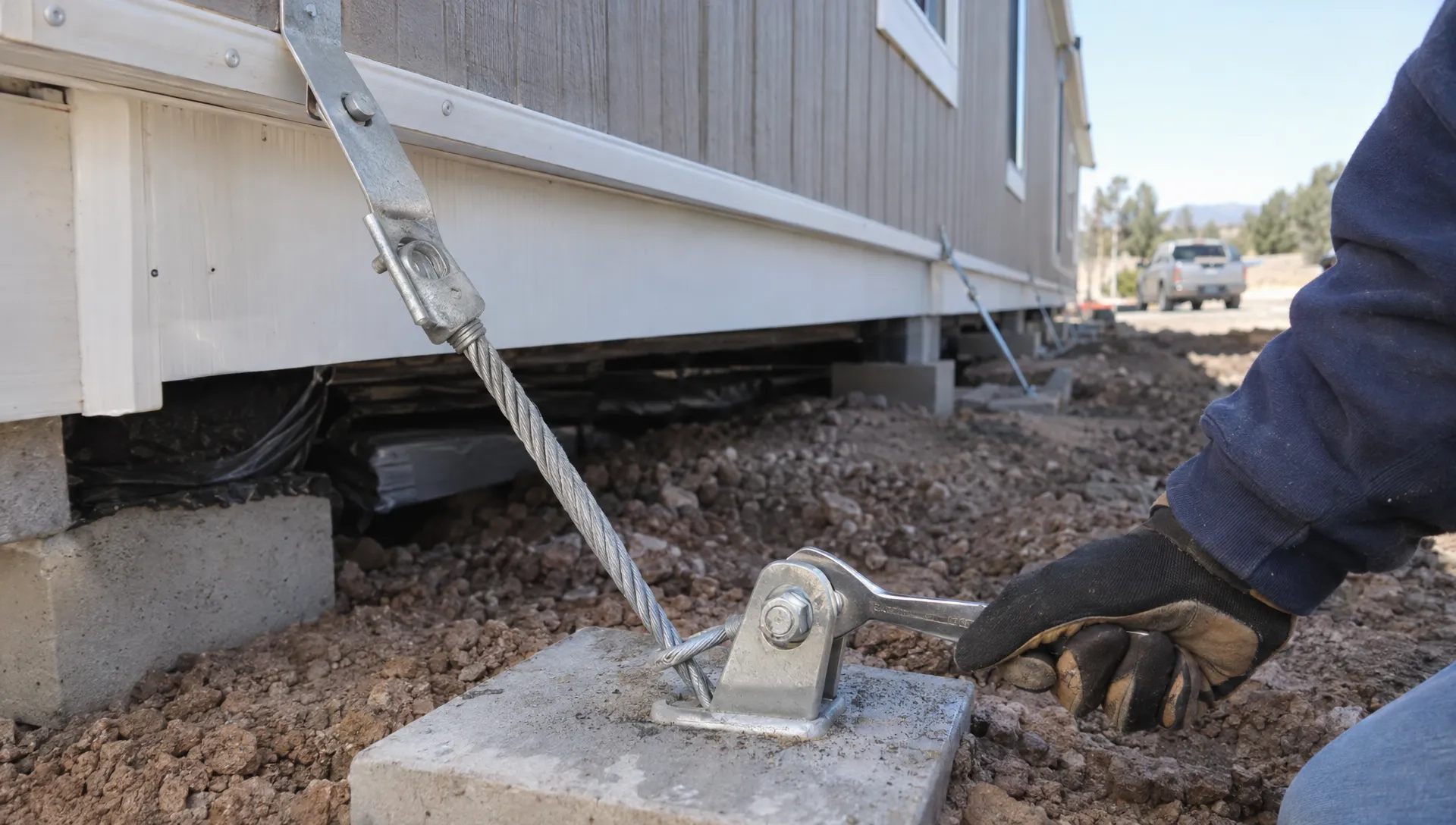
Site suitability matters even when you do not own the land. Water, wastewater service, installation standards and applicable local requirements still need attention. Home-only financing does not mean you can place the home anywhere.
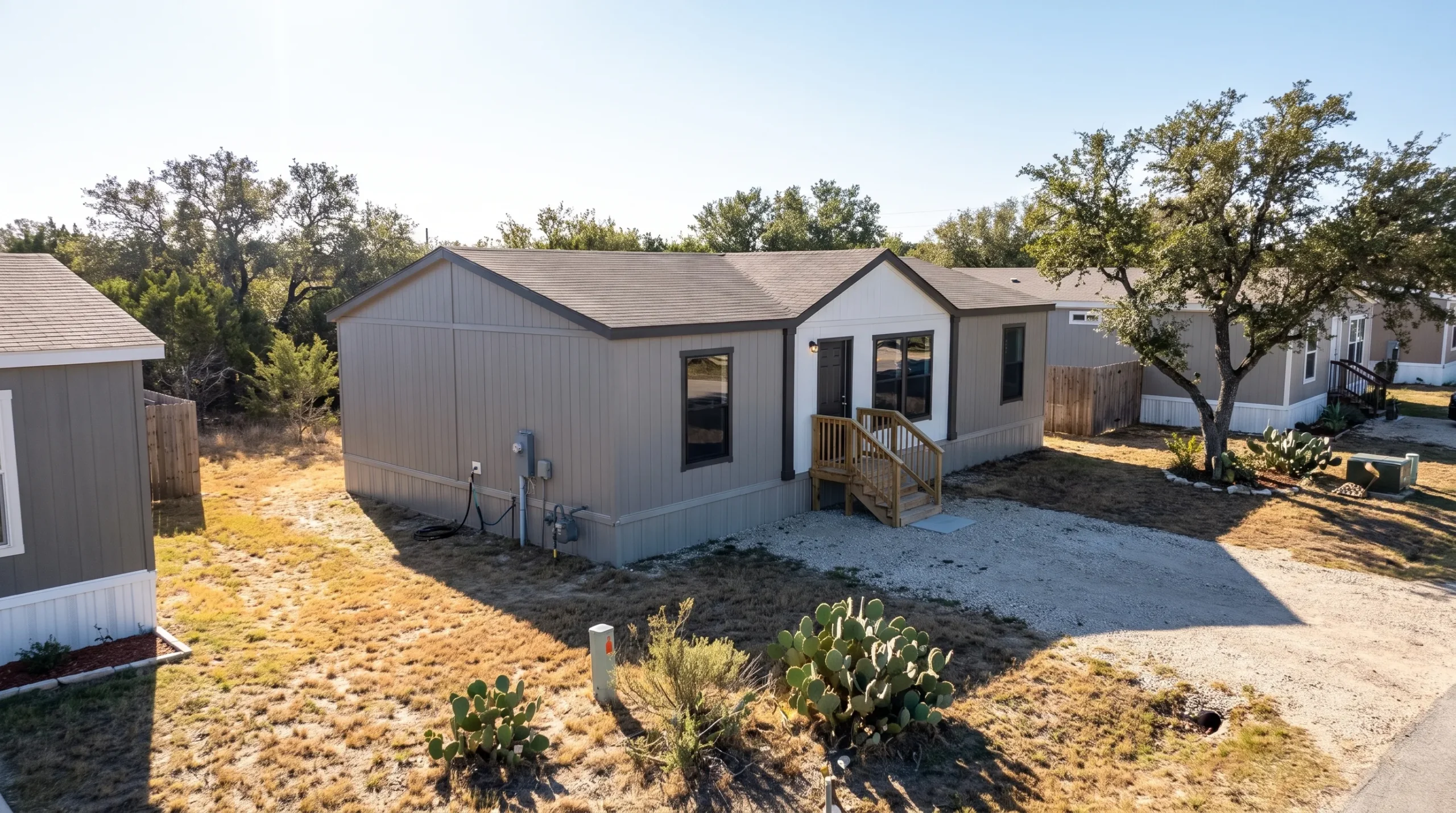
The Legacy Heritage H-3248-32A, available from Homes2Go in San Antonio, is a Legacy Housing doublewide with three bedrooms, two bathrooms and 1,372 square feet. Its listed dimensions are 32' x 48'. A multi-section model like this is relevant when discussing the appropriate loan-limit category and checking whether a selected lot can accommodate it. The listing itself does not establish FHA eligibility or guarantee financing.
Budget for the full monthly housing cost
The home loan payment is not necessarily your total housing payment, particularly on rented land. Lot rent, homeowners insurance, property taxes and utilities can change what is affordable.
For an FHA Title 1 loan for manufactured home budgeting exercise, consider this hypothetical example. A $100,000 loan at a fixed 8% interest rate over 20 years would have a principal-and-interest payment of approximately $836 per month.
| Illustrative monthly expense | Hypothetical amount |
|---|---|
| Loan principal and interest | $836 |
| Lot rent | $500 |
| Homeowners insurance | $90 |
| Property taxes, averaged monthly | $125 |
| Subtotal before utilities, maintenance and other charges | $1,551 |
These figures are examples, not lender quotes, local averages or Homes2Go pricing. The loan calculation excludes financed fees and any separately charged loan-insurance costs. Actual taxes, insurance and lot rent depend on the property and community.
The example shows why comparing only the advertised home payment can be misleading. Ask whether taxes and insurance are collected with the loan payment or must be paid separately.
Also build a cash-to-close estimate. A manageable monthly payment does not solve an upfront shortfall for a down payment, uncovered installation expenses, community deposits or other transaction costs. Avoid counting the same charge twice if it already appears in the financed balance.
From a home quote to a funded loan
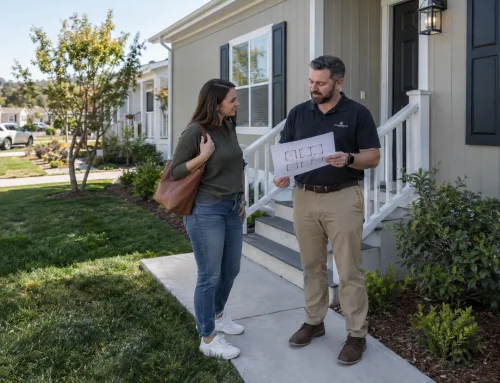
A useful first conversation connects three pieces: the home, the homesite and the financing. Getting a preliminary answer about only one of them can leave expensive gaps later.
For an FHA Title 1 loan for manufactured home purchases, use this sequence to clarify the transaction before making commitments:
- Confirm the lender’s program: Ask whether it currently originates Title I manufactured-home loans in Texas and supports your proposed home-only, lot-only or combined purchase.
- Provide an itemized home-and-site proposal: Include the selected model, delivery, installation, land purchase or lease and any separately billed work.
- Request a complete financing estimate: Review the proposed loan amount, applicable limit, down payment, rate, APR, term and cash needed to close.
- Confirm remaining approval conditions: Identify outstanding home documentation, lease review, site requirements, installation checks and closing conditions before scheduling work.
Homes2Go’s guide to questions to ask manufactured-home FHA lenders can help you compare lender responses without assuming that every FHA lender offers the same program.
Keep copies of the home purchase agreement, lease, installation proposal and financing disclosures. Make sure the parties agree on who handles permits, utility connections and completion documentation. The step-by-step FHA mobile-home loan application guide provides a broader application checklist once you have identified the appropriate loan route.
Frequently asked questions
Can I use Title I if I rent the land? Yes, qualifying home-only financing can be available on a leased homesite. The lender must review the lease, site and other program requirements. Lot rent remains a separate housing expense.
Does FHA lend me the money directly? No. A participating lender makes the loan, and FHA insures it under the program. You must qualify with that lender and remain responsible for repayment.
Can a doublewide qualify? A multi-section manufactured home can be eligible, but the specific home, installation site and transaction must meet applicable requirements. Different loan-limit categories apply to single-section and multi-section homes.
Is an FHA Title 1 loan for manufactured home financing available from every FHA lender? No. A lender that offers FHA Title II mortgages may not originate Title I manufactured-home loans. Confirm program availability before paying application-related costs or making commitments based on expected financing.
Match the home and homesite before choosing financing
Start with a written home price, a specific homesite and a realistic all-in budget. Then ask a participating lender to confirm the appropriate Title I category, current loan limit and approval requirements.
Homes2Go San Antonio can help you compare available manufactured homes and discuss financing options. Bring your land or community plans to that conversation, and ask whether a lender offers Title I for your proposed arrangement. That keeps the financing discussion tied to the home you want and the place you intend to live.
 How to Find 4 Bedroom Mobile Homes for Rent in San Antonio
 Can You Get an FHA Loan for Used Mobile Home?