
Searching for modular homes for sale near you can feel simple at first. You type a local search, open a few listings, compare photos, and start calling. Then the details get complicated: modular, manufactured, mobile, park model, land-home package, delivery, setup, financing, community approval, permits, and site work all start to blur together.
The smartest way to shop is to slow down before you fall in love with a floor plan. A beautiful home is only a good purchase if it fits your land, your budget, your financing, and your long-term plans. This guide walks you through how to compare local options, ask better questions, and avoid surprises when shopping near San Antonio or anywhere in South Texas.
Start by confirming what “modular” means in your search
Many people use “modular home,” “mobile home,” and “manufactured home” interchangeably, but they are not always the same thing. Search engines and listing sites often mix these results together too. That matters because the home type can affect building standards, financing, placement, insurance, and local approvals.
In general, modular homes are factory-built in sections and assembled on a permanent foundation. They are usually built to state or local residential building codes. Manufactured homes are also factory-built, but they are built to the federal HUD Code. HUD explains that manufactured homes are built to national construction and safety standards, which cover areas such as design, durability, transportability, fire resistance, and energy efficiency through the HUD Manufactured Housing Program.
In Texas, modular housing is often discussed under industrialized housing rules. The Texas Department of Licensing and Regulation oversees industrialized housing and buildings, while manufactured housing is handled through separate state and federal frameworks. You do not need to become a code expert, but you do need to know which category a home falls into before comparing prices.
| Term you may see | What it usually means | Why it matters when shopping |
|---|---|---|
| Modular home | Factory-built sections assembled on-site, typically to local or state building codes | May require a permanent foundation, local permitting, and site-specific approvals |
| Manufactured home | Factory-built home constructed to the federal HUD Code | Often easier to compare through manufactured home retailers and communities |
| Mobile home | Often used casually, but technically refers to factory-built homes made before the HUD Code took effect in 1976 | Older homes may have different financing, inspection, and insurance considerations |
| Park model or tiny home | Smaller dwelling designed for specific uses or communities | May not qualify as a full-time residence in every location |
When you call a seller, ask directly: “Is this home modular, manufactured, or another type of factory-built home?” If the answer is vague, ask what building code applies and whether documentation is available.
Decide whether you want land, a community, or a land-home package
Before touring homes, decide where the home will go. This one decision changes almost everything about your shopping process.
If you already own land, you need to confirm that your property can accept the type of home you want. That can include zoning, deed restrictions, utility access, driveway access, floodplain status, septic or sewer requirements, and whether the home can be delivered safely to the site.
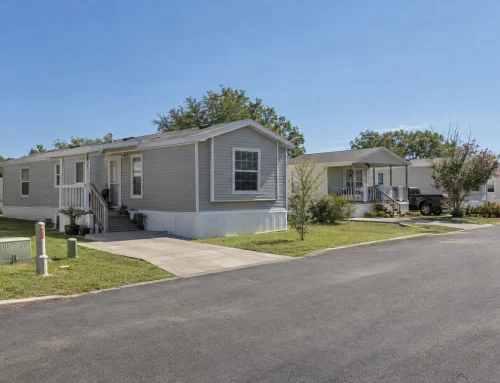
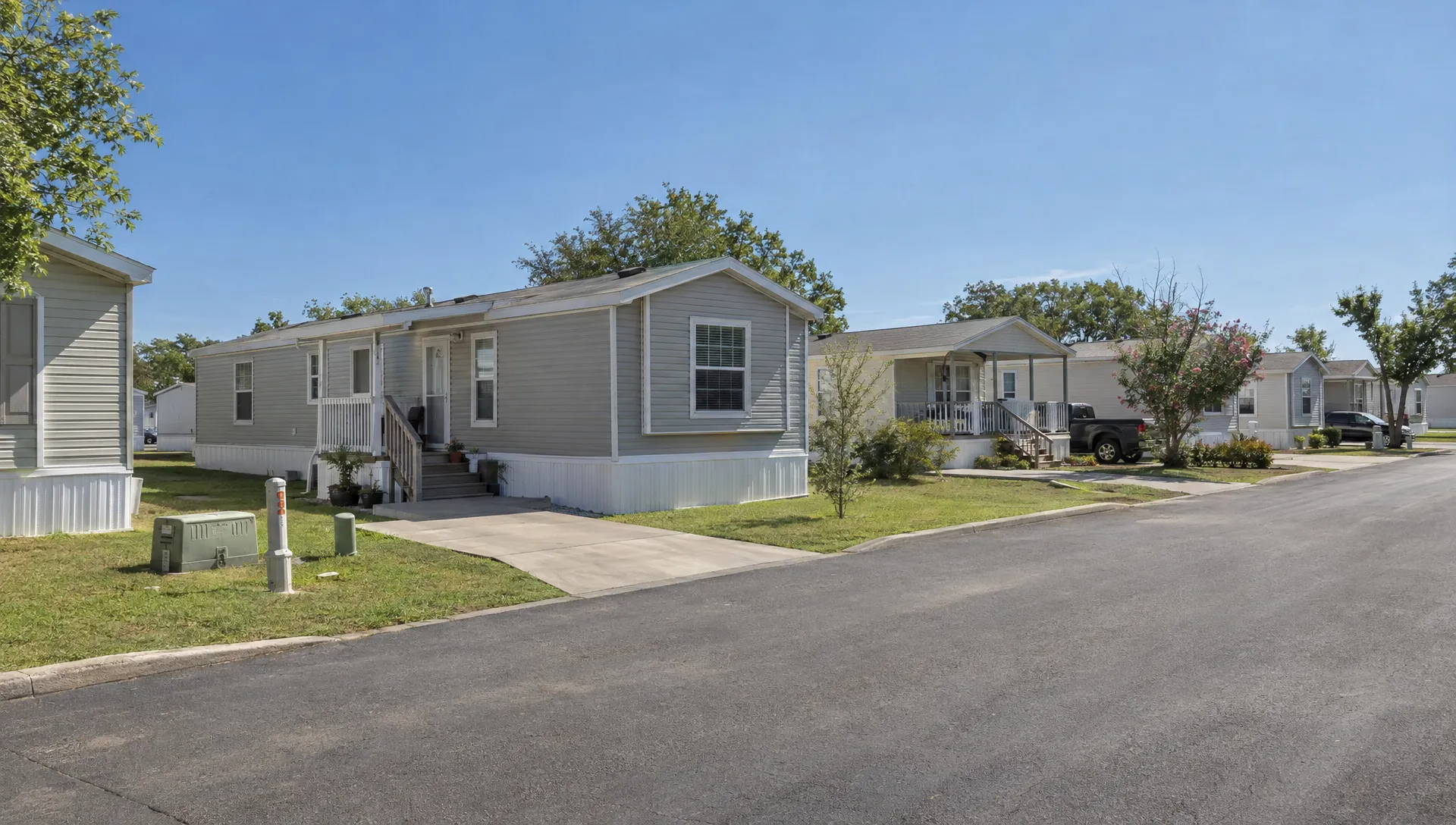
If you want to live in a manufactured home community, you will need to compare the home and the community together. A floor plan may be perfect, but the community could have rules about home age, size, skirting, parking, pets, exterior appearance, or occupancy. Buyers considering local communities may want to review what to check in modular homes parks near you before committing to a specific location.
A land-home package can be convenient because it bundles the home and property into one plan, but it still needs careful review. Ask what is included, what is estimated, who handles permits, and when final costs are confirmed.
Set an all-in budget, not just a home price
One of the biggest mistakes buyers make is comparing only the sticker price of the home. A factory-built home purchase can include several cost categories beyond the home itself. Some are included in certain quotes, while others are not.
Your all-in budget should account for:
- The home price and selected options
- Delivery and transportation
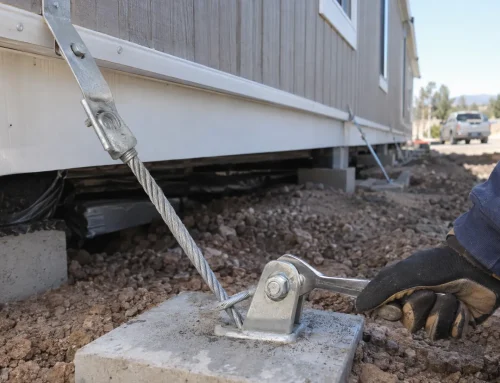
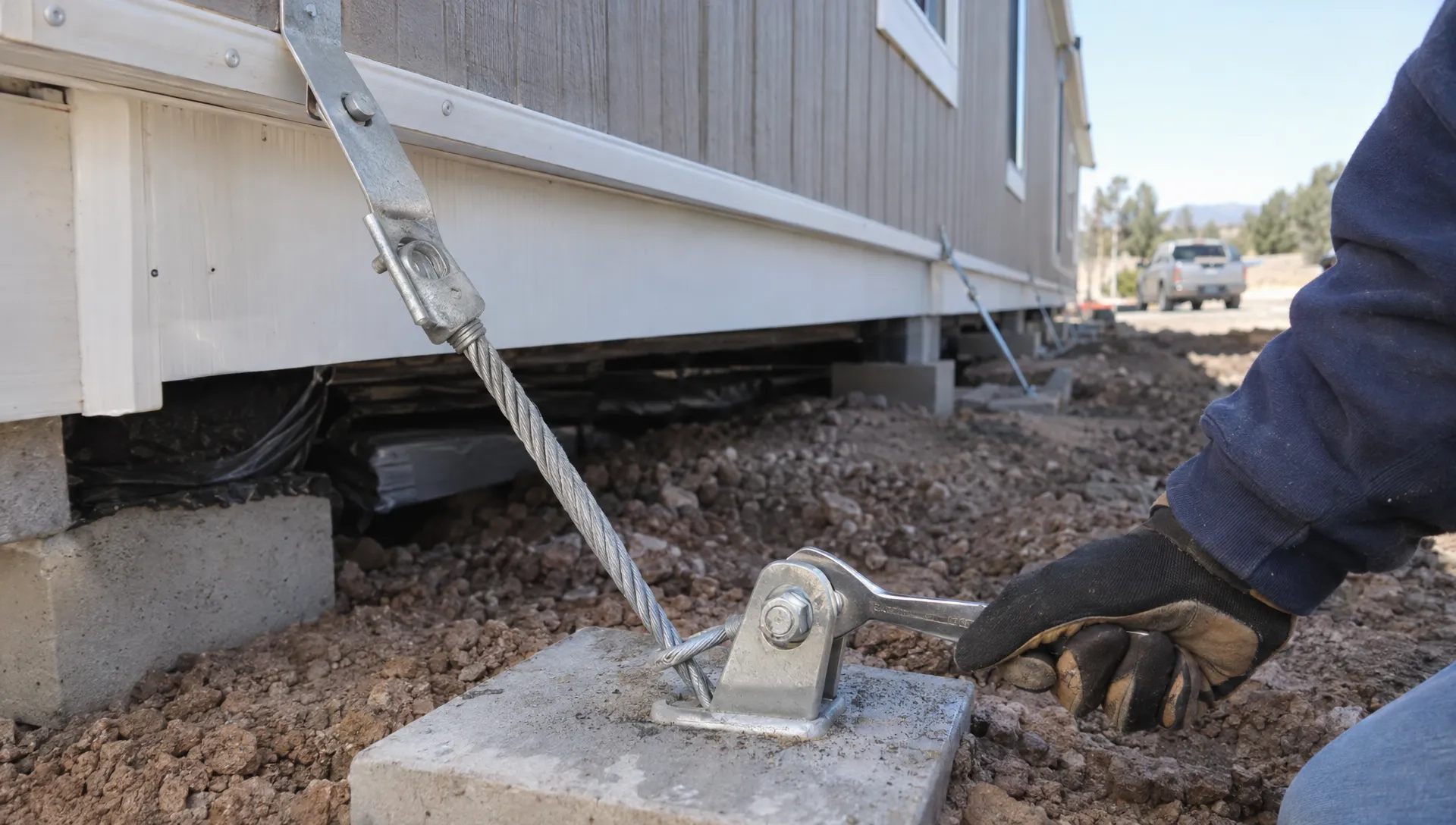
- Foundation or setup requirements
- Utility connections
- Permits and inspections
- Land costs or monthly lot rent
- Taxes and insurance
- Skirting, steps, decks, driveway, or exterior improvements
- Appliance, furniture, or upgrade choices if not included
Ask every seller for a written breakdown. If one home appears dramatically cheaper than another, it may simply exclude items that another quote includes. A lower base price is not always a lower total cost.
Financing should also be discussed early. Some buyers finance the home only, some finance land and home together, and some use specialized manufactured housing or construction-related financing. Homes2Go San Antonio works with buyers looking for affordable manufactured and mobile homes and offers guidance on flexible financing options, but your exact terms will depend on lender requirements, credit profile, income, home type, and property details.
Narrow your search area by real-life logistics
“Near me” should mean more than a distance on a map. For factory-built homes, local shopping is practical because delivery, setup, community access, lender familiarity, and service support are all tied to geography.
For San Antonio buyers, think in terms of your daily life and the home’s destination. Are you trying to stay close to work on the South Side, family on the West Side, schools in a particular district, or land outside Loop 1604? Are you open to nearby areas like Converse, Von Ormy, Somerset, Elmendorf, Floresville, or New Braunfels if the home and total monthly payment fit better?
A local dealer can help you understand which homes are realistic for your area. If you are still deciding between home types, it may help to compare local search strategies for mobile homes near you for sale, especially because many “modular” searches return manufactured home listings.
Compare floor plans based on how you actually live
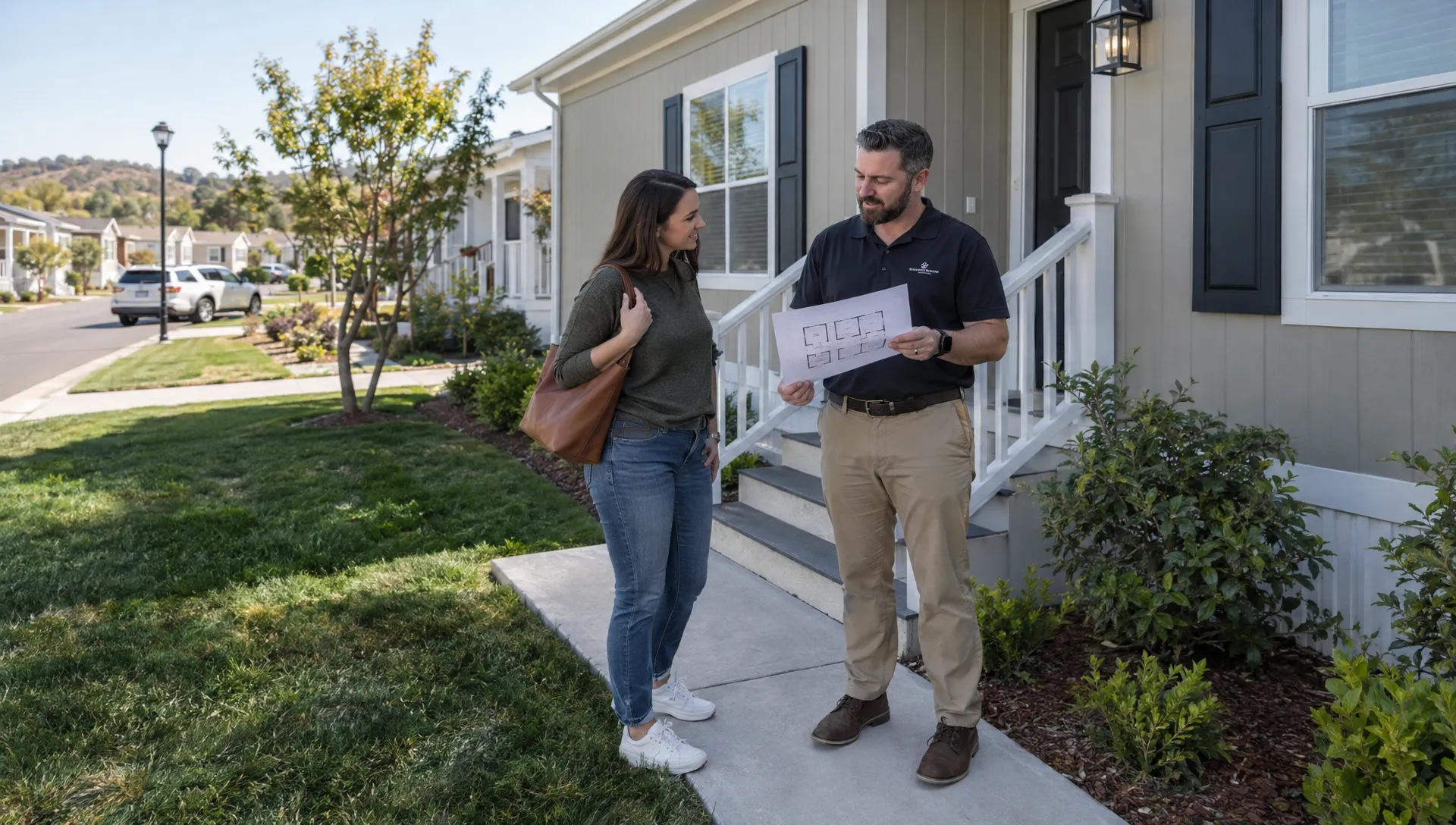
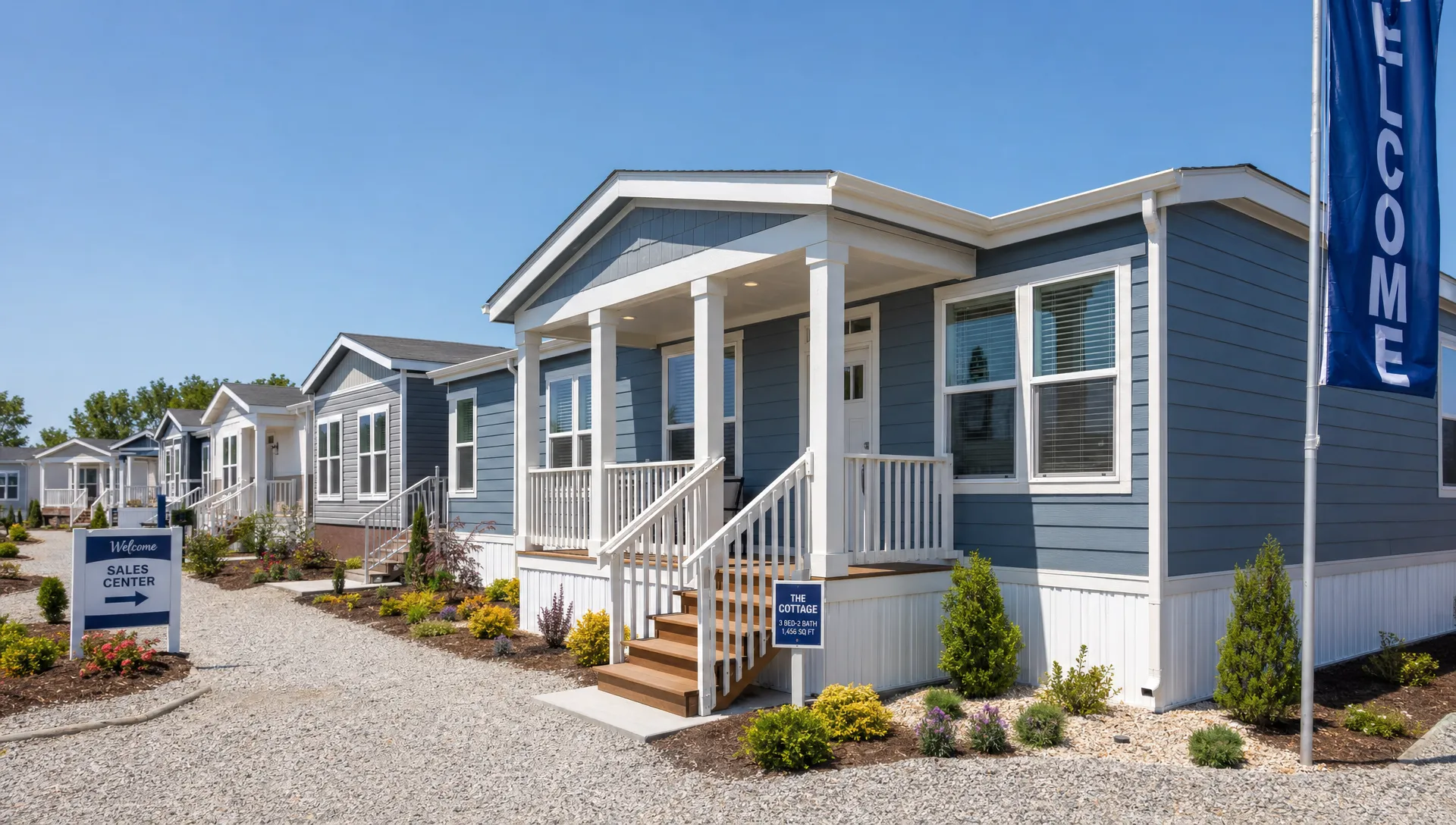
Photos can pull you toward the prettiest kitchen or the biggest living room, but a good floor plan should work for your daily routines. When touring modular or manufactured homes for sale near you, walk through the model as if you already live there.
Think about where groceries come in, where backpacks land, how laundry moves through the home, and whether the bedrooms provide enough separation. If you work from home, look for a quiet area with good natural light. If relatives visit often, consider guest sleeping space and bathroom access. If you have children or pets, storage and durable finishes may matter more than decorative upgrades.
Pay close attention to the floor plan dimensions, not only the number of bedrooms. A three-bedroom home can feel spacious or tight depending on hallway layout, closet depth, bathroom placement, and kitchen flow.
Also ask which features are standard and which are upgrades. Modern interiors, energy-efficient designs, and move-in ready options can add value, but you should know exactly what is included in the home you are pricing.
Tour models with a checklist, not just a camera
Taking photos is useful, but a checklist helps you compare homes more objectively after the tour. Otherwise, the last home you saw or the best-staged model may become the one you remember most clearly.
During each tour, note the following details:
- Home type and building code category
- Square footage and bedroom-bathroom count
- Included appliances, fixtures, and finishes
- Insulation, window, HVAC, and energy-related features
- Cabinet, countertop, flooring, and bathroom materials
- Warranty information and service process
- Delivery, setup, and installation assumptions
- Estimated timeline from purchase to move-in
If you are shopping with a partner or family member, compare notes immediately after each tour. Ask everyone what felt practical, what felt cramped, and what they would change. The right home should make sense on paper and feel comfortable in person.
Evaluate the dealer as carefully as the home
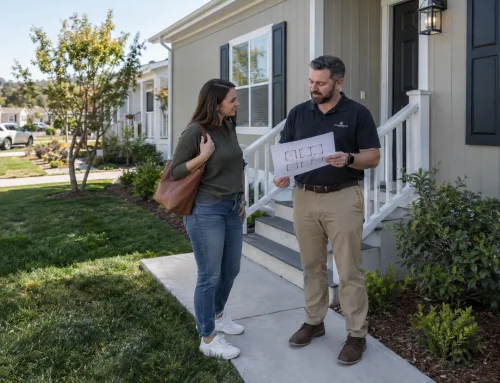
A reliable dealer is not just a salesperson. The dealer should help you understand home types, floor plans, financing paths, delivery requirements, setup steps, and documentation. This is especially important for first-time buyers who may not know which questions to ask.
Before choosing a dealer, ask how they help buyers compare homes, whether detailed floor plans are available, which lenders they commonly work with, and what happens after the sale. You should also ask who coordinates delivery and setup, what third-party work may be needed, and how changes to the home order are documented.
For a deeper list of questions, use this guide to choosing a modular homes dealer before you sign anything.
A trustworthy local team should be willing to explain tradeoffs. For example, a larger home may offer more space but require a bigger lot, higher delivery costs, or more site preparation. A smaller home may be easier to place and finance but may not fit your long-term household needs. Good guidance helps you make a decision that still feels right years later.
Get financing clarity before making emotional decisions
It is easy to tour homes first and think about financing later, but that can lead to disappointment. A better approach is to understand your buying power early, then shop within a realistic range.
Ask lenders what home types they finance, whether the home must be placed on owned land or can be in a community, what down payment may be required, and what documents you should prepare. If you are self-employed, have limited credit history, or are a first-time buyer, ask about documentation before you find the home you want.
Your monthly payment is only one piece of affordability. Add land payment or lot rent, insurance, taxes, utilities, and maintenance. A home that fits your loan approval may still feel tight if the total monthly housing cost is higher than expected.
Verify site requirements before ordering the home
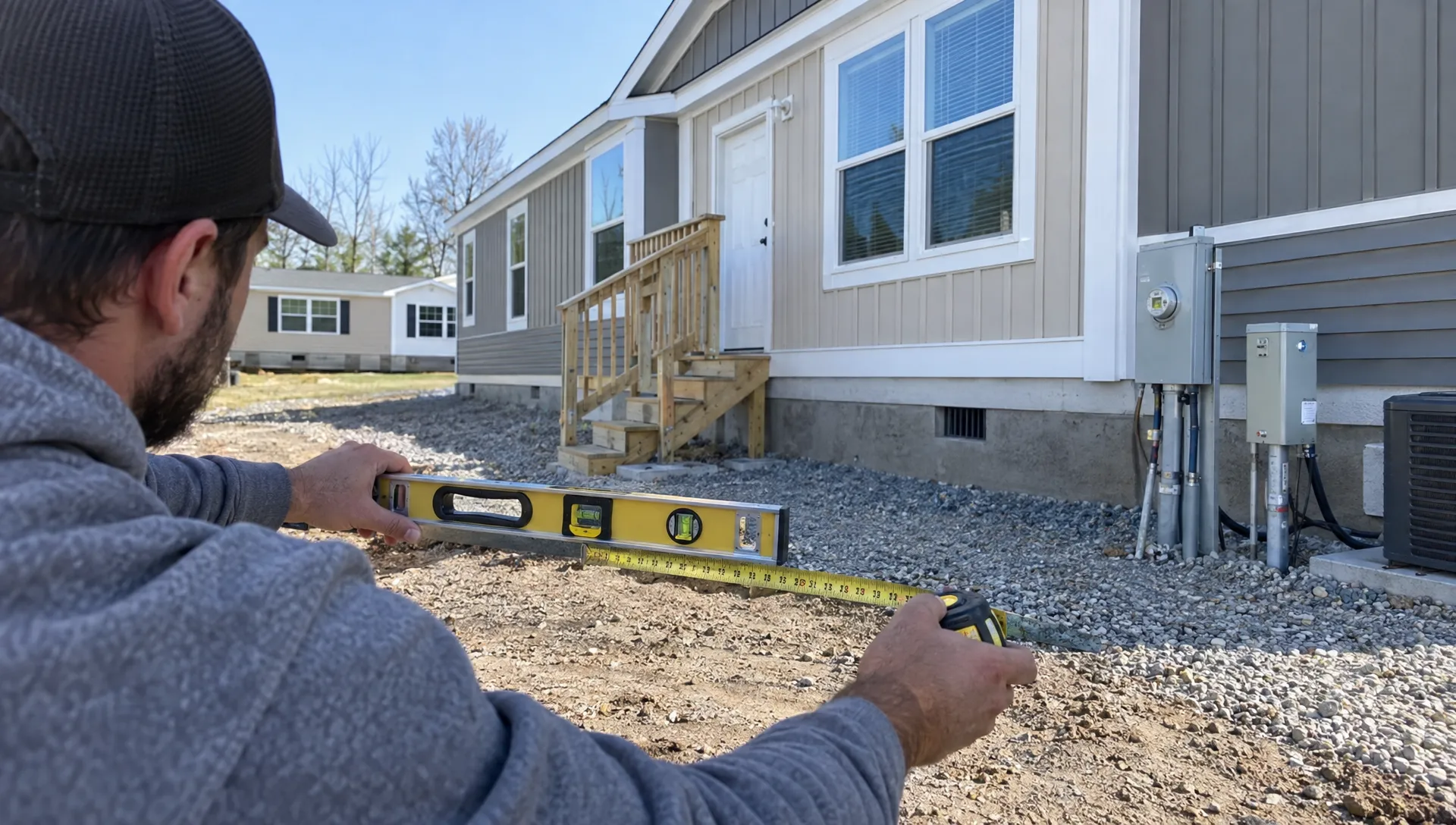
If the home will be placed on private land, site readiness is critical. A home can be well-priced and available quickly, but delays can happen if the land is not ready.
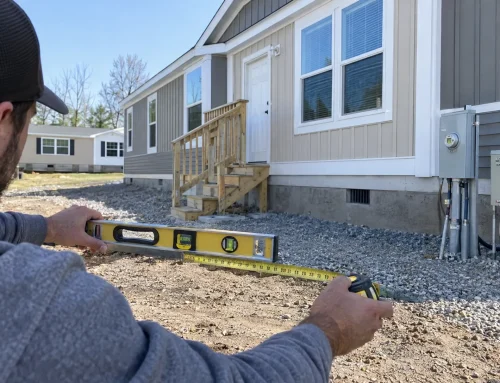
Important site questions include whether the property has legal access, whether delivery trucks can reach the home site, whether the land needs grading, and whether utilities are already available. Septic, water, electric, and driveway requirements can affect both timeline and budget.
For modular homes specifically, local building permits and foundation requirements can be more involved than buyers expect. For manufactured homes, installation standards and state rules still matter. Either way, do not rely on assumptions. Get written answers from the dealer, installer, community, lender, and local authorities when needed.
Watch for red flags while shopping
Most local sellers want a smooth transaction, but buyers should still stay alert. A few warning signs can save you from costly problems later.
Be cautious if a seller avoids naming the home type, will not provide written pricing, pressures you to sign before financing is clear, or says permits and setup are “nothing to worry about” without explaining who handles them. Also be careful with listings that use stock photos without identifying the actual model, location, condition, or included features.
Another red flag is a quote that seems too simple. Factory-built housing can be affordable, but there are real steps involved in delivery, installation, land use, and utilities. A seller who explains those steps clearly is usually more helpful than one who ignores them.
A smart local shopping process
If you want a simple way to organize your search, use this sequence:
- Clarify the home type: Confirm whether each listing is modular, manufactured, mobile, or another category.
- Choose the placement path: Decide whether you are using private land, a community, or a land-home option.
- Set your all-in budget: Include delivery, setup, site work, taxes, insurance, lot rent, and utilities.
- Talk financing early: Ask what loan programs fit the home type and location you are considering.
- Tour multiple homes: Compare floor plans, finishes, standard features, and upgrade costs.
- Review written details: Get pricing, inclusions, exclusions, timelines, and responsibilities in writing.
- Confirm final approvals: Make sure land, community, lender, permit, and setup requirements are aligned before you commit.
This process keeps you focused on the full purchase, not just the most attractive listing.
Frequently Asked Questions
Are modular homes and manufactured homes the same? No. Both can be factory-built, but modular homes are typically built to state or local building codes and assembled on-site, while manufactured homes are built to the federal HUD Code. Listings often mix the terms, so always confirm the home type before comparing prices.
Can I finance a modular or manufactured home near San Antonio? Financing may be available, but requirements depend on the home type, land situation, lender, credit profile, income, and whether the home is in a community or on private land. Start financing conversations early so you know your realistic budget.
What should I ask before touring homes? Ask whether the home is modular or manufactured, what is included in the price, where the home can be placed, whether delivery and setup are included, and what financing options may fit your situation.
Is it better to buy a home for private land or in a community? It depends on your goals. Private land can offer more control, but may require more site work and permitting. A community may simplify location and utilities, but you need to review lot rent, rules, approval requirements, and long-term costs.
How do I avoid surprise costs? Request a written, itemized estimate that separates the home price from delivery, setup, permits, utility connections, site work, taxes, insurance, and optional upgrades. Compare quotes based on total cost, not just base price.
Ready to compare homes near San Antonio?
Shopping modular homes for sale near you is really about matching the right home, location, financing path, and setup plan. If your search includes manufactured or mobile homes in the San Antonio area, Homes2Go San Antonio can help you compare available models, review floor plans, explore financing options, and understand the next steps toward homeownership.
Start with clear questions, insist on written details, and choose a local team that helps you see the full picture before you buy.
 How to Compare Double Wide Manufactured Homes Locally
 Can You Buy a Mobile Home Under $150K in Texas?