
Choosing between FHA manufactured home loan lenders is not just about finding the lowest advertised rate. The lender you choose can affect whether your home qualifies, how smoothly your paperwork moves, what you pay at closing, and how confident you feel from application to move-in.
That matters even more with manufactured homes because FHA financing can involve extra details, including HUD labels, foundation requirements, land or lot arrangements, title paperwork, and lender-specific rules. A lender may be FHA-approved, but that does not automatically mean they are experienced with manufactured home transactions.
This guide gives you a practical way to compare lenders side by side, especially if you are buying in San Antonio or elsewhere in Texas.
Start by comparing the FHA loan type you actually need
Before you compare lenders, clarify which FHA manufactured home loan structure fits your situation. Many buyers use the terms mobile home and manufactured home interchangeably, but FHA and HUD generally refer to HUD-code homes built after June 15, 1976, as manufactured homes.
The two FHA paths most buyers hear about are Title I and Title II. They are not interchangeable, and not every lender offers both.
| FHA loan path | Common use case | Key lender comparison point |
|---|---|---|
| FHA Title I | Manufactured home only, lot only, or home and lot in certain cases | Ask whether the lender actively offers Title I manufactured home loans and what property or community requirements apply. |
| FHA Title II | Manufactured home treated as real property, usually with owned land and a permanent foundation | Ask how the lender handles foundation, appraisal, land-title, and real property documentation. |
HUD provides information on Title I manufactured home loan insurance, while FHA Title II manufactured home financing is generally evaluated under FHA’s single-family mortgage rules and the applicable manufactured housing standards in HUD Handbook 4000.1.
The key takeaway is simple: compare lenders based on the loan you need, not the loan they prefer to sell. If you plan to buy a home in a manufactured home community with a leased lot, your lender options may look different than if you are buying a home and land together. If you are still confirming whether the home itself can meet FHA standards, review the basics of what qualifies for an FHA loan and manufactured home financing before you start collecting quotes.
Build a shortlist of lenders with real manufactured home experience
A lender can be FHA-approved and still have limited experience with manufactured homes. That distinction matters. Manufactured home loans often require coordination between the buyer, retailer, installer, appraiser, title company, land seller or community, and sometimes local permitting offices.
Start by confirming that the lender is approved to originate FHA loans. HUD’s FHA lender search tool can help you identify approved lenders, but you still need to ask whether they actively finance manufactured homes in your situation.
A strong lender should be able to explain their manufactured home process clearly without making everything sound unusually simple. You want confidence, not vague reassurance.
Good signs include familiarity with HUD labels, data plates, foundation documentation, appraisals for manufactured homes, Texas Statement of Ownership paperwork, and whether the home will be classified as personal property or real property. If the loan officer has to check every basic question, that does not automatically disqualify the lender, but it should affect how you score them.
If you are earlier in the search process, Homes2Go also has a guide on how to find FHA mobile home lenders in Texas that can help you build your first lender list before narrowing it down.
Compare total loan cost, not just the rate
The interest rate is important, but it is only one part of the cost. Two lenders can offer the same rate while charging very different fees. Another lender may advertise a lower rate but require discount points, higher origination fees, or a shorter lock period that creates risk if your closing takes longer.
The Consumer Financial Protection Bureau explains that the Loan Estimate is designed to help borrowers compare mortgage offers after applying. When possible, compare Loan Estimates from multiple lenders using the same purchase price, down payment, loan type, property scenario, and timing.
| Cost item | Why it matters | How to compare it |
|---|---|---|
| Interest rate | Affects monthly principal and interest payment | Compare rates quoted on the same day with the same lock period. |
| APR | Reflects rate plus certain loan costs | Use APR as a helpful comparison tool, but still review each fee line. |
| Origination charges | Direct lender charges can vary | Compare Section A on the Loan Estimate. |
| Discount points | Points may lower the rate but increase upfront cost | Ask whether the quoted rate requires points. |
| Third-party fees | Appraisal, title, inspection, and recording costs can differ | Ask which fees are estimates and which are fixed. |
| Mortgage insurance | FHA loans include mortgage insurance costs | Ask how upfront and monthly mortgage insurance affect cash to close and payment. |
| Rate lock | Protects the rate for a set period | Compare lock length, extension fees, and whether installation timelines affect the lock. |
For manufactured homes, timing can be a bigger cost factor than buyers expect. If the home must be delivered, installed, inspected, or tied to land improvements before closing, the rate lock period matters. A low quote with a short lock may not be the best deal if the lender does not understand the manufactured home timeline.
For a deeper overview of cost variables, loan limits, and terms, you can also read Homes2Go’s guide to FHA manufactured home loan rates, limits, and terms.
Evaluate how each lender handles manufactured home eligibility
Manufactured home financing can get delayed when eligibility issues are discovered late. A good lender should ask detailed questions early, then explain what documents they need and why.
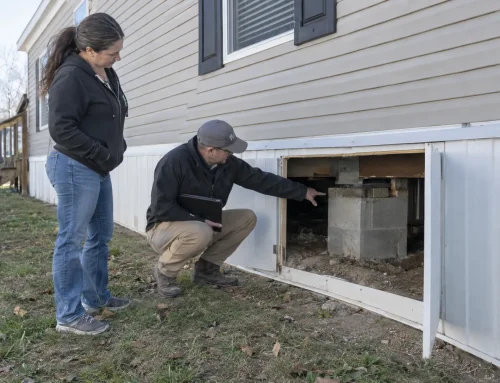
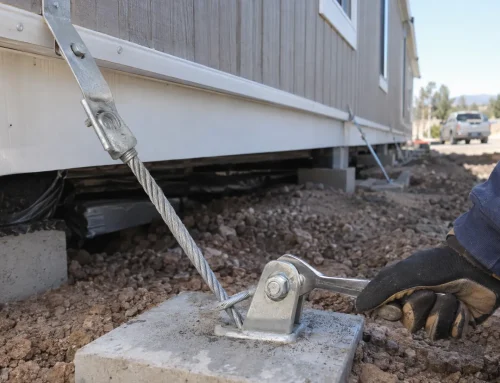
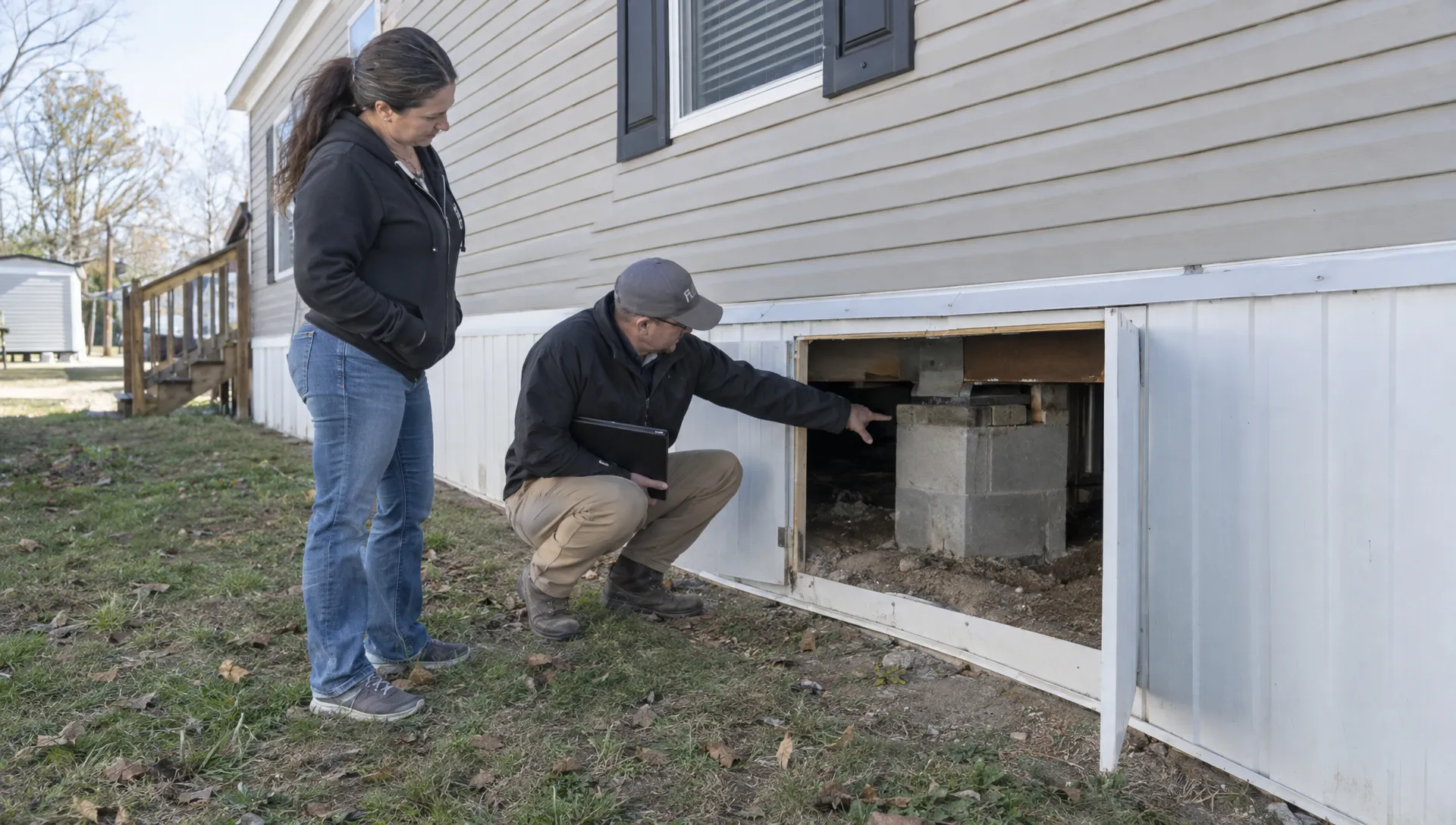
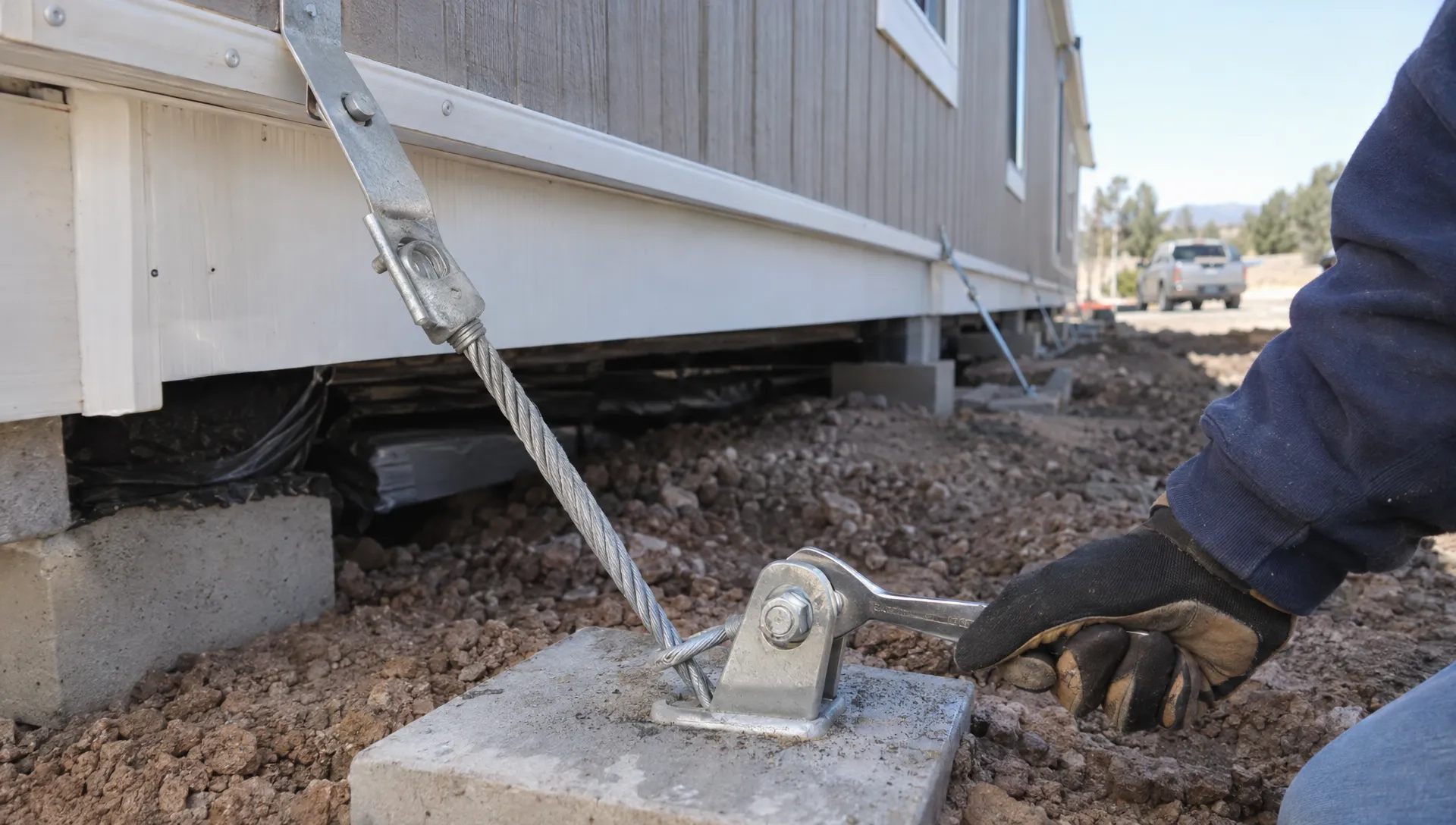
Expect lender questions about the home’s age, HUD certification labels, data plate, floor plan, installation plan, foundation, land ownership, utilities, site access, and whether the home has been moved before. For FHA Title II, the lender will typically pay close attention to whether the home is or will be considered real property, whether it is on an acceptable permanent foundation, and whether the land and home can be financed together.
Texas buyers should also ask how the lender handles the Texas Statement of Ownership. This document is issued through the Texas Department of Housing and Community Affairs and is important in establishing ownership and property status. The lender, retailer, and title company should understand how the Statement of Ownership fits into the closing process.
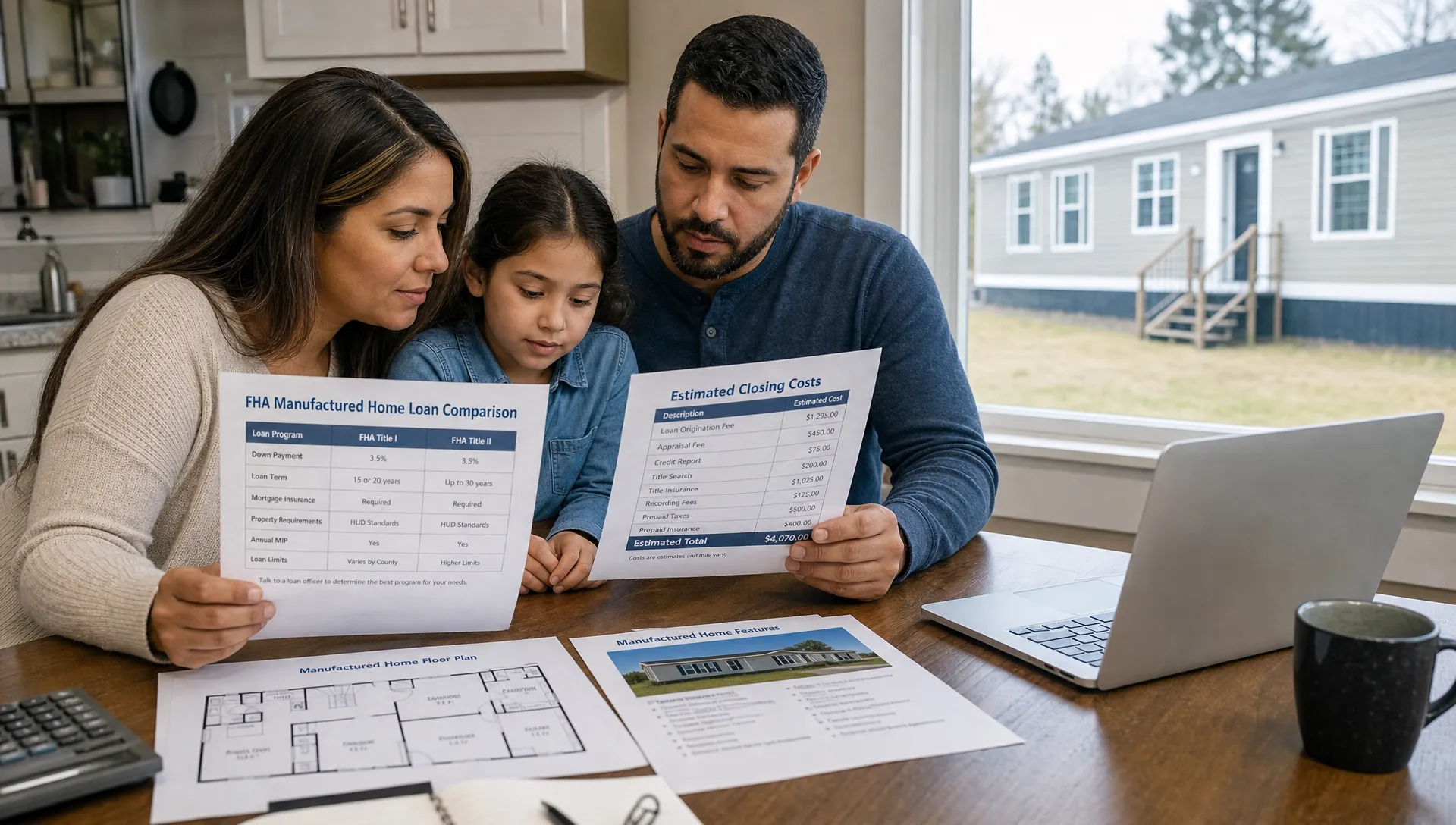
This is where experienced lenders stand out. They do not wait until the end to ask whether the home has HUD labels or whether the foundation meets requirements. They raise those issues early, which helps you avoid paying for an appraisal or inspection only to learn that the loan structure is not a fit.
Compare the process and timeline each lender gives you
A lender’s process can be just as important as its pricing. Manufactured home purchases often involve more moving parts than a standard resale home. If a lender cannot clearly describe the sequence, you may face delays or repeated document requests.
Ask each lender to walk you through their process from prequalification to closing. Then compare how specific their answers are.
| Process step | What a strong lender should explain |
|---|---|
| Prequalification or preapproval | What income, credit, debt, and asset documents are reviewed upfront. |
| Home and site review | When the lender checks model eligibility, foundation needs, land status, and community requirements. |
| Appraisal | Whether the appraiser has manufactured home experience and what property details are needed. |
| Installation and inspections | Which inspections or certifications may be required before final approval or closing. |
| Closing coordination | How the lender works with the retailer, title company, land seller, or manufactured home community. |
| Funding and move-in timing | When funds are released and what must happen before you can move in. |
A lender who says closing will be easy but cannot explain the steps may be less reliable than a lender who gives a realistic timeline. Speed matters, but accuracy matters more.
If you are buying a move-in ready manufactured home, the process may be more straightforward than a home that still needs land improvements, delivery, or installation. Even then, the lender should verify all FHA and property requirements before you spend too much time or money.
Compare underwriting flexibility and lender overlays
FHA loans are known for making homeownership more accessible, but FHA rules are not the only rules that matter. Individual lenders can apply overlays, which are stricter requirements on top of FHA’s baseline standards.
That is why two FHA lenders may treat the same borrower differently. One may be comfortable with a certain debt-to-income ratio, employment history, credit profile, or source of down payment funds, while another may not. Manufactured home loans can also come with additional lender caution because of property type, foundation, land status, or resale considerations.
Ask lenders how they evaluate income if you are self-employed, paid hourly, receiving overtime, working multiple jobs, or using benefits or retirement income. First-time buyers should also ask whether gift funds, down payment assistance, or seller credits may be allowed, subject to FHA and lender guidelines.
Do not frame this as trying to find the easiest lender. Frame it as finding the lender whose guidelines match your real financial picture. A responsible lender will be honest about what they can and cannot approve.
Use a lender scorecard instead of relying on memory
After three lender calls, the details can blur together. A simple scorecard helps you compare each option objectively. You do not need fancy software. A spreadsheet or notebook can work.
| Comparison category | Lender A | Lender B | Lender C |
|---|---|---|---|
| Offers the FHA loan type you need | |||
| Manufactured home experience | |||
| Clear rate, APR, and fee explanation | |||
| Reasonable rate lock for your timeline | |||
| Familiarity with Texas paperwork | |||
| Explains foundation and appraisal requirements | |||
| Communicates clearly and promptly | |||
| Works well with retailer, community, and title company | |||
| Provides realistic closing timeline | |||
| Gives you confidence without pressure |
You can score each category from 1 to 5. The lowest rate may still win, but only if the lender also scores well on experience, communication, and process. A slightly higher-cost lender may be the better choice if they reduce the risk of delays, surprises, or a failed approval.
Watch for red flags when comparing lenders
Some warning signs are obvious, such as a lender refusing to provide written estimates or pressuring you to apply immediately. Others are more subtle.
| Red flag | Why it matters |
|---|---|
| The lender does not ask whether the home is on owned land or a leased lot | Loan type and eligibility may depend on the land arrangement. |
| The lender cannot explain Title I versus Title II at a basic level | They may not be active in manufactured home lending. |
| The quote focuses only on monthly payment | You need to compare rate, APR, fees, cash to close, and lock terms. |
| They dismiss foundation or HUD label questions | These details can affect FHA eligibility. |
| They promise approval before reviewing documents | Real approval depends on borrower, home, property, and underwriting review. |
| Communication is slow before you apply | It may not improve once the file becomes more complicated. |
Also be cautious with any lender who makes the process sound identical to financing a site-built home. FHA manufactured home loans can be very manageable, but they have their own requirements. You want a lender who respects those details.
Make the comparison local to San Antonio
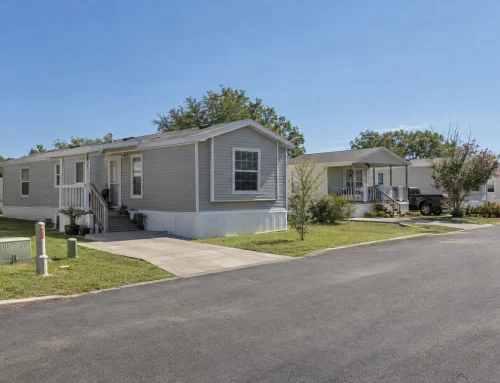
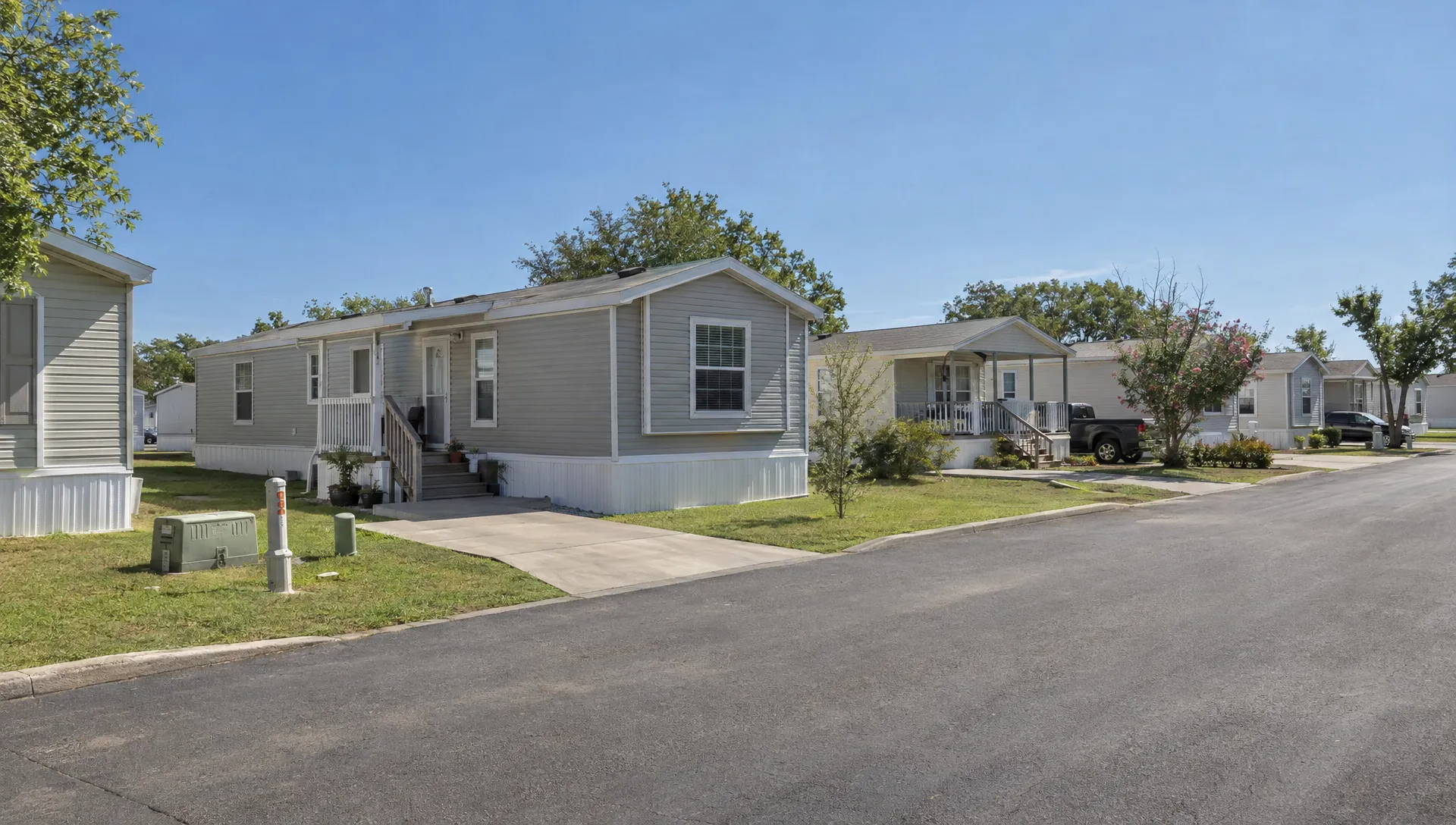
San Antonio buyers should consider local realities when comparing lenders. The right lender should understand the difference between buying land outside the city, placing a home in a manufactured home community, purchasing a home already set up on land, or choosing a move-in ready option.
Local knowledge can help with practical issues such as title company coordination, property taxes, utilities, site access, community documentation, and realistic timelines for installation or move-in. It can also help when a lender needs to communicate with a retailer or community manager quickly.
This is where working with a manufactured home specialist can make the financing conversation easier. Homes2Go San Antonio helps buyers explore affordable manufactured home options, review available models and floor plans, and connect with guidance throughout the buying process. Financing is still subject to lender approval, but having the home selection and lending conversation aligned early can save time.
Frequently Asked Questions
How many FHA manufactured home loan lenders should I compare? Try to compare at least three lenders when possible. Use the same purchase price, down payment, loan type, and timing so the quotes are easier to evaluate side by side.
Is the lowest FHA rate always the best choice? Not always. A lower rate may come with discount points, higher fees, a shorter lock period, or a lender with less manufactured home experience. Compare total cost and closing reliability, not just rate.
Do all FHA lenders finance manufactured homes? No. Some FHA-approved lenders do not actively originate manufactured home loans, and others may only handle certain property types. Always ask about current manufactured home experience.
What should I ask a lender before applying? Ask which FHA loan types they offer, how many manufactured home loans they close, what property documents they need, how they handle foundation and appraisal requirements, and what fees affect cash to close.
Can I use FHA financing for a manufactured home in a community? It depends on the loan type, the lender, the home, and the community or lot arrangement. Some scenarios may fit FHA Title I, while others may require different financing. Ask the lender to review the exact situation early.
Ready to compare lenders with more confidence?
The best FHA manufactured home loan lender is the one that fits your home, your land or community plan, your budget, and your timeline. Rates matter, but experience and communication can make the difference between a smooth closing and a stressful one.
If you are exploring manufactured homes in San Antonio, Homes2Go San Antonio can help you review home models, understand floor plans, and talk through financing options with trusted local guidance. Start with the home you want, then compare lenders with a clearer picture of what your loan actually needs to accomplish.
 Things to Know Before Buying a Manufactured Home
 Chattel Dwelling Loans Explained for Home Buyers