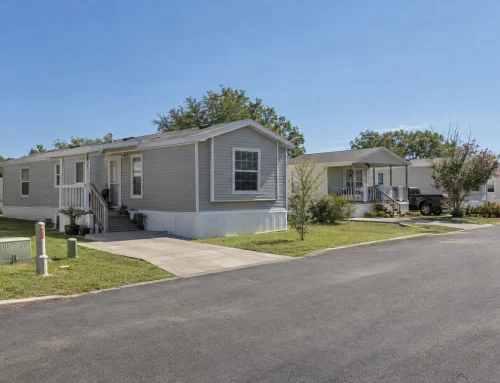

If you searched for “modular homes parks near me,” the most important thing to know is this: the nearest community is not always the best fit. Before you fall in love with a floor plan or a monthly payment, you need to confirm whether the park accepts your type of home, what the true monthly cost will be, and whether the rules match the way you actually live.
In San Antonio and the surrounding area, buyers often use the words modular, manufactured, mobile, and park model interchangeably. Communities, lenders, installers, and regulators do not. That distinction can affect where you can place the home, how you finance it, what permits are needed, and how easy it will be to resell later.
This guide walks through what to check first so you can compare nearby home parks with confidence.
First, clarify what kind of home the park actually accepts
Before touring a community, call and ask one simple question: “What types of factory-built homes do you allow?”
A manufactured home is built in a factory to the federal HUD Code, which applies to homes built after June 15, 1976. HUD explains these standards through its Manufactured Housing Program. These are the homes most people mean when they talk about homes in mobile home parks or manufactured home communities.
A modular home is also factory-built, but it is typically constructed to state or local building codes and installed on a permanent foundation. True modular homes are often placed on private land, in subdivisions, or as part of land and home packages, rather than in traditional lot-rent parks.
A mobile home is technically an older term, often referring to homes built before the HUD Code. Many people still say “mobile home” casually when they mean manufactured home.
This matters because a park may advertise “mobile homes” but only accept newer HUD-code manufactured homes. Another may allow single-wide homes but not double-wide homes. Some have age limits, size requirements, roof-pitch requirements, exterior appearance rules, or approval processes for used homes.
If you are not sure which category fits your homebuying goal, Homes2Go San Antonio can help you compare available manufactured home models, floor plans, and placement options before you commit to a specific community.
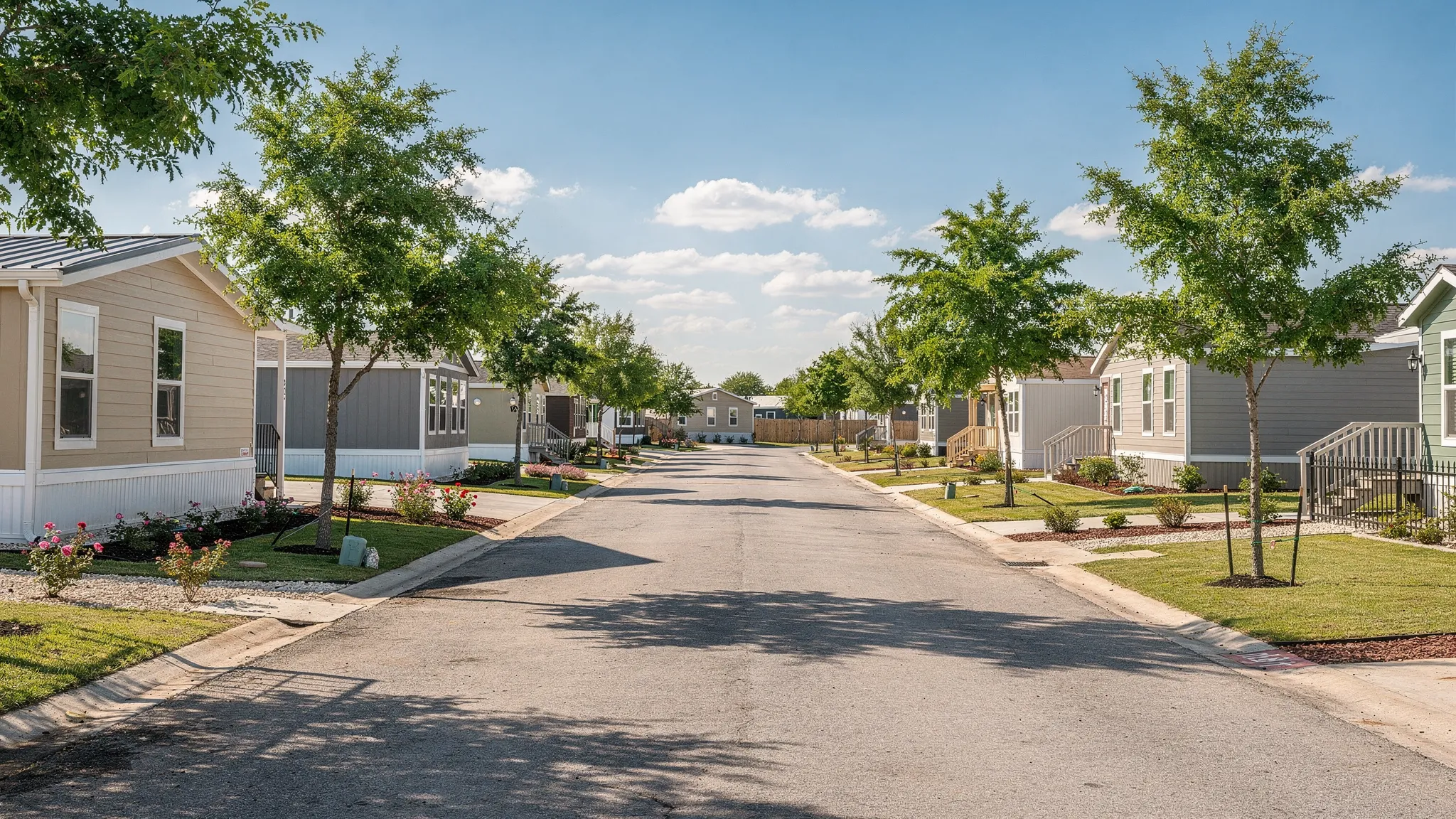
Check the true monthly cost, not just the lot rent
Lot rent is usually the number buyers notice first, but it is rarely the full cost of living in a home park. A community with a lower advertised rent may become more expensive once you add utilities, trash, pet fees, deposits, lawn requirements, insurance, and transportation costs.
Ask the park manager for a written breakdown of every recurring and one-time cost. If a fee is not in writing, do not assume it will stay the same.
| Cost item | What to ask before applying | Why it matters |
|---|---|---|
| Lot rent | What is included, and when can it increase? | This is your baseline monthly housing cost. |
| Utilities | Are water, sewer, trash, electric, or gas billed separately? | Utility billing can vary widely by community. |
| Application fees | Are fees charged per adult applicant? | These can add up before approval. |
| Deposits | Is there a security deposit, utility deposit, or move-in deposit? | You need this in your upfront cash estimate. |
| Home insurance | Is insurance required by the park or lender? | Most buyers should budget for coverage. |
| Pet fees | Are there monthly pet fees, deposits, breed rules, or size limits? | Pet policies can affect both cost and approval. |
| Maintenance | Who handles lawn care, skirting, steps, driveway, and repairs? | Some costs remain your responsibility. |
| Taxes | Will the home be treated as personal property or real property? | Classification can affect taxes and financing. |
For a realistic budget, compare your full monthly cost against your current housing cost, not just against rent. Include home payment, lot rent, utilities, insurance, transportation, and expected maintenance.
Review the park approval process before choosing a home
Many buyers make the mistake of choosing a home first, then discovering the community will not approve it. The better order is to review the community requirements early, especially if you are financing the home.
Most parks require an application for each adult resident. They may review income, rental history, background, credit, household size, pets, and references. Requirements vary by community, and approval is separate from lender approval.
Ask these questions before you pay for inspections, deposits, or moving arrangements:
- Does the park approve the resident, the home, or both?
- Is there a minimum home age or condition standard?
- Are single-wide, double-wide, and multi-section homes all allowed?
- Are there size limits for the lot you want?
- How long does approval usually take?
- Can you review the lease and rules before applying?
- Are there move-in deadlines after approval?
If you are buying a new manufactured home, the home retailer and community need to coordinate on size, setup requirements, delivery access, and timing. A delay in park approval can delay delivery, installation, and move-in.
Inspect the lot, not just the neighborhood
A nice community can still have a lot that creates problems. The specific lot affects delivery access, drainage, shade, utility hookups, parking, privacy, and long-term comfort.
In San Antonio, drainage and heat deserve special attention. Heavy rain can expose low spots, poor grading, and standing water. Texas heat can make shade, orientation, insulation, and HVAC performance more important than buyers initially realize.
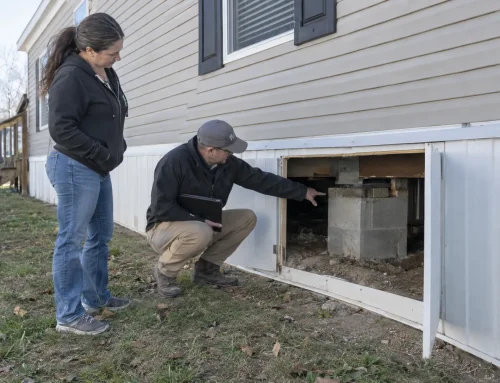
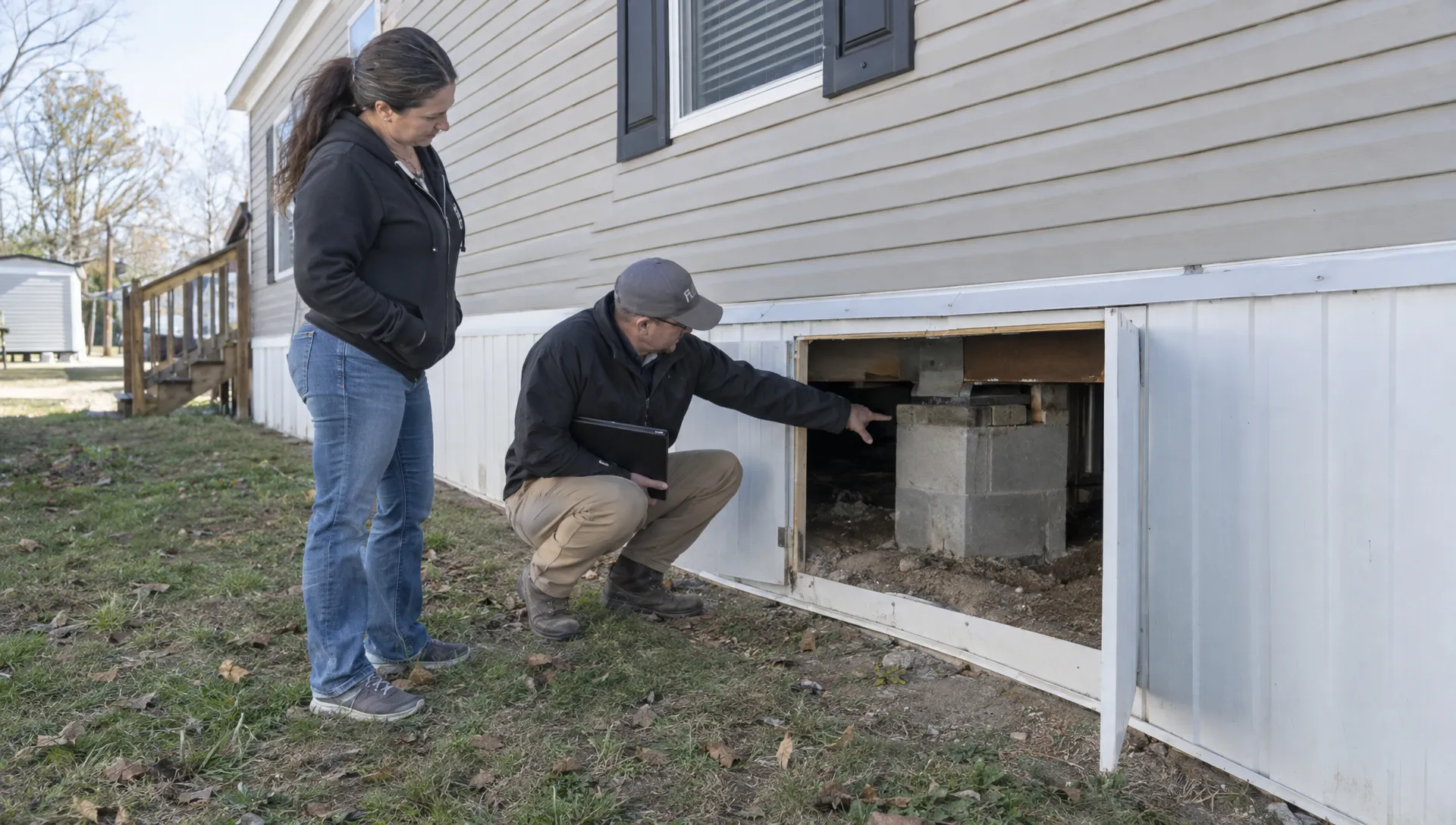
When you walk the lot, look for signs of standing water, erosion, uneven grading, cracked pads, tight turns, low branches, overhead wires, narrow roads, and limited parking. Ask whether the lot is ready for placement or whether additional site work is needed.
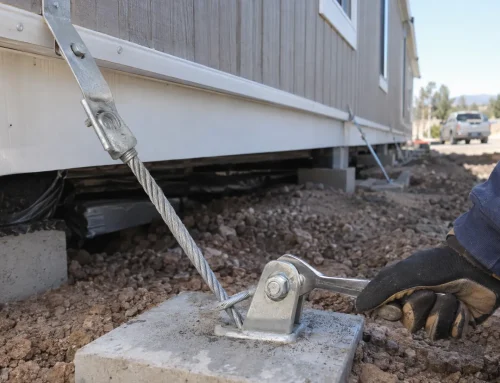
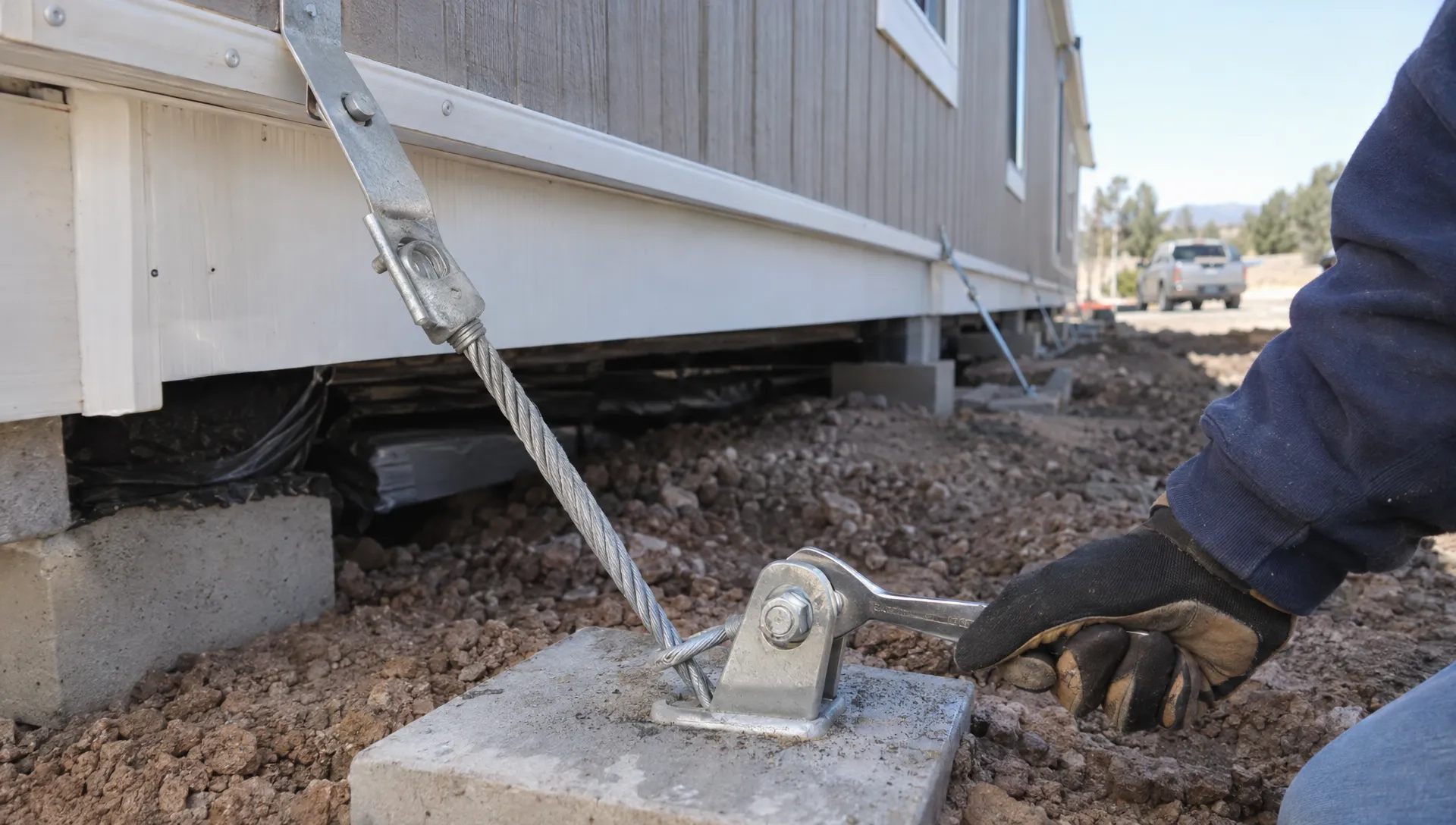
Also confirm utility details. A lot may look ready, but still need work for electric service, water, sewer, gas, steps, skirting, or driveway improvements. If the home is being moved into the community, ask who handles setup requirements and who pays for each part.
For manufactured homes in Texas, the Texas Department of Housing and Community Affairs Manufactured Housing Division is an important resource for state-level manufactured housing rules, licensing, installation, and consumer information.
Read the lease and rules before you rely on verbal promises
Park rules affect daily life. They also affect whether the home will be easy to live in, improve, sell, or move later.
Ask for the full community rules and lease before you commit. Read them carefully, even if the manager gives you a friendly summary. Verbal promises are not a substitute for written terms.
Key rules to review include:
- Parking limits for cars, work trucks, trailers, RVs, and boats
- Pet limits, breed restrictions, fencing rules, and leash rules
- Guest policies and limits on extended stays
- Exterior rules for decks, sheds, skirting, paint, porches, and landscaping
- Noise, business-use, and home-occupation restrictions
- Age restrictions, if the community is 55+ or senior-focused
- Requirements for home condition, repairs, and exterior maintenance
- Rules for selling the home while it remains in the park
Rules are not automatically bad. Clear rules can protect the community’s appearance and help neighbors understand expectations. The issue is fit. If the rules conflict with your pets, vehicles, work schedule, family needs, or future plans, keep looking.
Evaluate community condition and management
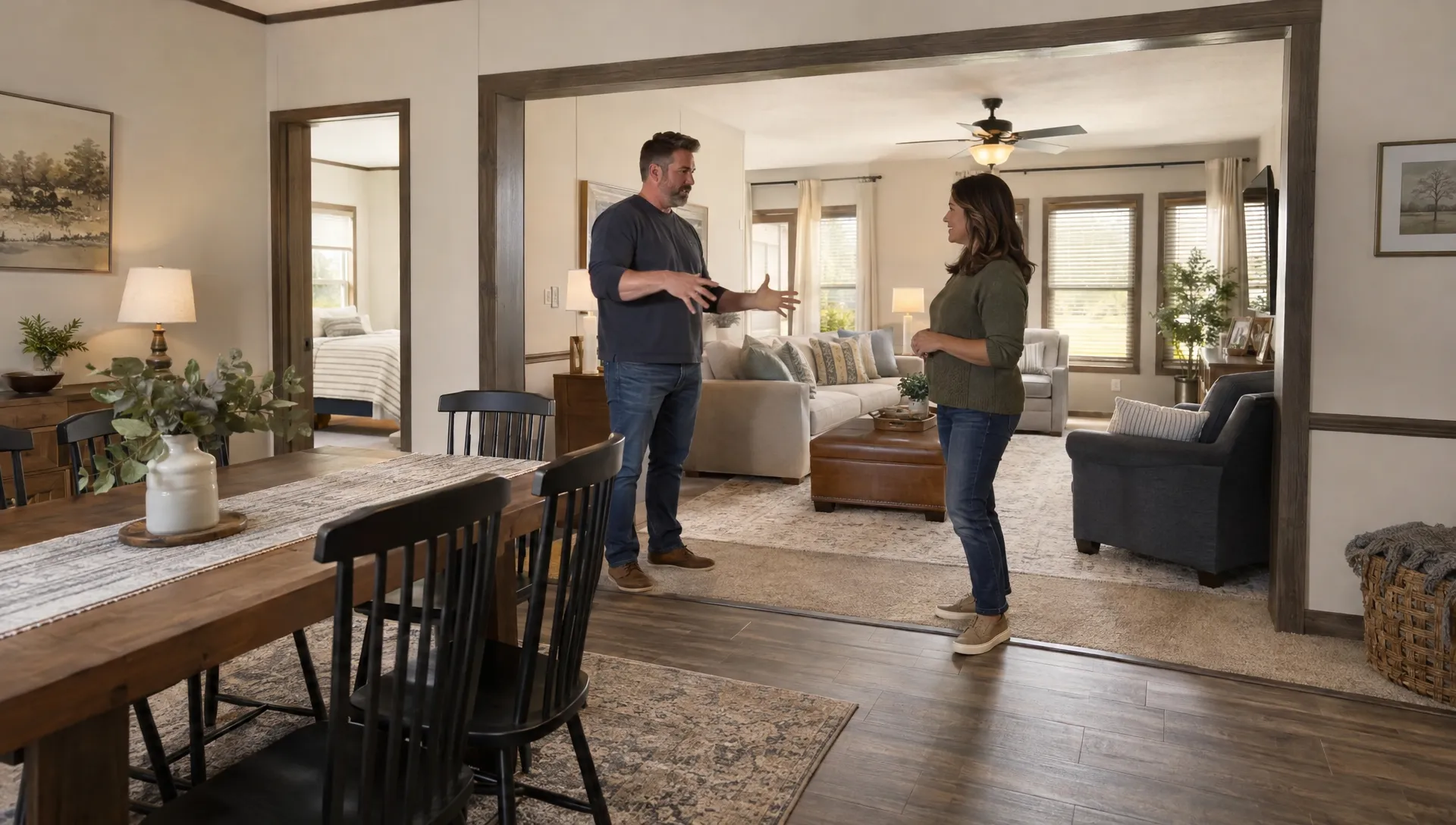
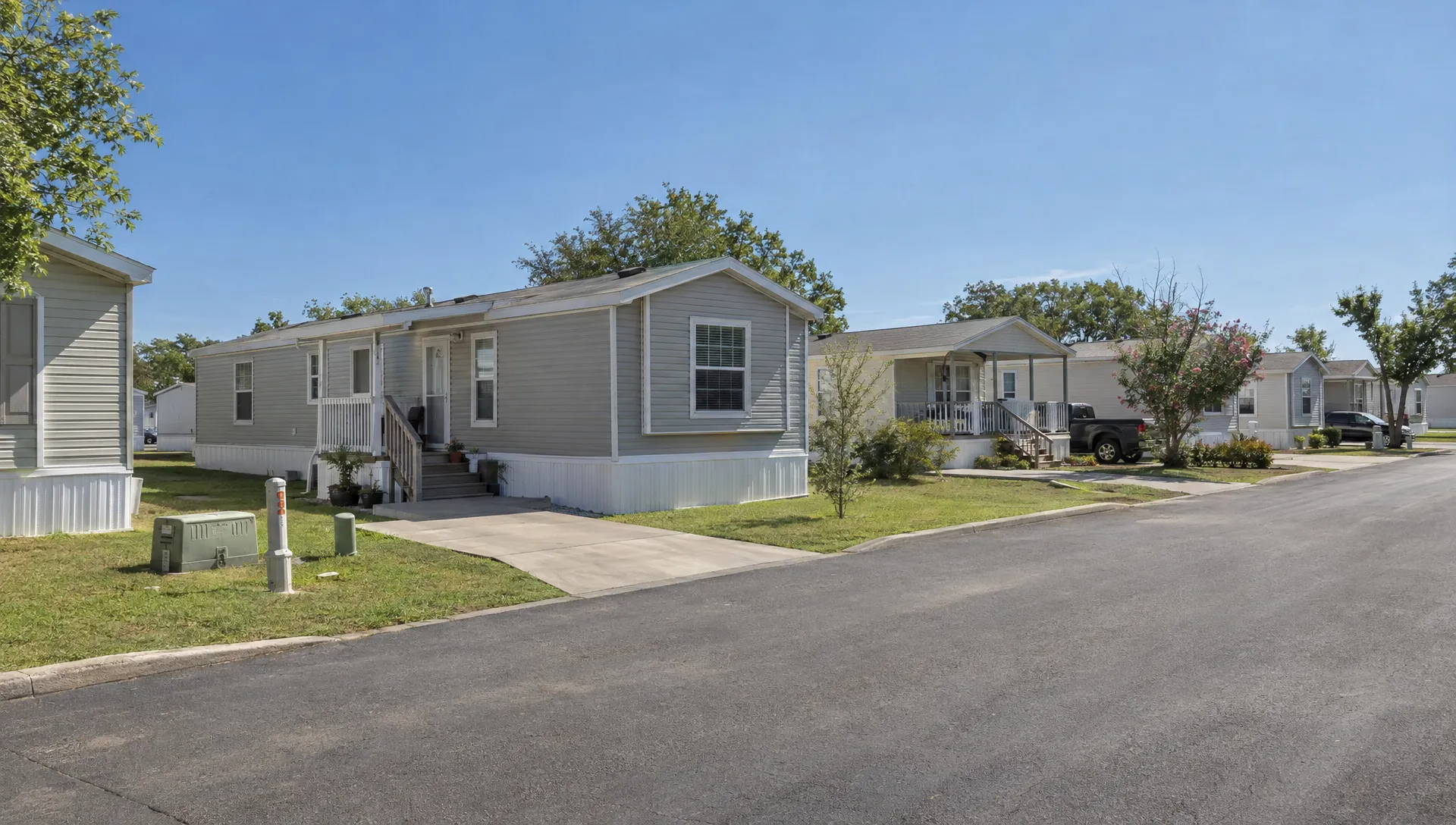
A home park is more than a place to put a house. You are choosing a management relationship and a daily living environment. The condition of the roads, lighting, common areas, drainage, signage, and vacant lots can tell you a lot about how the community is operated.
Visit at least twice if you can, once during the day and once in the evening. During the day, look at maintenance, traffic flow, drainage, and general upkeep. In the evening, pay attention to lighting, noise, parking, and how busy the roads feel.
Good signs include maintained roads, clear office hours, written rules, responsive staff, tidy common areas, visible addresses, and consistent home upkeep. Red flags include unclear fees, pressure to apply immediately, poor communication, neglected utilities, standing water, damaged roads, or rules that are not available in writing.
You can also ask current residents respectful, simple questions if the opportunity comes up. For example: “How responsive is management?” and “Have there been any surprise fees?” A short conversation can reveal details that a brochure will not.
Make sure the financing matches the placement
Financing for a factory-built home depends partly on where the home will be located and how it will be titled. A home placed in a land-lease community may use different financing than a home purchased with land.
Common financing paths include chattel loans for the home itself, land and home financing when the land is included, and certain government-backed options when eligibility and property requirements are met. Homes2Go San Antonio works with buyers who need flexible financing options and guidance from local lending partners, but loan fit depends on the buyer, the home, the land or lot arrangement, and lender requirements.
Before applying, ask the lender and community how the following factors affect approval:
- Whether the home will be on leased land or owned land
- Whether the home is new or used
- Whether the community is approved by the lender
- Whether the home will be titled as personal property or real property
- Whether the lease term meets lender expectations
- Whether insurance, setup, delivery, and taxes are included in the loan estimate
For a deeper look at financing paths, you can review Homes2Go San Antonio’s guide to manufactured home financing options.
Compare amenities by value, not by excitement
Amenities can make a community more enjoyable, but they should not distract from the basics. A clubhouse, pool, playground, gated entry, or fitness area may be worth paying for if you will actually use it. If not, you may be better off choosing a quieter or more affordable community with fewer extras.
The same logic applies to personal upgrades after move-in. If you plan to add outdoor features such as a storage shed, deck, covered patio, or portable spa, confirm the park’s written rules first. For example, a hot tub may involve electrical requirements, water weight, access, and insurance considerations. Independent buyer resources like Hot Tub Value Guide can help you compare models and ownership costs before you spend money on an upgrade that your community may restrict.
A practical way to compare amenities is to assign value based on actual use. If you have children, a safe play area may matter more than a clubhouse. If you commute daily, highway access may matter more than a pool. If you work from home, internet availability and quiet hours may be more important than community events.
Use a simple scoring sheet before you decide
When you tour several parks, details blur together quickly. A simple scoring sheet keeps you from choosing based only on the nicest office, the newest sign, or the first available lot.
| Category | Score 1 if… | Score 3 if… | Score 5 if… |
|---|---|---|---|
| Home compatibility | Requirements are unclear | Home may qualify with conditions | Home type, size, and timing are clearly approved |
| Total cost | Fees are vague | Most fees are explained | Full written cost breakdown is provided |
| Lease clarity | Rules are hard to get | Lease is available after application | Lease and rules are provided upfront |
| Lot quality | Drainage, access, or utilities are questionable | Lot is usable with some work | Lot is ready, accessible, and well-drained |
| Management | Slow or inconsistent responses | Basic questions are answered | Staff is clear, responsive, and organized |
| Location | Commute or services are inconvenient | Location is acceptable | Location fits work, school, shopping, and family needs |
| Long-term fit | Resale and rent policies are unclear | Some future options are available | Rules support your likely 3 to 7 year plans |
After each tour, score the community while details are fresh. The best park is usually not the one with the highest score in one category. It is the one with the strongest overall fit for your budget, home, lifestyle, and future plans.
Local San Antonio factors to keep in mind
San Antonio buyers should think beyond the park entrance. The metro area includes city neighborhoods, suburban communities, and nearby rural areas, and each can come with different rules, commute patterns, utility arrangements, and site conditions.
If the community is inside city limits, ask about local permitting and service providers. If it is outside city limits, ask about county rules, septic or sewer access, water source, road maintenance, and emergency service access. If the site is near a creek, low-water crossing, or drainage channel, check flood risk before committing.
Also consider daily life. A lower-cost park farther from work may cost more in fuel, time, and vehicle wear. A park near major routes such as Loop 410, Loop 1604, I-35, I-10, or Highway 281 may improve access, but road noise and traffic may be part of the tradeoff.
The right location balances affordability, safety, convenience, and stability. Do not evaluate the community only on the day you tour. Think about school mornings, summer heat, grocery trips, medical visits, weekend traffic, and visiting family.
A quick call script for parks near you
Before driving across town, call each community and ask the same questions. This saves time and helps you compare answers fairly.
Use this script:
“Hi, I’m looking for a manufactured or modular home community near San Antonio. Can you tell me what types of homes you accept, what lots are available, the current lot rent, what fees are included, and whether I can review the lease and community rules before applying?”
Then ask:
- “Do you accept new manufactured homes, used manufactured homes, or true modular homes?”
- “Are there age, size, width, or exterior requirements?”
- “What is the full move-in cost?”
- “Which utilities are included, and which are billed separately?”
- “How long does resident and home approval take?”
- “Are there restrictions on pets, parking, sheds, decks, or fencing?”
- “Can I sell the home in place later if the buyer is approved?”
If the answers are clear and consistent, schedule a tour. If the answers change, remain vague, or depend on applying first, proceed carefully.
Frequently Asked Questions
Are modular homes allowed in mobile home parks? Sometimes, but many parks primarily accept HUD-code manufactured homes rather than true modular homes. Always ask the community what types of homes are allowed, what building standard they require, and whether the specific model you want is eligible.
What is the difference between a manufactured home park and a modular home community? A manufactured home park typically offers leased lots for HUD-code manufactured homes. A modular home community may involve homes built to state or local building codes, often on permanent foundations, but the exact meaning varies by developer and location.
Should I choose the home or the park first? You should compare both early, but confirm park requirements before finalizing the home. The park may have rules about home age, size, exterior style, setup, and approval that affect which models will work.
What fees should I ask about before moving into a home park? Ask about lot rent, utilities, deposits, application fees, trash, water, sewer, pet fees, parking fees, insurance requirements, taxes, and maintenance responsibilities. Request the details in writing.
Can Homes2Go San Antonio help me find a home that fits a community? Yes. Homes2Go San Antonio offers a wide selection of manufactured home models, detailed floor plans, financing guidance, and support for buyers comparing home options and community placement in the San Antonio area.
Ready to compare homes and communities with confidence?
Choosing a park is not just about finding the closest available lot. It is about matching the right home, budget, financing path, and community rules before you spend money on applications, deposits, delivery, or setup.
If you are shopping for manufactured or modular-style housing options near San Antonio, Homes2Go San Antonio can help you explore home models, compare floor plans, understand financing options, and move forward with expert guidance. Start with the home you want, the budget you can sustain, and a community that truly fits your life.
 Manufactured Homes Lifespan: How Long Do They Last?
 FHA Mobile Home Loan Rates: What Affects Your Payment