
A well-built manufactured home can last 30 to 55 years or more, and many modern homes can remain comfortable, safe, and valuable for even longer with proper installation and maintenance. The key is not just the home’s age. It is the quality of construction, the setup, the foundation, the site conditions, and how consistently the home is cared for over time.
For San Antonio buyers, this matters. Our climate brings intense heat, humidity, heavy rain events, and shifting soils, all of which can shorten a home’s life if they are ignored. The good news is that today’s manufactured homes are built to federal standards, and buyers have more choices than ever in energy-efficient designs, modern interiors, durable materials, and financing paths that support long-term ownership.
The short answer: how long do manufactured homes last?
Most manufactured homes last several decades. A realistic range for many homes is 30 to 55 years, while newer homes that are installed correctly and maintained well can last beyond that.
The word “lifespan” can mean different things, though. The structural frame of the home may remain sound for decades, while other parts such as the roof, HVAC system, skirting, water heater, flooring, and appliances will need repair or replacement along the way. A manufactured home does not usually “expire” at a set age. Instead, it ages through normal wear, climate exposure, maintenance habits, and upgrades.
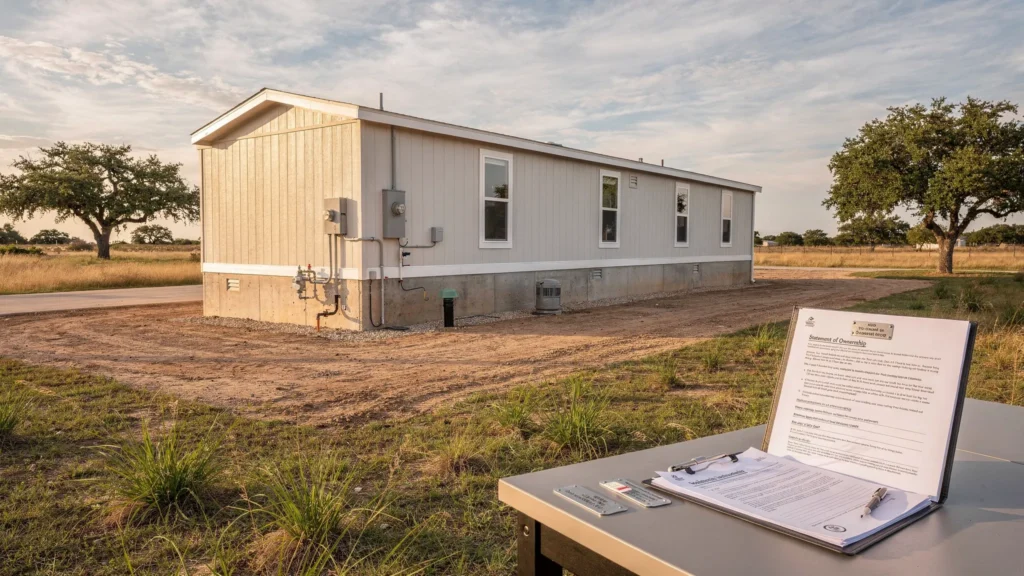
The biggest turning point in manufactured housing history came in 1976, when the federal HUD Code took effect. According to the U.S. Department of Housing and Urban Development, manufactured homes are built to federal construction and safety standards that cover design, construction, strength, durability, fire resistance, energy efficiency, and transportability. Homes built before June 15, 1976 are commonly called mobile homes and were not built under the same federal standards.
That distinction is important when you compare older homes, newer manufactured homes, and modular homes.
| Home type | Built to | Typical lifespan considerations |
|---|---|---|
| Pre-1976 mobile home | Standards varied by manufacturer and location | Condition varies widely. Inspection is especially important. Financing and insurance may be more limited. |
| Manufactured home | Federal HUD Code | Can last for decades when properly installed, maintained, and protected from moisture. |
| Modular home | State and local building codes | Often treated similarly to site-built homes once placed on a permanent foundation. |
What affects the lifespan of a manufactured home?
A manufactured home’s longevity depends on more than the model year. Two homes built in the same year can age very differently depending on where they are placed, how they are installed, and how the owner maintains them.
Construction quality and HUD Code standards
Modern manufactured homes are built in a controlled factory environment, which helps reduce weather-related construction delays and material exposure during the build process. The HUD Code sets minimum national standards, but manufacturers may offer different materials, layouts, insulation packages, roofing options, and energy-efficient upgrades.
When comparing homes, look beyond square footage. Ask about insulation, roofing materials, window quality, HVAC sizing, ventilation, subfloor materials, and warranty coverage. A home that is better matched to the Texas climate can be easier to maintain and more comfortable over time.
If you are still comparing models, our guide to manufactured homes in San Antonio can help you understand floor plans, site options, cost factors, and local buying considerations.
Installation, foundation, and leveling
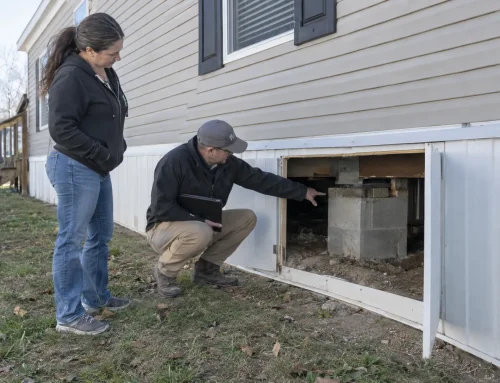
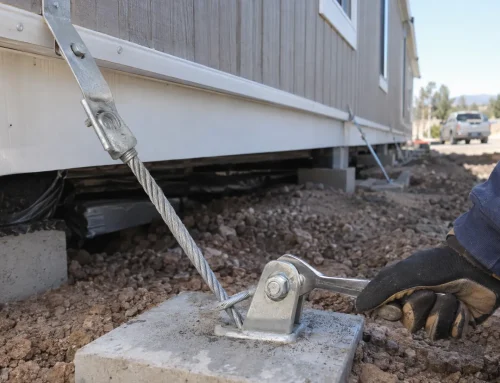
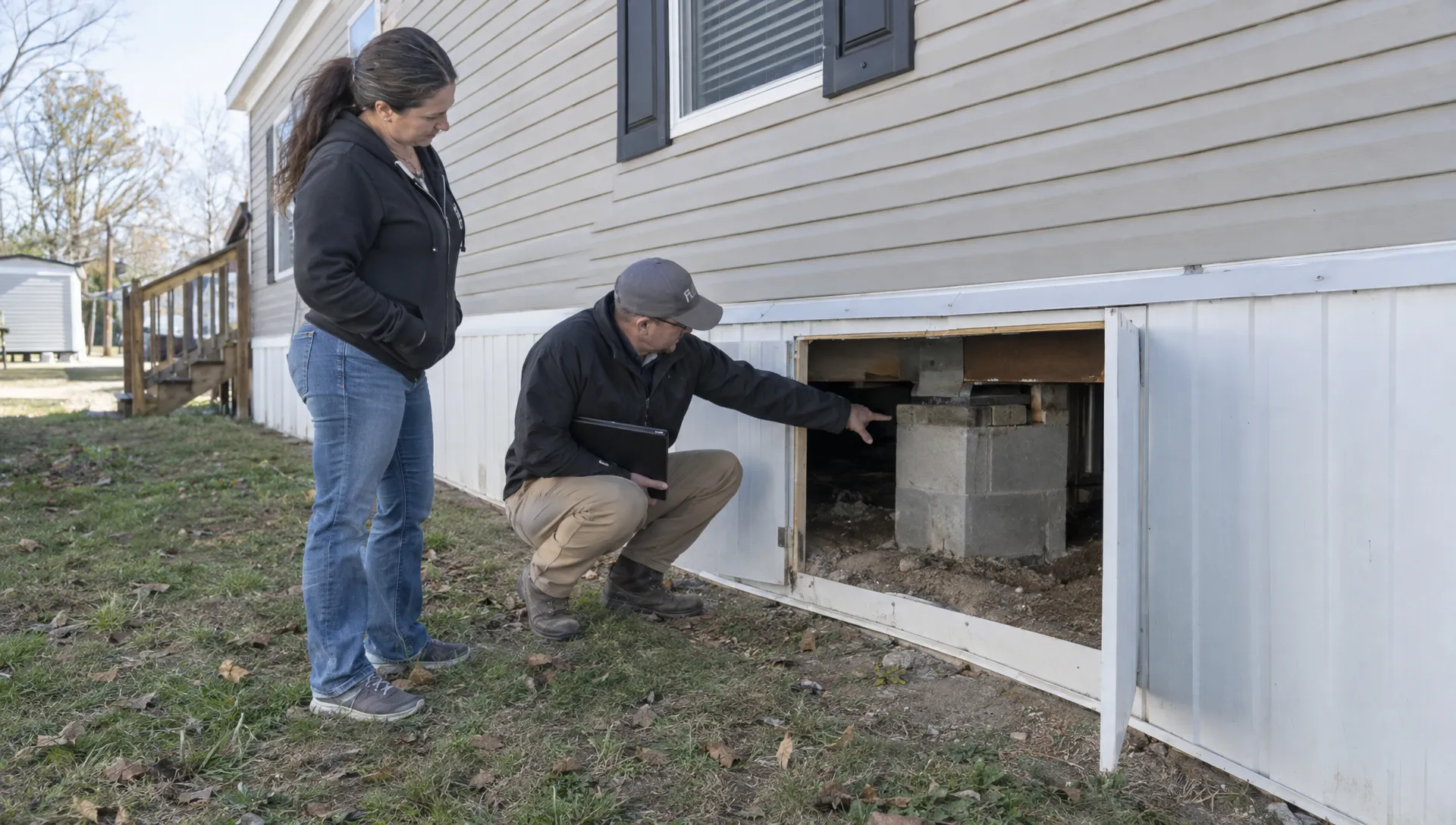
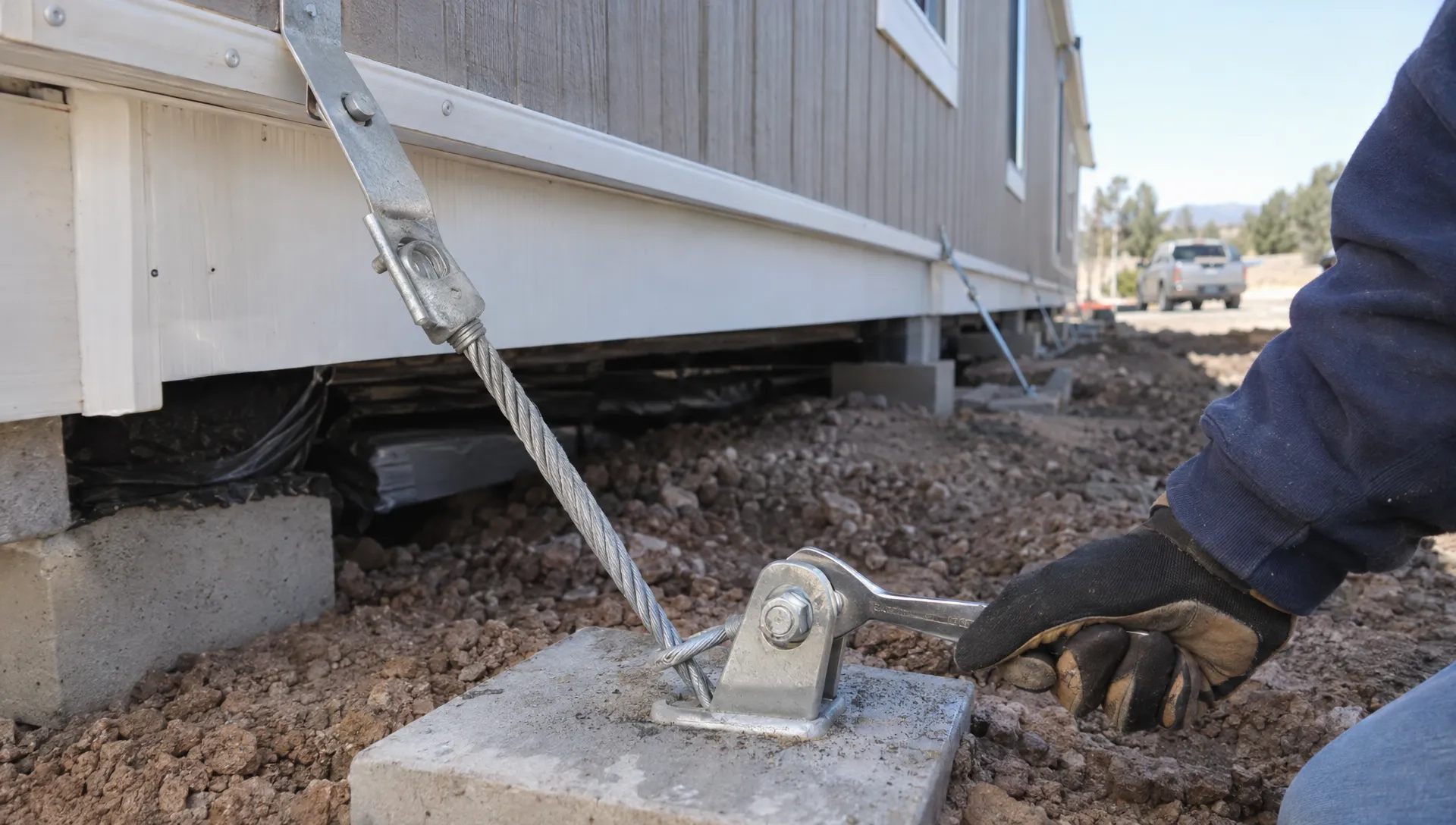
Installation is one of the most important lifespan factors. Even a high-quality home can develop problems if it is not properly set, leveled, supported, anchored, and connected to utilities.
A manufactured home that is not level may experience door and window alignment issues, floor stress, plumbing strain, roofline movement, or water drainage problems. Over time, small setup issues can become expensive repairs. In San Antonio and nearby areas, soil movement can also make periodic leveling checks more important.
Buyers should work with experienced professionals and follow applicable state and local requirements. The Texas Department of Housing and Community Affairs Manufactured Housing Division is a helpful resource for manufactured housing rules and consumer information in Texas.
Moisture control and roof care
Water is one of the biggest threats to any home, manufactured or site-built. Roof leaks, poor flashing, plumbing leaks, damaged skirting, clogged gutters, and poor drainage can shorten the lifespan of floors, walls, insulation, and structural components.
In San Antonio, heavy rain can arrive quickly, so drainage matters. The ground around the home should slope away from the structure where possible, and crawlspace areas should not trap standing water. Skirting should be secure, ventilated as needed, and repaired when damaged.
Roof maintenance is especially important. Regular inspections can catch cracked sealant, loose flashing, damaged shingles, or storm damage before water enters the home.
Heat, humidity, and energy efficiency
Texas heat puts extra strain on HVAC systems, roofing, windows, insulation, and utility bills. A home that is poorly insulated or under-equipped for cooling may still last for decades, but it can be less comfortable and more expensive to operate.
Energy-efficient manufactured homes can help reduce stress on major systems while improving everyday comfort. Features such as better insulation, sealed ductwork, efficient windows, properly sized HVAC equipment, and smart thermostats can make a meaningful difference in hot climates. For more Texas-specific guidance, read our article on energy-efficient manufactured homes in Texas heat.
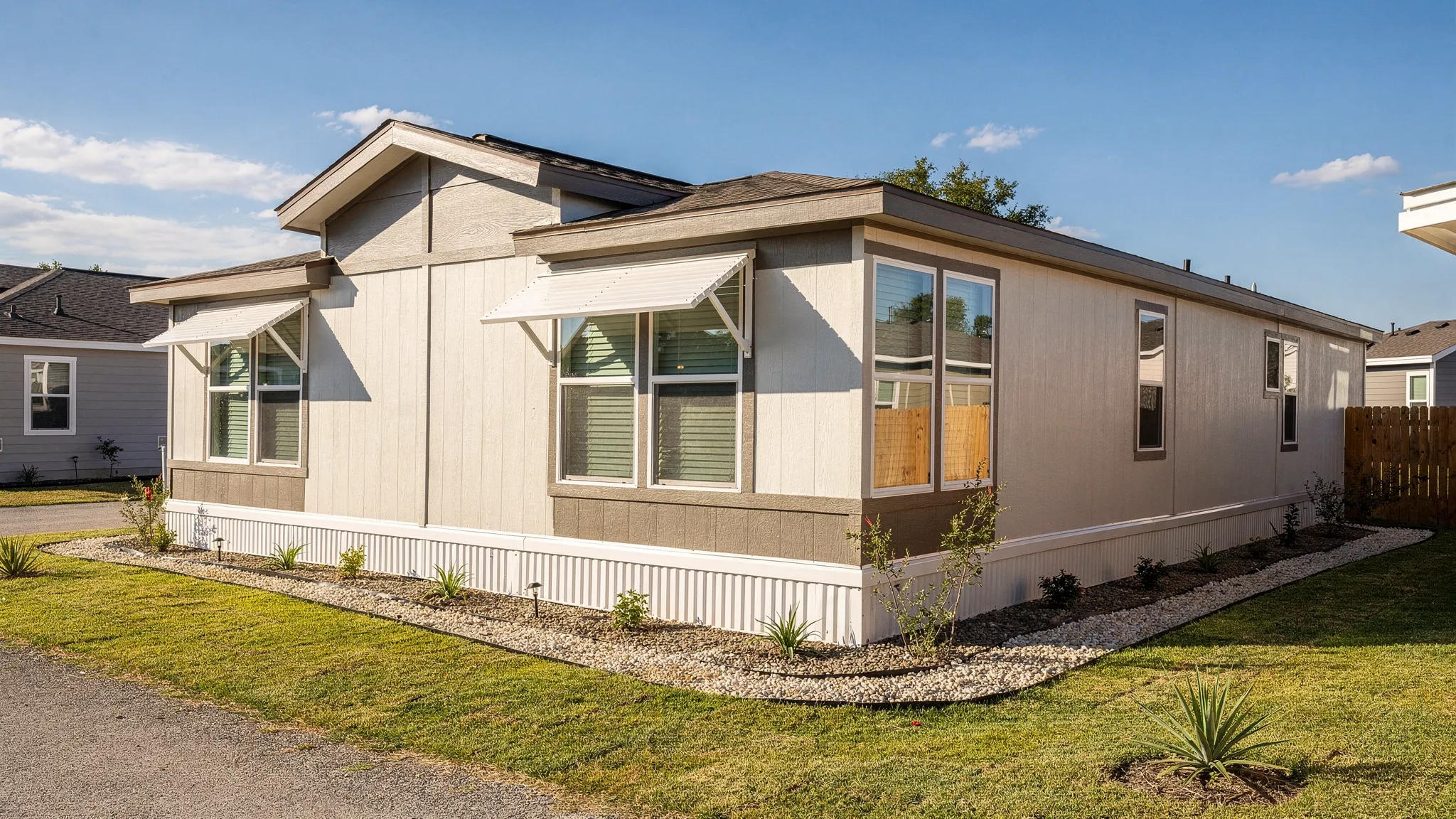
Typical replacement timeline for manufactured home components
The home itself may last 50 years or more, but individual components have shorter service lives. These ranges are general estimates and can vary based on product quality, installation, usage, weather exposure, and maintenance.
| Component | Common replacement or service window | What helps it last longer |
|---|---|---|
| Asphalt shingle roof | 15 to 30 years | Annual inspections, prompt leak repair, good ventilation |
| Metal roof | 40 years or more in many cases | Proper installation, sealant checks, corrosion prevention |
| HVAC system | 10 to 15 years, sometimes longer | Seasonal service, filter changes, correct sizing |
| Water heater | 8 to 12 years | Flushing when recommended, leak checks, proper installation |
| Vinyl siding | 20 to 40 years | Cleaning, storm damage repair, UV-resistant materials |
| Skirting | 10 to 30 years depending on material | Secure panels, ventilation, drainage, impact repair |
| Flooring | 10 to 25 years depending on material | Moisture control, quality underlayment, regular cleaning |
| Appliances | 8 to 15 years | Proper use, cleaning, timely repairs |
This is why a 25-year-old manufactured home can still be a good home if major systems have been maintained or updated. It is also why a much newer home can have issues if it has roof leaks, drainage problems, or poor installation.
Can a manufactured home last as long as a site-built home?
A manufactured home can provide long-term housing for decades, but the comparison depends on the home, site, foundation, maintenance, and local conditions. Site-built homes also require roof replacements, HVAC replacements, plumbing repairs, and ongoing maintenance. No home type is maintenance-free.
The main difference is that manufactured homes are built to the HUD Code and transported to the home site, while site-built homes are constructed on location under local building codes. Transport and setup make installation quality especially important for manufactured homes. Once the home is properly installed, protected from moisture, and maintained, its long-term performance can be very strong.
For many buyers, the more useful question is not “Will it last forever?” but “Is this specific home built, installed, financed, and maintained in a way that supports long-term ownership?”
Signs a manufactured home has many good years left
If you are buying a new home, many of these items will be addressed during model selection, installation, and setup. If you are evaluating an existing manufactured home, these signs can help you judge condition.
A manufactured home is more likely to have a long remaining lifespan when:
- The roof is in good condition with no active leaks or visible sagging.
- Floors feel solid, level, and free from soft spots.
- Doors and windows open and close properly.
- The home is properly supported, anchored, and level.
- Skirting is intact and crawlspace areas are dry.
- Plumbing, electrical, and HVAC systems are functional and maintained.
- Drainage directs water away from the home.
- Maintenance records, warranties, or installation documents are available.
You should be more cautious if you notice persistent musty odors, ceiling stains, soft floors near bathrooms or exterior doors, visible mold, damaged subflooring, unpermitted additions, poor drainage, or signs that the home has shifted significantly.
For used homes, a professional inspection is a smart step. For new homes, choosing the right retailer, lender, installer, and site plan helps prevent many problems before they start.
Maintenance checklist to extend manufactured homes lifespan
A manufactured home’s lifespan is strongly tied to routine maintenance. Small, consistent tasks can prevent large repairs and protect your investment.
| When | Maintenance task | Why it matters |
|---|---|---|
| Monthly | Replace or clean HVAC filters as needed | Improves airflow and reduces strain on the system |
| Quarterly | Check under sinks, around toilets, and near water heater | Finds leaks before they damage floors or walls |
| Twice a year | Inspect skirting, vents, steps, decks, and exterior seals | Protects the crawlspace and keeps pests and water out |
| Twice a year | Clean gutters if installed and check drainage | Reduces water damage risk around the foundation area |
| Annually | Inspect roof, flashing, sealants, and ceiling areas | Catches storm damage and leaks early |
| Annually | Schedule HVAC service before peak cooling season | Helps the system perform during San Antonio heat |
| Every few years | Check leveling and support conditions | Helps prevent structural stress from soil movement |
Maintenance does not have to be complicated, but it should be consistent. In South Texas, it is especially wise to check the roof and exterior after severe storms and to service the cooling system before summer temperatures peak.
Does age affect financing, insurance, and resale value?
Yes, age can affect financing, insurance, and resale value, but it is not the only factor. Lenders and insurers may consider the home’s age, condition, title status, foundation, location, and whether the home is classified as personal property or real property. Requirements can vary by program and lender.
Newer manufactured homes may offer more financing flexibility, especially when paired with land or installed on a qualifying foundation. Older homes may still be financeable, but buyers should expect closer review of condition, documentation, and property details.
If financing is part of your plan, it helps to understand your options early. Homes2Go San Antonio works with trusted local lenders and supports buyers as they compare possible paths. You can start with our overview of manufactured home financing options, including chattel loans, FHA, VA, USDA, and conventional possibilities.
San Antonio factors that can shorten or extend lifespan
Manufactured homes in the San Antonio area face a few local conditions that buyers should plan for. Heat is the obvious one, but drainage, shade, soil, and community rules also matter.
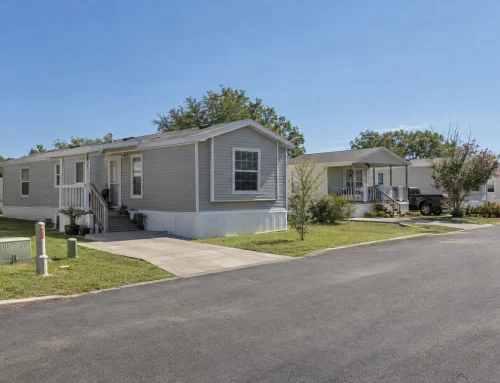
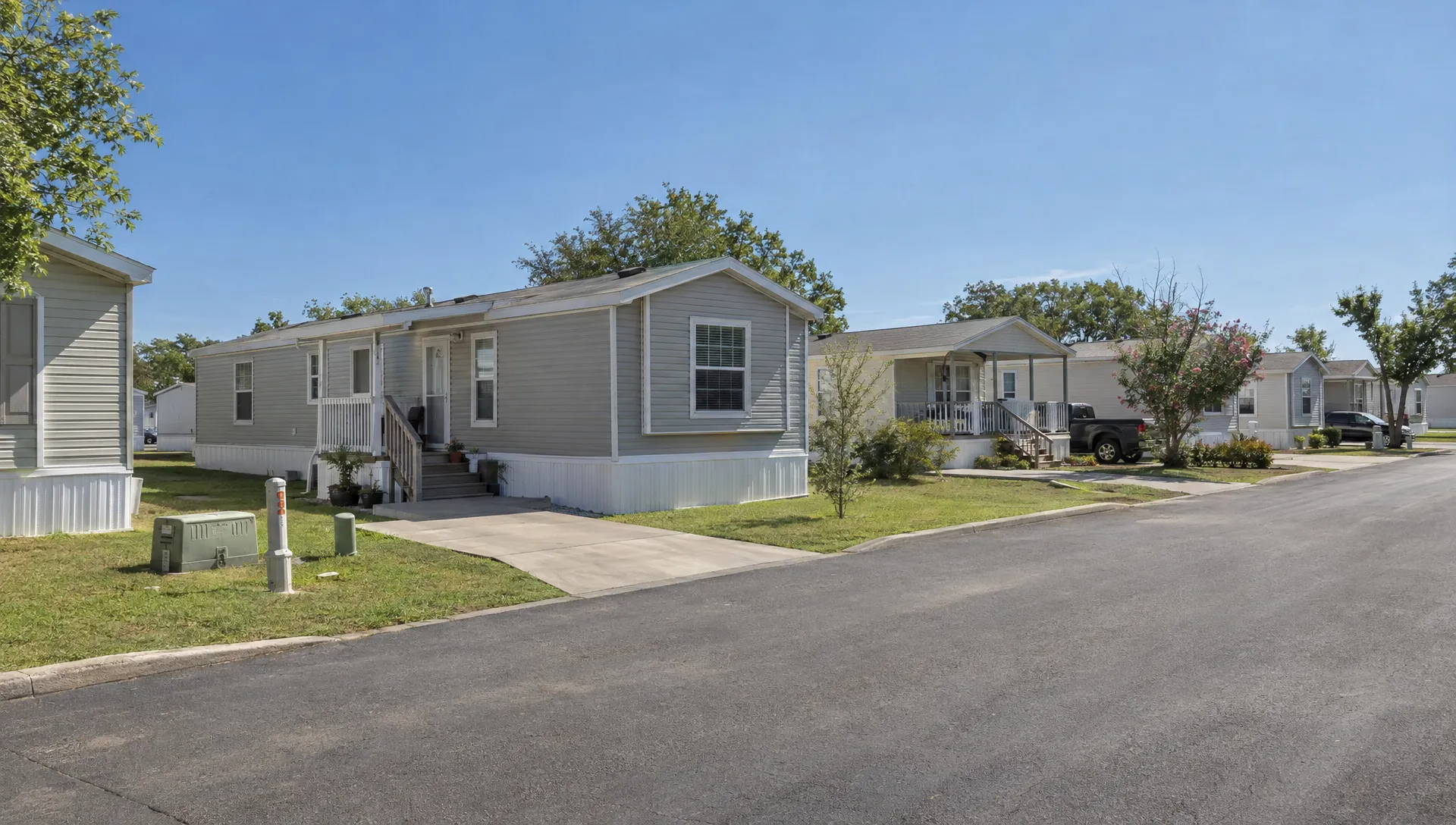
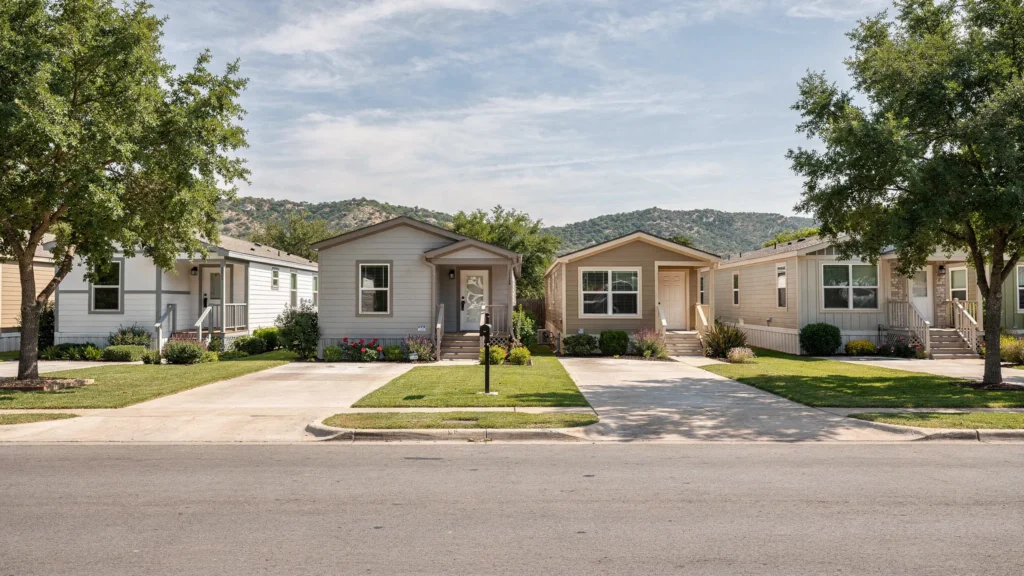
If you plan to place a home in a community, look at the lot itself, not just the home. Is the site elevated and well-drained? Are roads maintained? Are there clear rules for skirting, decks, sheds, parking, and exterior upkeep? A well-managed community can help protect home value and make maintenance easier. Our mobile home parks in San Antonio guide explains what to look for when touring communities.
If you plan to buy land, site preparation becomes even more important. You may need to think through access, utilities, permits, septic or sewer, grading, foundation requirements, and local restrictions. Our land and home package guide covers these steps in more detail.
How to choose a manufactured home built to last
The best time to protect a home’s lifespan is before you buy. A thoughtful purchase can reduce future repairs, improve comfort, and support resale value.
When comparing homes, focus on:
- Floor plans that fit your household long term, not just today.
- Durable exterior materials suited for Texas weather.
- Energy-efficient features that reduce cooling strain.
- Quality roof, window, insulation, and HVAC options.
- Clear installation and site preparation planning.
- Financing that fits your budget beyond the monthly payment.
- A community or land site with good drainage and practical rules.
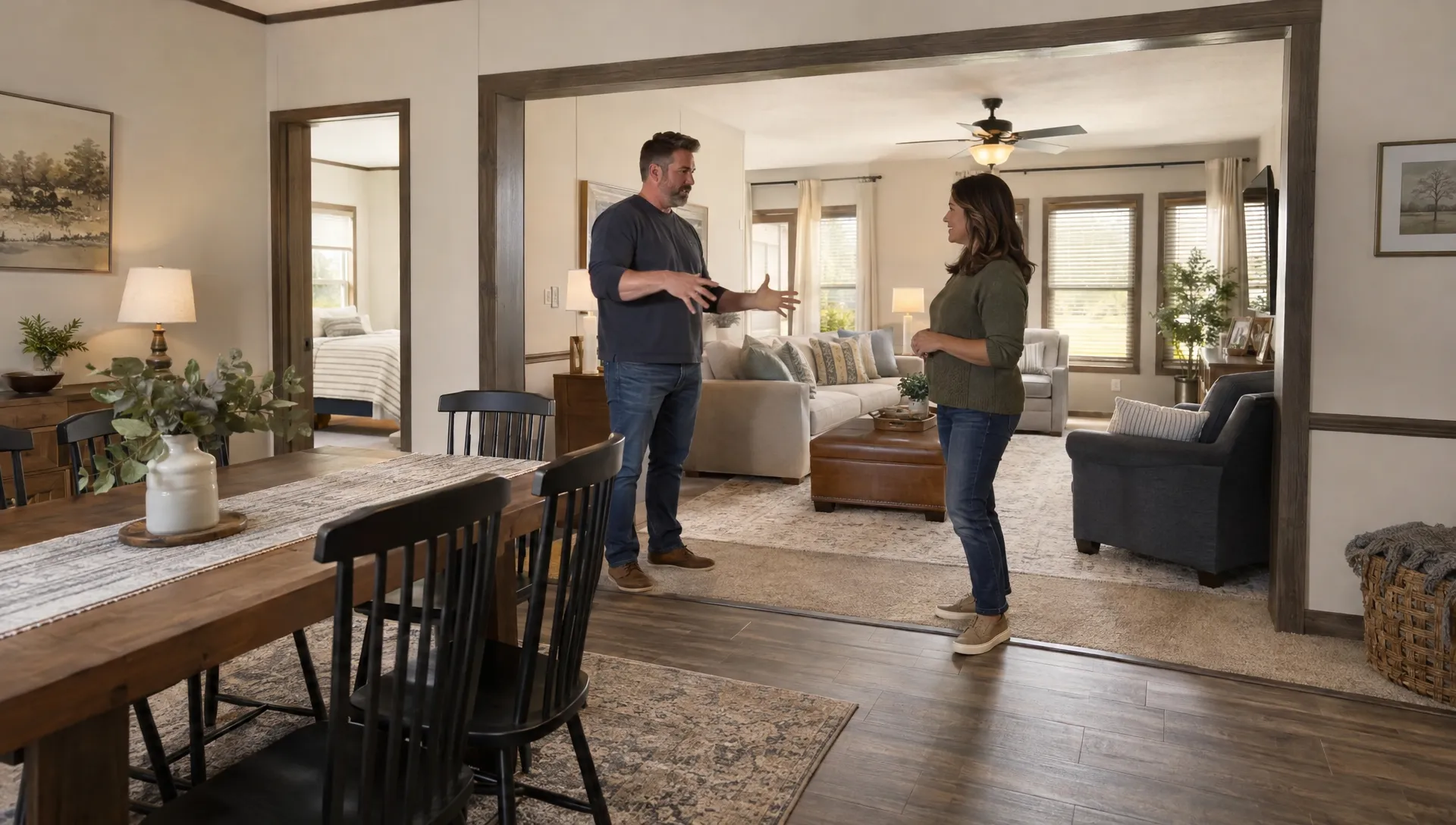
Homes2Go San Antonio helps buyers compare a wide selection of manufactured and mobile home models, review detailed floor plans, understand financing options, and connect with local resources. Whether you are a first-time buyer or planning a move to a home community, expert guidance can help you choose a home that is comfortable now and durable for years to come.
Frequently Asked Questions
What is the average manufactured homes lifespan? Many manufactured homes last 30 to 55 years or more. Newer homes that are properly installed, protected from moisture, and maintained consistently can last even longer.
Do manufactured homes lose durability as they age? Like any home, manufactured homes need ongoing maintenance and periodic replacements of systems such as the roof, HVAC, water heater, and flooring. Age matters, but condition and upkeep often matter more.
Are older mobile homes the same as manufactured homes? Not exactly. Homes built before June 15, 1976 are generally called mobile homes and were built before the federal HUD Code took effect. Homes built after that date are manufactured homes built to HUD standards.
Can I make a manufactured home last longer? Yes. Keep the roof watertight, maintain the HVAC system, control moisture, repair skirting, manage drainage, check leveling, and address small problems before they spread.
Is a permanent foundation better for lifespan? A properly designed and installed foundation can support long-term stability and may help with financing options in some cases. The right choice depends on the home, site, local requirements, and loan type.
Should I buy a new or used manufactured home if I want long lifespan? A new home usually gives you the longest remaining service life and more choice in energy-efficient features. A used home can still be a good option if it has been well maintained and passes inspection.
Find a manufactured home that is built for long-term living
The lifespan of a manufactured home depends on smart choices from the start: the model you choose, where it is placed, how it is installed, and how it is maintained. For San Antonio buyers, energy efficiency, drainage, setup quality, and financing guidance can make a major difference.
If you are ready to compare homes, floor plans, communities, and financing options, contact Homes2Go San Antonio to get expert local guidance and explore manufactured homes designed for comfortable, affordable, long-term ownership.
 HUD Guidelines for Manufactured Homes in Texas
 Modular Homes Parks Near Me: What to Check First