
If you are wondering whether FHA financing can work for a single-wide manufactured home, the short answer is yes, but the home, land arrangement, foundation, paperwork, and lender all have to line up. The FHA single wide manufactured home guidelines in 2026 are not based on width alone. A single-wide can qualify when it meets HUD manufactured housing standards, is installed correctly, and fits the specific FHA loan program being used.
For buyers in San Antonio, the most important thing to understand is that FHA rules are national, while Texas title requirements, local permits, utility access, community rules, and lender overlays can determine whether a specific home purchase is practical. This guide breaks down the key requirements before you shop, make an offer, or choose land.
Can You Buy a Single-Wide Manufactured Home With an FHA Loan in 2026?
Yes, FHA can insure loans for eligible single-wide manufactured homes. FHA does not automatically disqualify a home simply because it is a single-section home. The bigger questions are:
- Was the home built to the federal HUD Code?
- Is it at least 400 square feet?
- Will it be your primary residence?
- Is it new, or has it remained at its original installed site?
- Is it on an approved permanent foundation if using an FHA Title II mortgage?
- Is the home titled and taxed correctly for the loan type?
- Does the lender offer FHA financing for single-wide homes?
That last point matters. FHA sets the baseline, but lenders can add their own requirements, often called overlays. Some lenders are more comfortable with multi-section homes, newer homes, or land-home packages. Others may finance single-wide homes if the file is well documented.
If you are early in the process, it helps to compare both the home and the financing path at the same time. Homes2Go San Antonio can help buyers review floor plans, compare site options, and connect with trusted local lenders familiar with manufactured homes.
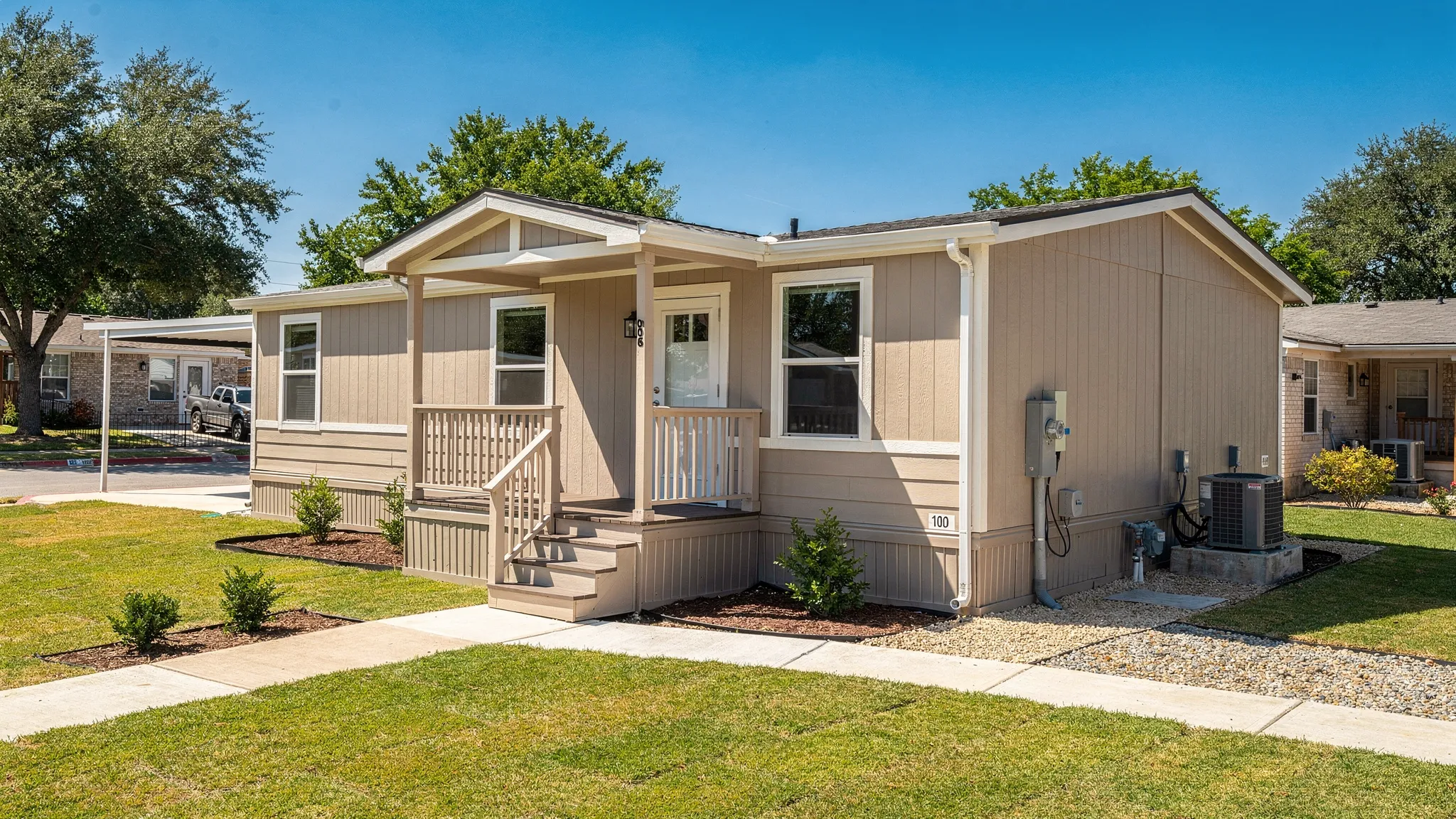
FHA Title I vs. FHA Title II: The First Decision
When people say “FHA manufactured home loan,” they may be talking about two different programs. The right one depends on whether you are buying only the home, the land too, or placing the home on land you already own.
FHA Title I manufactured home loan
FHA Title I can be used for certain manufactured home purchases, including home-only financing in some cases. This may matter if the home will sit in a manufactured home community where you lease the lot rather than own the land.
According to HUD’s Manufactured Home Loan Insurance program, Title I loans are designed for manufactured homes, lots, or a combination of the home and lot, subject to program limits and lender requirements. If the home is on leased land, the lease usually needs to meet minimum protections, including a qualifying initial term and advance notice requirements.
Title I may be relevant for buyers who want a single-wide in a community and do not plan to buy land. However, not every lender offers Title I, and loan terms, required equity, and eligible property types differ from standard FHA mortgages.
FHA Title II manufactured home mortgage
FHA Title II is the program many buyers mean when they think of a traditional FHA mortgage. For manufactured homes, it typically applies when the home and land are financed together, or when the borrower already owns the land and the manufactured home will be legally part of the real estate.
For Title II, the manufactured home generally must be:
- Permanently affixed to an eligible foundation
- Classified as real property
- Taxed as real estate
- Covered by the mortgage together with the land
- Used as the borrower’s principal residence
This is the route most often used for land-home purchases. If you are comparing land-home options around San Antonio, our land and home package guide explains how site selection, utilities, permits, and financing work together.
2026 FHA Single-Wide Eligibility Checklist
The table below summarizes the core FHA items buyers should confirm before falling in love with a specific single-wide manufactured home.
| Requirement | What to verify | Why it matters |
|---|---|---|
| HUD Code construction | Home was built on or after June 15, 1976 and has HUD certification label and data plate | Pre-1976 mobile homes are not eligible as manufactured homes under FHA rules |
| Minimum size | At least 400 square feet | FHA requires a minimum floor area for manufactured housing |
| Primary residence | Buyer will occupy the home as a principal residence | FHA financing is not for investment single-wide rentals or vacation homes |
| Permanent chassis | Home remains on its permanent chassis | This is part of the manufactured home definition |
| Foundation | Permanent foundation for Title II, often with engineer certification | Temporary blocks, unstable piers, or noncompliant anchoring can stop the loan |
| Real property status | Home and land are properly titled and taxed as real estate for Title II | FHA Title II mortgages require the home and site to be treated as real property |
| Site eligibility | Legal access, utilities, zoning, flood status, and local approvals are acceptable | FHA appraisers and lenders review the home and the site |
| Prior movement | Home has not been moved after original installation, except normal delivery from factory or dealer | Previously relocated homes are often ineligible or difficult to finance through FHA |
| Appraisal condition | Home meets FHA minimum property standards | Safety, soundness, and habitability issues may require repairs before closing |
HUD Code, Labels, and Data Plate Requirements
A qualifying single-wide must be a manufactured home, not an older pre-HUD mobile home. The key date is June 15, 1976, when the federal Manufactured Home Construction and Safety Standards, commonly called the HUD Code, took effect.
A single-wide manufactured home should have:
- A red HUD certification label on the exterior of the home
- A data plate inside the home, often located in a closet, cabinet, electrical panel area, utility room, or bedroom closet
- Manufacturer information, serial number, wind zone, roof load zone, and other compliance details
The HUD certification label is especially important because it proves the home was built under the federal manufactured housing program. If the label or data plate is missing, the lender may require verification, which can add time and paperwork. Missing labels do not always mean the deal is impossible, but they should be addressed early.
For official policy details, HUD maintains the Single Family Housing Policy Handbook 4000.1, which lenders use to evaluate FHA-insured mortgages.
Foundation Guidelines for FHA Single-Wide Manufactured Homes
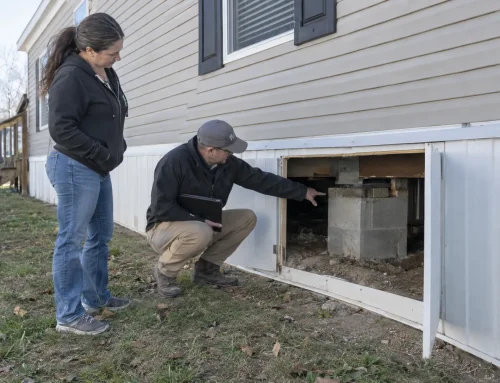
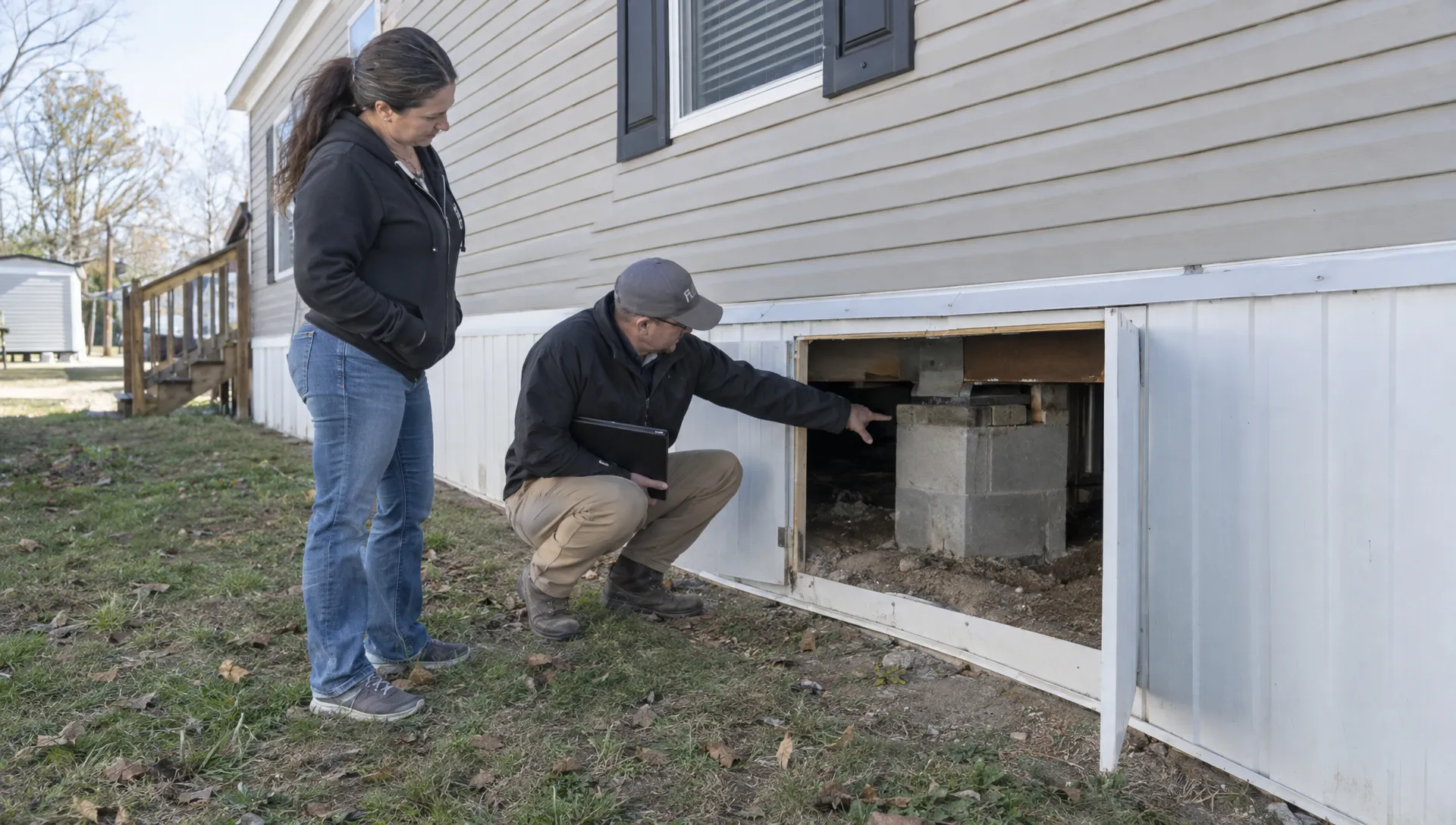
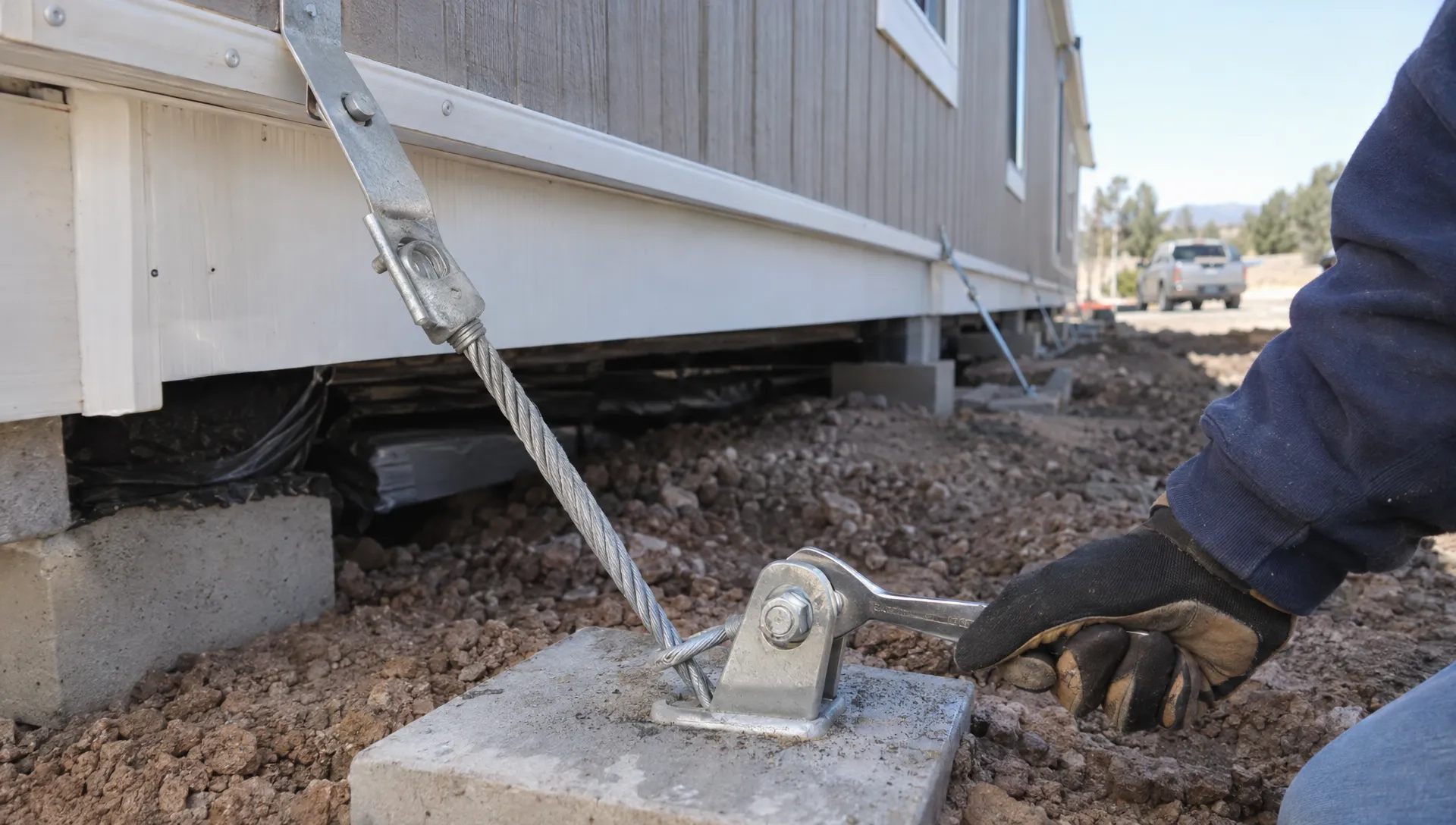
The foundation is one of the most common deal-breakers for FHA single-wide financing. A single-wide has a narrower footprint than a multi-section home, so proper anchoring, drainage, support, and lateral stability are especially important.
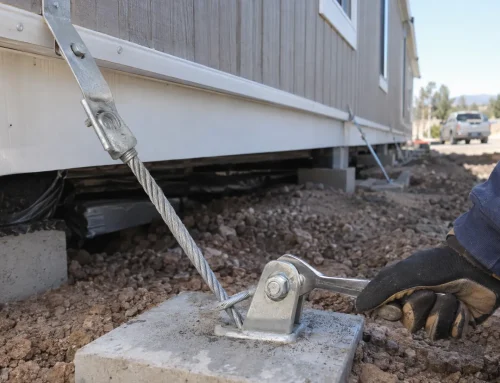
For FHA Title II financing, the home must be attached to a permanent foundation that meets FHA requirements. In practice, lenders commonly require a professional engineer’s foundation certification confirming that the foundation complies with HUD’s permanent foundation standards.
A compliant foundation system may involve engineered piers, anchors, tie-downs, footings, perimeter enclosure, drainage, and proper utility connections. The exact design depends on the home, soil, site slope, wind zone, flood risk, and local requirements.
Buyers should be careful with used homes that are sitting on temporary blocks, non-engineered pads, or older pier systems. Even if the home looks stable, FHA financing may require upgrades before closing.
Common foundation red flags
Foundation issues can delay or derail FHA approval. Watch for signs such as poor drainage under the home, missing or damaged skirting, exposed or unsupported utility lines, visible shifting, rusted anchoring components, or additions that appear to be attached without permits or structural review.
Decks, porches, carports, and room additions deserve extra attention. FHA and the lender may want documentation showing that additions were properly built and do not compromise the manufactured home’s structure.
Real Property and Texas Title Rules
For FHA Title II, the manufactured home usually must be legally treated as real property. In Texas, manufactured home ownership is documented through the Statement of Ownership process handled by the Texas Department of Housing and Community Affairs Manufactured Housing Division.
The TDHCA Manufactured Housing Division oversees manufactured housing records, installation requirements, licensing, and consumer information in Texas. For a land-home FHA mortgage, the lender will want the title, land records, and tax treatment to match the loan structure.
In simple terms, FHA Title II works best when:
- You own the land or are buying the land with the home
- The manufactured home is permanently installed on that land
- The home is elected and recorded as real property where required
- The mortgage covers both the manufactured home and the site
- Taxes, ownership records, and lender documents are consistent
If you are placing a single-wide in a leased-lot community, the home may remain personal property rather than real estate. That does not automatically mean financing is impossible, but it may move you toward chattel financing or FHA Title I rather than a standard FHA Title II mortgage.
Appraisal and Property Condition Standards
FHA does not only review the borrower. The property must also meet minimum standards for safety, security, and soundness. The FHA appraiser will evaluate the home, site, utilities, access, comparable sales, and visible condition.
For single-wide manufactured homes, appraisal issues often involve:
- Missing HUD labels or data plate
- Foundation documentation
- Incomplete utility connections
- Roof leaks or water damage
- Damaged flooring or unsafe steps
- Nonfunctioning HVAC, plumbing, or electrical systems
- Unpermitted additions
- Poor site drainage
- Lack of legal access
- Flood zone concerns
FHA does not require the home to be luxury-level or brand new. It does require the home to be livable, marketable, and safe. A move-in ready home with complete documentation usually has a smoother path than a bargain home that needs major repairs.
Borrower Guidelines: Credit, Down Payment, and Occupancy
FHA is popular with first-time buyers because it can be more flexible than many conventional loan programs. For standard FHA mortgages, borrowers with qualifying credit may be eligible for a low down payment, and FHA allows gift funds and certain seller concessions within program limits.
However, manufactured home financing can be more detailed than financing a site-built home. Lenders may look closely at:
- Credit score and credit history
- Debt-to-income ratio
- Verifiable income and employment
- Cash needed for down payment, closing costs, taxes, insurance, and setup costs
- Land ownership or lot lease terms
- Home age, condition, and appraisal support
- Foundation and title documentation
FHA loan limits can change by year and county, and manufactured home program limits may depend on the FHA program used. Buyers can check the current county mortgage limit through HUD’s FHA Mortgage Limits lookup tool, but a lender should confirm the limit for your exact transaction.
Homes2Go San Antonio’s financing page gives an overview of common financing paths, including FHA, VA, USDA, conventional, and chattel options.
Single-Wide Homes in San Antonio: Local Factors That Matter
San Antonio buyers should think beyond the FHA checklist. A home can satisfy the basic manufactured home rules and still run into local or site-specific issues.
Zoning and placement
Before buying land for a single-wide, confirm that manufactured homes are allowed at that location. City rules, county requirements, deed restrictions, subdivision restrictions, and HOA rules can all affect placement. Some rural or unincorporated areas may be more flexible, but utilities, septic, floodplain, and road access still matter.
Utilities and site preparation
FHA lenders want a property that can function as a safe residence. That means reliable water, wastewater, electricity, and access. In the San Antonio area, a site may require utility extensions, septic design, driveway work, grading, culverts, or permits. These costs should be estimated before finalizing your home budget.
Flood zones and drainage
Flood risk can affect insurance, foundation design, appraisal review, and lender approval. Buyers can check general flood information through the FEMA Flood Map Service Center, but a lender, surveyor, or insurance professional should verify the property’s status.
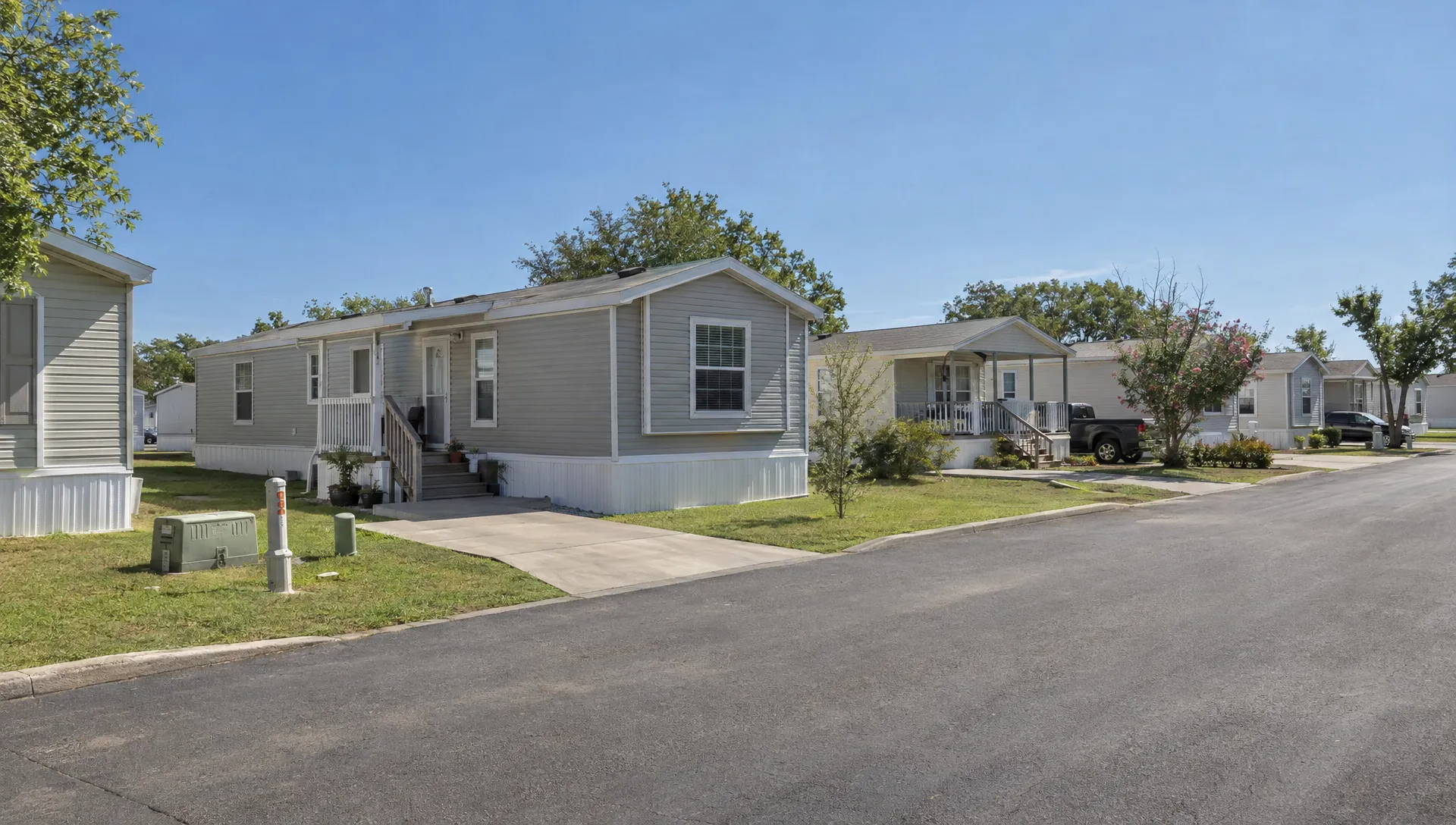
Manufactured home communities
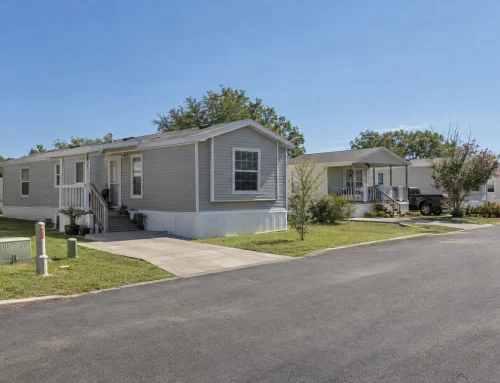
If you prefer a community setting, ask about lot rent, lease terms, pet rules, age restrictions, parking, home size requirements, skirting standards, and approval timelines. Some communities are very single-wide friendly, while others may have model age or exterior requirements.
New vs. Used Single-Wide: Which Is Easier for FHA?
A new single-wide is often easier to document because it comes directly from the manufacturer or retailer, has current specs, and can be installed on a compliant foundation from the start. Newer models may also offer energy-efficient designs, modern interiors, and floor plans that are easier for appraisers and lenders to evaluate.
A used single-wide can still be a good purchase, but FHA financing may be harder if the home has missing labels, incomplete title records, foundation issues, repair needs, or a history of being moved. If the home was installed at one site and stayed there, it may be more financeable than a home that has been relocated.
The safest approach is to involve your lender and housing specialist before paying for inspections, moving costs, or land improvements.
Step-by-Step: How to Prepare for FHA Single-Wide Financing
A clear process can save weeks of frustration. Here is a practical path for buyers in 2026.
- Get prequalified with a manufactured-home lender: Not every FHA lender handles single-wide manufactured homes. Ask specifically about FHA single-wide guidelines, minimum home age, minimum square footage, foundation requirements, and whether they offer Title I, Title II, or both.
- Choose the financing structure first: Decide whether you are buying home-only, home in a leased community, land-home together, or home on land you already own. This determines whether FHA Title I, FHA Title II, chattel, VA, USDA, or another route may fit best.
- Select an eligible home model: Confirm HUD Code status, square footage, data plate, wind zone, energy features, and floor plan. If buying new, ask for the full specification package.
- Verify the site: Confirm zoning, access, utilities, flood status, permitting, and community approval if applicable. For private land, estimate site prep before assuming the payment is affordable.
- Plan the foundation early: FHA Title II files often need engineered foundation documentation. Waiting until the end can create delays.
- Organize Texas ownership paperwork: Make sure the Statement of Ownership, land records, liens, and real property election match the loan type.
- Prepare for appraisal and conditions: The appraiser may call out repairs or documentation gaps. Build time into your closing plan.
Mistakes That Can Derail FHA Approval
Many FHA problems are avoidable if you know what to check early. The most common mistakes include buying a pre-1976 mobile home, assuming every lender finances single-wides, placing a home on land before confirming zoning, underestimating foundation costs, ignoring floodplain concerns, or choosing a used home with missing HUD labels.
Another common issue is focusing only on the advertised home price. A realistic budget should include delivery, setup, foundation, utility connections, permits, skirting, steps, insurance, taxes, lot rent if applicable, and closing costs. Our guide to manufactured homes in San Antonio goes deeper into model choices, pricing factors, and buyer tips.
Is FHA the Best Option for Every Single-Wide Buyer?
Not always. FHA can be a strong fit for buyers who want a primary residence and need flexible qualification standards, especially in a land-home scenario. But depending on your credit, military service, income, location, and land arrangement, another option may be better.
For example, VA financing may be attractive for eligible veterans and service members. USDA may fit certain rural properties outside dense urban areas. Chattel financing may work for leased-lot communities. Conventional financing may be possible for some manufactured homes, especially when the home and land meet specific secondary-market requirements.
The right answer depends on the home, land, borrower profile, and timeline. That is why it is smart to compare financing before choosing a model or site.
Frequently Asked Questions
Can a single-wide manufactured home qualify for FHA in 2026? Yes. A single-wide can qualify if it meets FHA manufactured housing requirements, including HUD Code construction, minimum size, proper installation, occupancy rules, and lender guidelines. For FHA Title II, it must also be on a permanent foundation and treated as real property.
What is the minimum size for an FHA single-wide manufactured home? FHA requires a manufactured home to have at least 400 square feet of floor area. Many single-wide homes exceed this, but buyers should still confirm the exact square footage with the manufacturer, retailer, or appraisal documents.
Can I use FHA for a single-wide in a mobile home park? Possibly, but the loan type matters. A standard FHA Title II mortgage generally requires the home and land to be real property, so leased-lot community homes may not fit. FHA Title I or chattel financing may be more relevant for leased-lot purchases, depending on the lender and lease terms.
Does FHA allow used single-wide manufactured homes? FHA may allow existing manufactured homes if they meet age, condition, title, foundation, and site requirements. A major concern is whether the home has been moved from its original installed site. Used homes with missing HUD labels, foundation issues, or title problems can be difficult to finance.
Do FHA single-wide homes need a permanent foundation? For FHA Title II financing, yes. The home must be permanently affixed to a foundation that meets FHA requirements, and lenders often require an engineer’s certification. FHA Title I and other home-only financing options may have different requirements.
Who handles manufactured home title records in Texas? The Texas Department of Housing and Community Affairs Manufactured Housing Division handles manufactured home Statements of Ownership and related records. For FHA Title II, the home’s title and real property status must align with the lender’s requirements.
Find FHA-Friendly Manufactured Home Options in San Antonio
FHA single-wide financing is possible, but it works best when the home, foundation, land, title, and lender are coordinated from the start. If you are shopping in San Antonio, do not wait until after choosing a home to ask whether it fits FHA guidelines.
Homes2Go San Antonio helps buyers compare manufactured home models, review floor plans, explore flexible financing options, and navigate the process with local guidance. Whether you are a first-time buyer, looking for a move-in ready home, or comparing land-home options, our team can help you take the next step with confidence.
Contact Homes2Go San Antonio to start exploring manufactured homes that fit your budget, lifestyle, and financing goals.
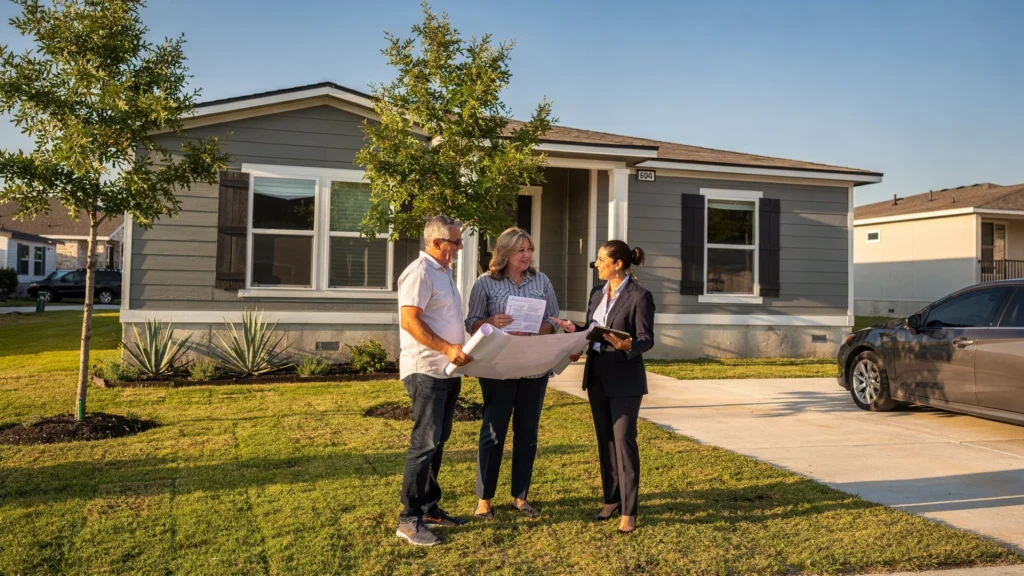 FHA Loan for Prefab Home: What Qualifies in 2026
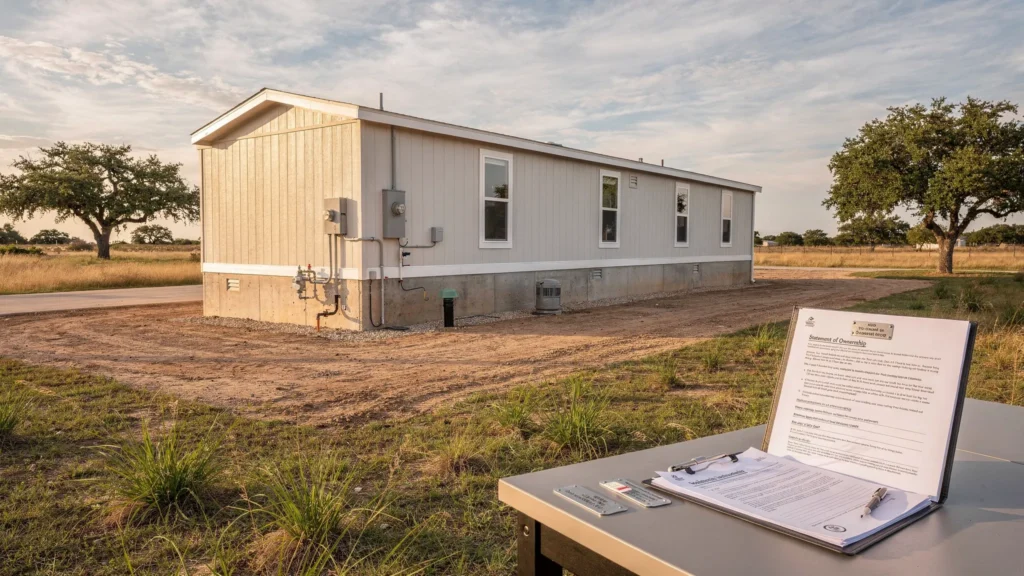 HUD Guidelines for Manufactured Homes in Texas