
Searching for mobiles for rent can be a smart way to find more space at a monthly payment that feels manageable, especially in and around San Antonio. But rental scams have become more polished. Fake listings can include stolen photos, realistic addresses, pressure tactics, and even copied lease documents.
The good news: most scams follow patterns. If you know what to verify before you apply, tour, or send money, you can protect yourself and focus on finding a mobile or manufactured home that actually fits your needs.
This guide walks through where to look, what to ask, which documents matter, and the red flags that should make you slow down or walk away.
First, know what you are actually renting
People often use “mobile home,” “manufactured home,” and “trailer” interchangeably, but the details matter when you rent.
A manufactured home is a factory-built home constructed to the federal HUD Code if it was built after June 15, 1976. HUD explains that manufactured homes are built to federal construction and safety standards, then transported to the home site. You can learn more from HUD’s manufactured housing overview.
When looking at mobiles for rent, you may be considering one of several arrangements:
| Rental type | What it usually means | What to verify |
|---|---|---|
| Home rental in a community | You rent the home, and the home is located in a mobile home community | Lease terms, community rules, who handles lot rent, utilities, and repairs |
| Home rental on private land | You rent a home that sits on land owned by the landlord or another party | Land ownership, access rights, utility responsibilities, septic or well details if applicable |
| Lot rental only | You own or buy the home, but rent the space where it sits | Community lease, lot rent, move-in requirements, home age restrictions |
| Rent-to-own or lease-option | You rent now with a possible path to ownership later | Purchase terms, title status, payment credits, default rules, and written agreement |
Scammers often blur these categories. A listing may say “rent to own” but provide no purchase price, no title information, and no real explanation of who owns the home. That is a warning sign.
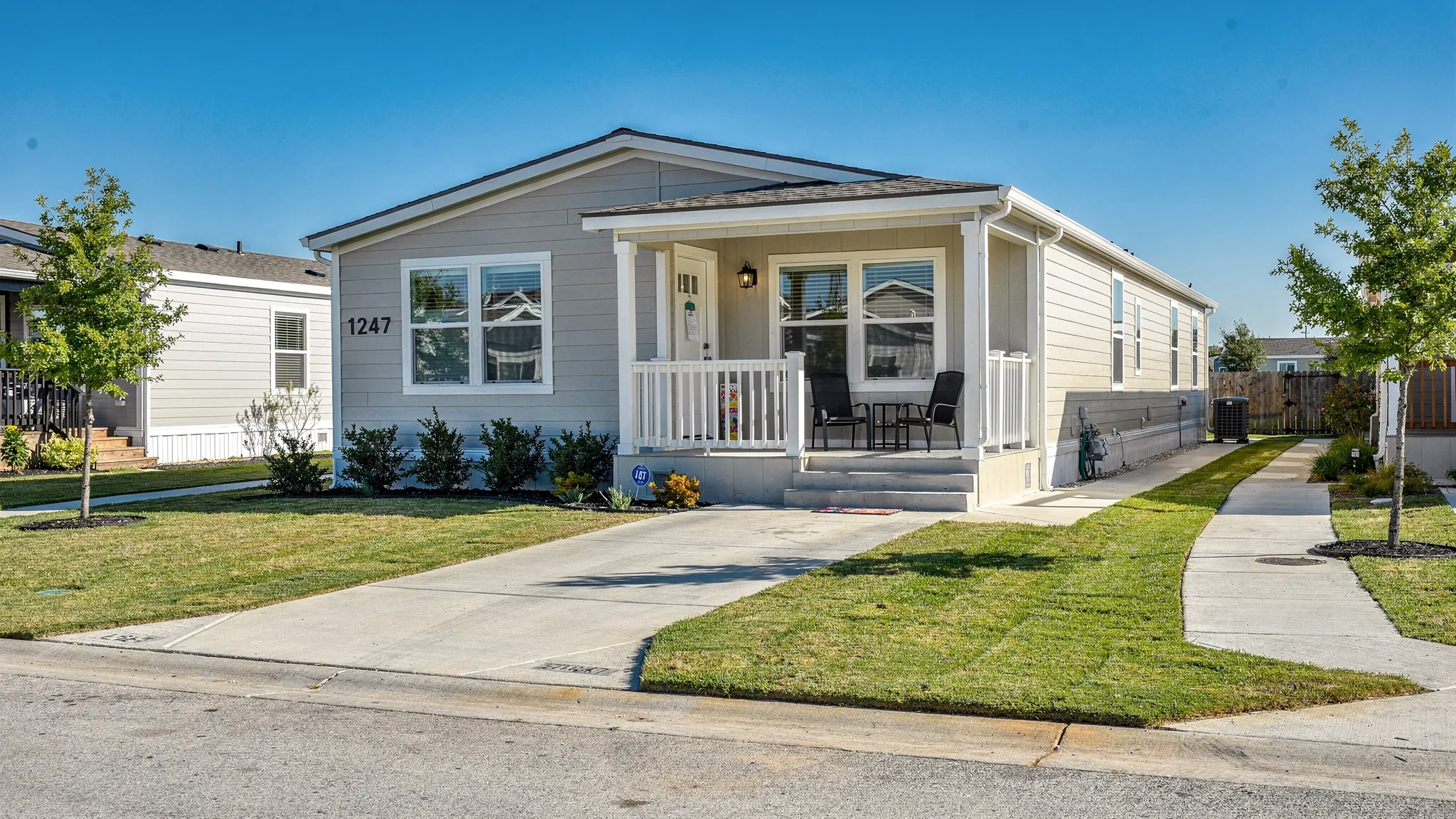
Where to look for mobiles for rent safely
There is no single perfect place to search. The safer approach is to use multiple sources and verify every listing independently.
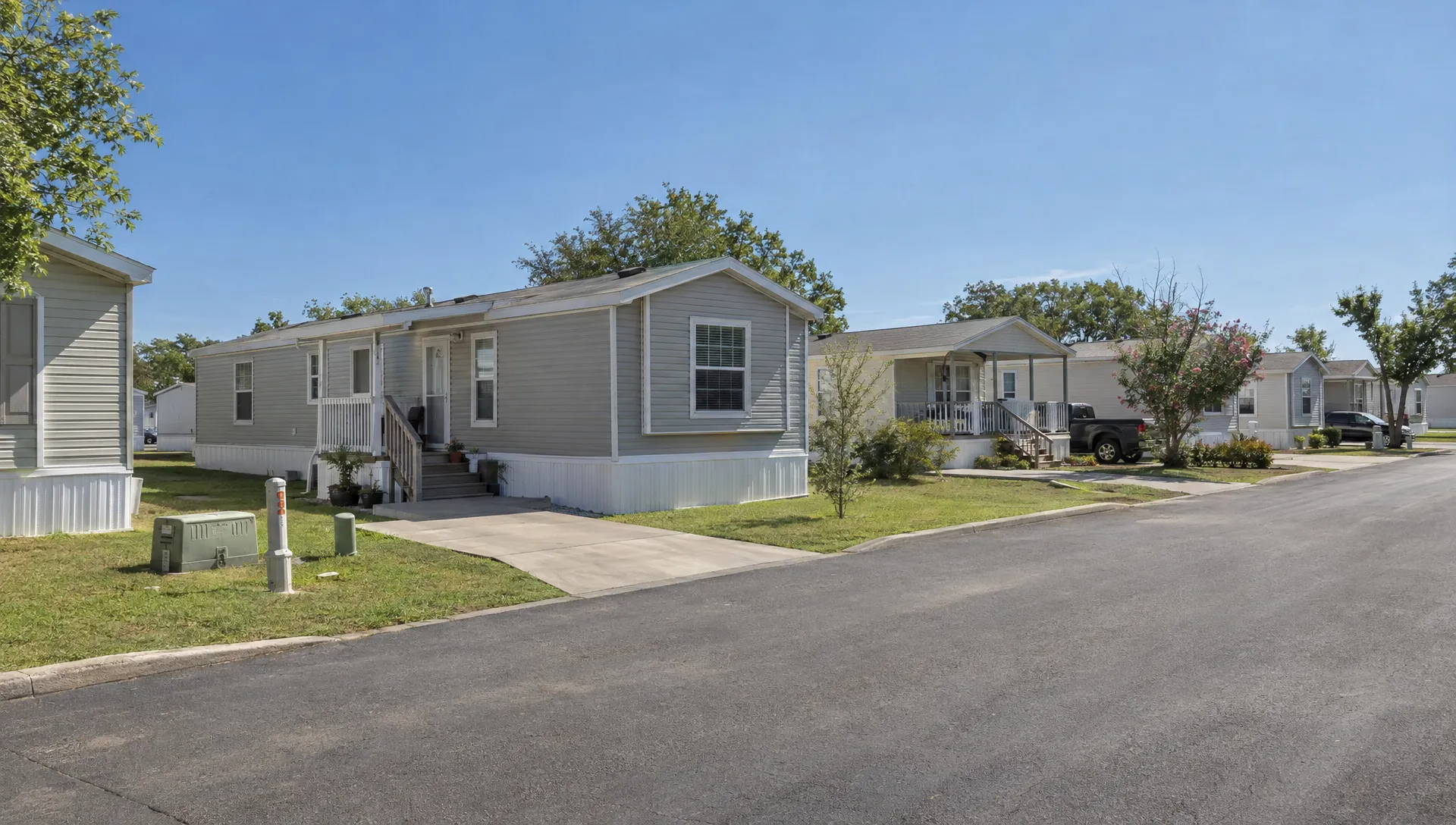
Start with local manufactured home communities. Many communities have on-site offices or managers who know which homes are available for rent, which homes are privately owned, and what approval steps are required. If you find a listing inside a community, call the community office directly using a phone number from the official website or signage, not just the number in the ad.
You can also check reputable property management companies and licensed housing professionals. Some owners hire managers to handle applications, leases, and maintenance. A professional process does not guarantee a perfect rental, but it usually creates more accountability than a random social media listing.
Online marketplaces can still be useful, but they require caution. Search results for mobiles for rent may include legitimate owners, outdated listings, duplicates, and fake ads. Treat online listings as leads, not proof.
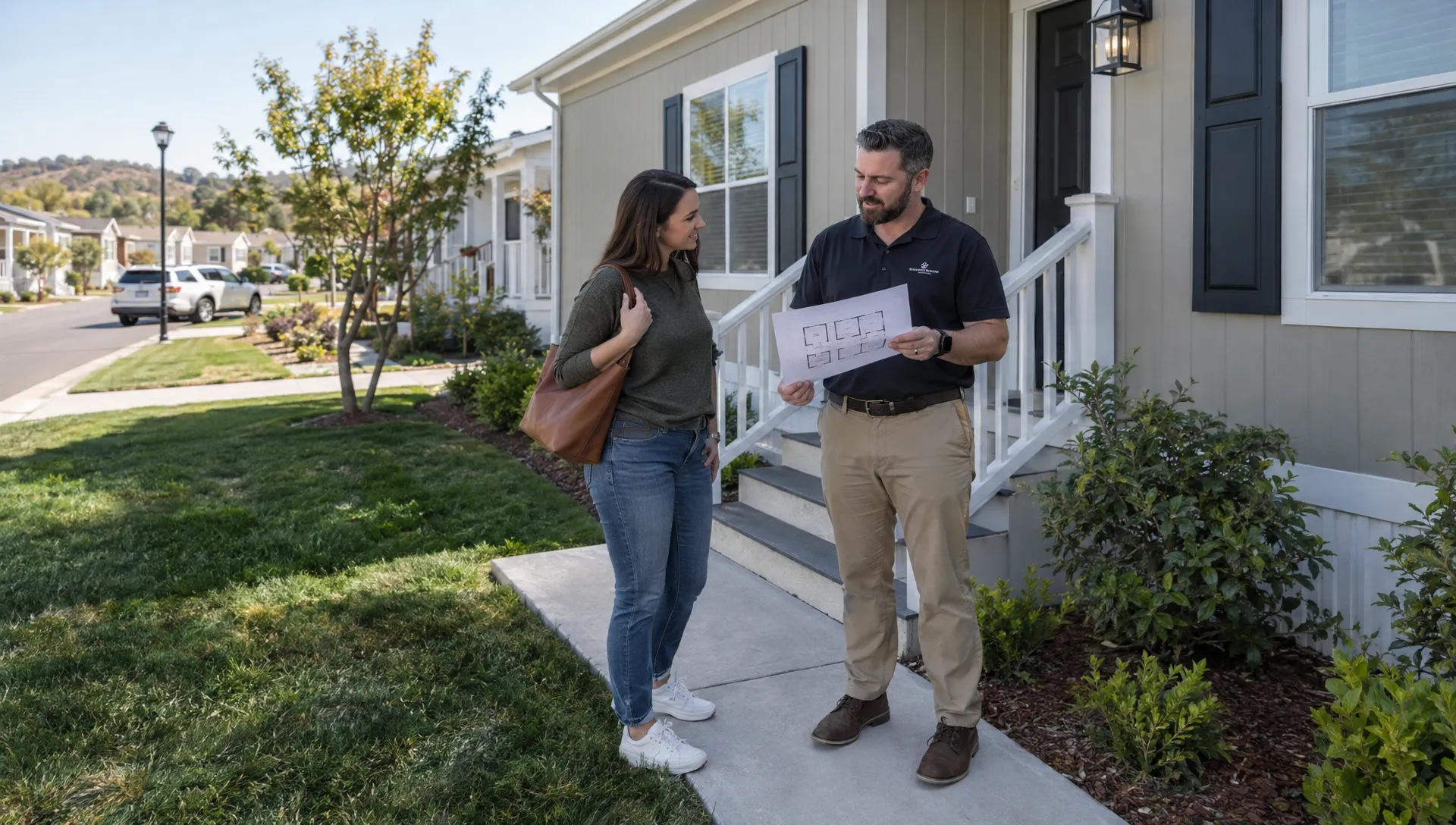
If your long-term goal is stable housing rather than short-term renting, it may also be worth comparing rental options with buying a manufactured home. Homes2Go San Antonio offers a wide selection of manufactured home models, modern interiors, energy-efficient designs, detailed floor plans, and guidance for first-time buyers. You can also explore their mobile homes in San Antonio buyer guide to understand what ownership may involve.
The safest process for finding mobiles for rent
A scammer’s favorite target is someone in a rush. The more pressure you feel, the more important it is to follow a repeatable process.
Set your full monthly budget before applying
Do not compare listings by rent alone. Mobile home rentals may include costs that are separate from the advertised monthly amount.
Ask whether the monthly payment includes the home rent, lot rent, water, sewer, trash, lawn care, parking, and community fees. Ask about deposits, application fees, pet fees, late fees, and renters insurance requirements. If utilities are separate, ask which providers serve the home and whether the home is all-electric or uses gas.
A legitimate landlord should be willing to explain recurring costs in writing. If the answer keeps changing, slow down.
Confirm the address and visit in person
Never send money for a mobile home you have not seen in person unless you are working through a verified professional process and have independently confirmed ownership or management authority.
Before touring, search the address online. Look for duplicate listings with different prices or different contact names. If the home is in a community, call the office and ask whether the home is actually available and whether the person advertising it has permission to rent it.
When you visit, confirm that the address matches the listing. Look for signs that the home is actually vacant or available. If someone says they cannot meet you because they are “out of town,” “missionary work,” “military deployment,” or “handling everything remotely,” be careful. Those stories can be true, but they are also common in rental scams.
Verify the landlord or manager
The person collecting money should be able to prove they have the right to rent the home. That may mean they are the owner, an authorized property manager, or a community representative.
For manufactured homes in Texas, the Texas Department of Housing and Community Affairs, Manufactured Housing Division, oversees manufactured housing records, including Statements of Ownership. You can learn more through the TDHCA Manufactured Housing Division. For a rental, you may not need to inspect every title detail, but if something feels off, ownership records can help you ask better questions.
If the home sits in a mobile home park or manufactured home community, contact the community office. Ask whether the landlord is in good standing, whether the home can be rented, whether you must apply separately with the community, and whether there are rules that could affect you.
Review the lease before paying a deposit
A real rental should come with a written lease. Read it before paying anything beyond a clearly disclosed application fee.
The lease should identify the landlord, tenant, home address, rent amount, due date, deposit amount, lease term, late fees, maintenance responsibilities, utility responsibilities, pet rules, parking rules, and move-in date. If the home is in a community, ask for the community rules before signing.
Be especially careful with informal agreements like “just send the deposit and we will do paperwork later.” That is how many renters lose money.
Use traceable payment methods
The Federal Trade Commission warns that rental scammers often ask for money before you see the property and may demand payment through hard-to-reverse methods. Avoid paying deposits or rent by gift card, crypto, wire transfer, payment apps to unknown individuals, or cash sent through the mail.
A safer payment method creates a record. Ask for a receipt that includes the date, amount, property address, purpose of payment, and the name of the person or company receiving funds.
Red flags that a mobile home rental may be a scam
Scams are not always obvious. Some fake listings look professional because scammers copy photos and descriptions from real homes. Use this table as a quick screening tool.
| Red flag | Why it matters | What to do |
|---|---|---|
| Rent is far below similar homes nearby | Scammers use low prices to create urgency | Compare with other listings and ask why the price is low |
| Landlord refuses an in-person tour | They may not have access to the home | Do not send money until access is verified |
| You are told to “drive by but do not disturb anyone” | The home may not be available | Contact the community office or property manager |
| Deposit required before lease review | Money may be the only goal | Request written terms first |
| Payment requested by gift card, crypto, wire, or unusual app | These payments are difficult to recover | Refuse and report the listing |
| Same photos appear in multiple cities | The listing may be copied | Reverse image search the photos |
| Contact name does not match ownership or management records | The person may not be authorized | Ask for proof and verify independently |
| Lease has vague rent-to-own language | You may not be building ownership rights | Get all purchase terms in writing before paying |
One red flag does not always prove fraud, but multiple red flags should make you stop.
Special caution with rent-to-own mobile homes
Rent-to-own can sound appealing if you want to become a homeowner but are not ready for traditional financing. Some agreements are legitimate, but others are confusing or one-sided.
Before entering a rent-to-own arrangement, ask direct questions: What is the purchase price? How much of each payment applies toward ownership? Who owns the home now? Is there a Statement of Ownership? What happens if you miss a payment? Who pays for repairs, taxes, insurance, community fees, and moving costs if the home must be relocated?
You should also ask whether the agreement is a lease-option, lease-purchase, contract for deed, or another structure. These terms can have different consequences. If the language is unclear, consider asking a qualified real estate attorney, housing counselor, or trusted professional to review the document.
If the seller refuses to put the deal in writing, that is not a deal you can rely on.
San Antonio-specific checks before signing
The San Antonio area has many manufactured home communities, rural properties, and land-lease options. That variety is good for choice, but it also means renters need to confirm local details.
If the mobile home is inside a community, ask for the community application requirements early. Some communities require background checks, income verification, pet approval, vehicle registration, or separate lot agreements. You do not want to pay a home deposit only to learn later that the community will not approve your residency.
If the home is outside city limits or on private land, ask about utilities and access. Confirm whether the home has city water, a private well, septic, electric service, trash pickup, internet options, and legal road access. In rural or edge-of-town areas, these details can affect your monthly costs and daily convenience.
You can also check flood risk before committing to a location. FEMA’s Flood Map Service Center can help you review flood maps for an address. Flood risk does not automatically mean you should avoid a home, but you should understand insurance needs, drainage, and past flooding concerns.
For broader housing research, Homes2Go’s guide to the best mobile home parks in San Antonio can help you understand community features, rules, lot rent considerations, and touring questions.
Questions to ask before you apply
A legitimate landlord should not be offended by practical questions. Serious renters ask for clarity, and serious landlords provide it.
Before paying an application fee or deposit, ask:
- Who owns the home, and who is authorized to rent it?
- Is the home rent separate from lot rent or community fees?
- What utilities are included, and what utilities will be in my name?
- What is the total move-in amount, including deposits and fees?
- Is there a written lease, and can I review it before paying a deposit?
- Who handles repairs to appliances, HVAC, plumbing, roof, skirting, steps, and utilities?
- Are pets, additional vehicles, or roommates allowed?
- Is community approval required before move-in?
- What happens if the home is sold during my lease?
- Can I get receipts for every payment?
If the person avoids basic questions, gives inconsistent answers, or pressures you to pay quickly, keep looking.
What to inspect during the tour
A tour is not just about whether you like the layout. It is your chance to confirm that the home is safe, livable, and accurately represented.
Look at the roofline, ceilings, floors, windows, doors, plumbing fixtures, electrical outlets, HVAC system, water heater area, steps, decks, skirting, and visible signs of leaks. Test lights, faucets, toilets, appliances, locks, and smoke alarms if possible. Ask whether repairs will be completed before move-in and get promises in writing.
Pay attention to the surrounding area too. Is the lot draining properly? Are there abandoned vehicles or safety concerns nearby? Are roads and parking areas accessible after rain? Does the community appear maintained?
Photos can hide problems. A short in-person tour can reveal issues that matter every day.
What to do if you think you found a scam
If something feels wrong, do not argue with the scammer. Stop communicating, do not send money, and preserve evidence. Save screenshots, messages, phone numbers, email addresses, payment requests, listing links, and any documents received.
You can report suspected rental scams to the FTC at ReportFraud.ftc.gov. If you already paid, contact your bank, card issuer, or payment platform immediately and ask whether the transaction can be stopped or disputed. You may also consider filing a report with local law enforcement and the Texas Attorney General’s Consumer Protection Division.
If the fake listing used photos from a real home, notify the real property manager, community office, or listing platform so they can try to remove it.
Renting vs. buying: when to compare both options
Renting can be the right choice if you need flexibility, are new to the area, or are not ready for ownership responsibilities. But if you plan to stay in the San Antonio area for several years, it may be worth comparing the total cost of renting with the possibility of buying a manufactured home.
Buying is not the right move for everyone, and it comes with responsibilities like financing, insurance, maintenance, site selection, and community or land costs. Still, manufactured homes can offer a practical path to homeownership for many families and individuals.
Homes2Go San Antonio helps buyers explore manufactured home models, floor plans, energy-efficient designs, move-in ready options, local communities, and flexible financing paths through trusted local lenders. If you are unsure whether renting or buying makes more sense, reviewing financing basics can help you compare your options. Start with the Homes2Go manufactured home financing guide.
Frequently Asked Questions
Is it safe to search online for mobiles for rent? Yes, but online listings should be verified. Confirm the address, tour the home in person, verify the landlord or property manager, review the lease, and avoid sending money through gift cards, crypto, wire transfers, or other risky methods.
How do I know if a mobile home landlord is legitimate? Ask for the landlord’s full name, written lease, proof of authorization to rent the home, and payment receipts. If the home is in a community, call the community office directly to confirm the home is available and the landlord is allowed to rent it.
Should I pay a deposit before seeing the mobile home? In most cases, no. Paying before seeing the home is one of the biggest rental scam risks. If you are relocating and cannot tour in person, use a trusted local representative or verified professional process before sending funds.
Are rent-to-own mobile homes risky? They can be if the terms are vague. Make sure the purchase price, payment credits, title status, repair duties, default rules, and ownership timeline are written clearly before paying money.
What should be included in a mobile home rental lease? A lease should include the property address, rent amount, deposit, lease term, due dates, fees, utility responsibilities, maintenance responsibilities, community rules, pet terms, and the legal names of the landlord and tenant.
Can Homes2Go San Antonio help if I am comparing renting and buying? Yes. Homes2Go San Antonio focuses on manufactured home sales and can help you explore home models, floor plans, financing options, and communities so you can decide whether ownership may fit your goals.
Find a safer path to manufactured home living in San Antonio
Looking for mobiles for rent can be stressful, especially when scams are mixed in with real listings. Take your time, verify every detail, and never let pressure override common sense.
If you are also open to buying, Homes2Go San Antonio can help you compare manufactured home options, understand financing possibilities, and explore communities in the San Antonio area. Visit Homes2Go San Antonio to browse options and connect with a local housing specialist.
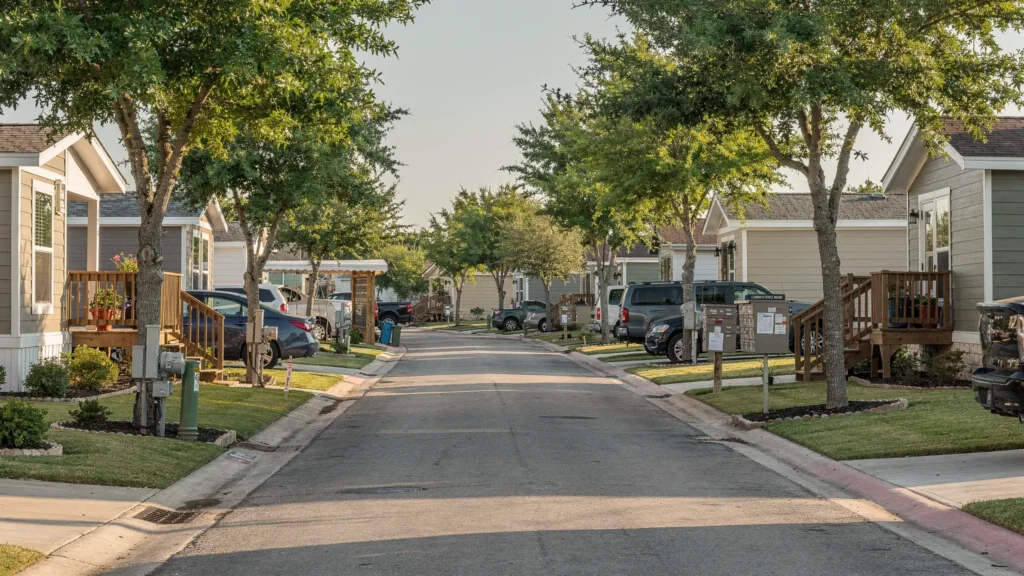 Owning a Mobile Home Park: Costs, Risks, and Returns
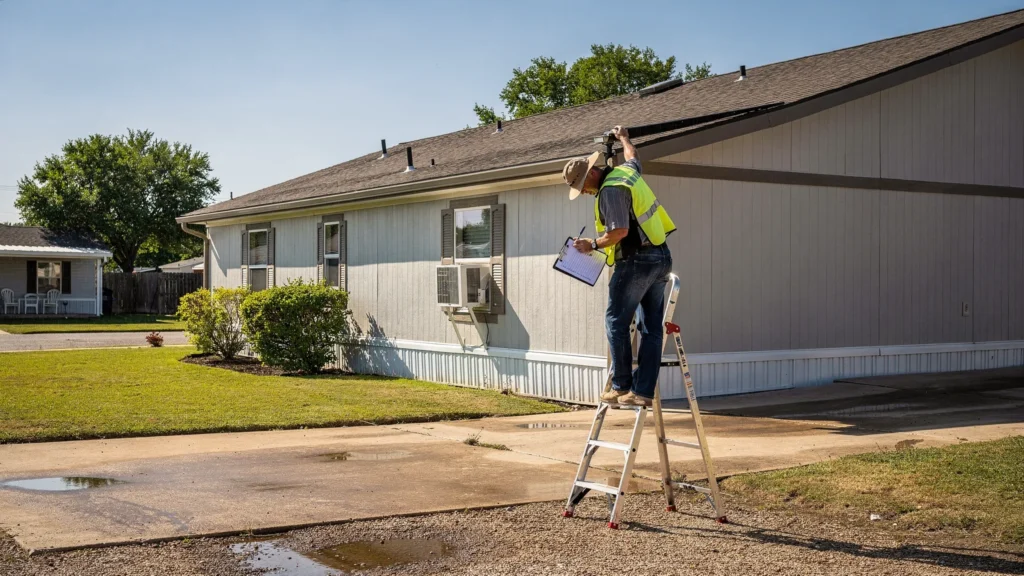 Mobile Home Roof Inspection Checklist for Texas Buyers