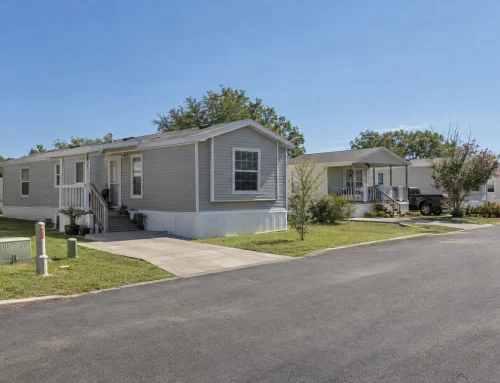

Owning a mobile home park can look simple from the outside: buy land, rent pads, collect monthly income. In reality, it is a specialized housing business where returns depend on infrastructure, resident relations, financing, local rules, and careful cost control.
For investors, landowners, and even homebuyers trying to understand why communities charge what they charge, the key question is not just “How much rent can a park collect?” It is “What does it cost to operate safely, legally, and profitably over the long term?”
Below is a practical breakdown of the major costs, risks, and return drivers behind owning a mobile home park, with a Texas and San Antonio lens where it matters.
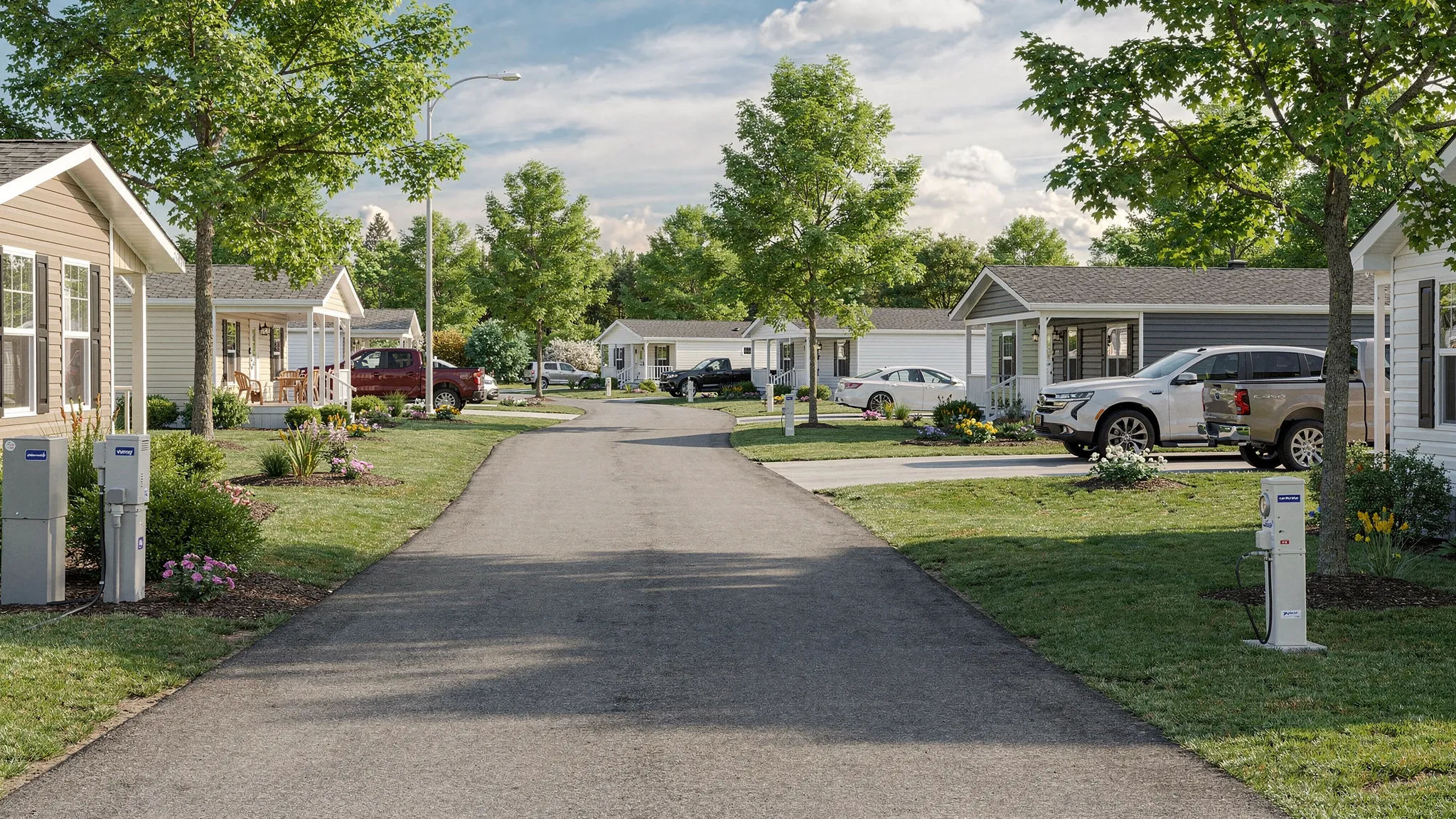
“Mobile Home Park” vs. Manufactured Home Community
The term “mobile home park” is still widely used, but the modern industry often uses “manufactured home community.” That distinction matters.
According to the HUD manufactured housing program, factory-built homes constructed after June 15, 1976, are manufactured homes built to the federal HUD Code. Older homes are often called mobile homes. In everyday conversation, many people use “mobile home” to describe both.
From an ownership standpoint, a community may include several business models:
| Ownership model | How revenue is earned | What the owner manages | Typical complexity |
|---|---|---|---|
| Land-lease community | Residents own homes and rent lots | Land, roads, utilities, rules, common areas | Lower home repair burden, strong focus on infrastructure |
| Park-owned homes | Owner rents both the lot and the home | Everything above plus home maintenance, turnover, appliances, HVAC, interiors | Higher management load and potentially higher gross revenue |
| Mixed community | Combination of resident-owned and park-owned homes | Land operations plus selected rental homes | Moderate to high complexity |
| New development | Owner creates a new community from land | Entitlements, engineering, utilities, roads, pads, lease-up | Highest upfront risk and capital needs |
Many investors prefer resident-owned home communities because the residents have equity in their homes and tend to stay longer. However, park-owned homes can fill vacant lots faster and create more revenue if managed well.
Major Costs of Owning a Mobile Home Park
The cost structure depends on whether you are buying an existing community, expanding one, or building a new one. Existing parks usually come with income history, but they can also hide expensive deferred maintenance. New developments provide design control, but they require zoning approvals, engineering, utilities, and a longer timeline before income begins.
Acquisition or Land Cost
For an existing community, the purchase price is usually based on net operating income, location, occupancy, infrastructure quality, rent levels, and investor demand. A clean, stable, well-located community with public utilities will generally be valued differently than a distressed property with private septic, poor roads, or incomplete records.
For raw land, the purchase price is only the beginning. You still need to confirm that the site can legally and physically support a manufactured home community. In the San Antonio area, that may involve zoning, platting, utility availability, drainage, floodplain checks, access, and local development standards.
If you are evaluating land for manufactured housing, review the basics in our guide to land and home packages in San Antonio, since many of the same site-readiness issues apply.
Due Diligence and Professional Fees
Before closing, investors typically need help from attorneys, lenders, surveyors, engineers, inspectors, insurance agents, environmental consultants, and accountants. Skipping these steps can make a “cheap” deal expensive later.
Important due diligence costs may include:
- Legal review of title, leases, rules, licenses, and local compliance
- Survey, site plan review, and boundary verification
- Utility inspection for water, sewer, electric, gas, and drainage systems
- Environmental review, often including a Phase I Environmental Site Assessment
- Appraisal, lender fees, insurance quotes, and closing costs
In Texas, manufactured housing is regulated in part by the Texas Department of Housing and Community Affairs Manufactured Housing Division. Local requirements can also apply, especially for zoning, permitting, utilities, and installation.
Infrastructure and Capital Improvements
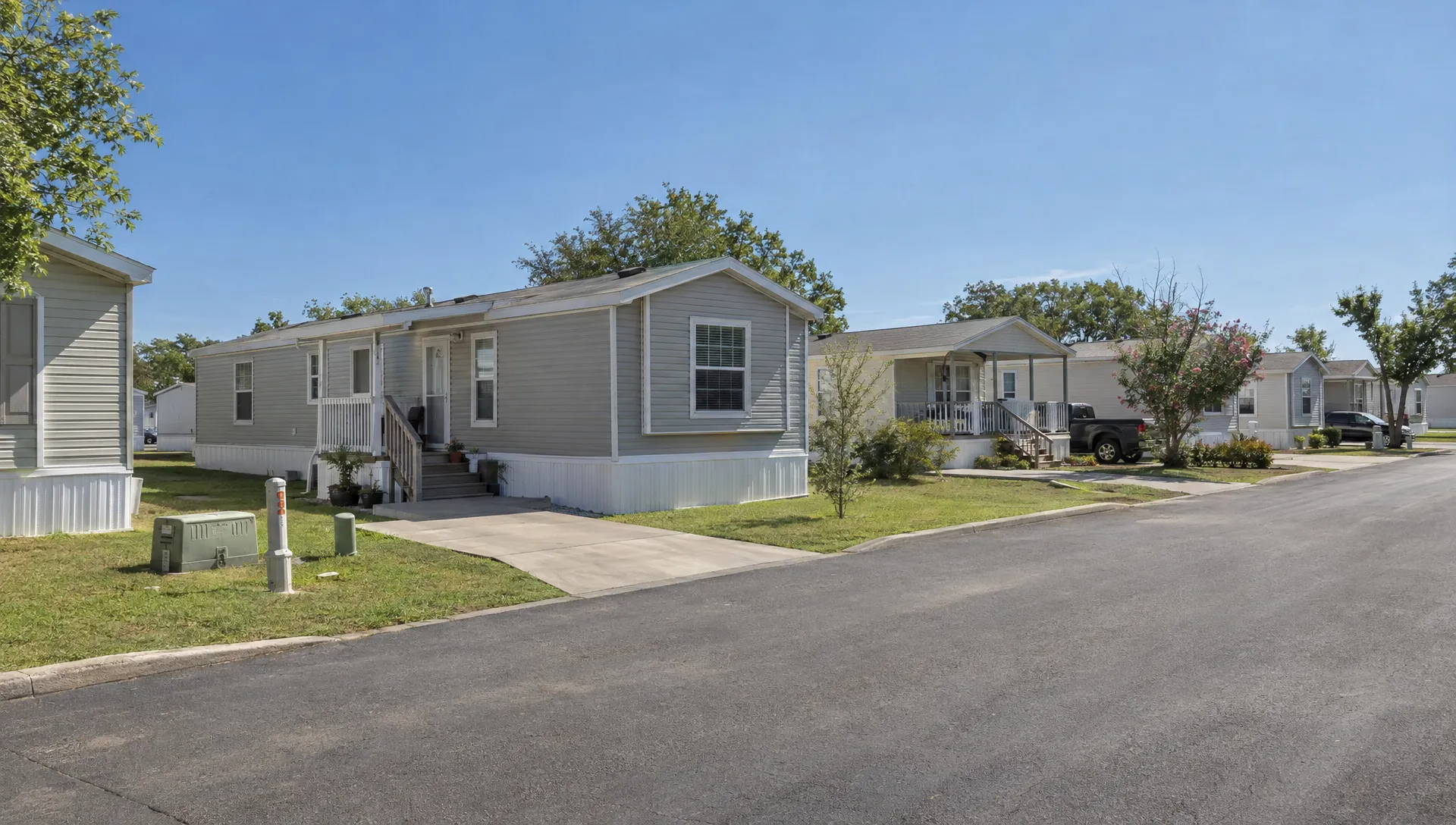
Infrastructure is often the largest hidden cost in owning a mobile home park. A community is not just land with homes on it. It is a small neighborhood with roads, utility connections, drainage, lighting, common areas, and sometimes private utility systems.
| Infrastructure item | Why it matters | Cost risk |
|---|---|---|
| Roads and driveways | Daily resident access, emergency vehicle access, curb appeal | Resurfacing or rebuilding can be expensive |
| Water lines | Reliable service and compliance | Old lines can leak, break, or require replacement |
| Sewer or septic | Health, sanitation, and environmental compliance | Private systems can create major repair exposure |
| Electric service | Safe capacity for modern homes and HVAC loads | Upgrades may be needed for infill or older pedestals |
| Drainage and grading | Reduces flooding, erosion, and lot damage | Poor drainage can affect homes, roads, and insurance |
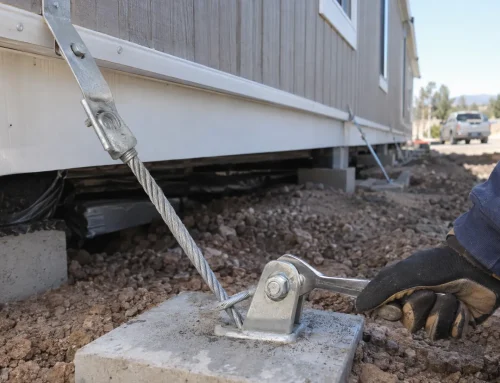
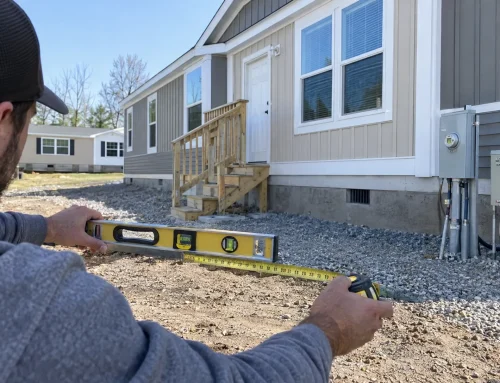
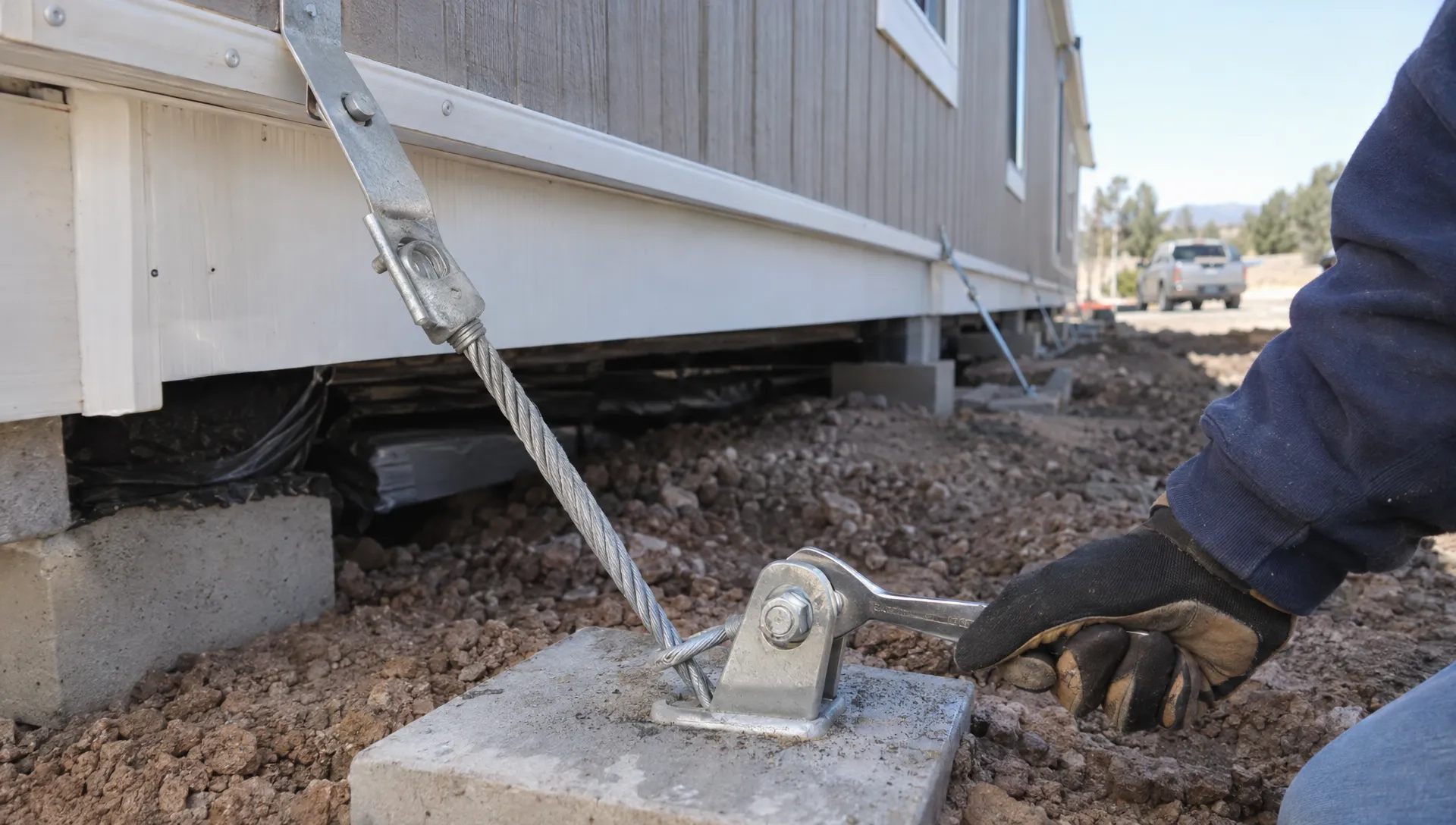
| Pads, piers, and tie-down areas | Safe home installation and long-term stability | Inadequate pads can delay occupancy or create liability |
A park with low rent but failing water lines may be less attractive than a park with higher rent and strong infrastructure. Good underwriting separates cosmetic issues from major capital needs.
Operating Expenses
Ongoing operating expenses reduce net operating income, so they directly affect value and return. Common expenses include property taxes, insurance, payroll or management, repairs, landscaping, trash service, utilities, bookkeeping, legal support, licenses, software, marketing, and reserves.
Utilities deserve special attention. Some communities include certain utilities in lot rent, while others bill separately where allowed. Utility billing must comply with applicable laws, leases, and local requirements. An owner should never assume that a pass-through charge is valid without reviewing the rules.
Homes, Infill, and Turnover Costs
Vacant pads do not generate full revenue. Filling them can require buying homes, moving homes, installing homes, or attracting residents who already own homes. Each option has costs.
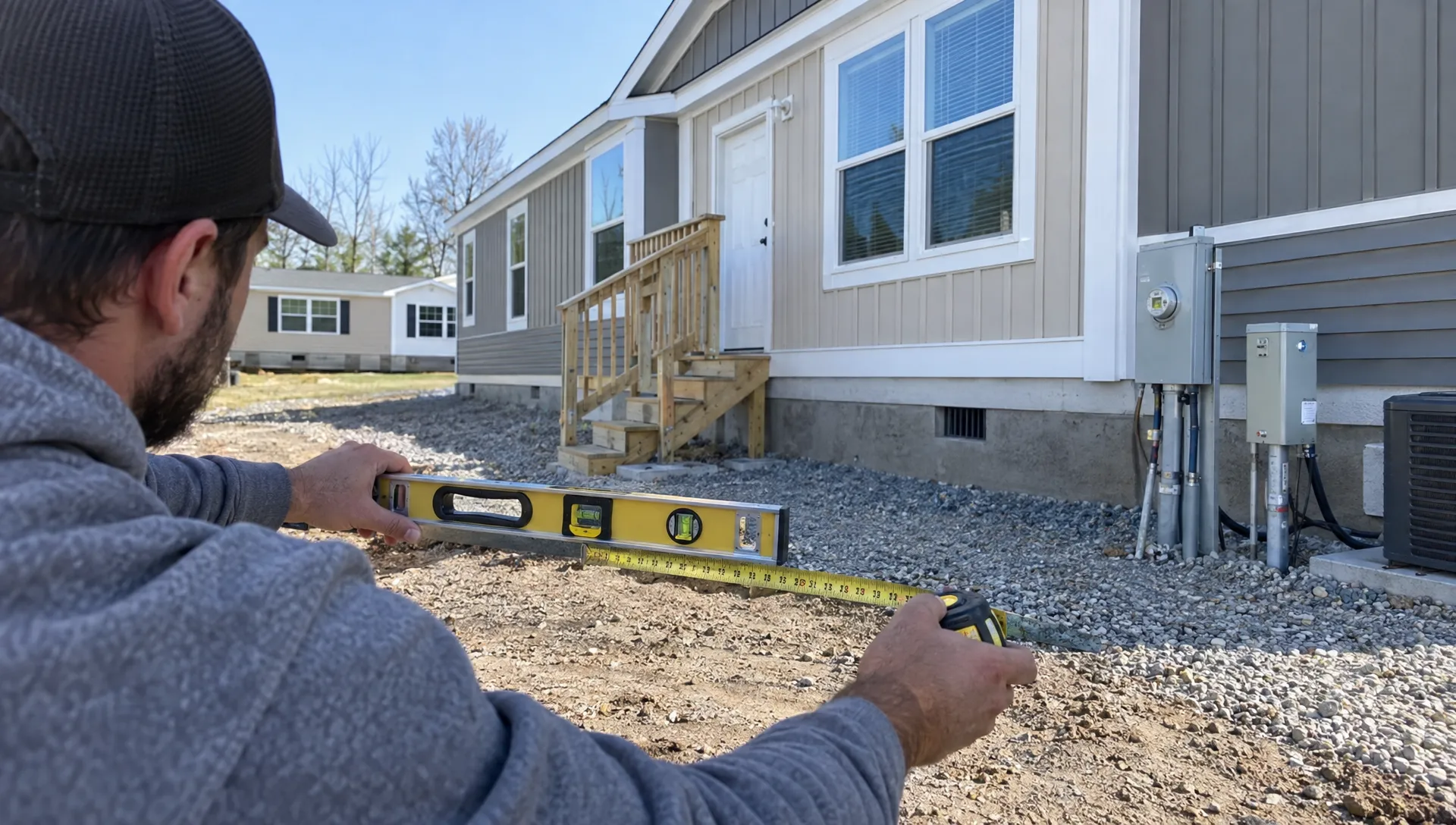
If the owner brings in manufactured homes, the budget may include the home purchase, transport, installation, skirting, steps, decks, utility hookups, permits, inspections, HVAC setup, and interior make-ready. For buyers comparing home options, our guide to manufactured homes in San Antonio explains how model type, size, energy features, and site work influence total cost.
How Mobile Home Park Returns Are Calculated
Returns are usually driven by net operating income, not just gross rent. A community with high collections and low deferred maintenance can outperform a larger park with weak collections and heavy repair needs.
The core formulas are straightforward:
| Metric | Formula | Why it matters |
|---|---|---|
| Potential gross income | Total lots x market rent x 12 | Shows maximum scheduled income before vacancy |
| Effective gross income | Collected rent plus other income | Reflects real revenue after vacancy and collections |
| Net operating income | Effective gross income minus operating expenses | Key driver of property value |
| Cap rate | NOI divided by purchase price or value | Used to compare income properties |
| Cash-on-cash return | Annual pre-tax cash flow divided by cash invested | Shows return on actual equity after debt service |
| Debt service coverage ratio | NOI divided by annual debt payments | Lenders use this to assess repayment strength |
A Simple Example Pro Forma
The following example is for illustration only. It is not a quote, appraisal, or statement of current San Antonio market rent. Actual performance depends on location, occupancy, amenities, infrastructure, financing, taxes, insurance, and local competition.
| Item | Example assumption | Annual result |
|---|---|---|
| Total lots | 50 | N/A |
| Average lot rent | $475 per month | N/A |
| Potential lot rent | 50 x $475 x 12 | $285,000 |
| Occupancy and collections | 92% | $262,200 |
| Other income | Utility reimbursements, storage, fees if lawful | $10,000 |
| Effective gross income | Rent collected plus other income | $272,200 |
| Operating expenses | 40% of effective gross income | $108,880 |
| Net operating income | EGI minus expenses | $163,320 |
If that community produced $163,320 in annual NOI, its value would vary significantly depending on the cap rate investors apply.
| Cap rate assumption | Implied value based on $163,320 NOI |
|---|---|
| 6% | $2,722,000 |
| 7% | $2,333,143 |
| 8% | $2,041,500 |
| 9% | $1,814,667 |
This sensitivity is important. A small change in cap rate can create a large change in value. Rising interest rates, higher insurance costs, weak infrastructure, or regulatory uncertainty can push investors to demand higher returns, which lowers value. Strong occupancy, clean records, good utilities, and professional management can support stronger pricing.
Key Revenue Drivers
Owning a mobile home park is not only about raising rent. Sustainable returns usually come from improving operations while keeping the community stable and livable.
Occupancy and Infill
Vacant lots are one of the clearest value-add opportunities. If a community has approved lots with utility connections already in place, filling those lots can increase income without buying more land. The challenge is that infill requires capital, logistics, and resident screening.
A park owner might fill vacant lots by selling homes to approved residents, renting park-owned homes, or working with buyers who want to place a manufactured home in the community. The right strategy depends on the park’s rules, lender expectations, resident demand, and local approvals.
Rent Alignment
Some communities have lot rents far below comparable properties because the prior owner did not adjust rents for years. Gradual rent alignment can improve NOI, but aggressive increases can create resident hardship, reputational issues, and turnover.
A thoughtful owner studies comparable communities, amenity levels, utility responsibilities, taxes, insurance, and needed capital improvements before making rent decisions. For San Antonio residents comparing communities, our mobile home parks in San Antonio guide explains why lot rent varies by location, rules, and amenities.
Expense Control
Professional billing, preventive maintenance, insurance shopping, clear lease administration, and regular inspections can improve cash flow. However, “cutting expenses” should not mean delaying essential repairs. Deferred maintenance often comes back as emergency spending, resident complaints, code issues, or lower resale value.
Better Homes and Energy Efficiency
If a community owns rental homes or is adding homes to vacant lots, energy-efficient manufactured homes can help improve resident comfort, especially in South Texas heat. Modern insulation, efficient HVAC, quality windows, and sealed ducts can matter for long-term satisfaction. For more detail, see our guide to energy-efficient manufactured homes in Texas heat.
The Biggest Risks of Owning a Mobile Home Park
The best park investments are often won or lost during due diligence. A high stated return means little if the property carries hidden infrastructure, legal, or financing risk.
| Risk | Why it matters | How to reduce it |
|---|---|---|
| Failing utilities | Water, sewer, and electric problems can create large repair bills and resident disruption | Inspect systems before closing, review maintenance records, budget reserves |
| Poor records | Incomplete rent rolls, unclear leases, and cash collections make income hard to verify | Require bank statements, leases, deposits, tax returns, and tenant ledgers |
| Local zoning issues | Expansion, infill, or replacement homes may be restricted | Confirm zoning and permitted use before buying |
| Flood or drainage problems | Flood risk can affect insurance, financing, safety, and long-term value | Check the FEMA Flood Map Service Center and inspect drainage |
| Resident relations | Unclear rules or sudden changes can lead to disputes and turnover | Use transparent leases, consistent enforcement, and respectful communication |
| Financing risk | Higher rates or short loan terms can reduce cash flow or create refinance pressure | Stress-test debt payments and maintain liquidity |
| Insurance and weather | Hail, wind, heat, and liability claims can increase costs | Price insurance early and invest in risk reduction |
| Compliance risk | Manufactured housing, tenancy, installation, and utility rules can be complex | Work with qualified legal, local, and industry professionals |
Texas owners should pay special attention to resident rights and lease requirements. Texas Property Code Chapter 94 covers manufactured home tenancies and should be reviewed with qualified legal counsel. This article is informational and is not legal, tax, or investment advice.
Buying an Existing Park vs. Building a New One
Many first-time investors underestimate how different these two paths are.
| Path | Advantages | Challenges |
|---|---|---|
| Buy existing park | Existing income, known occupancy, established resident base, possible upside through operations | Hidden maintenance, inherited leases, old utilities, limited expansion rights |
| Build new park | Modern layout, new infrastructure, design control, potential long-term upside | Zoning risk, high capital needs, long timeline, lease-up uncertainty |
| Expand an existing park | Uses an existing brand and management base, may increase NOI efficiently | Requires approvals, utility capacity, engineering, and demand for new lots |
In the San Antonio area, start with the correct local authority before assuming land can become a manufactured home community. Within city limits, the City of San Antonio Development Services Department is a logical starting point. Outside city limits, county requirements, utility providers, subdivision rules, deed restrictions, floodplain regulations, and state installation requirements may still apply.
What Lenders Look For
Mobile home park financing is usually underwritten as income-property financing. Lenders may evaluate the property’s NOI, occupancy, expense history, infrastructure condition, borrower experience, cash reserves, insurance, and debt service coverage.
A lender may also distinguish between communities with resident-owned homes and those with many park-owned rental homes. Park-owned homes can increase gross income, but they can also add maintenance obligations and depreciation. Strong documentation matters. Clean rent rolls, accurate financial statements, organized leases, utility records, tax bills, insurance history, and capital improvement records can improve credibility with lenders and future buyers.
For manufactured home buyers, financing works differently than commercial park financing. Homes2Go San Antonio helps buyers explore options such as chattel loans, FHA, VA, USDA, and conventional paths where applicable. You can learn more on our manufactured home financing page.
Due Diligence Checklist Before Buying
Before owning a mobile home park, investors should verify the property from multiple angles. A good deal should make sense legally, physically, financially, and operationally.
| Due diligence area | What to verify |
|---|---|
| Financials | Rent roll, deposits, tax returns, profit and loss statements, utility bills, collection history |
| Legal | Title, survey, leases, rules, licenses, pending disputes, resident notices, local compliance |
| Infrastructure | Water, sewer, septic, electric, gas, roads, drainage, lighting, pads, utility pedestals |
| Occupancy | Number of licensed lots, occupied lots, vacant lots, abandoned homes, park-owned homes |
| Homes | Condition, title status, age, HUD labels where applicable, repair needs, insurance status |
| Land use | Zoning, nonconforming use status, expansion rights, setbacks, floodplain, deed restrictions |
| Insurance | Premiums, exclusions, claims history, liability coverage, storm exposure |
| Management | Current rules, enforcement history, onsite manager, billing process, maintenance schedule |
If a seller cannot provide basic records, that does not always mean the deal is bad, but it does increase risk. The purchase price should reflect the uncertainty.
Is Owning a Mobile Home Park a Good Investment?
It can be, but only under the right conditions. The appeal is clear: manufactured housing serves a real affordability need, and well-managed communities can produce recurring income from land-lease operations. The U.S. Census Bureau’s Manufactured Housing Survey continues to track manufactured housing as an important part of the national housing supply.
Still, this is not a hands-off investment. The owner is responsible for a residential community where people live. That means maintenance, communication, compliance, safety, fair rules, and long-term planning. Investors who treat the property only as a rent roll often miss the operational reality.
A park may be attractive when it has durable demand, legal clarity, good infrastructure, fair rent levels, professional management, and room for responsible improvement. It may be risky when income is unverified, utilities are old, local approvals are uncertain, flood risk is ignored, or the business plan depends on unrealistic rent growth.
For homebuyers, understanding these economics also helps explain why choosing the right community matters. A well-capitalized, professionally managed community is more likely to maintain roads, enforce standards consistently, and plan for repairs.
Frequently Asked Questions
Is owning a mobile home park passive income? Not usually. Even if a third-party manager handles daily operations, the owner still needs to oversee budgets, capital repairs, compliance, insurance, financing, and resident relations.
How do mobile home parks make money? Most communities earn income through lot rent. Some also earn income from park-owned home rent, utility reimbursements, storage, application fees, or other charges if allowed by law and lease terms.
What is the biggest cost in owning a mobile home park? Infrastructure is often the biggest risk. Roads, water lines, sewer or septic systems, drainage, and electrical upgrades can create large capital expenses if they were not properly maintained.
Is it better to own the homes or only the lots? Lot-only ownership often has lower maintenance responsibility, while park-owned homes may generate more gross income but require more repairs, turnover work, and management. The better choice depends on capital, staffing, resident demand, and risk tolerance.
Can I build a new mobile home park in San Antonio? Possibly, but you must confirm zoning, land use, utilities, drainage, access, floodplain status, and local requirements before buying land. New development is usually more complex than buying an existing community.
What should I review before buying a park? Review financials, leases, rent rolls, utility systems, zoning, title, survey, insurance, taxes, flood maps, environmental conditions, resident files, and all local compliance requirements.
Planning Around Manufactured Homes in San Antonio?
Whether you are evaluating a community, buying your first manufactured home, or comparing homes for an approved site, the quality of the home matters. Homes2Go San Antonio offers a wide selection of manufactured and mobile home models, modern interiors, detailed floor plans, energy-efficient designs, and guidance for buyers navigating financing and community options.
If your next step involves purchasing a manufactured home in the San Antonio area, contact Homes2Go San Antonio to compare available models and get practical guidance from a local team.
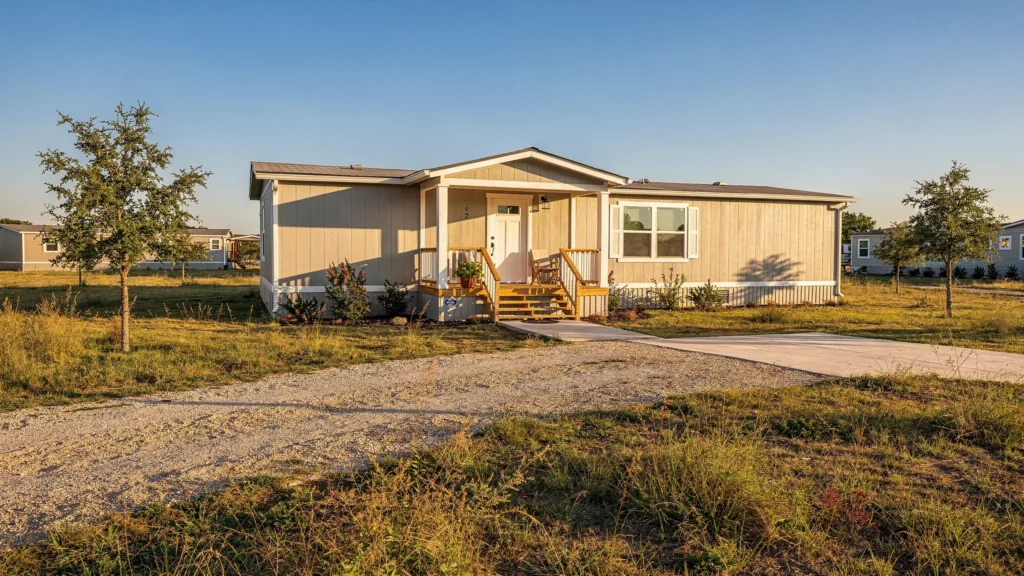 Single Wide Mobile Home Pros, Costs, and Best Uses
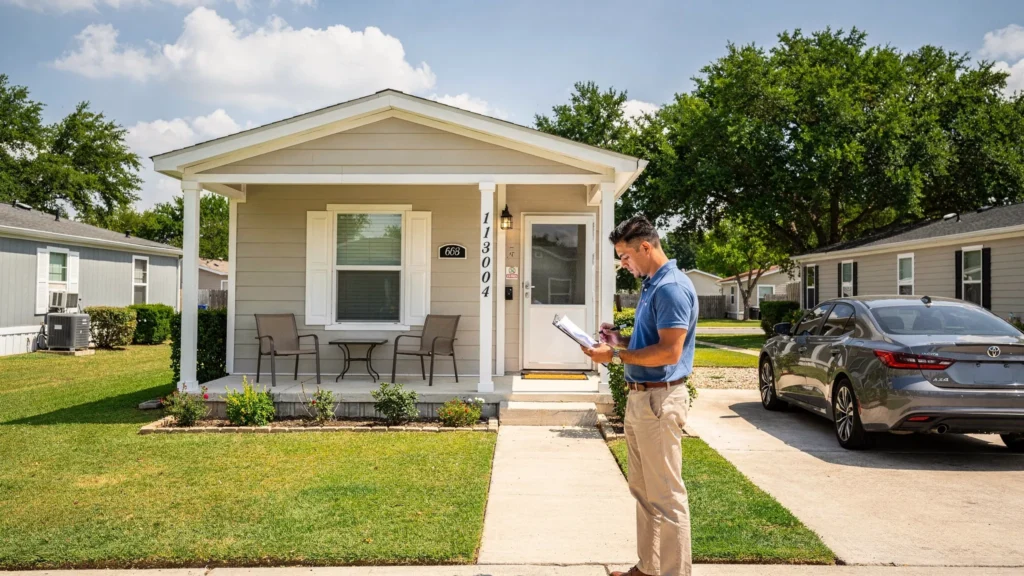 How to Find Mobiles for Rent Without Getting Scammed