
A new manufactured home comes with something that is just as important as the floor plan and monthly payment: the warranty paperwork. If you’re comparing a Clayton-built home (or buying one already on a retailer’s lot), understanding the Clayton Homes warranty can help you avoid surprises, protect your budget, and handle repairs the right way.
This guide breaks down what’s typically covered, what’s typically not covered, and how to get warranty service without delays. (Warranty terms can vary by model, state, and the components installed, so always confirm details in the written warranty provided with your specific home.)

First, what “Clayton Homes warranty” usually means
When buyers say “Clayton Homes warranty,” they may be referring to multiple warranties that apply to a single home:
- The manufacturer’s limited warranty (the main warranty covering certain defects in materials or workmanship for a defined period).
- Component and appliance warranties from the original manufacturers (HVAC, water heater, refrigerator, dishwasher, faucets, roofing products, windows, etc.).
- Installation-related coverage, which may be handled by the installer/retailer and can be separate from the home manufacturer’s warranty.
That distinction matters because a “not covered” response is sometimes less about denial and more about being routed to the correct warranty provider.
What’s typically covered (examples)
While you should rely on your actual warranty document for the exact terms, manufactured-home warranties commonly cover defects in materials or workmanship discovered during the warranty period, as long as the home was properly installed and maintained.
1) Interior finishes (cosmetic items) during the early period
Many limited warranties include an initial period where certain interior finish issues can be addressed, such as:
- Cabinet or countertop alignment issues caused by manufacturing defects
- Trim that has separated due to workmanship issues
- Doors that don’t latch correctly due to factory fit problems
In the first weeks after setup, it’s normal for a home to “settle” slightly. Some adjustments may be covered if they fall under workmanship, but others may be considered routine homeowner maintenance (more on that below).
2) Plumbing and electrical defects tied to manufacturing
If a plumbing leak is caused by a factory-installed connection or a defect in a supplied part, that type of issue is often covered during the limited warranty period.
Similarly, electrical issues caused by factory wiring defects may be covered, while issues caused by power surges, lightning, or non-warranty modifications generally are not.
3) Structural and building-shell items (in some form)
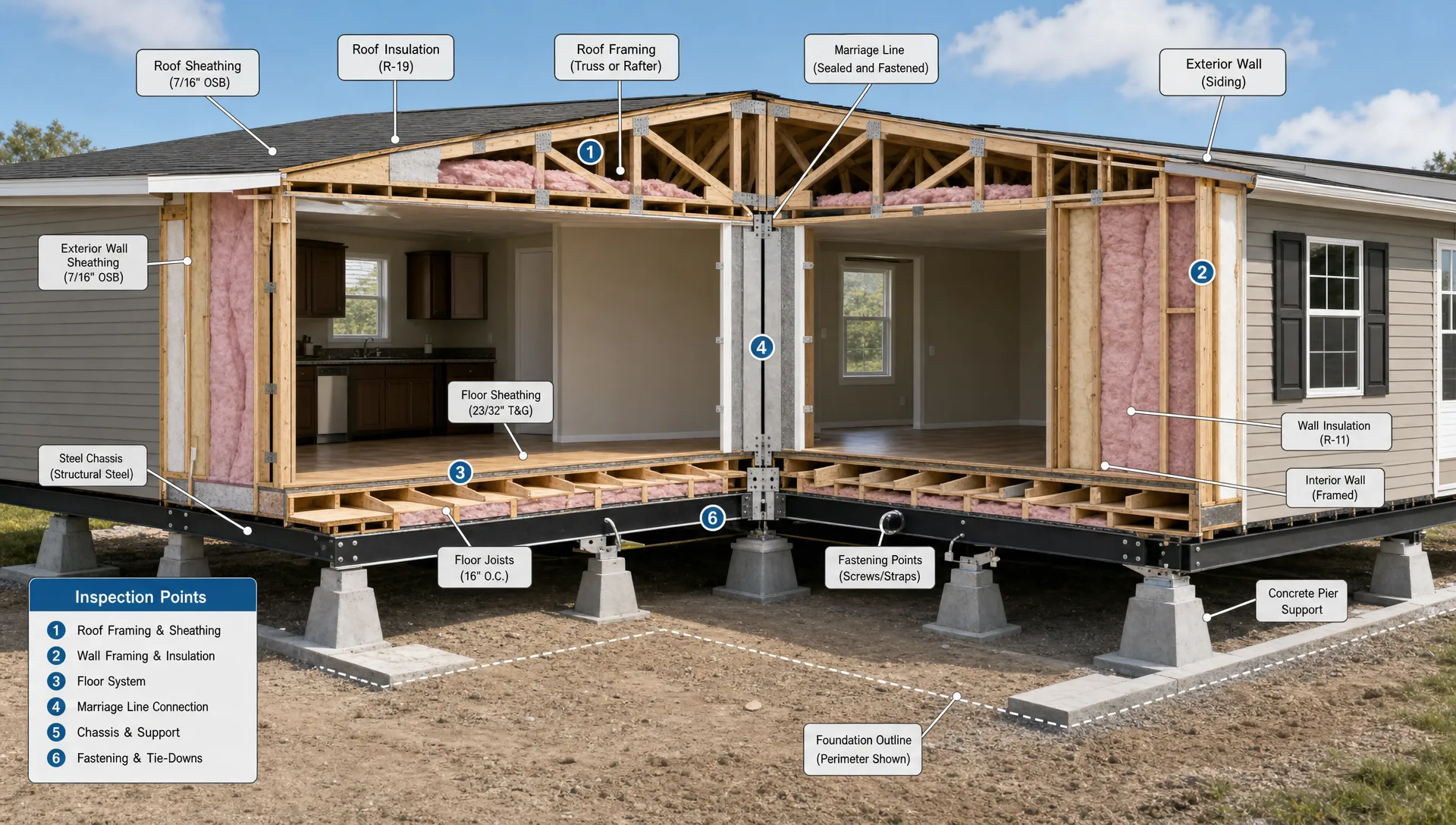
Manufactured homes are built to the federal HUD Code, and many manufacturers provide warranty coverage for certain structural items for a longer period than basic cosmetic coverage.
Structural coverage often focuses on defects in the home’s load-bearing or primary structural components, but definitions vary, so confirm what your warranty calls “structural.” For background on the federal construction standards for manufactured housing, see HUD’s program overview: HUD Manufactured Housing.
4) Work that’s required to correct a covered defect
If something is confirmed as a covered defect, the warranty generally covers the repair itself, and may include parts and labor under the warranty’s terms.
What’s important: manufacturers typically reserve the right to repair, replace, or otherwise remedy the defect as they see fit under the warranty language.
What’s typically not covered (and why)
Most warranty frustrations come from items that feel like “the house,” but are actually maintenance, installation, or outside damage. Here are common exclusions you’ll see across manufactured-home warranties, including many Clayton Homes warranty plans.
1) Normal wear and tear
Over time, materials age. Warranties usually do not cover:
- Faded paint or flooring wear from traffic
- Minor scuffs, dents, or scratches
- Carpet matting in high-use areas
2) Owner maintenance items (especially in Texas weather)
Manufactured homes require routine upkeep like any home. Warranty coverage is commonly conditioned on proper maintenance. Items often treated as maintenance, not defects:
- Caulking and sealing around tubs, showers, windows, and exterior penetrations
- Keeping roofing/seams maintained as specified
- Maintaining proper drainage so water does not pond near the home
In the San Antonio area, heat, storms, and shifting soils make drainage and moisture control especially important. If moisture damage is traced back to missing caulk, poor grading, or ignored leaks, it’s often excluded.
3) Installation and site-related issues
Many issues show up after setup but are not caused by factory construction. Examples commonly excluded from the manufacturer’s limited warranty:
- Uneven floors caused by foundation/leveling problems
- Problems tied to pier and beam, anchoring, or site prep
- Skirting, steps, decks, and porches that were not part of the factory-built home
In Texas, installation standards and licensing are regulated through the state’s manufactured housing program. For consumer resources, see the Texas Department of Housing and Community Affairs (Manufactured Housing).
4) Damage from water intrusion, pests, or mold (when not due to a covered defect)
Warranties often exclude:
- Mold or mildew (especially when tied to ventilation, leaks not reported promptly, or humidity)
- Termite or pest damage
- Rot from long-term water exposure
If water intrusion is caused by a covered defect and reported within the required timeframe, some repair may be covered. But if the root cause is maintenance or site drainage, it’s typically not.
5) Acts of nature and accidents
Most warranties exclude damage from:
- Hail, windstorms, tornadoes, flooding
- Fire, smoke, or impact damage
- Lightning and power surges
That type of risk is usually handled by homeowners insurance (or a specialized manufactured-home policy).
6) Appliances and third-party components (often covered elsewhere)
Appliances frequently come with their own manufacturer warranties. A warranty claim may need to go directly to the appliance maker, not the home builder.
7) DIY modifications and unauthorized repairs
If you modify electrical, plumbing, structural elements, or remove walls, you can accidentally void portions of coverage. Even well-intended repairs can create complications if they aren’t documented or approved.
Quick reference table: covered vs not covered
Use this as a practical “first pass” before you place a service call.
| Area | Typically covered (examples) | Typically not covered (examples) | What to do first |
|---|---|---|---|
| Interior finishes | Workmanship defects found early (trim, doors, cabinet alignment) | Wear and tear, stains, scratches, damage after move-in | Document with photos, note date discovered |
| Plumbing/electrical | Factory defects in materials/workmanship | Freeze damage, power surges, DIY changes | Check shutoffs/breakers safely, then report promptly |
| HVAC & appliances | Sometimes covered by component maker | Poor filter maintenance, storm damage | Locate model/serial, check appliance/HVAC warranty booklet |
| Structural | Certain defined structural defects per warranty | Settlement from site/foundation, water-related rot from maintenance | Confirm definition of “structural” in your written warranty |
| Roof/exterior | Defects in materials/workmanship (term-limited) | Hail/storm damage, unsealed penetrations, lack of maintenance | Inspect after storms, keep maintenance records |
| Setup/leveling | Usually installer/retailer responsibility if included | Soil movement, drainage problems, add-ons like decks | Contact installer/retailer and review setup documents |
How to file a Clayton Homes warranty claim (without getting the runaround)
The fastest claims are the ones that are properly documented and submitted within the required notice window.
Step 1: Find the exact warranty that applies to your home
Look for:
- The limited warranty booklet for the home
- Closing paperwork (sometimes includes service contacts)
- Separate booklets for appliances, HVAC, water heater, etc.
If you cannot find the warranty documents, contact your retailer and ask for the specific warranty package tied to your home’s serial number.
Step 2: Write down details before you call
Keep it simple:
- Date you noticed the issue
- Location (bedroom 2, under kitchen sink, north wall window)
- What you observed (leak, crack, outlet not working)
- Clear photos and a short video if it helps
Step 3: Report promptly and in writing when possible
Most limited warranties require notice within a set timeframe. Even if you call, follow up by email or a service portal submission so you have a record.
Step 4: Don’t repair first unless it’s an emergency
Stopping active water damage is important, but doing permanent repairs before the warranty provider inspects can complicate coverage.
If you must make an emergency repair (for safety or to prevent further damage), keep:
- Photos before and after
- Receipts
- A short written explanation of why immediate action was necessary
Step 5: Know your consumer rights framework
Warranties for consumer products are influenced by federal law, including the Magnuson-Moss Warranty Act. The FTC provides a plain-language overview here: FTC Warranty Information.
This does not guarantee a claim approval, but it helps you understand disclosure requirements and how written warranties work.
Tips to avoid common “not covered” outcomes
Many denials are preventable with good habits during the first year.
Do a structured walk-through early
If possible, do a detailed walk-through soon after delivery and setup. Look at:
- Cabinets and doors (open/close all of them)
- Window locks and screens
- Under-sink connections and visible supply lines
- GFCI outlets and breakers
Keep a simple maintenance log
You do not need anything fancy. A notes app is enough. Track:
- Filter changes (HVAC)
- Caulking checks (kitchen/baths)
- Roof and exterior inspections after storms
- Any service visits
Manage water and soil around the home
In South Texas, drainage is not optional. Make sure the site is graded so water flows away from the home. If you’re in a land-lease community, ask management what they maintain versus what the homeowner maintains.
Frequently Asked Questions
Is the Clayton Homes warranty the same as my appliance warranty? No. Your home’s limited warranty generally covers certain home construction items, while appliances and HVAC often have separate manufacturer warranties with their own service processes.
Does the manufacturer warranty cover leveling or foundation problems? Often, no. Leveling, site prep, and anchoring issues are commonly considered installation-related and may fall under the installer/retailer or site contractor instead of the home manufacturer.
What if I find a problem months after move-in? Report it as soon as you notice it, even if you’re unsure whether it’s covered. Warranty coverage depends on the written terms and the required notice period.
Will my warranty cover hail damage to the roof or siding? Usually not. Storm damage is typically an insurance matter. File an insurance claim and keep documentation, especially after significant hail events in the San Antonio area.
Can I void my warranty by making upgrades? Some modifications can affect coverage, especially electrical, plumbing, structural changes, or unapproved repairs. Before making changes, check the written warranty and ask the warranty provider what documentation is required.
Need help comparing warranties before you buy in San Antonio?
Warranty language can be confusing, and the details matter when you’re deciding between brands, models, and installation options. Homes2Go San Antonio can help you compare manufactured-home options, review the paperwork you’ll receive at purchase, and connect you with the right financing path for your situation.
Explore available homes and get guidance at Homes2Go San Antonio.
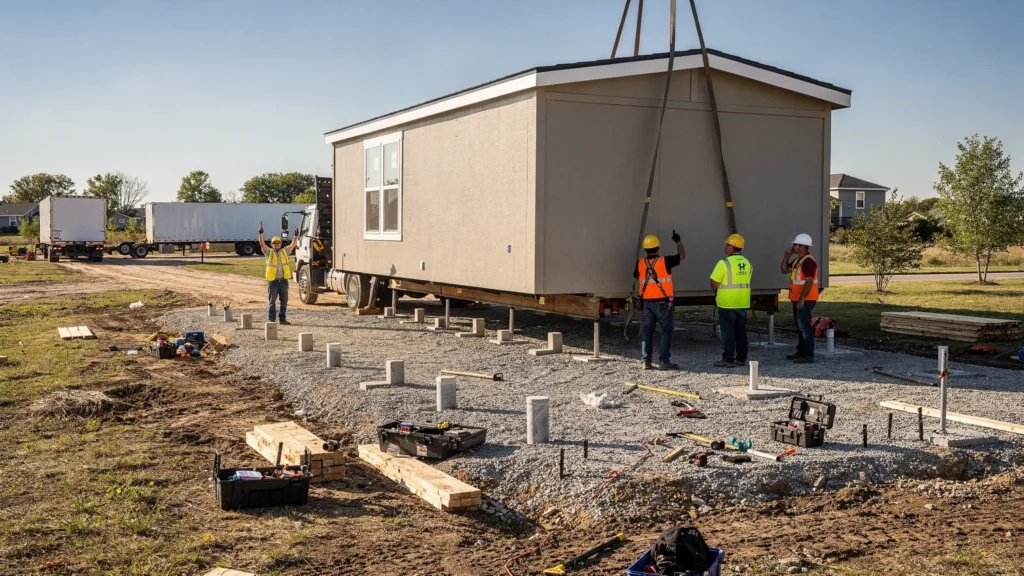 Mobile Home Setup Costs: Pad, Utilities, Permits, and Labor
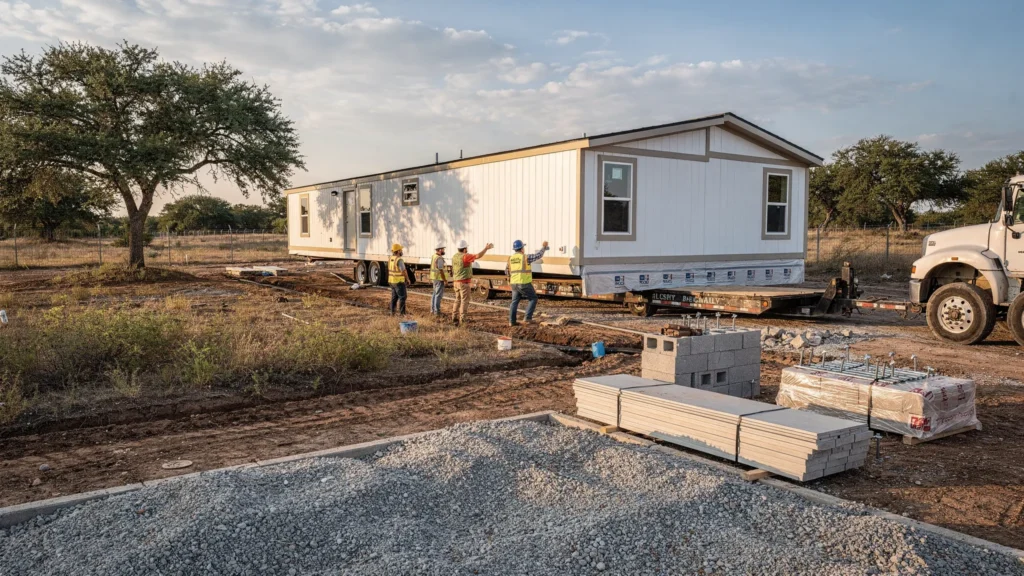 Setting Up a Mobile Home: Site Prep to Final Walkthrough