
“Trailer house” is a phrase many Americans grew up hearing, and in everyday conversation people still know what it means. But in 2026, it’s often an outdated (and sometimes loaded) label that blurs important differences between mobile homes, manufactured homes, modular homes, and RV-type trailers.
If you’re shopping, selling, financing, or even just trying to describe a home accurately, using the right term matters. It can affect everything from how buyers perceive the home to which building standard applies, and how it may be titled and financed.
What does “trailer house” mean?
Historically, “trailer house” referred to a home built on a chassis that could be towed, essentially a large “house trailer.” Over time, that informal phrase became a catch-all for several very different housing types.
Today, most people use “trailer house” to mean a home that:
- Is factory-built
- Is transported to the site
- May be placed in a land-lease community (a “park”) or on private land
The problem is that those descriptions fit multiple categories. And only some of those categories are regulated, installed, insured, and financed the same way.
Why “trailer house” can be misleading (and sometimes unhelpful)
It mixes together different legal standards
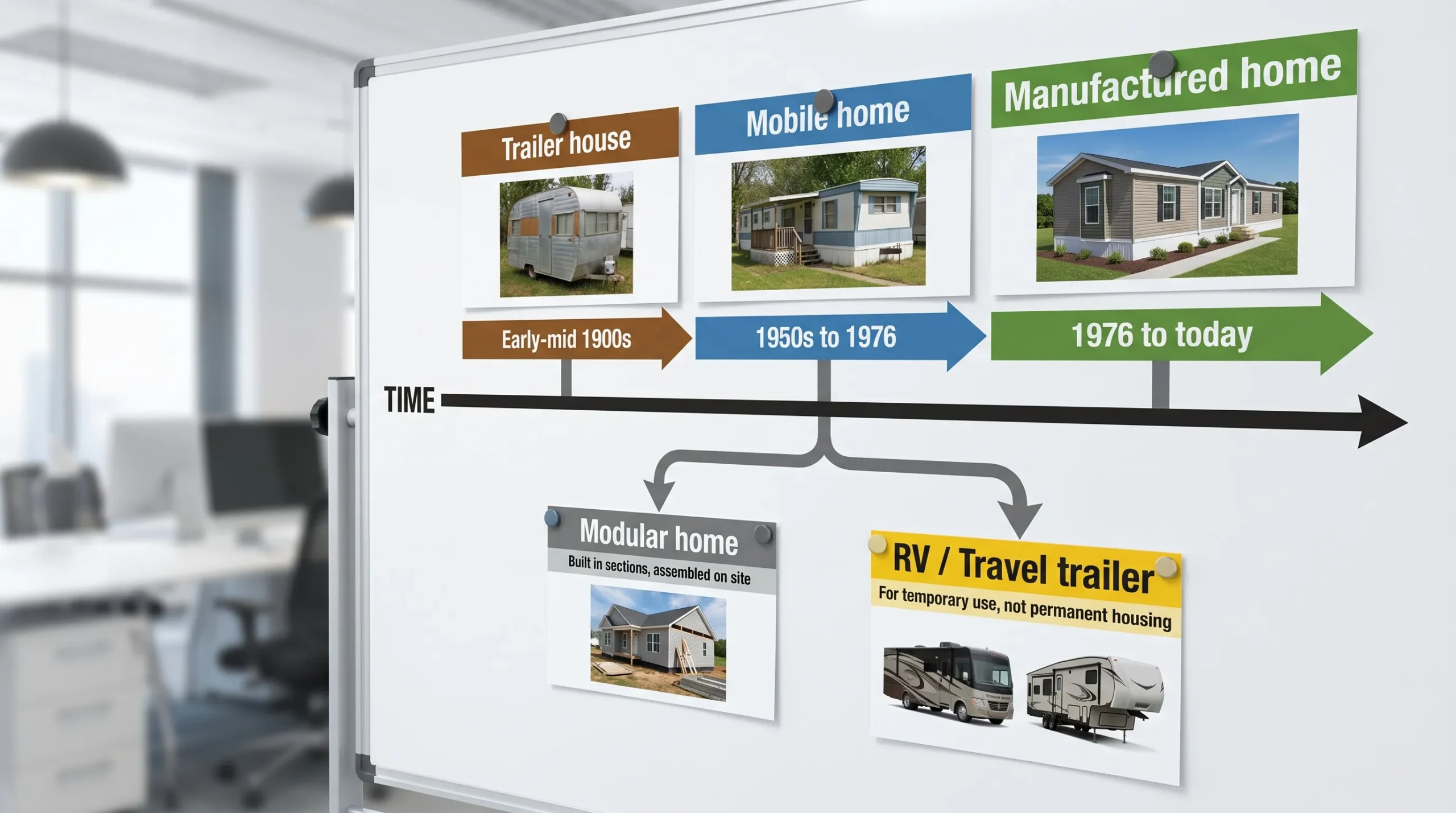
The biggest line in the sand is June 15, 1976, when the federal HUD Code (Manufactured Home Construction and Safety Standards) took effect. Homes built after that date to the HUD Code are generally called manufactured homes.
If you call a post-1976 manufactured home a “trailer house,” you may be unintentionally describing it as something older, lower quality, or not built to modern standards.
You can read more about the federal standard on HUD’s overview of the manufactured home program: HUD Manufactured Housing Program.
It can carry stigma that doesn’t reflect today’s product
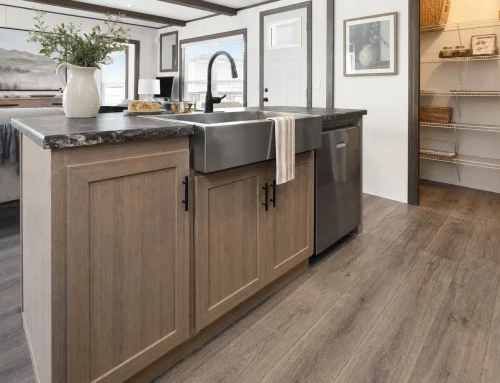
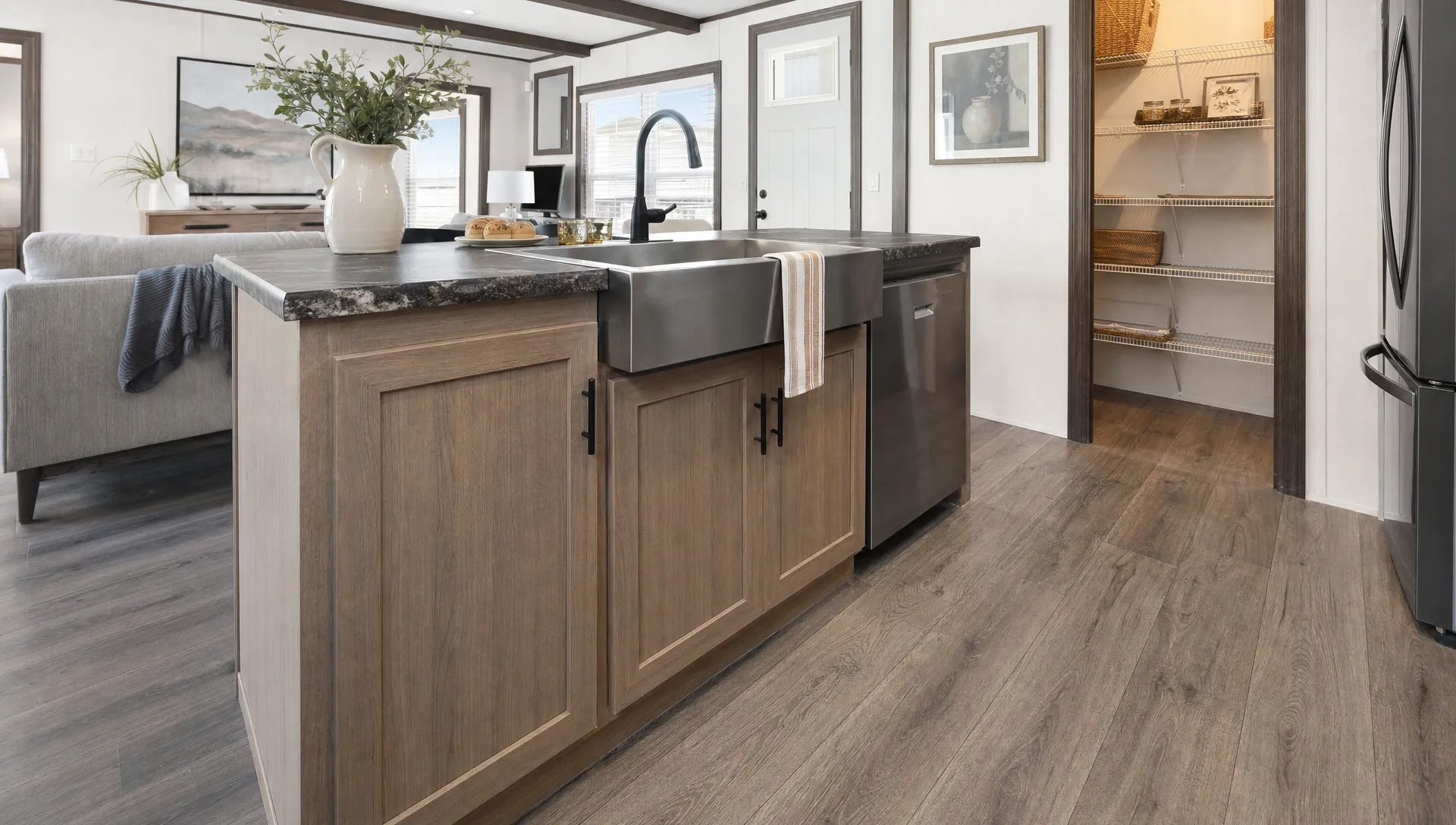
Modern manufactured homes can include energy-efficient design, high-end interiors, and floor plans that look and live like many site-built homes. The phrase “trailer house” often doesn’t communicate that.
It can create confusion in listings and conversations
When someone says “trailer,” a listener might picture:
- A pre-1976 mobile home
- A towable RV or travel trailer
- A park model RV
- A modern manufactured home
That confusion can slow down the shopping process and lead to wrong assumptions about durability, upgrades, or what a lender will accept.
Better terms to use (and when each one is correct)
The best alternative to “trailer house” is the term that matches the home’s construction standard and era.
Manufactured home (best term for most “trailer houses” today)
Use manufactured home when the home is built to the HUD Code, typically meaning it was built on or after June 15, 1976.
Key identifiers include a HUD data plate and a HUD certification label (often called a “HUD tag”) that indicates it was built to the federal manufactured housing standard.
Why it’s a better term:
- It’s accurate and widely recognized by professionals (lenders, insurers, installers)
- It signals the home meets modern federal construction and safety standards
Mobile home (use this for pre-1976 homes)
Use mobile home when the home was built before the HUD Code date. Many people still call any factory-built home a “mobile home,” but in technical usage this term usually means pre-1976.
Why it matters:
- Age affects inspections, upgrades, and sometimes financing options
- It sets realistic expectations about construction methods and retrofits
Modular home (not the same as manufactured)
A modular home is factory-built too, but it’s constructed to the same building codes as site-built homes (often state or local building codes, frequently aligned with IRC standards). It’s delivered in sections (modules) and assembled on a permanent foundation.
Why it’s a better term:
- It clarifies that the home is treated more like site-built housing in code and appraisal contexts
- It avoids confusion with HUD Code manufactured homes
RV, travel trailer, fifth wheel, park model (these are not “houses” in the same way)
Some people use “trailer house” to describe an RV-type unit, but these are generally built to different standards and intended for travel or seasonal use.
A quick rule of thumb: if it’s designed to be regularly towed and registered like a vehicle, it’s likely an RV category, not a manufactured home.
“Trailer house” vs manufactured home vs mobile home vs modular: quick comparison
Here’s a simplified reference to help you choose the right wording.
| Term people say | What it usually refers to | Key clue | Best time to use it |
|---|---|---|---|
| Trailer house | Informal catch-all | Not a technical category | Casual conversation only, not ideal for listings |
| Mobile home | Factory-built home typically pre-1976 | Built before HUD Code date | When the home is truly pre-1976 |
| Manufactured home | HUD Code home (post-1976) | HUD labels/data plate | Most modern “mobile home” purchases |
| Modular home | Factory-built to site-built codes | Built to local/IRC-style code | When the home is modular, often on permanent foundation |
| RV / travel trailer / park model | Towable or RV-standard unit | Vehicle-style registration, RV standards | When it’s designed for travel/seasonal use |
If you’re listing or buying, wording can impact expectations
In real life, the “right term” is not just semantics. It influences how people interpret value.
In listings and marketing
If a home is a HUD Code manufactured home, calling it a “trailer house” can:
- Attract the wrong audience (people expecting a very low price point or a fixer)
- Trigger skepticism before a buyer sees modern features
- Create confusion when a buyer asks a lender or insurer about the property
If you want a neutral, accurate phrase for a listing, “manufactured home” is usually the safest choice for post-1976 properties.
In financing conversations
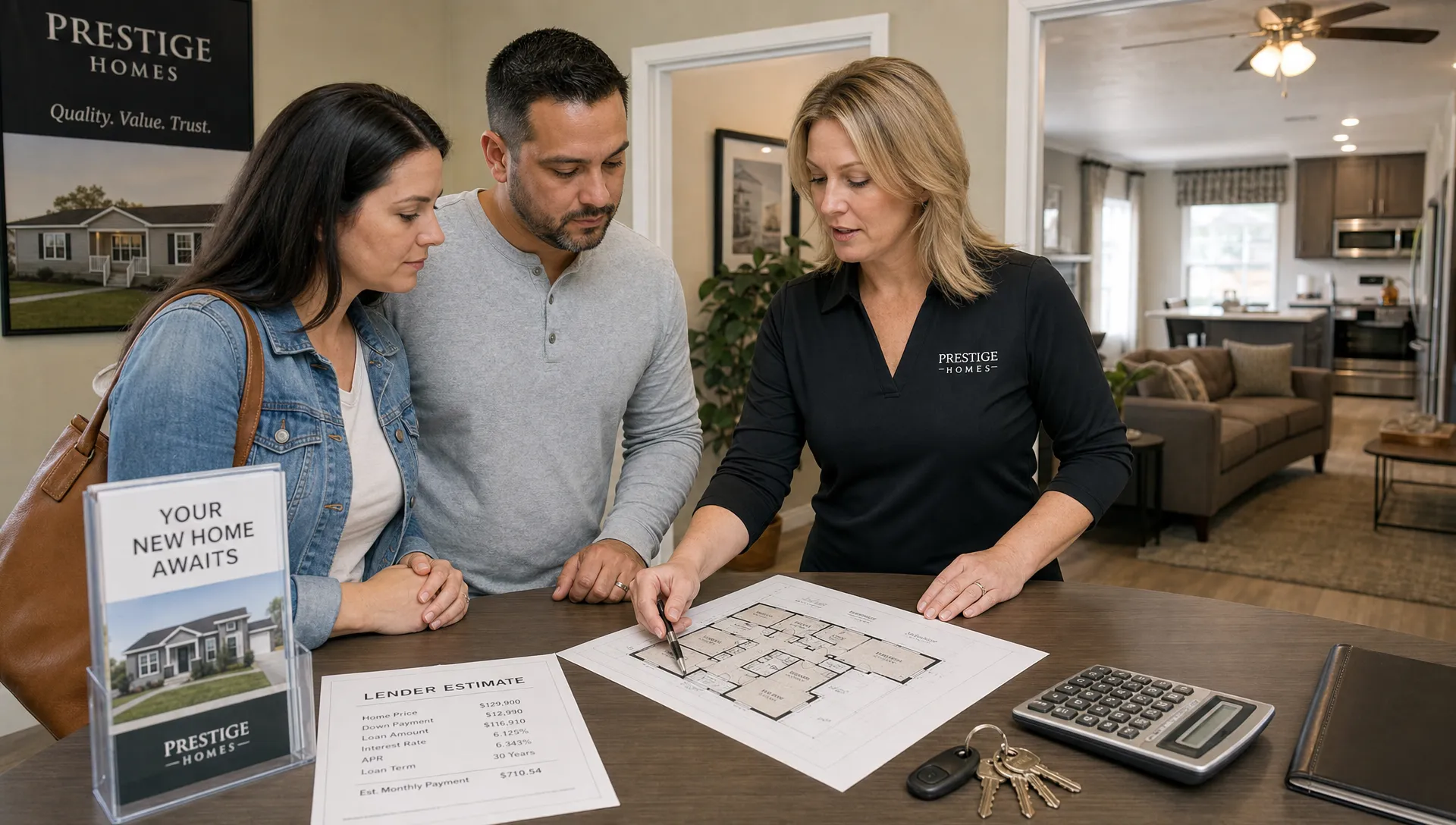
Financing depends on multiple factors, including whether the home is titled as personal property or real property, whether land is included, and lender guidelines.
The Consumer Financial Protection Bureau provides a good high-level overview of manufactured housing and financing considerations here: CFPB manufactured housing.
The key takeaway: use accurate terms early, because lenders and paperwork will.
How to tell what you have (or what you’re looking at)
If you’re standing in a home and someone calls it a “trailer house,” you can usually clarify the correct category with a few checks.
Check the build date
If it’s built before June 15, 1976, it is typically referred to as a mobile home.
If it’s built on or after that date and has HUD labeling, it’s typically a manufactured home.
Look for HUD identifiers
HUD Code homes generally have:
- A HUD data plate (often inside a cabinet door, a closet, or near the electrical panel)
- HUD certification labels (metal tags) originally placed on the exterior of each section
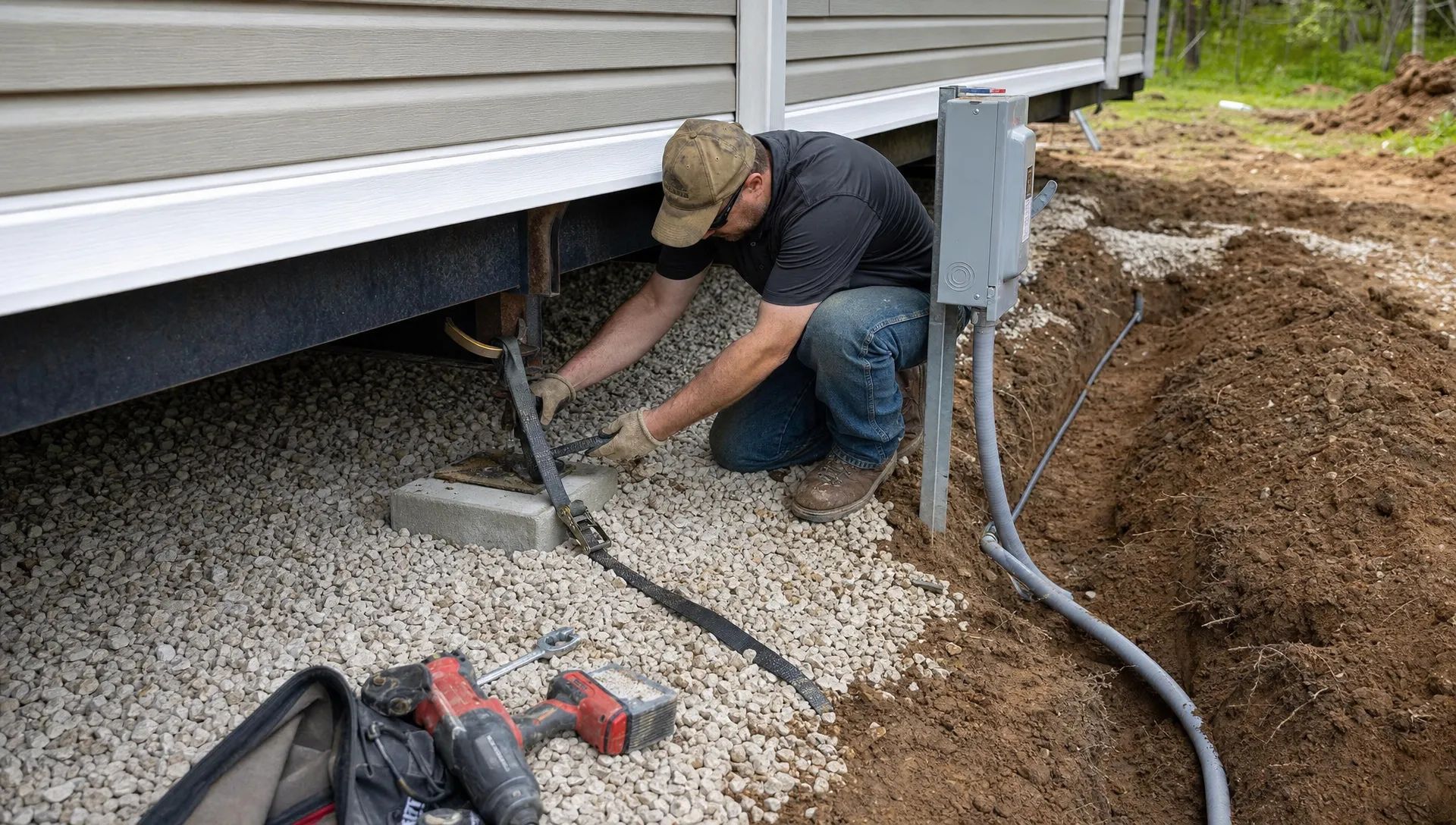
Ask about installation and foundation
A modular home is assembled on-site, usually on a permanent foundation, and should have documentation consistent with local building code compliance.
If you’re unsure, a qualified retailer, installer, or local authority can help identify the home type based on paperwork and labeling.
Language matters: respectful terms that also protect you
People use “trailer house” in many different ways, and often with no negative intent. Still, if you want professional and buyer-friendly language, here are safer alternatives:
- Use manufactured home when the home is HUD Code (post-1976)
- Use mobile home only when it’s truly pre-1976
- Use factory-built home as a neutral umbrella term
- Use land-lease community instead of “trailer park” when describing communities
That last one is especially helpful in areas like San Antonio, where many communities offer amenities and well-managed neighborhoods that don’t match old stereotypes.
A note for people relocating (terms change by country)
If you’re moving between countries, housing terminology can change fast. Even if you grew up saying “trailer house” in the U.S., other markets may use different language and processes for securing rentals and schools.
For families planning an overseas move, services like relocation planning support from Homeward Australia can help reduce friction by guiding suburb selection, rental search, and school planning before you arrive.
What to say instead of “trailer house” (simple examples)
If you want a practical swap that sounds natural:
-
Instead of: “We’re looking at a trailer house.”
Say: “We’re looking at a manufactured home.” -
Instead of: “Is that a trailer?”
Say: “Is that a manufactured home or an older mobile home?” -
Instead of: “We want a trailer on land.”
Say: “We want a manufactured home on private land” (or “a land and home package,” if both are included).
Frequently Asked Questions
Is “trailer house” the same as a manufactured home? Not exactly. “Trailer house” is an informal term. A manufactured home is a specific category of factory-built housing constructed to the federal HUD Code (generally post-1976).
What’s the difference between a mobile home and a manufactured home? In technical usage, mobile homes are typically built before June 15, 1976. Manufactured homes are built to HUD Code standards from that date forward.
Is a modular home a trailer? No. Modular homes are factory-built but constructed to the same codes as site-built homes (local/state building codes), then assembled on a permanent foundation.
Why do people still say “trailer house”? Habit and regional slang. It’s been used for decades as a catch-all, even though modern manufactured homes and older mobile homes can be very different.
What term should I use in a listing? If it’s a HUD Code home, “manufactured home” is usually the most accurate and professional term. If it’s pre-1976, “mobile home” may be correct.
Explore modern manufactured homes in San Antonio
If you’re using the word “trailer house” because you want an affordable, move-in ready home, you’re not alone. The next step is simply to match your goals to the right home type and the right financing path.
Homes2Go San Antonio helps buyers compare models, understand placement options (community or private land), and navigate financing with trusted local lenders. To start exploring, browse Homes2Go’s resources on mobile homes in San Antonio or learn about manufactured home financing options, then reach out through Homes2GoSA.com when you’re ready to talk through your plan.
 Mobile Homes for Rent in My Area: Best Search Filters in 2026
 Manufactured Housing Inspection: What Inspectors Check in Texas