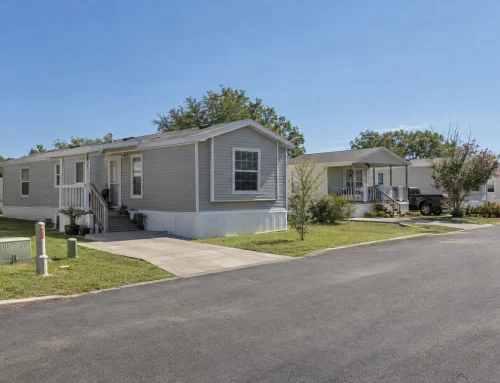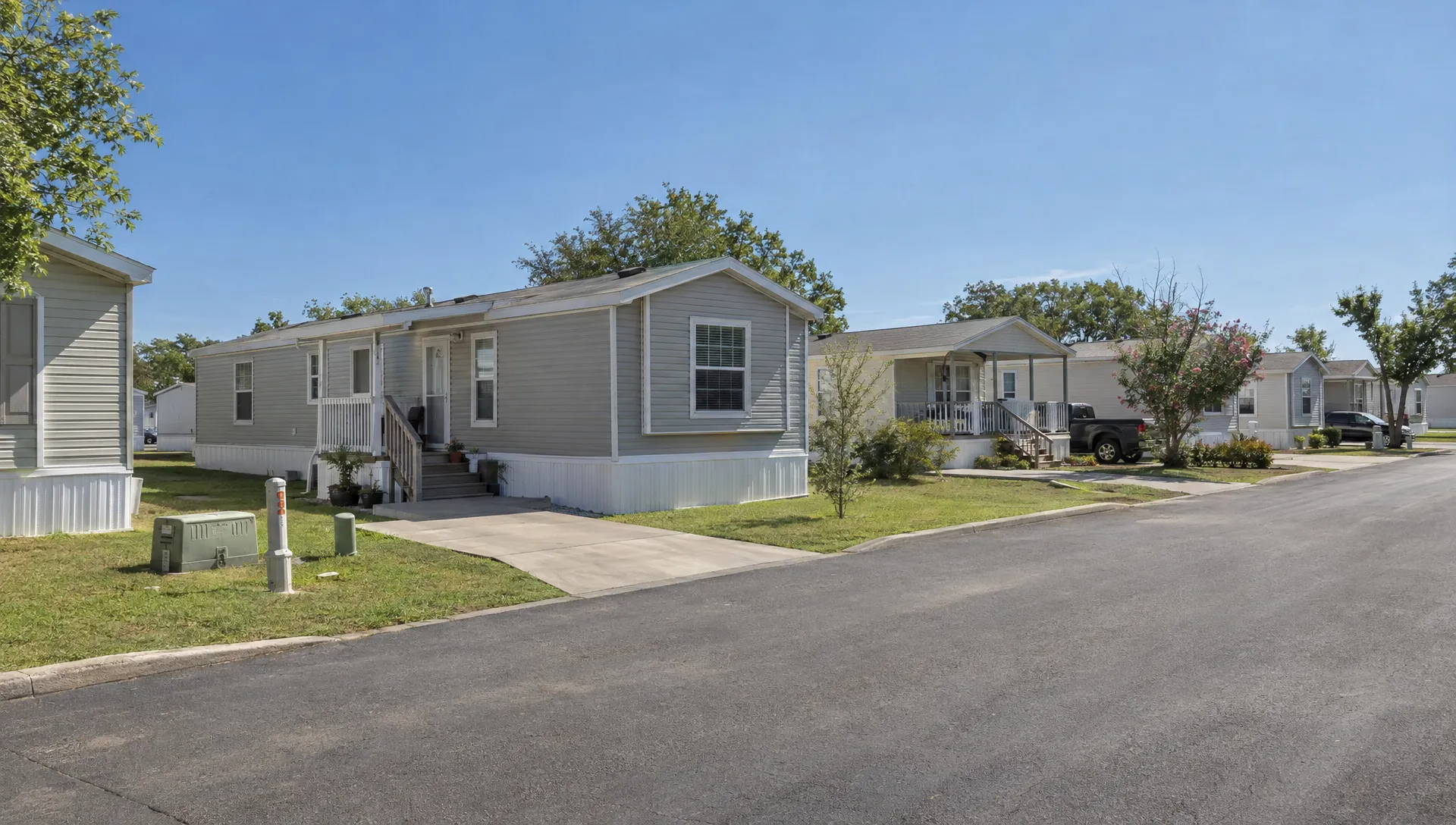

Renting in a manufactured home community can be a smart way to keep housing costs predictable while staying close to work, schools, and everything San Antonio offers. But “mobile parks for rent” can mean two very different situations: you might be renting a lot (the land under your home), or renting a home and lot together. The lease terms are not the same, and the fine print can change your monthly budget more than the advertised rate.
This guide breaks down the lease terms you should know before you apply, sign, or renew, with Texas-specific references so you can ask better questions and avoid surprise fees.
Note: This article is educational, not legal advice. For your situation, consider talking with a Texas landlord-tenant attorney or local tenant counselor.
Start by confirming what you are actually renting
Before you compare communities, confirm which arrangement applies:
- Lot-lease (land-lease) community: You own (or finance) the manufactured home and rent the lot from the community.
- Home rental in a community: The park (or a private owner) rents you the home and the lot as one package.
Why it matters: in a lot-lease, your biggest obligations include the lot lease rules, utilities, and maintenance of your own home. In a home rental, the landlord typically has more responsibility for major home repairs, and different rules may apply.
If you are exploring both paths, Homes2Go SA’s buyer-focused resources can help you compare tradeoffs, including community living versus private land: Mobile homes in San Antonio: a quick buyer guide.
The most important lease terms in mobile home parks
Many community leases look simple at first glance, but the total monthly cost is usually the sum of multiple clauses. Here are the terms that most often impact your budget and flexibility.

1) Lease length, renewal terms, and when rules can change
Common lease lengths include month-to-month and annual terms. Longer leases can offer stability, but only if you understand:
- How renewal works (automatic renewal vs. re-application vs. new lease each term)
- Whether community rules are incorporated by reference (for example, a separate “Community Rules” document that can be updated)
- How you receive notices (mail, email, resident portal, posting at the office)
In Texas, manufactured home community tenancies are addressed in Texas Property Code Chapter 94. It is worth skimming the statute and then reading your lease with it in mind, especially around notices, rent changes, and termination rights. You can access it on Texas Legislature Online.
2) Lot rent: what’s included vs. what’s separate
“Lot rent” can mean very different things by community. Ask for a written list of what the monthly rent includes.
Common inclusions (sometimes): trash service, basic common-area maintenance, access to amenities.
Common pass-throughs (often separate):
- Water and sewer (submetered or allocated)
- Electricity and gas
- Stormwater fees
- Pest control
- Lawn care standards (you may be required to maintain your lot)
- “RUBS” or allocation billing (shared utility costs divided among residents)
Tip: If utilities are allocated, ask for the allocation method in writing and request a recent sample bill (with personal info removed).
3) Rent increases and notice requirements
Even if the initial rate fits your budget, you should plan for increases over time. In your lease, look for:
- How often rent can increase (at renewal only, or during term)
- How much notice is required
- Whether increases apply to base rent only, or also to fees (trash, admin, amenities)
Texas Property Code Chapter 94 includes provisions related to rent increases and notices (for example, see § 94.055). Your specific notice period and timing can still depend on your lease, so confirm both.
4) Deposits, application fees, and “nonrefundable” charges
Move-in costs can be more than first month’s rent. Common charges include:
- Application fee (sometimes per adult)
- Background/credit screening fee
- Security deposit
- Pet deposit or pet fee
- Admin or “setup” fee
Ask these questions before you pay anything:
- Which fees are nonrefundable, and under what conditions?
- What has to happen to get the deposit back (cleaning, key return, forwarding address, move-out notice)?
- Are there deposit deductions unique to manufactured home lots (for example, lot condition, skirting, debris removal)?
5) Who is responsible for what maintenance (and what “good condition” means)
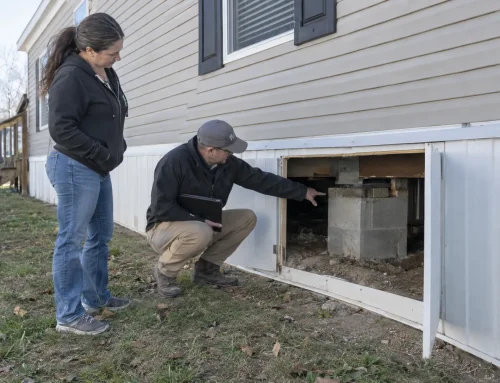
In a lot-lease community, you usually maintain your home and often your lot area too. The lease should clearly state responsibilities for:
- Trees and landscaping
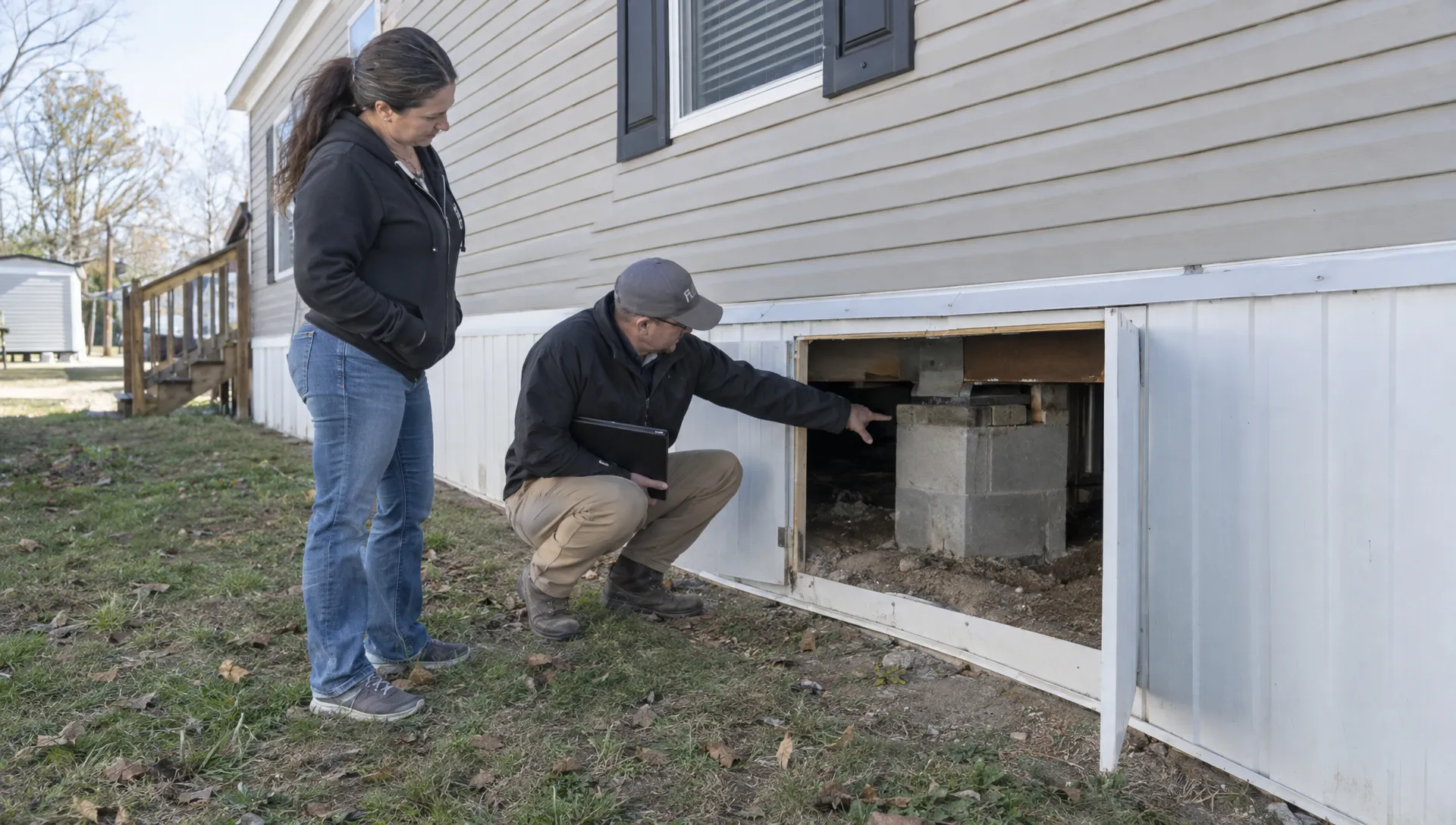
- Fence, shed, skirting, steps, and handrails
- Driveway/parking pad condition
- Pest control responsibilities on and under the home
- Reporting timelines (how fast you must report leaks, electrical issues, or hazards)
This matters for both safety and cost. A vague clause like “resident must maintain lot in good condition” can be interpreted strictly. Ask the office what “good condition” means and request the community’s written standards.
6) Rules and restrictions that affect daily life
Community rules can feel like an HOA. They can also affect your ability to host family, work on your car, or add a ramp.
Common rule categories:
- Pets (breed/weight limits, number of pets, leash requirements)
- Parking (commercial vehicles, guest parking, towing policies)
- Noise and quiet hours
- Exterior appearance (paint, skirting type, porch additions)
- Age restrictions (55+ communities)
- Smoking policies
If a rule would be a dealbreaker for you, get clarification in writing before you apply.
7) Guest policy and occupancy limits
Leases often define how long guests may stay, how many people can live in the home, and what happens if someone moves in later.
This becomes important for:
- College-age kids coming home
- Elder care (a parent moving in)
- A partner moving in mid-lease
Ask whether additional occupants require screening and whether rent changes with occupancy.
8) Selling your home or moving it out later
In a lot-lease community, you might plan to sell the home in place someday. The lease should spell out:
- Whether the buyer must be approved by the community
- Whether you can list the home for sale while you still lease the lot
- Move-out notice requirements
- Any requirements to remove improvements (sheds, decks)
- Whether the community has restrictions on home age or condition for resale
Also ask about move-out logistics: manufactured home transport requires professional setup and coordination, and some communities require advance scheduling and proof of insurance.
9) Insurance requirements
Many communities require residents to carry specific insurance, even for lot-lease.
Possible requirements include:
- Homeowner’s policy for the manufactured home
- Liability coverage minimums
- Listing the community as an “additional insured” (sometimes requested)
Ask for the insurance language before you sign so your agent can confirm you can comply.
10) Default, late fees, and eviction timelines
A lease should state exactly what happens when:
- Rent is late (grace period, late fee amount, per-day fees)
- A payment bounces (NSF fees)
- There is a rule violation (notice, cure period)
- There is a serious safety issue
Because eviction and notice rules are legal issues, review Texas Property Code Chapter 94 and consider professional advice if you are unsure.
A quick “lease review” checklist (bring this to the office)
If you only do one thing before renting, do this: ask for a blank copy of the lease and rules to review at home.
Here is a practical checklist of what to confirm in writing.
| Lease term | What to look for | Why it matters |
|---|---|---|
| Lease length and renewal | Month-to-month vs annual, renewal process, notice delivery method | Predictability and planning |
| Lot rent inclusions | Trash, amenities, common areas, any bundled utilities | Prevents surprise monthly costs |
| Utilities billing method | Submetered vs allocated, fees, billing cycle | Avoids unpredictable bills |
| Fees | Admin, amenity, pet, late, NSF, “pass-through” fees | Total monthly cost can be much higher than base rent |
| Rent increases | Timing and required notice | Long-term affordability |
| Maintenance duties | Lot care, repairs, exterior standards, inspection rights | Prevents disputes and unexpected costs |
| Rules | Pets, parking, guests, exterior changes | Day-to-day lifestyle fit |
| Selling/moving the home | Buyer approval, move-out requirements, improvements removal | Protects your resale and exit plan |
Texas and San Antonio considerations that can affect your lease
Even if two communities have the same rent, location and site conditions can change your real costs.
Flood risk, drainage, and storm readiness
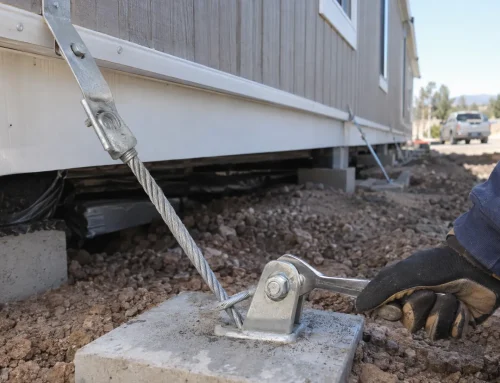
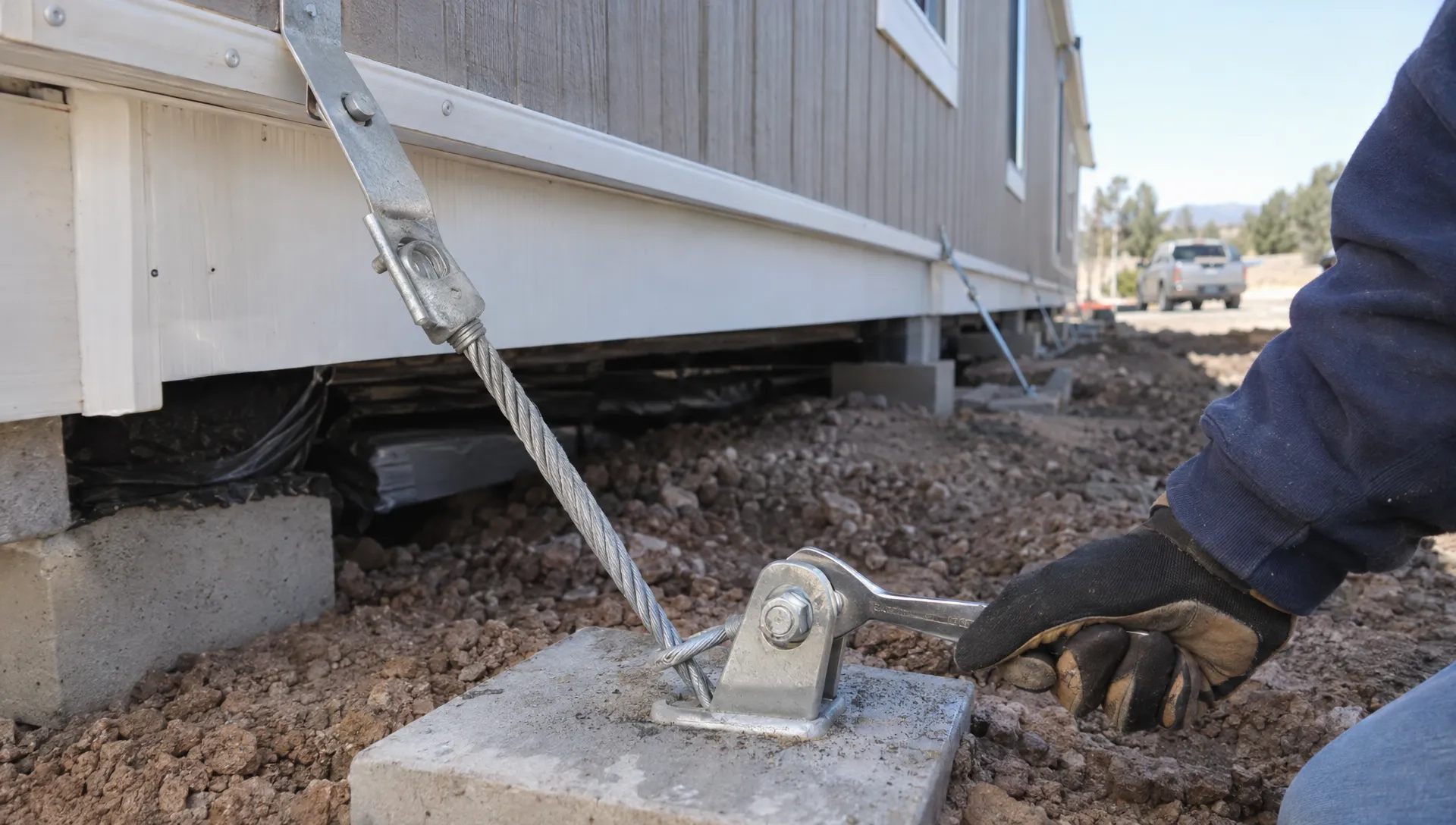
Parts of the San Antonio area are prone to heavy rainfall and localized flooding. Ask what the community has done for drainage and what residents are responsible for around skirting, tie-down access, and water diversion. If you are considering a specific address, check FEMA flood maps on the official FEMA Flood Map Service Center.
Utilities, internet, and service providers
Some communities have limited internet options or specific providers. If you work from home, ask what providers service the park and whether residents use cable, fiber, or fixed wireless.
Community reputation and enforcement style
A lease can be identical on paper, but enforcement can vary. When touring, look for signals like consistent maintenance, clear signage, and an office that can answer questions without rushing.
For park comparisons across the area, see: Best mobile home parks in San Antonio (2025 roundup).
If you are buying a home to place in a rental community, align the lease with your financing
If you plan to buy a manufactured home and rent a lot, your lender may ask about site location and monthly obligations. It is smart to:
- Confirm the community will accept your home’s size, age, and installation type.
- Ask whether the community requires a specific installer or setup standards.
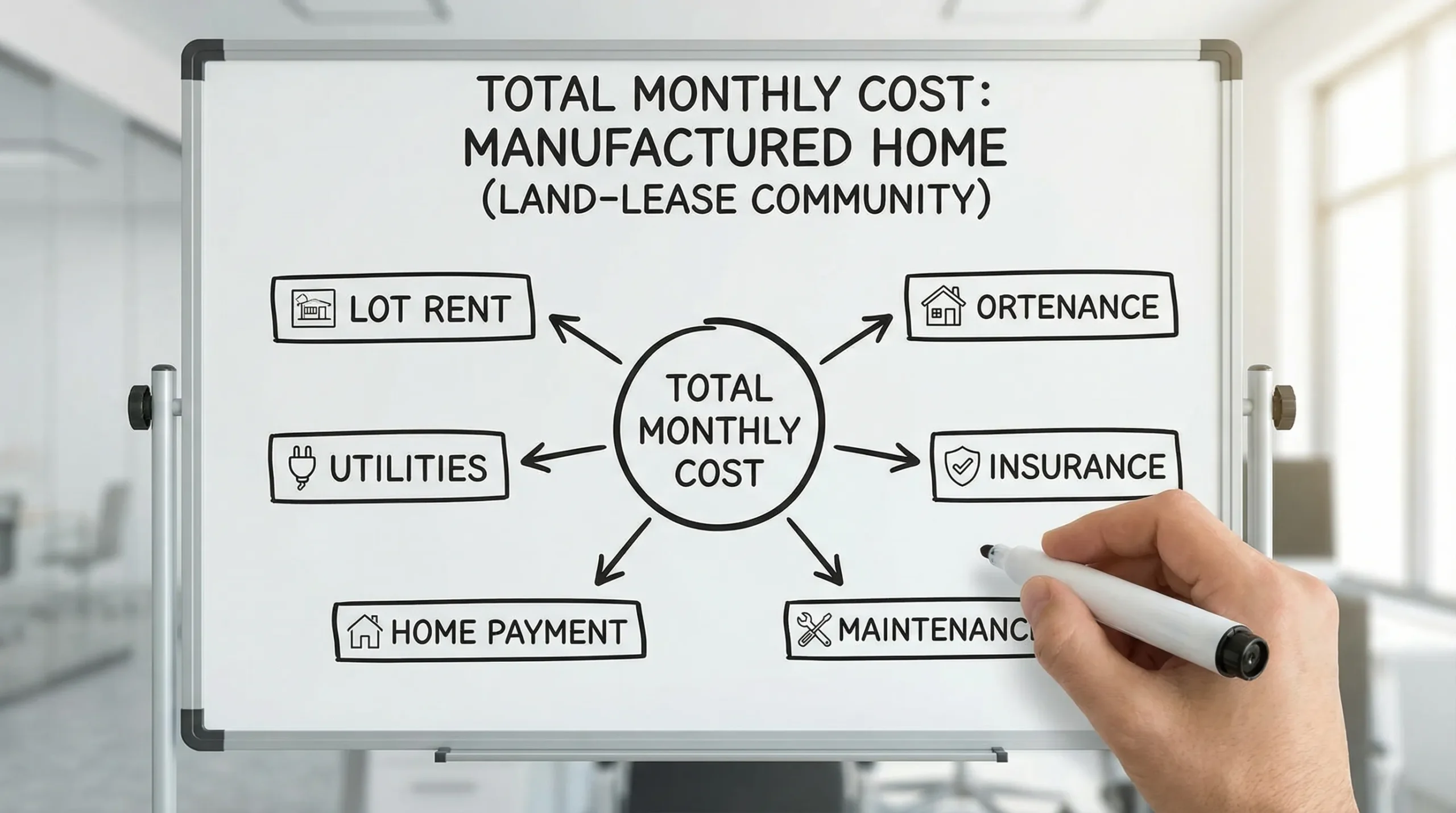
- Build a monthly budget that includes lot rent, utilities, insurance, and maintenance.
If you want to explore financing paths (including chattel loans and mortgage options), start here: Manufactured home financing in San Antonio.
Frequently Asked Questions
Are “mobile parks for rent” the same as renting a mobile home? Not always. Many listings refer to renting a lot in a manufactured home community. Clarify whether you are renting land only or a home plus land.
What fees are common in manufactured home communities besides lot rent? Common extras include water/sewer billing, trash, admin fees, pet fees, late fees, and sometimes allocated utility charges. Ask for a full fee schedule in writing.
Can a mobile home park raise rent whenever it wants in Texas? Rent increase rules depend on your lease and Texas law. Manufactured home community tenancies are addressed in Texas Property Code Chapter 94, which includes notice-related provisions (see § 94.055). Confirm the notice timeline in your lease.
Can I sell my manufactured home while it stays in the park? Often yes, but many communities require the buyer to apply and be approved, and the home may need to meet condition standards. Ask about buyer approval, listing rules, and any move-out fees.
Who handles repairs in a lot-lease community? Typically, you maintain and repair your home, and you may also be responsible for lot upkeep. The lease should clearly define responsibility for landscaping, exterior structures, and pest control.
What should I ask for before signing a lease? Request a blank copy of the lease, the community rules, a written fee schedule, and a utility billing explanation. Review them at home before paying any nonrefundable fees.
Need help matching a home to the right community in San Antonio?
If you are weighing communities, lease terms, and whether it makes more sense to rent or buy, Homes2Go San Antonio can help you compare options and find a manufactured home that fits your budget and timeline.
Explore resources and next steps:
- Browse the site and contact the team: Homes2Go SA
- Learn about loan options: Financing
- Considering land instead of a park? Start here: Land and home packages in San Antonio
 Lot Rent for Mobile Home Near Me: Typical Price Ranges
 Chattel Loans for Mobile Homes: When They Make Sense