
Buying a manufactured home is one of the fastest paths to homeownership in San Antonio, but financing can feel confusing because the rules depend on the home, the land, and even how the home is titled. FHA loans can be a strong fit for buyers who want more flexible qualification standards than many conventional options, as long as the home and setup meet FHA requirements.
This guide gives you a full, practical checklist for FHA financing for manufactured homes, including what to verify before you choose a model, what documents to gather, and the most common issues that delay approvals.
First: which FHA program applies to manufactured homes?
FHA financing for manufactured homes typically falls into two buckets. Knowing which one you are pursuing will shape the checklist, especially around land, foundations, and titling.
FHA Title I (often “home-only”)
Title I is commonly used when you are financing the manufactured home itself (sometimes with or without a lot), such as placing the home in a land-lease community. Eligibility and lender availability can vary.
FHA Title II (more like a traditional mortgage)
Title II is used when the home is treated as real estate, commonly in a land-and-home purchase where the home is affixed to land you own (or are buying) and meets FHA’s real property and foundation requirements.
If you are not sure which path you’re on, Homes2Go San Antonio’s team can walk you through options and lender fit. You can also start with their overview page on manufactured home financing in San Antonio.
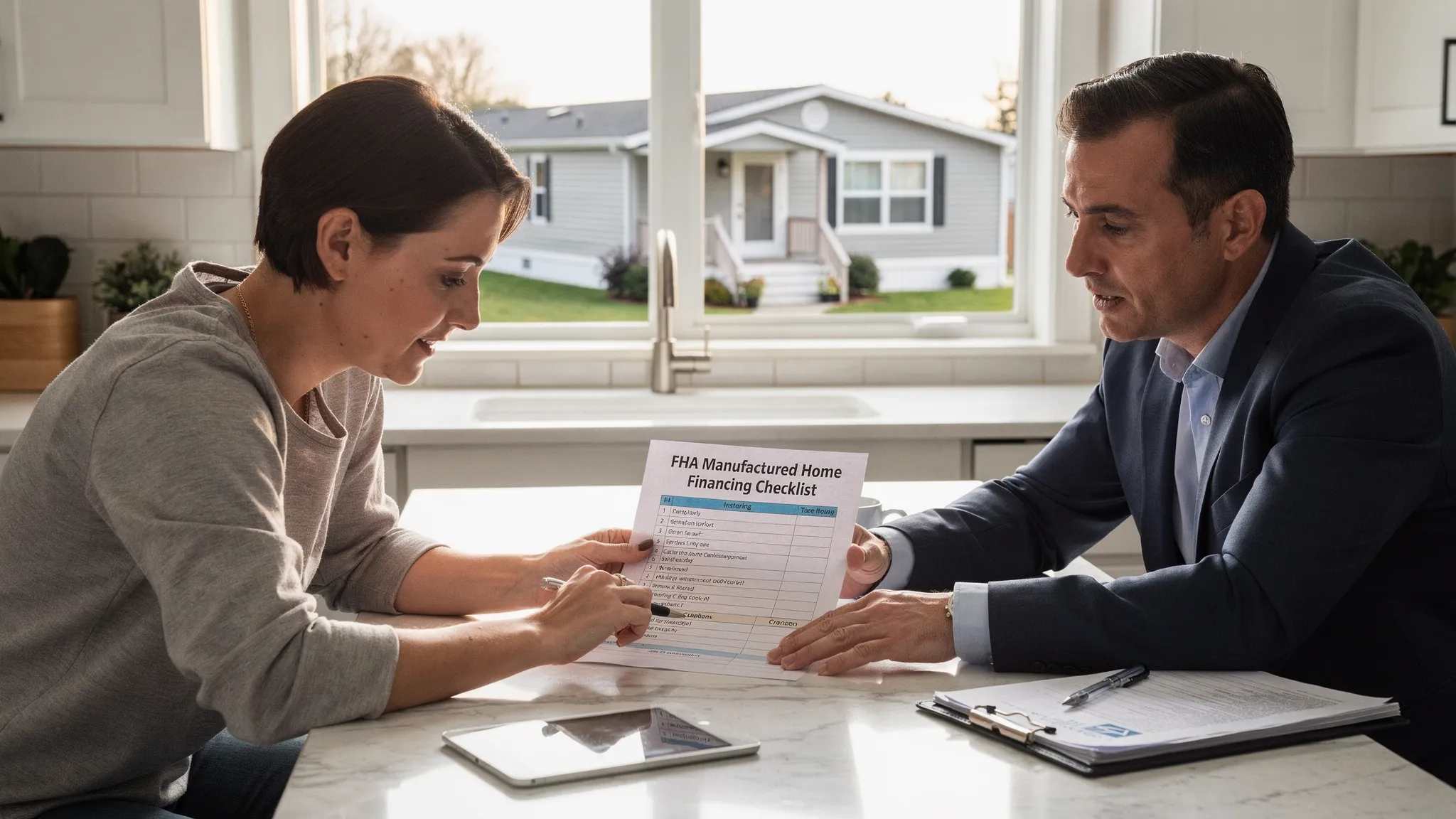
FHA financing for manufactured homes: full checklist (printable-style)
Use the checklist below to spot issues early, before you pay for appraisals, engineering letters, or site work.
| Checklist area | What to verify | Why it matters for FHA approval |
|---|---|---|
| Program fit | Are you pursuing FHA Title I (home-only) or Title II (land-and-home mortgage)? | Requirements differ significantly for land, foundation, and titling. |
| HUD Code compliance | Home was built to the HUD Code (generally manufactured homes built after June 15, 1976). | FHA financing generally requires HUD Code manufactured housing (not RVs or park models). |
| Identification | HUD certification label(s) (metal tags) and the HUD data plate are present and match paperwork. | Missing or mismatched identifiers can stall appraisal and underwriting. |
| Foundation and tie-downs | For Title II, confirm the home can be installed on a permanent foundation meeting FHA standards (often documented by an engineer). | Foundation compliance is a major condition for FHA mortgages on manufactured homes. |
| Land status | Will the home be on owned land, land you’re buying, or a land-lease community lot? | Changes eligibility, closing structure, and long-term costs. |
| Utilities | Electric, water, and sewer/septic are feasible, permitted, and budgeted. | The appraiser and underwriter will look for safe, permanent utilities. |
| Access | The site has legal access (public road or recorded easement) and delivery access for transport/set. | Access issues can derail the loan late in the process. |
| Flood risk | Check whether the property is in a flood hazard area. | Flood insurance may be required, or the site may be ineligible. |
| Borrower readiness | Credit, income stability, and debt levels support the target payment. | FHA is flexible, but underwriting still requires ability to repay. |
| Paperwork readiness | You can document income, assets, ID, rental history, and any gift funds. | Missing documents are the most common reason for delays. |
| Insurance + closing costs | Budget for homeowner’s insurance and FHA-required mortgage insurance, plus closing costs and setup costs. | Manufactured home deals often have more “moving pieces” than site-built purchases. |
Property checklist: the home must qualify (not just the buyer)
FHA approval hinges on the property meeting standards. Before you fall in love with a floor plan, confirm these items.
1) Confirm it is a HUD Code manufactured home
A manufactured home (for FHA purposes) is generally a home built to the federal HUD Code, which applies to manufactured housing built after June 15, 1976.
- If the home is marketed as an RV, “park model,” or tiny home on wheels, it usually will not qualify for FHA mortgage financing.
- Modular homes are a different category (built to local building codes, not the HUD Code) and follow different lending rules.
You can learn more about manufactured housing standards on the U.S. Department of Housing and Urban Development (HUD).
2) Locate the HUD certification label(s) and HUD data plate
Two identifiers matter most:
- HUD certification label(s): small metal plates typically attached to the exterior of each section.
- HUD data plate: a paper/plate posted inside the home (often in a kitchen cabinet, utility room, or bedroom closet).
These numbers should match the title/ownership documents and what the appraiser reports. If they are missing, ask early what documentation or verification options exist, because replacing or re-verifying can take time.
3) Confirm size and configuration basics
FHA and lenders commonly require minimum size and livability standards (for example, enough square footage to be considered a dwelling, permanent sleeping areas, and typical residential features). Your lender will confirm their exact overlays.
4) Know the “moved home” risk (especially for Title II)
Many FHA Title II transactions run into trouble when a home has been moved from its original installation site. If you are buying a pre-owned manufactured home, ask whether it has been relocated since first installation and confirm acceptability with your lender before ordering third-party reports.
Land and installation checklist (where many FHA deals fail)
Even if the home qualifies, FHA financing can be delayed if the site and installation plan are unclear.
Permanent foundation (Title II) usually needs proof
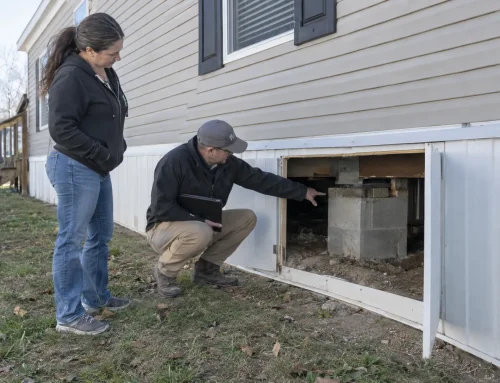
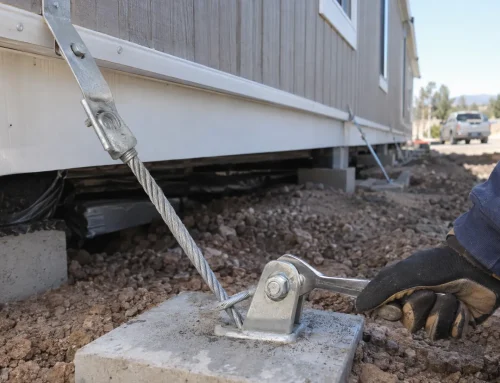
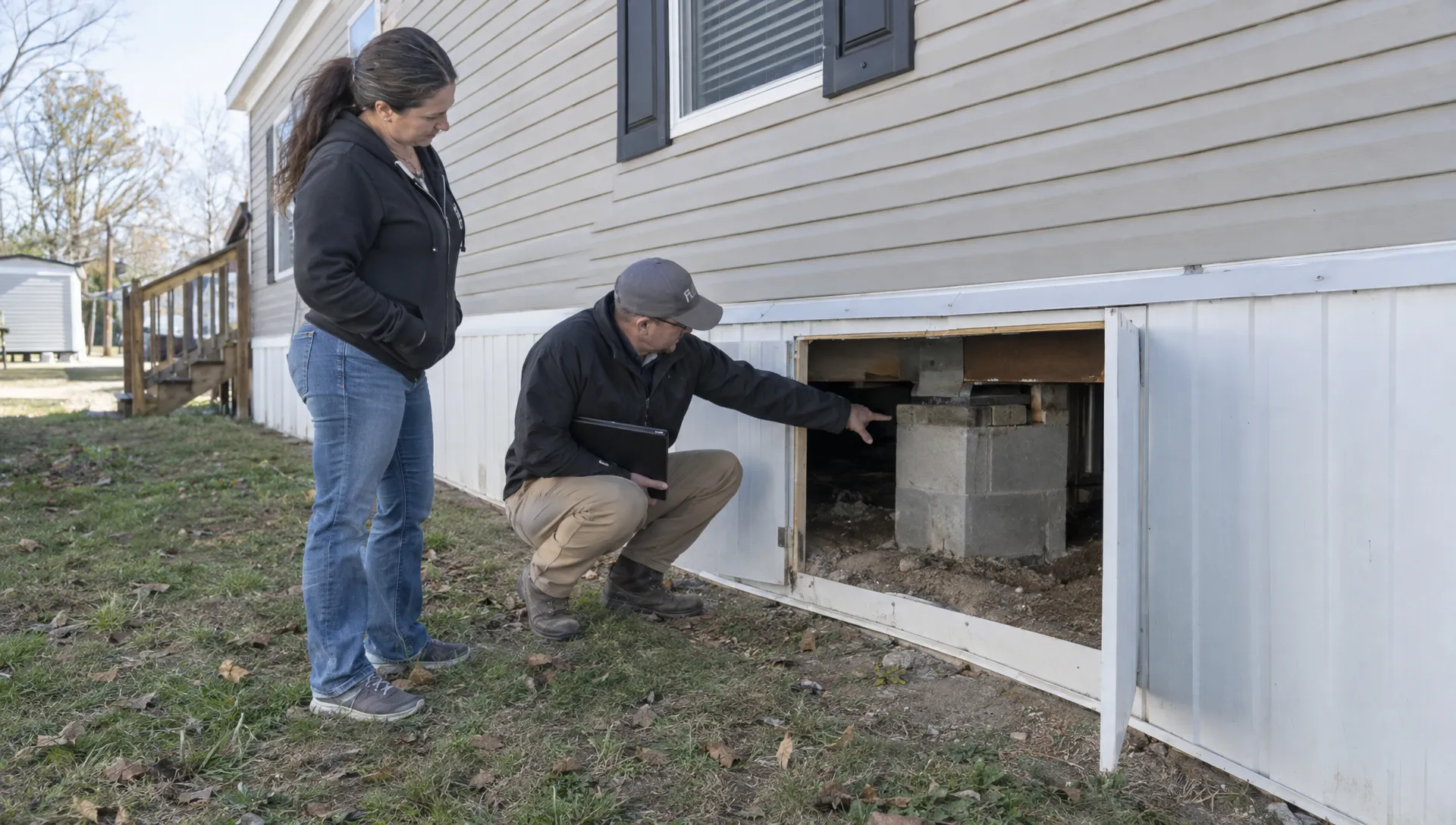
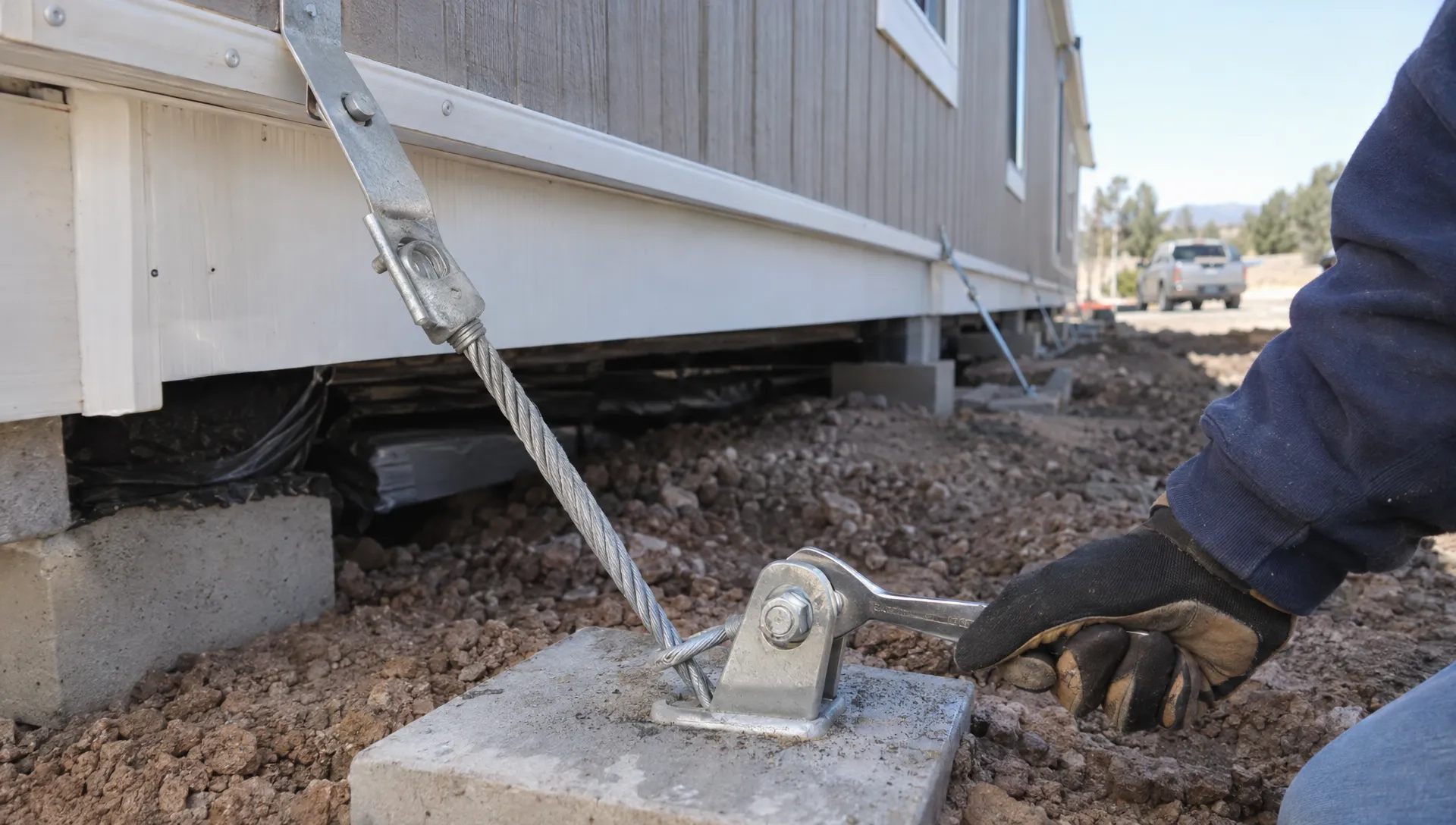
For FHA mortgages (Title II), the home is typically required to be installed on a permanent foundation that meets FHA requirements for manufactured housing. In practice, this often involves:
- A foundation design appropriate for soil and site conditions
- Proper anchoring/tie-downs
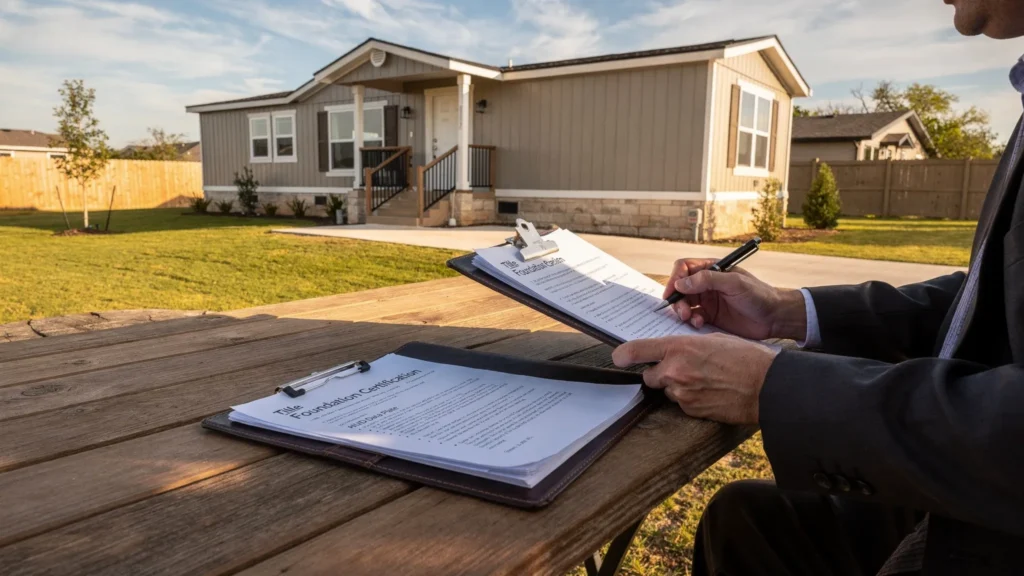
- A professional certification (commonly an engineer) that the foundation complies with applicable FHA guidance
Your lender will tell you which certification they require and when it must be delivered.
Utilities: plan for real-world site costs
Underwriting looks for safe, permanent utilities. Your budget and timeline should account for:
- Electrical service (meter loop, panel readiness, inspections)
- Water (municipal connection or well) and pressure testing where needed
- Sewer (municipal connection) or septic (design, permit, install)
If you are dealing with older connections or you are buying a used home where plumbing condition is uncertain, it can be smart to schedule a professional inspection of drains and supply lines early. While they are not in Texas, a good example of what to look for in a vendor is a company that offers licensed technicians and upfront pricing, like expert plumbing & drain cleaning services.
Access, easements, and delivery constraints
Manufactured homes require physical delivery and setup. Confirm:
- A recorded easement if access crosses another parcel
- Enough clearance for transport and cranes (if needed)
- Site grading and pad readiness (level, drainage away from the home)
Community placement (if not on private land)
If you plan to place the home in a community, approvals can include:
- Community rules on home age, size, roof pitch, and skirting
- Lot lease terms and required notices
- Utility hookups and who pays which portions
Borrower checklist: what FHA lenders usually evaluate
FHA underwriting is about showing you can repay and documenting where funds come from.
Credit and payment history
FHA guidelines allow for a range of credit profiles, but lenders may apply overlays (stricter internal rules). Expect the lender to review:
- Credit score and depth of credit
- Recent late payments
- Collections, charge-offs, or judgments
- Bankruptcy or foreclosure seasoning (case-by-case)
Income stability and employment
Be ready to document:
- Current employment and job history
- Variable income (overtime, bonuses, commissions) with required history
- Self-employment income with tax returns and business documentation
Debt-to-income (DTI)
Your monthly obligations relative to income matter. Your lender will calculate DTI using the proposed housing payment plus other debts.
Funds to close and “source of funds” documentation
FHA lenders typically need to verify that your down payment and closing funds are sourced and acceptable (for example, from your own accounts or an allowable gift).
Also plan for FHA mortgage insurance requirements, which typically include an upfront and an annual component, with amounts depending on the loan terms. Your lender will disclose exact figures for your scenario.
Documentation checklist (gather these before you apply)
Having documents ready can shorten the approval cycle substantially.
- Government-issued photo ID
- Social Security number verification (as requested by lender)
- Most recent pay stubs and W-2s (or 1099s)
- Tax returns (especially for self-employed or variable income)
- Recent bank statements (all pages)
- Explanation letters for credit events (if applicable)
- Rental history or housing payment history (if requested)
- Gift letter and donor documentation (if using gift funds)
- Purchase contract and any addenda
- Information on the home (make/model/year, serial numbers, HUD tags/data plate if available)
- Land documentation if applicable (survey, legal description, deed or contract)
Step-by-step process (what to expect from pre-approval to closing)
Pre-approval and program fit
Start with a pre-approval that is specific to manufactured housing. This is where you confirm whether your target path is Title I or Title II.
Choose the home and confirm eligibility
Before you put down large deposits, confirm the identifiers, specs, and whether the home can be installed to the required standard.
Site planning (or community approval)
This is when you lock in the land plan, utility feasibility, and installation scope. If you are buying land with the home, you may find it helpful to review a local overview of land and home packages in the San Antonio area.
Appraisal and underwriting
The lender orders the appraisal, verifies documentation, and issues conditions. For manufactured homes, conditions often include:
- Proof of HUD tags/data plate
- Foundation compliance documentation (Title II)
- Utility verification
Final approval, closing, and installation milestones
Once conditions are cleared, you close and move into the final installation/inspection steps needed for occupancy and loan completion.
Timelines vary widely based on land readiness, permits, and document turn times, but many buyers find that delays most often come from missing home identifiers, unclear site plans, or incomplete borrower documentation.
Common FHA manufactured home financing pitfalls (and how to avoid them)
- Missing HUD tags or data plate: Verify early and resolve before appraisal.
- Home cannot meet foundation requirements: Confirm installation plan and documentation up front.
- Land issues discovered late: Check access, easements, flood risk, and utility feasibility early.
- Budget ignores setup costs: Delivery, pad, hookups, and permits can materially affect cash needed.
- Confusion about title vs real property: Ask your lender how the home must be titled for your loan type in Texas.
Frequently Asked Questions
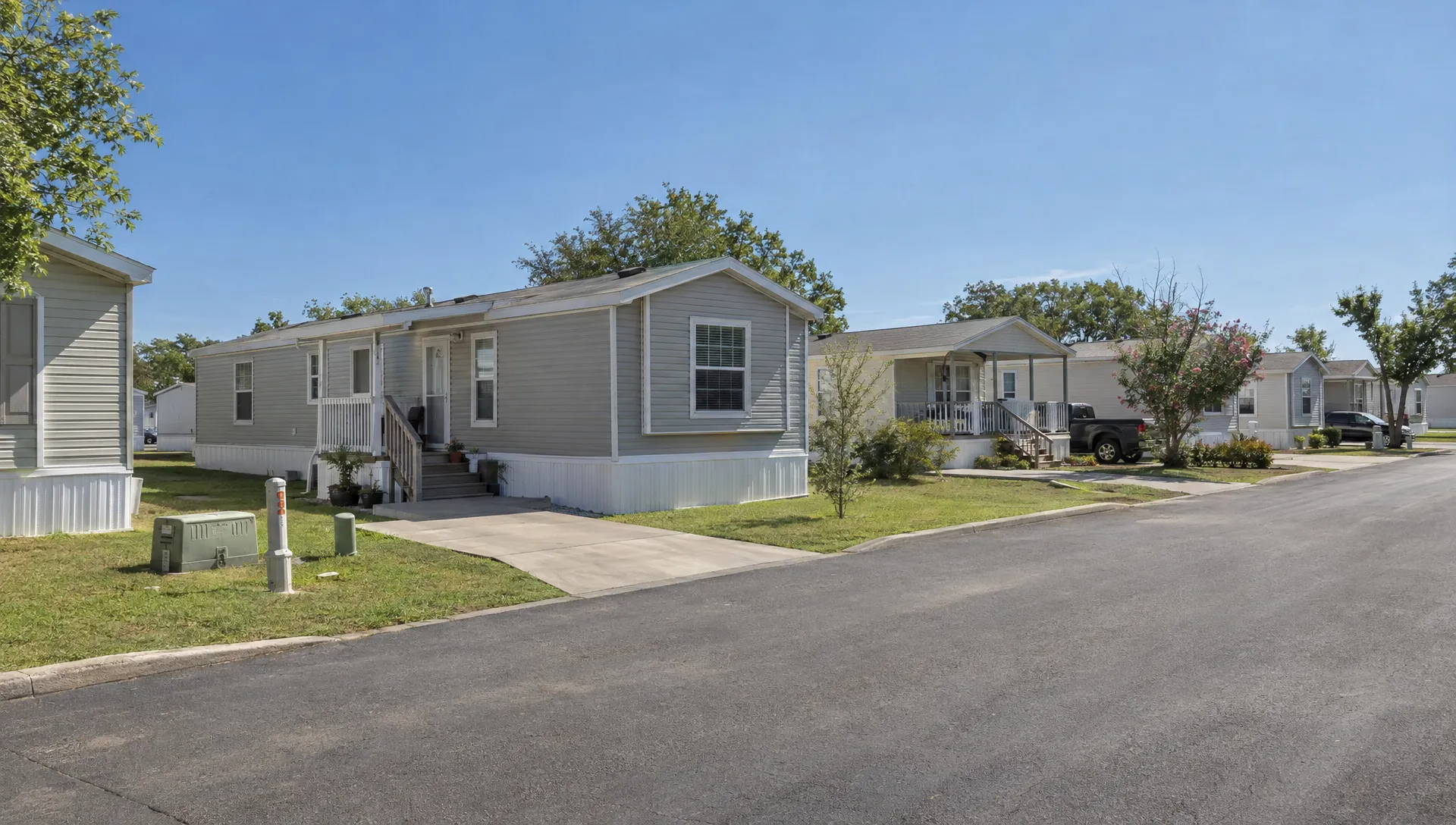
Can I use FHA financing for manufactured homes in a mobile home park? Yes, depending on the loan type and the community’s requirements. Many “home-only” scenarios align more closely with FHA Title I or other loan products, while Title II typically involves owned land and real property treatment.
What is the difference between FHA Title I and Title II for manufactured homes? Title I is often used for financing the home itself (and sometimes the lot), while Title II is a mortgage-style loan commonly used for land-and-home purchases where the home is on a permanent foundation and treated as real estate.
Do FHA loans require the home to have HUD tags and a data plate? In most cases, yes. Appraisers and underwriters use these identifiers to confirm the home is HUD Code compliant and to match paperwork to the specific unit.
Does a manufactured home have to be on a permanent foundation for FHA? For FHA Title II (mortgage-style), a permanent foundation is typically required. Requirements vary by program and lender, so confirm early.
Can I buy a used manufactured home with FHA financing? Sometimes, but the home must meet FHA and lender requirements. Homes that have been moved, have missing identifiers, or cannot meet foundation standards can be difficult to finance.
What documents should I gather before applying? Plan to provide ID, income documentation, bank statements, housing payment history (if requested), and property details. Having these ready can prevent underwriting delays.
Ready to use this checklist for your San Antonio home purchase?
If you want help matching the right home model to the right financing path, Homes2Go San Antonio can guide you through the process from pre-approval planning to move-in coordination. Start by exploring their financing options or reach out through the site to discuss your budget, land plans, and the FHA route that fits your situation.
 FHA Lenders for Manufactured Homes: Questions to Ask
 FHA Mortgage for Manufactured Home: Title and Foundation