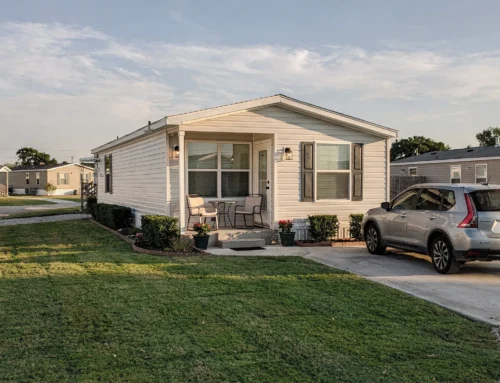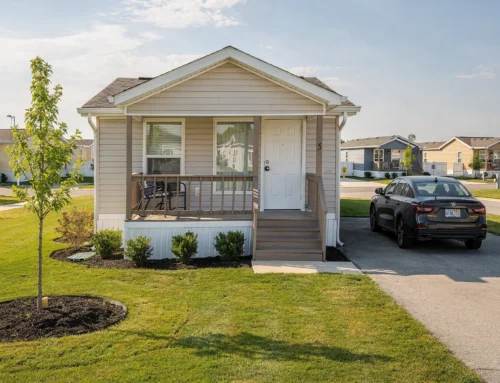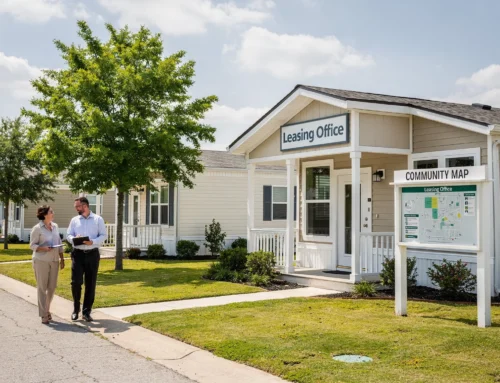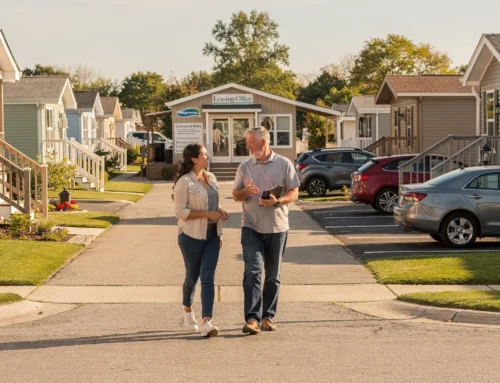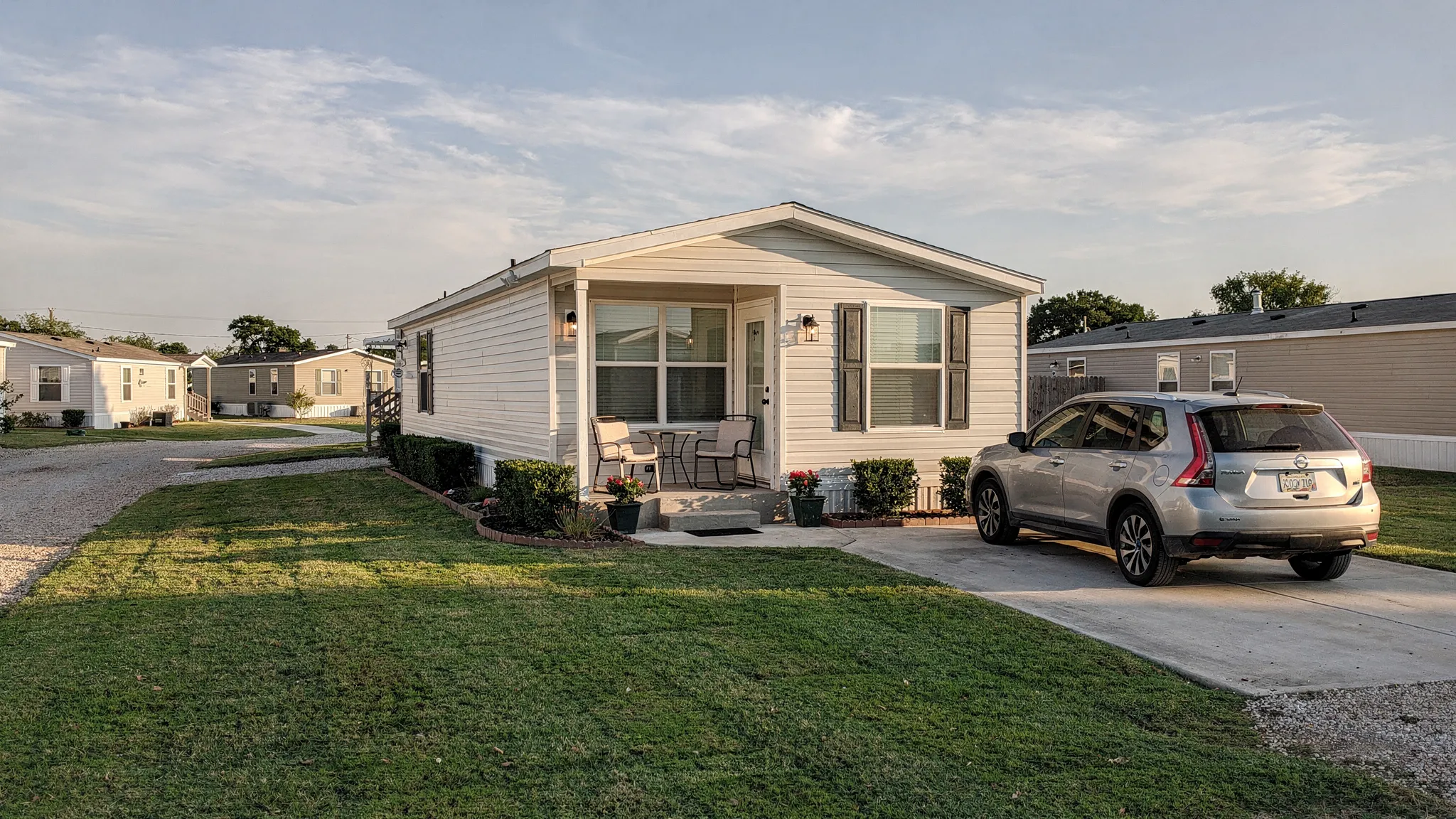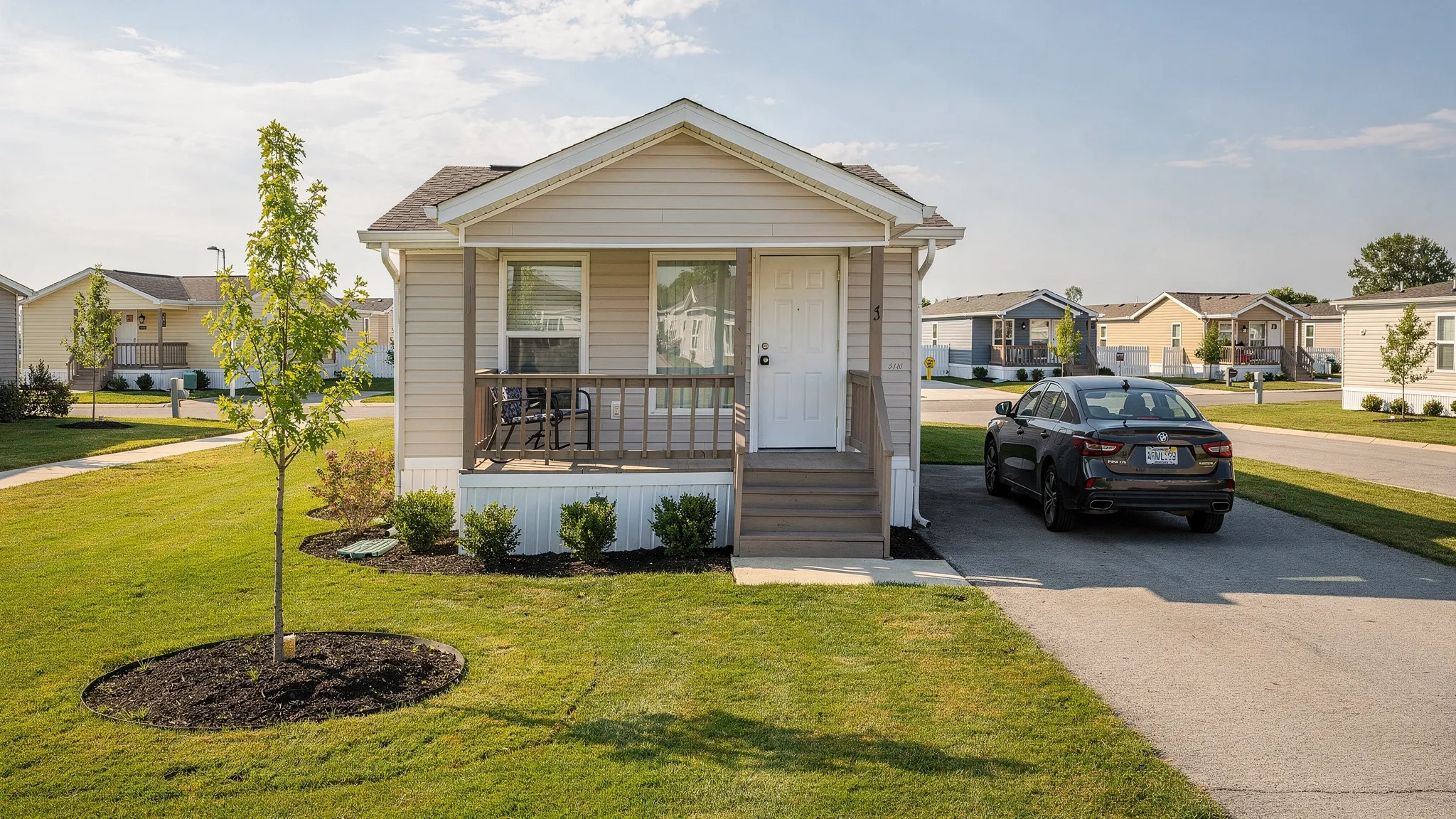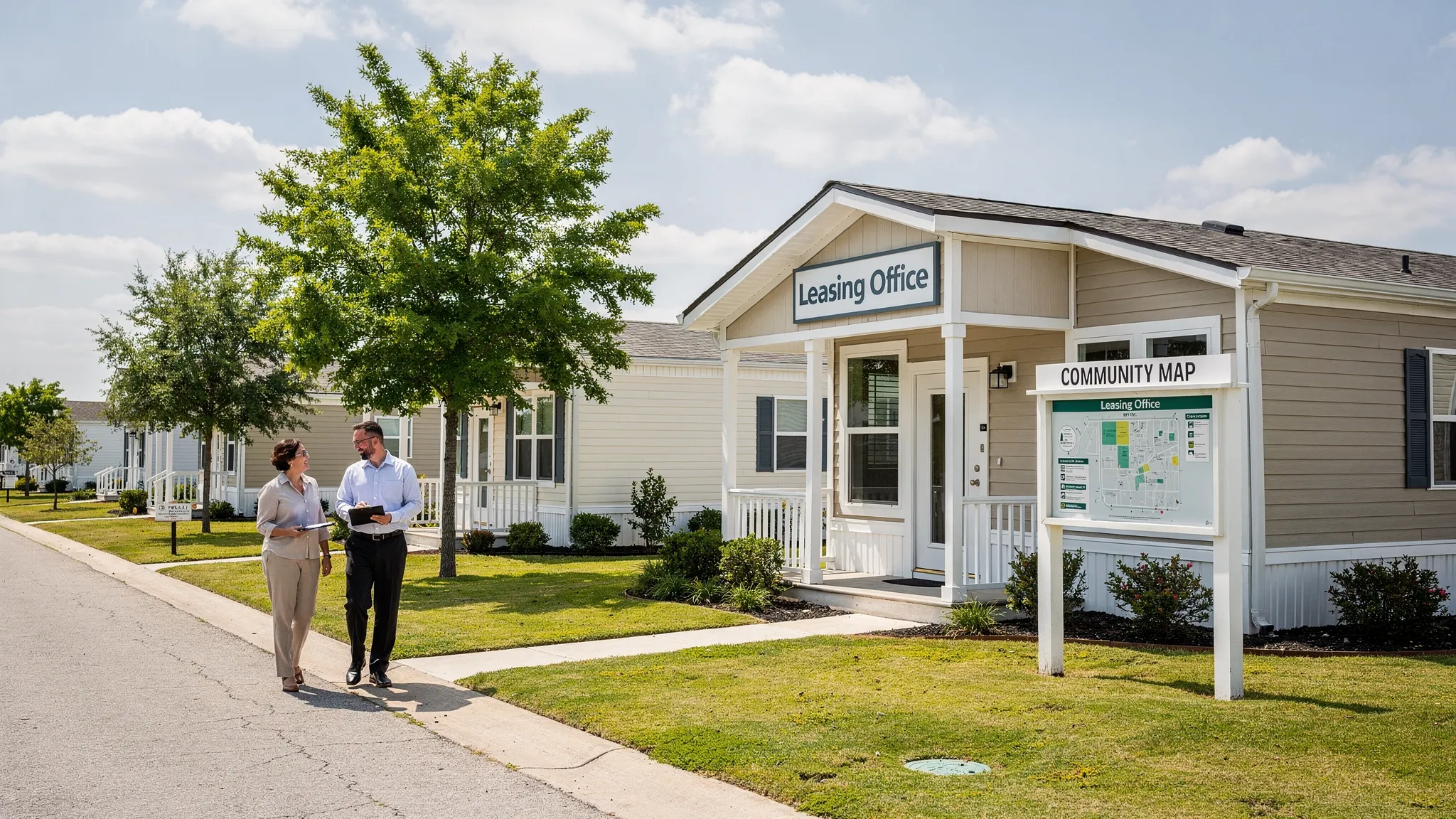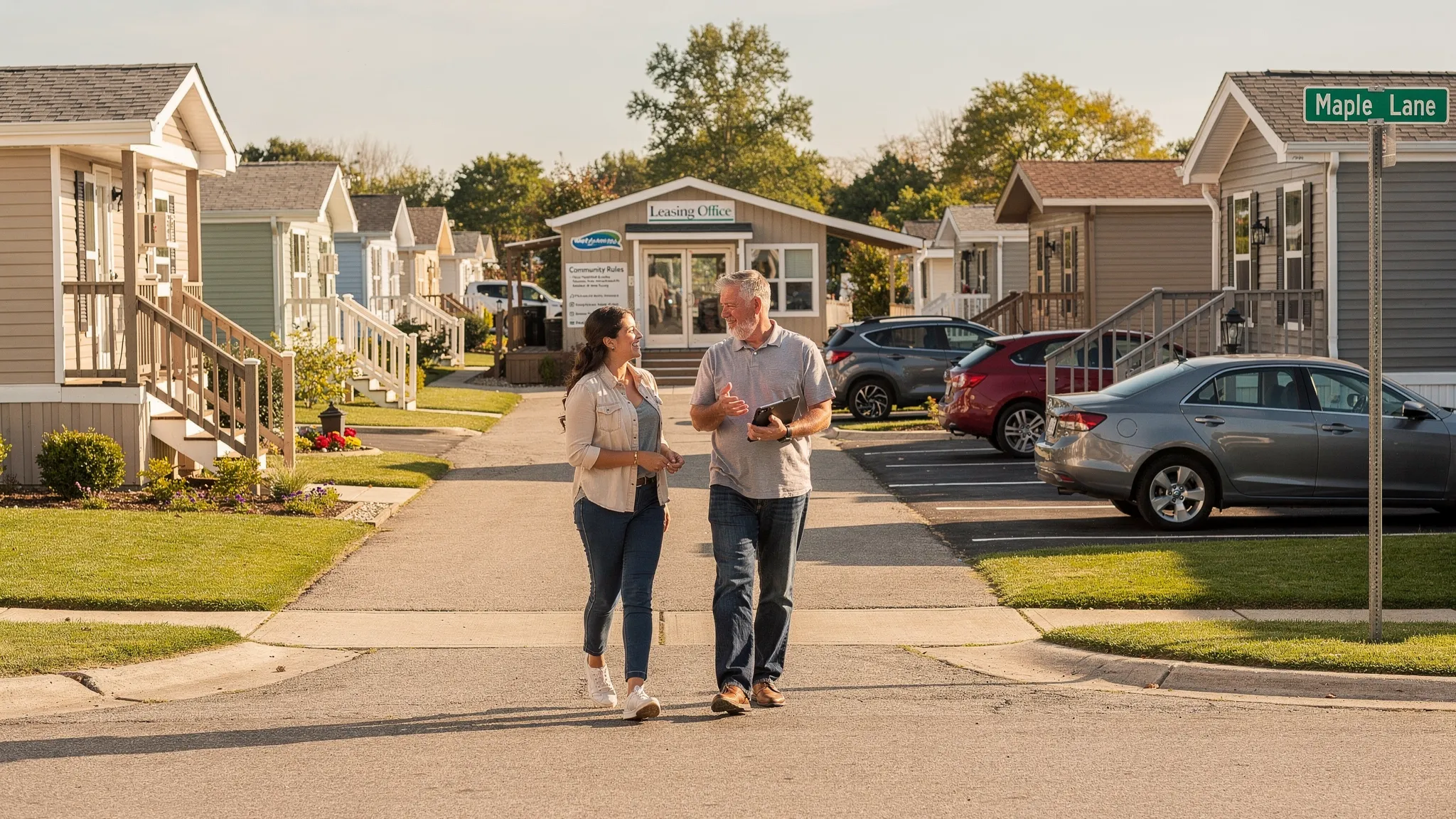

Searching for a place to live in a manufactured home community can feel deceptively simple: you find listings for “trailer parks renting near me,” schedule a tour, and hope the monthly payment fits your budget. In reality, the best outcomes come from treating the search like a careful inspection. Rent, utilities, rules, safety, and lease terms can vary widely between communities.
This renter’s checklist helps you compare trailer parks and manufactured home communities objectively, ask the right questions, and avoid common surprises before you apply or sign.
First, clarify what you’re actually renting
“Trailer park rentals” can mean two very different arrangements. Knowing which one you’re considering changes the lease, your responsibilities, and what you should inspect.
Option A: Renting a home (park-owned or privately owned rental)
You rent the manufactured home itself (and usually the lot it sits on). The community or a private owner is typically responsible for major structural items, but you still need to confirm maintenance duties in writing.
Option B: Renting the lot (you own the home)
You rent the homesite (lot) inside the community and you own the manufactured home, or you plan to buy one and place it there. In this setup, you’ll usually handle more upkeep, and your monthly housing cost includes lot rent plus your home payment (if financed).
If you’re deciding between renting and buying, Homes2Go San Antonio has a helpful overview of local options in their Mobile Homes San Antonio buyer guide.
Step 1: Build a “true monthly cost” budget (not just advertised rent)
Communities often advertise a base number, but your real monthly cost can be higher depending on what’s included.
Ask for a written estimate of your monthly charges, including the items below.
| Cost item | What to confirm | Why it matters |
|---|---|---|
| Base rent (home rent or lot rent) | Amount, due date, grace period | Late fees and timing vary widely |
| Utilities | What’s included vs separately metered | Separately metered water or electric can change your budget |
| Trash | Included or billed monthly | Sometimes billed by the community or city |
| Sewer | Flat fee or metered | Often separate from water |
| Pest control | Included or optional | Can be required in some communities |
| Pet fees | One-time deposit and monthly pet rent | Adds up fast for multi-pet households |
| Parking | Included spaces, guest rules, extra vehicle fees | Prevents towing surprises |
| Application/background fees | Per adult? refundable? | Helps you avoid paying multiple times unnecessarily |
| Required insurance | Renters insurance or liability requirement | Some communities require proof before move-in |
Tip: If you’re comparing multiple communities, keep a simple spreadsheet with base rent, included utilities, and “extras” so you can compare apples to apples.
Step 2: Tour the community like a long-term resident
A quick drive-through is not enough. Try to visit at two different times (weekday evening and weekend) to understand noise, parking, and overall upkeep.
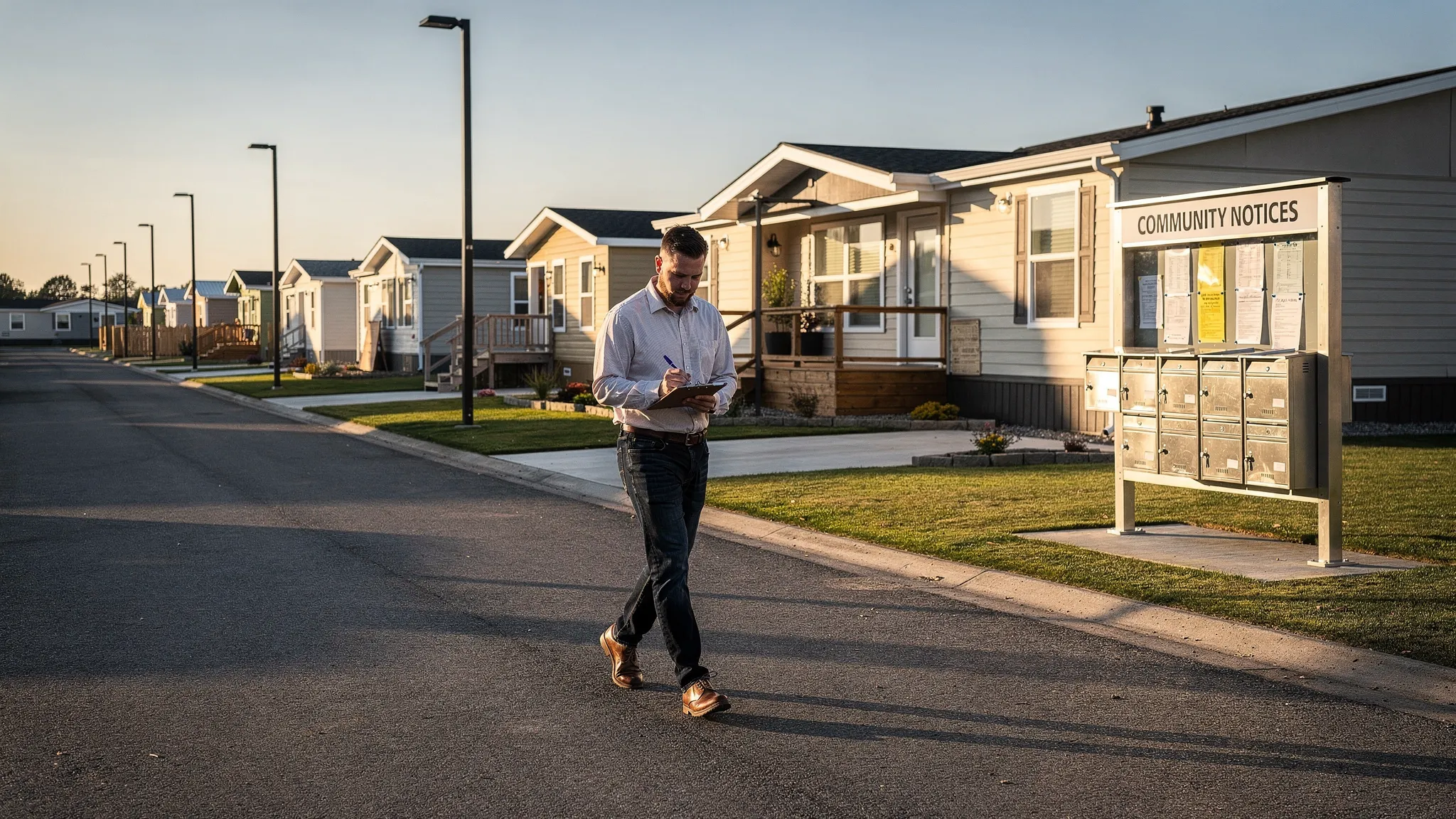
Condition and upkeep checks
Look for signs the property is consistently maintained, not just cleaned up for tours.
- Roads and drainage: potholes, standing water after rain, storm drain condition
- Street lighting: working lights and visibility at night
- Common areas: trash pickup points, mailbox area, laundry facilities (if any)
- Exterior condition: skirting, steps/handrails, loose awnings, exposed wiring
- Pest indicators: overflowing dumpsters, heavy ant mounds near units
Safety and management presence
No community is perfect, but you should see evidence of active management.
Ask:
- Do you have on-site management or maintenance?
- Is there a security patrol or controlled access?
- What’s the process for reporting issues after hours?
Step 3: Verify utilities, internet, and what “included” really means
Utilities are one of the biggest sources of surprise.
Questions to ask before applying
- Is water separately metered per home, submetered by the park, or a flat fee?
- Is electric individually metered through the utility company?
- Who is responsible for leaks between the meter and the home?
- Are there any limits or fees tied to high water usage?
- What internet providers serve the community, and are speeds reliable?
If you work from home, test cell signal during the tour and ask neighbors which providers actually perform well.
Step 4: Read the lease for fees, rules, and rent increases
A community can look great and still be a bad fit if the lease is restrictive or unclear.
Key lease terms to review
- Lease length: month-to-month vs 6 or 12 months
- Rent increases: how much notice is required, and are there caps stated in the lease?
- Late fees: amount, when they begin, and any daily accrual
- Guest policy: limits on overnight stays and parking
- Subletting rules: whether you can add a roommate later
- Home appearance rules: skirting, porches, paint colors, outdoor storage
- Quiet hours and nuisance policies
Get clarity on all one-time and “event” fees
Ask for a written fee schedule. If something is not in the lease or addendum, don’t rely on verbal assurances.
| Fee type | Common example | What to ask |
|---|---|---|
| Application/background | Per adult screening fee | Is it per applicant and non-refundable? |
| Deposits | Security deposit, pet deposit | What conditions trigger deductions? |
| Admin/setup | “Move-in fee,” account setup | What exactly does it cover? |
| Maintenance-related | Lawn, trash violations, exterior cleanup | What’s considered a violation and what’s the escalation path? |
| Early termination | Breaking the lease | How is it calculated and are there re-let options? |
Texas note: Landlord-tenant rules vary depending on whether you rent a home or lease a lot in a manufactured home community. If you’re unsure what applies, review the Texas Property Code and consider getting local legal guidance for your situation.
Step 5: Ask who handles repairs, and how fast
Maintenance responsibilities should be crystal clear.
If you rent the home
Ask:
- What repairs are “emergency” vs “routine”?
- Typical response time for HVAC issues in summer?
- Who replaces smoke detectors and handles pest treatment?
- Is there a required maintenance request portal or phone line?
If you lease a lot and own the home
Ask:
- What parts are the community’s responsibility (water line to the lot, sewer connection, electrical pedestal)?
- Are there rules for hiring contractors?
- Do you need approval to add steps, a shed, or a carport?
For San Antonio heat and electricity costs, energy features matter. If you’re considering buying instead of renting, see Homes2Go SA’s guide on energy-efficient manufactured homes in Texas.
Step 6: Confirm rules that affect daily life (pets, parking, and people)
Communities often have rules that impact your routine more than you expect.
Pet policy
Confirm:
- Breed or weight restrictions
- Number of pets allowed
- Required vaccination records
- Pet rent and deposits
- Where pets can be walked, and leash rules
Parking and vehicles
Confirm:
- Assigned parking vs first-come, first-served
- Commercial vehicles, trailers, or work trucks allowed?
- Guest parking availability
- Towing policy and signage
Occupancy and visitors
Ask how many people can live in the home and how long guests can stay without being added to the lease.
Step 7: Check the neighborhood and “last mile” conveniences
Even a well-run community can be a poor fit if your daily drive is stressful.
- Commute time at rush hour (not just mid-day)
- Flood-prone routes in heavy rain
- Proximity to groceries, schools, clinics, and bus routes
- Noise sources nearby (highways, rail, industrial)
If you’re looking specifically around San Antonio, you can compare options in Homes2Go’s Best mobile home parks in San Antonio roundup.
Step 8: Understand the application process and approval standards
Many communities screen for income, rental history, and background. Before you pay an application fee, ask what would cause a denial.
Typical requirements may include:
- Government-issued ID
- Proof of income (pay stubs, offer letter, benefit award letter)
- Rental history and references
- Background and credit screening
If you have a non-traditional income situation (self-employed, seasonal work), ask what documentation they accept.
Step 9: Get everything in writing before you commit
Before you sign, request copies of:
- Lease and all addendums
- Community rules and enforcement policy
- Fee schedule
- Utility responsibility summary
- Pet policy
- Move-in inspection form
If the community promises a repair or upgrade, ask for it as a written, dated agreement.
Quick tour questions to bring with you
If you want a simple script for the leasing office, start here:
- What is the full monthly cost, including every required fee?
- Which utilities are included and which are separately metered?
- How do rent increases work at renewal?
- Who handles HVAC and plumbing repairs, and what’s the typical response time?
- What are the rules on pets, guest parking, and work vehicles?
- What insurance is required to move in?
Frequently Asked Questions
What should I look for when searching “trailer parks renting near me”? Focus on total monthly cost, lease terms, utility setup, maintenance responsibilities, safety, and rules that affect your lifestyle (pets, parking, guests).
Is renting in a manufactured home community cheaper than an apartment? It can be, but it depends on what’s included. Lot rent, separate utilities, pet fees, and required insurance can change the total monthly cost.
What’s the difference between renting a lot and renting a mobile home? Renting a home means you lease the home itself (often with the lot). Renting a lot means you lease the land space and typically own the home, so you may have more responsibilities and separate financing.
Do trailer parks run credit and background checks? Many do. Requirements vary by community, so ask what standards they use and what documents they accept before paying application fees.
Can I buy a manufactured home instead of renting? Yes. If long-term stability is your goal, buying can be worth comparing, especially if you qualify for financing. Homes2Go SA explains options on their manufactured home financing page.
Considering buying instead of renting in San Antonio?
If you like the community lifestyle but want more control over your monthly payment and your home’s condition, it may be time to compare renting with ownership. Homes2Go San Antonio helps shoppers explore move-in ready manufactured homes, review floor plans, and understand financing options with trusted local lenders.
Browse available homes at Homes2Go SA or start with their practical guides on mobile homes in San Antonio and land and home packages.
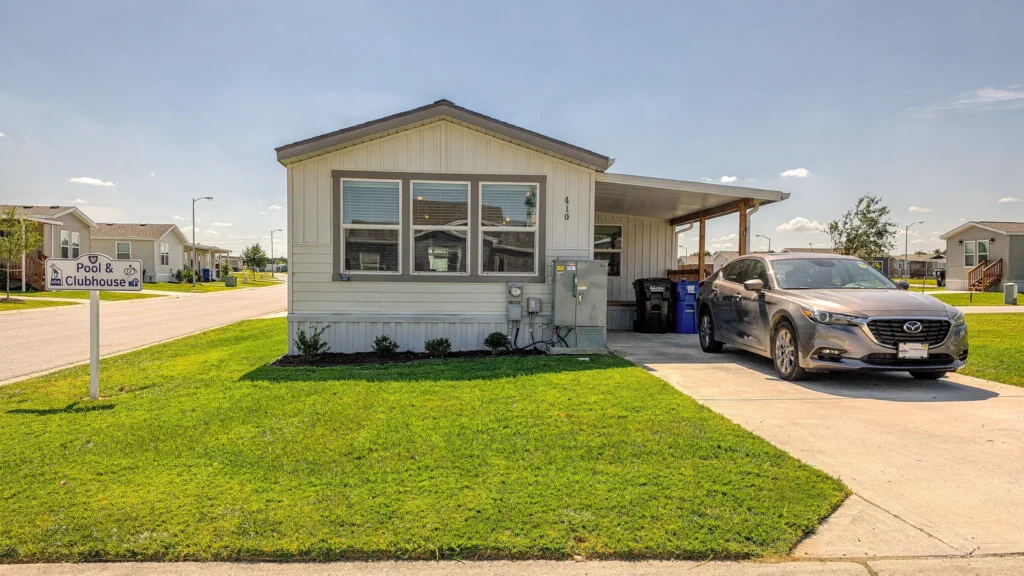 Lot Rent for Mobile Home: What It Includes in Texas
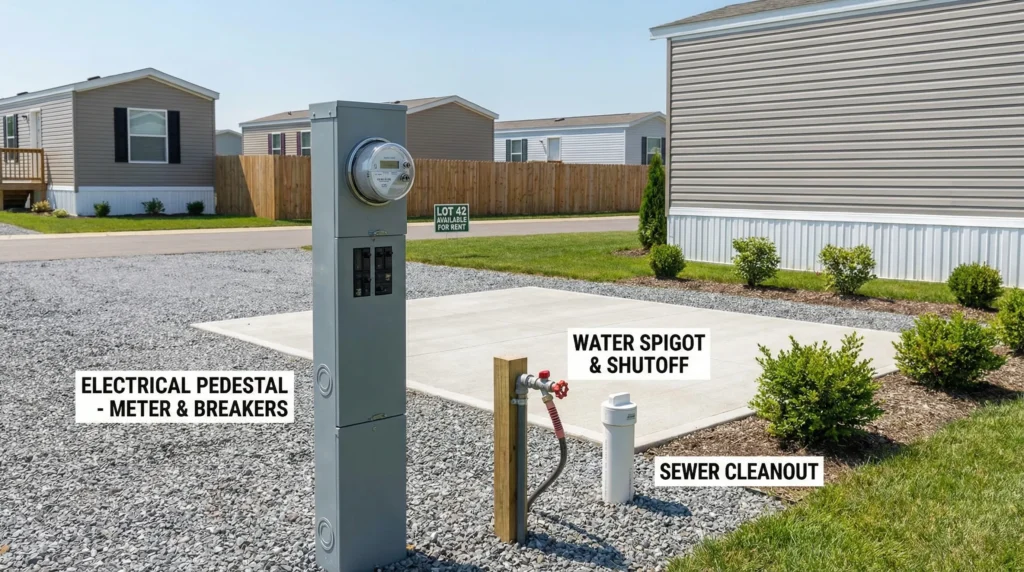 Mobile Home Lot for Rent Near Me: Utilities to Confirm