
Searching for trailer homes for rent cheap usually starts with a simple goal, lower monthly housing costs. The tricky part is that “cheap” can mean very different things depending on what’s included, the home’s condition, where it’s located, and what you are responsible for paying after you move in.
This guide breaks down what “cheap” really means for trailer (mobile) home rentals, what to watch for in listings, and how to compare options so you do not get surprised by fees or repairs.
What “cheap” really means in trailer home rentals
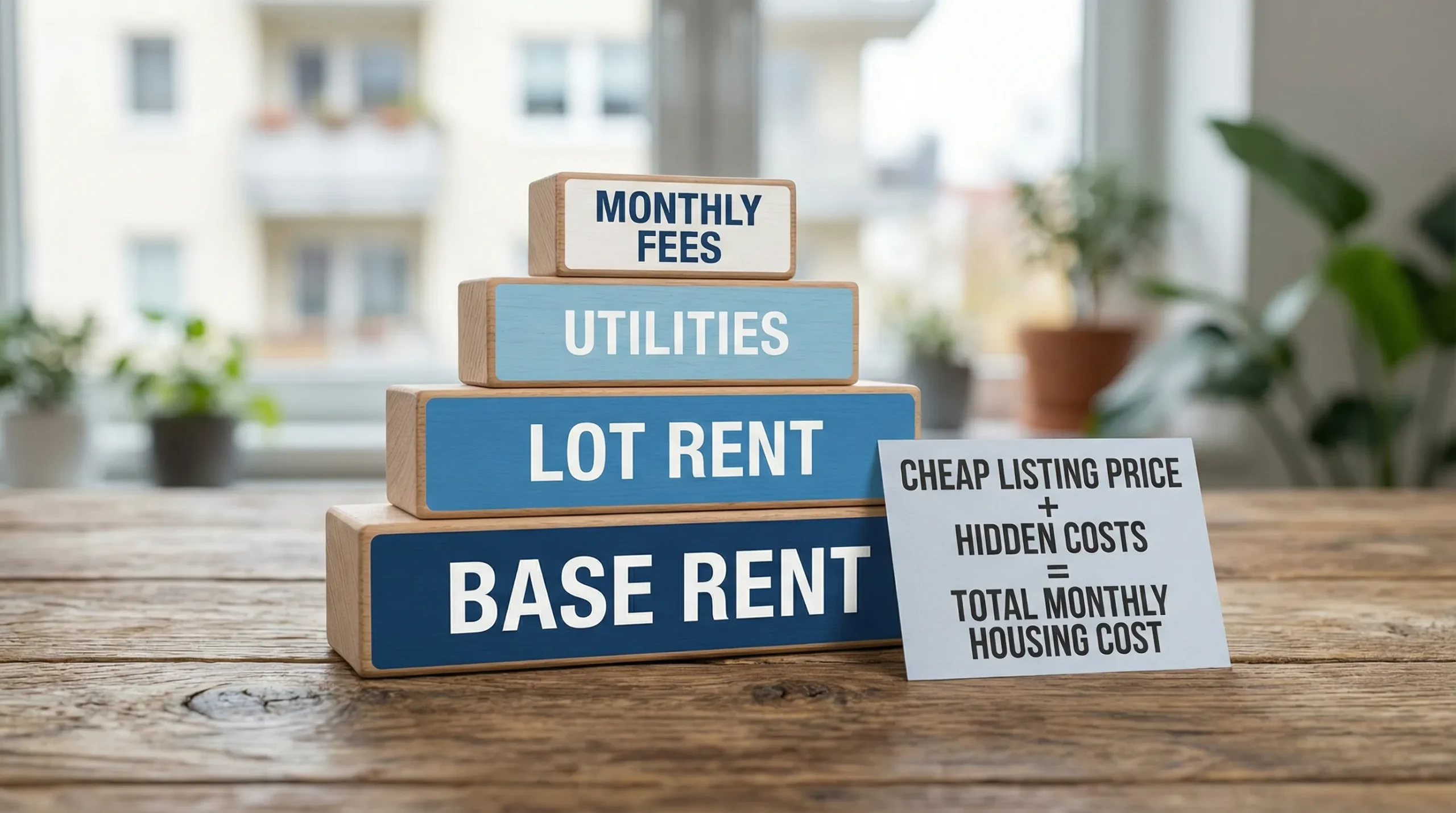
In most listings, “cheap” refers to the advertised monthly rent. For manufactured and mobile home rentals, the true cost is often the total monthly housing cost, which can include:
- Rent for the home
- Lot rent (if the home sits in a land-lease community)
- Utilities (and sometimes separate utility billing rules)
- Mandatory fees (trash, lawn, pest control, parking, pets)
- One-time move-in costs (application fees, deposits, administrative fees)
A rental can look cheap on paper and still end up expensive if utilities are high, fees stack up, or the home needs constant fixes.
The real monthly cost of a “cheap” trailer home rental
Before you apply, ask for a written breakdown of every recurring charge and who pays it. Here’s a practical way to map the real cost.
| Cost item | How it shows up | Questions to ask before you sign |
|---|---|---|
| Base rent | Monthly rent for the home | Is this the full rent amount, or does it change after an intro period? |
| Lot rent (community fee) | Monthly charge for the homesite (common in parks) | Is lot rent included in the advertised rent, or separate? What does lot rent include? |
| Water/sewer/trash | Included, flat fee, or sub-metered | Is it billed by usage, RUBS, or a flat rate? Any admin fees added? |
| Electricity/gas | Usually tenant-paid | Average monthly cost for the last 12 months (if available)? Who maintains the HVAC? |
| Internet/cable | Optional or required in some communities | Is there an exclusive provider or mandatory package? |
| Pet fees | Monthly pet rent plus deposit | Are there breed/weight restrictions and nonrefundable pet fees? |
| Parking/storage | Monthly add-ons | How many vehicles are allowed, and are commercial vehicles restricted? |
| Maintenance responsibilities | Lease clause that shifts costs | Who handles plumbing clogs, AC service calls, yard work, and pest control? |
| Renters insurance | Sometimes required | Is it mandatory, and what coverage limits are required? |
In many “cheap” rentals, the biggest difference is not the base rent, it’s what the landlord or community does not include.
“Cheap” vs “a bad deal”: red flags to watch for
Some low-priced listings are legitimate. Others are discounted because the renter is effectively taking on risk the owner does not want.
Home condition red flags
Be cautious if you see (or smell) signs of:
- Soft spots in floors near bathrooms or exterior doors
- Ceiling stains, roof sagging, or visible patchwork that suggests ongoing leaks
- Mold or persistent musty odors
- Non-working HVAC in South Texas heat
- Signs of pests (roach droppings, nests, holes in skirting)
- Exposed wiring, overloaded outlets, or frequent breaker trips
If you are unsure, bring a knowledgeable friend, or consider paying for a basic inspection. A cheap rent can disappear fast if you end up buying space heaters, window units, dehumidifiers, or replacing appliances out of pocket.
Lease and management red flags
- No written lease, or pressure to “just pay cash” without receipts
- Vague language about fees, utilities, or maintenance responsibilities
- Large nonrefundable “administrative” or “holding” fees before approval
- Unclear rules about guests, vehicles, noise, or required background checks
If the lease is unclear, ask for clarification in writing. The CFPB’s renting guidance is a solid baseline for understanding leases, deposits, and your rights as a renter.
The biggest factors that drive “cheap” rental pricing
If you are comparing several listings in the San Antonio area, price differences typically come down to a handful of variables.
1) Location and commute
A trailer home rental can be cheaper because it is farther from major job centers, schools, or highways. Factor in fuel, tolls, and time, especially if more than one person commutes.
2) Whether it’s pre-HUD Code or newer
Manufactured homes built after June 15, 1976 follow the federal HUD Code standards. Older “mobile homes” may still be rentable, but they can come with higher maintenance issues and comfort problems.
If you want the technical background, HUD explains the manufactured home standards and program basics here: HUD Manufactured Housing.
3) What the community includes
In land-lease communities, “cheap rent” listings sometimes exclude items renters assume are included, like trash service, lawn care, or even water.
Also, some communities charge separate monthly fees for amenities, gates, or required services. The listing might not highlight these upfront.
4) Lease length and stability
Month-to-month rentals can be flexible, but they often cost more and can come with more frequent increases. Longer lease terms may offer price stability, but read renewal terms carefully.
5) Utilities and energy efficiency
In Texas, a home that looks “cheap” can still be expensive if it leaks air, has poor insulation, or has an aging HVAC system. If you are evaluating newer manufactured homes (even as rentals), features like better insulation, tighter ductwork, and efficient HVAC can lower monthly bills.
For buyers thinking long-term, Homes2Go San Antonio has a deeper overview of what to look for in efficient builds: energy-efficient manufactured homes in Texas heat.
How to compare “cheap” listings apples-to-apples
A quick method is to estimate a Total Monthly Housing Cost (TMHC) for each listing.
TMHC = base rent + lot rent (if separate) + average utilities + monthly fees
To make this real, ask each landlord/community the same questions:
- What is the monthly rent, and what date is it due?
- Is lot rent included? If not, what is it?
- Which utilities are included, and which are tenant-paid?
- Are water/sewer/trash billed by usage, a flat fee, or a formula (RUBS)?
- What monthly fees apply (pets, parking, lawn, pest control)?
- Who is responsible for repairs, and what is considered “tenant-caused”?
A simple hypothetical comparison
- Listing A: Low rent, utilities not included, plus monthly fees
- Listing B: Higher rent, but water/trash included, fewer add-ons
Even if Listing A looks cheaper in the headline number, Listing B can be less expensive once you add utilities and recurring fees. The point is not that one is always better, it’s that “cheap” only makes sense after you total everything.
Renting in a park vs renting on private land
Trailer home rentals usually fall into two setups:
In a manufactured home community (park)
Pros can include community rules, management structure, and sometimes amenities. Cons can include stricter rules, separate lot rent, and additional fees.
If you are evaluating communities specifically, you may also want to read Homes2Go’s guide to choosing parks locally: best mobile home parks in San Antonio (roundup).
On private land
This can offer more privacy and fewer community rules, but utilities, septic, driveway access, and maintenance responsibilities can be less predictable. Always verify who pays for what, and confirm the setup is legal and properly permitted.
If you are exploring a land-based option long-term, a buyer-oriented resource that explains site considerations is this: land and home packages in San Antonio.
When “cheap rent” might be a sign you should consider buying instead
Not everyone wants to buy, and renting can be the right choice if you need flexibility or you are relocating. That said, many shoppers searching for “trailer homes for rent cheap” are really searching for a lower payment and more control.
If rents are rising or you are planning to stay put for several years, it can be worth comparing:
- Your estimated all-in monthly rent (rent + utilities + fees)
- Versus a potential manufactured home payment (plus lot rent if you choose a community)
Homes2Go San Antonio focuses on manufactured home purchases, not rentals, but if your goal is affordable homeownership, their team can help you explore models, floor plans, and financing paths with local lenders. A good starting point is their overview of financing options here: manufactured home financing.
Frequently Asked Questions
Are trailer homes always cheaper to rent than apartments? Not always. Some are cheaper, but the real comparison is total monthly cost after utilities, fees, and commute costs. Also compare home condition and maintenance responsibilities.
What is “lot rent,” and do renters pay it? Lot rent is the fee for the land the home sits on in a land-lease community. Sometimes it is included in advertised rent, sometimes it is separate. Always ask for a written breakdown.
What utilities are usually included in a trailer home rental? It varies widely. Some rentals include water and trash, while electricity is often tenant-paid. In some communities, water/sewer/trash is billed through the park using a formula or submetering.
Are older mobile homes safe to live in? Many can be, but older homes may have more issues with wiring, insulation, moisture intrusion, and HVAC performance. Look for signs of water damage, electrical problems, and poorly done additions.
Can I negotiate rent on a trailer home rental? Sometimes. It depends on vacancy, lease length, and the landlord’s flexibility. You may have better luck negotiating move-in costs or included services than the base rent.
Is rent-to-own a good option for cheap trailer homes? It can be, but terms vary a lot. Get everything in writing and review how maintenance, late payments, and title transfer are handled. Consider having a qualified professional review the contract.
Want a more stable path than “cheap rent”?
If you are shopping for trailer homes for rent cheap because you want a lower monthly payment and a place that feels like yours, it may be worth exploring manufactured home ownership.
Homes2Go San Antonio helps buyers compare models, review floor plans, and navigate financing with trusted local lenders. Browse their resources on mobile homes in San Antonio or contact their team through Homes2GoSA.com to talk through realistic options for your budget and timeline.
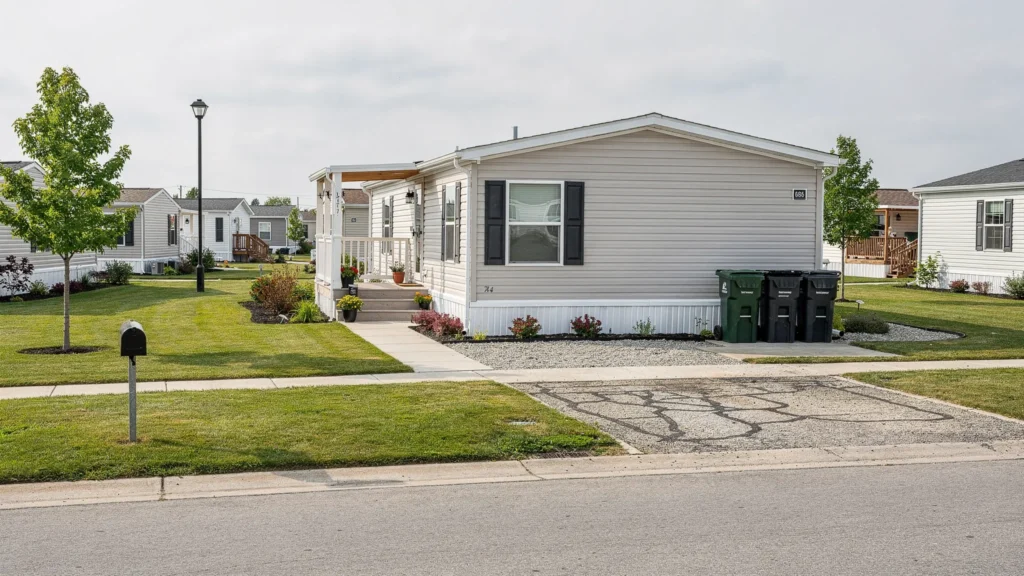 Cheap Mobile Homes for Rent: How to Find Safe Deals
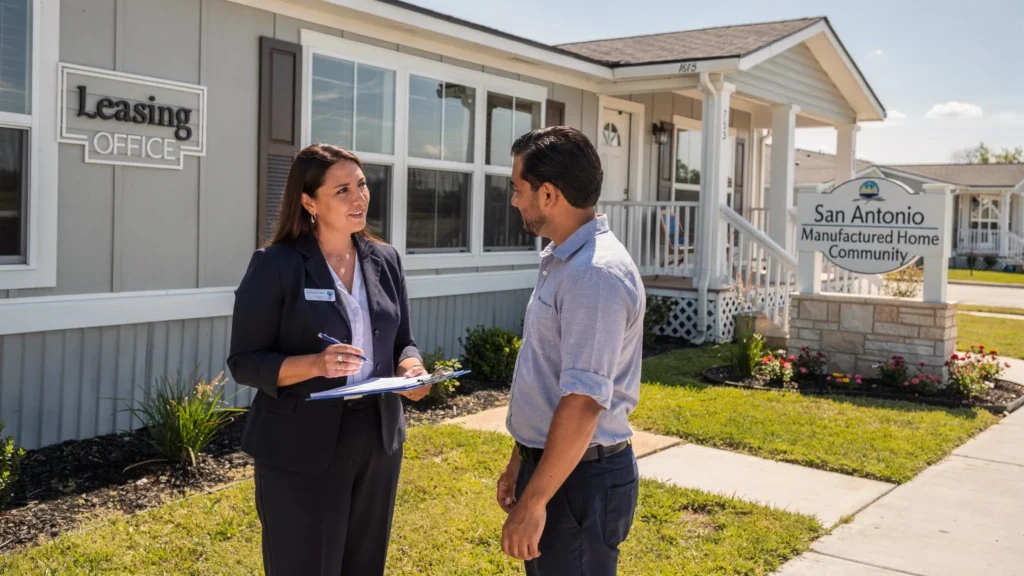 Cheap Rent Mobile Homes Near Me: Spot Scams Fast