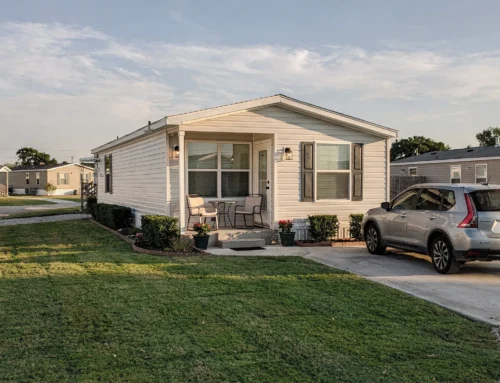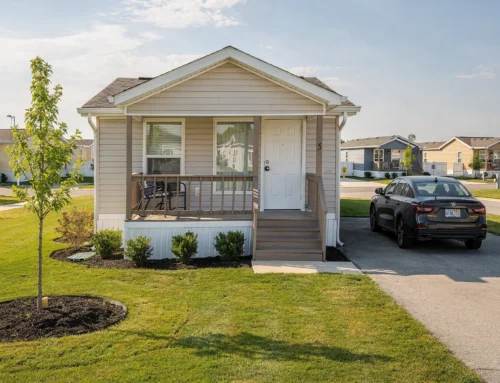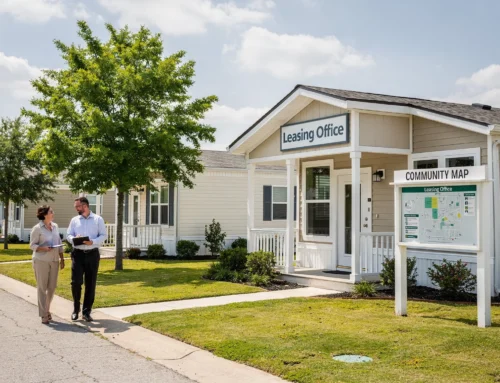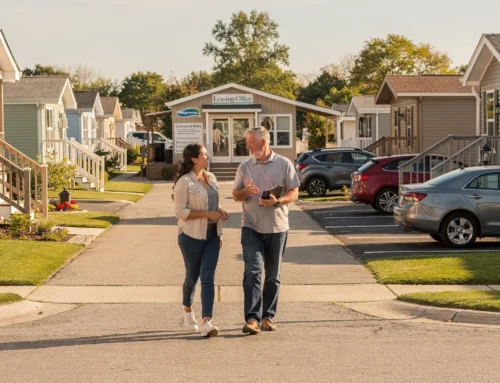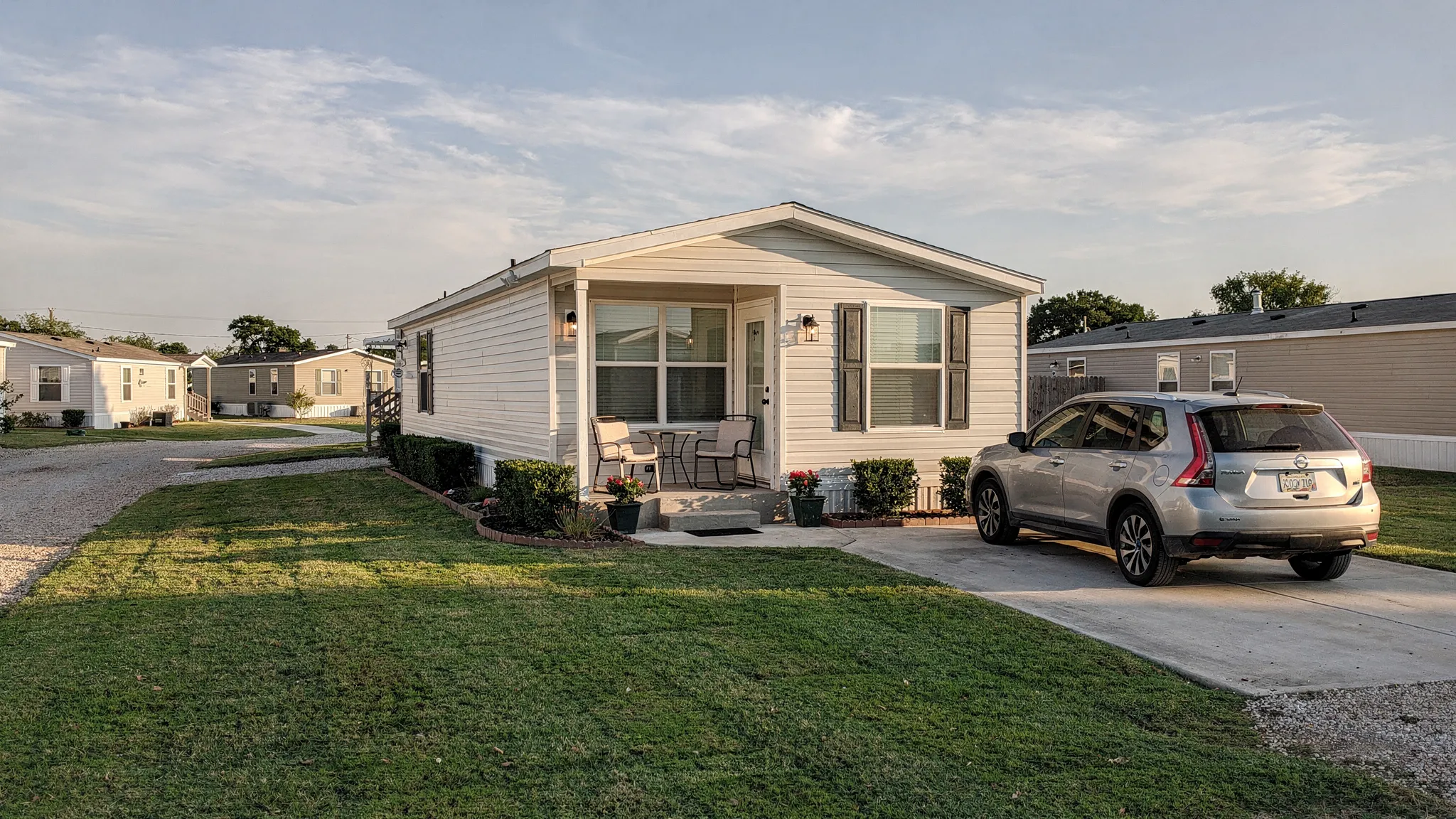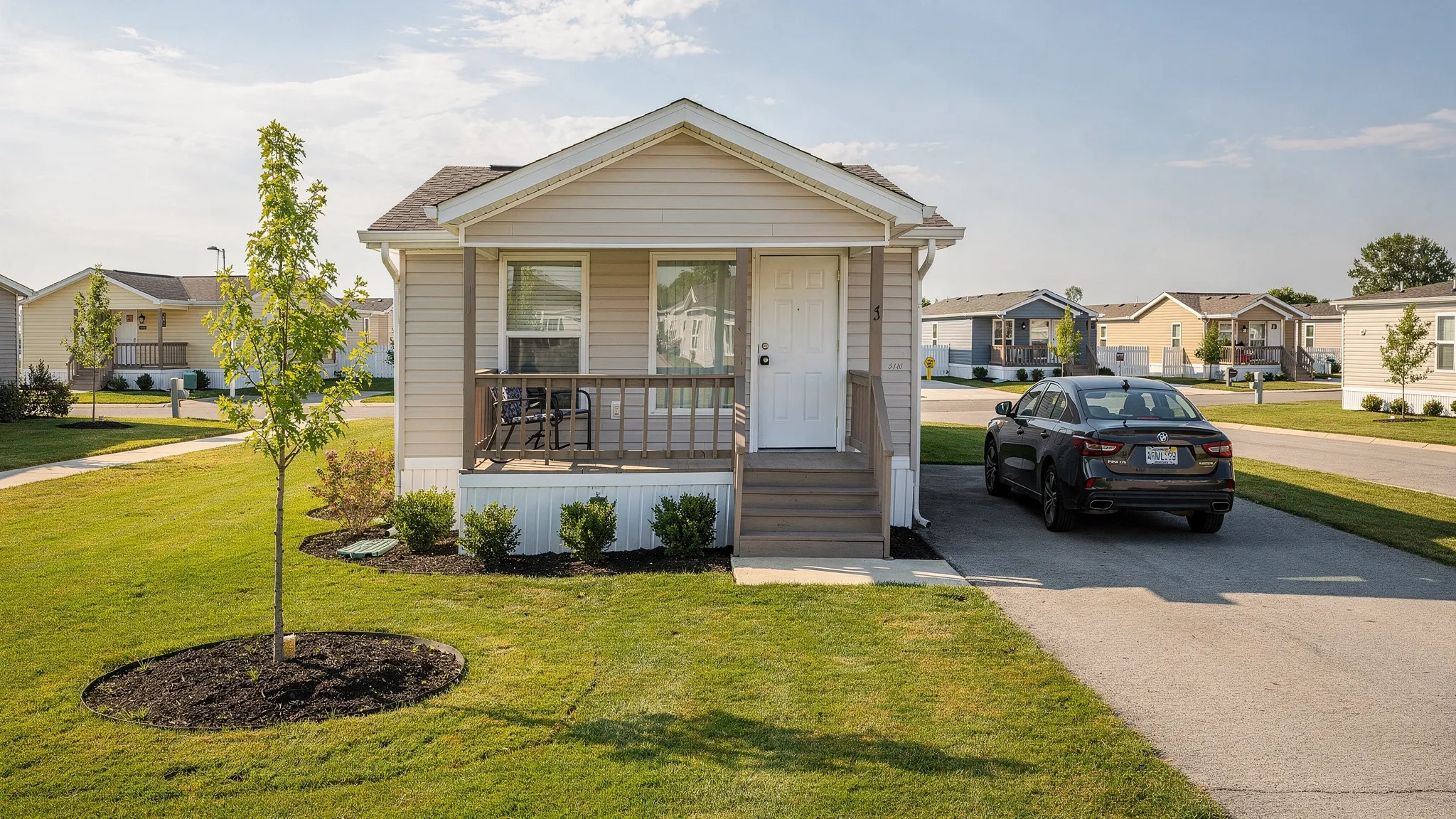

If you’re searching for single wide mobile homes for sale in the San Antonio area, you’re likely balancing three priorities: monthly affordability, a layout that fits your real life, and a buying process that will not surprise you with hidden costs.
Single wide homes can be an excellent path to homeownership, especially for first-time buyers or downsizers, but they come with specific considerations around placement, financing, setup, and resale. This guide walks you through what matters most so you can shop confidently.
What is a single wide mobile home (and what “mobile home” really means today)?
Most “mobile homes” sold new today are technically manufactured homes built to the federal HUD Code (the Manufactured Home Construction and Safety Standards). That national standard has applied to manufactured homes built after June 15, 1976. You can learn more directly from HUD’s manufactured home program.
A single wide typically means the home is built as one transportable section (one “single” unit) and delivered in one piece. In real-world shopping, single wides are often:
- Narrower and easier to place than multi-section homes
- Designed with efficient, linear floor plans
- A strong option for smaller homesites or certain communities
In Texas, you’ll also hear terms like “single-section manufactured home.” Many buyers still use “single wide mobile home,” and that’s fine, but it helps to know the HUD Code distinction when you compare quality, financing, and installation requirements.
Who single wide homes are best for
Single wide homes are not “starter homes” by default. They’re a smart fit when the home’s footprint matches the way you live.
A single wide is often a great choice if:
- You want a lower purchase price and potentially lower monthly payment than a larger home
- You prefer less space to maintain (yard work, cleaning, utility use)
- You’re placing the home in a land-lease community with size guidelines
- You want a straightforward layout, often with bedrooms on one end and living space on the other
They can be a tougher fit if you need multiple large bedrooms, wide open entertaining space, or you’re trying to match the feel of a larger site-built home.
Single wide vs double wide: the practical differences that affect your decision
Both can be excellent homes. The key is understanding what changes when a home becomes multi-section.
| Category | Single wide (single-section) | Double wide (multi-section) |
|---|---|---|
| Delivery | Typically delivered as one unit | Delivered in two or more sections and joined on-site |
| Setup complexity | Often simpler and faster | More complex (marriage line, more finishing work) |
| Space & layout | Efficient, narrower footprint | More open layouts, wider rooms and hallways |
| Placement flexibility | Can fit more sites and some community rules | May require a larger homesite and more access clearance |
| Cost drivers | Home price plus setup and site work | Higher home price plus setup and site work (often more labor) |
This does not mean one is “better.” It means the best option depends on your lot, budget, and how you use your space.
Where you can place a single wide in San Antonio (and what to check first)
Placement is the make-or-break factor for many buyers. Before you fall in love with a floor plan, confirm where the home will go and what that location requires.
Option 1: Land-lease communities (mobile home parks)
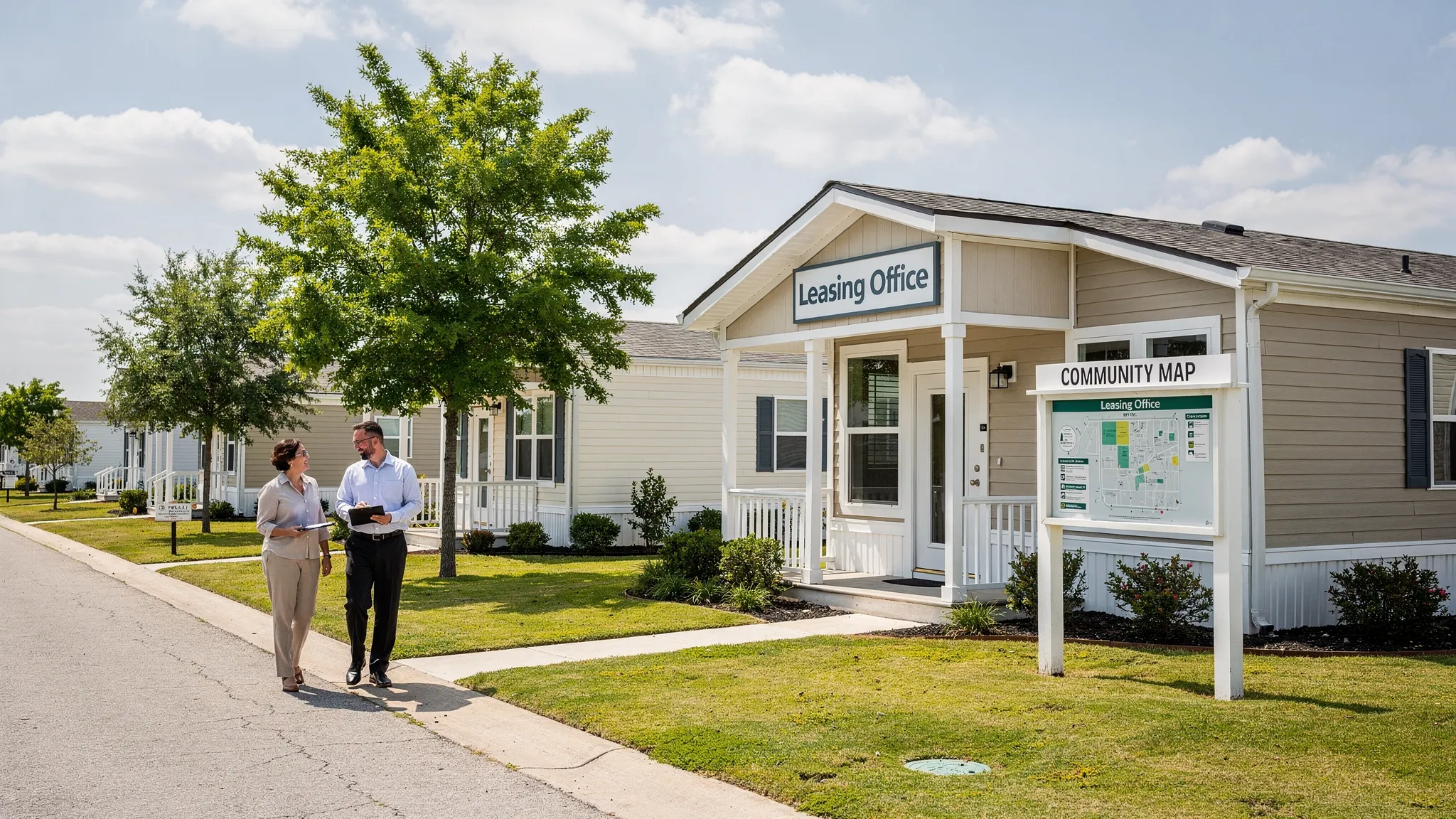
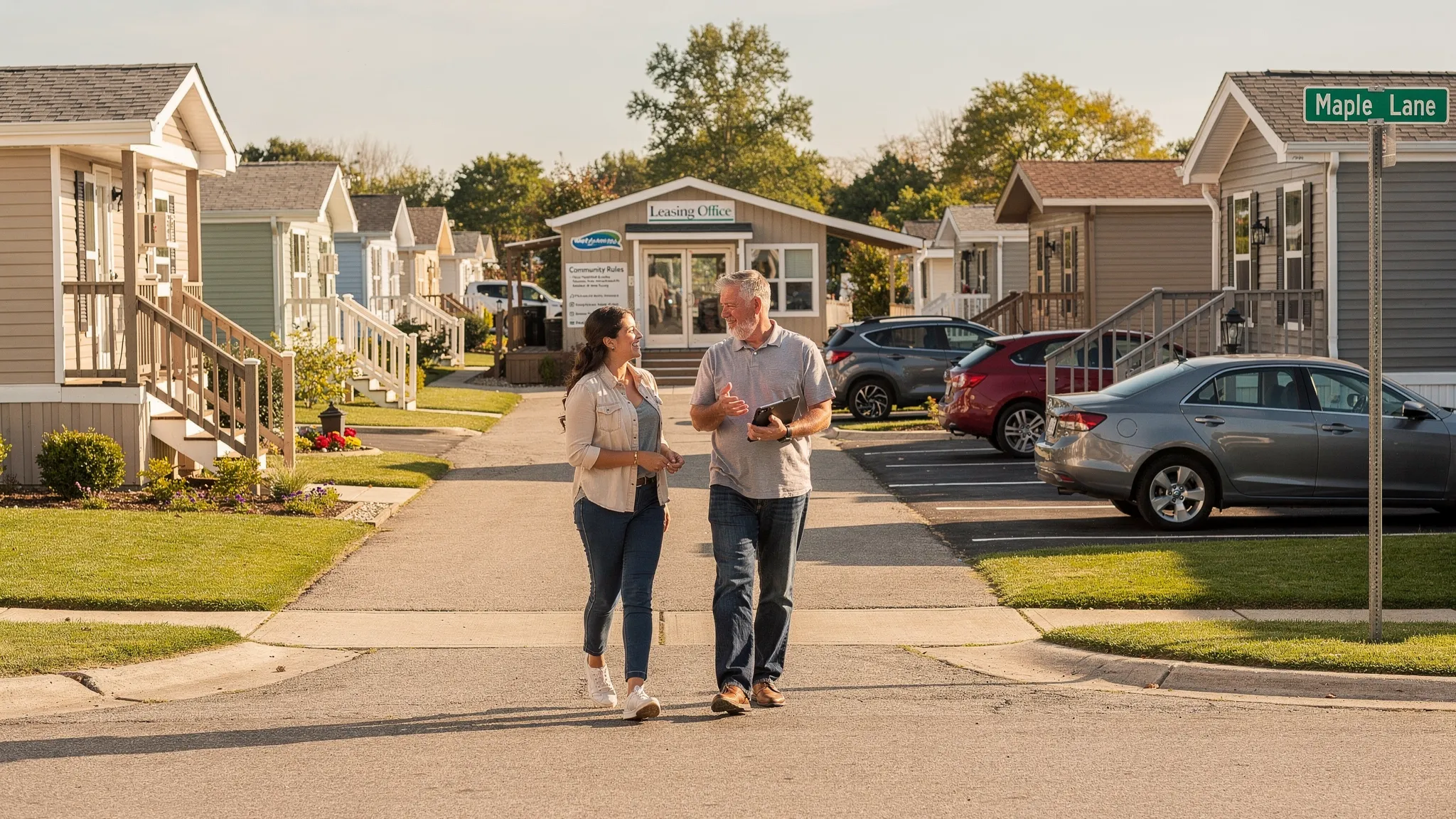
In a community, you typically own the home and rent the lot. Communities can simplify certain parts of the process because utilities, roads, and community rules are already established.
What to verify early:
- Community approval process and screening
- Lot dimensions and home size requirements
- Monthly lot rent, utility billing method, and fee schedule
- Rules on pets, parking, sheds, and exterior changes
If you’re comparing neighborhoods and community types, see our local roundup: Best Mobile Home Parks in San Antonio (2025 Roundup).
Option 2: Private land (your land or land you plan to buy)
Putting a single wide on private land can be a great long-term move, but it adds steps: site prep, utilities, permits, and (sometimes) access improvements.
Key checks include:
- Zoning or land-use rules (city vs county, and whether you’re in an ETJ)
- Driveway and delivery access for transport
- Utility availability (water, sewer, electric) or the need for septic/well
- Flood risk and drainage
If you’re considering buying land and a home together, this guide explains how packages typically work: Land and Home Packages San Antonio (Complete Guide).
For local permitting direction, start with the City of San Antonio Development Services Department (and confirm whether your land is inside city limits).
Financing a single wide: what to expect (and what changes your rate)
Financing depends heavily on where the home will be placed and how it’s titled.
Common financing paths
- Chattel loan: Often used when the home is treated as personal property (frequently in land-lease communities). Down payment requirements and interest rates can differ from mortgages.
- Land-home (mortgage-style) financing: More likely when you own the land and the home is permanently installed according to requirements, and titled as real property when eligible.
There are also government-related programs that may apply in certain situations (for qualified buyers and properties), including FHA options. For consumer-friendly explanations of manufactured home lending, the Consumer Financial Protection Bureau (CFPB) is a reliable starting point.
What lenders commonly care about
Even when two buyers choose the same model, terms can vary based on:
- Credit profile and debt-to-income
- Down payment amount
- Whether you own the land
- Home age (new vs used) and condition
- Installation type and insurance requirements
Homes2Go San Antonio can help connect buyers with trusted local lenders and walk through realistic monthly payment scenarios without guessing.
The real cost of a single wide: don’t budget for “home price” only
A common first-time buyer mistake is planning for the home price, but not the total installed cost (or the ongoing monthly costs in a community).
Here’s a practical breakdown of categories to ask about. Exact costs vary widely by site conditions and local requirements, so use this as a checklist.
| Cost category | What it may include | Questions to ask before you sign |
|---|---|---|
| Site prep | Clearing, grading, drainage, pads | Is the site level? Any drainage issues? |
| Delivery & setup | Transport, blocking/piers, leveling, tie-downs | What is included vs extra? Who is the installer? |
| Utilities | Electric, water, sewer or septic | Are hookups at the homesite already? |
| Permits & inspections | Local permits, inspections | Which jurisdiction applies (city, county, ETJ)? |
| Access improvements | Driveway, tree trimming, gate widening | Can the transporter physically reach the pad? |
| Insurance & taxes | Homeowners policy, property tax or personal property tax | How will the home be titled and taxed in your situation? |
| Community costs (if applicable) | Lot rent, community utilities, add-on fees | What’s included in lot rent, and what changes over time? |
For a deeper San Antonio focused view of the process (permits, titling, taxes, installation), you can also read: Mobile Homes San Antonio: A Quick Buyer Guide.
New vs used single wide homes: how to choose safely
Both can be good purchases, but they require different due diligence.
Buying new
New manufactured homes generally offer:
- Modern floor plans and materials
- Energy-efficient options
- Manufacturer warranties (terms vary)
- Clearer financing and installation pathways
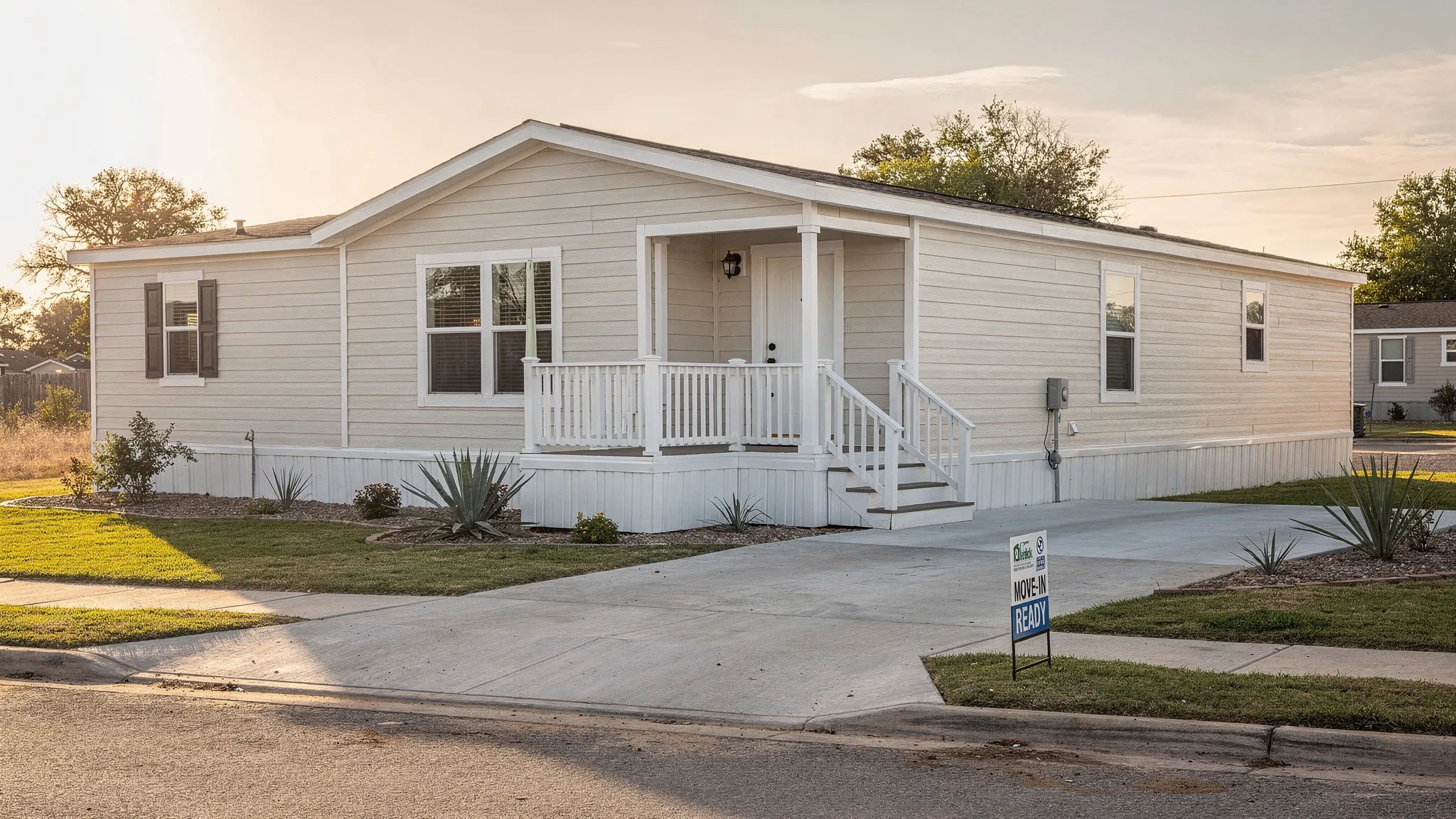
This can be especially appealing if you want predictable maintenance and a “move-in ready” experience.
Buying used
Used homes can save money upfront, but be extra careful about:
- Roof condition and signs of leaks
- Subfloor softness or water damage around bathrooms and kitchens
- HVAC age and duct condition
- Evidence of poor leveling (doors sticking, uneven floors)
- Title and ownership history
In Texas, manufactured housing ownership and location documentation is handled through the Texas Department of Housing and Community Affairs (TDHCA) Manufactured Housing Division. Start here: TDHCA Manufactured Housing Division.
If you are unsure how a specific home is titled, or what paperwork should exist, ask before you pay fees or move forward.
Layout and livability: how to evaluate single wide floor plans
Single wide homes can feel surprisingly spacious when the layout matches your daily flow.
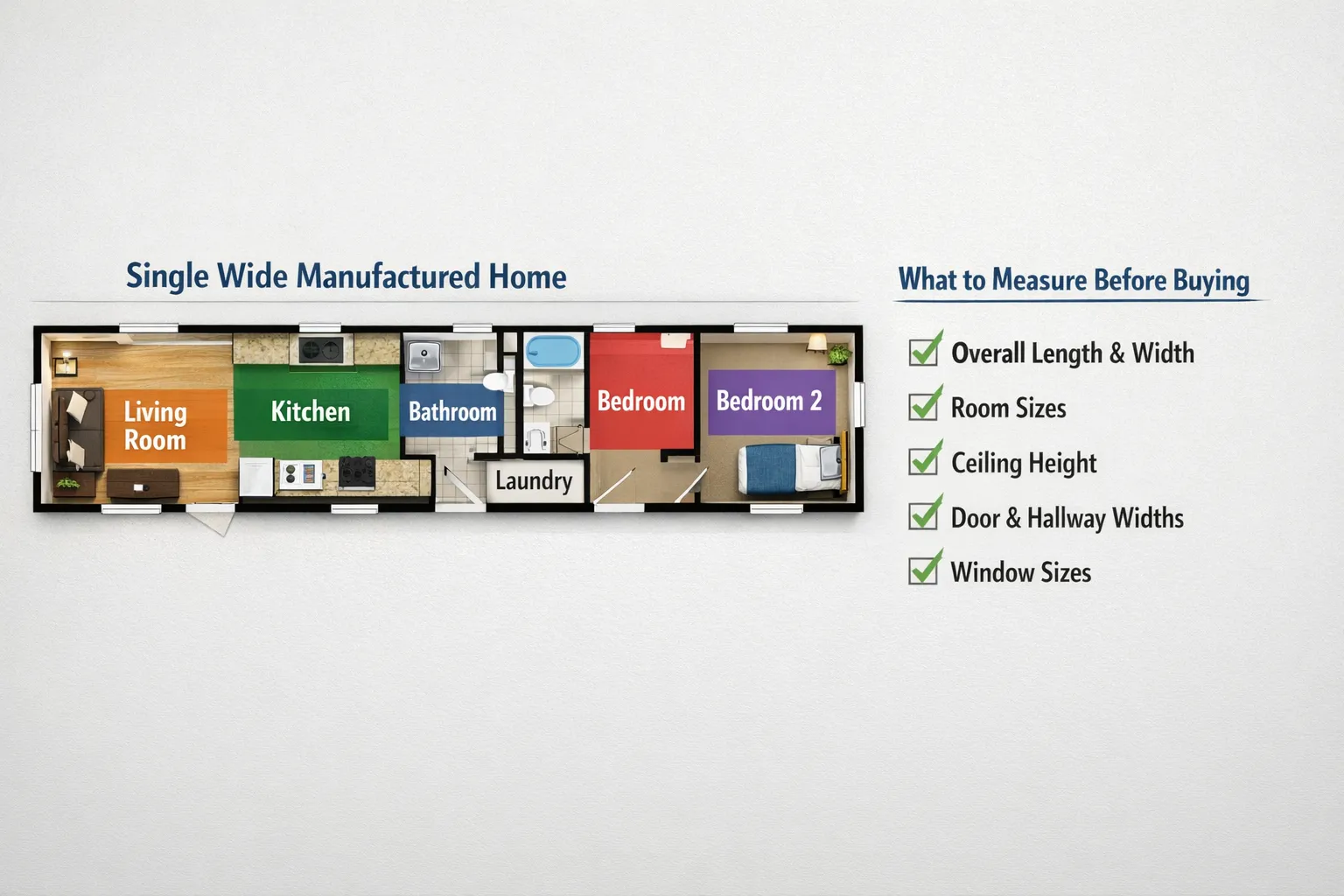
When you review floor plans, focus on “useable space,” not just square footage:
- Bedroom placement: Do you want a split-bedroom feel, or bedrooms grouped together?
- Kitchen workflow: Count real countertop space and pantry storage.
- Laundry location: Is it convenient, and does it fit full-size machines?
- Bathroom access: Does the main bath serve guests without walking through a bedroom?
- Storage: Look for linen closets, coat closets, and bedroom closets that fit your needs.
A practical tip: bring a tape measure and compare key dimensions to your current furniture, especially sofa length, bed size, and dining table footprint.
Energy efficiency matters more in San Antonio than many buyers expect
In South Texas heat, comfort and monthly bills are directly tied to the home’s insulation, air sealing, windows, and HVAC sizing.
When touring single wide homes, ask specifically about:
- Insulation levels and sealing approach
- Window performance and shading potential
- Duct sealing and return air design
- HVAC efficiency level and thermostat controls
For a detailed Texas-focused shopping checklist, read: Energy Efficient Manufactured Homes: Save More in Texas Heat.
A buyer-ready checklist to use when touring single wide homes for sale
You do not need to be an expert to shop like one. Bring these questions with you.
- Is this home built to the HUD Code (and where are the HUD labels/data plate located)?
- What exactly is included in the quoted price (home only, delivery, setup, skirting, steps, HVAC, appliances)?
- What installation method will be used, and who is responsible for coordination?
- What utilities are required at the homesite, and who pays for connections?
- How will the home be titled in your situation (personal property vs real property when eligible)?
- What are the estimated timelines from order to move-in, and what can cause delays?
Frequently Asked Questions
Are single wide mobile homes the same as manufactured homes? Not always by definition, but in everyday language many people use “mobile home” to describe HUD Code manufactured homes. If the home was built after June 15, 1976, it is typically a manufactured home built to the federal HUD Code.
Is it hard to finance a single wide home? It can be easier or harder depending on where it will be placed, how it will be titled, and your credit and down payment. Many buyers use chattel loans (common in communities) or land-home style financing when placing on owned land.
Can I put a single wide on private land near San Antonio? Often yes, but you must confirm zoning or land-use rules, utility access, and permitting requirements for the exact property. Rules can differ between city limits, county areas, and ETJs.
What extra costs should I plan for besides the home price? Common add-ons include delivery and setup, site prep, utility connections, permits, access work (like driveways), insurance, and taxes. In a land-lease community, you should also plan for lot rent and any community fees.
How do I know a used single wide has a clean title in Texas? Texas manufactured housing ownership and location documentation is handled through TDHCA’s Manufactured Housing Division. Ask for documentation early and verify details before paying significant deposits.
What should I look for in a single wide floor plan? Focus on daily function: kitchen counter space, storage, laundry placement, bedroom privacy, and bathroom access. Measure your furniture and compare it to room dimensions and door widths.
Find the right single wide home in San Antonio with expert guidance
If you’re ready to compare single wide mobile homes for sale and want help narrowing down models, understanding total costs, and exploring flexible financing options, Homes2Go San Antonio can guide you through the process from selection to move-in.
Explore options and talk with a local specialist at Homes2Go San Antonio, or review these related guides as you plan your next step:
 Mobile Homes Rent to Own: Pros, Cons, Steps
 Rent to Own Manufactured Homes: What to Expect