If you’ve been searching “rent to own mobile homes near me”, you’re probably trying to balance two goals that can feel at odds: getting into a home soon, while building a path to ownership without perfect credit or a huge down payment.
The challenge is that “rent-to-own” can mean very different things depending on the seller, the community, and the paperwork. Some arrangements are fair and transparent. Others are expensive, unclear, or even designed so you never actually buy.
This finder guide breaks down how rent-to-own mobile homes typically work, where to look locally (especially around San Antonio and the surrounding area), what to ask before you sign anything, and the best alternatives when true rent-to-own options are limited.
What “rent-to-own” can mean for mobile and manufactured homes
In manufactured housing, rent-to-own is not one standardized program. It’s usually one of a few structures that blend renting with an option (or obligation) to purchase later.
The most important detail: you need to know what you are buying (the home only, or home plus land), and who owns the home title today.
Here are the most common setups you’ll see when searching locally.
| Arrangement type | How it usually works | Best for | Watch-outs |
|---|---|---|---|
| Lease-option (rent + option to buy) | You rent now and pay an option fee for the right (not obligation) to buy later at an agreed price or formula. | Buyers who want flexibility while they improve credit or savings. | If the contract is vague, you can lose the option fee and rent credits. |
| Lease-purchase (rent + obligation to buy) | Similar to lease-option, but you’re contractually expected to buy at the end of the term. | Buyers who are confident they can finance later. | Higher risk if your financing falls through. Penalties can be steep. |
| Owner financing (seller carries the note) | You purchase now with the seller acting as the lender. Your monthly payment is a loan payment, not rent. | Buyers who can verify title and want a straightforward purchase. | Interest rate and repossession terms vary widely, read carefully. |
| Community program or “in-house” path | Some communities or sellers market a rent-to-own pathway tied to living in a specific park. | Buyers who want to stay in a particular neighborhood/community. | You may still need park approval, and you will likely pay lot rent separately. |
Tip: If the seller cannot clearly explain whether you are a tenant, a buyer, or both, pause. In a legitimate arrangement, the roles, timeline, and purchase terms are written and easy to summarize.
A realistic expectation: rent-to-own inventory can be limited
Many buyers search for rent-to-own because it feels simpler than financing, but in practice:
- Some dealers focus on traditional financing (chattel loans or land-home mortgages) because it’s more standardized.
- Some communities restrict older homes or private “for sale by owner” deals.
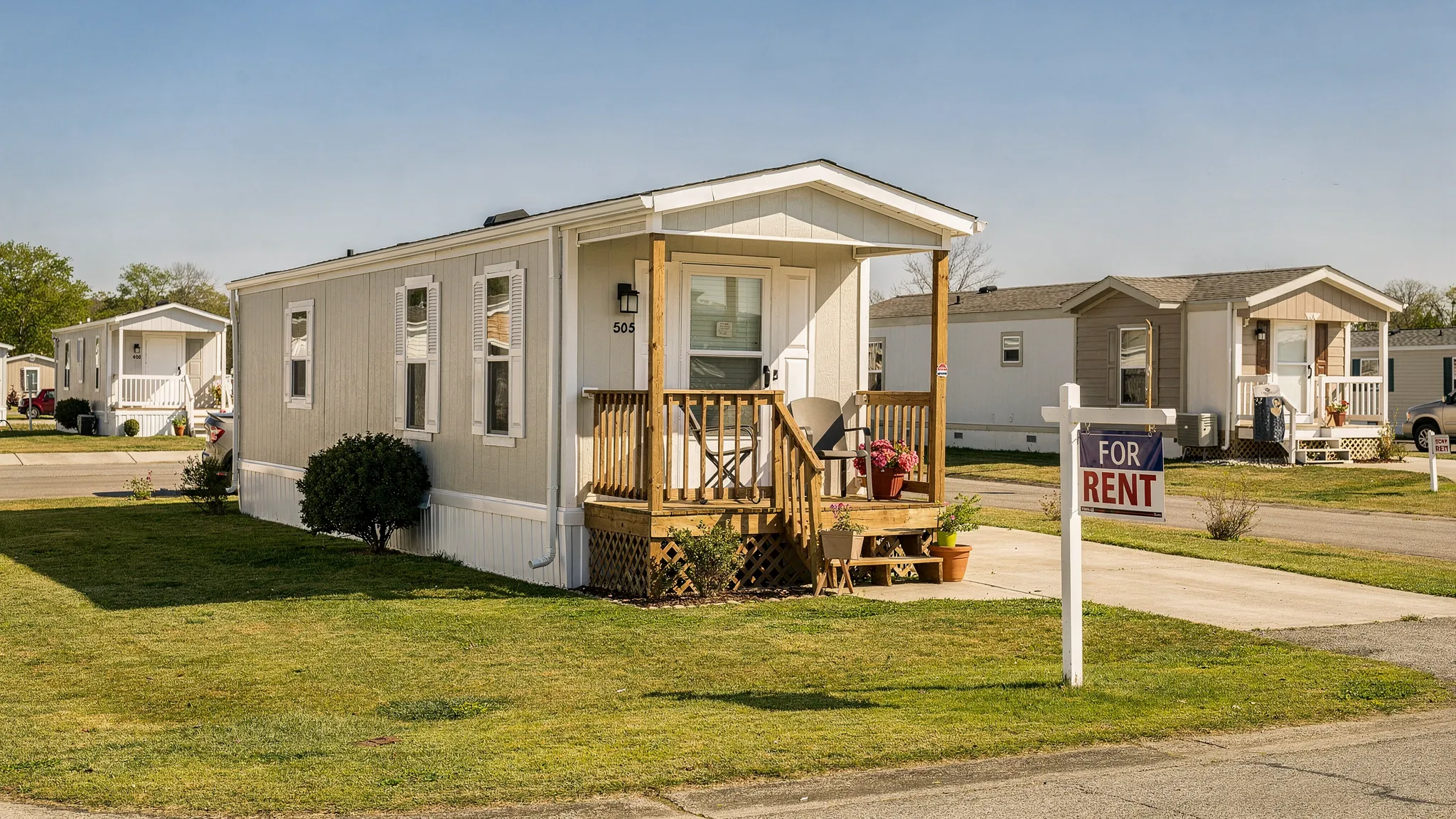
- Some “rent-to-own” ads are actually just rentals with a vague promise later.
That doesn’t mean you should give up. It means your search should include both rent-to-own and strong ownership alternatives, so you can move forward if the right rent-to-own home is not available this month.
How to find rent-to-own mobile homes “near me” (without wasting weeks)
Most successful searches combine online filtering with local verification. When you see a listing you like, your job is to confirm the structure quickly and avoid time sinks.
1) Use search terms that sellers actually use
“Rent-to-own” is popular, but many legitimate listings use different language. Try variations like:
- “Lease option manufactured home”
- “Lease purchase mobile home”
- “Owner will finance”
- “Rent credit”
- “Path to ownership”
If you’re searching around San Antonio, add location modifiers (neighborhoods or nearby towns) and set a firm radius so you’re not chasing listings two hours away.
2) Check three sources, not just one
A good local scan usually includes:
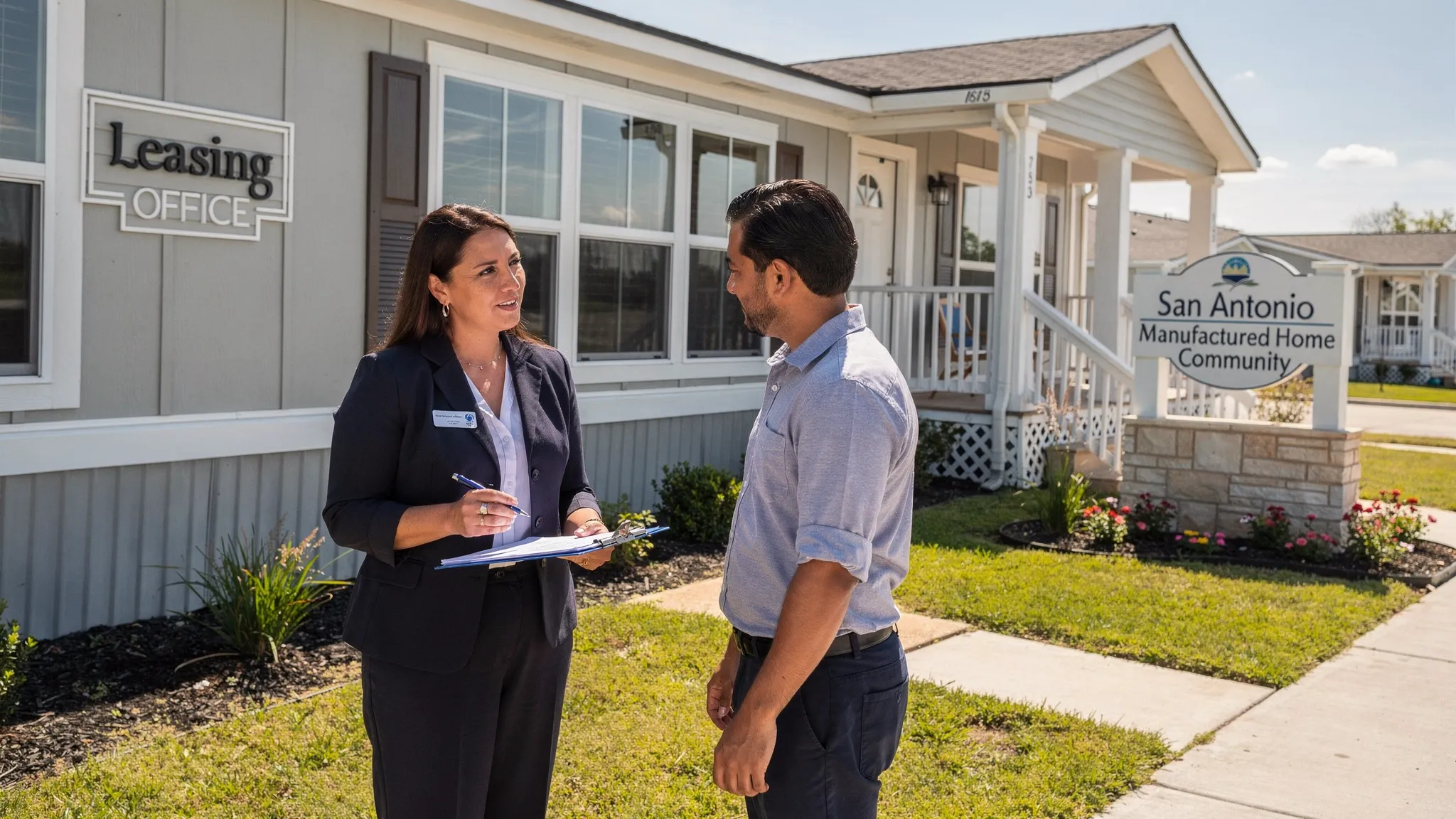
- Manufactured home communities: Ask if they have homes available with a lease-option or seller-financed path, and what their approval requirements are.
- Local retailers and brokers: Even if they don’t advertise rent-to-own, they can often tell you what’s realistic right now and what financing options compete with rent-to-own.
- Local listings and classifieds: You’ll find more rent-to-own language here, but you also need the most verification.
3) Confirm the “where will it sit?” question immediately
A major deal-breaker for many buyers is not the home, it’s placement.
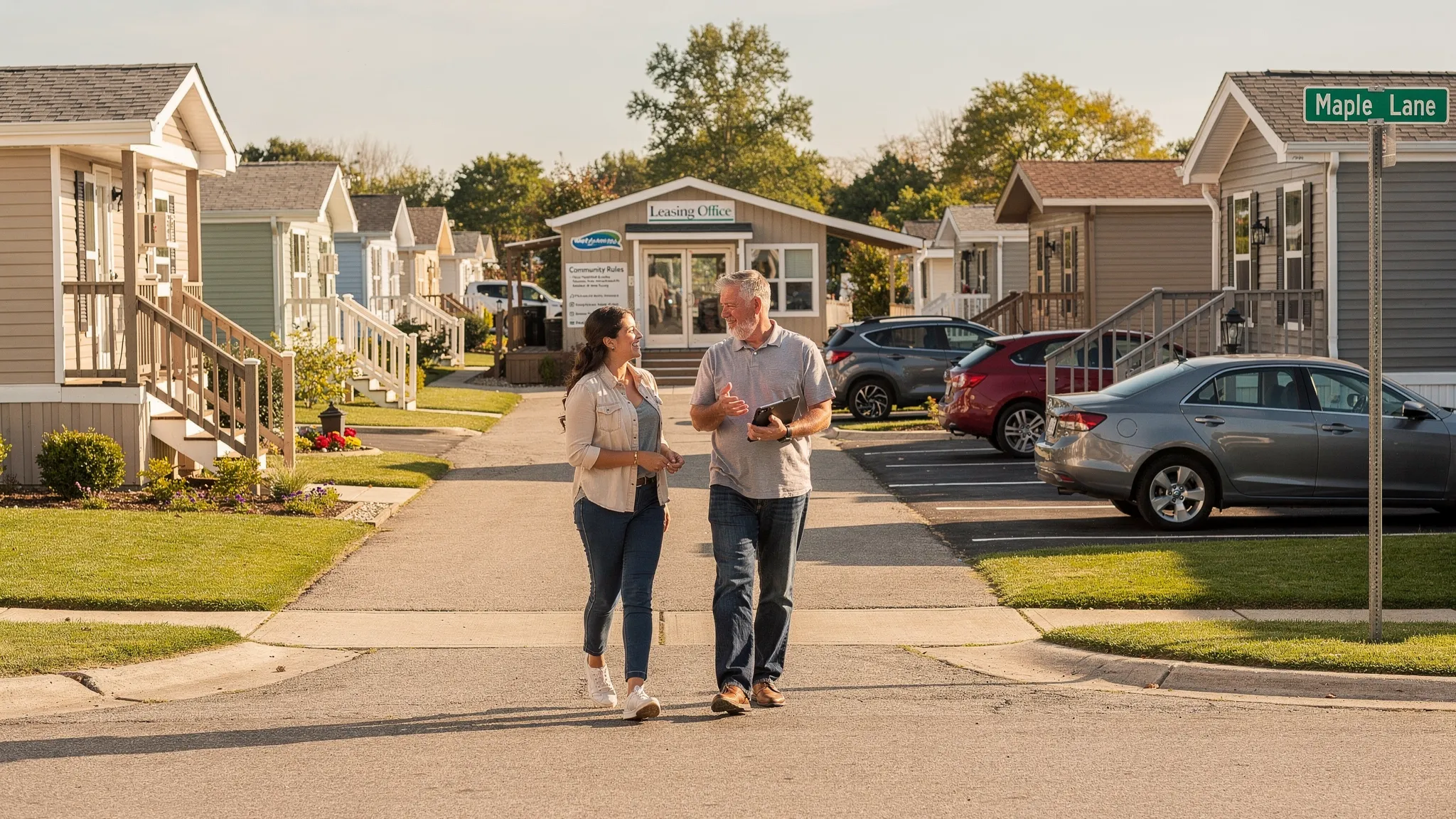
- If the home stays in a community, you need to understand lot rent, community rules, and approval.
- If the home will move to private land, confirm zoning, utilities, and installation requirements before you put down money.
If you’re comparing these two paths, Homes2Go San Antonio has deeper guides you can use as background:
- Community living and what to look for: Best Mobile Home Parks in San Antonio (Roundup)
- Placing a home on land: Land and Home Packages San Antonio (Complete Guide)

San Antonio and Texas-specific checks you should not skip
If you’re searching “near me” in the San Antonio area, you’ll want to add a few Texas-specific guardrails.
Verify the home’s identity and compliance
Most modern manufactured homes are built to the federal HUD Code and should have identifying labels and documentation. If a seller is evasive about the home’s identity, treat it as a serious warning sign.
For Texas buyers, the Texas Department of Housing and Community Affairs (TDHCA) is a key agency for manufactured housing information and consumer guidance. You can start at the TDHCA website and follow their manufactured housing resources.
Understand titling versus real estate
One reason rent-to-own gets confusing is that manufactured homes can be titled in different ways depending on whether the home is treated more like personal property (often the case in communities) or tied to land. This affects financing, taxes, and how ownership transfers.
If you want a broad buying foundation first, this Homes2Go overview is a helpful companion read: Mobile Homes San Antonio: A Quick Buyer Guide.
The questions to ask before you pay any “option fee” or deposit
To protect yourself, ask for answers in writing (email is fine to start) and request the contract documents early. A legitimate seller will not rush you past the paperwork.
Here are the core questions that clarify 90 percent of rent-to-own deals:
- What is the purchase price, and how is it determined? Is it fixed today, or based on appraisal/market later?
- How much of my monthly payment applies to the purchase? If there are “rent credits,” how are they calculated and tracked?
- What fees are nonrefundable? Option fee, admin fee, application fee, delivery setup fee.
- Who is responsible for repairs and maintenance during the rental period? Get specifics, including major systems.
- What happens if I pay late once? Ask about late fees, default, and how quickly you lose the option.
- Do I pay lot rent separately (if in a community)? If yes, what does it include (water, trash, etc.)?
- Can I refinance into a traditional loan later without penalty? Many buyers plan to switch once credit improves.
- Who holds title during the rent period? If it’s not you, how does title transfer at purchase?
If the seller hesitates to answer these, you are not being “too picky.” You are doing basic due diligence.
Red flags that are common in rent-to-own listings
Rent-to-own attracts bad actors because buyers are often under pressure and trying to move fast. Use this table as a quick screening tool.
| Red flag | Why it matters | Safer next step |
|---|---|---|
| “No contract needed, we do handshake deals” | You have little enforceable protection if terms change. | Require a written agreement and review it before paying. |
| Seller won’t show proof they own the home or can transfer title | You can’t buy what they can’t legally sell. | Request documentation and verify before deposits. |
| Large upfront fees without a clear breakdown | Fees can be a profit center, even if you never buy. | Ask for an itemized list and what is refundable. |
| “Guaranteed approval” claims | No one can guarantee financing or community approval. | Treat it as marketing, verify requirements yourself. |
| Pressure to pay today to “hold it” | Urgency tactics reduce your time to read and compare. | Walk away, legitimate deals survive a paper review. |
How to budget: the true monthly cost is more than “rent”
Rent-to-own can feel appealing because it advertises one monthly number. In reality, your monthly outlay often includes multiple layers.
A more accurate way to compare options is to build a simple monthly snapshot:
| Cost bucket | Examples | Why it changes the deal |
|---|---|---|
| Home payment | Rent, lease-option rent, or owner-finance payment | Determines how fast you build toward ownership (or don’t). |
| Lot rent (if in a community) | Space rent, trash, water, sewer, common-area fees | This can be a major part of your total monthly housing cost. |
| Utilities | Electric, gas, internet, water (if not included) | Energy efficiency and insulation can materially impact bills. |
| Insurance and taxes | Home insurance, property taxes depending on setup | Often overlooked in early conversations. |
| Maintenance | HVAC servicing, small repairs, pest control | Some contracts put all upkeep on the occupant. |
If you’re touring newer manufactured homes, energy-efficient construction can reduce ongoing costs, especially in Texas heat. This is worth factoring into your comparison, not just the sticker price or rent number.
A quick “move-in readiness” tip that protects your deposit
Many rent-to-own agreements require you to keep the home in good condition, and you may be responsible for minor fixes even before you own.
If you’re not handy (or you’re worried about losing money over small damage), having a clear, beginner-friendly reference helps. A renter-safe resource like this step-by-step DIY wall repair guide can be useful for quick patches and touch-ups before inspections or move-out.
When rent-to-own is not the best fit: strong alternatives in San Antonio
Sometimes the right “near me” rent-to-own home simply does not exist right now, or the terms are worse than financing. In those cases, consider alternatives that still get you to ownership, often with clearer legal structure.
Option 1: Traditional manufactured home financing
Many buyers assume they cannot qualify, but approval depends on the full picture (income stability, debt-to-income ratio, down payment, credit history, and the specific home and placement).
Homes2Go San Antonio positions itself around flexible financing options and guidance for local buyers, including first-time buyers. If you’re comparing rent-to-own versus financing, it’s worth asking for a side-by-side estimate so you can see which path is actually cheaper and safer over time.
Option 2: Land and home packages
If you want long-term stability and control, a land-and-home route can simplify your “where will it sit?” problem, but it adds steps like zoning, utilities, and site prep.
If you go this route, use a checklist-driven approach (and never rely on verbal assurances about what land can support). The land-and-home guide linked earlier is a solid starting point for planning.
Option 3: Buy in a community with a clear purchase contract
Some buyers want community amenities and a predictable neighborhood feel. If you plan to keep the home in a park, focus on:
- Community rules and approvals
- Lot rent details and fee transparency
- Home age restrictions
- Long-term resale conditions
That’s exactly where touring and asking the same questions each time makes the decision much easier.
How Homes2Go San Antonio can help you narrow down “near me” options
If your goal is to stop scrolling listings and start making real progress, the fastest path is usually to clarify three things:
- Whether you want community placement or private land
- Your realistic monthly budget (including lot rent and utilities)
- Which ownership path fits best right now (rent-to-own if available and fair, or a financing route that gets you to a deed and title more directly)
Homes2Go San Antonio focuses on helping local buyers find affordable, high-quality manufactured homes, review floor plans, and navigate financing with support from trusted local lenders. Even if you came in searching specifically for rent-to-own, you can still use their guidance to compare options and avoid bad terms.
To start exploring models and local buying paths, visit Homes2Go San Antonio and use their resources to plan your next steps with clarity.
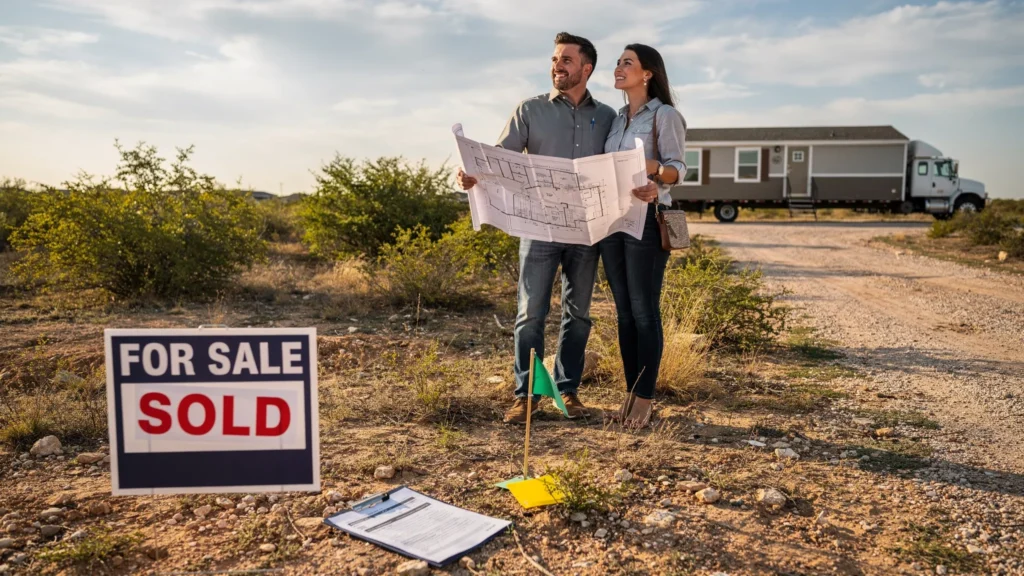 Buying a Mobile Home with Land: Step-by-Step
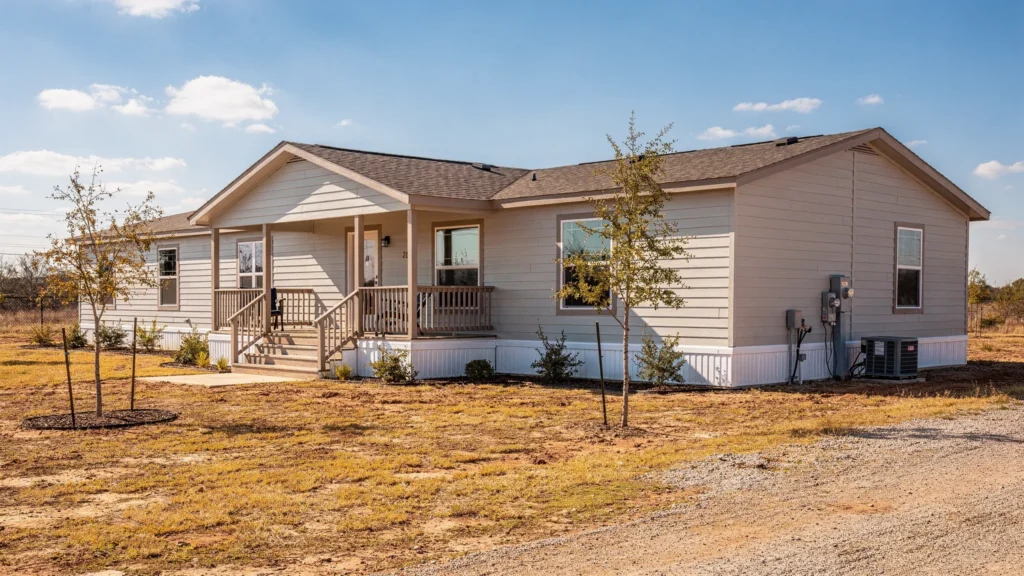 Double Wide Mobile Homes for Sale: What to Know