Rent-to-own sounds simple on the surface: you move into a manufactured home now, make monthly payments, and buy it later. In practice, the details matter a lot, especially in Texas where a manufactured home might be titled as personal property (like a vehicle) or converted to real property when it’s permanently attached to land.
If you’re shopping in the San Antonio area and considering rent to own manufactured homes, this guide walks through what the process typically looks like, what should be in the paperwork, and the common surprises buyers run into.
What “rent-to-own” usually means for manufactured homes
“Rent-to-own” is a broad phrase people use for a few different setups. Before you fall in love with a home, clarify which structure you’re being offered.
Lease option (common “rent-to-own” model)
A lease option usually means:
- You sign a lease to live in the home for a set term.
- You pay an upfront option fee for the right (not the obligation) to purchase later.
- The agreement may apply part of your monthly payment toward the future purchase (often called a rent credit).
Lease purchase (stronger obligation)
A lease purchase often means both parties commit to a future sale, with fewer “walk away” protections for the buyer. If you miss requirements, you could lose credits or face penalties.
Contract for deed or other seller-financed arrangement (more common with land)
If land is involved, some transactions drift into executory contracts (often called contract for deed). These are very different from simply renting a home and later buying it. They come with major legal and risk considerations, and the right approach depends on whether the home is being sold with land.
If the arrangement involves land ownership or a promise that you will own the land later, it’s smart to review the paperwork with a Texas attorney familiar with these contracts.
Expect two separate decisions: the home, and where it sits
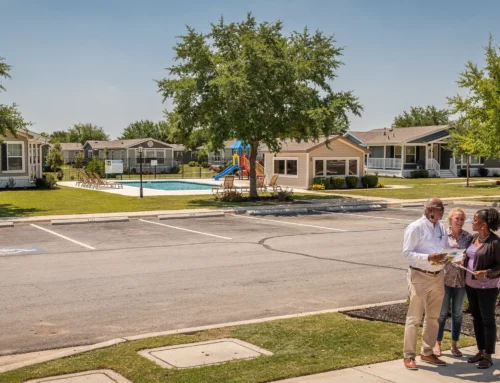
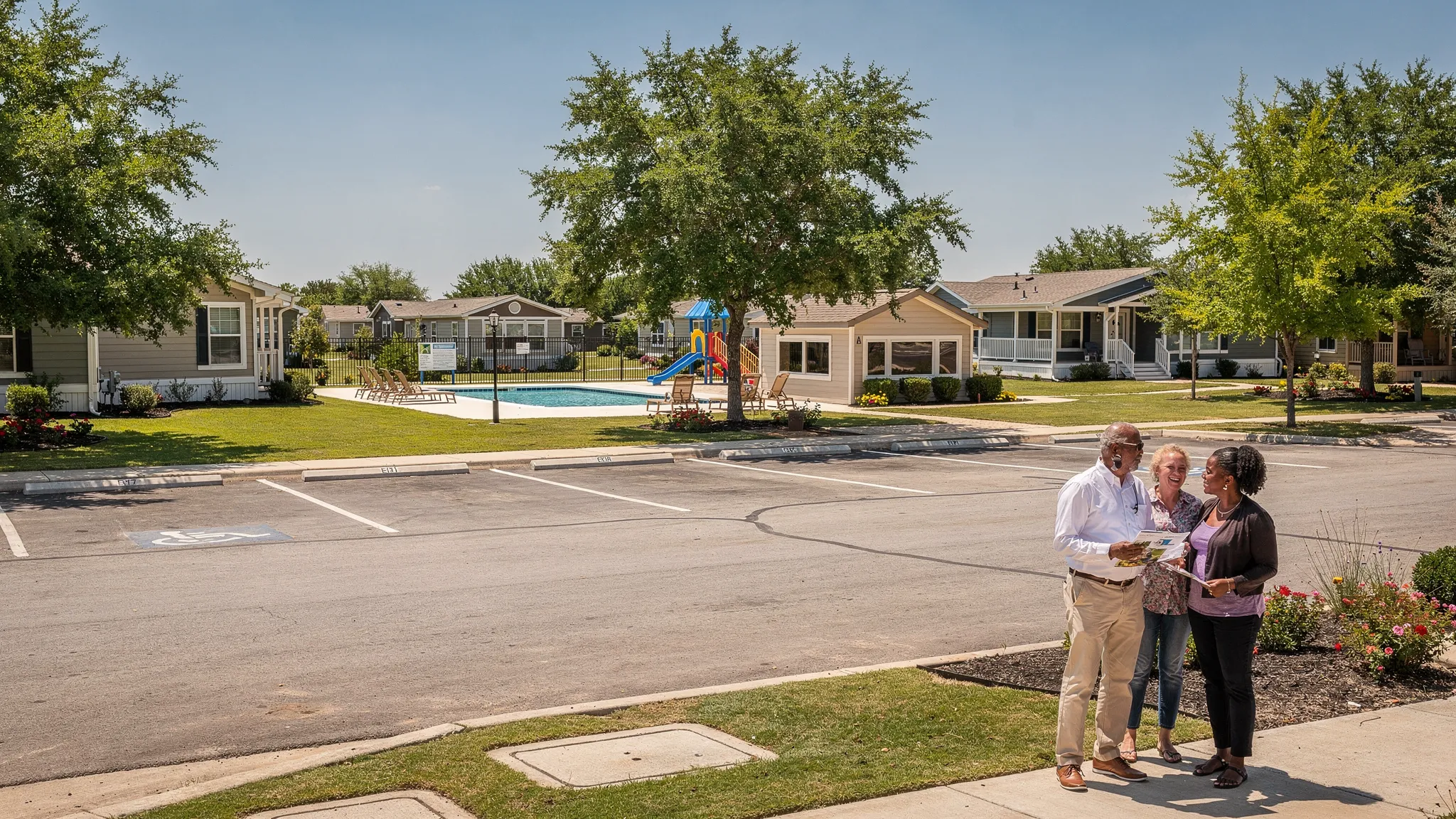
In San Antonio, many manufactured homes are placed in land-lease communities, where you own (or plan to own) the home but rent the lot.
That creates a big “rent-to-own” reality:
- You might be rent-to-owning the home, but still paying separate lot rent to the community.
- You still need to meet community rules and pass park screening.
If you’re planning to place the home on private land, the process can look more like a traditional home purchase, especially if the home and land are financed together.
If you want a deeper primer on community living and what lot rent can include, see Homes2Go’s roundup on choosing mobile home parks in San Antonio.
The typical rent-to-own manufactured home timeline (what happens first, next, and last)
Every seller structures deals differently, but most rent-to-own paths follow a similar rhythm.
1) Pre-qualification (even without a bank loan)
Even if a traditional mortgage is not required on day one, you may still be screened for:
- Income stability and affordability
- Background checks (especially in communities)
- Prior evictions or collection issues
This step sets expectations: some “rent-to-own” programs are flexible, but very few are truly “no requirements.”
2) You review the full deal terms (this is where most problems hide)
A legitimate rent-to-own agreement should clearly state:
- The purchase price (or how it will be determined)
- The deadline to buy
- What portion of payments, if any, becomes a credit
- Who handles repairs and maintenance
- What happens if you pay late, move out, or fail to qualify later
If any of those points are vague, you are not seeing a complete offer yet.
3) Home condition checks and placement logistics
Manufactured homes can be move-in ready, but you still want clarity on condition and setup responsibilities.
- If the home is already installed in a community, confirm what stays (appliances, skirting, steps, sheds) and what must be added.
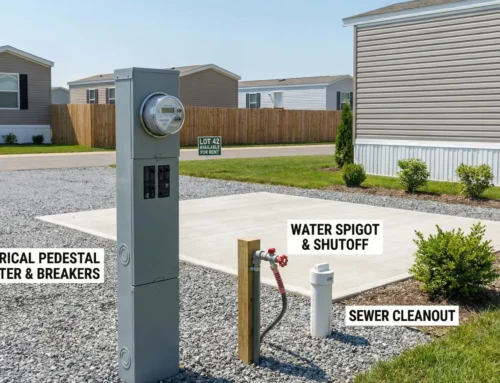
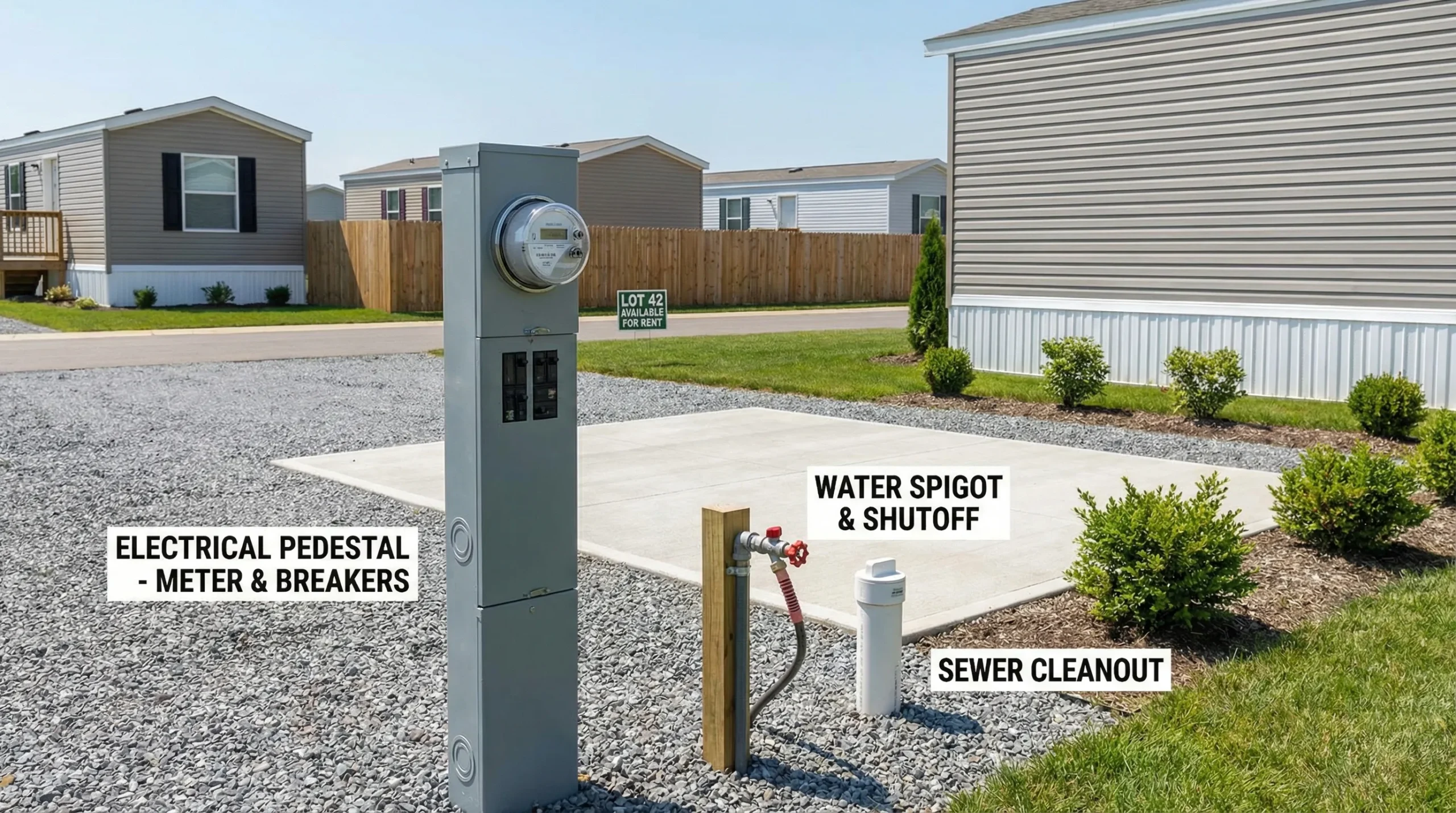
- If the home must be moved, confirm who pays for transport, setup, and utility connections.
4) Your “purchase window” begins
This is the period where you live in the home and work toward being able to buy it. What you should expect during this window:
- Regular payments (plus lot rent if applicable)
- Proof you’re building toward financing approval (often credit and savings milestones)
- Ongoing compliance with community rules if you’re in a park
5) Financing and closing (or title transfer)
At the end, the purchase typically happens one of two ways:
- You obtain financing (common: manufactured home loans) and buy the home from the seller.
- The seller continues with a structured seller-financing arrangement, with terms that should be documented very carefully.
In Texas, manufactured home ownership and liens are tracked through the Texas Department of Housing and Community Affairs (TDHCA) Manufactured Housing Division. Verifying title status is a key due diligence step. You can start with the TDHCA Manufactured Housing Division.

What you’ll pay in a rent-to-own setup (and what those payments really mean)
Rent-to-own can feel like “I’m paying toward ownership,” but not every dollar you pay actually builds equity.
Here are the most common payment categories you’ll see:
- Option fee: An upfront fee to reserve the right to buy later. Understand whether it is refundable (many are not) and whether it applies to the purchase.
- Monthly payment: Often higher than standard rent because it may include a “credit” component.
- Rent credit (if offered): A portion of monthly payment credited toward purchase if you complete the buy. Confirm the math and what causes you to lose it.
- Lot rent and community fees (if applicable): Separate from the home payment. This may include trash, water, or amenities, but not always.
- Insurance and taxes: Depending on the structure, you may be responsible even before you own.
A quick way to sanity-check the deal
Ask for a one-page breakdown of:
- Total monthly outlay (home payment + lot rent + typical utilities)
- Total due at move-in
- Total credits you would earn if you buy on time
- Total cost to purchase at the end (including any fees)
If the seller cannot provide a clean summary, that’s a sign you should slow down.
The biggest risks (and how to reduce them)
Rent-to-own can be helpful for the right buyer, but it’s also an area where misunderstandings are common.
Risk 1: The purchase terms are not locked in
Some agreements do not fully lock the purchase price or allow changes if you extend the term. If the purchase price is “to be determined,” you need to know the exact method (and who controls it).
How to reduce it: Require the agreement to clearly define the purchase price or a transparent calculation.
Risk 2: You’re responsible for repairs like an owner, without owner protections
It’s common for rent-to-own contracts to shift maintenance to the occupant. That can be fair, but only if the home starts in good condition and expectations are written.
How to reduce it: Get an inspection mindset. At minimum, document condition in writing with photos and a dated checklist.
Risk 3: Title or lien problems block the final purchase
If the seller doesn’t have clean ownership, your ability to buy later can collapse.
How to reduce it: Verify ownership and lien status through TDHCA before signing a serious agreement.
Risk 4: You still might not qualify for financing at the end
A rent-to-own term can pass quickly. If you don’t use the time to fix credit, reduce debt, and build savings, you can end up paying more than standard rent and still not be able to buy.
How to reduce it: Build a written plan for the purchase date (credit score goal, down payment savings target, and a lender conversation early).
What to demand in writing before you move in
You do not need to be adversarial, but you do need clarity. Here’s a practical checklist of terms to confirm.
| Item to confirm | What to look for | Why it matters |
|---|---|---|
| Purchase price | Fixed price or clearly defined formula | Prevents surprises and renegotiation pressure later |
| Term and deadline | Start date, end date, extension rules | Missing a deadline can erase credits or the option |
| Credits | Exact monthly credit amount and when you lose it | “Credits” are often conditional |
| Option fee | Amount, refundability, and whether it applies to purchase | Protects your cash at move-in |
| Maintenance responsibilities | Repairs, appliances, HVAC, plumbing, roof, pests | Avoids paying for issues you didn’t cause |
| Default rules | Late fees, grace periods, cure rights, eviction triggers | Tells you what happens on a bad month |
| Title and liens | Proof of ownership and lien status | If title is not clean, buying later may be impossible |
| Insurance requirements | Who insures, what coverage level | Avoids coverage gaps and liability |
| Community approval (if in a park) | Written confirmation of rules and lease terms | You can lose housing if community rules are violated |
If land is part of the promise (for example, “you’ll own the land later”), consider reviewing the structure with a Texas real estate attorney. For consumer education around home and real estate transactions, the Texas Attorney General’s consumer resources are a good starting point.
Special considerations in San Antonio area communities
If your rent-to-own home is in a land-lease community, you are effectively managing two relationships: the home seller and the community.
Expect community-related requirements such as:
- Application fees and screening
- Rules on pets, parking, and exterior additions
- Limits on subletting
- Standards for skirting, steps, and sheds
Also ask what happens if the community changes ownership or rules. This doesn’t mean you should avoid community living, it just means you should factor stability and management quality into your decision.
When rent-to-own is a good fit (and when it usually isn’t)
Rent-to-own can be a reasonable bridge when you have strong income but need time to qualify for the best financing.
It tends to fit best when:
- You can comfortably afford the full monthly payment (plus lot rent, if applicable)
- You have a realistic plan to qualify for a loan within the term
- The purchase price and credit math are clearly written
- You’ve verified title and condition
It’s often a poor fit when:
- The deal is vague, verbal, or constantly changing
- You’re relying on future income that isn’t secured
- You cannot get clarity on title, liens, or who owns what
- The agreement pushes major repairs onto you immediately, without documentation of current condition
Alternatives to consider before you commit
Some buyers pursue rent-to-own because they assume they have no other path. In reality, you may have options that build ownership more directly.
Manufactured home financing (home-only)
Many buyers use a manufactured home loan for the home itself (common when the home is in a community). This may be referred to as a home-only loan or chattel-style financing, depending on structure and collateral.
Land and home financing (when you have land or are buying land)
If you’re placing a home on land you own (or are buying), you may be able to finance the land and home together in certain situations.
Homes2Go’s guide on land and home packages in San Antonio can help you compare that path against a rent-to-own structure.
Buying a move-in ready home with a clear budget
Sometimes the most cost-effective route is choosing a home model that fits your payment comfort zone today, instead of stretching with rent-to-own terms.
If you want a broad overview of the buying process (permits, placement choices, financing types, and total cost planning), this buyer-focused resource is useful: Mobile homes in San Antonio: a quick buyer guide.
How Homes2Go San Antonio can help you navigate your options
Rent-to-own manufactured homes can work, but only when the numbers and the paperwork are solid. If you’re comparing paths to ownership in San Antonio, Homes2Go San Antonio can help you:
- Compare home models and floor plans based on your budget and space needs
- Evaluate placement options, including reputable local communities
- Talk through financing routes with trusted local lenders (so you know what you need to qualify)
- Prioritize long-term comfort and operating costs, especially in South Texas heat (see energy-efficient manufactured homes for Texas)
If you’re considering a rent-to-own arrangement, bring the proposed terms (purchase price, monthly payment details, credits, and deadlines) and ask for a second set of eyes. The goal is simple: no surprises now, and a clear path to owning the home later.
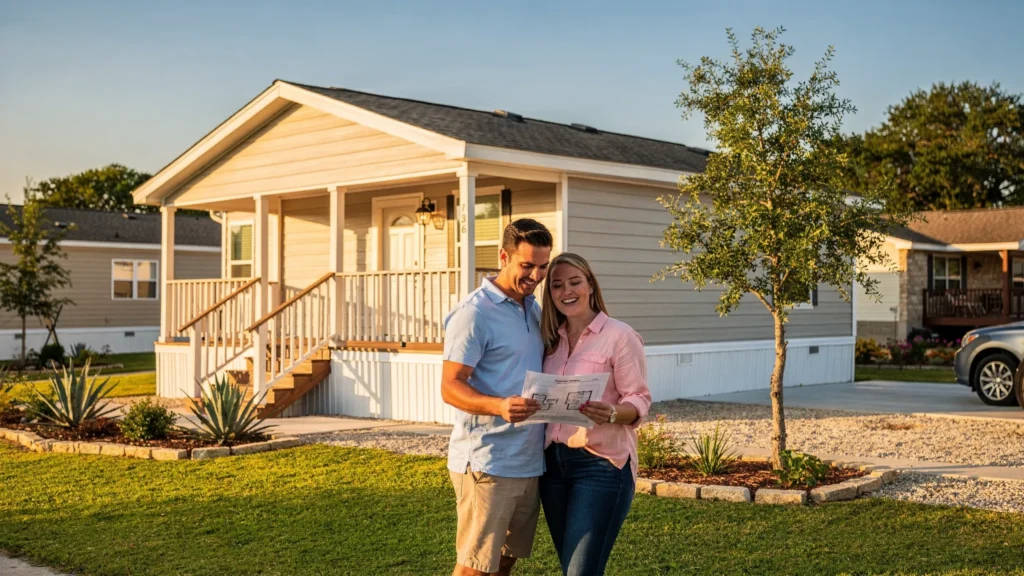 Single Wide Mobile Homes for Sale: Buyer Guide
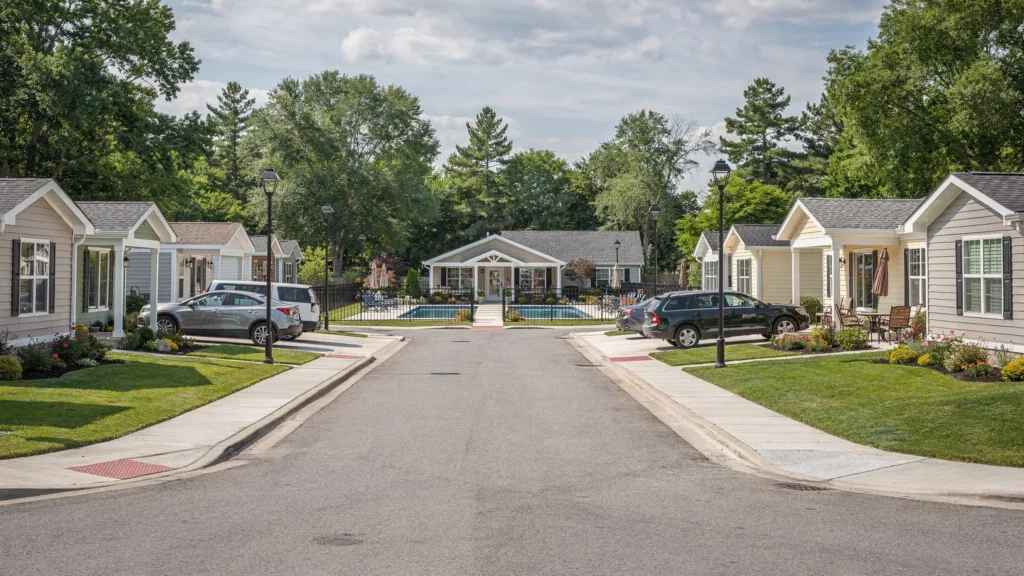 Mobile Home Parks: Amenities, Rules, and Fees Explained