
Buying mobile homes with land can be one of the smartest paths to homeownership in 2025, but only if you treat it like two purchases at once: the home and the property it sits on. The “smart” buyers this year are not just comparing floor plans. They are comparing utility access, zoning rules, flood risk, foundation needs, insurance costs, and financing structure, because those details decide whether you end up with a comfortable, affordable home or an expensive surprise.
If you are shopping around San Antonio and the surrounding counties, this guide breaks down what to evaluate, what to budget for, and how to reduce risk when buying a manufactured (mobile) home with land.
What “mobile homes with land” usually means in 2025
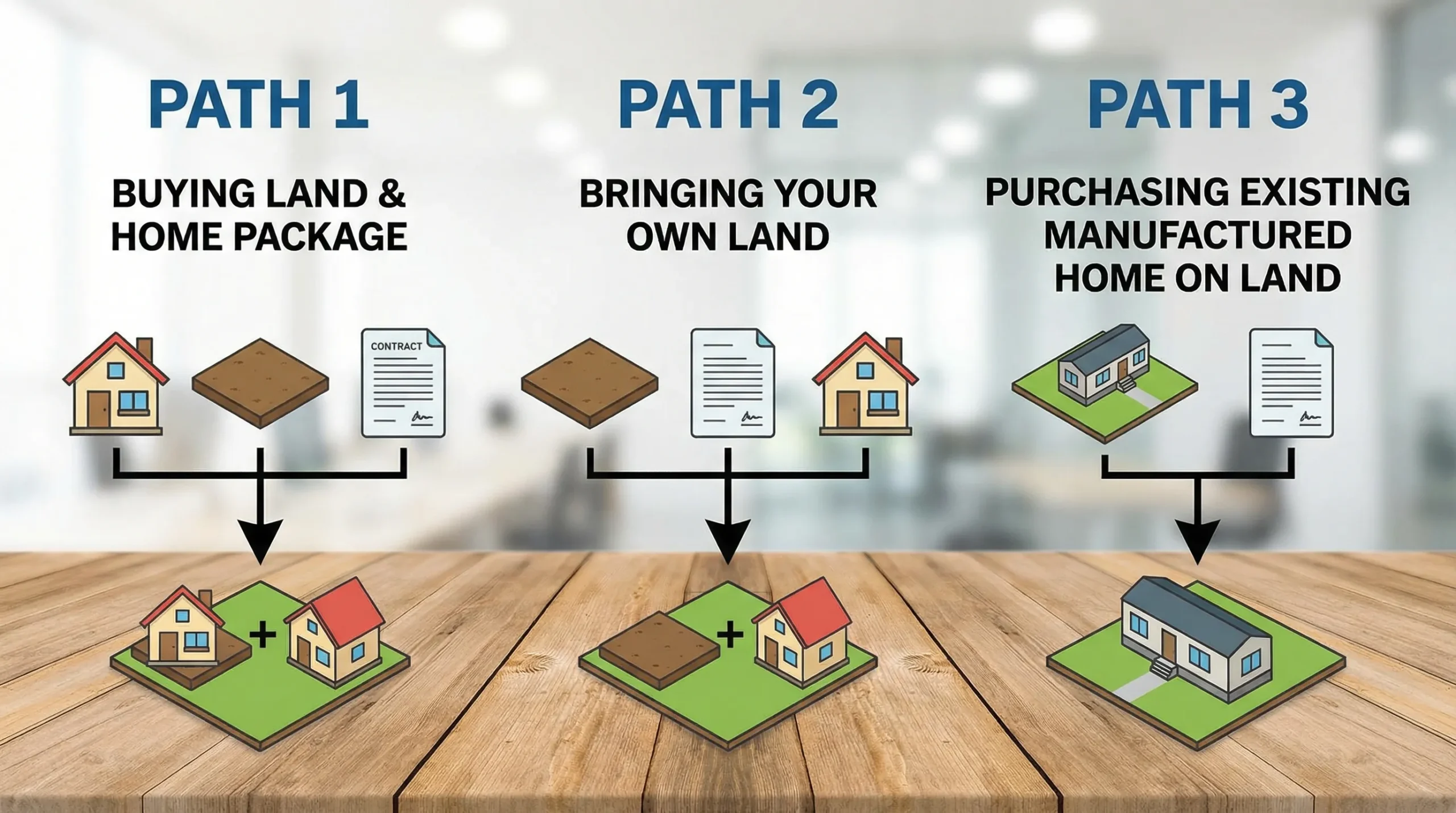
In most listings and conversations, “mobile homes with land” typically refers to one of these scenarios:
- You buy a manufactured home and the land together (often called a land and home package).
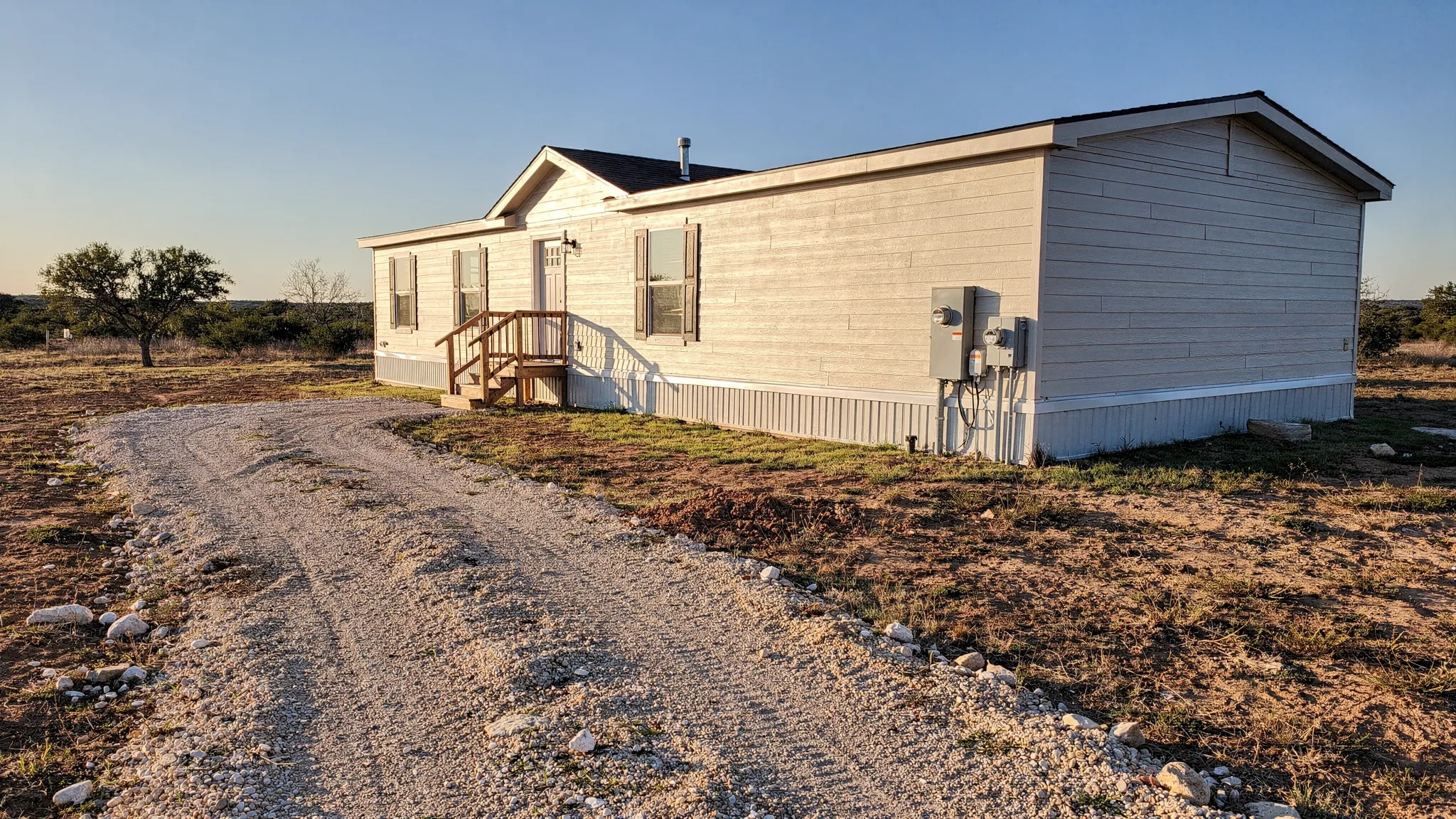
- You already own land and you are purchasing a manufactured home to place on it.
- You are buying an existing manufactured home already installed on privately owned land (resale).
Each path can be a good deal, but each has different risk points.
Why buying with land can be financially “smarter”
Owning the land underneath your home can improve long-term stability because you are not exposed to future lot rent increases or community rule changes. It can also open doors to financing options that are often more favorable than a home-only loan, depending on your credit profile and whether the home is titled as real property.
That said, land ownership shifts more responsibility to you. You may need to handle:
- Utility connections (water, sewer or septic, electric)
- Driveway and access requirements
- Site prep and drainage
- Ongoing property tax and insurance decisions
The key is to price those responsibilities correctly before you commit.
Start smart: pick the right “type of deal” for your budget
In 2025, buyers do best when they pick a structure that matches their timeline and cash reserves.
Option A: Land and home package (coordinated purchase)
This is popular because it simplifies coordination. One team can help align the home selection, site requirements, and financing.
Homes2Go San Antonio has a detailed local guide to this approach here: land and home packages in San Antonio.
Option B: You bring the land
This can be cost-effective if you already have a suitable lot, but it is also where buyers get surprised by site costs. Before you shop homes, confirm:
- Zoning and deed restrictions allow manufactured housing
- Utility access is feasible and affordable
- The site can be permitted and accessed by delivery crews
Option C: Existing home on land (resale)
This can be the fastest route to moving in, but due diligence matters more. You need to confirm the home’s certification, title status, and condition, plus the same land checks you would do on any property.
For the basics on manufactured vs modular vs site-built, see: Mobile Homes San Antonio: A Quick Buyer Guide.
The land checklist that prevents expensive mistakes
When buyers say they want “land,” they often mean privacy or room for a yard. In practice, the land must be buildable and serviceable.
1) Legal: zoning, deed restrictions, and setbacks
Your first call should be your local planning or permitting office (city or county, depending on where the land is). Ask whether manufactured homes are allowed on that parcel and what rules apply.
Also ask the seller for any applicable deed restrictions. These can limit:
- Home type or minimum size
- Exterior materials
- Placement requirements
- Whether multi-section homes are required
2) Utilities: what exists and what you must install
Utilities are one of the biggest “hidden” budget items. Confirm what is already on site and what is not.
- Electric: distance to service and whether upgrades are required
- Water: municipal connection vs well feasibility
- Waste: sewer availability vs septic requirements
- Internet: not a dealbreaker for everyone, but important for remote work
If you are buying outside dense parts of San Antonio, septic and water plans can shape your total cost more than the home options you select.
3) Access: can the home actually be delivered?
Delivery is not just about distance. It is about turning radius, overhead wires, road conditions, and clearance.
Ask your retailer or installer what they need to confirm access. A “cheap” lot can become expensive if it requires tree clearing, road work, or utility pole adjustments.
4) Flood risk and drainage
Flood risk impacts insurance pricing, lender requirements, and peace of mind.
Use FEMA’s official flood map tools to check a property before you fall in love with it: FEMA Flood Map Service Center.
Even outside mapped flood zones, walk the property after heavy rain if possible, or ask neighbors about drainage.
5) Soil and foundation considerations
Your site conditions influence foundation type, anchoring, and long-term performance. Your installer and local permitting rules will drive specifics, but buyers should budget for professional evaluation rather than guessing.
Home due diligence: confirm it is truly a manufactured home and finance-ready
If you are buying a new manufactured home, your retailer will guide you through certification and documentation. If you are buying a resale home on land, verify these items early.
HUD label and data plate
Manufactured homes built after June 15, 1976 should comply with the HUD Code. You can learn the basics directly from HUD’s program overview: HUD Manufactured Housing.
A lender or insurer may ask for HUD identifiers, especially in resale situations.
Title classification: personal property vs real property
This matters because it can affect:
- Loan options and rates
- Closing process
- Taxes
Texas has specific titling and ownership rules for manufactured homes. For official state-level information, see the Texas Department of Housing and Community Affairs manufactured housing resources: TDHCA Manufactured Housing.
Budget smarter: understand the real all-in cost
The home price is only one line item. A “smart” 2025 budget includes the full project cost and a contingency.
Here is a practical way to think about costs when buying mobile homes with land.
| Cost category | What it can include | Why it surprises buyers |
|---|---|---|
| Land acquisition | Purchase price, survey, closing costs | Land may look inexpensive until development costs are added |
| Site prep | Clearing, grading, drainage work | Drainage and access are often underestimated |
| Utilities | Electric run, meter, water line/well, septic/sewer | Septic and long utility runs can be significant |
| Foundation and setup | Base, piers, tie-downs, skirting, steps | Requirements vary by site and local rules |
| Delivery and installation | Transport, set, multi-section assembly | Access constraints can increase labor |
| Permits and inspections | Building permits, septic permits, inspections | Timing and fees vary by jurisdiction |
| Insurance and taxes | Homeowner policy, flood coverage if needed, property taxes | Flood risk and replacement cost assumptions affect premiums |
| Energy performance | Insulation upgrades, window packages, HVAC efficiency | Impacts monthly cost for years, not just at move-in |
If you want a deeper look at Texas heat and operating costs, this is a useful companion read: energy efficient manufactured homes.
Financing in 2025: match the loan to your land plan
Financing is often where buyers either “buy smart” or accidentally lock themselves into the wrong structure.
Two broad categories show up most often:
- Home-only financing (commonly called chattel financing): often used when the home is treated as personal property.
- Land and home financing (mortgage-style financing): often used when the home and land are financed together and the home is treated as real property.
Homes2Go San Antonio summarizes common paths, including chattel, conventional, FHA, VA, and USDA options here: manufactured home financing options.
Quick comparison: home-only vs land-and-home financing
| Topic | Home-only (chattel) | Land-and-home (mortgage style) |
|---|---|---|
| Typical use case | Home in a community, or home purchase before land is secured | Buying land and home together, or placing on owned land |
| Closing process | Often faster and more streamlined | Similar to a traditional home closing |
| Collateral | Home only | Home plus land |
| Best for | Buyers prioritizing speed, or community placement | Buyers focused on land ownership and long-term stability |
For consumer-level background on manufactured home lending, the CFPB has helpful explainers on common loan structures and shopping considerations: CFPB guidance.
What “buying smarter” looks like when choosing financing
Smarter buyers in 2025 do three things before they fall in love with a specific home:
- They decide whether land ownership is a must-have or a nice-to-have.
- They ask early how the home will be titled in their specific scenario.
- They request a full monthly payment estimate that includes taxes and insurance, not just principal and interest.
Location strategy around San Antonio: land isn’t equal everywhere
Even within the greater San Antonio area, land can differ dramatically in practicality.
A good “value” lot often has:
- Reasonable access to major roads without being directly on a high-traffic corridor
- Straightforward utility connections
- Low drainage risk
- Clear zoning and minimal restrictions
If you are still deciding whether you want privately owned land or a well-run community, this roundup can help you compare: best mobile home parks in San Antonio (2025).
Negotiation tips that matter more than the sticker price
Buying smarter in 2025 is not only about getting a discount. It is about getting the right terms and reducing unknowns.
Use contingencies to protect yourself
When land is involved, try to structure your offer so you can verify feasibility before you are locked in. Common contingency themes buyers discuss with their agent or closing professionals include:
- Survey and boundary confirmation
- Feasibility for utilities (especially septic and water)
- Flood and drainage review
- Permitability for manufactured housing
Ask for itemized quotes (not bundled estimates)
Whether you are buying a land and home package or coordinating pieces yourself, ask for costs broken out by category (delivery, setup, site prep, utility work). Itemization helps you compare apples to apples and spot missing components.
Prioritize energy and envelope upgrades that reduce monthly costs
In South Texas heat, operating cost matters. Even small upgrades to insulation, windows, duct sealing, or HVAC efficiency can improve comfort and reduce summer bills. It is often smarter to select key efficiency options at purchase than to retrofit later.
A “smart buyer” timeline for 2025 (from search to move-in)
Instead of thinking in a strict step-by-step checklist, think in phases. These phases prevent you from committing to a home before the land is ready.
| Phase | Primary goal | What to complete before moving on |
|---|---|---|
| Budget and pre-qualification | Know your real monthly comfort zone | Loan discussion that includes taxes and insurance |
| Land screening | Find land that is legally and practically usable | Zoning check, flood map check, utility feasibility |
| Home selection | Choose a model that fits the site and budget | Delivery access reviewed, setup needs understood |
| Site and permit planning | Prevent delays and change orders | Site prep plan, permit path, utility plan |
| Closing and scheduling | Lock financing and timeline | Final itemized costs and installation schedule |
This approach also reduces the risk of paying for a home while waiting months for land issues to get resolved.
When it pays to get local guidance (and what to ask)
Mobile homes with land have more moving parts than a typical retail purchase. Local guidance is most valuable when it helps you avoid the big mistakes:
- Buying land that cannot be permitted for your home
- Underestimating utilities and site work
- Choosing financing that does not fit your ownership plan
- Missing documentation that slows down closing
If you are comparing models, financing, and placement options in the San Antonio area, Homes2Go San Antonio can help you evaluate home choices, review financing paths with trusted local lenders, and coordinate the steps between selection and move-in. Start with their buyer resources on manufactured home options, pricing, and tips or explore financing options to see which direction fits your situation.
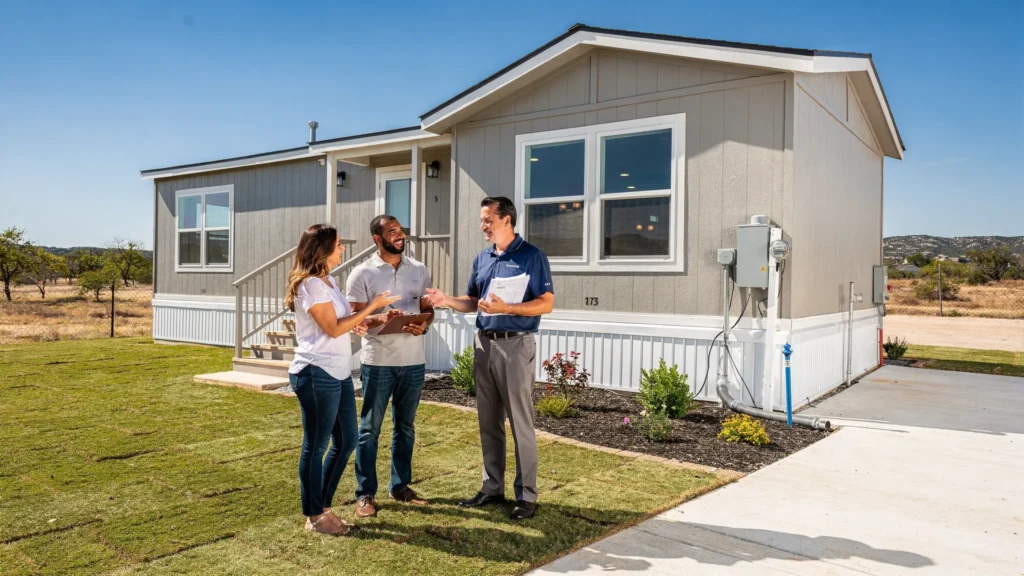 Cost of Manufactured Homes: 2025 Price Breakdown
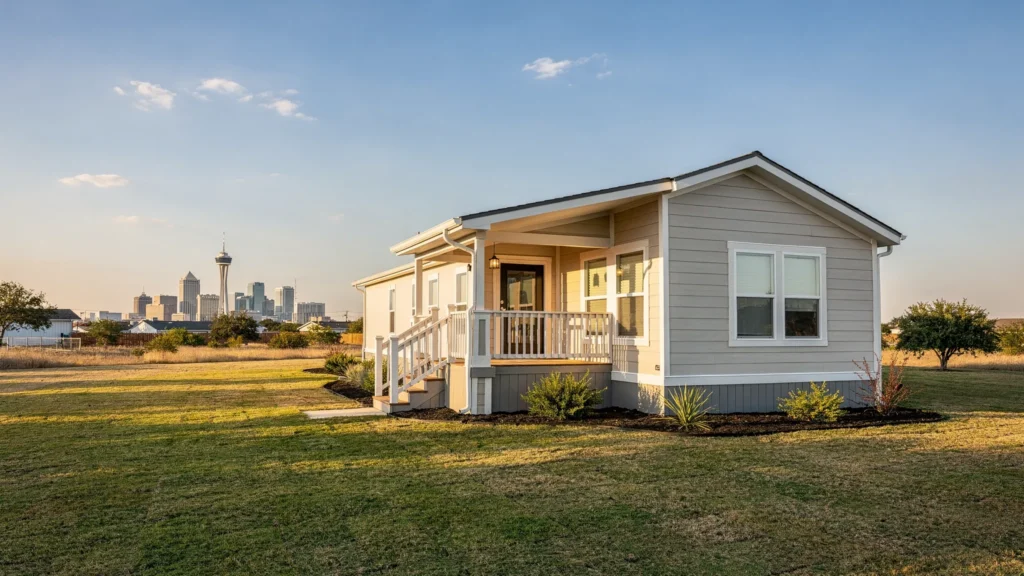 Manufactured Homes for Sale: San Antonio Market Guide