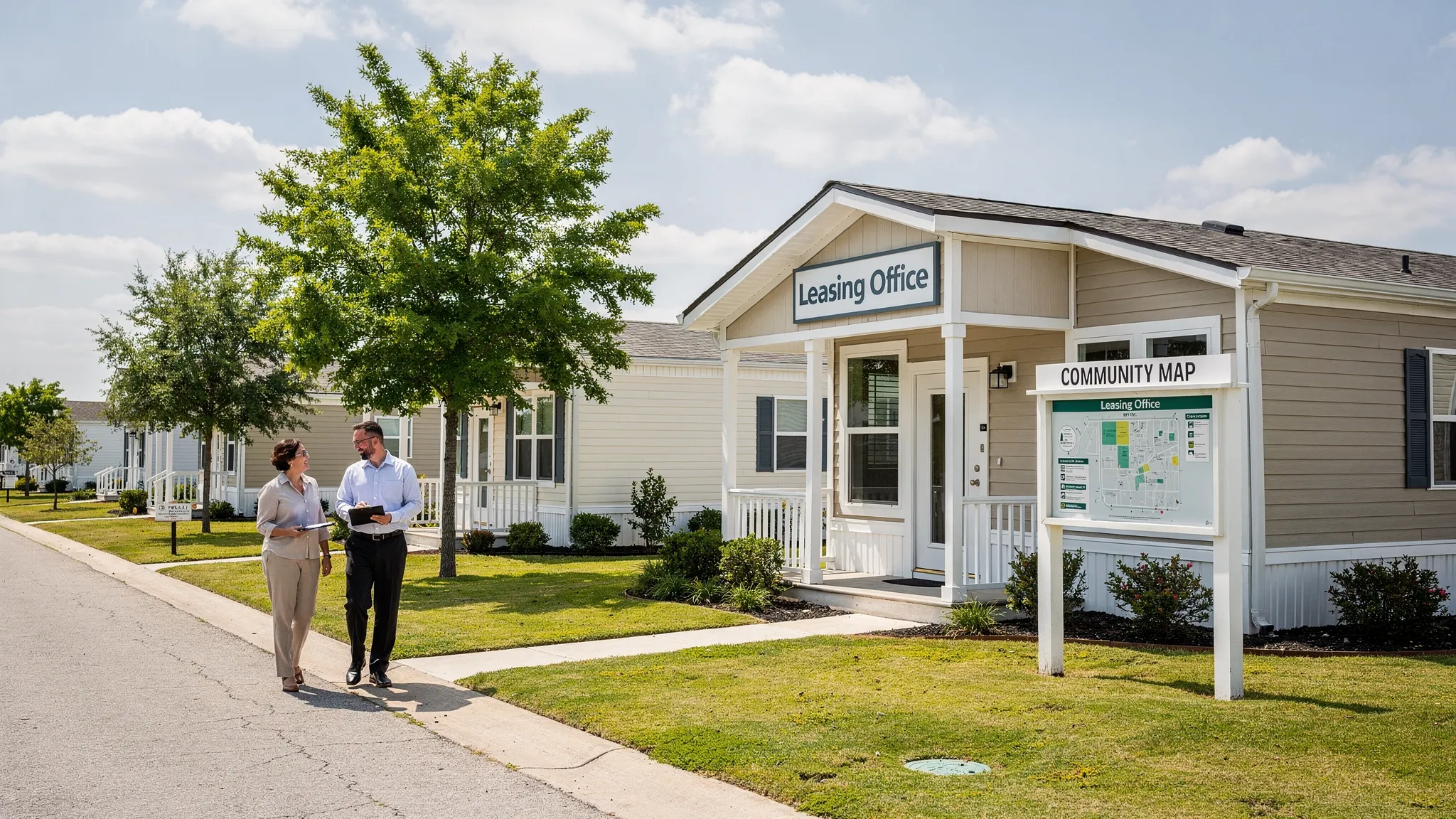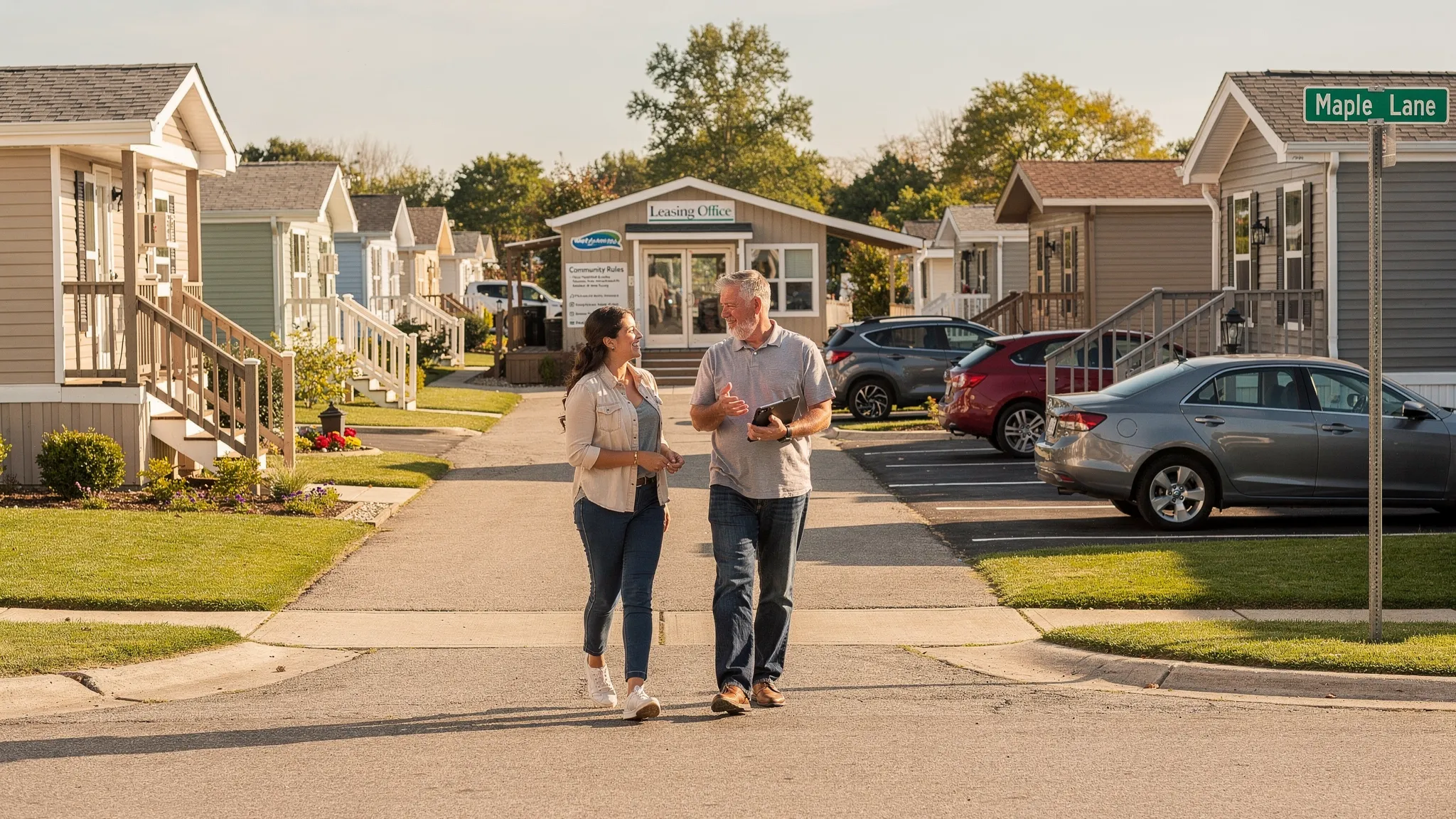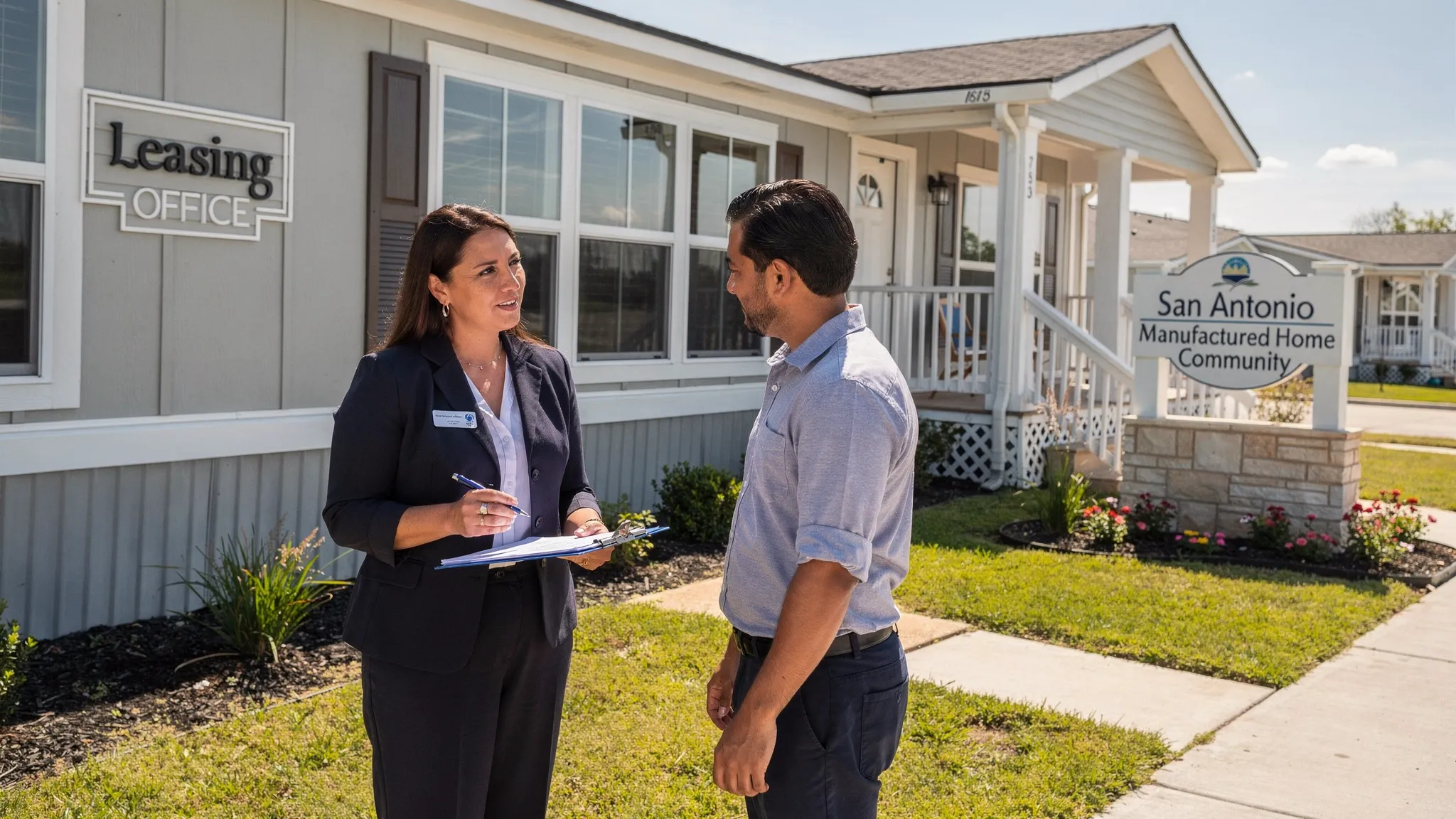

Typing “mobile homes near me for sale” into Google can feel like opening a firehose. You will see dealership sites, marketplace listings, park resales, land-home ads, and sometimes scams, all mixed together. The good news is you can make the search dramatically faster (and safer) with a repeatable process that pros use to narrow inventory, verify details, and compare true costs.
This guide walks you through that process step by step, with a focus on what actually matters when you are trying to buy a manufactured home in your area.
1) Know what you are actually searching for (mobile vs manufactured)
A lot of “mobile home” listings are really manufactured homes. In everyday conversation people use “mobile home” for anything factory-built, but the legal and construction standard matters.
- Manufactured home: Built to the federal HUD Code (for homes built June 15, 1976 or later). These are what most buyers are shopping today. You can learn more from the HUD Manufactured Home Program.
- Pre-1976 mobile home: Often harder to finance, insure, and place in some communities because it predates the HUD Code.
Why this matters for your “near me” search: age, compliance labels, and financing eligibility can drastically change which listings are realistic.
2) Define “near me” like a pro (it is more than miles)
Most buyers start with a radius. Pros start with constraints.
Ask yourself:
- Do you want a home in a land-lease community (you own the home, rent the lot) or on private land (you own land and home)?
- What is your maximum commute time, not just distance?
- Do you need a specific school district, county, or utility setup (city water vs well, sewer vs septic)?
Here is a practical way to turn “near me” into search filters you can actually use.
| What to decide | Why it changes your results | How to apply it in searches |
|---|---|---|
| Community vs private land | Determines whether you will see lot rent rules or land requirements | Add “mobile home park” or “land-home package” to refine |
| Radius in minutes (not miles) | Traffic and highway access matter more than distance | Use map view, commute filters, or pin key locations |
| Counties/areas you will consider | Permitting, taxes, flood risk, and utilities vary by area | Add county names and nearby towns in your query |
| Bedroom/bath minimum | Cuts irrelevant inventory fast | Filter early, do not “browse” without it |
| New vs pre-owned | Impacts warranties, condition, and financing options | Search “new manufactured home” or “used” explicitly |

3) Get financing clarity early (it improves your search results)
If you search before you understand your financing lane, you will waste time touring homes you cannot buy.
A pro-level approach is to define your budget in two ways:
- Maximum purchase price (the sticker price you can qualify for)
- Maximum monthly all-in housing cost (loan payment plus insurance, taxes, and if applicable, lot rent)
Manufactured homes are often financed in different ways depending on whether the home is on owned land or in a community. For a consumer-friendly overview of loan types and shopping tips, the Consumer Financial Protection Bureau is a solid starting point.
Quick pre-search checklist:
- Know your target monthly payment ceiling.
- Ask lenders what documentation you will need (income, credit, down payment, land info if applicable).
- If you are placing on private land, confirm whether your lender needs land details upfront.
If you are shopping in the San Antonio area and want to go deeper on land placement, financing, and timelines, Homes2Go SA has a dedicated guide to land-and-home packages in San Antonio.
4) Use the right places to search (and know what each source is good at)
“Near me” results vary wildly depending on where you search. Pros use multiple sources, but for different purposes.
| Search source | Best for | Watch-outs |
|---|---|---|
| Local retailers/dealers | New homes, floor plans, financing guidance, setup coordination | Ask what is included (delivery, installation, HVAC, skirting) |
| Online marketplaces | Used homes, private sellers, quick local inventory | Higher scam risk, inconsistent listing details |
| Community (park) resales | Homes already placed, sometimes faster move-in | Community approval, rules, and ongoing lot rent |
| Land-home package listings | A clearer “all-in” path for private land | Must verify land feasibility (utilities, access, permits) |
Pro tip: do not judge a “great deal” until you know whether it is priced as:
- Home-only (you still need land and setup), or
- Home already placed (you may have lot rent), or
- Land plus home (more complete, but more variables).
5) Read listings like an underwriter (not like a browser)
Most bad decisions happen because buyers fall in love with photos and ignore the details that control cost, financing, and feasibility.
When you open a listing, look for these items first:
- Year built (pre-1976 vs HUD Code manufactured)
- Size and section count (single-section vs multi-section)
- Location type (in a community, or to be moved)
- What is included (delivery, installation, steps, skirting, utility hookups)
- Condition disclosures (roof age, HVAC condition, flooring, water damage history)
If the listing is missing basics, treat it as a lead, not an option. Your next step should be to request specifics in writing.
Common red flags that should slow you down:
- A price that is far below market with pressure to “act today”
- Refusal to allow an in-person walk-through
- Seller asks for a wire transfer, gift cards, or “application fees” before viewing
- No clear paperwork trail (title/ownership details, serial or VIN information)
6) Verify the home can be legally sold and placed (Texas buyers: do this early)
If you are shopping in Texas, a “near me” listing is only useful if the home can be transferred and installed properly.
At a high level, you want to confirm:
- The seller can prove ownership and transfer it correctly.
- The home can be installed where you want it (community rules or land requirements).
- Installation will follow state requirements.
For Texas-specific manufactured housing information and consumer resources, start with the Texas Department of Housing and Community Affairs (TDHCA) Manufactured Housing Division.
If you are considering private land, flood risk can impact financing and insurance. You can check flood maps through FEMA’s Flood Map Service Center.
This verification step is one of the biggest differences between “casual browsing” and “searching like a pro.” It prevents wasted application fees, failed park approvals, and last-minute surprises.
7) Tour like a pro (a fast walkthrough that catches expensive problems)
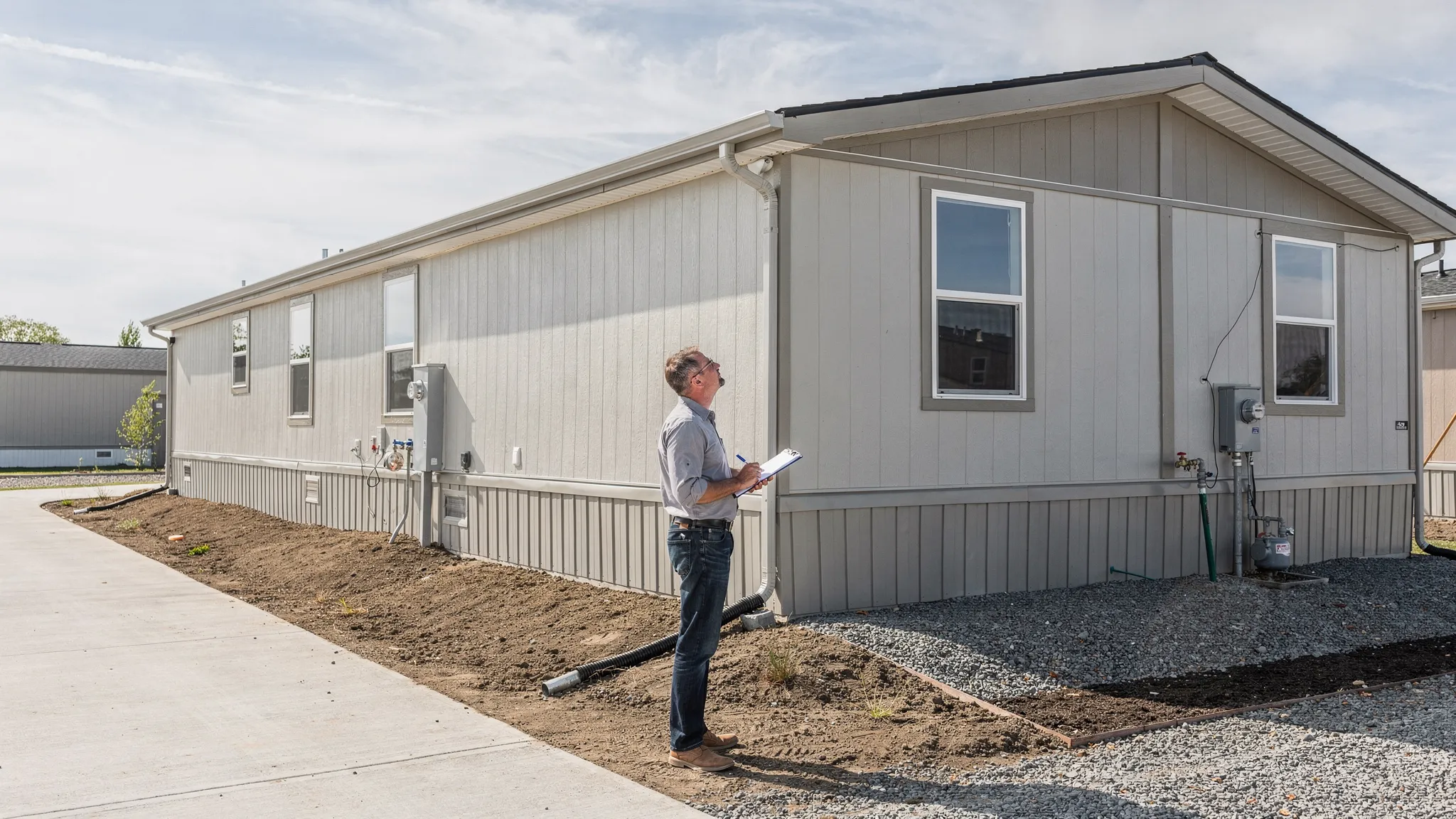
When you tour a home, you are not only looking for style. You are looking for signs of moisture, movement, and deferred maintenance.
A simple, high-signal walkthrough:
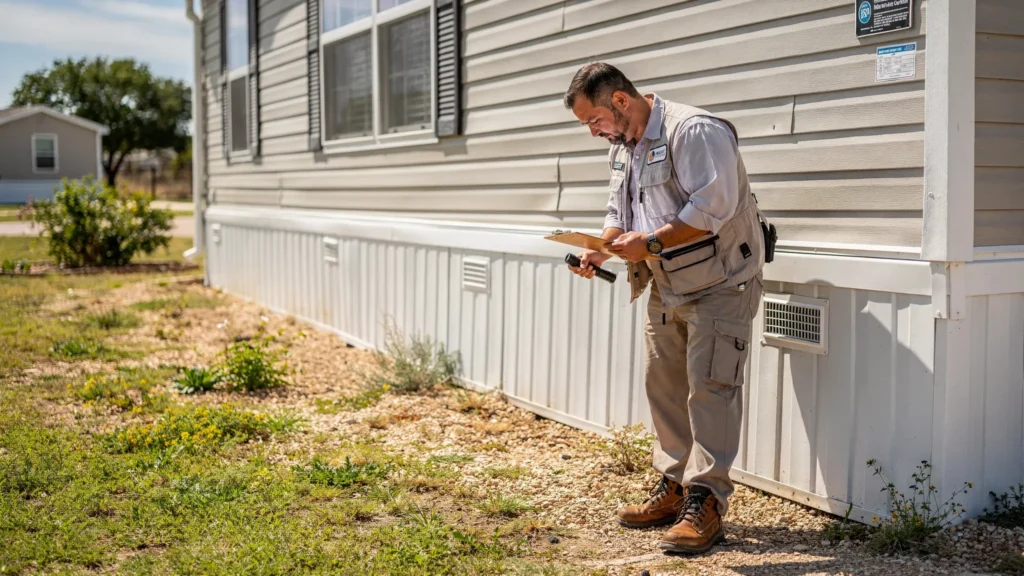
- Outside first: Look for roof sagging, soft spots near edges, damaged skirting, and signs of poor drainage around the home.
- Doors and windows: Sticky doors can indicate shifting or leveling issues.
- Floors: Walk every room, feel for soft areas, especially near bathrooms, laundry, and kitchens.
- Ceilings and corners: Stains, bubbling paint, or patchwork can point to leaks.
- HVAC and ducts: Ask age, service history, and whether ducts are sealed and insulated.
- Plumbing: Check under sinks for staining and active drips.
If you are shopping in Texas heat, comfort and operating cost matter. For what to look for in insulation, windows, duct sealing, and HVAC efficiency, see Homes2Go SA’s guide to energy-efficient manufactured homes for Texas heat.
8) Compare homes using “true total cost,” not asking price
Two listings can have the same price and radically different real costs.
Use a simple comparison framework.
| Cost category | What to include | Why it matters |
|---|---|---|
| Home price | Base price, options, delivery fees if separate | Prevents comparing incomplete quotes |
| Setup and site work | Installation, foundation/piers, utility connections, permits as applicable | Often the biggest hidden swing factor |
| Ongoing monthly costs | Loan payment, insurance, property taxes, lot rent (if any), utilities | Defines affordability more than sticker price |
| Repairs and upgrades | Roof, HVAC, flooring, plumbing fixes, cosmetic updates | Impacts move-in timeline and cash needed |
If you want a practical overview tailored to local buyers, Homes2Go SA’s mobile homes in San Antonio buyer guide breaks down common steps, paperwork, and what to expect.
9) Avoid scams and stale listings when searching “near me”
“Near me” searches are a magnet for scam listings because buyers want speed.
Protect yourself with a few non-negotiables:
- Tour the home in person before paying anything meaningful.
- Verify the identity of the seller or the legitimacy of the dealership.
- Be cautious of listings that cannot answer basic questions (year, location type, what is included, ownership documentation).
- Treat urgency as a negotiation tactic, not a reason to skip steps.
If something feels off, walk away. There will be another home.
10) If you are searching in San Antonio, narrow your search the smart way
San Antonio buyers often get better results by searching by corridors and nearby counties, not just “San Antonio city limits.” Inventory, land availability, and community options can vary significantly depending on where you look.
Also, be realistic about your living setup:
- Community living can be a great option if you want a neighborhood feel and quicker placement, but it requires community approval and ongoing lot rent. If you are comparing options, Homes2Go SA’s roundup of mobile home parks in San Antonio can help you plan tours.
- Private land placement gives you more control long-term, but it adds steps (site work, utilities, permitting, and installation coordination).
Frequently Asked Questions
What does “mobile homes near me for sale” usually include? It can include new manufactured homes sold by local retailers, used homes for sale by owners, homes already placed in land-lease communities, and sometimes land-home package listings. The key is to identify whether the price is home-only, home-in-community, or land plus home.
How do I know if a listing is for a manufactured home or an older mobile home? Check the year built first. Homes built June 15, 1976 or later are generally manufactured homes built to the HUD Code. When in doubt, ask the seller for documentation and identifying details, and verify through appropriate state resources.
Is it better to buy a home already in a community or move one to my land? It depends on your goals. Community homes can be faster to move into but come with lot rent and rules. Land placement offers more long-term control but requires site work, utilities planning, and installation coordination.
What should I ask before touring a mobile or manufactured home? Ask the year built, whether the home must be moved, what is included in the price (delivery and setup or not), known roof/HVAC/plumbing issues, and what paperwork the seller can provide to prove ownership.
How can I compare two listings with different “included” items? Compare them by total cost, including delivery, installation, site work, monthly housing costs, and any repairs needed. Do not compare asking price alone.
What is the biggest mistake buyers make with “near me” searches? Falling in love with photos before confirming feasibility. The most expensive surprises usually come from missing details about paperwork, placement rules, flood risk, utilities, or what the price actually includes.
Want help finding the right manufactured home in San Antonio?
If you are ready to move from browsing to buying, Homes2Go San Antonio can help you narrow down options based on your budget, timeline, and where you want to live. You can explore available models, review detailed floor plans, and get guidance on flexible financing options through trusted local lenders.
Start here: Homes2Go San Antonio
 Mobile Home Inspection Cost in Texas: 2025 Guide
 Mobile Homes Rent to Own: Pros, Cons, Steps