
Buying a home is hard enough, but searching for mobile homes for sale with land adds a second challenge: the land itself can make or break the deal. In the San Antonio area, a “good price” on paper can turn into months of delays if the lot has utility hurdles, zoning limits, floodplain issues, or deed restrictions that prevent a manufactured home placement.
This guide shares local, practical insights for buyers who want land ownership (not lot rent), including where opportunities tend to appear around San Antonio, what to verify before you sign, and how financing and installation typically work in Texas.
What “mobile home with land” usually means in South Texas
Listings can use the same phrase for very different setups. Before you fall in love with a property, clarify what you are actually buying.
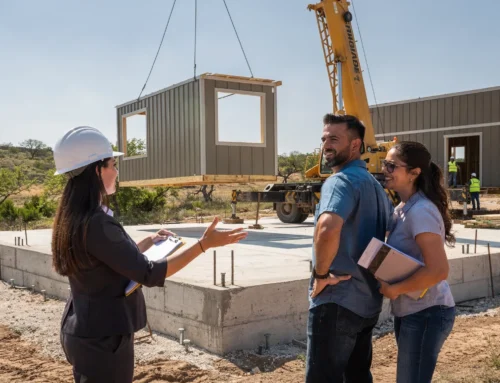
- Land-home package (one coordinated purchase): The seller or retailer helps match a home to a specific tract, and the project is planned as a single build-and-place outcome.
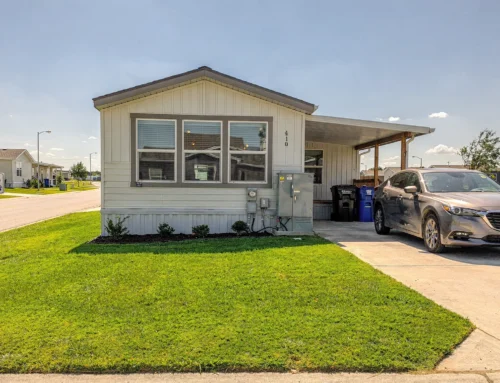
- Manufactured home already installed on owned land: You are buying a “real property” style setup if the home is permanently affixed and properly titled/converted, but you still need to verify paperwork.
- Land-only, you add the home later: You buy the lot first, then separately purchase a home, permitting, site work, and installation.
In Texas, the “mobile home” term is common in everyday speech, but most homes you’ll shop for today are HUD-code manufactured homes. HUD maintains the federal construction and safety standards that apply nationwide (learn more at the HUD manufactured housing overview).
Local insight: where land-based opportunities show up around San Antonio
Inside San Antonio city limits, land that allows manufactured homes can be more limited due to zoning, subdivision rules, and neighborhood restrictions. Many buyers widen their search to nearby areas where acreage parcels and mixed-use tracts are more common.
Places buyers often explore include:
- South and Southwest of San Antonio: More rural tracts can mean fewer HOA restrictions, but more reliance on septic and well solutions.
- East and Southeast corridors: You may see more subdivided lots with utility access, but always confirm service availability and impact fees.
- Hill Country edge (north/northeast of the metro): Beautiful land, but slope, rock, and drainage can raise site prep costs.
- Surrounding counties (depending on commuting needs): Bexar plus nearby counties such as Medina, Atascosa, Wilson, Guadalupe, and Comal.
The tradeoff is simple: the farther out you go, the more likely you are to find flexible land, and the more likely you are to face utility and access complexity.
The land is the “hidden inspection” in a land purchase
When you buy a site-built house, the land is usually already solved (utilities, driveway, drainage, foundation type). With a manufactured home on private land, you are often building that “solved” environment yourself.
Zoning and restrictions (city, county, subdivision)
Start by confirming the property can legally accept a manufactured home.
What to check:
- Zoning and land use rules (if inside a municipality or ETJ): Ask what’s allowed and whether a manufactured home requires special permits.
- Deed restrictions: Some neighborhoods allow site-built only, or restrict home age, size, roof pitch, or exterior materials.
- HOA rules: Even when zoning allows it, an HOA can prohibit it.
If you are within the City of San Antonio, the best first stop is the City of San Antonio Development Services Department to understand permitting pathways and whether the lot has constraints.
Utilities: power is not the same as “service is ready”
Utility availability is one of the biggest causes of surprise costs and timeline slips.
Verify early:
- Electric: Where is the nearest service point, and will a new pole or trench be required?
- Water: City water, water coop, or a well, each has different approvals and timelines.
- Sewer: Municipal sewer, or septic (which can require soil evaluation and setbacks).
- Internet: Not a dealbreaker for everyone, but it matters if you work from home.
A common local pattern is “power nearby” marketing language on rural listings. “Nearby” can still mean a meaningful line extension, easements, and added permitting.
Flood risk and drainage: check before you design the site
San Antonio’s storm patterns make drainage a real issue, even outside mapped floodplains. Do not rely only on the listing.
Do a basic flood check:
- Pull the address on the official FEMA Flood Map Service Center.
- Walk the property (or have an inspector do it) after rain if possible.
Flood zone status can affect placement, foundation design, and insurance requirements.
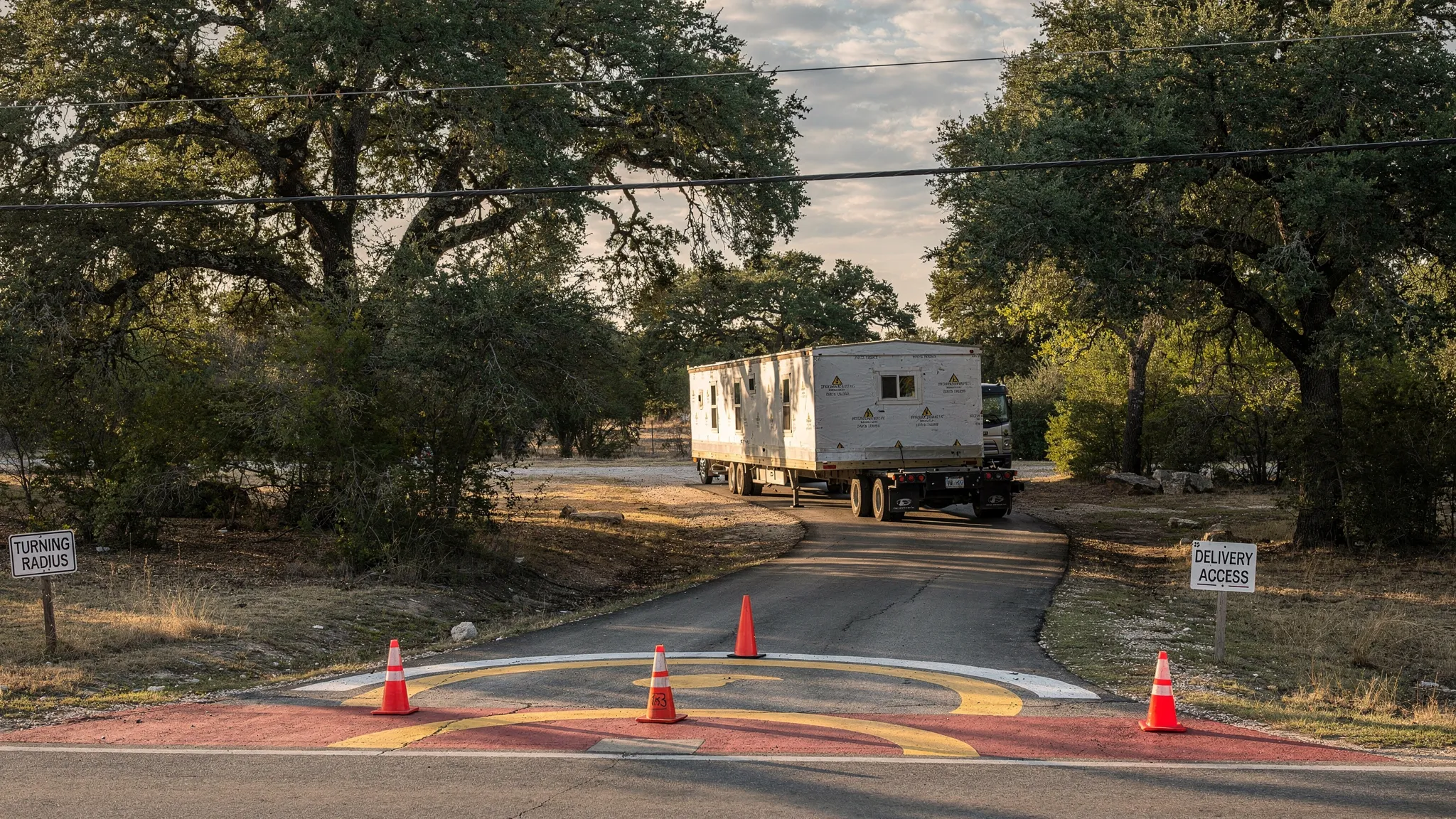
Access and geometry: can the home physically be delivered?
A manufactured home delivery needs turning radius, overhead clearance, and a stable route.
Confirm:
- Road width and weight limits (especially on private roads)
- Low-hanging lines or trees
- Gate openings and driveway design
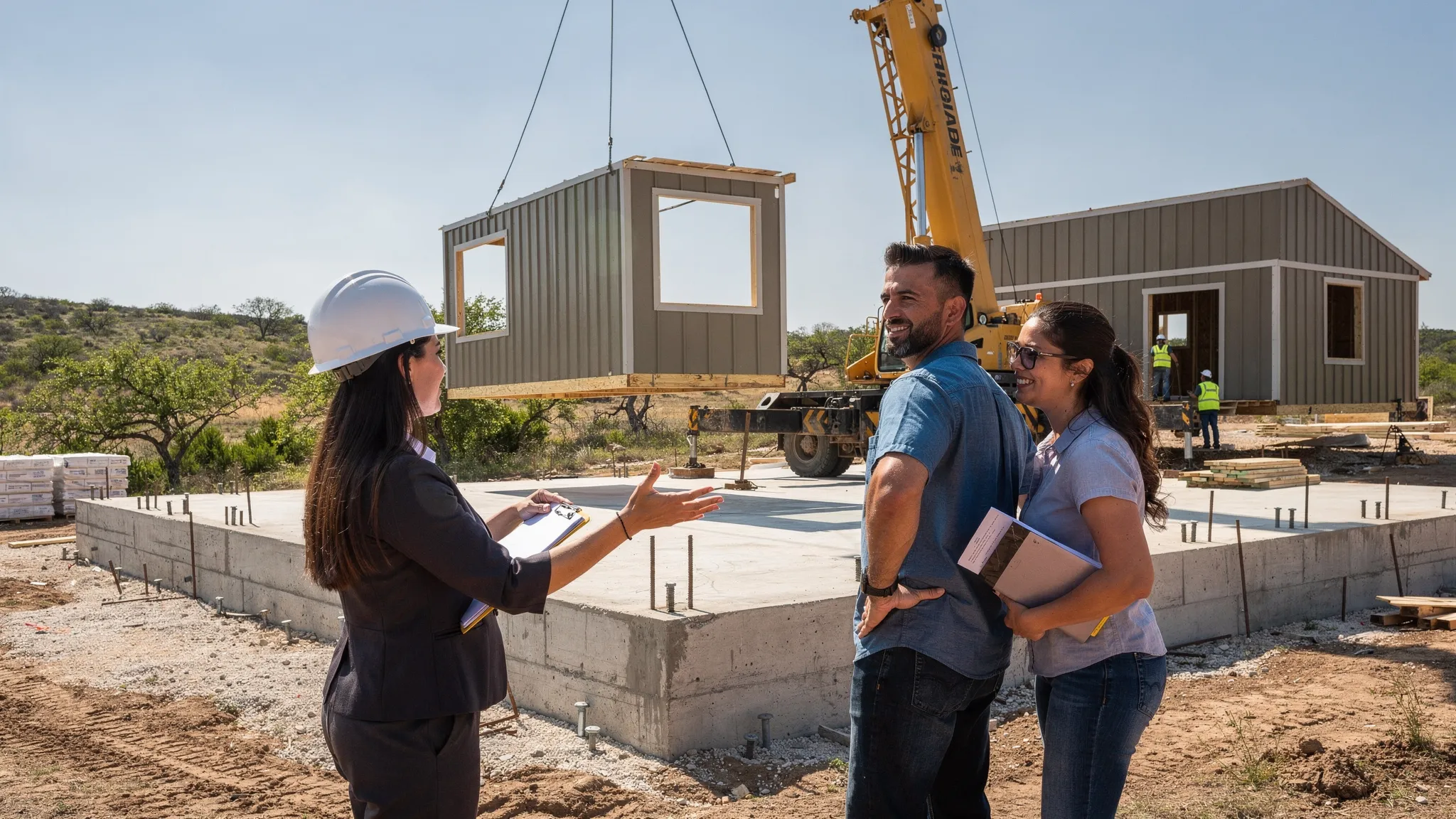
- Space for a crane, if required for installation
This is one of the most “local” issues because many tracts around the metro are technically buildable but not practically deliverable without extra work.
Buying approaches compared (and who each fits best)
Not every buyer should pursue the same path. The right approach depends on your timeline, risk tolerance, and financing profile.
| Approach | Best for | Main advantages | Common watch-outs |
|---|---|---|---|
| Home + land already together (existing setup) | Buyers who want the simplest move-in path | You can evaluate a finished property, utilities and access are often established | Must verify titling/ownership records, foundation type, permits, and condition |
| Coordinated land-home package | Buyers who want land ownership with guidance | One planned project, fewer “missing pieces” than DIY land-only | Still requires due diligence on land, utility timelines, and permitting |
| Buy land first, then buy the home | Buyers who want maximum land choice and are comfortable managing steps | You choose the exact tract and can phase the project | Highest risk of surprise costs (utilities, access, soil), more coordination required |
| Land-lease community (no land ownership) | Buyers prioritizing amenities and location over land ownership | Often faster placement, community utilities and rules are known | Lot rent, park rules, approval process, less long-term land control |
Homes2Go San Antonio primarily supports buyers shopping manufactured and mobile homes locally, and can help you think through whether owned-land placement or a community placement is more realistic for your budget and timeline.
Due diligence: a practical checklist you can use before you sign
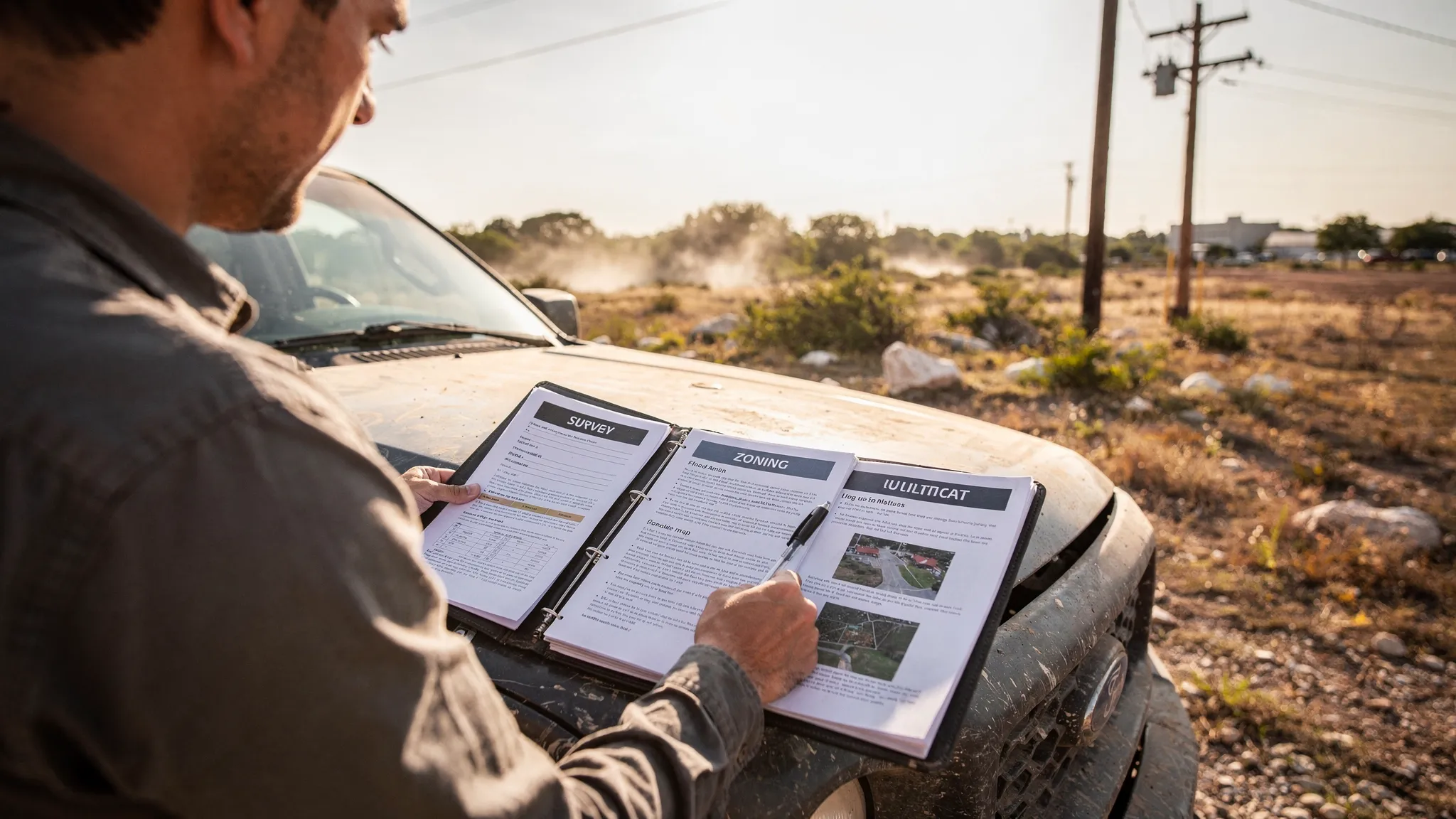
If you want land ownership, the goal is to reduce unknowns before closing. Some items are “must verify” and others are “nice to know,” but skipping the core checks is where buyers get burned.
| Due diligence item | Why it matters | What to ask for or verify |
|---|---|---|
| Legal description and boundaries | Prevents easement and encroachment surprises | Survey (or boundary documentation), easements, access rights |
| Deed restrictions/HOA rules | Can prohibit manufactured homes | Recorded restrictions, HOA bylaws (if applicable) |
| Zoning/land use | Determines whether placement is allowed | Written confirmation from local authority when possible |
| Flood risk and drainage | Impacts placement, insurance, and site design | FEMA map check, on-site observations, elevation considerations |
| Utility availability | Drives cost and timeline | Provider confirmation, distance to service, required upgrades |
| Septic feasibility (if needed) | Not all soils support all systems | Soil evaluation and local septic requirements |
| Delivery access | The home must physically reach the pad | Delivery path review, overhead clearance, driveway plan |
| Permitting pathway | Avoids stop-work delays | Permit list, inspections required, responsible party |
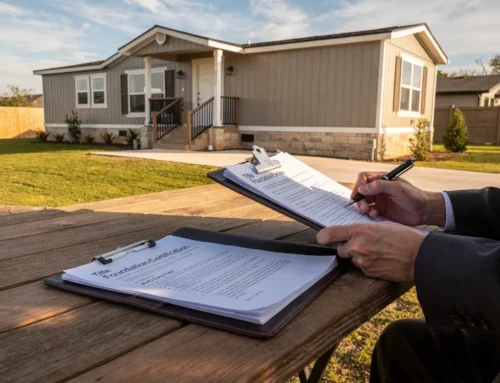
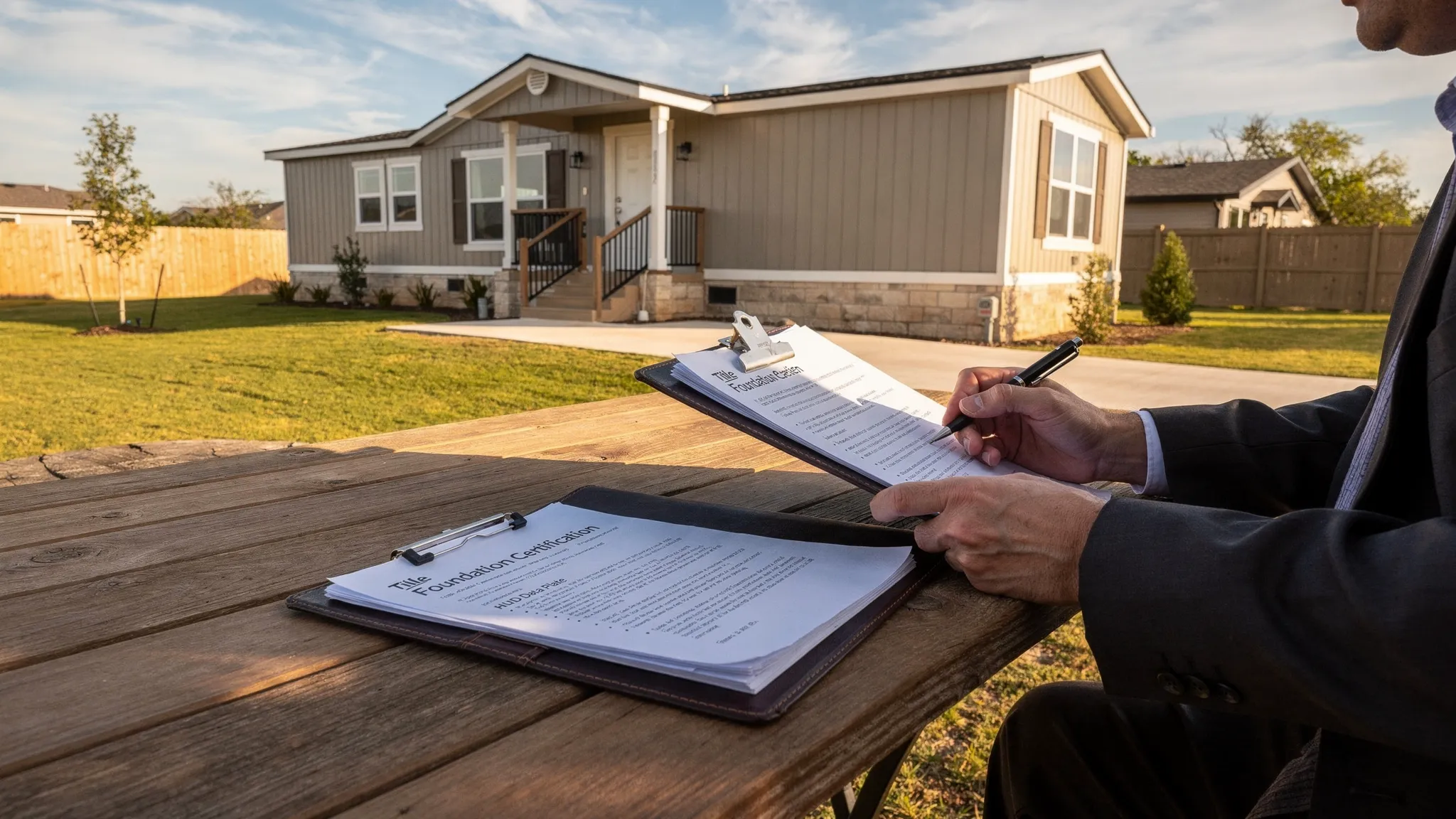
For Texas-specific ownership and titling questions, the Texas Department of Housing and Community Affairs (TDHCA) manufactured housing program is a key reference point.
Financing reality: land changes the loan conversation
A lot of buyers start with a simple question: “Can I finance a mobile home with land?” Often yes, but the details depend on how the home is classified and what you are buying.
Here are the main practical distinctions buyers run into:
Chattel vs land-home (mortgage-style) financing
- Chattel loans typically finance the home as personal property. This can be common when the land is not part of the same transaction, or when the home is not secured as real property.
- Land-home loans (mortgage-style) are usually tied to the land as collateral, and often require the home to be installed to certain standards and properly titled/affixed.
The Consumer Financial Protection Bureau has a plain-language primer on manufactured home financing options, including chattel loans and mortgages (see the CFPB guide to manufactured housing).
Why “with land” can help some buyers
When the land and home are financed together in a way that meets lender requirements, some buyers may see better long-term structure than home-only financing. The catch is that the project must be documented, permitted, and installed correctly.
Because each lender’s guidelines vary, it helps to talk through your plan early (land status, utilities, foundation type, timeline). Homes2Go San Antonio works with trusted local lenders and can help first-time buyers understand what paperwork and site details lenders will ask for.
You can also review Homes2Go’s overview of common options on their manufactured home financing page.
Local cost drivers buyers underestimate (even when the home price looks great)
It’s normal to compare listings by the home price, but land-based purchases often swing based on site work. Instead of guessing, ask for itemized estimates and clarify who is responsible.
Cost drivers that frequently matter around the San Antonio area:
- Site prep: Clearing, grading, driveway, and drainage improvements.
- Foundation or support system: Based on soil, slope, and lender or code requirements.
- Utility connection and trenching: Distance to service is a major variable.
- Permits and inspections: Varies by jurisdiction.
- Septic or well: If no municipal service is available.
If you want a deeper look at how land and home projects come together in this region, Homes2Go also has a dedicated guide to land and home packages in San Antonio.
Red flags specific to land-based manufactured home deals
Some issues are universal in real estate, but a few come up repeatedly with manufactured homes on private land.
Watch for:
- “No restrictions” with no paperwork: Always verify recorded restrictions.
- Unclear access: If the parcel is landlocked or relies on informal access, pause.
- “Utilities available” without provider confirmation: Get it in writing from the provider when possible.
- Floodplain ambiguity: If the seller dismisses flood risk, verify independently.
- Title and ownership confusion on existing homes: Texas manufactured home titling can be straightforward when handled correctly, but messy records can delay closing.
A realistic timeline (and how to avoid the most common delays)
Timelines vary widely, but land-based purchases tend to slow down for predictable reasons: permitting, utilities, and third-party scheduling.
The fastest path is usually a property where utilities are already in place and access is clear. The slowest path is land-only with unknown soil, unknown utility extension needs, and unclear jurisdiction requirements.
To reduce delays:
- Confirm jurisdiction early (city, county, ETJ) and ask for a clear permit checklist.
- Get utility providers involved before closing, not after.
- Review delivery access before you finalize the home selection and orientation.
- Keep documentation organized (survey, restrictions, utility notes, lender requests).
How Homes2Go San Antonio can help you buy with confidence
If you are searching for mobile homes for sale with land in the San Antonio area, the smartest approach is to treat it like two purchases that must work together: a compliant home and a buildable, serviceable site.
Homes2Go San Antonio can support you with:
- A wide selection of manufactured and mobile home models with detailed floor plans
- Guidance on options buyers often prioritize, including energy-efficient designs and modern interiors
- Help coordinating the process with local lenders and flexible financing paths
- Practical, local perspective on whether a specific parcel is likely to be installable on your timeline
If you are weighing owned land versus a community placement, it can also help to compare both routes side by side. Their San Antonio community roundup is a useful companion read: best mobile home parks in San Antonio (2025 roundup).
When you are ready, start with the two questions that save the most time: “Can this land legally take a manufactured home?” and “Can it be serviced and accessed without surprises?” From there, the right home and financing structure becomes much easier to choose.
Explore available options and reach out through Homes2Go San Antonio to discuss your goals and what kind of land-based setup makes the most sense for your budget and timeline.
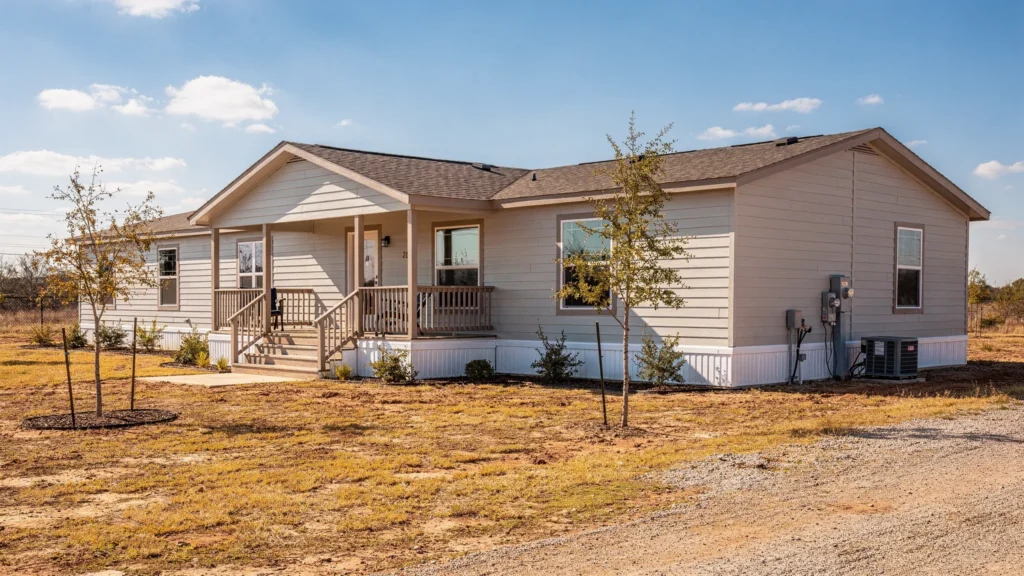 Double Wide Mobile Homes for Sale: What to Know
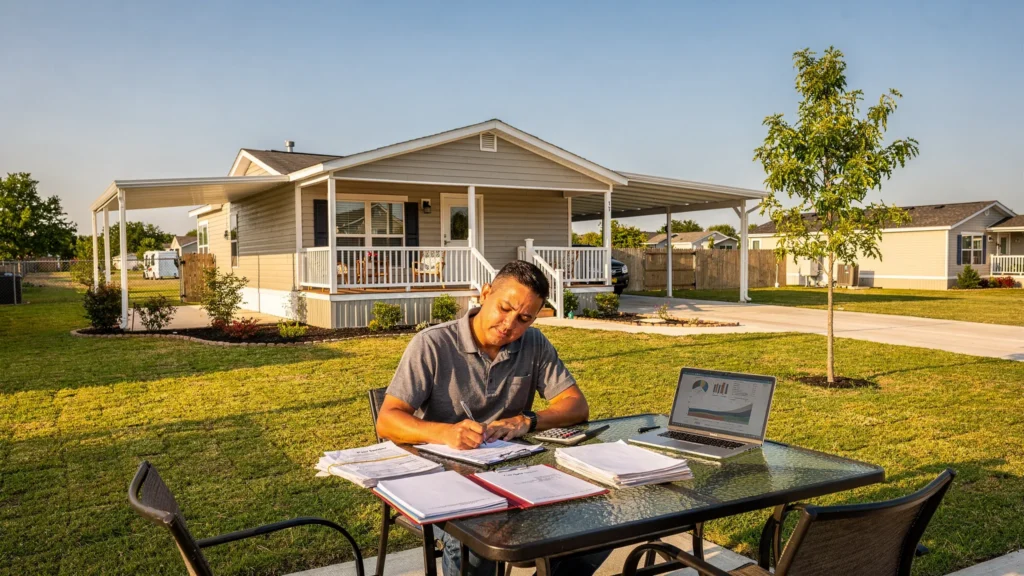 Manufactured Home Value: How to Estimate Accurately