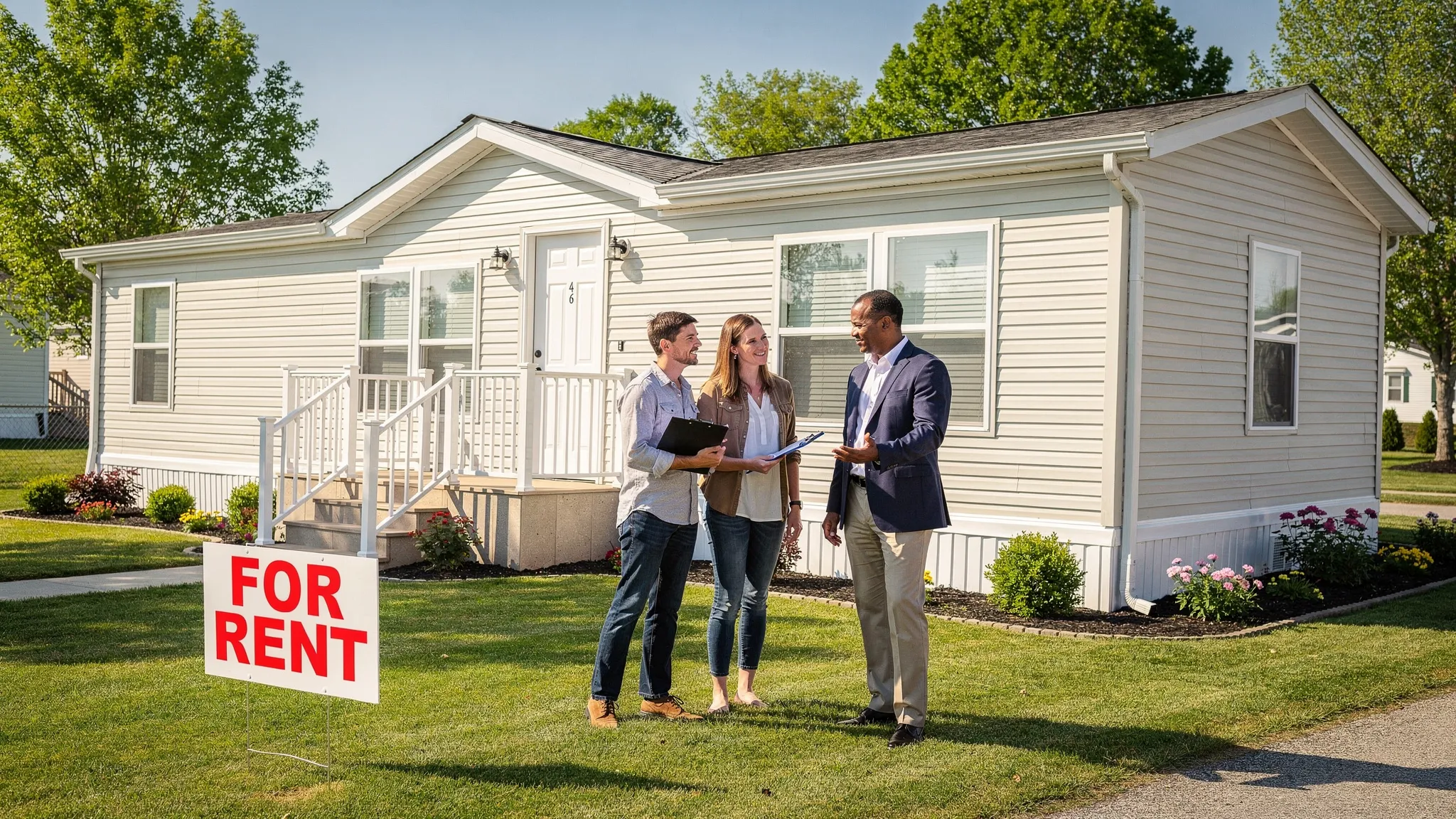

Buying mobile homes for sale by owner with land can feel like a shortcut to affordable homeownership, especially around San Antonio where inventory moves fast and listings can be all over Facebook Marketplace, local groups, and sign-in-the-yard deals.
But “by owner” also means you are responsible for verifying everything a dealer, lender, or title company would normally catch. The biggest risks are not cosmetic, they are paperwork problems (title, liens, boundaries), site issues (utilities, septic, floodplain), and financing surprises.
This deal checklist is built to help you vet a FSBO manufactured or mobile home deal with land before you hand over earnest money.
First, clarify what you are actually buying
A “mobile home with land” can describe very different situations. Your due diligence changes depending on the structure of the deal.
- Real property purchase: The home is attached to the land and transferred like a house (often with a deed and real estate closing).
- Personal property plus land: The land transfers by deed, but the home still has a separate manufactured-home title/ownership record.
- Home is not legally on that land: The seller may be advertising land they do not own, or a home that was moved without correct filings.
In Texas, manufactured homes are commonly treated as personal property unless properly elected as real property. That classification impacts financing, taxes, and how you close.
If you want a deeper explanation of how land and home transactions typically work in the San Antonio area, see Homes2Go SA’s guide on land-and-home packages in San Antonio.
Mobile homes for sale by owner with land: Deal checklist
Use the checklist in order. The early steps prevent you from paying for inspections and surveys on a deal that cannot legally close.
1) Identity and authority: confirm the seller can sell
Before you negotiate price, confirm the seller has the legal right to transfer both the land and the home.
- Ask for the seller’s government ID and confirm it matches the name on the land records.
- If there are multiple owners (spouses, heirs, co-owners), confirm everyone who must sign is willing and available.
- If the property is held in a trust, estate, or LLC, request documentation showing the signer has authority.
2) Land ownership: verify the deed, boundaries, and access
For the land portion, check:
- Current deed and legal description (not just a street address).
- Survey (or budget for one). A fence is not a boundary.
- Easements and access: Does the lot have legal road access, shared driveway rights, or utility easements?
- Property taxes: Verify taxes are current and ask what exemptions are in place (homestead, over-65). Removing an exemption can change the bill.
In Bexar County, buyers often start with appraisal district records, then confirm through a title search. A title company can pull a formal chain of title and exceptions.
3) Manufactured home ownership: confirm title, SOL, and liens
This is where many “great deals” fall apart.
Ask for:
- The home’s HUD certification label information (often called the HUD tag) and the data plate details (manufacturer, serial/VIN, wind zone, date of manufacture).
- Texas ownership documentation such as the Statement of Ownership and Location (SOL) and any lien release paperwork.
Why it matters:
- If there is a lien on the manufactured home, you need a payoff and release.
- If the home was moved or installed without proper filings, lenders and insurers may refuse it.
Texas resource: The Texas Department of Housing and Community Affairs, Manufactured Housing Division explains ownership and records processes on its official site: TDHCA Manufactured Housing.
4) Confirm the home is legally allowed on that land
Even if the seller owns both pieces, the home must be allowed where it sits.
Check:
- Zoning and land-use rules (city limits vs county, subdivision restrictions, and any deed restrictions).
- Minimum size/age rules in certain subdivisions (some restrict older homes or require specific skirting, roof pitch, or exterior materials).
- Setbacks and placement: You can inherit a violation if the home is too close to a boundary, easement, or right-of-way.
If the home is within San Antonio city limits, permitting and code requirements can differ from unincorporated county areas.
5) Utilities: verify what is actually connected and permitted
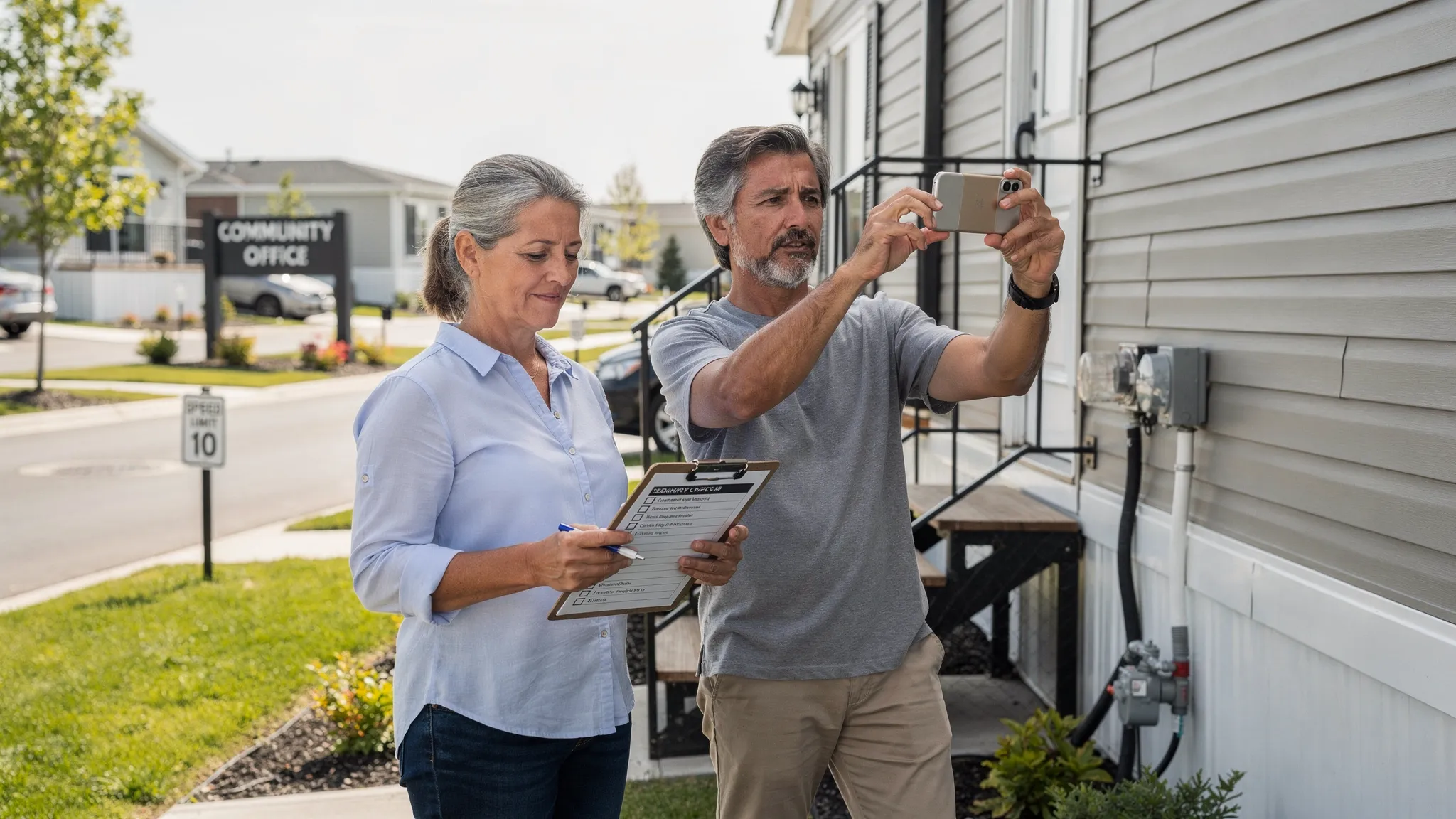
A listing that says “utilities available” is not the same as “utilities are connected and approved.” Confirm:
- Electric: Is there an active meter and adequate service size for the home?
- Water: City water, water co-op, or well. If well, ask for well details and water quality testing.
- Sewer: City sewer or septic. If septic, ask for permits, location, and last service.
- Gas: Natural gas line, propane tank, or all-electric.
Tip: Have the seller show you recent bills, not just photos of utility poles.
6) Flood risk and drainage: do not skip this
Floodplain issues can raise insurance costs, complicate financing, and create serious resale friction.
- Look up the address on FEMA’s official flood map tool: FEMA Flood Maps.
- Walk the property after rain if possible. Look for standing water, erosion channels, and high-water marks on skirting or piers.
7) Foundation and installation: verify compliance and condition
Manufactured homes need correct installation for safety, financing, and insurance.
Focus on:
- Tie-downs/anchoring: Signs of missing straps, loose anchors, or movement.
- Leveling: Doors that stick and cracked interior seams can indicate settlement.
- Piers/footings: Look for deterioration, shifting, or inadequate supports.
- Skirting and ventilation: Poor ventilation can drive moisture, mold, and floor damage.
If the seller claims “permanent foundation,” ask what documentation exists. Some loans require formal foundation certification.
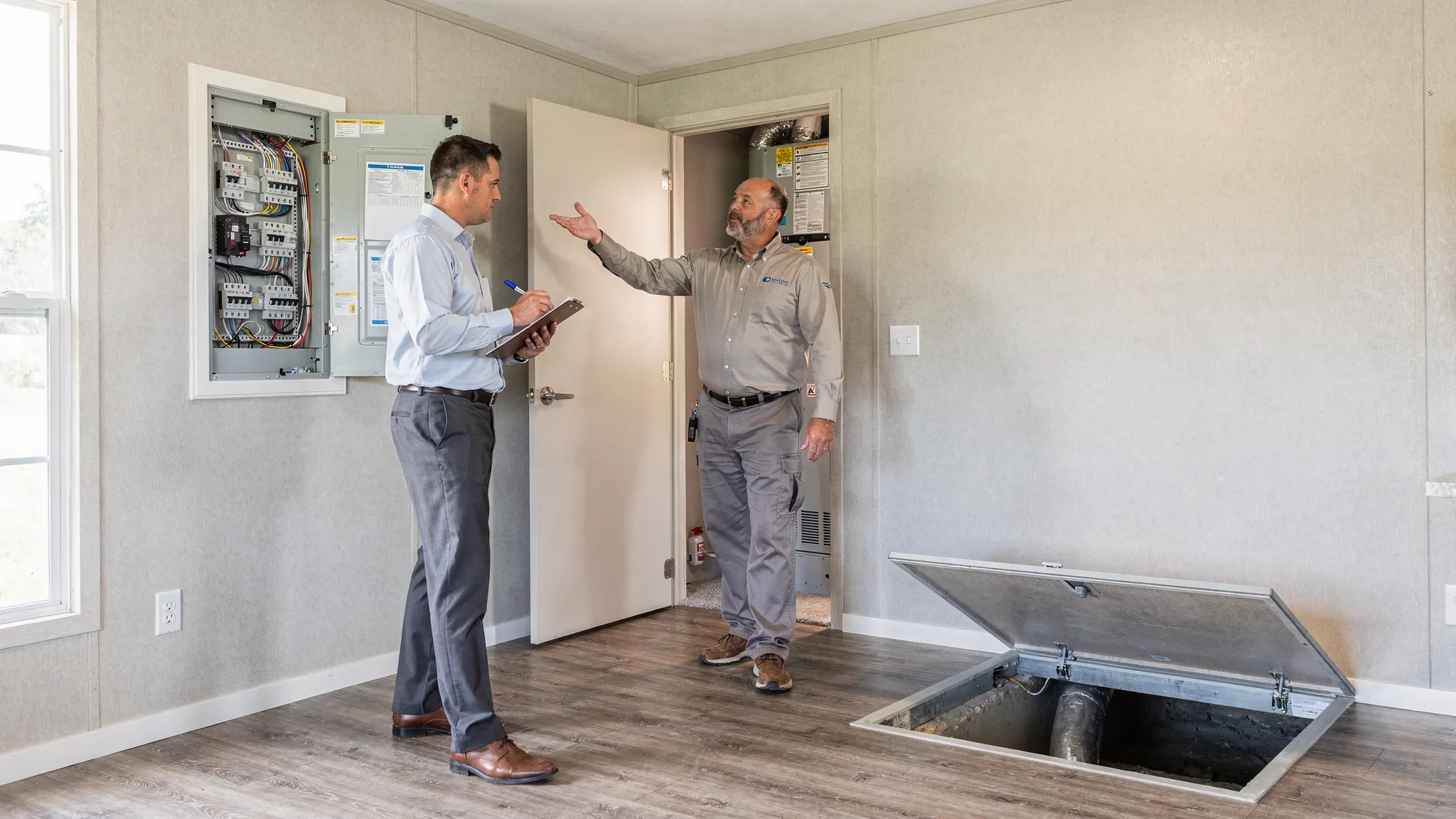
8) Condition inspection: treat it like a house purchase
A quick walk-through is not enough. Budget for inspections appropriate to your situation.
Common inspection targets:
- Roof: Age, leaks around penetrations, soft spots, previous patching.
- Plumbing: Under-home leaks, water pressure, polybutylene piping (if present in older homes).
- Electrical: Panel condition, GFCI placement, DIY wiring.
- HVAC: Age, duct condition, airflow and cooling performance.
- Subfloor: Soft areas near bathrooms, kitchen, exterior doors.
Also check whether the home’s HUD data plate is present (often inside a cabinet door or closet). Missing documentation is not always fatal, but it adds friction.
9) Title insurance and closing: use a professional closing path
For deals involving land, it is usually safer to close through a title company rather than exchanging cash and signing informal bills of sale.
Ask your title company:
- Will the land transfer with title insurance?
- Are there judgments, unpaid taxes, or liens attached to the property?
- Are there easements or deed restrictions that affect manufactured housing?
If the manufactured home is being transferred as personal property, make sure your closing plan addresses the home’s ownership transfer correctly, not just the land deed.
10) Financing reality check: confirm your loan path early
“Owner will finance” is sometimes legitimate, but many deals fall apart when buyers try to refinance later or discover they cannot insure the property.
Before you commit:
- Confirm whether the home is classified as real property or personal property.
- Ask your lender what documentation is required for the home and the land.
- Factor in closing costs, escrow, and possible site upgrades (steps, skirting, utility repairs) that a lender or insurer may require.
If you want to compare loan types used for manufactured housing in the area, Homes2Go SA summarizes common options on their financing page.
11) Total cost of ownership: price is only one line item
A “cheap” FSBO deal can become expensive fast if you inherit deferred maintenance or site problems.
Use this quick cost view to pressure-test the deal:
| Cost category | What to verify | Why it changes the real price |
|---|---|---|
| Title and closing | Title search, escrow, recording, possible curative work | Paperwork fixes can add time and fees |
| Site and utilities | Water/sewer/septic status, meter setup, trenching | Utility work can exceed the discount you negotiated |
| Installation/foundation | Leveling, anchors, skirting, steps | Impacts safety, insurance, and financing |
| Repairs and upgrades | Roof, HVAC, flooring, plumbing | Common on older homes and can be urgent |
| Ongoing costs | Taxes, insurance, maintenance | Determines affordability after move-in |
12) Red flags that should make you pause or walk away
Some problems are solvable, but they must be priced correctly and handled through a safe closing.
- Seller will not provide basic ownership documents for the land or home.
- You are asked to pay cash quickly “because other buyers are coming today.”
- The home has been moved multiple times, with unclear installation history.
- Utilities are described vaguely (especially septic and water).
- The deal depends on a handshake promise to “fix the title later.”

A smarter way to negotiate a FSBO mobile home with land
If the deal passes the checklist, your negotiation should focus on verifiable facts, not opinions.
Use documentation as leverage:
- If the roof is near end-of-life, ask for a price reduction based on written estimates.
- If a survey reveals boundary or setback issues, pause the deal until the title company confirms insurability.
- If the home cannot qualify for your preferred financing due to classification or foundation requirements, negotiate accordingly or walk away.
A clean, financeable transaction is often worth more than an extra discount.
Frequently Asked Questions
Is buying a mobile home for sale by owner with land risky? It can be, mainly because paperwork and installation issues are easier to miss without a dealer or broker. Use a title company, verify ownership of both land and home, and do inspections.
In Texas, is a manufactured home considered real property or personal property? It depends on how it is titled and recorded. Many are personal property unless properly elected and treated as real property, which can affect taxes and financing.
What documents should I ask for when buying a mobile home with land from an owner? For the land, request deed and legal description (and ideally a survey). For the home, request Texas ownership documentation such as the SOL, lien release if applicable, and HUD identification details.
Can I get a mortgage on a mobile home for sale by owner with land? Sometimes, yes, but it depends on the home’s age, condition, foundation/installation, and whether it is classified as real property. Talk to a lender early to avoid surprises.
Should I close a FSBO mobile home with land through a title company? In most cases, yes. A title company helps verify ownership, uncover liens, and coordinate a safer transfer of the land, and can help structure a proper closing.
Want a safer path to homeownership in San Antonio?
If you like the value of a land-and-home deal but want fewer unknowns than a FSBO transaction, Homes2Go San Antonio can help you compare options, review financing paths, and explore manufactured homes designed for modern living.
- Browse guidance on manufactured home loan types on the Homes2Go SA financing page.
- Learn how coordinated land-and-home purchases work in the area with the land-and-home packages guide.
If you want, share what you have found (listing, location, and whether land is included), and we can turn this checklist into a quick “go or no-go” decision framework before you spend money on inspections.
 Mobile Home Layouts: Popular Floor Plans That Live Bigger
 Cavco Homes: Features, Floor Plans, and Value