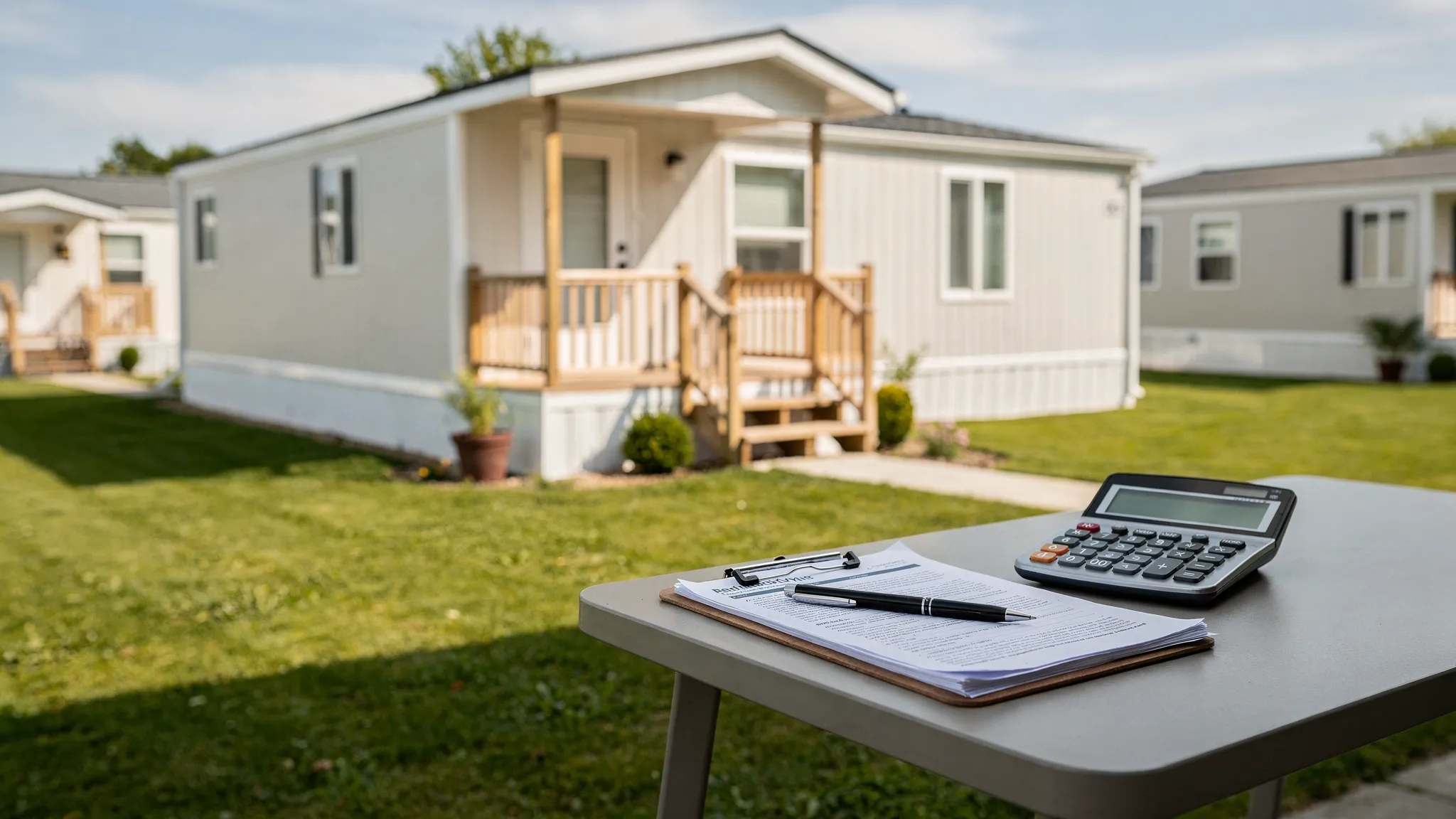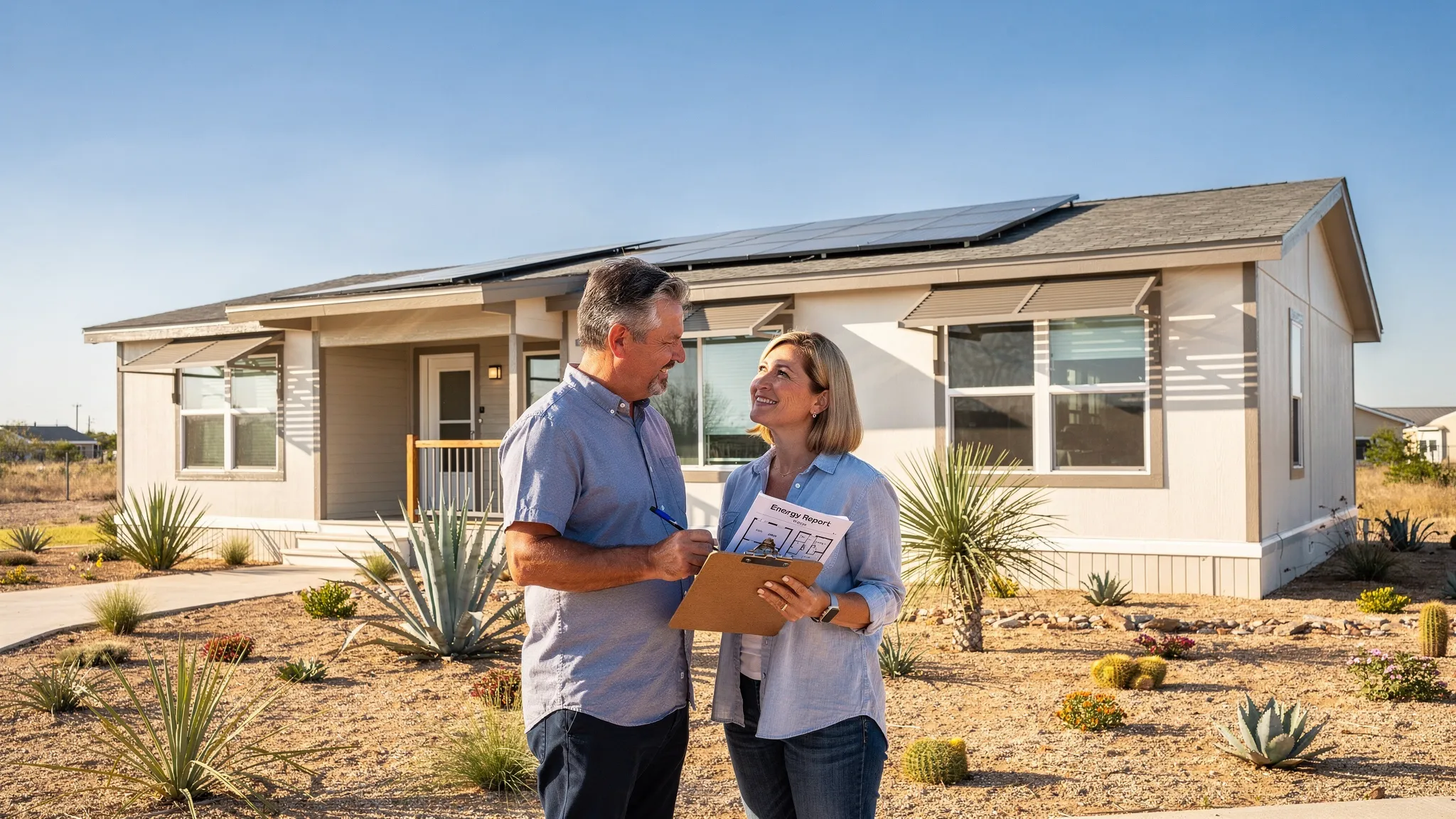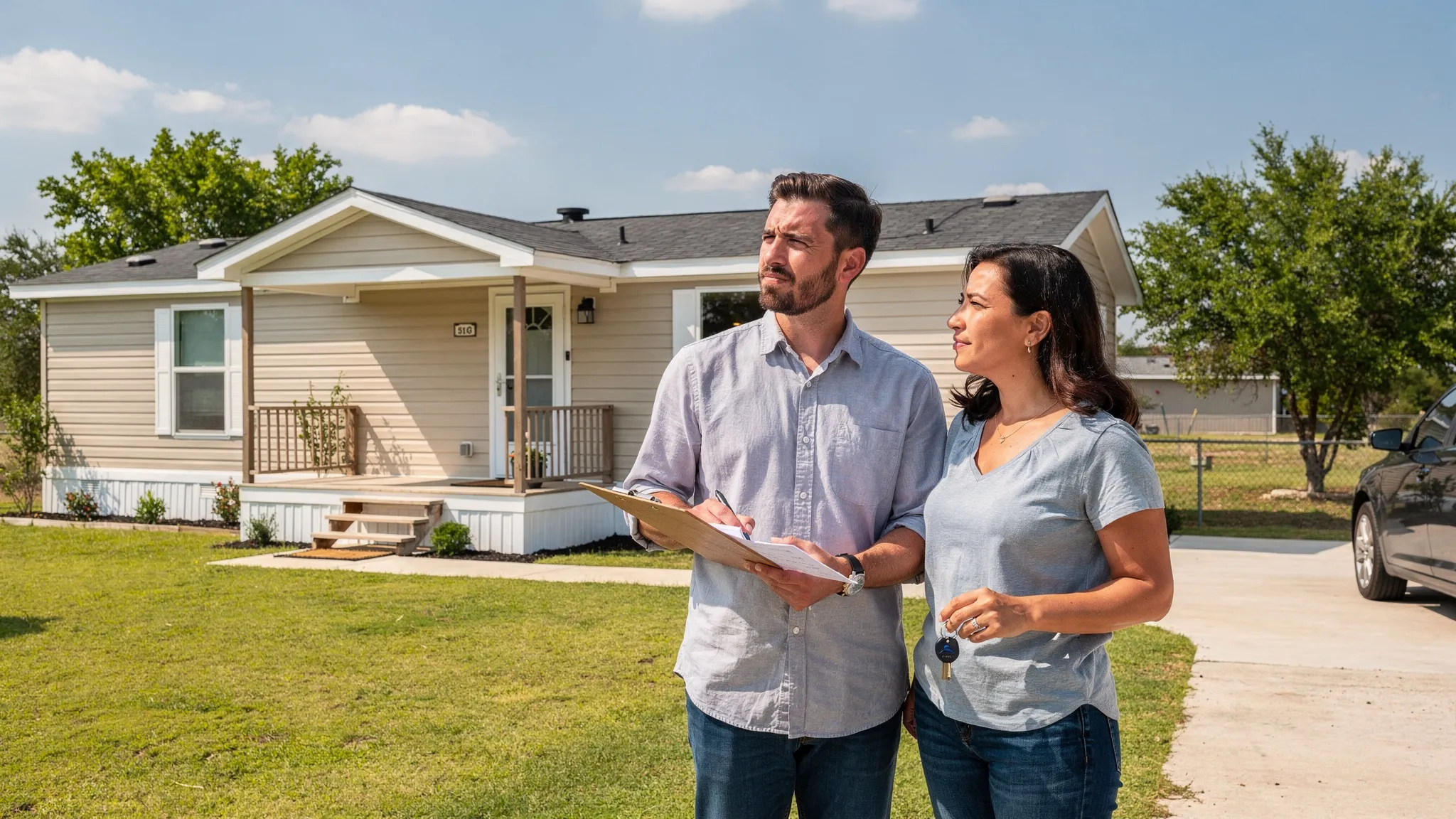

Finding mobile homes for rent near me by owner can feel like a win. You may get more flexible terms, faster responses, and sometimes lower move-in costs than a large property management company.
It can also be a scam magnet.
Owner-listed rentals are one of the most common places renters run into fake listings, pressure tactics, and “pay first, tour later” demands. The good news is that most bad situations are preventable with a simple, repeatable screening process.
Below is a practical, safety-first guide you can use before you apply, before you pay anything, and before you sign a lease.
Start with a reality check on the listing (before you message)
Scammers rely on urgency and confusion. Your first job is to slow the process down and verify the basics.
Look for listing “math” that doesn’t add up
A price that’s far below local comps is not automatically a scam, but it should trigger extra verification.
Quick checks that catch a lot of fakes:
- Compare price to similar homes in the same ZIP code and similar bed/bath count.
- Confirm the address is real (and matches the photos) using a map view.
- Check how long the listing has been up. Constant reposting with different phone numbers is a bad sign.
Reverse image search the photos
Many fake rentals use photos stolen from real listings. Take 1 to 2 photos and run a reverse image search. If the same living room shows up in another state or on a “for sale” listing, walk away.
Make sure you understand what you are renting
With manufactured housing, the “rental” can mean different things:
- Renting the home only (often in a community where the owner still pays lot rent).
- Renting a home on private land.
- Renting a lot (you bring your own home).
If the listing is vague about whether it’s in a land-lease community (mobile home park), ask early. Community rules can affect pets, parking, background checks, and whether subleasing is even allowed.
Use a safe first-contact script (text or phone)
Your goal is to confirm the person understands the property and can answer normal landlord questions without getting evasive.
Ask a few of these in your first message:
- “Are you the owner, or authorized to rent it on the owner’s behalf?”
- “Is the home in a community, and if so, which one?”
- “What’s included in rent (water, trash, lawn, sewer)?”
- “What are the move-in requirements (deposit, first month, application fee)?”
- “When can I tour it in person?”
A legitimate owner usually answers directly.
Verify ownership and the right to rent (especially in Texas)
For a site-built house, renters often verify ownership through county appraisal/tax records. For manufactured homes, ownership can be recorded differently, and the home may be titled like personal property.
What to request from an “owner” (without oversharing your info)
You are not trying to make life hard for a good landlord. You are trying to make it hard for a fake one.
Reasonable verification items include:
- A photo of a government ID with sensitive info covered (you only need name and photo to match).
- A document showing ownership or authority to lease (varies by state and situation).
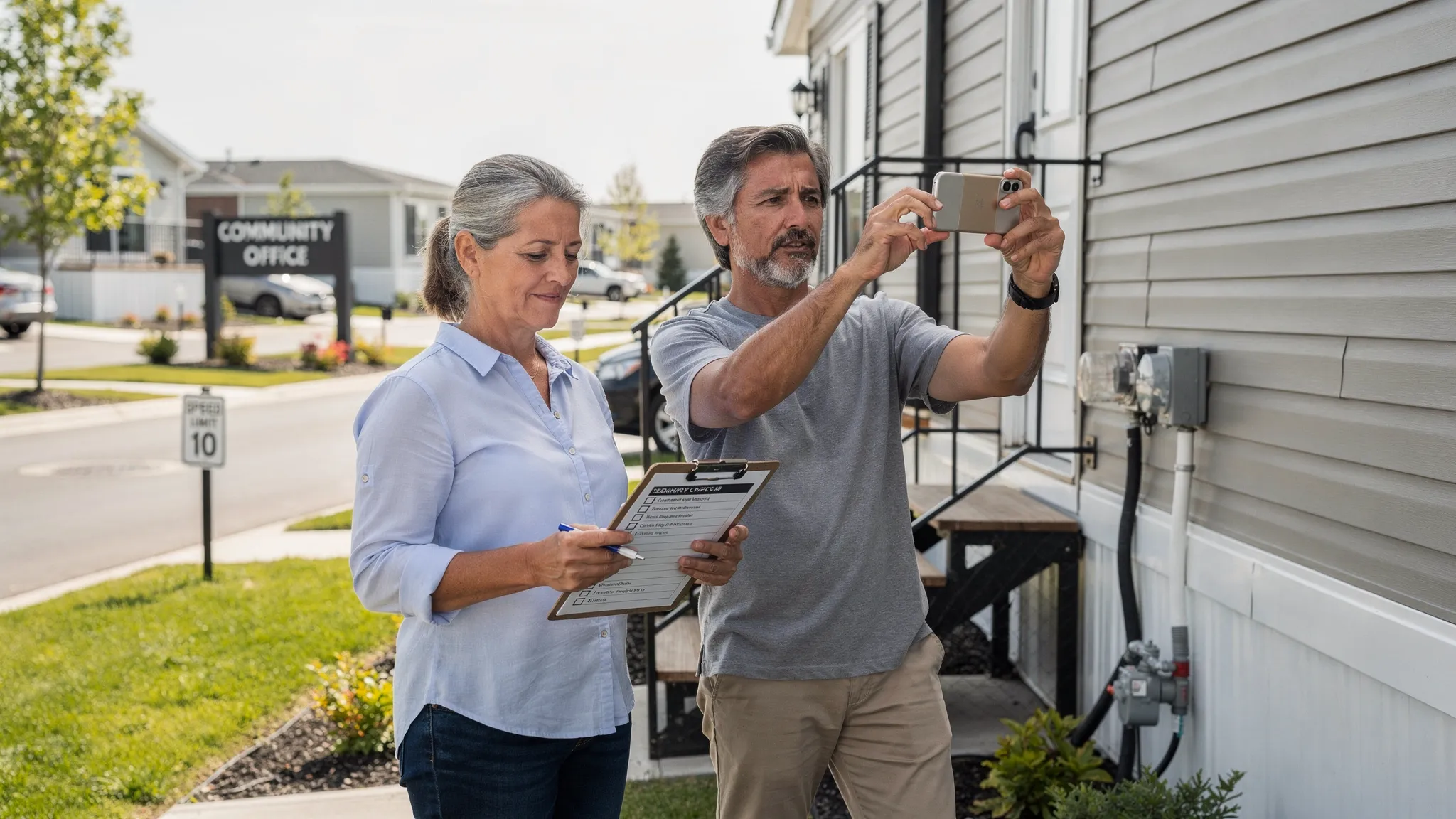
- If in a community, the community office contact so you can confirm the home is eligible to be rented.
Texas-specific: check manufactured housing records
In Texas, the Texas Department of Housing and Community Affairs (TDHCA) oversees manufactured housing. If you’re renting a manufactured home in the San Antonio area, it’s reasonable to ask how the home is titled and who it’s titled to, then independently confirm what you can through TDHCA resources.
- TDHCA Manufactured Housing Division (MHD): TDHCA Manufactured Housing
If a person refuses any verification and pushes you to pay immediately, that is usually your answer.
Tour safety: how to view the home without putting yourself at risk
Most legitimate owners will schedule an in-person tour. Your goal is to tour safely and to confirm the person showing the home has access for the right reasons.
Basic tour safety practices:
- Tour during daylight hours when possible.
- Bring another adult.
- Tell someone where you’re going and when you plan to leave.
- Do not share sensitive details (SSN, full DOB) just to schedule a tour.
If the “owner” claims they are out of town and want to mail keys after you pay, treat it as a high-probability scam.
The Federal Trade Commission (FTC) has repeatedly warned about rental listing scams that ask for payment before you’ve seen the place. If you want a simple checklist of common scam patterns, start here: FTC rental listing scams guidance.
Do a real-condition inspection (manufactured home edition)
A manufactured home can be a great rental when it’s well-maintained. It can also become a comfort and cost problem if basics were ignored.
During the tour, check the same things you would in any rental, plus a few manufactured-home specifics.
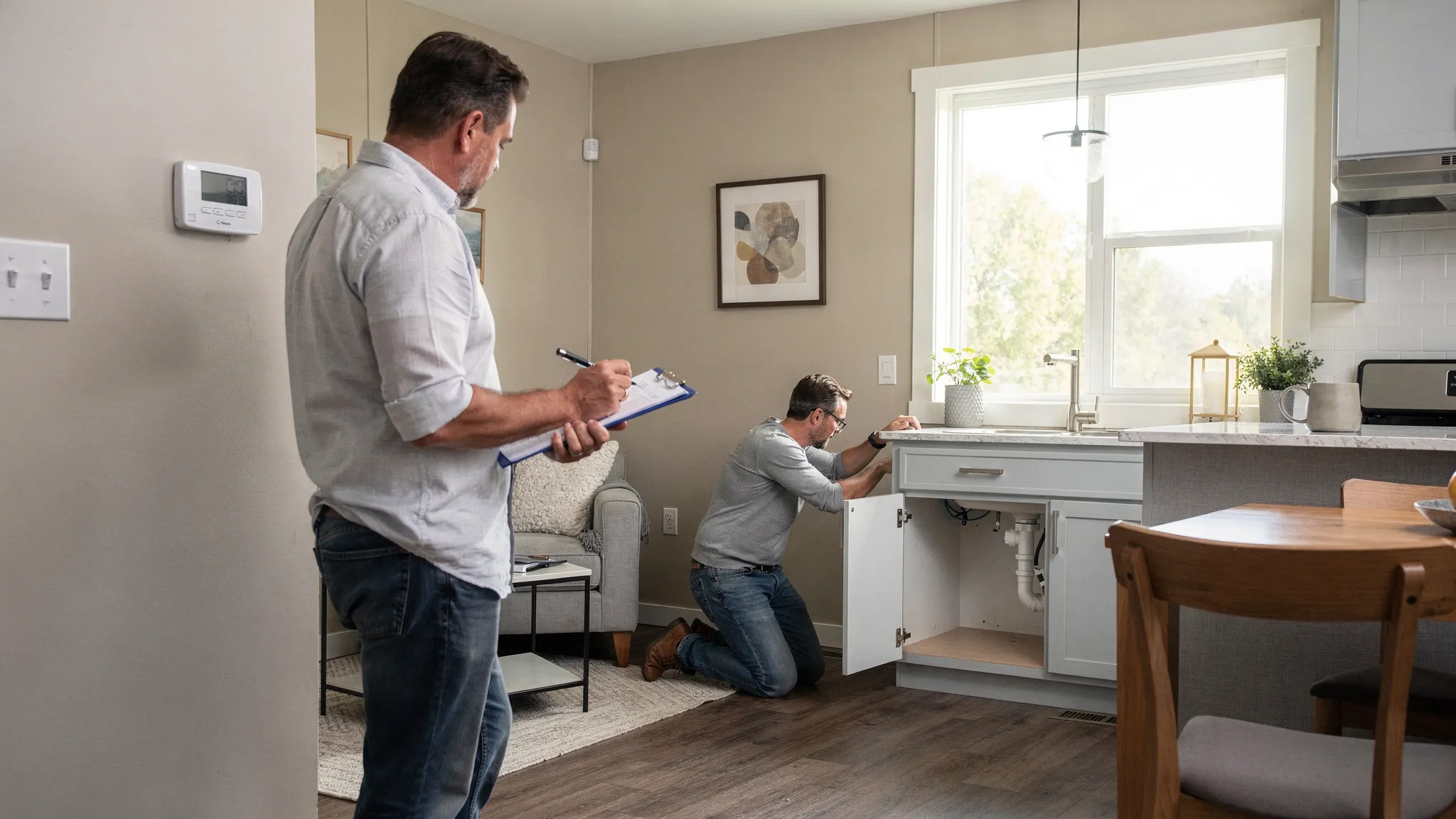
Quick inspection checklist
Focus on issues that impact safety, comfort, and monthly bills:
- Water pressure and drains: Run faucets, flush toilets, check under sinks for active leaks.
- HVAC performance: Ask how old the system is, test cooling and heating briefly.
- Windows and doors: Look for gaps, broken seals, sticky frames.
- Floors: Soft spots can indicate subfloor moisture damage.
- Ceilings and walls: Stains can indicate roof leaks.
- Smoke and CO detectors: Confirm they exist and appear functional.
- Under-home area (if accessible): Look for obvious moisture, damaged skirting, hanging insulation.
If anything is unsafe, ask for it to be corrected in writing before move-in.
Confirm community rules and approval (if the home is in a park)
Many manufactured home rentals are inside land-lease communities, and those communities often require their own application or approval.
Before you commit, confirm:
- Whether the community requires a separate application.
- Whether they screen for background, credit, and income.
- What the rules are for pets, parking, guests, and exterior modifications.
In San Antonio, community quality can vary widely. If you want a starting point for evaluating neighborhoods and parks, Homes2Go SA published a local guide here: best mobile home parks in San Antonio.
Application and screening: what’s normal vs. what’s risky
Owners can screen tenants, but they must do it lawfully and responsibly.
Reasonable screening practices
A normal application process often includes:
- Rental history and references
- Income verification (pay stubs, offer letter, benefit letter)
- Credit and background screening (with your consent)
If the owner uses a consumer report, they generally must follow the Fair Credit Reporting Act (FCRA). For a plain-English overview of your rights, the Consumer Financial Protection Bureau (CFPB) is a helpful starting point: CFPB on consumer reporting.
Red flags during screening
Be cautious if you see any of the following:
- They demand wire transfer, crypto, or gift cards.
- They ask for your SSN before you’ve toured and decided to apply.
- They refuse to provide a written lease.
- They say they can “skip the application” if you pay today.
Never pay the deposit until you’ve cleared these items
The safest order of operations is:
-
Verify the person has the right to rent the home.
-
Tour the home.
-
Review and sign a lease.
-
Pay move-in funds in a traceable way.
Payment best practices
- Use a traceable method (check, card, or a reputable payment service with records).
- Get a written receipt for any deposit.
- Make sure the lease states where the deposit is held and the conditions for return.
Texas security deposit rules vary by situation, and leases matter. If you’re renting in Texas, it’s worth reviewing general landlord-tenant guidance from a credible source like the Texas Attorney General: Texas AG landlord-tenant resources.
What a solid “by owner” lease should clearly say
A one-page lease with missing details is how misunderstandings turn into expensive disputes.
At minimum, look for clarity on:
| Lease item | What “clear” looks like | Why it matters |
|---|---|---|
| Who is the landlord | Full legal name and contact info | You need a real party to enforce the contract |
| What is being rented | Home address, plus lot/community details if applicable | Prevents bait-and-switch |
| Term and renewals | Start/end date, renewal rules, notice periods | Avoids surprise non-renewals |
| Utilities | Exactly who pays water, sewer, trash, electricity | Prevents bill shocks |
| Repairs and maintenance | How to request repairs, response expectations | Sets standards and timelines |
| Fees | Late fees, returned payment fees, pet fees | Avoids “made up” charges |
| Community rules (if applicable) | Attach rules or reference them explicitly | You can be evicted for rule violations |
If the owner refuses to put terms in writing, do not “trust the handshake.”
Spotting the most common scam patterns fast
These patterns show up again and again in rental fraud reports:
- You can’t see the home because the owner is out of state, on a mission trip, or dealing with an emergency.
- They want you to pay to “hold it” before any tour.
- They pressure you with “I have 10 people interested, pay now.”
- The story changes (different names, different payment accounts, different move-in terms).
If you suspect a scam, stop contact and consider reporting it to the platform and to the FTC via ReportFraud.ftc.gov.
Moving logistics: utilities, insurance, and storage
Once you find a legitimate rental, the last stress point is usually move-in coordination.
A few practical considerations for manufactured home rentals:
- Utilities: Ask exactly which accounts you must set up and when.
- Access: Confirm parking rules for moving trucks and trailers.
- Insurance: Many landlords require renters insurance, and it is often a good idea even when it’s not required.
If you’re downsizing or moving between homes, temporary storage can help you avoid clutter and damage during move-in. Some renters use portable storage or, where allowed, a shipping container placed on private land. If you’re exploring that option, here’s a resource to buy shipping containers online and compare common sizes before you commit.
(If you’re in a community, confirm with the park office first, many communities restrict container storage.)
Renting now, buying later: a smarter long-term path
Many renters searching “by owner” are doing it because they want more control and a predictable monthly budget. If you like manufactured home living, renting can be a stepping stone to ownership.
If you decide you’d rather own a manufactured home in the San Antonio area, Homes2Go SA publishes practical guides and can help buyers understand options and financing pathways, including:
- Local manufactured home buying considerations: manufactured homes in San Antonio
- Common loan types and how they work: manufactured home financing
A safe rental search is not just about avoiding scams. It’s about verifying the home, the landlord, the community rules, and the paperwork so you can move in with confidence and fewer surprises.
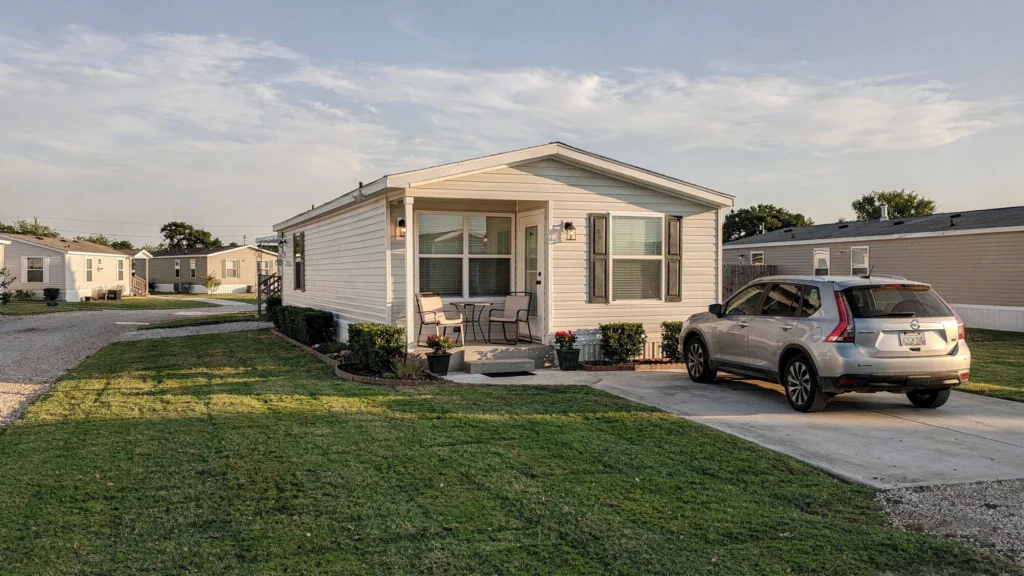 Manufactured Mobile Homes for Rent: What You’re Really Getting
 Modular Homes Dealer: Questions to Ask Before You Buy