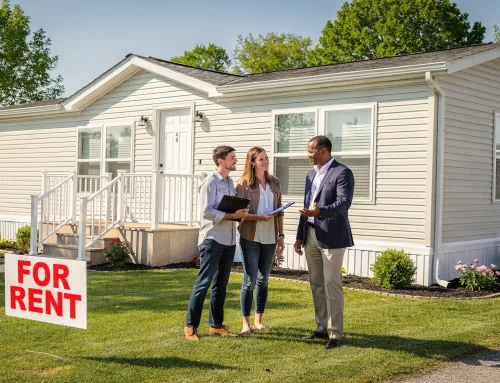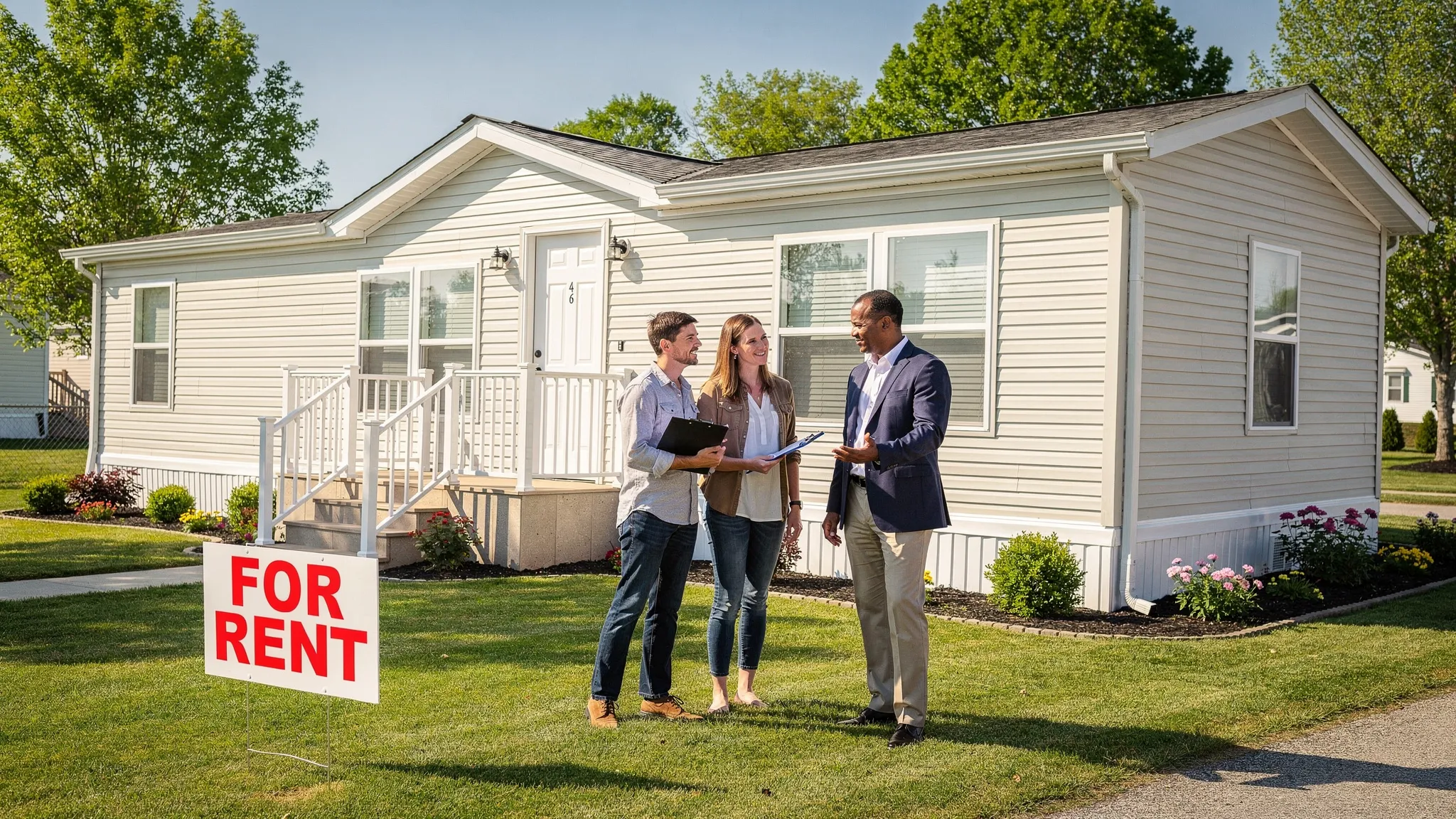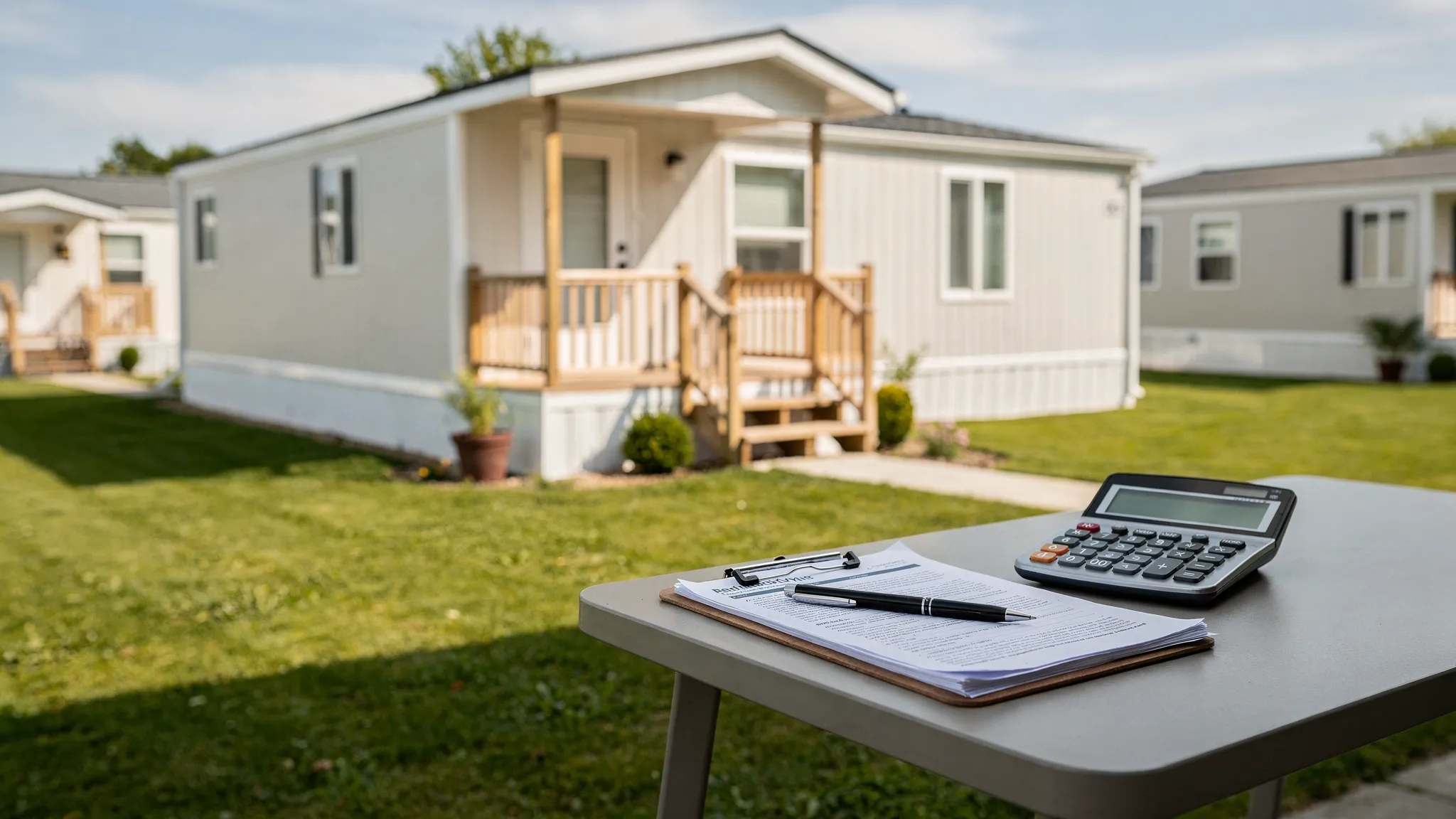

Renting can be the fastest way to get stable housing in a great part of the city, but “mobile homes for rent in San Antonio TX” can mean a few different things, and the monthly payment you see advertised is rarely the whole story.
This guide breaks down the real budget categories (rent, lot fees, utilities, deposits, and the small charges that add up), the lease terms that matter most in Texas, and how to compare a mobile home rental to other options without getting surprised later.
What “renting a mobile home” usually means in San Antonio
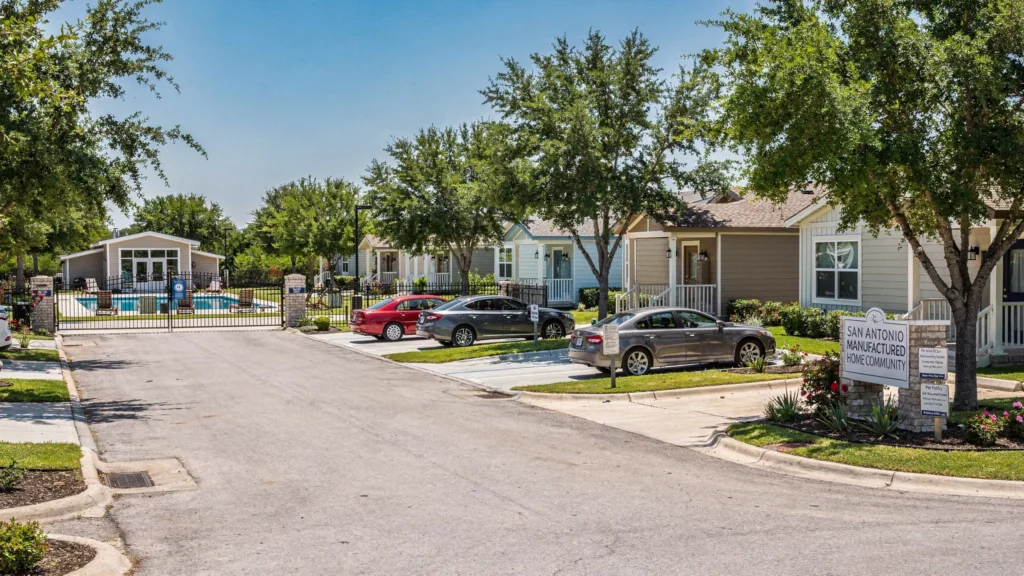
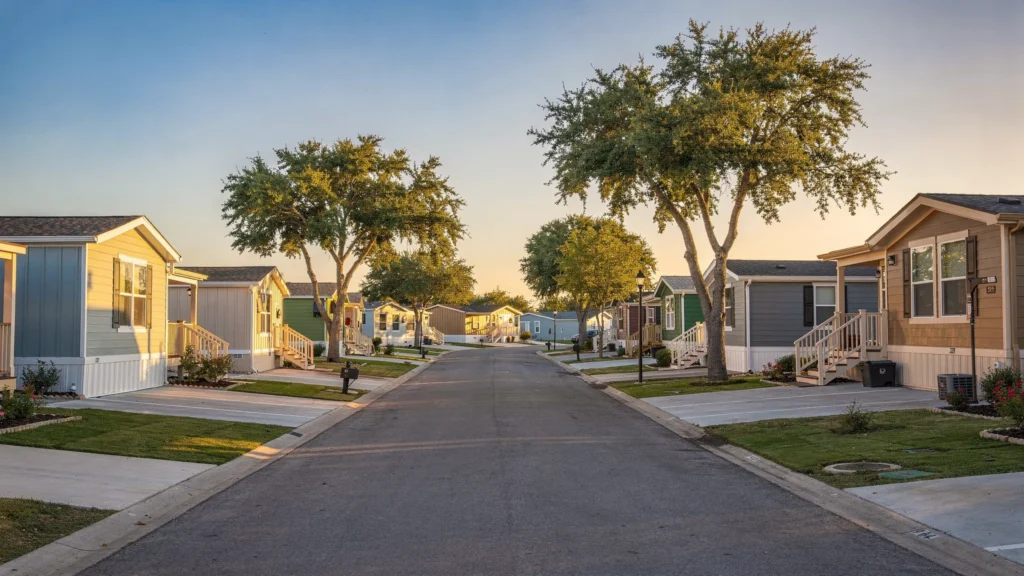
In everyday conversation, people say “mobile home,” but most rentals you’ll see are manufactured homes (factory-built homes constructed to the federal HUD Code). In San Antonio, rentals commonly fall into one of these setups:
- You rent the home inside a land-lease community (often called a mobile home park). The community or owner rents you the home; the land is part of the community.
- You rent a privately owned manufactured home on private land (less common, but it exists).
- You rent a lot and bring your own home (not the same as renting a home, but it affects price comparisons when you’re planning longer-term).
Why this matters: the cost structure, utility billing, rules, and renewal terms can be very different depending on which setup you’re considering.
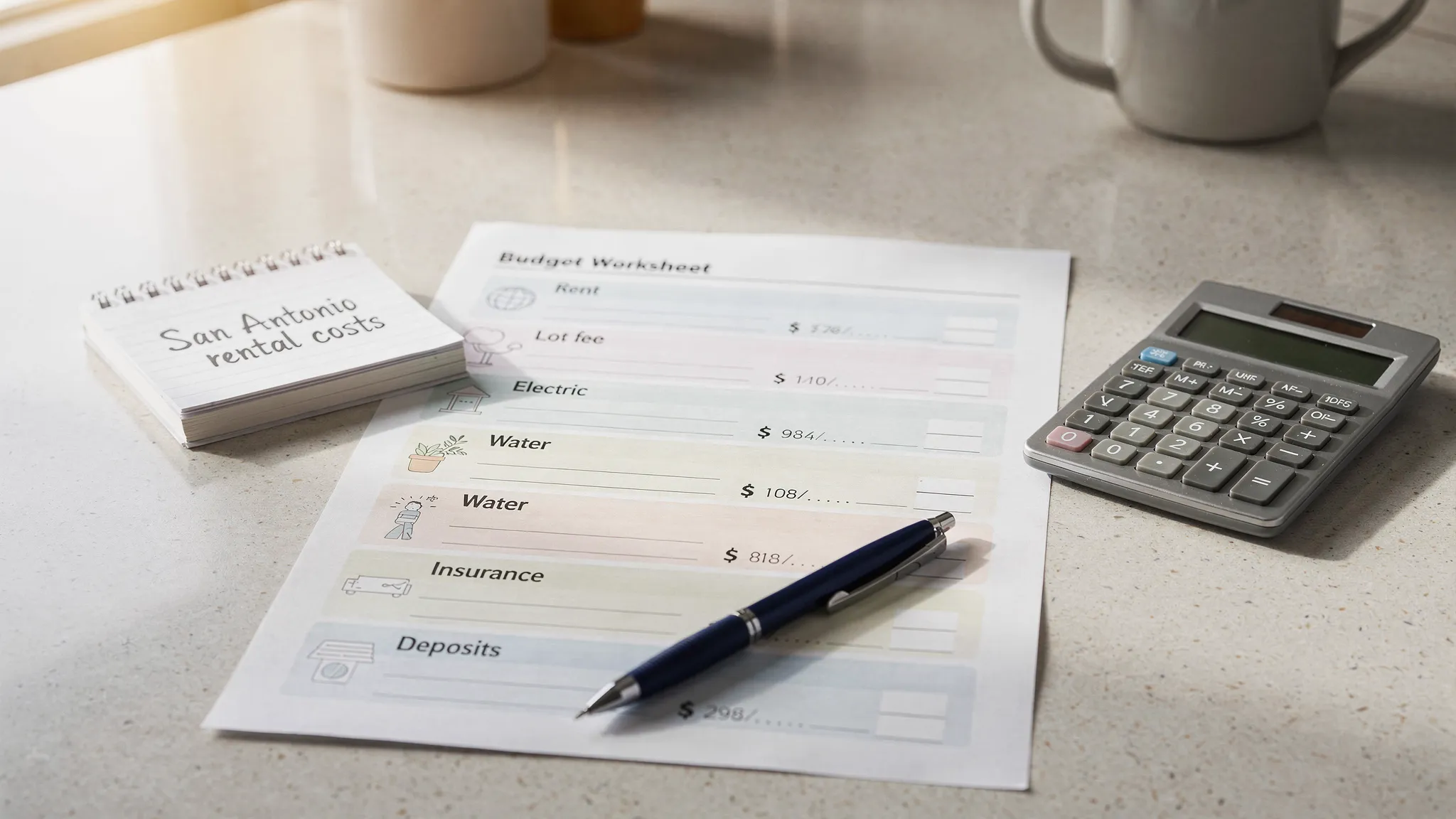
The real monthly budget: line items most renters forget
A listing might highlight “monthly rent,” but your actual housing spend is usually a bundle of recurring costs.
Here’s a practical way to map a manufactured home rental budget.
| Cost category | How it’s typically charged | What to clarify before you apply |
|---|---|---|
| Home rent | Monthly | What’s included (appliances, yard care, pest control), and whether increases are capped or scheduled at renewal |
| Lot fee (if separate) | Monthly | Whether the advertised rent already includes the lot fee, and what amenities it covers |
| Electricity | Monthly | Whether power is individually metered, who the provider is, and whether there are add-on billing fees |
| Water and sewer | Monthly | Metered vs. “flat” billing, and whether a third-party billing company is used |
| Trash | Monthly | Included or separate, and pickup schedule |
| Internet | Monthly | Availability, provider options, and install fees |
| Renter’s insurance | Monthly | Required coverage amounts and whether liability coverage is required |
| Pet rent or pet fees | Monthly and/or one-time | Monthly pet rent, deposits, breed/weight restrictions, and non-refundable fees |
| Parking/storage | Monthly | Guest parking rules, extra vehicle fees, RV/boat storage |
Rent vs. lot fee: ask this question early
If you see a rental price that seems unusually low, it may be home rent only, with a separate lot fee. Neither is “good” or “bad,” but you need the all-in number to compare options.
Ask directly: “Is the monthly price I’m seeing the total housing payment, including lot and community fees?” Get the answer in writing.
Utilities in San Antonio heat: expect seasonality
Summer electricity use can be one of the biggest swing factors in your budget. Two renters in similar homes can have very different bills depending on:
- Insulation and window quality
- HVAC efficiency and duct sealing
- Shade, orientation, and skirting condition
- Thermostat habits and maintenance
If you’re evaluating homes, energy features are not just “nice to have,” they can materially change your monthly spend. If you want a Texas-specific checklist of efficiency features to look for, see Homes2Go’s guide on energy-efficient manufactured homes and saving in Texas heat.
One-time move-in costs: plan for the “first month spike”
Many renters budget for the monthly payment and get caught off guard by move-in charges. Common one-time or upfront costs include:
- Application fees (often per adult)
- Background/credit screening fees
- Security deposit (refundable depending on lease terms and move-out condition)
- Administrative or “holding” fees
- Pet deposit or one-time pet fee
- Utility connection or account setup fees
Tip: If you’re comparing two rentals, one might have a lower monthly rent but higher upfront costs (or vice versa). You can make a cleaner comparison by spreading one-time costs over your expected stay (for example, 12 months or 24 months) to estimate a “true monthly” number.
A simple affordability checkpoint (without guessing market rent)
Because rent and fees vary by location, community rules, and home condition, the safest approach is to start with a budget limit and work backward.
A widely used benchmark is that housing costs become “cost-burdened” when they exceed 30% of household income (HUD uses 30% as a common affordability threshold). You can read more about the concept on HUD’s affordability resources.
Use the guideline as a starting point, then adjust for your reality (debt, childcare, medical costs, commuting, and savings goals).
| Monthly gross income | 30% housing target | 35% stretch target (use cautiously) |
|---|---|---|
| $3,000 | $900 | $1,050 |
| $4,000 | $1,200 | $1,400 |
| $5,000 | $1,500 | $1,750 |
| $6,000 | $1,800 | $2,100 |
When you run the numbers, use your all-in housing cost, not just advertised rent:
All-in housing cost = rent (and lot fee if separate) + utilities you pay + required insurance + recurring fees (pet rent, trash, water billing, etc.).
Lease terms that can change your budget fast
Before you sign, look for these budget-impact terms (and ask questions if anything is unclear):
- How renewals work: month-to-month vs. fixed term, and whether rent changes at renewal are disclosed in advance.
- Who handles repairs: what counts as an “emergency,” response timelines, and whether you can be charged for certain service calls.
- Utility billing method: direct billing from the utility provider vs. allocation/submetering through a third party.
- Rule changes: whether community rules can change mid-lease (parking, pets, visitors, home appearance standards).
- Early termination: fees, notice requirements, and conditions under which you can break a lease.
If a manager can’t or won’t answer these in writing, that’s a signal to slow down.
Touring checklist: what to verify in 15 minutes
A quick tour can save you months of frustration. Focus on the items that drive comfort and cost.
- Check doors and windows for drafts and sticking (air leaks often mean higher bills).
- Ask the age of the HVAC system and when it was last serviced.
- Look under sinks and around toilets for leaks and water damage.
- Check flooring near exterior walls for soft spots (possible moisture issues).
- Confirm smoke detectors and carbon monoxide detectors (if applicable) are installed and working.
- Ask where the electrical panel is and whether outlets show signs of overheating.
- Look at skirting condition and ventilation.
- Ask where trash pickup is, parking rules, and guest parking availability.
Finding legitimate rentals and avoiding listing scams
Manufactured home rentals show up everywhere: community websites, property managers, marketplaces, and social media listings. Faster-moving markets also attract scammers.
Practical scam-avoidance steps:
- Tour the home in person before paying anything.
- Be cautious of pressure to pay via wire transfer, gift card, or crypto.
- Confirm who you’re leasing from (community office, licensed property manager, or verified owner) and get a written lease.
- Verify the exact address and make sure the person showing the home has authority to rent it.
If you’re searching online, it also helps to understand how ads and “lead” listings can look like normal results. A solid, no-fluff resource on how online listings get promoted (and how to evaluate what you’re seeing) is the Saaga Solve marketing and SEO blog.
When renting doesn’t pencil out: consider ownership math (even if you’re not “ready”)
Some renters in San Antonio discover that the all-in rental payment (rent + fees + utilities) leaves little room to save. In that case, it can be worth comparing your rental budget to a purchase path, especially if you plan to stay put.
Ownership options vary widely, and you should always confirm terms carefully, but common paths include:
- Buying a manufactured home to place in a community (you may pay a loan payment plus lot rent).
- Land and home together (one property, different financing structure, longer timeline).
- Rent-to-own or lease-purchase arrangements (terms differ a lot, read every document, and consider legal advice if anything is unclear).
If you want a clear overview of loan types people use locally (including chattel and land-home mortgages), Homes2Go covers them on its manufactured home financing page. For a broader overview of the buying process, you can also read the mobile homes in San Antonio quick buyer guide.
Frequently Asked Questions
What is included in mobile home rent in San Antonio? It depends on the rental and the community. Some rentals bundle water, trash, or lawn care, while others bill those separately. Always ask for the all-in monthly total and a written list of included services.
Do I pay lot rent when I rent a mobile home? Sometimes. If you rent the home from a community or owner, the advertised rent may already include the lot fee, or it may be separated as “home rent + lot rent.” Clarify this before applying.
Are utilities usually cheaper in a manufactured home rental? Not always. Energy costs depend heavily on insulation, window quality, HVAC efficiency, and air sealing. Ask about the HVAC age, insulation, and whether utilities are individually metered.
What upfront costs should I expect when renting a manufactured home? Many renters pay an application fee, security deposit, and first month’s rent. You may also see admin fees, pet fees/deposits, and utility connection charges.
How can I avoid rental scams for mobile homes? Tour in person before paying, avoid irreversible payment methods (wire, gift cards), confirm the leasing party’s authority, and insist on a written lease with clear terms.
Need a plan beyond renting? Talk through your numbers with Homes2Go
If you’re weighing mobile homes for rent in San Antonio TX but want a longer-term plan, Homes2Go San Antonio can help you compare rental reality to ownership options. You can explore manufactured home models, view detailed floor plans, and discuss financing paths with trusted local lenders.
Browse resources at Homes2Go San Antonio or start with the financing options overview to see what a purchase budget could look like next to your current rent targets.
 Manufactured Home Communities San Antonio: Fees and Rules
 Mobile Home Parks in San Antonio TX: Best Areas to Compare