If you’ve been typing “mobile homes for rent in near me” into Google and feeling like the results are messy, outdated, or just plain wrong, you’re not alone. Mobile home rentals can be harder to find than apartment rentals because listings are spread across different platforms, many parks don’t advertise online, and the words “mobile home,” “manufactured home,” and “trailer” get mixed together.
The good news is that a few targeted search tactics can dramatically improve your odds. Below is a practical, field-tested approach to finding real, available rentals, asking the right questions, and avoiding common scams.
Start by searching with the right terms (and the right expectations)
Before you change where you search, tighten what you’re searching for.
Know what you’re actually renting
In many areas, “mobile home rental” can mean one of these:
- Home-only rental in a land-lease community: You rent the home, and the park owner or a private owner controls the lot.
- Lot rental only: You own the home (or plan to buy one) and pay monthly lot rent.
- Home + land rental on private property: More common in rural areas, less common inside large metros.
A lot of frustrating searches happen because “mobile homes for rent” results include lots for rent, rent-to-own ads, or homes for sale.
Use “manufactured home” in your search too
Many legitimate listings use “manufactured home for rent” instead of “mobile home.” HUD-code manufactured homes have been the standard since 1976. HUD explains the manufactured home definition and standards on its site: HUD Manufactured Housing.
Set your filters first (it saves hours)
Write down your non-negotiables before you open any website. This prevents endless scrolling and helps you spot “too good to be true” listings faster.
Consider:
- Maximum monthly payment (rent plus estimated utilities)
- Desired area and realistic commute
- Bedrooms, baths, and minimum square footage
- Pet rules (breed/weight limits are common)
- Parking needs (work trucks, trailers, extra vehicles)
- School zones (if relevant)
If you’re in a major metro like San Antonio, it also helps to decide whether you’re open to nearby communities outside the loop, where inventory can be higher.
Use Google like a pro (search operators that actually work)
Most people search “mobile homes for rent near me” and stop there. Instead, use Google operators to force better results.
Try variations like:
“manufactured home” rent+ your city“mobile home” “for rent”+ your ZIP codesite:facebook.com “mobile home for rent”+ city (be cautious, but it surfaces local posts)“manufactured home community”+ city +availability
Also search by neighborhood names, nearby smaller towns, and common local terms (for example, “MH community,” “land-lease,” or “trailer park,” even if that’s not your preferred wording).
Go straight to the source: community and park managers
One of the most effective tactics is also the least “online”: call communities directly.
Many parks fill rentals via:
- Waiting lists
- Word of mouth
- A small sign at the entrance
- A local manager who has units that never get posted publicly
When you call, ask specific questions so you don’t waste time:
- “Do you have any homes for rent right now, or a waiting list?”
- “Is it an all-ages community or 55+?”
- “What’s the total monthly cost, including lot charges if applicable?”
- “Are there income requirements or screening criteria?”
- “Do you allow pets, and what restrictions apply?”
If you’re in the San Antonio area and comparing different communities, you may find it helpful to read a structured community evaluation guide (even if you’re renting) so you know what to look for during tours. Homes2Go has a useful local roundup here: best mobile home parks in San Antonio (2025).
Know the best places to look (and what each is good for)
Different channels surface different types of rentals. Use multiple channels, but treat them differently.
| Search channel | Best for | What to watch out for |
|---|---|---|
| Community or park websites | Legit availability, rules, applications | Many parks don’t update sites often, call to confirm |
| Google Maps (search “manufactured home community”) | Finding communities you didn’t know existed | Reviews can be biased, still worth touring |
| Facebook Marketplace and local groups | Owner-listed rentals, quick postings | Scams and duplicate listings, verify ownership and never wire money |
| Craigslist | Some private-owner rentals | Outdated listings and scam risk, verify in person |
| Property managers (local) | Professionally managed rentals | Fewer units, may have strict screening |
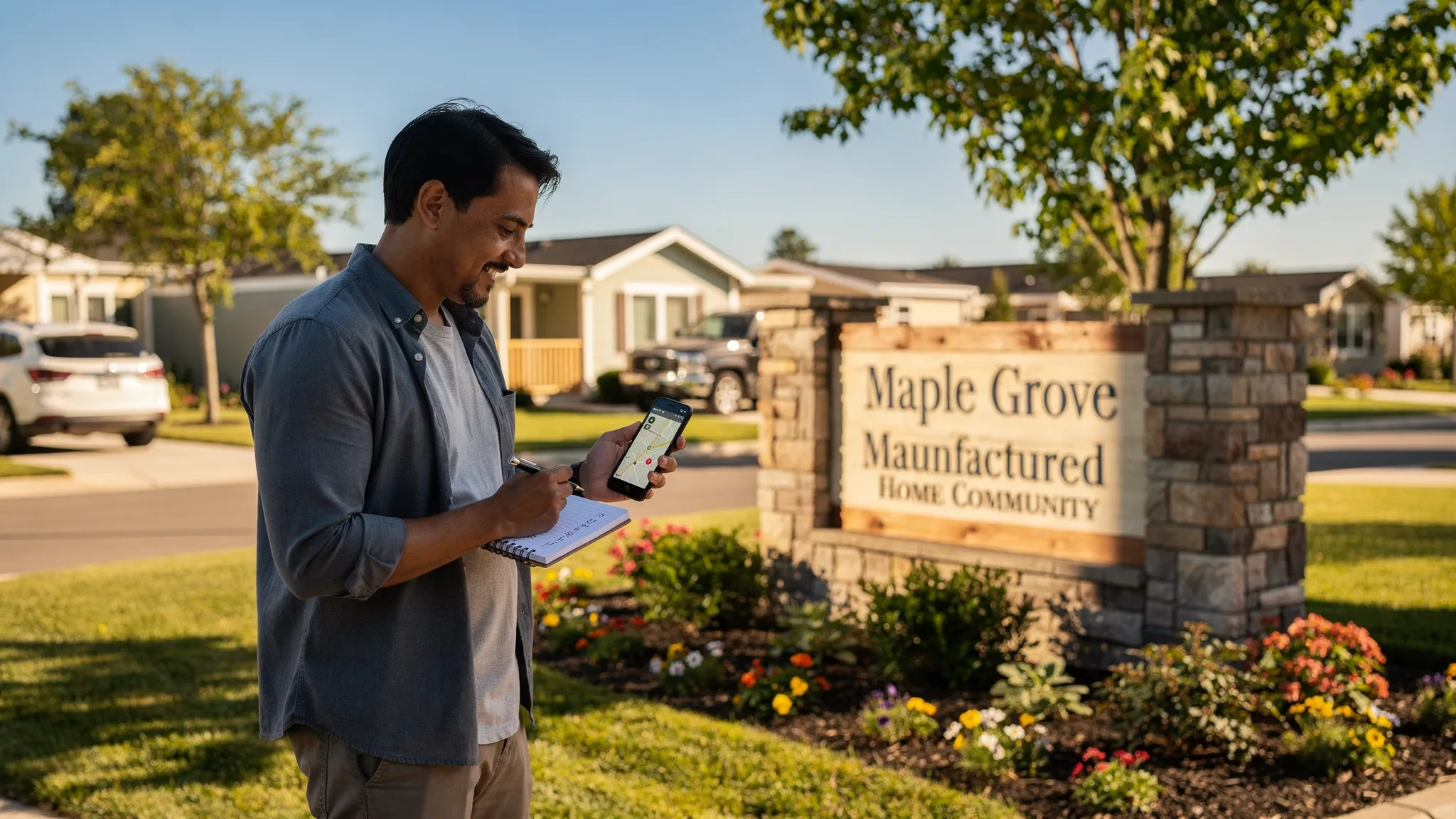
| Drive-by scouting | “For rent” signs that never go online | Time-intensive, but high signal in tight markets |
A strong approach is to build a list of communities from Google Maps, then call each one. Treat online listings as leads, not proof of availability.
Confirm what’s included in “rent” (mobile home listings can be misleading)
Mobile home rentals can bundle costs in different ways, and two listings with the same rent can have very different total monthly payments.
Ask for a written breakdown of:
- Base rent
- Water, sewer, trash (included or billed separately)
- Electric and gas (usually separate)
- Parking fees
- Pet fees (monthly) and pet deposits
- One-time admin fees
- Lawn care responsibility (tenant vs owner)
Also ask whether the home is move-in ready now or if it’s being repaired. “Available soon” can mean anything from next week to two months.
Tour smarter: a quick inspection checklist that matters
A manufactured home can be comfortable and modern, but condition varies widely. During a tour, focus on things that affect safety, comfort, and utility bills.
Pay close attention to:
- HVAC performance: does it cool and heat evenly?
- Windows and doors: drafts, broken locks, visible gaps
- Floors: soft spots can signal water damage
- Plumbing: water pressure, slow drains, under-sink leaks
- Ceilings and walls: stains, bubbling paint, musty odor
- Electrical: enough outlets, no exposed wiring
If the manager or owner discourages a tour, pushes you to “hold it today,” or won’t answer basic questions, treat that as a serious red flag.
Screen for scams (especially on social platforms)
Rental scams are common everywhere, and mobile home rentals are not immune.
Be extra cautious if you see:
- A price far below similar rentals nearby
- A story about the owner being out of town and needing a deposit immediately
- Requests for wire transfers, gift cards, or crypto
- Refusal to meet at the property or provide access
A simple rule: don’t pay any deposit until you’ve toured the home and verified who you’re dealing with.
Ask the lease questions that protect you later
Mobile home rentals can involve two “layers”: the home and the community. Make sure your lease matches reality.
Use this table as a lease clarity check.
| Lease topic | What to ask | Why it matters |
|---|---|---|
| Who is the landlord | “Is the home owned by the park or a private owner?” | Dictates maintenance response time and rules |
| Maintenance responsibilities | “Who fixes plumbing, AC, skirting, steps, appliances?” | Prevents surprise repair costs |
| Rent increases | “How and when can rent change after the lease term?” | Helps you budget and compare options |
| Community rules | “Can I see the park rules in writing before signing?” | Avoids conflicts over pets, parking, guests |
| Utilities | “Which utilities are included, and how are they billed?” | Prevents payment shock |
| Move-out terms | “What counts as normal wear, and what gets deducted?” | Protects your deposit |
If something is promised verbally, ask for it in writing. That protects both sides.
Build a “renter packet” so you can apply fast
In competitive areas, the best rentals go to the first qualified applicant. Prepare a simple folder so you can apply immediately after a tour.
Typical requirements include proof of income, ID, background check authorization, and rental history. Screening rules must comply with fair housing laws. For an overview of fair housing protections, you can review HUD Fair Housing.
If rentals are scarce, consider the “own vs rent” math
In some markets, mobile home rentals are limited, and monthly rents can be closer to apartment pricing than people expect. If you’re repeatedly striking out, it may be worth comparing the cost of renting versus buying, especially if you plan to stay in the area for a few years.
If you’re open to homeownership, Homes2Go San Antonio focuses on manufactured and mobile homes for purchase, with guidance and financing pathways for buyers (including first-time buyers). You can start here:
- Learn the basics with the local buyer guide: Mobile homes in San Antonio: a quick buyer guide
- Review financing routes and what lenders look for: Manufactured home financing options
- If you’re exploring placing a home on land, see: Land and home packages in San Antonio
Even if you ultimately decide to rent, understanding how communities, lot costs, and home standards work can make you a much more confident shopper.
A simple search routine you can repeat each week
Rental inventory changes quickly. Instead of binge-searching once a month, run a repeatable weekly process:
- Check your top 3 to 5 listing sources (Facebook Marketplace, Craigslist, major rental sites)
- Call a short list of communities to ask about new availability
- Drive by 2 to 3 communities in your target area for “For Rent” signs
- Tour quickly when something fits your criteria, and apply immediately if it passes your checks
Consistency beats intensity, especially for rentals that never make it online.
If you want help exploring a longer-term alternative to renting, you can browse Homes2Go’s approach to affordable manufactured homeownership at Homes2Go San Antonio.
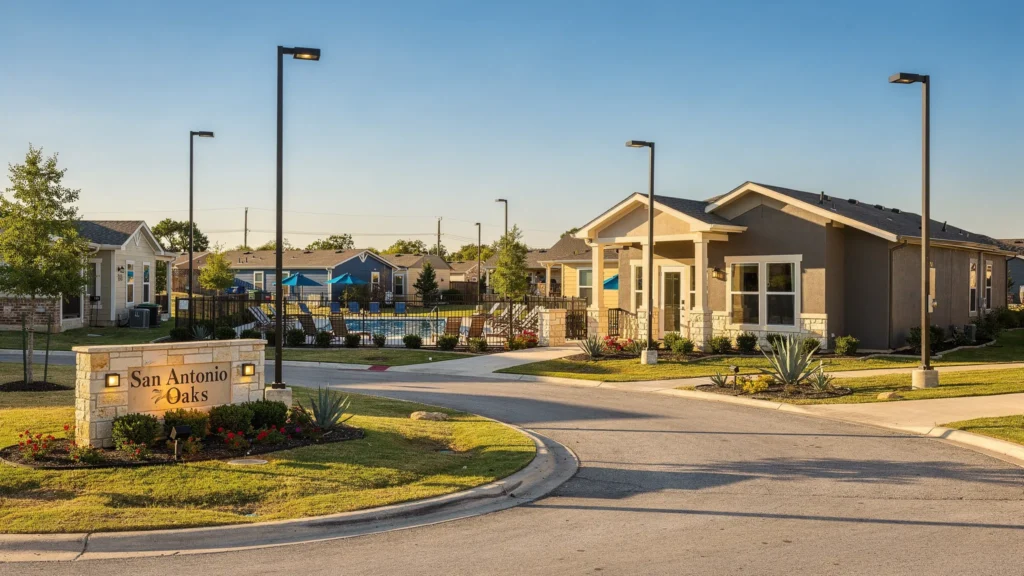 Manufactured Home Communities: Amenities and Rules
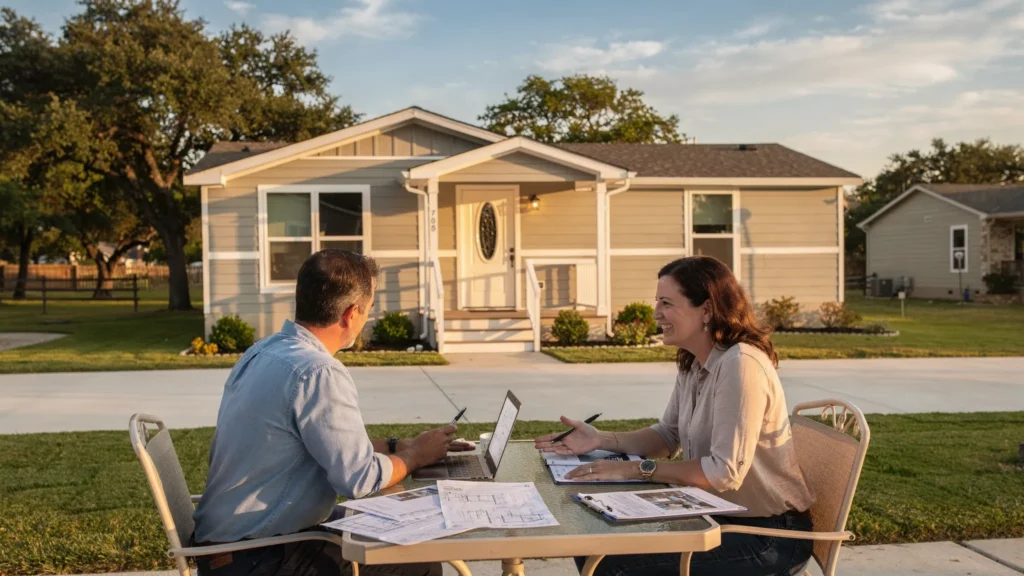 FHA Manufactured Home Loan: Rates, Limits, and Terms