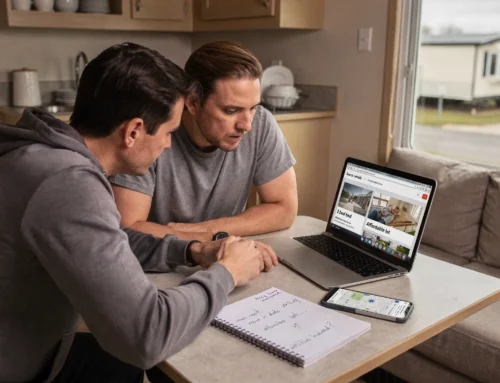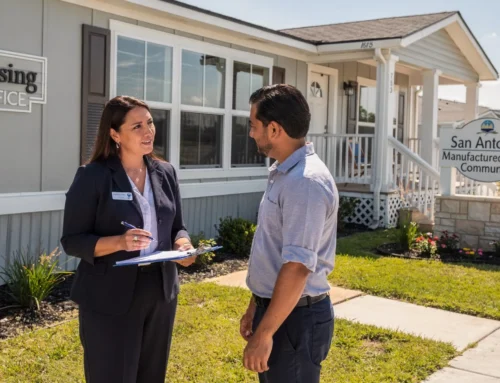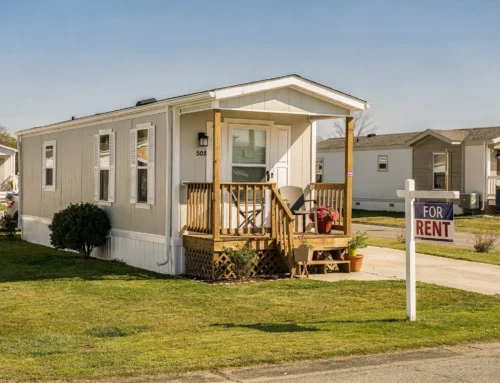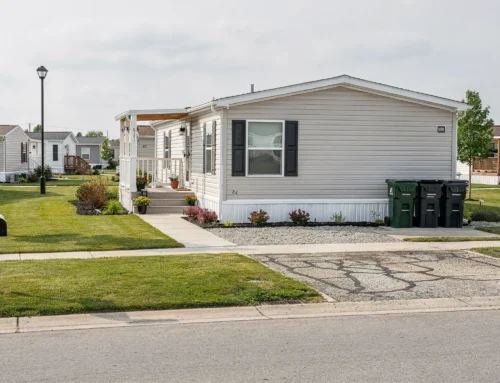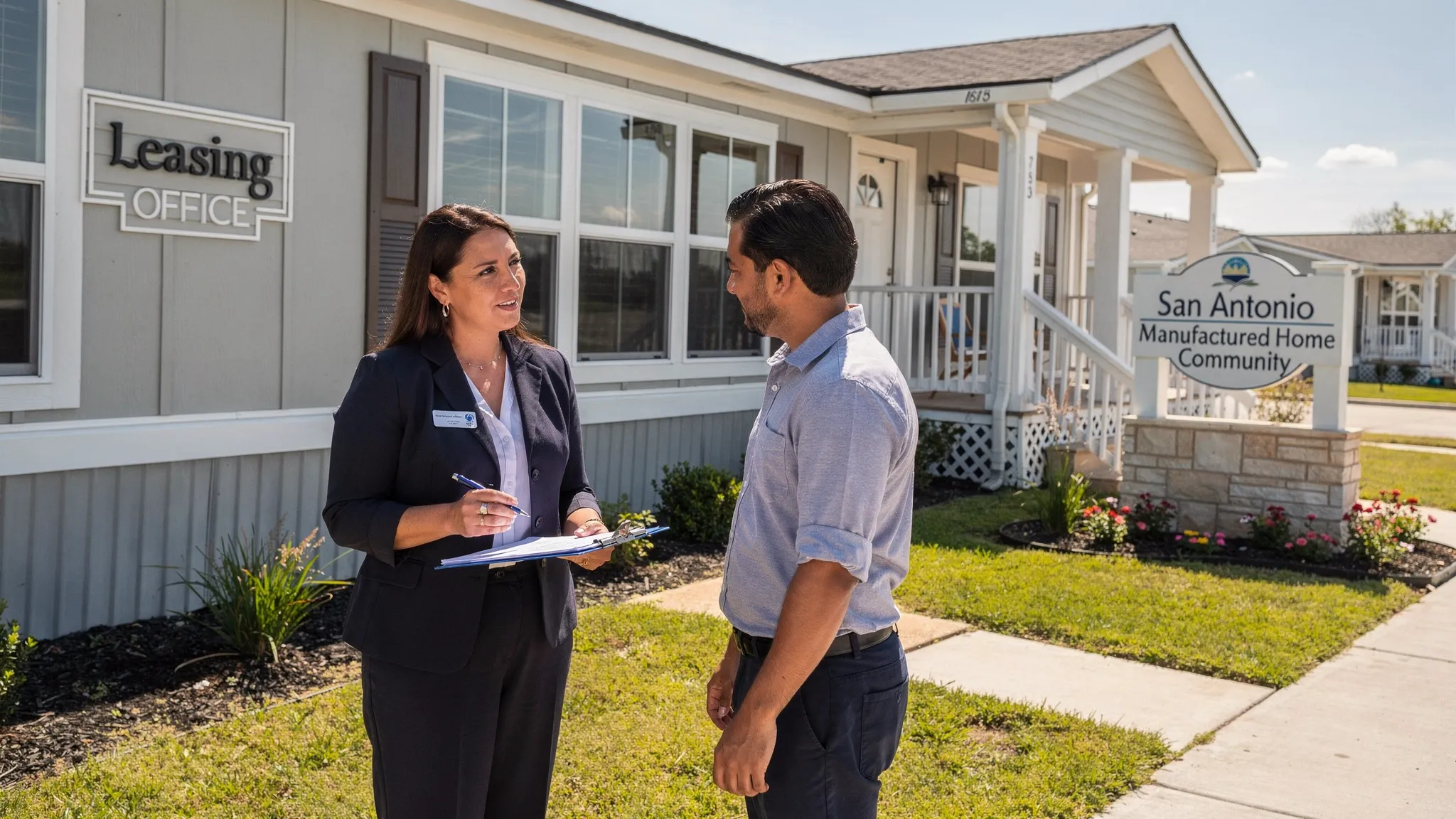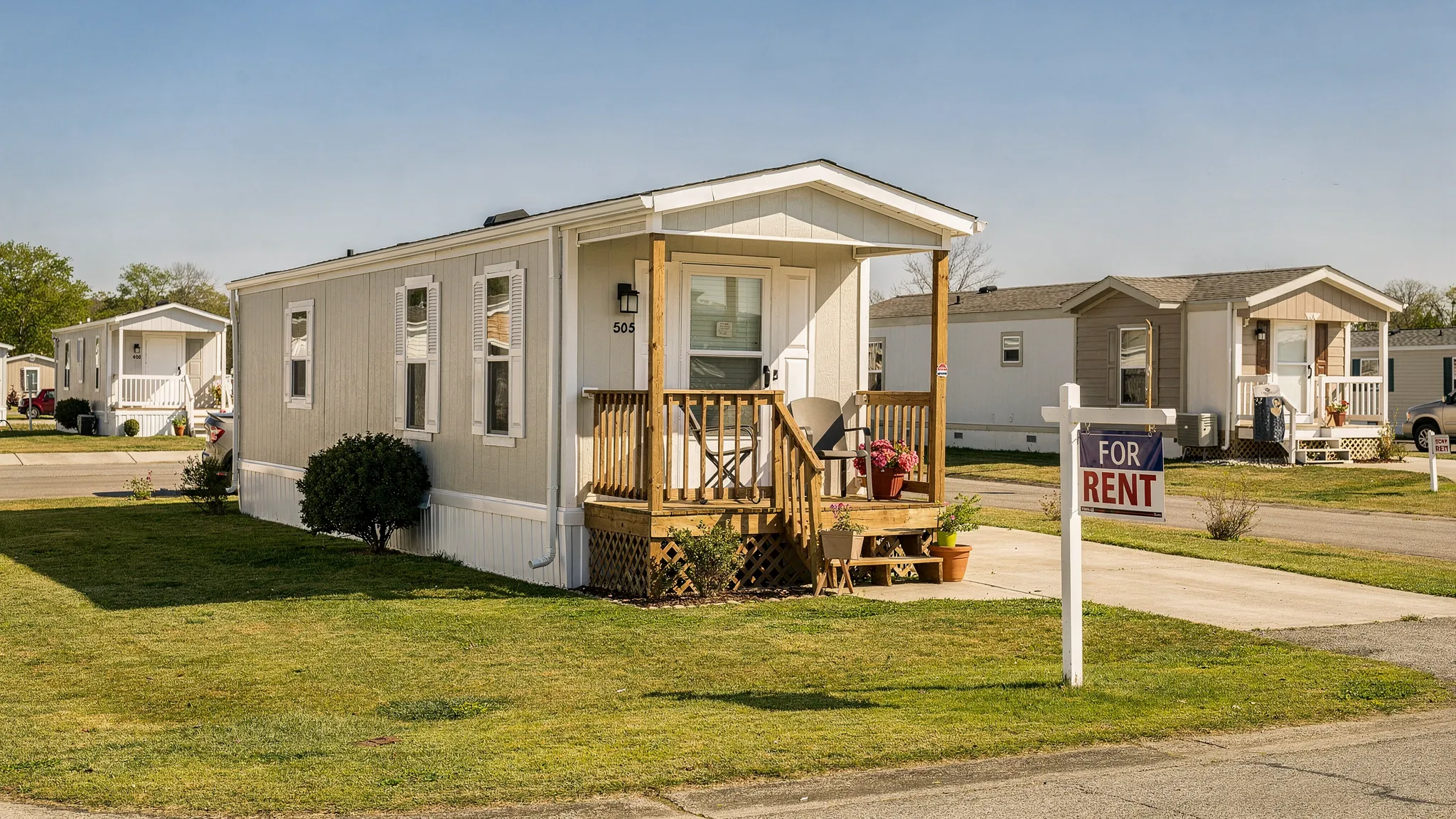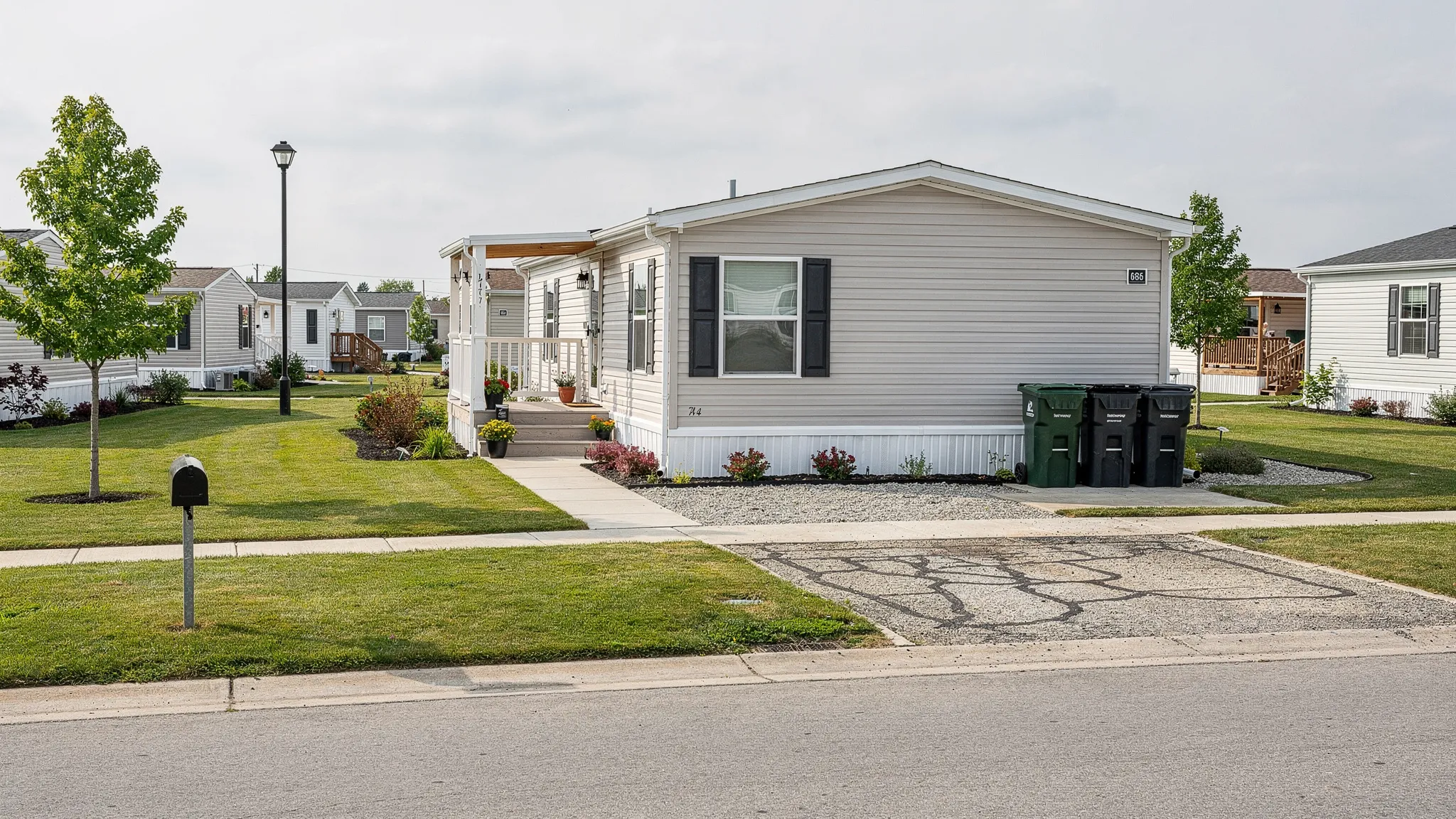

When you search for mobile home parks near me for rent, you are usually trying to answer one big question fast: “Will this place be safe, affordable, and comfortable a few months from now, not just on move-in day?” A quick drive-through can’t tell you that.
A tour (and the right questions) can. Below is a practical set of tour questions you can use in San Antonio and the surrounding area, whether you’re renting a home in a community or renting a lot for a home you already own.

First, clarify what you’re renting: the home, the lot, or both
Mobile home communities commonly offer two rental scenarios, and the questions you ask should match the arrangement.
Renting a home in the community (home rental): You pay monthly rent to live in a park-owned (or investor-owned) home.
Renting a lot (lot rental): You pay lot rent for the space, and you either already own your home or you are buying a home and placing it in the community.
If you are not sure which applies, ask this early:
“Is this a home rental, a lot rental, or both options depending on availability?”
That single question will prevent confusion about what your monthly payment includes and what approvals you will need.
A quick tour rule: ask for everything in writing
Communities can be well-run and still have confusing fee structures. Your goal is simple: get a copy of the lease, community rules, and a written fee sheet.
In Texas, manufactured home community tenancies have specific rules in the Texas Property Code Chapter 94. You don’t need to become a legal expert, but you should know what you are signing and how notices, fees, and renewals work. You can review the statute here: Texas Property Code, Chapter 94.
Tour questions that reveal the true monthly cost
The biggest “gotcha” in mobile home park rentals is the difference between advertised rent and actual total monthly housing cost.
Ask these questions, and request a written breakdown.
Rent, fees, and deposits
What is the monthly rent today, and when can it change? Follow up with: “How much did rent increase last year for new leases and renewals?”
What is the security deposit, and what conditions reduce or forfeit it?
Are there application fees, admin fees, or background check fees?
Are there monthly fees in addition to rent? Examples include trash, pest control, community maintenance, or amenity fees.
Utilities (this is where budgets blow up)
Which utilities are included, and which are billed separately?
How are utilities metered and billed (city meter, submeter, allocation)?
What internet options are available (fiber, cable, fixed wireless), and are there provider restrictions?
Total-cost snapshot table you can fill in during the tour
Use this table as your “tour worksheet” so you can compare parks apples-to-apples.
| Cost item | Ask the community | Write down the answer | Notes to confirm in lease |
|---|---|---|---|
| Base monthly rent | Current rent, renewal rent, typical annual increase | Look for increase language and notice periods | |
| Utilities | Included vs tenant-paid, metering method | Check for submeter or allocation policies | |
| Trash/pest/community fees | Any monthly add-ons | Confirm whether fees can change mid-lease | |
| Deposits | Security deposit, pet deposit | Ask what counts as “damage” | |
| One-time fees | App/admin/background, move-in fees | Verify refundability | |
| Late fees | Amount, grace period | Check how quickly late fees start |
Lease and rules: questions that prevent surprises later
Many frustrations come from rules that were never explained clearly. Ask for the rules up front, then ask these questions.
Lease term, renewals, and notices
Is the lease month-to-month or a fixed term (6 or 12 months)?
What notice is required to move out without penalties?
How do renewals work, and how is rent increase notice delivered (mail, email, portal)?
Guests, parking, and lifestyle rules
What are the guest rules (length of stay limits, parking passes, overnight guest policy)?
How many vehicles are allowed, and where can they park?
Are there restrictions on work trucks, trailers, or commercial vehicles?
Pets
What is the pet policy (breed restrictions, weight limits, number of pets)?
Are there pet fees in addition to a pet deposit (monthly “pet rent”)?
Quiet hours, outdoor items, and appearance standards
Are there quiet hours and enforcement policies?
What outdoor items are allowed (grills, storage sheds, playsets, patio furniture)?
Are there requirements for skirting, stairs, or tie-down appearance if I own the home?
Condition and maintenance: questions for home rentals
If you’re renting the home itself, treat the tour like a serious inspection. Ask what is repaired before move-in, what is “as-is,” and who pays for what.
Home condition and safety
When was the home last renovated, and what was updated (HVAC, roof, plumbing, flooring)?
What is included (appliances, washer/dryer hookups, refrigerator, stove)?
Are smoke detectors and carbon monoxide alarms installed, and who maintains them?
How is HVAC maintenance handled (filter changes, service calls)?
If something is promised, ask this plainly:
“Can you add that repair or replacement to the lease or a signed move-in checklist?”
Maintenance response and after-hours support
How do maintenance requests work (phone, portal, email), and what is the typical response time?
Is there an emergency maintenance line after hours? What counts as an emergency?
Who handles pests, and how often is pest control performed?
Lot rental questions (if you own the home or plan to buy one)
Lot rental can be a great path, but the park’s approval process and rules matter a lot.
Park approval and home requirements
Do you require the home to meet age or condition standards (year built, HUD label, roof condition)?
Do you require an inspection before move-in?
Are there size requirements (single-wide vs double-wide) or tie-down/skirting standards?
Are there restrictions on moving a home into the community (approved movers, schedule windows)?
Installation, skirting, and responsibility lines
Who is responsible for the pad, anchors, tie-downs, steps, and skirting?
If something fails (like a sewer connection), who pays: the resident, the park, or shared responsibility?
Insurance requirements
Do you require renters insurance, manufactured home insurance, or liability coverage? What limits?
(Insurance rules vary by community, so confirm what is required and get it in writing.)
Community operations: questions that signal good management
Even a clean community can be difficult to live in if management is unresponsive or policies are inconsistent.
Ask:
Who owns and manages the community, and how long has current management been in place?
What are office hours, and what’s the best way to reach management?
How are complaints handled (noise, pets, parking), and what’s the typical resolution timeline?
Is there on-site staff or a courtesy patrol, especially at night?
Tip: If the answers feel vague, ask for examples. “Can you give me an example of how a parking violation is handled?”
Infrastructure, drainage, and safety: the “Texas weather” section
In the San Antonio area, heat, storms, and drainage are not abstract concerns. They affect comfort and repair costs.
Roads, drainage, and flood history
How is drainage handled, and where does water go during heavy rain?
Has the community had flooding issues in the last few years? If yes, what was done to mitigate it?
Are roads and driveways maintained, and who is responsible for potholes?
Lighting and common areas
Is the community well-lit at night (streets, mailboxes, dumpsters)?
Are common areas maintained, and are amenities included in rent?
Heat and energy costs
If you’re touring a home rental, ask:
What’s the typical summer electric bill for a similar home?
Bills vary by household, but the manager can often share a realistic range. For deeper guidance on keeping cooling costs down, see Homes2Go’s resource on energy-efficient manufactured homes in Texas heat.
Neighborhood and daily-life questions (that residents care about)
A park can look great but still be inconvenient day-to-day.
What are the closest grocery, schools, and major employers, and what’s the typical commute at peak times?
How is mail delivered (cluster mailbox, doorstep), and where are package deliveries placed?
What is trash pickup day, and are there bulk item rules?
Are there community events or an HOA-style structure, and is participation expected?
What to observe quietly during your tour
Not everything needs to be asked. Some things you can verify with your eyes and ears.
- Are there multiple broken-down vehicles or consistent clutter (a possible sign rules are not enforced)?
- Do homes appear level, with intact skirting and safe stairs?
- Are dumpsters overflowing?
- Are streets calm, or do cars speed through?
- Do you see standing water or erosion after rain?
If something feels off, ask one neutral question: “How do you handle this issue when it comes up?”
A simple “tour script” you can use in 10 minutes
If you’re short on time, these questions cover the essentials:
Can I get a written fee sheet and a copy of the lease and rules?
What is the total monthly cost including utilities and fees, and how are utilities billed?
When and how can rent change, and what were typical increases last year?
Who handles maintenance, and what is the response time for urgent issues?
What are the rules on pets, guests, and parking?
Frequently Asked Questions
What should I ask when touring mobile home parks near me for rent? Ask for a written breakdown of rent, fees, and utilities, plus the lease and community rules. Then confirm maintenance response times, pet and parking policies, and how rent increases work.
Is lot rent the same as renting a mobile home? No. Lot rent means you pay for the space and typically own the home (or are buying it). Renting a home means you pay to live in a park-owned (or investor-owned) unit, and the park handles most structural ownership responsibilities.
Do mobile home parks run background or credit checks for rentals? Many do for home rentals, and some do for lot rentals as well. Ask about screening criteria, fees, and whether there is an appeal process if something is flagged.
How can I compare two parks quickly without missing key details? Use a one-page worksheet (like the table above) to record base rent, all monthly fees, utility billing method, deposits, and rent-increase practices. Always compare total monthly cost, not just advertised rent.
Need help finding the right community and home in San Antonio?
If you’re considering renting now but want a longer-term plan toward ownership, Homes2Go San Antonio can help you explore move-in ready manufactured homes, match a home to the right community, and walk you through flexible financing options with trusted local lenders.
Browse options and reach out here: Homes2Go San Antonio. You can also review their financing overview to understand common paths like chattel loans and land-home loans: Manufactured home financing options.
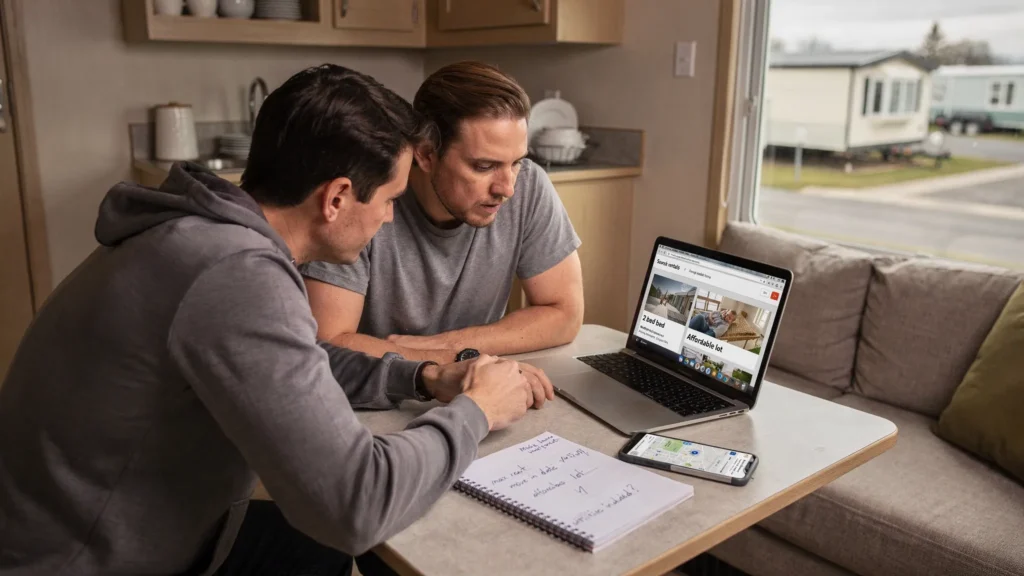 Mobile Homes for Rent Cheap Near Me: Best Search Filters