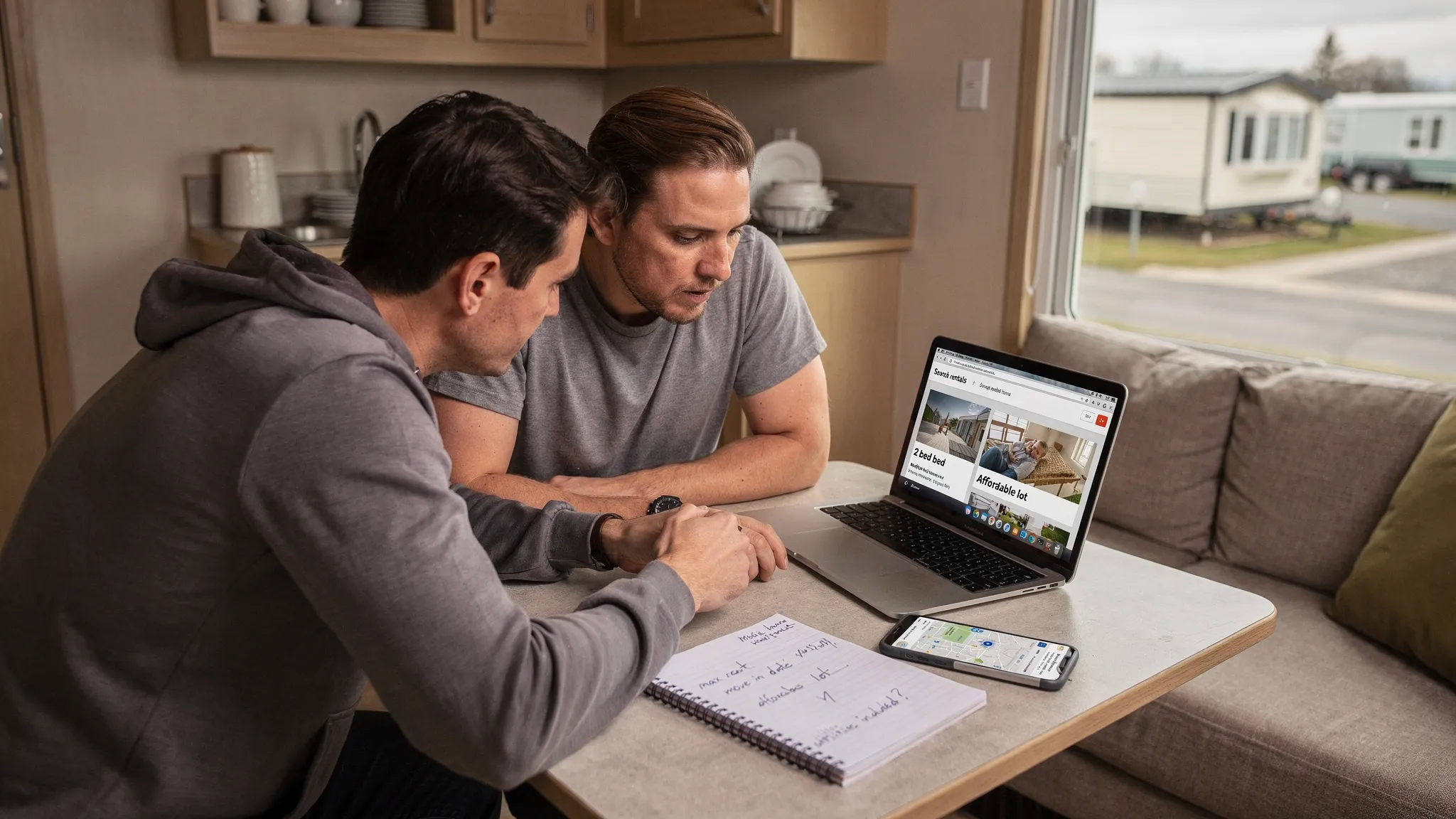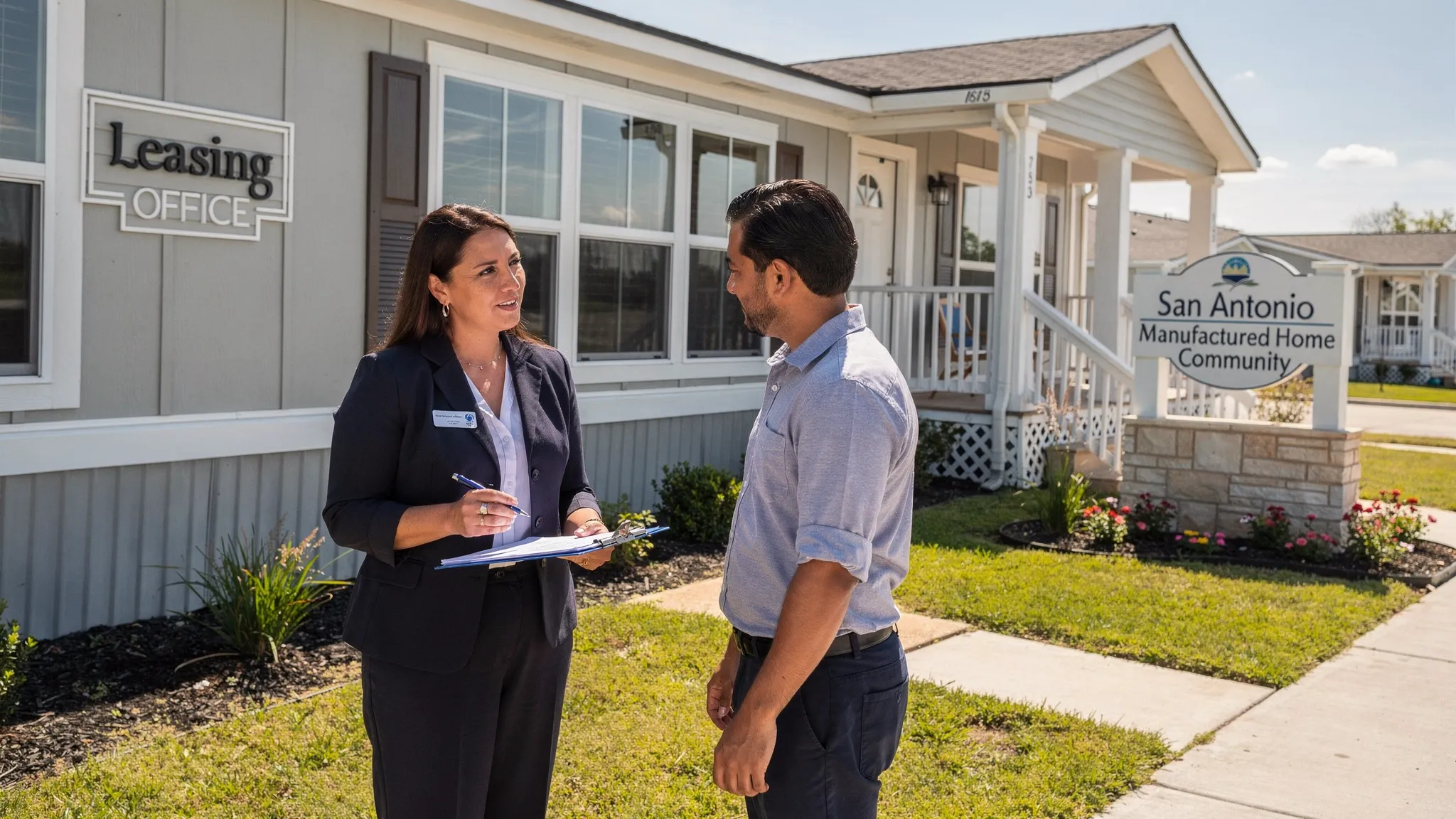

Lot rent can look affordable on paper, but the real make or break cost often comes down to utilities. Before you apply for a community spot or sign a lease for a private lot, take 20 minutes to confirm exactly what’s available, what’s included, and what it will cost to connect and maintain.
This guide walks through the utilities to verify when you’re searching for a mobile home lot for rent near me, plus the questions to ask so you avoid surprise deposits, incompatible hookups, and expensive retrofits.
Why utility confirmation matters (more than the monthly lot rent)
Utilities affect three things that matter immediately:
- Move-in feasibility: A lot can be “available” but not ready, for example a missing sewer connection or insufficient electrical service.
- Monthly budget: “Utilities included” can still mean admin fees, caps, submeter markups, or tenant-paid trash and internet.
- Safety and compliance: Improper electrical pedestals, aging sewer lines, and unpermitted septic systems can become costly and risky.
If you’re bringing a manufactured home into a land-lease community, utilities also tie into the community’s approval process and setup requirements.
Utilities to confirm before you commit
Think of utilities in two categories: (1) what is physically present on the lot, and (2) how you will be billed.
Electricity (service size, pedestal condition, and billing)
What to confirm on the lot
Manufactured homes typically need a robust electrical service. Don’t assume a pedestal is sized appropriately just because it exists.
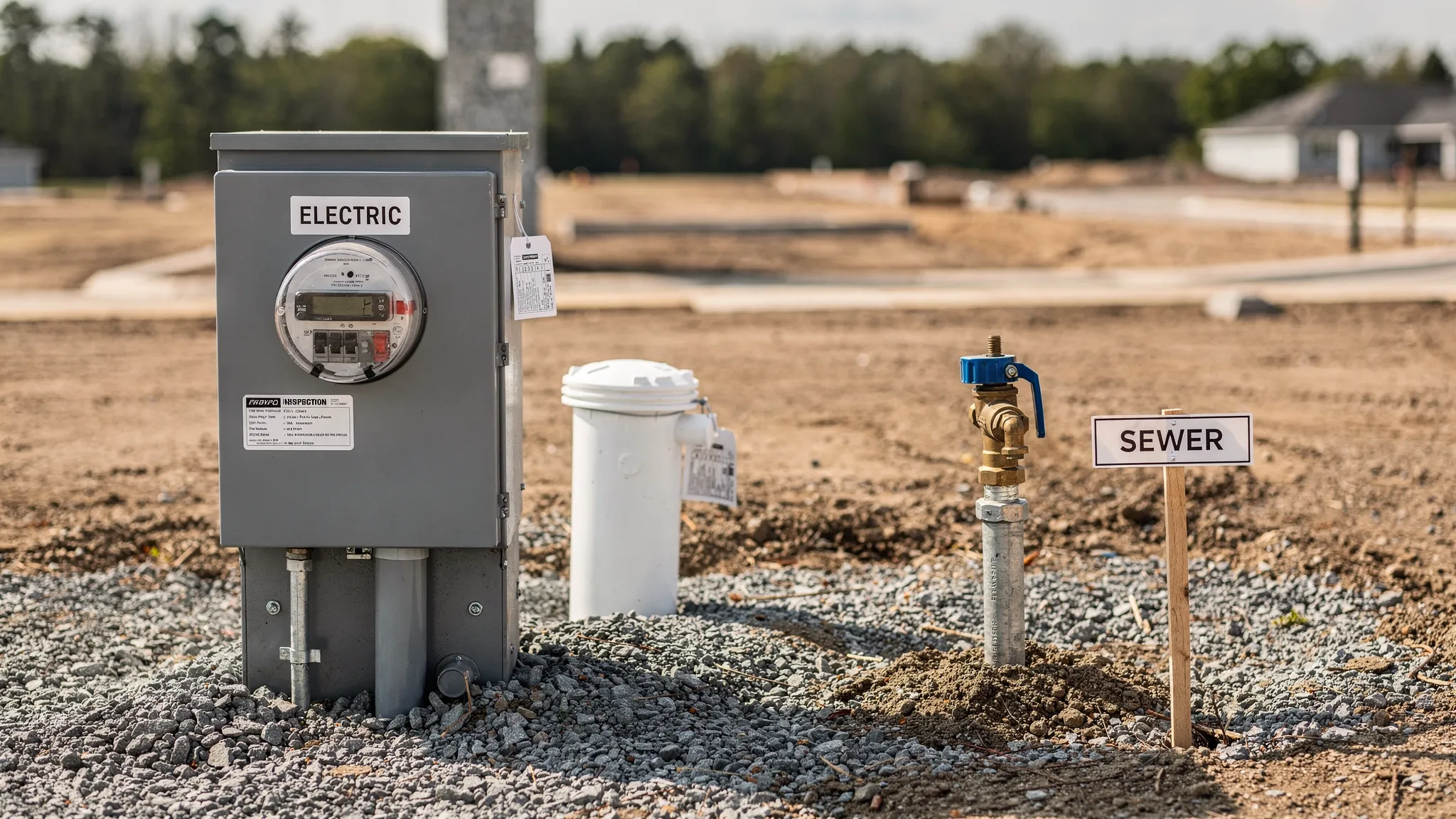
- Service amperage: Ask what the lot supports (commonly 100A or 200A for homes). If you see RV-style hookups (30A or 50A), that may be a mismatch for a full-time manufactured home.
- Metering: Is there a dedicated utility meter for your lot, or is it submetered by the park?
- Pedestal condition: Check for corrosion, cracked housing, loose covers, or exposed wiring.
- Who maintains what: Clarify who is responsible for the pedestal, the meter base, and any underground lines from the pedestal to the home.
Billing questions to ask
- Is electricity billed directly by the local utility, or through the community?
- If submetered, is there an additional administrative fee, and how are rates calculated?
- Are there seasonal rate plans you can choose from (if billed directly)?
For San Antonio, electric service is commonly through CPS Energy, but always confirm the provider for the specific address.
Water (source, pressure, shutoff, and leak responsibility)
What to confirm on the lot
- Water source: City water vs. well. City water is common in metro areas, but not guaranteed.
- Connection size and condition: Ask what size line serves the lot and whether the shutoff valve is accessible.
- Water pressure and reliability: Low pressure can be a daily annoyance, and intermittent service can signal infrastructure issues.
- Freeze protection expectations: Even in South Texas, occasional freezes happen. Ask whether the community requires heat tape or insulated skirting.
Billing questions to ask
- Is water included in lot rent, billed separately by the city, or billed via submeter?
- If included, is there a usage cap or “reasonable use” clause?
- Who pays if there’s a leak between the curb stop and your home?
In San Antonio, the water utility is typically SAWS, but verify by address.
Sewer (city sewer vs. septic, and what “hookup ready” really means)
Sewer is the utility most likely to derail a move if it’s not ready.
If it’s city sewer, confirm
- The lot has an obvious sewer connection point (often a cleanout) and it is not damaged or buried.
- The community confirms the connection is active and permitted.
- There are no known backups, recurring odors, or slow-drain issues on that row of lots.
If it’s septic, confirm
- Who owns the septic system (community vs. lot owner) and who is responsible for pumping and repairs.
- Whether the septic system is sized appropriately for the number of bedrooms and occupants.
- Whether there are written rules about what can and cannot be flushed.
If anything sounds unclear, ask for documentation or a written addendum. Septic problems can become expensive quickly.
Gas (natural gas availability or propane rules)
Many manufactured homes are all-electric, but not all.
Confirm
- Whether natural gas is available at the lot (and whether it is already stubbed to your pad).
- If not, whether propane tanks are allowed, where they can be placed, and who can install them.
- Whether the community restricts outdoor enclosures or requires specific clearances.
If you’re buying a home, match your appliance package to what the lot can support. Converting appliances is possible, but it adds cost and complexity.
Internet (providers, real speeds, and install constraints)
Internet availability varies dramatically by neighborhood and by community.
Confirm
- Which providers service the address.
- Whether the lot has existing coax or fiber, or if a new line must be installed.
- Whether the community has exclusive agreements or restrictions on satellite dishes.
To sanity-check options, you can review the address area on the FCC National Broadband Map.
Trash, recycling, and bulk pickup
Trash is often overlooked because it sounds simple. It’s not always included.
Confirm
- Whether trash service is included in lot rent.
- Whether there are separate fees for valet trash, recycling, or bulk items.
- Where dumpsters are located and any rules about furniture, mattresses, or construction debris.
Stormwater, drainage, and flood risk (often not labeled “utilities,” but it matters)
Poor drainage can cause skirting damage, pest problems, and standing water near your tie-downs.
Confirm
- Whether the pad is graded to shed water away from the home.
- Where stormwater flows during heavy rain.
- Whether the area is in a higher-risk flood zone.
You can check flood maps using FEMA’s Flood Map Service Center.
“Utilities included” vs. “utilities available”: what to get in writing
These phrases mean different things:
- Utilities available: The infrastructure exists nearby, but you might still pay connection fees, deposits, and installation charges.
- Utilities included: Some or all utilities are bundled into the rent, but there may be caps, pass-through fees, or submeter billing.
Ask for a copy of the lease addendum that covers utilities and fees. If the community bills utilities, ask for a recent sample statement (with personal info redacted).
Utility confirmation table (quick reference)
| Utility | What to verify on-site | Billing to confirm | Common “surprise” costs |
|---|---|---|---|
| Electricity | Service amperage, pedestal condition, dedicated meter vs submeter | Direct utility bill vs community billing, admin fees | Deposits, pedestal repair responsibility, submeter fees |
| Water | Source (city/well), shutoff access, pressure, visible leaks | Included vs direct bill vs submeter, caps | Connection fee, leak liability, backflow requirements |
| Sewer/Septic | City sewer cleanout present, odors/backup history, septic ownership | Included vs billed, maintenance responsibility | Septic pumping, line repair, backup remediation |
| Gas/Propane | Gas stub present, propane allowed and placement rules | Direct utility vs tank refill contract | Tank rental, installation, conversion costs |
| Internet | Providers, line type (coax/fiber), install feasibility | Monthly plan cost, equipment fees | Installation charges, exclusivity limits |
| Trash | Pickup method, dumpster location, bulk rules | Included or separate fee | Bulk disposal fees, valet trash add-ons |
| Drainage/Flood | Pad grading, standing water signs, flood zone check | Not typically billed, but affects insurance and repairs | Site improvements, erosion fixes, flood insurance |
Documents to request before signing
Even if the lot looks ready, paperwork prevents misunderstandings.
- Utility addendum: spells out what is included, what is billed, and who maintains what.
- Community rules (if a park): outlines propane rules, skirting requirements, satellite/internet restrictions, and acceptable contractors.
- Lot diagram or site plan: shows where connections are located and whether setbacks affect your home size.
- Home setup requirements: some communities require specific tie-down methods, steps/railings, and inspection signoffs.
If you’re installing a manufactured home in Texas, you may also see requirements involving licensed installation and inspections. For background, review the Texas manufactured housing program information via the Texas Department of Housing and Community Affairs (TDHCA).
San Antonio and South Texas utility considerations
If your search for a “near me” lot is in or around San Antonio, a few regional realities can affect your checklist:
- High summer electric demand: Confirm the lot’s electrical capacity and ask whether there are any known voltage or outage issues during peak heat.
- Water conservation periods: Depending on conditions and location, watering rules can tighten. If the community includes water, ask whether landscaping irrigation is limited.
- Occasional freezes: Ask how the community expects residents to protect exposed pipes, and whether there are prior freeze damage issues in the park.
A simple script to use when touring a lot
Use these questions with the manager, leasing office, or private landowner:
- Which utilities are included in lot rent, and which are billed separately?
- Is electricity and water direct-billed by the utility or submetered by the property?
- What is the electrical service size at this lot (amps), and is it approved for a manufactured home?
- Is sewer city sewer or septic, and who pays for maintenance and repairs?
- Are there any connection fees, deposits, or activation costs before move-in?
- Where are the exact hookup points (power pedestal, water shutoff, sewer cleanout) on this lot?
- Who is responsible for fixing a problem in each segment (street to lot, lot to home, under-home plumbing)?
- Which internet providers work here, and what speeds do residents actually get?
If answers are vague, ask for the lease language that controls the issue.
If you’re moving a manufactured home onto the lot
Utility verification should happen before you pay to move a home.
A few practical steps reduce risk:
- Match the home to the lot: electrical service, sewer location, and setbacks should work with your home’s size and layout.
- Confirm access for delivery: turning radius, overhead lines, and road restrictions can affect your move.
- Call before you dig: if any trenching is needed, use Texas 811 to locate underground utilities.
If you’re buying a home and still deciding between community living and private land, Homes2Go San Antonio also has helpful planning content on land and home packages and a broader mobile home buyer guide.
Frequently Asked Questions
What utilities should be included in lot rent for a mobile home? It depends on the community. Some include water, sewer, and trash, but bill electricity separately. Always confirm in writing whether utilities are included, capped, or submetered.
How do I know if a lot has enough electrical power for my manufactured home? Ask the property for the lot’s service size (amps) and whether it is approved for manufactured housing. Visually, a small RV-style hookup can be a red flag, but the written confirmation is what matters.
Is sewer hookup the same as septic? No. City sewer connects to a municipal system, while septic is an on-site tank and drain field. Septic requires ongoing maintenance (pumping and potential repairs) and rules about usage.
What does “utilities available” mean on a listing? Usually that infrastructure exists nearby, but you may still need to pay to connect, install lines, activate service, or upgrade equipment. Treat it as “possible,” not “ready.”
Who pays for repairs if a water line leaks under the home? It depends on the lease and where the leak is located. Many agreements make the resident responsible for the line from the lot connection to the home and under-home plumbing. Get responsibilities spelled out before signing.
Need help matching a home to a lot in San Antonio?
If you’re shopping for a manufactured home and comparing communities or lots, Homes2Go San Antonio can help you align home size, floor plan, and utility requirements so you can move in with fewer surprises. Explore available resources on manufactured homes in San Antonio and see financing pathways on the financing page. When you’re ready, contact the team through Homes2Go SA to talk through your timeline and setup needs.
 Trailer Parks Renting Near Me: A Renter’s Checklist
 Lot Rent for Mobile Home Near Me: Typical Price Ranges