
Buying a mobile home and land can be one of the most affordable paths to homeownership around San Antonio, but the financing can feel confusing fast. The biggest fork in the road is usually this: do you qualify for a traditional mortgage (real estate loan), or will your lender offer a chattel loan (personal property loan) for the home?
This guide breaks down mortgage vs chattel financing in plain English, explains what changes when land is involved, and helps you choose the option that fits your timeline and long-term costs.
Quick definitions: mortgage vs chattel loan
A simple way to think about it:
- A mortgage is a loan secured by real property (the land, and typically the home as real estate).
- A chattel loan is a loan secured by personal property (the manufactured home itself, similar to how a vehicle or equipment loan is secured).
Even if you own land, your manufactured home is not automatically treated as real estate for financing purposes. Classification and installation details matter.
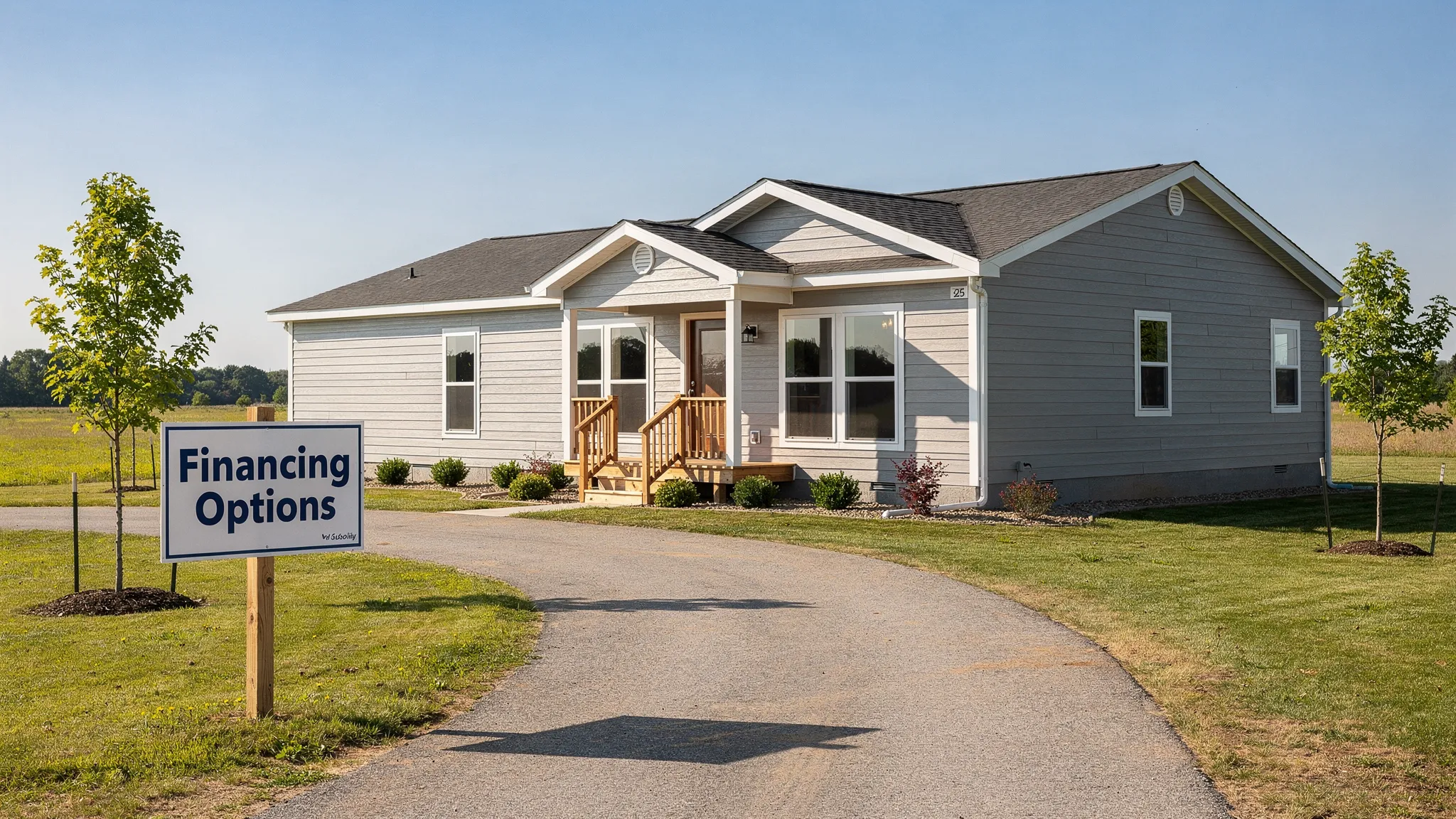
Why “mobile home and land” financing works differently
When you buy land and a manufactured home together, lenders focus on two questions:
- Is the home legally and physically considered real property?
- Is the land included in the collateral for the loan?
If the answer to both is yes, you may be in mortgage territory.
If the home is financed separately as personal property, or the land is not part of the lender’s collateral (for example, you rent the lot), chattel financing is common.
In Texas, manufactured housing ownership and location are commonly documented through the Texas Department of Housing and Community Affairs (TDHCA) Manufactured Housing Division (for example, the Statement of Ownership and Location). Rules can be nuanced, so it’s smart to confirm early how your home will be titled/recorded and taxed. You can start with TDHCA’s manufactured housing resources here: TDHCA Manufactured Housing Division.
Mortgage for a manufactured home and land: how it works
A mortgage for a manufactured home typically means the lender treats the home similarly to a site-built house, with the land and home financed together (or the home placed on land you already own).
Common requirements (varies by lender and loan program)
Mortgage eligibility depends on lender rules and the loan type, but these are frequent themes:
- The home is a HUD Code manufactured home (built after June 15, 1976 with a HUD data plate/tag).
- The home is placed on land you own (or are buying in the same transaction).
- The installation meets program standards (often involving an approved foundation and proper tie-down/anchoring).
- The home is classified/recorded as real property (how this is done can vary by state and situation).
If you’re exploring government-backed options, HUD has an overview of FHA manufactured home programs (including Title I and Title II): HUD FHA Manufactured Home Loans.
Pros of using a mortgage
A mortgage can be a strong fit when you want long-term stability and the land is part of the purchase.
- Often longer repayment terms than chattel loans
- Often lower interest rates than chattel (not guaranteed, but common)
- Home and land are bundled into one real estate loan (simplifies the structure)
- May offer more refinance options later, depending on market and eligibility
Tradeoffs to expect
Mortgages can be more paperwork-heavy because real estate lending typically requires:
- Appraisal requirements tied to real property standards
- More closing steps (title work, deed recording, escrow setup, etc.)
- Stricter property condition and installation requirements
Chattel loan for a manufactured home: how it works
A chattel loan is secured by the home itself as personal property. This is common when:
- The home is placed in a land-lease community (you own the home, rent the lot)
- The land is not included in the financing
- The home is not being treated as real property for that loan
Chattel lending is a major part of manufactured housing finance nationwide. The Consumer Financial Protection Bureau (CFPB) has covered how manufactured-home financing often differs from site-built mortgages, including the role of chattel loans: CFPB manufactured housing overview.
Pros of a chattel loan
- Often faster and simpler than a mortgage
- Can work well for community living (home in a park/community, lot rent separate)
- May have more flexible property eligibility in some cases
Tradeoffs to expect
- Often higher interest rates than mortgages
- Often shorter terms than traditional mortgages
- Fewer protections and standardized disclosures than conventional mortgages can feel familiar with (depending on lender and structure)
- Resale and refinance paths can be different than real estate mortgages
Side-by-side comparison (mortgage vs chattel)
| Feature | Mortgage (land + home as real estate) | Chattel loan (home as personal property) |
|---|---|---|
| What secures the loan | Land and home (real property) | The home only (personal property) |
| Best for | Buying land + home together, or placing a home on land you own | Land-lease communities, or when the land is not part of the loan |
| Typical timeline | Often longer due to real estate closing steps | Often shorter, fewer real estate steps |
| Rates and terms | Often more favorable than chattel (varies by credit, lender, program) | Often higher rates and shorter terms (varies by lender) |
| Closing process | Title work, appraisal standards, recording, escrow often involved | Personal property lien/UCC-style security is common |
| Future flexibility | Often more refinance and resale options similar to site-built | Can refinance, but options vary more by lender and market |
The key factor: is the home “real property” or “personal property”?
This is where most confusion comes from.
A manufactured home can be physically sitting on land you own and still be financed as personal property, depending on how it’s installed, recorded, and treated in the loan.
Here are practical indicators lenders often look at:
Signs a mortgage may be possible
- You own (or are buying) the land
- The home is intended as a long-term placement
- The foundation/installation meets mortgage program requirements
- The transaction is structured so the lender can place a real estate lien on the property
Signs chattel financing may be the realistic option
- You are renting the lot in a community
- You are moving the home or expect to move it
- The land cannot be used as collateral (or is not part of the deal)
- The lender’s program for that model/year/installation defaults to personal property lending
Because Texas documentation and recording steps for manufactured homes can be technical, many buyers find it easiest to work backward from the loan goal (mortgage vs chattel) and then align the home, land, and installation plan to match.
Common “mobile home and land” scenarios and the best-fit loan type
| Your situation | What usually fits best | Why |
|---|---|---|
| Buying land and a new manufactured home together | Mortgage (if the home will be real property) or a land-home package plan | One closing, one payment structure, land included |
| You already own land and want to place a home on it | Mortgage (if requirements are met) or chattel initially then refinance later | Eligibility depends on foundation, classification, and lender rules |
| Buying a home in a community with lot rent | Chattel loan | Land is not owned, so real estate mortgage is usually not available |
| Land is rural and utilities/septic need work first | Sometimes chattel first, or a specialized construction/land program | Land readiness can affect mortgage eligibility and appraisal |
Homes2Go San Antonio also breaks down broader financing options and how to prepare on its financing page: Manufactured home financing options.
Costs to compare beyond the monthly payment
Two loans can produce similar payments but very different total costs and flexibility. When comparing mortgage vs chattel, ask lenders for a clear Loan Estimate or equivalent disclosures and focus on these items.
Interest rate and term length
In general, a lower rate and longer term can reduce the payment, but it also depends on fees and the total amount financed.
Closing costs and lender fees
Mortgages often come with more third-party closing costs (title work, recording, escrow setup). Chattel loans may have fewer real estate closing items, but lender fees can still vary widely.
Taxes and insurance
- With a mortgage, property taxes and homeowners insurance are often escrowed (paid monthly with the payment), depending on lender.
- With chattel, you may pay insurance differently, and taxation can depend on how the home is classified locally.
For Texas buyers, it’s worth asking early how your county will assess the home and how that interacts with your financing structure. For official context on manufactured housing administration in Texas, see TDHCA manufactured housing.
Land development and site costs
If you’re buying land, the site can make or break the budget. Even with a great home price, costs like these can change the financing plan:
- Driveway and access
- Utilities (water, electric, sewer or septic)
- Grading and drainage
- Foundation and installation
- Permits and inspections
If you want a step-by-step walkthrough of combining land readiness with the home purchase, this guide is helpful: Land and home packages in San Antonio.
How to decide: mortgage vs chattel in 6 questions
If you’re stuck between the two, these questions usually clarify the right direction quickly.
1) Do you own the land (or are you buying it now)?
If yes, mortgage might be possible. If no (lot rent), chattel is usually the default.
2) Will the home be permanently installed?
If you want mortgage-style financing, plan early for an installation approach that aligns with lender/program requirements.
3) Is speed the priority, or long-term financing flexibility?
Chattel can be faster, but mortgages can offer more long-term flexibility in many cases.
4) Are you buying new or used?
Some mortgage programs and lenders have stricter requirements for older homes. Always confirm eligibility for the specific home.
5) What is your credit and documentation readiness?
Both loan types evaluate credit, income, and debt-to-income, but underwriting can differ by program and lender.
6) Do you want one closing (land + home together)?
A coordinated land-home plan can reduce surprises, especially around site prep and timelines.
A practical path many buyers use (when land is involved)
If you want a mobile home and land long-term plan but you’re not ready for a mortgage on day one, some buyers pursue a staged approach, depending on lender options:
- Secure land (or confirm land eligibility)
- Choose a home that meets future mortgage/refinance goals
- Place and install the home properly
- Explore refinance into a mortgage later if the property qualifies
This is not one-size-fits-all, and it’s important to confirm the steps with a lender before committing, but it can be a workable strategy when timing or land readiness complicates an immediate mortgage.
Frequently Asked Questions
Is a chattel loan the same as a mortgage for a manufactured home? No. A mortgage is secured by real estate (typically land plus the home as real property). A chattel loan is secured by the manufactured home as personal property.
If I buy land, do I automatically qualify for a mortgage on a manufactured home? Not automatically. Lenders typically look at how the home is installed, whether it’s treated as real property for the loan, and whether the land is part of the collateral.
Can I finance the land and the home together? Often yes, but it depends on the lender and whether the transaction meets mortgage program requirements. A coordinated land-and-home plan can help reduce delays.
Is chattel financing only for people in mobile home parks? It’s most common in land-lease communities, but chattel loans can also be used on private land in certain situations, especially if the home is not being financed as real property.
What should I ask a lender when comparing mortgage vs chattel? Ask what secures the loan (home only or land + home), the term length, total fees, whether taxes and insurance are escrowed, and what would be required to refinance later.
Talk with Homes2Go SA about the best financing route for your land and home
If you’re trying to decide between a mortgage vs chattel loan for a mobile home and land purchase near San Antonio, it helps to align three things early: the land, the home model, and the financing program.
Homes2Go San Antonio can walk you through available homes, floor plans, and financing paths with trusted local lenders. Start here:
- Explore financing basics and next steps: Homes2Go SA Financing
- Learn how land-home packages work in the area: Land and home packages guide
- Ready to talk through your situation: Contact Homes2Go SA
 Mobile Home Investment: Cash Flow, Risks, and Exit Options