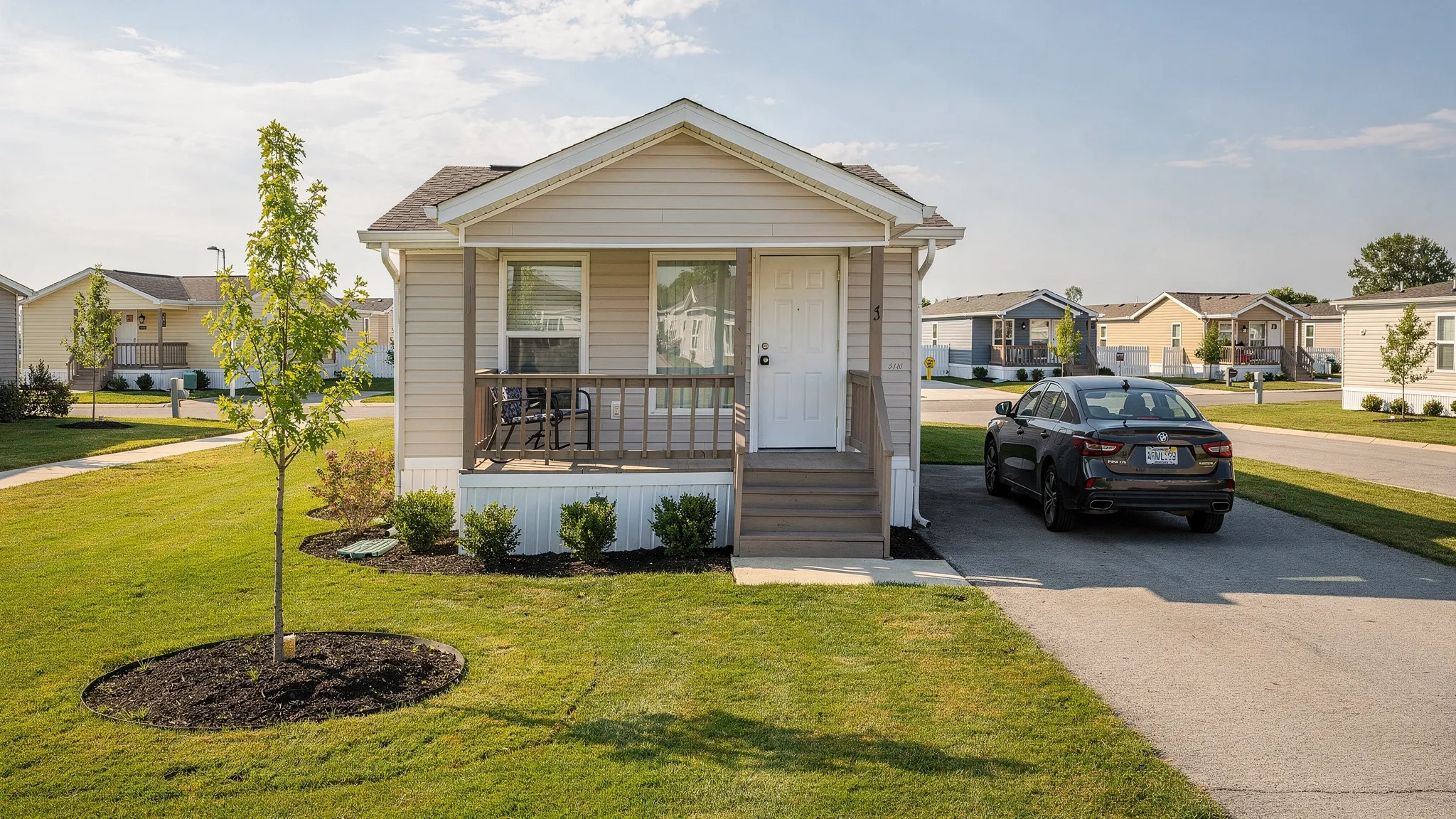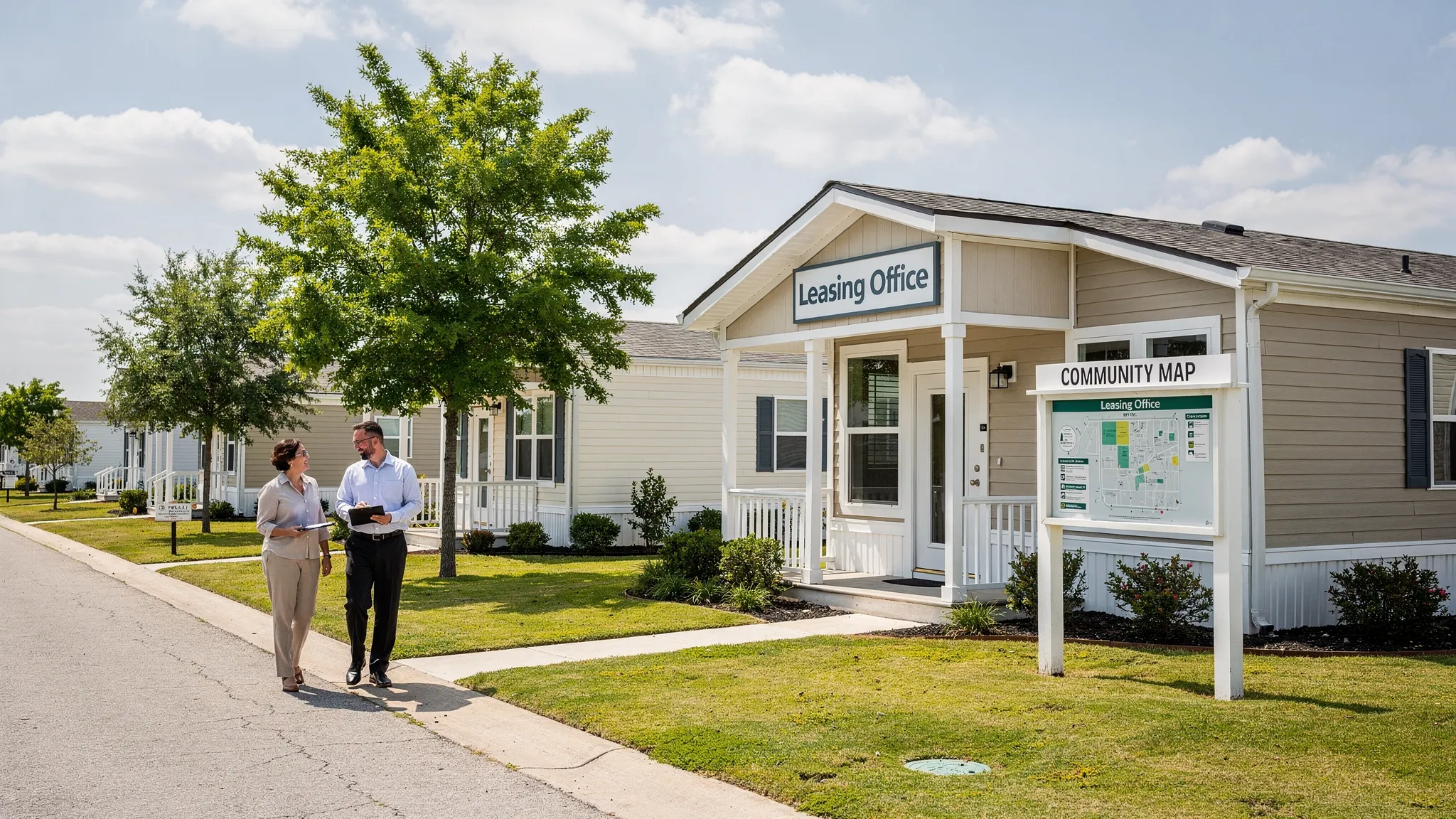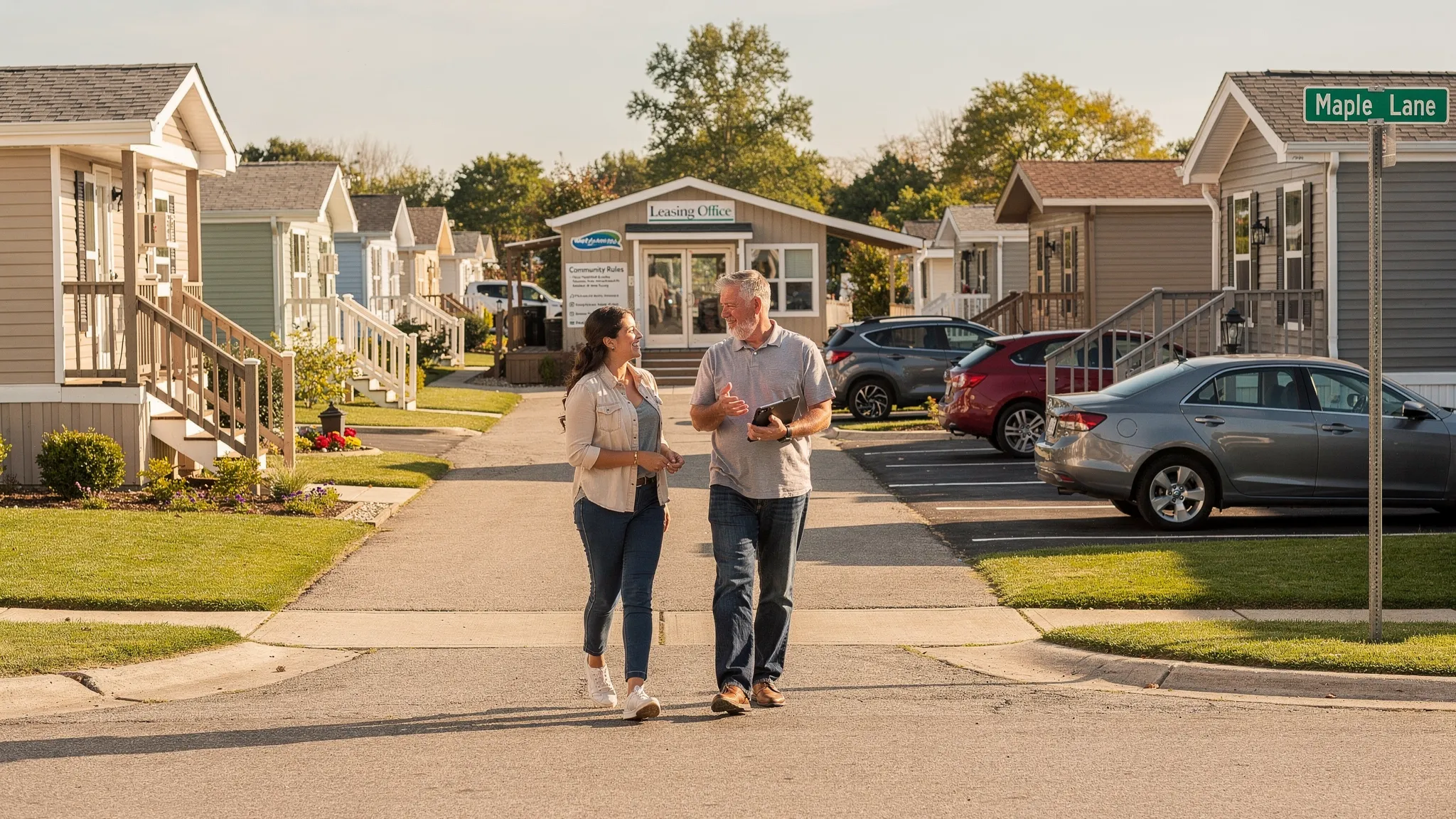

If you’re searching for manufactured mobile homes for rent, you’re usually trying to solve a practical problem fast: more space than an apartment, a lower monthly cost than many site built rentals, and a place that feels like “your own.”
What many renters discover too late is that “manufactured home for rent” can describe several very different setups with very different costs, responsibilities, and rules. This guide breaks down what you’re really getting, the questions that protect your budget, and the scenarios where renting makes sense (and where it can quietly become the most expensive option).
What “manufactured mobile homes for rent” can mean (and why it matters)
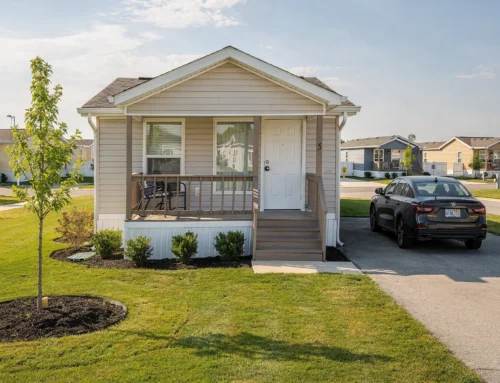
In everyday conversation, people often say “mobile home,” but in most listings today you are looking at a manufactured home (HUD Code, built after June 15, 1976). The “for rent” part is where the biggest differences show up.
Common rental setups you’ll see in the San Antonio area
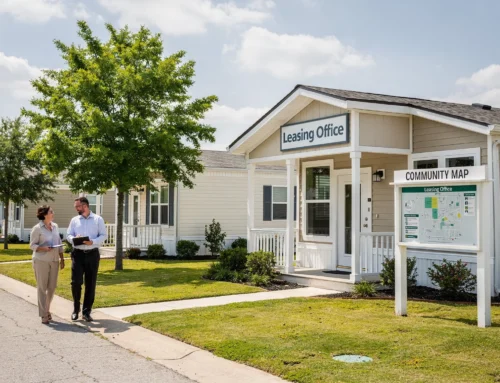
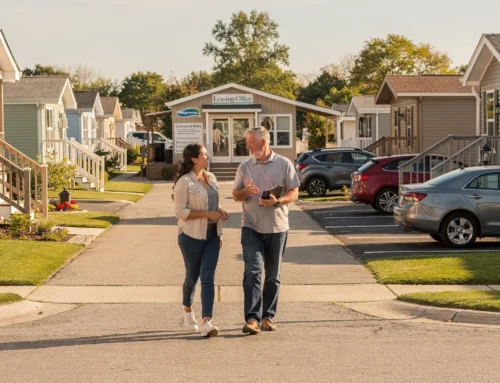
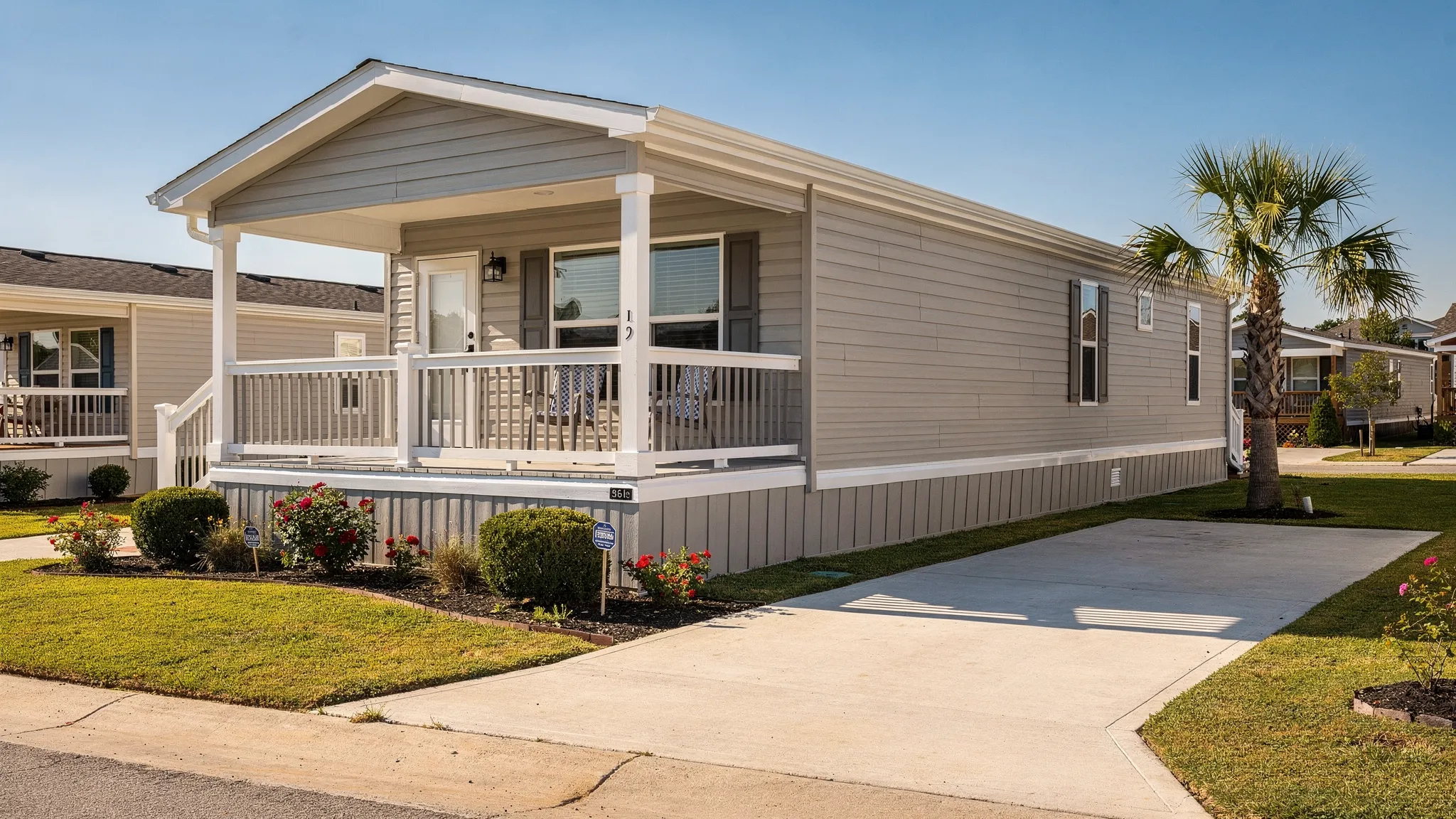
Home rental in a land lease community: You rent the home, it sits on a leased lot inside a community (also called a mobile home park). The community may be the landlord, or a private owner may be renting out their home inside the community.
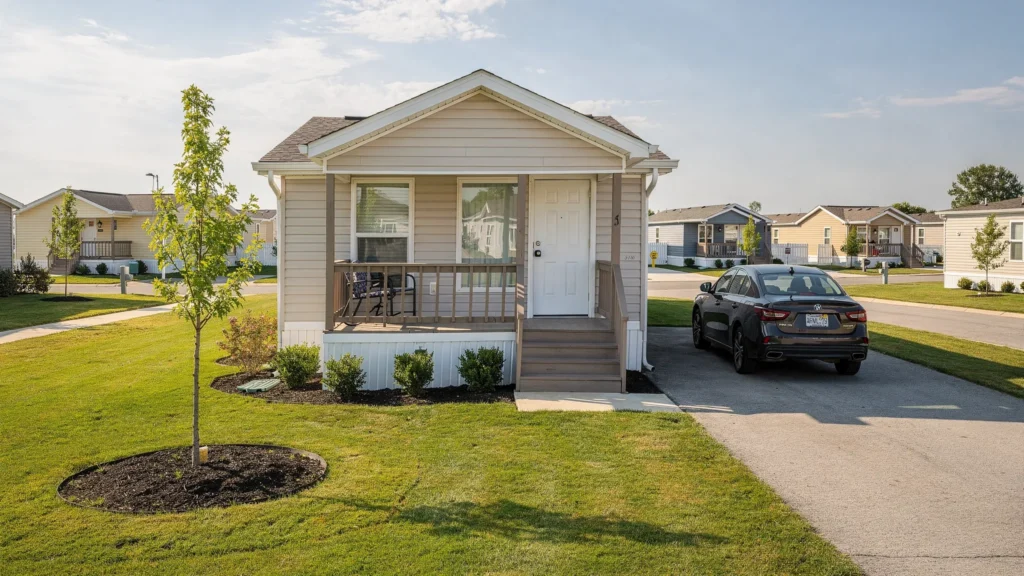
Home rental on private land: A manufactured home sits on acreage or a private parcel, and you rent the home with the land included, similar to a small house rental.
Rent to own (lease option or installment style agreement): The marketing says “rent,” but the structure is partly (or mostly) a purchase. These deals vary widely, so you need to verify what you are signing.
Why this matters: the setup changes who you pay, what’s included, what rules apply, and who fixes what.
Your real monthly cost: what’s usually inside the number
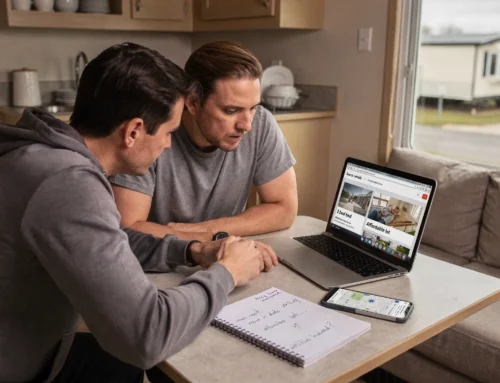
A listing price can look straightforward until you account for the full “stack” of housing expenses that commonly come with manufactured home rentals.
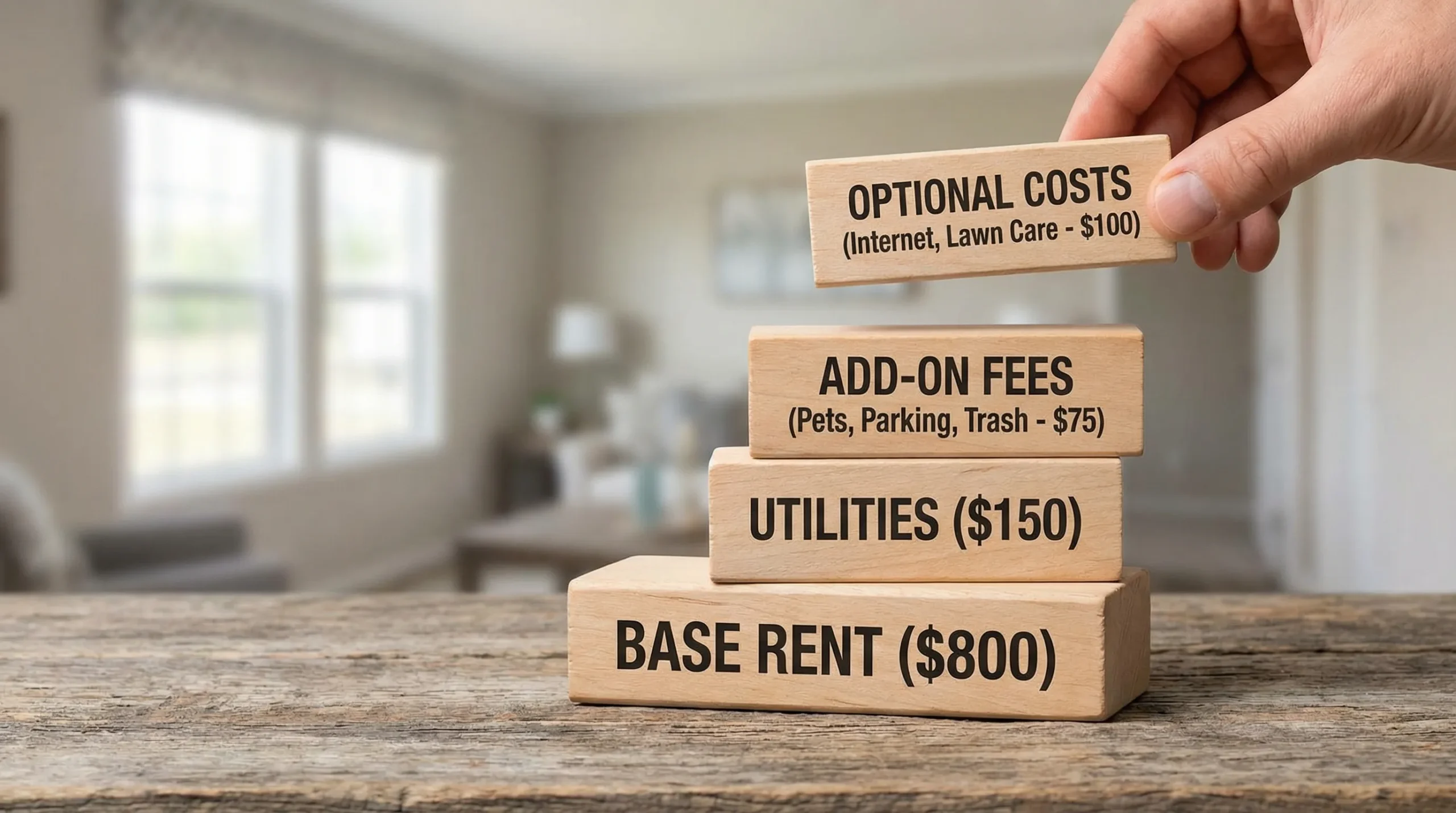
The cost categories to confirm in writing
Some rentals bundle items, others separate them. Ask for a written breakdown before you apply.
| Cost item | What it typically covers | What to ask before you sign |
|---|---|---|
| Base rent | The home itself (and sometimes the lot) | “Is this home rent only, or home plus lot?” |
| Lot rent (if billed separately) | The right to place the home on a specific lot | “Is lot rent included in my payment, or separate?” |
| Utilities | Electric, water, sewer, gas, trash | “Which utilities are in my name, and which are included?” |
| Deposits | Security deposit, pet deposit | “What conditions reduce refunds, and what is the move out process?” |
| Application and screening | Background, credit, income verification | “Are fees refundable if I’m not approved?” |
| Add-on fees | Pet rent, parking, trash, HOA style community fees | “What recurring fees can increase during my lease?” |
| Maintenance add-ons | Lawn care, pest control, HVAC filters | “Is this required, and who chooses the vendor?” |
Don’t skip the utility reality check
In South Texas, the biggest surprise cost is often summer electricity usage, especially if the home is older, has leaky ductwork, or lacks efficient windows and insulation. A lower rent can be offset by higher cooling costs.
If energy costs are a major concern, skim the key features buyers look for in energy efficient manufactured homes and use the same checklist mindset when evaluating rentals.
Maintenance: renting a manufactured home is not always “maintenance-free”
Many renters assume a manufactured home lease works like an apartment lease. Sometimes it does, but sometimes it doesn’t.
Clarify who handles what
Manufactured homes have components that do not exist in most apartments, like skirting, tie downs, and often more exposed plumbing. Your lease should clearly state who is responsible for maintenance and repairs.
Common items to clarify upfront:
- HVAC and ducts: Who changes filters, who pays for service calls, and what happens if the system fails on a weekend.
- Plumbing under the home: Who is responsible for frozen or broken lines, clogs, and access.
- Pest control: Who pays for prevention and treatment.
- Yard and exterior: Mowing, weeds, fence upkeep (if any), and trash rules.
- Appliances: Whether the landlord repairs or replaces, and how quickly.
If the landlord says “tenant responsible for all repairs,” treat that as a major pricing factor. You are effectively taking on homeowner type risk without building equity.
Community rules: you’re renting a home, and you’re also renting a lifestyle
If your rental is inside a community, rules can affect day-to-day life more than most apartment policies.
Areas to review carefully:
Parking and vehicles: limits on work trucks, trailers, or extra cars.
Pets: breed restrictions, number of pets, and monthly pet rent.
Guests and long stays: how long visitors can remain before being considered occupants.
Home condition standards: requirements for skirting, outdoor storage, holiday decor windows, or approved sheds.
Quiet hours and enforcement: how complaints are handled, and who to contact.
If you want a head start comparing communities in the area, see this roundup of mobile home parks in San Antonio and use it as a tour framework, even if you plan to rent.
Lease terms to watch (especially rent increases and renewals)
Your monthly payment is only part of the decision. The other part is how predictable it stays.
Clauses that can change your cost quickly
Rent increase language: Some leases specify renewal increases or allow changes with notice.
Month to month conversions: A one year lease that becomes month to month can increase more frequently.
Late fees and grace periods: Know the deadlines, not just the amount.
Utility billing method: Submetered or allocated utilities can be hard to estimate without past statements.
Move out requirements: Cleaning standards, carpet clauses, and “condition” standards can affect deposits.
If you want Texas specific guidance on tenant rights and common lease issues, resources like TexasLawHelp.org can be a useful starting point. (This article is educational and not legal advice.)
“Rent to own” and lease-option listings: how to avoid expensive confusion
A big share of manufactured home “rent” ads include a rent to own pitch. Some are legitimate lease option agreements, others are vague arrangements that can leave you paying more without gaining real ownership.
What you need to confirm before you pay anything
Are you renting, or buying? Ask what the agreement is called and request a complete copy to review.
Who holds title today? In Texas, manufactured housing ownership and records are handled through the state manufactured housing division. If you are buying, you should understand how ownership is documented.
How is your payment applied? If the seller claims part of rent builds equity, confirm the math, the conditions, and what happens if you pay late.
Who pays taxes and insurance? In some arrangements you may be expected to pay for items that look like ownership responsibilities.
What happens if you move? Many contracts are unforgiving if your income changes or you need to relocate.
For Texas specific manufactured housing ownership concepts and administrative information, you can reference the Texas Department of Housing and Community Affairs manufactured housing program.
How to evaluate a rental manufactured home in one walk-through
A quick showing can hide expensive problems. Use a renter focused inspection approach.
What to check (and photograph) before signing
Paperwork first: get the lease, fee sheet, and utility responsibility list. If they won’t provide these before money changes hands, consider that a red flag.
Age and condition clues: look for soft spots in floors, signs of past water intrusion around windows, and musty smells.
HVAC performance: run the system, check return airflow, and ask when it was last serviced.
Windows and doors: look for gaps, difficult latches, and drafts, all of which can drive up energy use.
Plumbing and water pressure: test all faucets, flush toilets, and look under sinks for stains.
Exterior basics: check skirting condition, steps and handrails, and yard drainage.
Community basics (if applicable): drive the community at night, check parking realities, and ask how maintenance requests are submitted.
If you’re comparing renting versus buying in the same budget range, it also helps to understand what modern floor plans and finish levels look like today. This overview of manufactured homes in San Antonio options, prices, and tips can give you a baseline for what “move in ready” can mean.
When renting makes sense, and when buying may be the smarter long-term move
Renting can be a great fit when you need flexibility, you’re relocating, or you want to test a community before committing. It can also be the right choice if you are rebuilding credit or saving for a down payment.
But if you plan to stay put and want stable housing costs, it’s worth comparing the two paths in a structured way.
| Factor | Renting a manufactured home | Buying a manufactured home |
|---|---|---|
| Upfront cost | Usually lower to move in | Higher upfront, but depends on financing and site needs |
| Monthly predictability | Can change at renewal, utilities may vary | Payment structure may be more stable, depending on loan and lot situation |
| Maintenance responsibility | Varies widely by lease | Typically your responsibility, but you control the work and timeline |
| Customization | Limited | Higher, within community rules and property constraints |
| Equity | None | Potential to build equity depending on financing and land situation |
| Flexibility | Higher | Lower, selling or relocating takes planning |
If you’re leaning toward ownership, start by understanding financing types and what they are designed for. Homes2Go San Antonio has a clear overview of common options on its financing page, including chattel loans and mortgage style programs.
A practical next step if you’re renting now but want a path to ownership
Many San Antonio area renters are not choosing between rent and buy in theory, they are choosing between rent now and buy later. If that’s you, focus on two things while you rent:
Build a paper trail that makes financing easier: stable income documentation, on-time payment history, and a realistic monthly budget that includes utilities.
Learn the placement options early: living in a land lease community versus placing on private land changes approvals, costs, and timelines. If you want to understand the “land plus home” route, this guide to land and home packages in San Antonio lays out the steps and the Texas specific considerations.
Homes2Go San Antonio primarily helps shoppers buy manufactured homes, not just browse listings. If you’re currently looking at manufactured mobile homes for rent but you suspect the long-term math might favor ownership, their team can help you compare models, review realistic monthly payment scenarios with lenders, and match you to communities or land options that fit your timeline.
 Manufactured Homes for Rent: Costs, Leases, and What’s Included