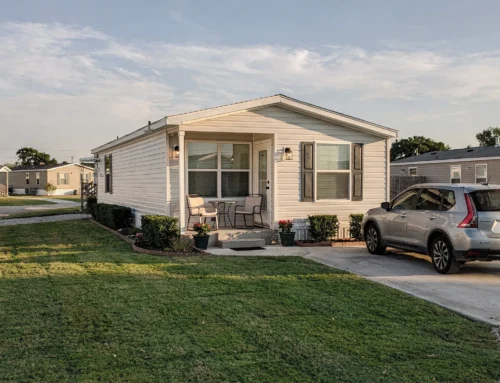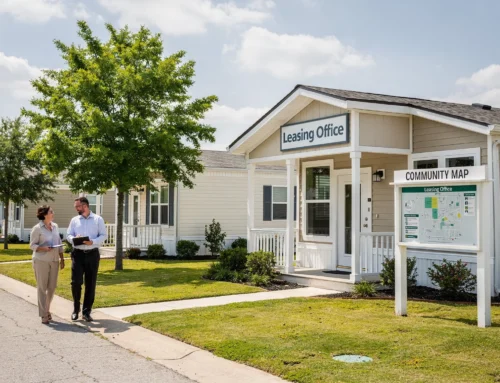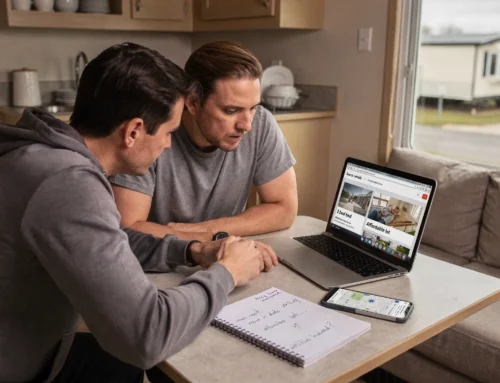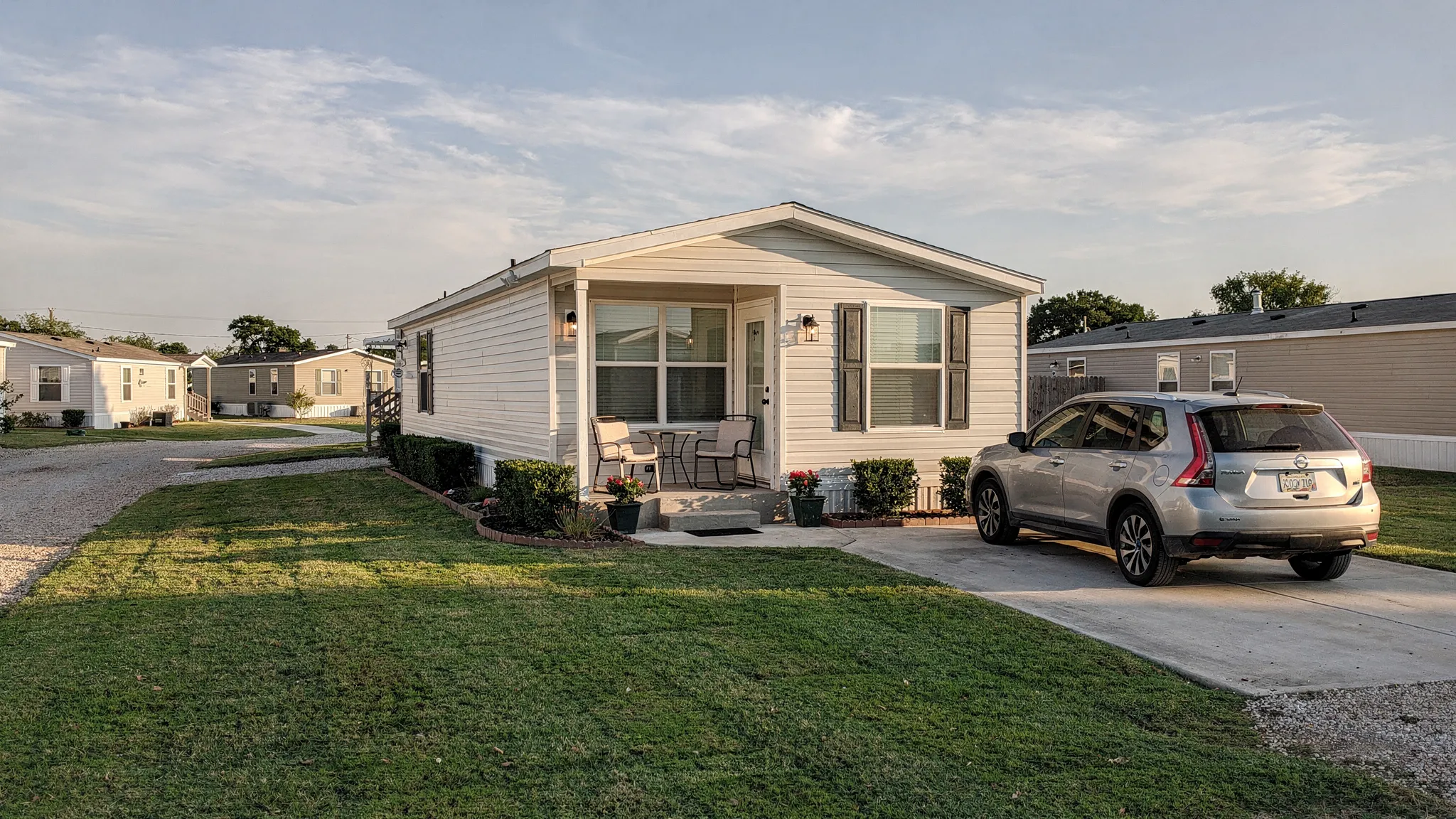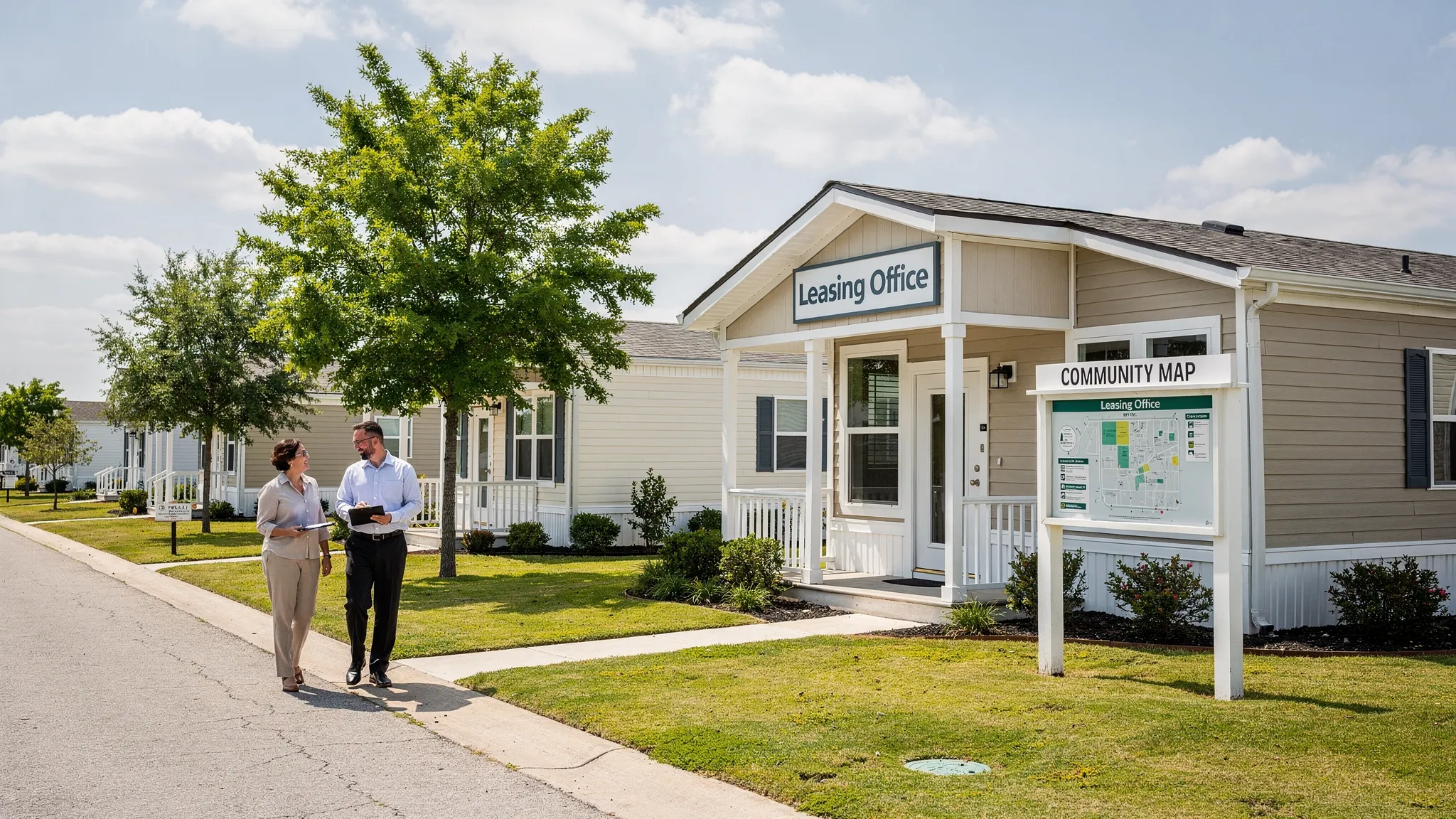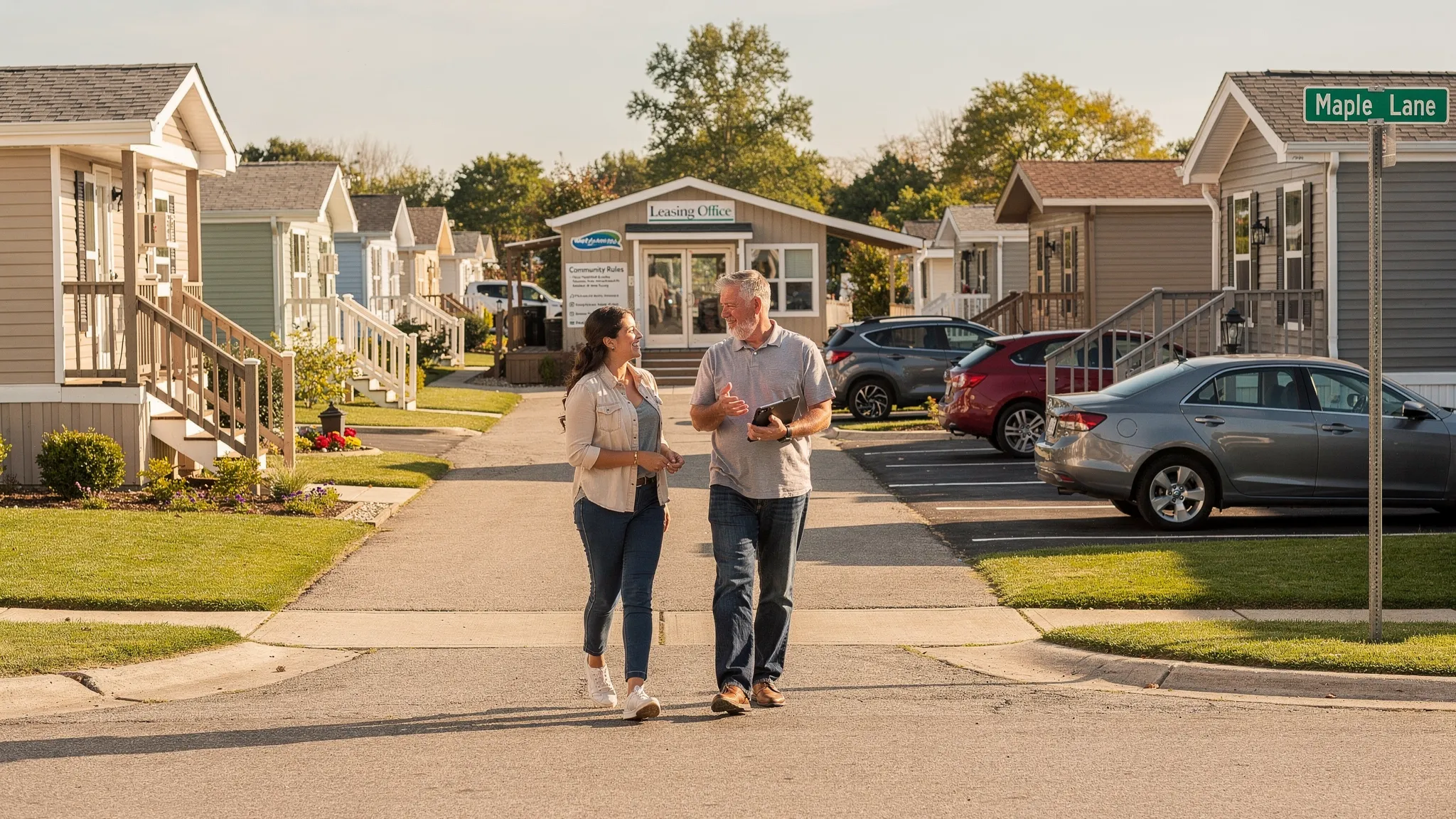

If you are shopping for manufactured homes for rent, the hardest part is not finding listings. It is understanding what the advertised rent actually covers. In manufactured housing, “rent” can mean the home, the land (lot), community services, or some combination of all three.
This guide breaks down the most common rental setups, the real cost categories to budget for, what a manufactured-home lease typically includes, and the clauses that deserve extra attention before you sign.
First, what counts as a manufactured home?
A manufactured home is a factory-built home constructed to the federal HUD Code (in effect since 1976). That standard covers things like design, strength, fire resistance, and energy efficiency requirements. You can read HUD’s overview on the Manufactured Home Construction and Safety Standards.
In everyday conversation, people still say “mobile home,” but most rentals you will see today are HUD Code manufactured homes.
What “manufactured homes for rent” can mean (3 common setups)
Not all listings are the same product. Before you compare prices, identify which of these you are being offered.
| Rental setup | You rent | Typical payments | Best for |
|---|---|---|---|
| Home + lot in a community | The home and the right to occupy the lot | One monthly rent, utilities may be separate | Simplest option, fewer vendors to coordinate |
| Home-only rental in a community | The home from a private owner or company | Home rent to owner, lot rent may be bundled or separate | More flexibility, but you must clarify who manages what |
| Lot-only rental (you own the home) | The lot in a land-lease community | Lot rent plus your own home costs (loan, insurance, repairs) | Long-term residents who want ownership while leasing land |
Many renter frustrations come from mixing up “home rent” and “lot rent.” Always ask for a written breakdown.
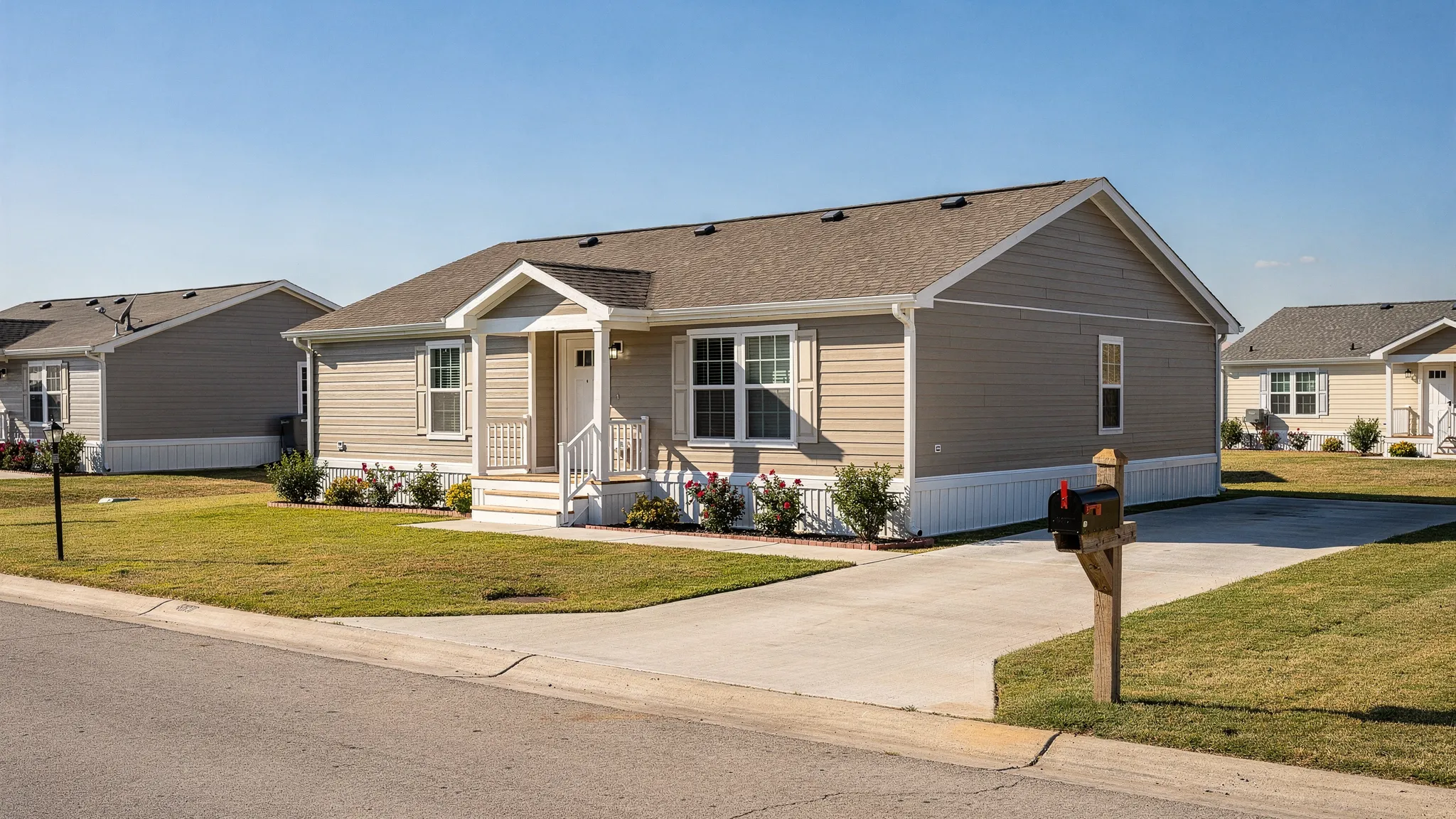
Manufactured home rent costs: what to budget for (beyond the advertised number)
Because communities, owners, and utility setups vary, there is no single “standard” rent. A better approach is to budget by cost category, then confirm each item in writing.
1) Monthly housing charges
Most renters will see one of these patterns:
- All-in rent (home + lot): One monthly payment covers the home and the lot. Utilities are sometimes included, sometimes not.
- Split payments: You pay the home rent to the owner and lot rent to the community.
- Lot rent only: Common when the resident owns the home.
2) Utilities and services (what is included vs. submetered)
Utilities are where “cheap rent” can get expensive. Ask whether utilities are:
- Included in rent
- Billed directly by the provider (you set up your own account)
- Billed by the community (often via submeters or allocation)
In San Antonio area communities, it is also common to see separate charges for trash, pest control, or a “community fee.” The key is not whether a fee exists, but whether it is disclosed clearly before you apply.
3) Upfront costs at move-in
Upfront costs vary widely, but they often include:
- Application fees (per adult)
- Security deposit
- Holding deposit (sometimes applied to the deposit or first month’s rent)
- Pet deposits and monthly pet rent
- Utility deposits (if you open accounts)
If you are comparing two rentals, line up the upfront costs side by side. A lower monthly rent can be offset by heavier move-in fees.
4) Insurance and liability
Even if the landlord insures the structure, that policy typically does not cover your personal property. Consider renters insurance, and confirm any required coverage amounts with the property manager.
5) Maintenance and “who pays for what”
Manufactured homes have a few maintenance items that are not always obvious to first-time renters, such as skirting condition, steps/handrails, and HVAC filter schedules. Your lease should spell out what is tenant responsibility versus owner responsibility.
Here is a quick reference you can use when you review a listing or lease.
| Cost item | Often included? | Common billing method | What to confirm |
|---|---|---|---|
| Home rent | Yes | Monthly | Due date, late fees, grace period |
| Lot rent | Sometimes | Monthly | Whether it is bundled with home rent |
| Water/sewer | Sometimes | Utility provider or community billing | Submeter vs. ratio billing, any admin fees |
| Electricity | Rarely | Utility provider | Who opens the account, deposit required |
| Trash service | Sometimes | Included or separate line item | Pickup days, bulk item rules |
| Lawn care | Varies | Included or tenant handled | Mowing expectations, watering restrictions |
| Repairs | Varies | Work orders | Response times, after-hours process |
Lease basics: what to look for before you sign
A manufactured-home lease is still a lease, but community rules and responsibility boundaries tend to be stricter than a typical apartment.
Lease term and renewals
Confirm whether you are signing:
- A month-to-month lease
- A fixed term (commonly 6 to 12 months)
- A fixed term that converts to month-to-month
Also confirm renewal rules and how rent increases are handled. In Texas, notice requirements can depend on your lease terms and the type of tenancy, so it is smart to get everything in writing.
Community rules that function like “lease terms”
Even if the base lease is short, the community rules can be extensive. Pay special attention to:
- Parking limits (and towing policies)
- Pet restrictions and breeds/weights
- Noise and guest policies
- Exterior appearance rules (sheds, grills, holiday lights)
If a rule matters to your daily life, ask for it before you pay an application fee.
Repairs, habitability, and how requests work
Clarify:
- How to submit maintenance requests
- Emergency definitions (no A/C in summer can be an emergency in Texas)
- Whether you can choose your own contractor or must use the owner/community
For Texas-specific tenant rights and repair remedies, start with the Texas Attorney General’s Tenant Rights overview, then consult an attorney if you have a specific legal question.
Who is responsible for what (the most important page in the lease)
Manufactured home rentals can blur lines between home, lot, and community infrastructure. Look for clear language on:
- Plumbing stoppages and what counts as tenant-caused
- A/C filters and routine upkeep
- Yard maintenance (mowing, watering, weeds)
- Pest control and who schedules it
If the lease is vague, ask for a written addendum. Verbal promises are hard to enforce later.
What’s typically included in manufactured homes for rent (and what usually is not)
“Included” depends on the owner and the community, but most renters see patterns.
Often included (but still confirm model by model)
A rental manufactured home frequently includes:
- Major appliances (range/oven, refrigerator)
- HVAC equipment (central air is common, but not universal)
- Basic window coverings (varies)
- Skirting already installed
- One to two parking spaces
Some rentals also include water, trash, or lawn care, especially if the home is in a professionally managed community.
Often not included
Common items that are frequently separate:
- Electricity
- Internet/cable
- Washer/dryer (or hookups only)
- Furniture
- Pest control
The fastest way to avoid surprise charges
Ask the landlord or manager to provide a “utilities and inclusions sheet” listing each item and who pays it. If they cannot provide it, you can create your own and ask them to confirm it by email.
Walkthrough checklist: what to inspect in a rental manufactured home
Manufactured homes can be extremely comfortable and modern, but, like any rental, condition varies. During your walkthrough, focus on evidence, not cosmetics.
Pay close attention to:
- Floors near bathrooms and kitchen (soft spots can indicate leaks)
- Windows and exterior doors (smooth operation, intact seals)
- A/C performance and air flow in each room
- Water pressure and drain speed (sinks, tubs, toilets)
- Signs of pests (droppings, damaged baseboards, gaps around penetrations)
- Smoke and carbon monoxide alarms (presence and function)
Before you take possession, document existing issues with time-stamped photos and a move-in condition form. This protects both you and the landlord.

Questions to ask before applying (so you do not waste application fees)
Use these questions to qualify a rental quickly and avoid paying for applications on homes that do not fit your budget or lifestyle.
- Is the monthly price home-only, lot-only, or home + lot?
- Which utilities are included, and which are billed separately?
- How are water and sewer billed (provider account, submeter, or allocation)?
- What are the exact move-in costs (deposit, pet fees, admin fees)?
- Who handles repairs, and what is the emergency process after hours?
- Are there community rules on pets, parking, guests, or work vehicles?
- What is the lease term, and how are renewals and rent increases handled?
- Is renters insurance required, and what coverage limits?
If answers are unclear, that is a signal to slow down.
Renting vs. buying in San Antonio: when a manufactured home purchase may pencil out
Renting can be a smart choice if you value flexibility, are new to the area, or want to test a community before committing long-term.
Buying can make sense when:
- You plan to stay put for multiple years
- You want predictable housing costs and control over upgrades
- You have a place to put the home (private land or a community that allows owner-occupied homes)
If your long-term plan is ownership, it helps to understand the pathways early, including whether you will place a home in a land-lease community or on private land. Homes2Go San Antonio has helpful guides on manufactured homes in San Antonio (options, prices, and tips) and land and home packages. If financing is part of your decision, their overview of manufactured home financing options is a solid starting point for understanding common loan types.
For renters who are also comparing where they want to live, you can also review this local roundup of mobile home parks in San Antonio to see what community styles exist and what questions to bring on a tour.
Bottom line: compare rentals by the lease, not the listing
The best manufactured home rentals are the ones where the math is transparent and responsibilities are clear. When you compare two homes, do not stop at the advertised rent. Compare:
- Home rent vs. lot rent structure
- Utilities and billing method
- Upfront move-in costs
- Repair responsibilities and response process
- Community rules that affect day-to-day life
If you tour a home and think you might prefer ownership long-term, Homes2Go San Antonio can help you explore move-in ready manufactured homes, placement options, and financing paths without guessing your way through the process. Learn more at Homes2Go San Antonio.
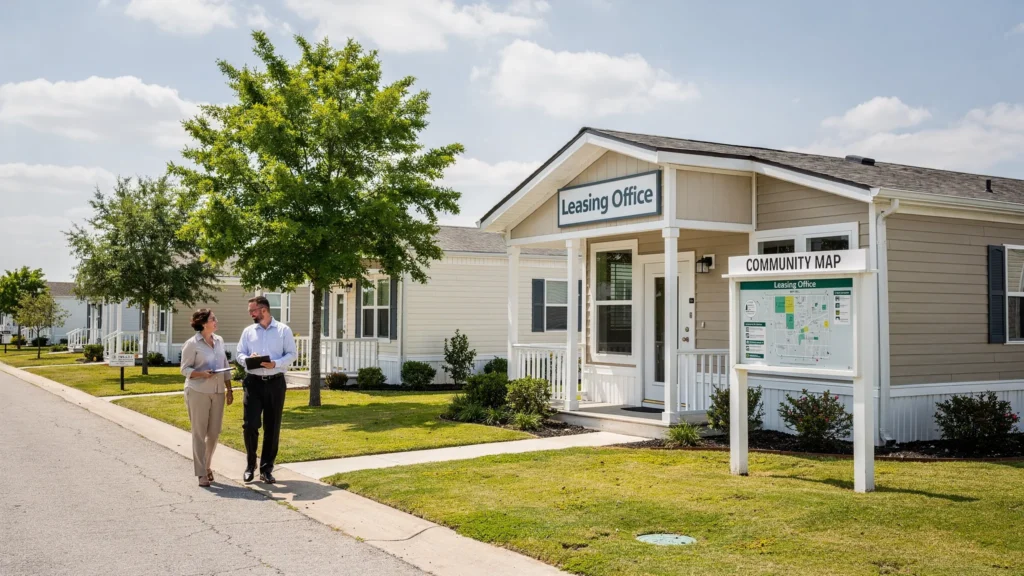 Trailer House for Rent Near Me: How to Find Legit Listings
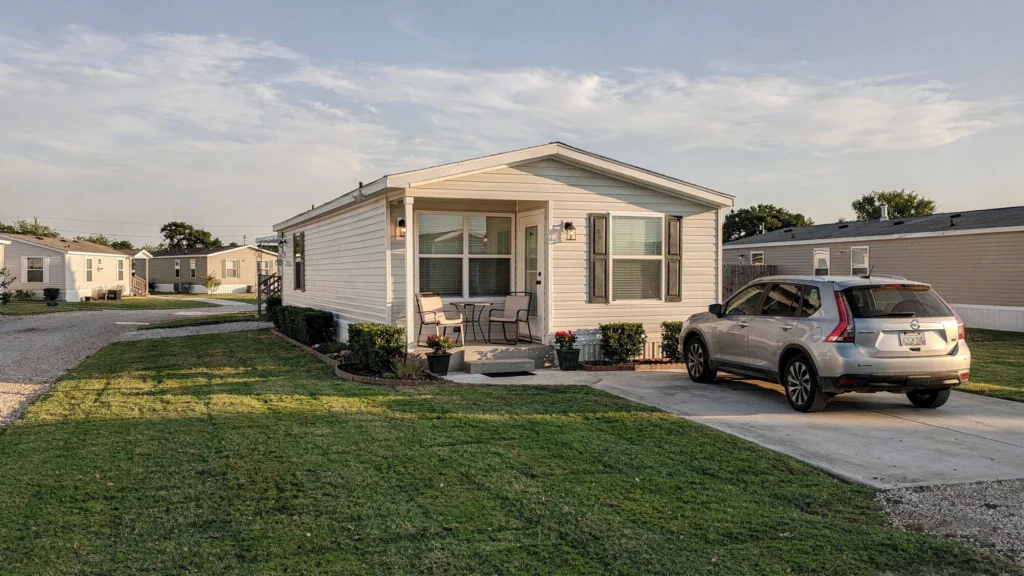 Manufactured Mobile Homes for Rent: What You’re Really Getting