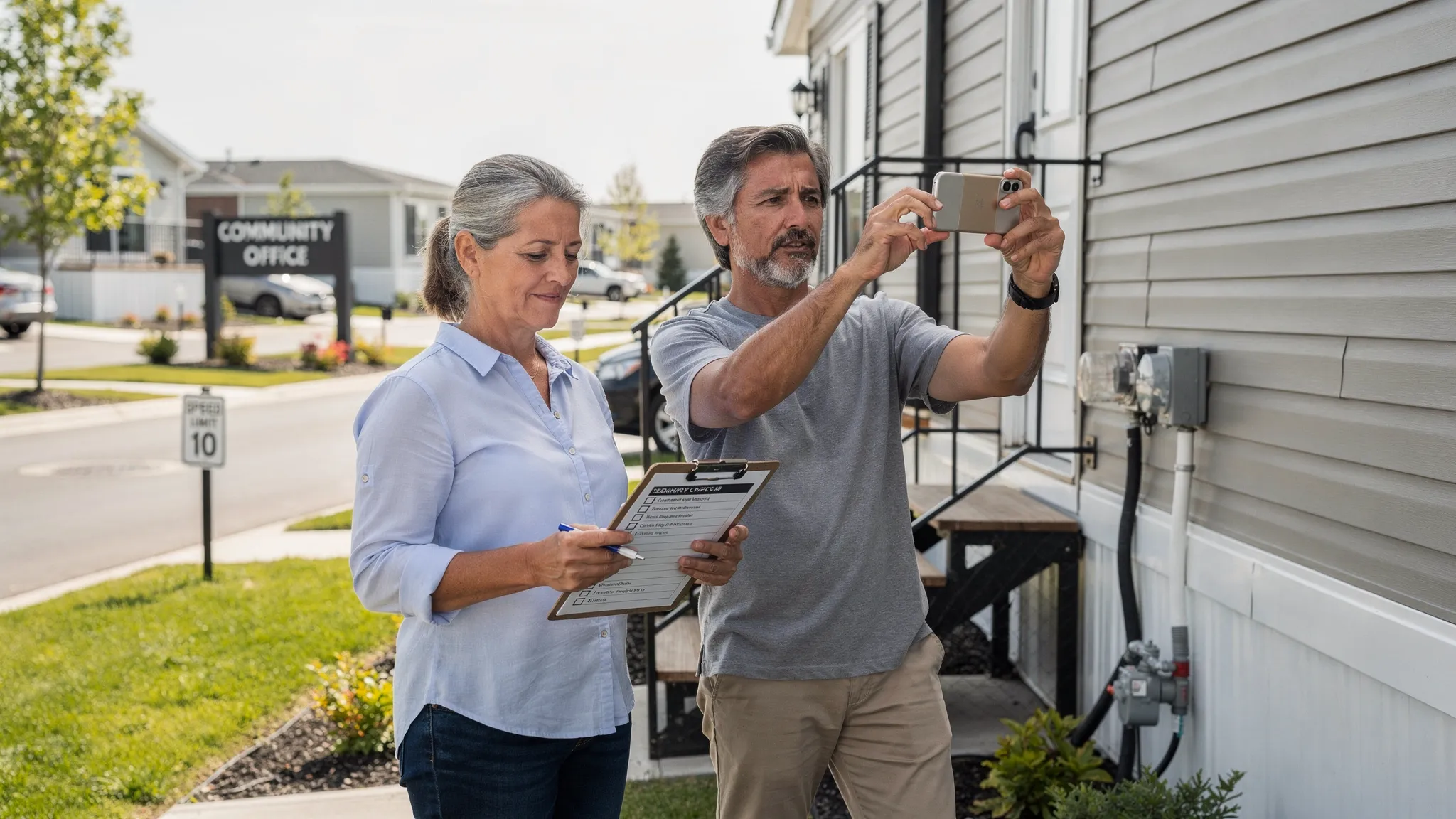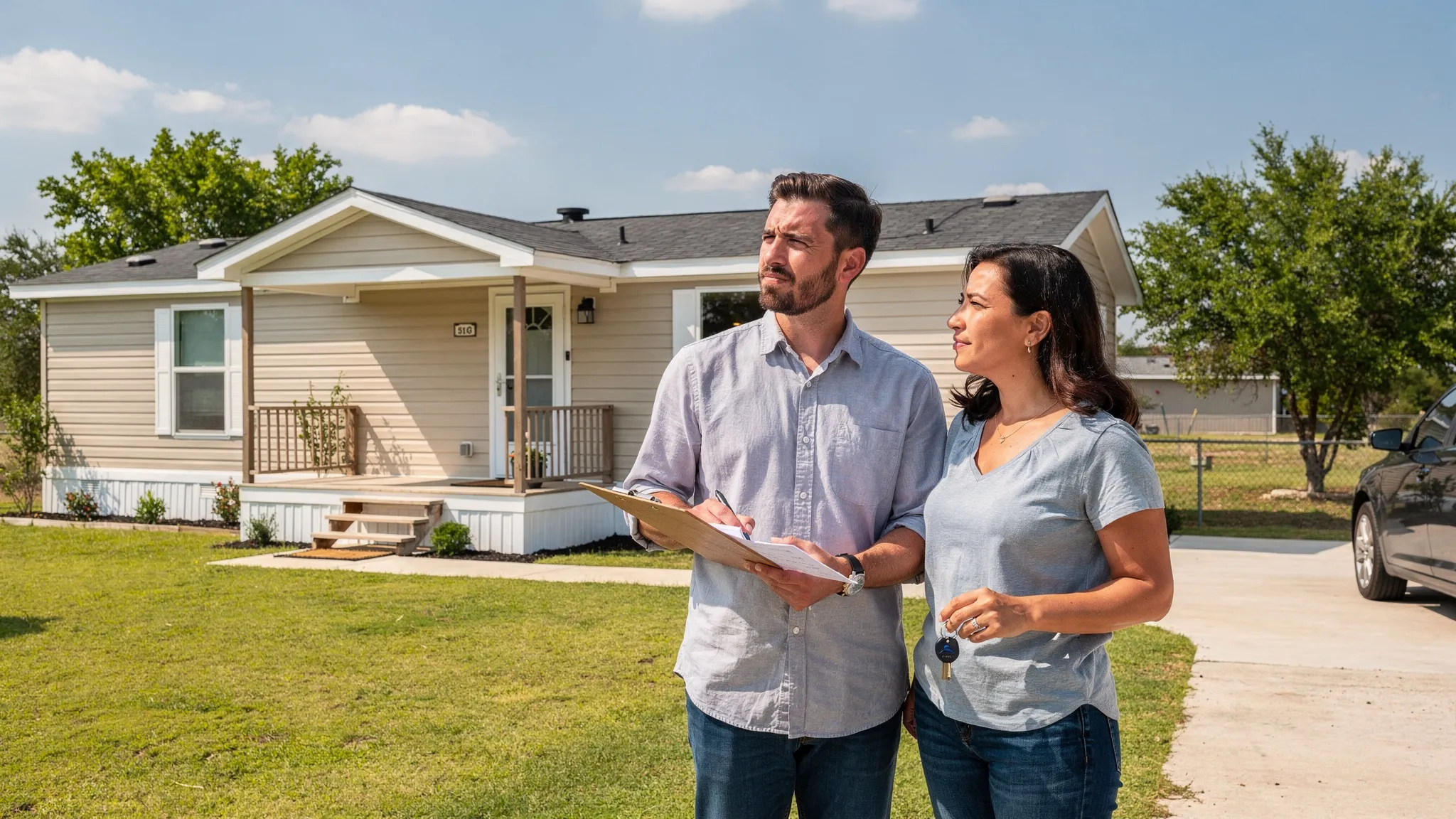

Choosing between manufactured home communities in San Antonio is not just about location and amenities. The real long-term cost and comfort comes down to two things: fees (what you pay and when) and rules (what you can and cannot do with your home, lot, and lifestyle).
This guide breaks down the most common community fees, the rules you should expect to see in a lease, and the Texas-specific details that can protect you, or surprise you, if you do not review them before signing.
What “manufactured home community” means in San Antonio
In most cases, a manufactured home community (sometimes called a mobile home park) is a land-lease neighborhood. You typically:
- Own (or finance) the manufactured home
- Lease the homesite (lot) from the community
- Follow the community’s rules and lease terms
Some communities also offer home-and-lot rentals (the park owns the home), and some are closer to condo-style setups with more structured associations. The fee and rule structure changes depending on which model you are considering.
The core fees to budget for (beyond the home payment)
Community costs usually fall into three buckets: monthly recurring, one-time move-in, and variable pass-through charges. The community should provide a written fee schedule. If they cannot, that is a red flag.
Monthly recurring fees
Lot rent is the big one. It pays for the right to place your home on the lot and often covers some shared infrastructure.
Other monthly charges may include:
- Water and sewer (included, submetered, or allocated)
- Trash service
- Common-area maintenance
- Amenity access (pool, clubhouse, gym, gated entry)
- Pet rent (separate from pet deposits)
A key detail: two communities can advertise the same lot rent, but one includes water and trash while the other bills everything separately. Always compare communities using an “all-in monthly housing cost” view.
One-time move-in and administrative fees
These are common in San Antonio communities, especially those with tighter screening standards:
- Application fee (per adult)
- Background and credit screening fees
- Security deposit (or community deposit)
- Pet deposit
- Home setup-related fees (varies by community and situation)
If you are moving a home into a community (instead of buying one already sited), ask whether the park charges set-up coordination fees, inspection fees, or requires specific contractors.
Variable and pass-through charges
Some charges are not “fees” in the marketing sense, but they can hit your budget:
- Electricity and gas (almost always separate, paid to the utility or billed through)
- Water allocation (RUBS) or submetering service fees
- Late fees and returned payment fees
- Maintenance violations or re-inspection fees
- Gate cards, mailbox keys, decals
A practical fee comparison table
Use a table like this when you tour. Ask each community to confirm each line item in writing.
| Cost item | Usually paid | Typical billing style | Questions to ask before signing |
|---|---|---|---|
| Lot rent | Monthly | Fixed monthly amount | What does it include, and how often can it increase? |
| Water/sewer | Monthly | Included, submetered, or allocated | Is it included, or billed separately? Any admin fee? |
| Trash | Monthly | Included or separate line item | Who is the provider, and is valet trash extra? |
| Application/screening | One-time | Per adult | Is it refundable if denied? |
| Deposit(s) | One-time | Fixed or risk-based | What are the conditions for full refund? |
| Pet fees | One-time and/or monthly | Deposit plus pet rent | Breed/size limits? How many pets? |
| Home move-in approval | One-time | Inspection or admin fee | Are older homes allowed? What condition standards apply? |
| Rules enforcement fees | As needed | Per occurrence | What triggers a fee (yard, parking, noise)? |
Rules you should expect (and read closely)
Community rules can feel strict if you are used to private land. They are not automatically bad, strong rules often mean a better-maintained neighborhood. The key is knowing what you are agreeing to.
Home standards and exterior requirements
Many San Antonio communities require:
- Minimum home age, or a home-condition approval before move-in
- Approved skirting types and condition standards
- Roofing, siding, and paint requirements
- Limits on window units, satellite placement, or visible storage
- Rules for sheds, fences, ramps, and carports (including permits and setbacks)
If you are buying a home that is not already in the community, ask for the written move-in criteria first. A great deal on a home can turn into a dead-end if it does not meet community standards.
Parking, vehicles, and commercial use
Parking rules are one of the most common sources of conflict. Look for:
- Assigned parking count per household
- Guest parking limits and tow policies
- Restrictions on work trucks, trailers, RVs, or non-running vehicles
- Rules against operating a business from the home (even small side businesses)
If you have a larger vehicle, trailer, or work equipment, get written confirmation that it is allowed.
Pets, guests, and quiet hours
Pet policies vary widely:
- Number of pets allowed
- Breed and weight restrictions
- Leash rules and pet waste enforcement
- Pet deposits and monthly pet rent
Guest rules can also matter if you have extended family visits. Some communities limit guest stays beyond a certain number of days.
Maintenance responsibilities (who fixes what)
In land-lease communities, the split is usually:
- You maintain your home, steps, skirting, and the lot (mowing, basic upkeep)
- The community maintains roads, common areas, and sometimes shared utility lines
But the details can vary. Ask specifically about:
- Tree trimming responsibility
- Fence repair responsibility
- Sewer line responsibility (home to main connection)
- Who handles pest control, if required
Texas rules that can protect you (and where to verify them)
Texas has specific laws governing manufactured home community tenancies. If you plan to lease a lot in a community, it is worth reviewing Texas Property Code Chapter 94, which covers topics like notices, disclosures, and certain landlord and tenant obligations.
For manufactured housing regulatory information in Texas, you can also reference the Texas Department of Housing and Community Affairs (TDHCA), which oversees the Manufactured Housing Division.
Important note: this article is general education, not legal advice. If a lease term feels unclear, consider speaking with a Texas attorney or a local housing counselor before signing.
How fee increases typically work (and how to reduce surprises)
The most important fee question is not only “What is lot rent today?” but:
- When can it increase? (annual, at renewal, with notice)
- How is notice delivered? (mail, portal, posted notice)
- Are there pass-through clauses? (taxes, utilities, infrastructure)
Ask to see:
- The current written fee schedule
- A sample lease or community rules packet before you apply
- The renewal language (especially timelines and notice periods)
If a community is reluctant to share the lease and rules until after you pay fees, pause and reassess.
A touring checklist for manufactured home communities in San Antonio
Bring these questions with you and write down answers while touring.
- What is included in lot rent (water, sewer, trash, amenities)?
- Are utilities submetered, allocated, or billed directly by the utility?
- What are the application, admin, and deposit amounts?
- What are the pet rules (breed, size, number, deposit, pet rent)?
- What is the parking policy and towing policy?
- Are there restrictions on home age, exterior materials, or remodeling?
- What are the quiet hours and guest policies?
- Who handles repairs for the sewer line, water line, and electrical pedestal?
- What insurance is required (homeowners, liability)?
- How does renewal work, and how are rent increases handled?
Financing considerations when you live in a community
If you are buying a manufactured home that will be placed in a land-lease community, your financing path may differ from a land-and-home purchase. Many buyers explore options such as chattel loans, or other programs depending on the home, title status, and whether the home is permanently attached to real property.
If you want help comparing loan types and understanding your options with a guided, tech-enabled process, you can also explore New Era Lending’s smart mortgage solutions as a starting point for financing education and lender support.
For local guidance specifically tied to manufactured home purchases, Homes2Go San Antonio also outlines common paths on its financing options page.
Common fee and rule “red flags” to watch for
Most communities have rules. The issue is when the rules are vague, inconsistently enforced, or paired with aggressive fees.
Be cautious if you see:
- Fees that are not listed in writing (only explained verbally)
- A lease that allows broad “rule changes at any time” without clear notice
- Unclear responsibility for major utility line repairs
- High penalty fees without a clear cure period
- Pressure to sign the same day without reviewing the documents
Frequently Asked Questions
What fees do manufactured home communities in San Antonio usually charge? Most communities charge monthly lot rent and may add utilities (water/sewer/trash), pet fees, and one-time application and deposit costs. Always ask for a written fee schedule.
Is water included in lot rent in San Antonio manufactured home communities? Sometimes, but not always. Water may be included, submetered, or allocated among residents. Confirm the billing method and any admin fees.
Can a community deny a manufactured home from moving in? Yes. Many communities have home-condition standards, minimum home age requirements, and exterior rules. Get the written criteria before you buy or move a home.
How do I compare two communities with different fee structures? Compare the all-in monthly cost: lot rent plus typical utilities, trash, amenity fees, and pet rent. Ask each community what is included and what varies month to month.
Where can I check Texas laws related to manufactured home community leases? A good place to start is Texas Property Code Chapter 94, which addresses manufactured home community tenancies. For manufactured housing regulation resources, you can also review TDHCA materials.
Do I need different financing if my home is in a community instead of on private land? Often, yes. The best option depends on whether you are buying only the home or the home plus land, and how the home is titled. Talk to lenders experienced with manufactured housing.
Find the right San Antonio community, and the right home for it
Fees and rules are not fine print, they define your monthly budget and how it feels to live there. If you are comparing manufactured home communities in San Antonio, Homes2Go San Antonio can help you match a home to communities that fit your lifestyle, review floor plans, and walk through financing paths without guessing.
Browse Homes2Go’s resources like the Best Mobile Home Parks in San Antonio (2025 roundup), or reach out through Homes2Go San Antonio to discuss move-in ready homes and community-friendly options.
 Manufactured Homes for Rent San Antonio: Where to Look
 Mobile Homes for Rent in San Antonio TX: Real Budget Guide