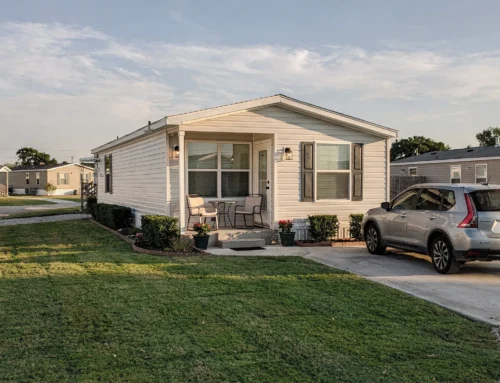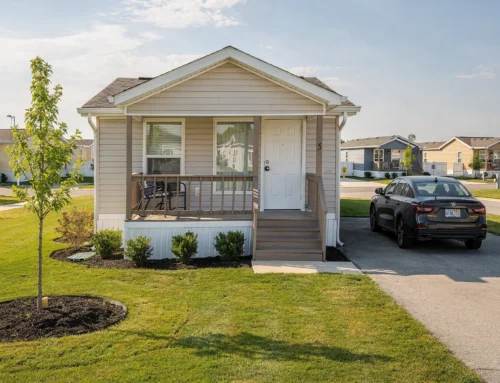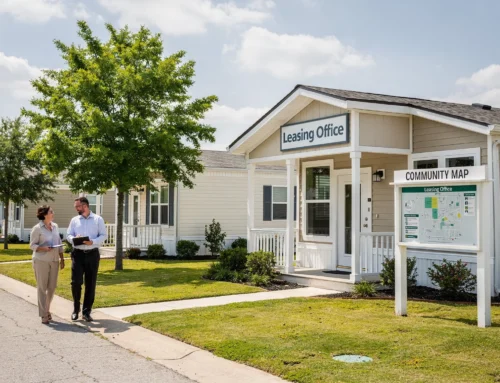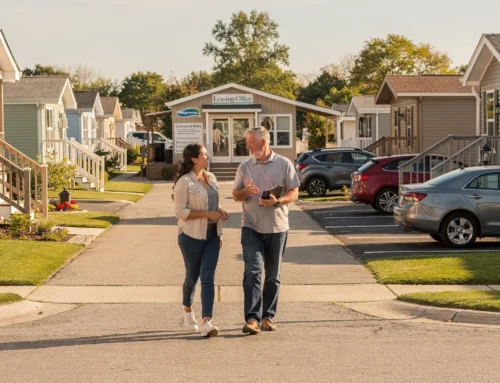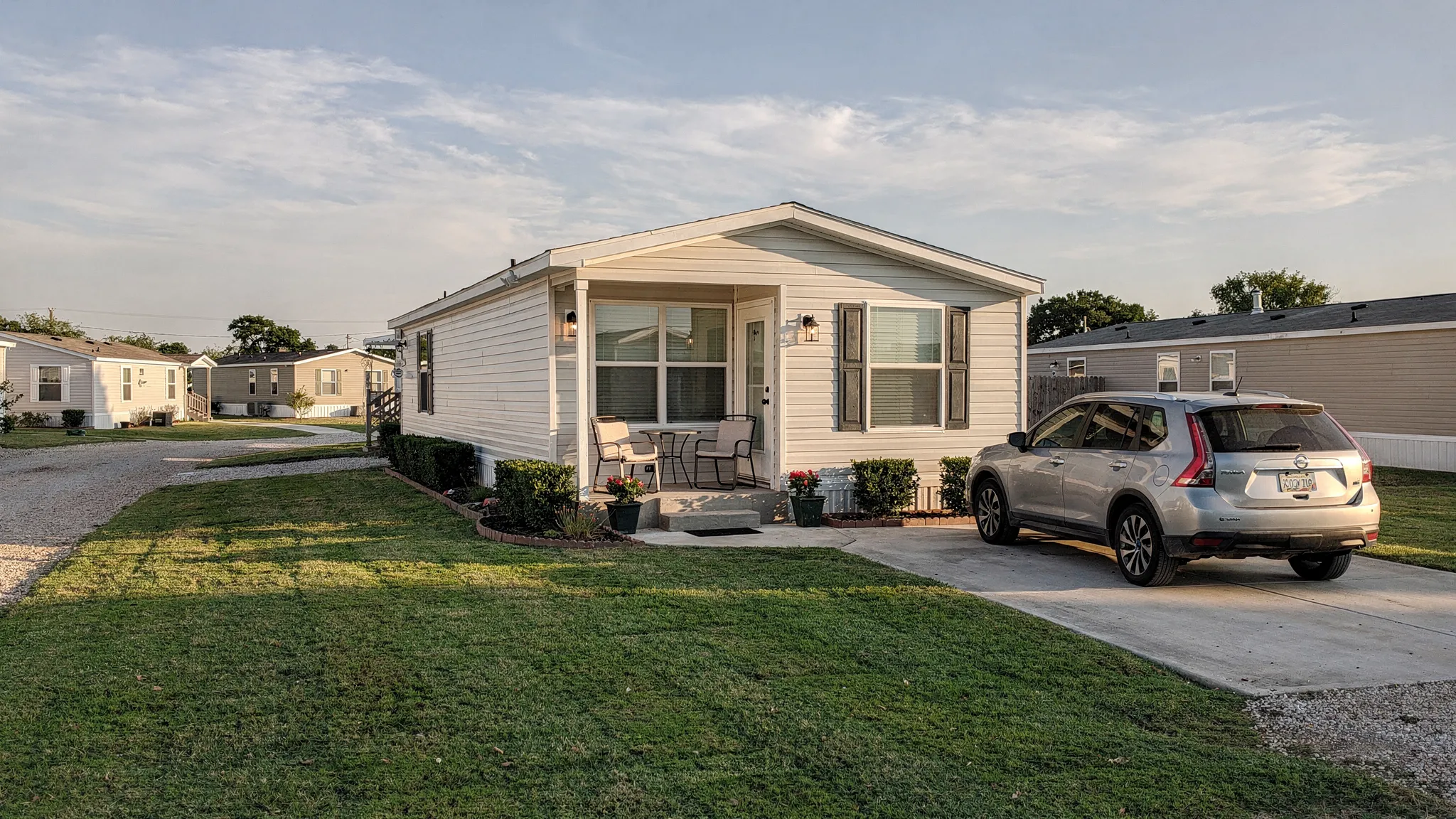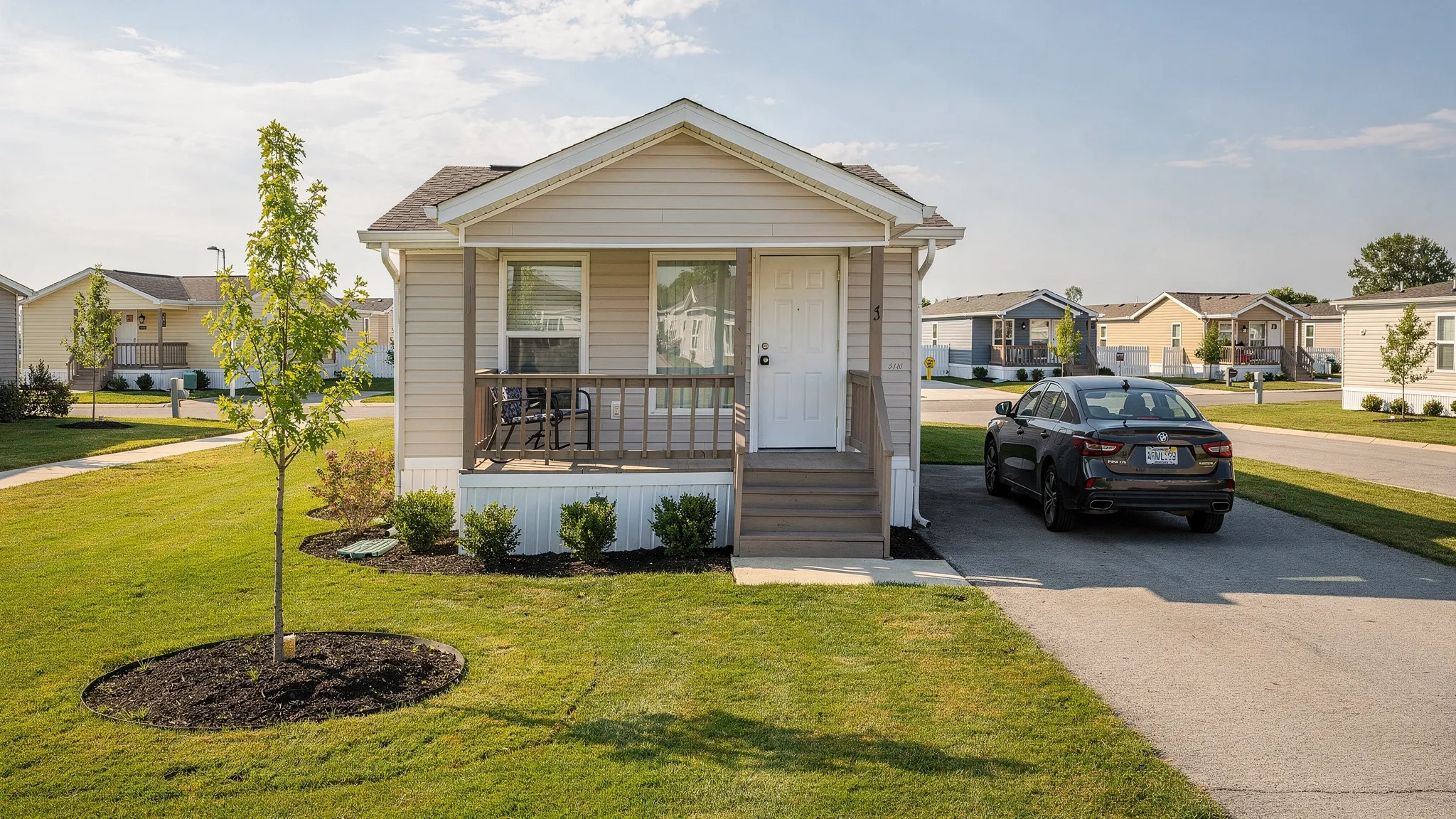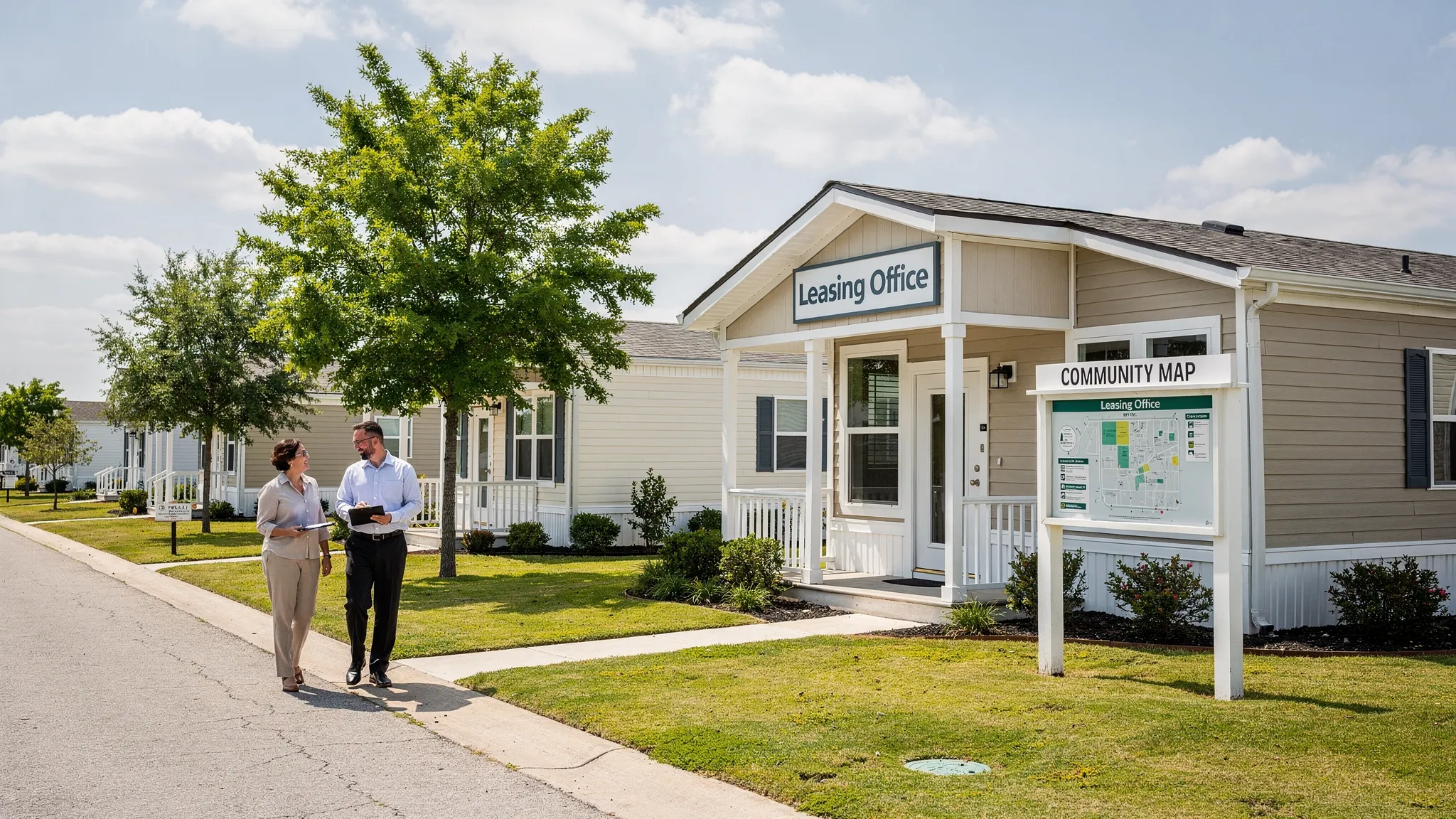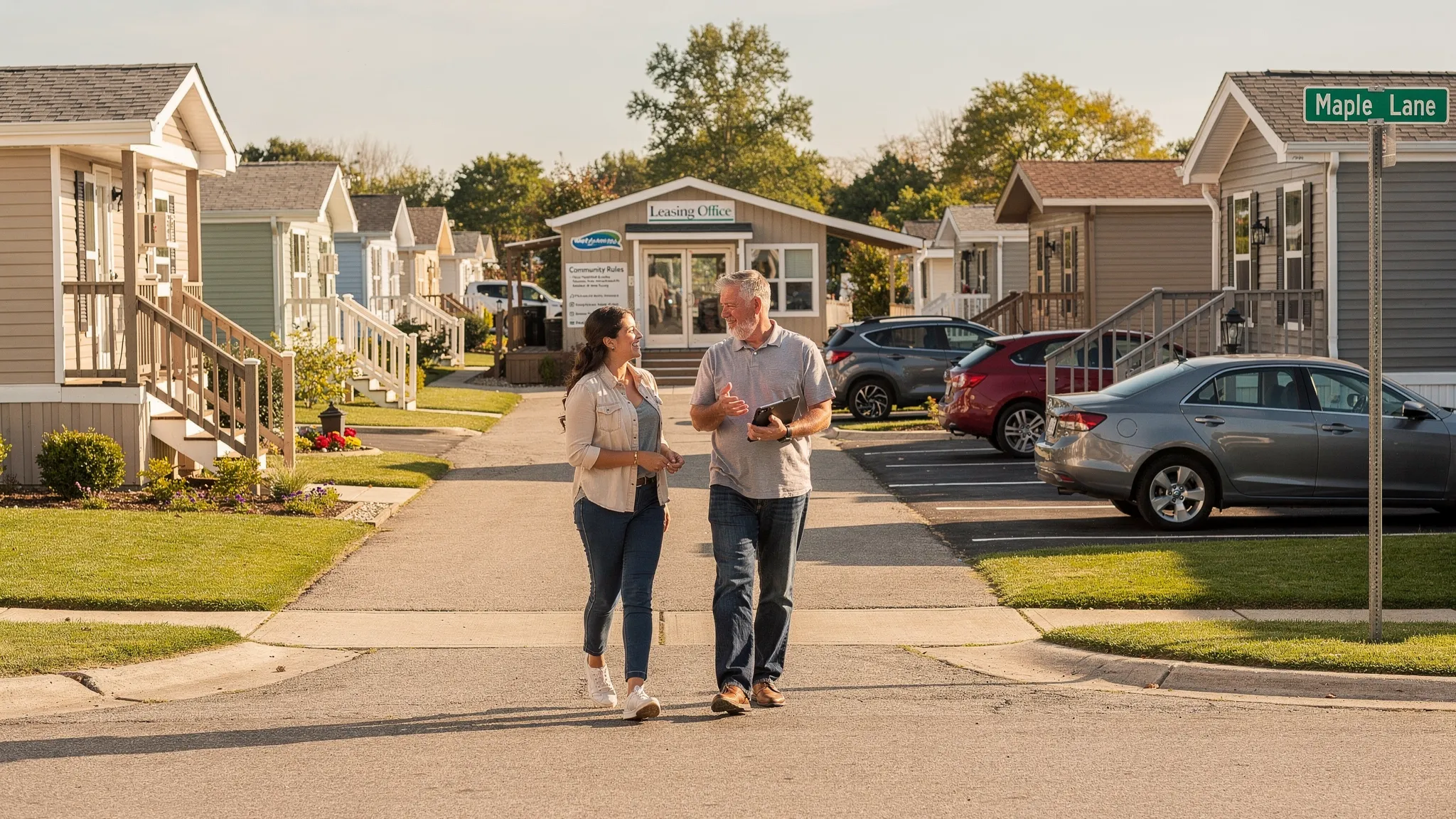

Manufactured home communities can be a smart path to homeownership in the San Antonio area because they combine an affordable home with built-in neighborhood infrastructure. But the decision is not only about the home model and monthly payment. The community’s amenities and rules affect your comfort, your budget, and even whether your home will be approved for placement.
This guide breaks down what manufactured home communities typically offer, what the most common rules look like, and how to evaluate a community before you apply.
What counts as a “manufactured home community”?
In Texas, you will hear several terms used interchangeably: manufactured home community, land-lease community, mobile home park, or manufactured home subdivision. What matters most is how the land is owned and how the relationship is structured.
The most common community setups
Land-lease community (lot rental): You own (or finance) the home, and you rent the lot from the community. Lot rent may or may not include utilities and services.
Land-and-home (fee simple): You buy the home and the land (similar to a traditional neighborhood). You may still have HOA-style rules.
Resident-owned or co-op style communities: Less common, but the land is owned by residents or a cooperative structure. Rules still apply, but governance can be different.
If you are comparing options, it helps to understand the basics of manufactured housing regulation, including the federal HUD Code for manufactured homes. HUD’s overview is a good starting point: HUD manufactured homes.
Amenities: what you might get (and what to verify)
Amenities can be a real quality-of-life upgrade, but they also influence your monthly costs. Two communities can both advertise “great amenities” while offering very different value depending on what is actually included in lot rent.
Core infrastructure amenities (the practical stuff)
Many buyers focus on pools and clubhouses, but everyday infrastructure usually matters more:
- Paved roads and maintained common areas (helps with vehicles, dust, drainage, and curb appeal)
- Street lighting and visible address markers (safety and easier deliveries)
- On-site management or a clear maintenance request process
- Utility readiness (water/sewer or septic, electric service, and sometimes natural gas)
- Stormwater drainage and lot grading (especially important after heavy rains)
In the San Antonio region, asking about drainage and site prep is not overkill. It is a practical way to reduce future headaches from standing water and soil movement.
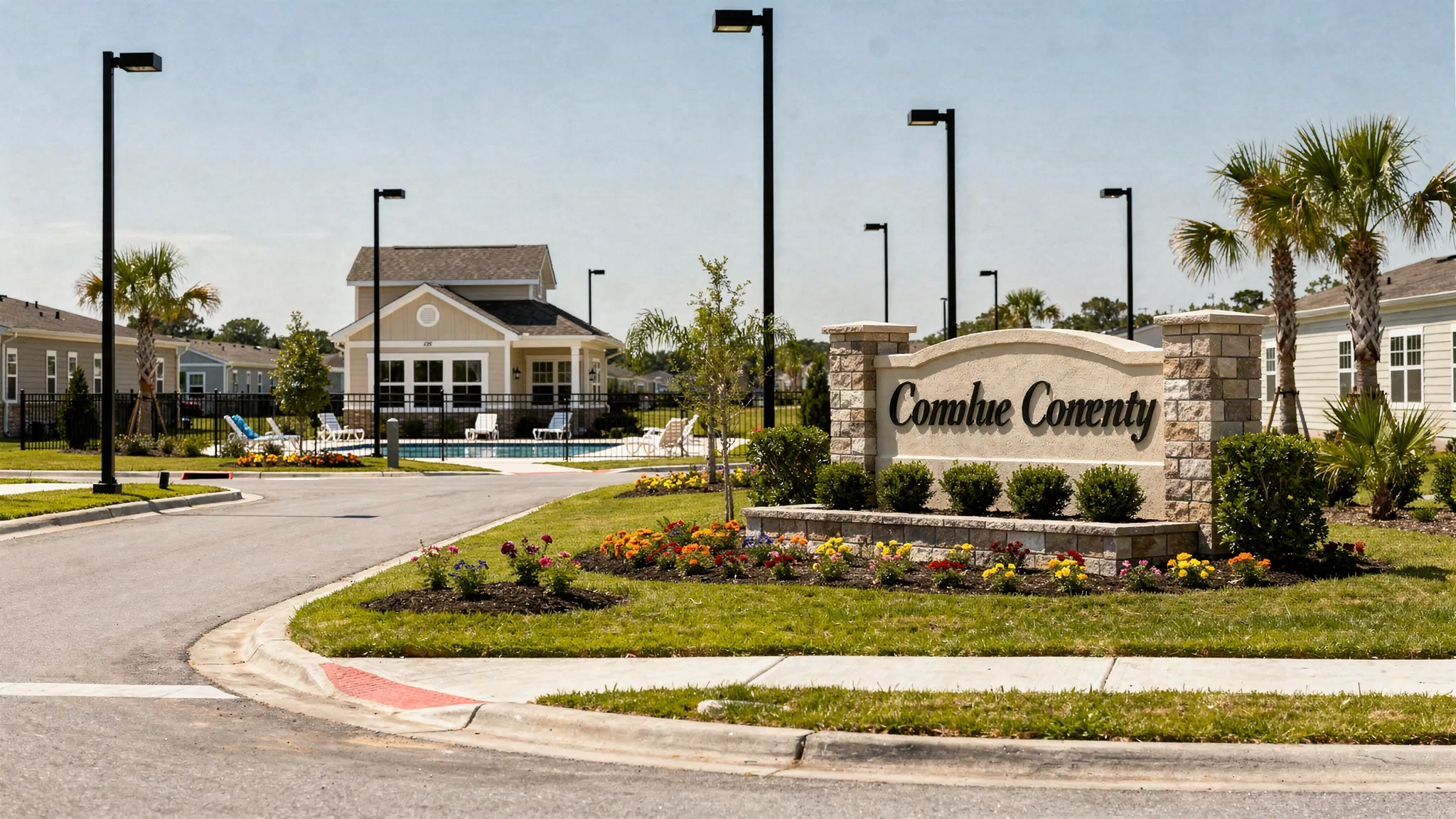
Lifestyle amenities (nice to have, sometimes essential)
Depending on the community, you may find:
- Pool, splash pad, or playground
- Clubhouse or community center
- Fitness room, walking trails, dog park
- Organized events (more common in 55+ communities)
- Gated entry or controlled access
The key question: Are these amenities maintained consistently, and are they included in lot rent or funded through separate fees? A quick walk around on a weekday can tell you a lot.
Services that can change your monthly budget
Some communities bundle services. Others bill separately or pass through costs. Verify what is included:
- Trash pickup (and whether bulk pickup costs extra)
- Water and sewer billing method (direct meter, submeter, or allocated)
- Lawn care expectations (resident responsibility vs community maintained)
- Security patrols or monitoring
If a community uses submeters or allocation, ask how charges are calculated and whether you can see recent sample bills.
A quick “amenities reality check” table
Use this as a tour companion so you do not rely only on marketing materials.
| Amenity or feature | What to verify on your tour | Why it matters |
|---|---|---|
| Roads, parking, and lighting | Condition, potholes, speed control, lighting coverage | Daily safety and vehicle wear |
| Utility hookups | Who provides service, meter setup, typical monthly ranges | Total cost of ownership |
| Common areas (pool, clubhouse) | Cleanliness, posted rules, visible maintenance | Signals management quality |
| Playground/dog areas | Fencing, shade, cleanliness, operating hours | Family and pet friendliness |
| Mail/package area | Security and capacity | Package theft risk |
| Community storm prep | Drainage, emergency contacts, tree trimming | Reduces weather disruption |
Rules: what’s normal, what’s negotiable, what’s a red flag
Every manufactured home community has rules. Good rules protect residents, keep the neighborhood clean, and set expectations. The problem is not rules in general, it is unclear rules, inconsistent enforcement, or rules that create surprise costs.
Lease terms and rent policies
For land-lease communities, your documents usually include a lease agreement and a separate community rules addendum. Pay attention to:
Rent increase process: How often can rent increase, and how much notice is required? (Policies vary widely, so you want clarity.)
Fees: Late fees, returned payment fees, guest fees, amenity fees, and pass-through utility admin fees.
Lease length: Month-to-month vs fixed-term leases. A longer term can offer stability, but read the details.
Moving and resale rules: Some communities require approval for buyers, homes, or contractors. Others restrict moving older homes in or out.
Home standards (appearance and condition)
Many communities set standards to maintain property values and safety. Common examples:
- Approved skirting types and condition requirements
- Exterior paint and siding condition standards
- Shed rules (size, anchoring, placement)
- Steps, handrails, and accessibility requirements
- Fence rules (height, material, placement)
These standards are not automatically bad, but you should ask for the rules in writing before you commit.
Pet rules
Pet policies can be the deciding factor for many households. Typical rules include:
- Number of pets allowed
- Weight limits or breed restrictions
- Leash requirements and waste cleanup
- Vaccination documentation
If you have a service animal or assistance animal, be aware that different legal rules can apply. For fair housing basics, see HUD Fair Housing information.
People, parking, and noise
Communities often regulate day-to-day living issues that can create conflict if unmanaged:
- Parking limits (street parking, work vehicles, trailers)
- Quiet hours
- Visitor policies and long-term guest limits
- Business use restrictions (running a business from home)
A common pain point in San Antonio is work trucks, trailers, and commercial vehicles. If you or a household member drives one, confirm the policy before applying.
Safety and compliance rules
Some rules exist because of safety codes, insurance requirements, or lender expectations. Examples include:
- Smoking restrictions in common areas
- Fireworks bans
- Requirements for steps, handrails, or emergency access
- Installation and anchoring standards
Texas has a state framework for manufactured housing oversight through the Texas Department of Housing and Community Affairs. Their manufactured housing resources can help you understand the broader landscape: TDHCA Manufactured Housing.
The approval process: what to expect before you can move in
Even if you are buying a brand-new home, many communities require park approval before placement or occupancy. While requirements differ, commonly requested items include proof of income, identification, and an application fee. Some communities also run background checks.
Plan for timing. Approval can take days or longer depending on staffing, document completeness, and whether the community needs to review the home’s size, roof pitch, or exterior features.
If you are working with a retailer like Homes2Go San Antonio, ask early what the community needs so the home you choose matches the community’s standards and setbacks.
A lease-and-rules checklist (the items most people miss)
Before you sign, try to get clear answers in writing for the topics below. This is where surprises usually hide.
| Topic to confirm | What you want to see | Why it protects you |
|---|---|---|
| All-in monthly cost | Lot rent plus typical utilities and fees | Prevents budget shock |
| Rent increase notice | Specific notice period and how increases are communicated | Helps you plan ahead |
| Utility billing method | Direct meter vs allocation, plus any admin fees | Improves cost transparency |
| Repair responsibilities | Who maintains what (lot vs home vs utilities) | Avoids disputes |
| Home improvement rules | Permits, approvals, approved contractors | Prevents rework and fines |
| Guest and occupancy limits | Limits and enforcement approach | Reduces conflict |
| Move-out and removal rules | Notice period, condition requirements, fees | Avoids expensive exit costs |
San Antonio area considerations (local, practical, and financial)
Manufactured home community living is not one-size-fits-all across Texas. In and around San Antonio, a few factors are especially worth weighing.
Commute and daily logistics
A community can be “near San Antonio” and still add significant drive time depending on where you work, school zones, and traffic patterns. Map your commute at the times you actually drive, not midday.
Weather resilience and comfort
Ask about shade, tree maintenance, and the condition of roofs and skirting in the neighborhood. In hot months, shade and efficient HVAC sizing matter. If you want to go deeper on efficiency features in new homes, Homes2Go has a dedicated guide on energy-efficient manufactured homes in Texas heat.
Financing compatibility
Your financing approach can influence which communities work best. Some lenders have requirements related to home type, installation standards, or land ownership structure. If you are unsure what you qualify for, review the options on Homes2Go’s manufactured home financing page.
How Homes2Go San Antonio can help you choose the right community fit
The best community for you depends on your priorities: monthly payment stability, pet freedom, space, school proximity, amenities, or long-term plans to keep or resell the home.
Homes2Go San Antonio can help you narrow options by aligning:
- Your budget and financing path with realistic monthly costs
- The home model and floor plan with community size and appearance requirements
- Timing and next steps so community approval does not delay move-in
If you already have a community in mind, bring the rules and lease terms with you when you shop. If you are still comparing land-lease versus land-and-home, Homes2Go also publishes guidance on land and home packages in San Antonio.
The takeaway
Manufactured home communities can offer a strong mix of affordability, convenience, and neighborhood amenities, but the fine print matters. A great community is one where amenities are consistently maintained, rules are clearly written, and costs are transparent.
If you tour with a checklist, request rules in writing, and confirm total monthly costs, you will be in a much better position to choose a community that fits your lifestyle now and still feels like a good decision years from today.
 Mobile Homes for Rent: Costs, Leases, and Red Flags
 Mobile Homes for Rent in Near Me: Search Tips That Work