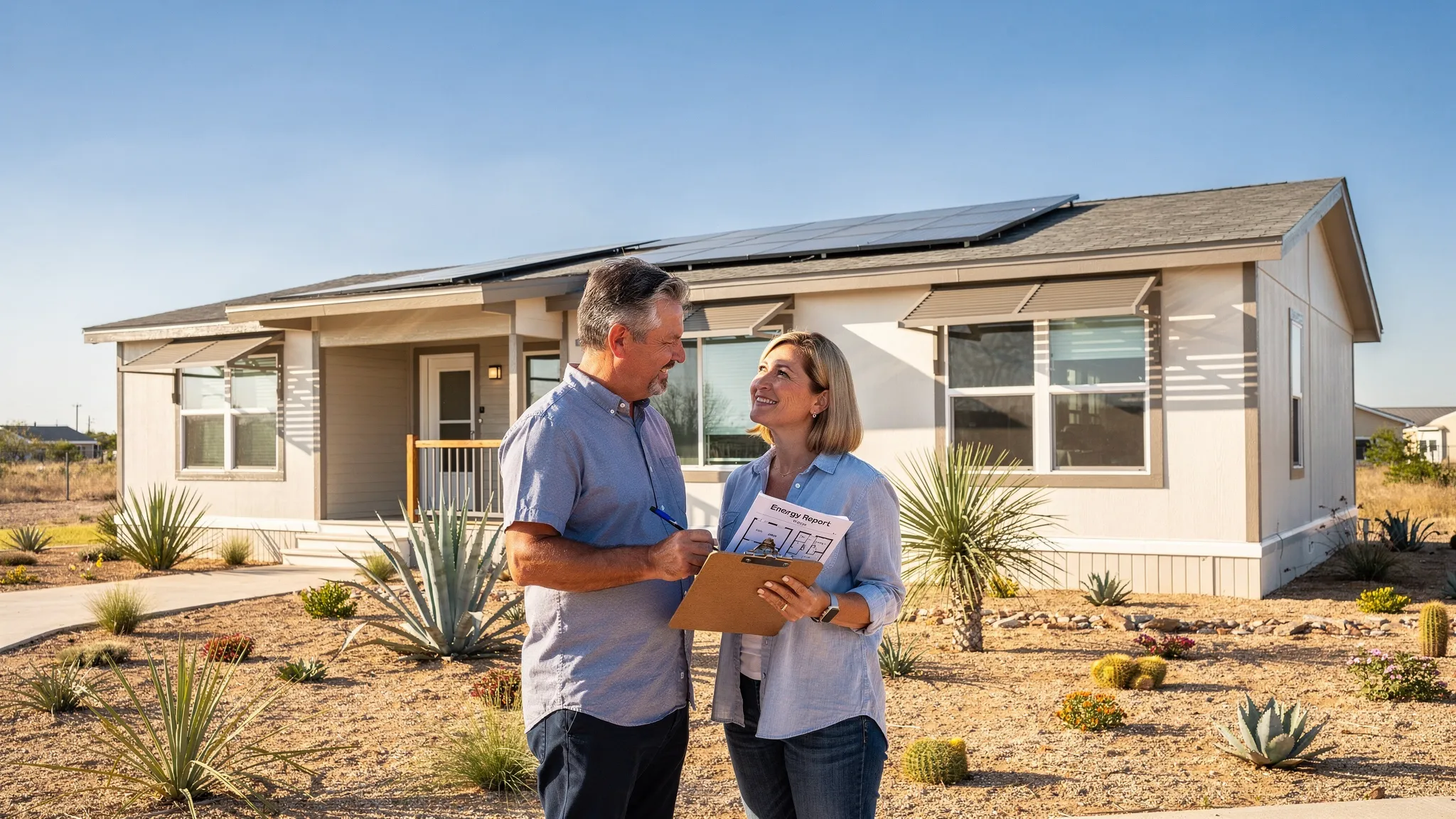

Buying a manufactured home is not just about square footage. The floor plan you live in every day affects privacy, storage, noise, and even your utility bills. Build quality determines how well the home holds up through Texas heat, seasonal storms, transport, and installation.
If you are comparing Legacy Homes options, this guide breaks down what to look for in floor plans and in real world construction quality, without relying on sales buzzwords. You will also see the key documents and questions that help you compare homes apples to apples.
“Legacy Homes” in manufactured housing: what you are really comparing
Shoppers often say “Legacy Homes” to refer to homes built by the Legacy brand they are seeing on dealer lots and listings. When you compare Legacy to other manufacturers, it helps to separate two things:
- The floor plan (layout and dimensions)
- The build package (materials and options chosen for that same layout)
Two homes can share a similar layout but feel very different in daily comfort if insulation, windows, HVAC duct sealing, cabinetry, or roof load options differ.
A practical takeaway: when you tour a Legacy model you like, ask for the floor plan sheet and the specifications/options sheet for that exact home (or for the exact package you would order). Those two documents are what you should use to compare.
How to read Legacy floor plans like a builder (not just a shopper)
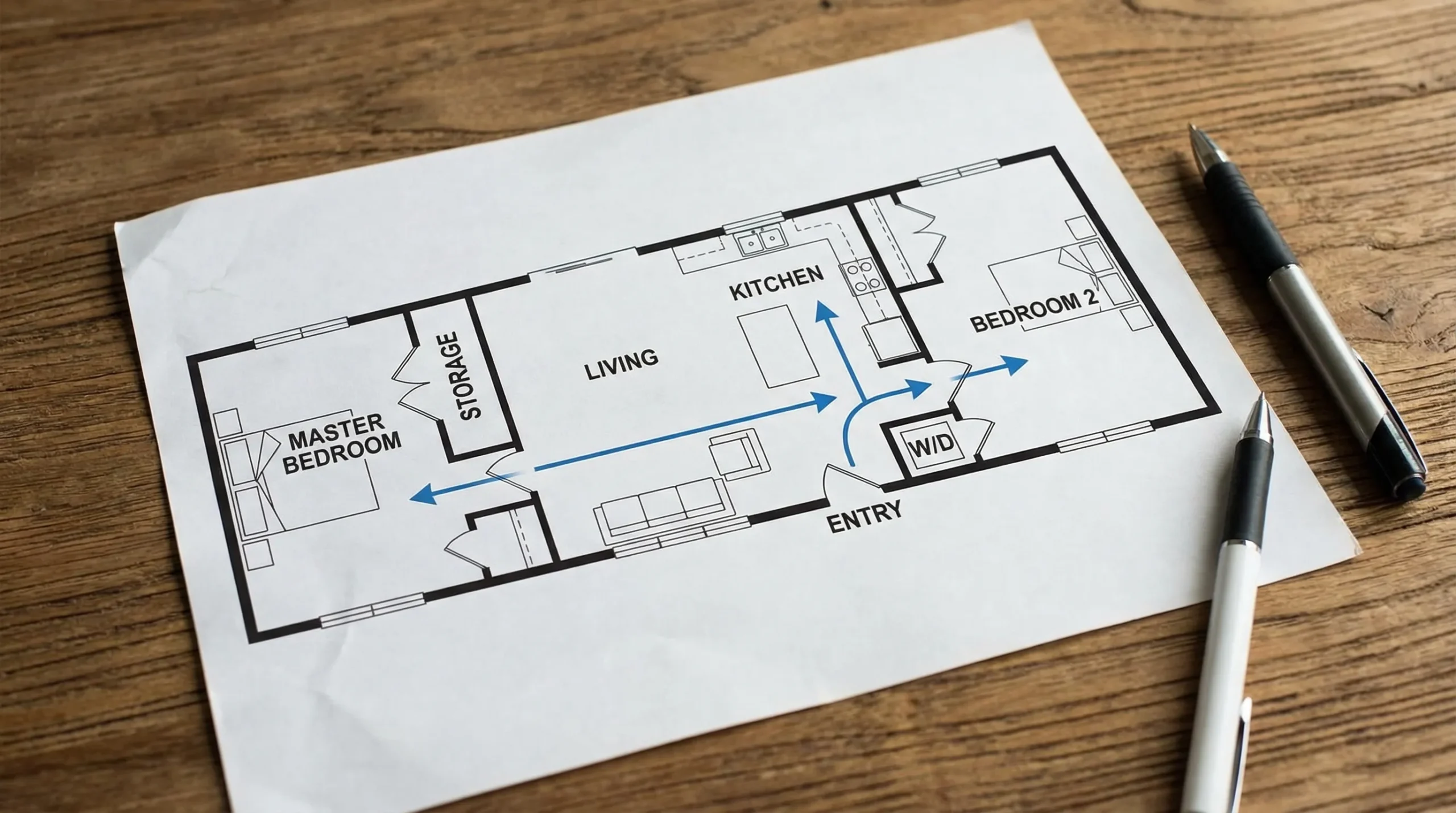
A floor plan is more than “3 bed, 2 bath.” The best layout for you depends on how your household actually uses space.
1) Start with traffic flow and “dead space”
Look at what you walk through multiple times a day:
- Entry to kitchen
- Kitchen to laundry
- Main bedroom to bath
- Parking spot to mudroom area (or where shoes and backpacks land)
If the main hallway is long and narrow, you may be paying for square footage that does not function well. If the kitchen is a shortcut between bedrooms and the living room, sound and privacy can become an issue.
2) Check bedroom separation and real privacy
Many buyers like split bedroom layouts because they separate the primary bedroom from secondary bedrooms. That can matter for:
- Shift work schedules
- Multi generation households
- Guests
- Teen bedrooms
On paper, two plans can both be “3/2,” but one may place a bedroom wall directly against the living room or washer dryer area. Ask yourself where noise will travel.
3) Measure kitchen usability, not just “open concept”
Open layouts are popular, but daily kitchen function depends on clearances.
A quick rule of thumb: you want enough space to open the refrigerator and oven and still pass behind someone. Also look for landing space near the stove and sink.
If you cook often, pay attention to:
- Pantry size and location
- Countertop runs (continuous workspace)
- Where trash and recycling will go
- How far groceries travel from the entry door to the kitchen
4) Storage is a floor plan feature (even if it is not labeled)
In manufactured homes, smart storage can be the difference between feeling roomy or cramped.
Look for:
- Linen closets near bathrooms
- Coat closet near the main entry
- A real utility space for cleaning supplies
- Bedroom closets that do not lose depth to HVAC chases
5) Windows and orientation can change comfort
Floor plans show window locations, but they do not show your lot orientation. In San Antonio, afternoon sun can add significant heat gain depending on exposure.
Ask your retailer how window options work for the model you like and what upgrades are available (for example, better performance windows or added shading features). For more on reducing cooling costs, see Homes2Go’s guide to energy-efficient manufactured homes in Texas heat.
Common floor plan styles and who they fit best
| Floor plan style | What it usually prioritizes | Often a good fit for | Watch-outs to check |
|---|---|---|---|
| Open living + kitchen | Sightlines, gathering space | Entertainers, families with younger kids | Noise into bedrooms, fewer walls for furniture |
| Split-bedroom | Privacy | Roommates, multigenerational living, guests | Hallway length, bath access for guests |
| Primary suite “retreat” | Larger bath/closet area | Buyers who want a true main suite feel | Closet depth, bathroom ventilation |
| Dedicated utility/mud area | Daily function | Families, pets, outdoor work | Door swings and storage for shoes/bags |
| Smaller footprint with smart storage | Efficiency | First-time buyers, downsizers | Tight clearances, limited pantry space |
Build quality 101: what is standardized and what can vary
All manufactured homes built for the U.S. market must meet the federal HUD Code construction and safety standards (commonly called the HUD Code). These standards cover areas like structural design, fire safety, plumbing, heating, and electrical systems. HUD maintains the program under federal regulation at 24 CFR Part 3280 and related rules.
- HUD Manufactured Housing Program overview: HUD.gov
So where does “build quality” vary if everyone is under the HUD Code?
What is fixed by code
- Baseline health and safety standards
- Required inspections and labeling
- Minimum performance requirements for key systems
What varies between homes (and orders)
- Materials and thicknesses (subfloor, insulation, roof deck)
- Window performance and sealing approach
- HVAC efficiency and duct sealing details
- Cabinet construction and countertop materials
- Roof load and wind zone options chosen for the destination
- Quality control consistency at the factory
- Transport and installation quality (a huge factor that is often overlooked)
A key point for buyers: a well-built home can still perform poorly if it is not installed correctly. In Texas, installation and the site setup matter: levelness, pier spacing, anchoring, marriage line sealing on multi-section homes, duct connections, and water line protection.
The documents that reveal build quality (ask to see these)
When you are evaluating a specific Legacy home (or any manufactured home), ask for these items or verify they are present.
HUD label and data plate
Manufactured homes have HUD certification labels (often called “HUD tags”) and a data plate that includes important construction information.
The data plate typically lists details such as:
- Manufacturer
- Model
- Serial number
- Wind zone and roof load zone the home was built to
If you are placing a home in a community or on private land, those zone ratings must match what is required for that location. Do not guess, confirm with your retailer and local requirements.
Spec sheet or build options sheet for the exact home
This is where you confirm what you are paying for.
Examples of what you can compare across similar homes:
- Insulation levels (walls, floor, roof)
- Window type and performance (ask for the window ratings if available)
- Exterior sheathing details
- Interior finish selections
- Appliance packages
If you are financing, keep copies. Lenders and insurers may also request documentation depending on the situation.
Build quality checkpoints that matter in daily life
“Build quality” can feel vague, so here are practical areas that show up in comfort, longevity, and maintenance.
1) Floor system feel: squeaks, bounce, and long-term durability
When you tour a model, walk normally, then walk heavier. Pay attention to:
- Bounce in high-traffic areas (kitchen and hallway)
- Squeaks near transitions and around the washer/dryer
- Soft spots near bathrooms
Ask what the subfloor thickness is and what materials are used. If you have kids, pets, or heavy furniture, this matters.
2) Roof and ceiling details: more than “shingles”
Two homes can both have asphalt shingles and still differ in roof performance.
Ask about:
- Roof load rating (which depends on where the home is installed)
- Ventilation approach (ridge vents, soffit vents)
- Attic access and serviceability
Better ventilation and correct installation help reduce moisture issues and improve HVAC performance.
3) Insulation and air sealing: comfort in Texas heat
In San Antonio, cooling costs and comfort depend heavily on the building envelope. Look for:
- Insulated, sealed ductwork and properly connected supply boots
- Well-sealed penetrations (plumbing under sinks, around vent fans)
- Quality door and window seals
If energy performance is a priority, ask your retailer what upgrades are available for insulation and windows on the Legacy model you like.
For a deeper Texas specific checklist, revisit this energy efficiency guide.
4) Plumbing and bath build: where small shortcuts become big repairs
Bathrooms and kitchens are where leaks and humidity do the most damage.
During a walkthrough, look for:
- Solid feel under toilets and near tubs
- Clean caulking and tight trim
- Working exhaust fans in baths (and where they vent)
Also ask what type of water shutoffs are provided and where the main shutoff is located.
5) Fit and finish: a quick reality check on factory consistency
Fit and finish does not define the structure, but it does reveal how careful the build was.
Look at:
- Cabinet door alignment and drawer glide smoothness
- Gaps at baseboards and crown trim
- Door latching and even spacing around doors
- Window operation (smooth opening, locking)
If you see multiple small issues in a brand-new unit, ask what the punch-list and warranty process looks like and how quickly items are typically handled.
Installation and site work: the hidden half of “build quality”
In real life, homeowners often blame the factory for issues that come from the setup. If you are placing the home in a land-lease community or on private land, ask who is responsible for coordinating:
- Site prep and drainage planning
- Foundation type and pier spacing
- Anchoring and tie-downs
- Leveling and re-level schedule
- Skirting and ventilation (if applicable)
- Utility connections and inspections
If you are buying land and a home together, it can be easier to control the process. Homes2Go has a detailed overview of what to expect in land and home packages around San Antonio.
The smartest questions to ask when comparing Legacy Homes
Bring these questions to your next visit, whether you are touring a model or reviewing a floor plan packet.
- Can you show me the floor plan with exact dimensions (not just room names)?
- What options package is this unit built with, and what are the upgrade paths?
- What are the insulation levels in the floor, walls, and roof for this build?
- What is the home’s wind zone and roof load zone rating on the data plate?
- What window specifications come standard, and what upgrades are available?
- What warranty coverage applies, and who handles service locally?
- If this is a multi-section home, what is done at the marriage line to reduce air leakage and floor squeaks?
- What installation scope is included vs. separate (site work, utility runs, skirting, steps, porches)?
These questions do two things: they protect you from vague comparisons, and they help you identify a retailer who can explain the product clearly.
A practical delivery and walkthrough checklist (what to verify before final sign-off)
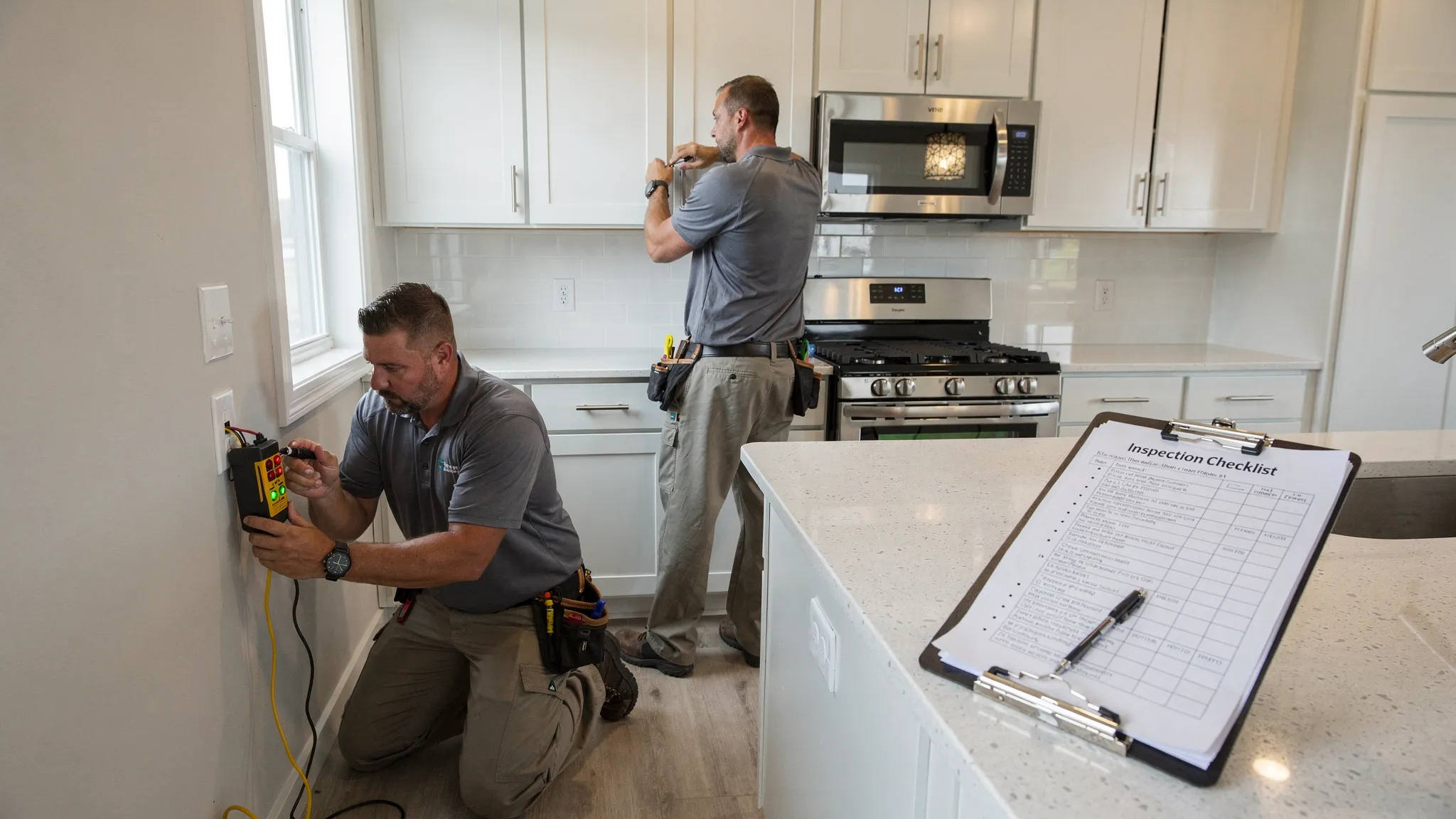
Do a slow walkthrough, take photos, and write down issues. Here is a high-impact checklist you can use.
| Area | What to check | Why it matters |
|---|---|---|
| Floors | Soft spots, squeaks, level feel | Indicates subfloor issues or setup leveling needs |
| Doors | Smooth close, latch alignment, weather stripping | Helps with security, comfort, and energy loss |
| Windows | Open/close/lock, visible gaps, smooth seals | Prevents leaks, drafts, and future repairs |
| Kitchen | Cabinet alignment, countertop seams, sink sealing | Fit and finish issues are easiest to correct early |
| Bathrooms | Caulk, fan operation, toilet stability, tub surround tightness | Water damage prevention |
| Electrical | GFCI function in wet areas, outlet cover alignment | Safety and code compliance |
| HVAC | Strong airflow, correct thermostat behavior, no rattles | Comfort and operating cost |
| Exterior | Siding/trim integrity, roof edges, penetrations sealed | Transport damage can show up here |
If you are new to the process, Homes2Go’s broader buyer resources can help you understand terminology and next steps in their guide to manufactured homes in San Antonio.
Matching a Legacy floor plan to financing and monthly budget
A floor plan decision can affect financing and long-term affordability, not just the purchase price.
For example:
- A larger home can mean higher delivery and setup costs, depending on the site.
- Certain land scenarios open up different loan types.
- Utility bills are influenced by envelope specs and HVAC sizing, not just square footage.
If you want a clear view of your loan options (including chattel vs. land-home financing), review Homes2Go’s breakdown of manufactured home financing. For general consumer guidance on mortgages and loan shopping, the Consumer Financial Protection Bureau also offers strong, plain-language resources.
How Homes2Go San Antonio helps you compare Legacy Homes with confidence
Legacy Homes can be an excellent option for many buyers, but the best choice is the one that matches your land, your lifestyle, and your budget.
Homes2Go San Antonio can help you:
- Review floor plans and dimensions to match your household needs
- Compare build options (energy, finishes, comfort upgrades)
- Coordinate with trusted local lenders and explain which financing types may fit your scenario
- Identify home communities and requirements that can affect home specs and approvals
If you are currently comparing models, you can start by browsing available homes and requesting floor plan details through Homes2Go San Antonio.
The bottom line: floor plan first, specs second, installation always
When you evaluate Legacy Homes, begin with the layout that fits your daily routine, then validate the build package with documentation, and finally make sure the installation plan is clear and complete.
That three-part approach helps you avoid the most common buyer regret: loving the model on the lot, then discovering later that the specifications, site needs, or setup scope were not what you assumed.
 Mobile Homes Parks Near Me: Compare Lot Rent and Amenities
 Manufactured Homes Parks Near Me: Tour Checklist for Buyers