
Buying a manufactured home with an FHA loan can be a great path to homeownership, but only if the home, the land, and the paperwork line up with FHA rules. In 2026, most “last minute” surprises still come down to the same few issues: missing HUD labels, the home not being tied to the land as real property, or foundation and title details that do not meet lender requirements.
This guide breaks down FHA requirements for manufactured homes into a practical 2026 checklist you can use before you apply.
First, confirm you are buying a “manufactured home” (not just “mobile”)
FHA financing rules are written around HUD Code manufactured homes, meaning the home was built to federal construction standards and should have:
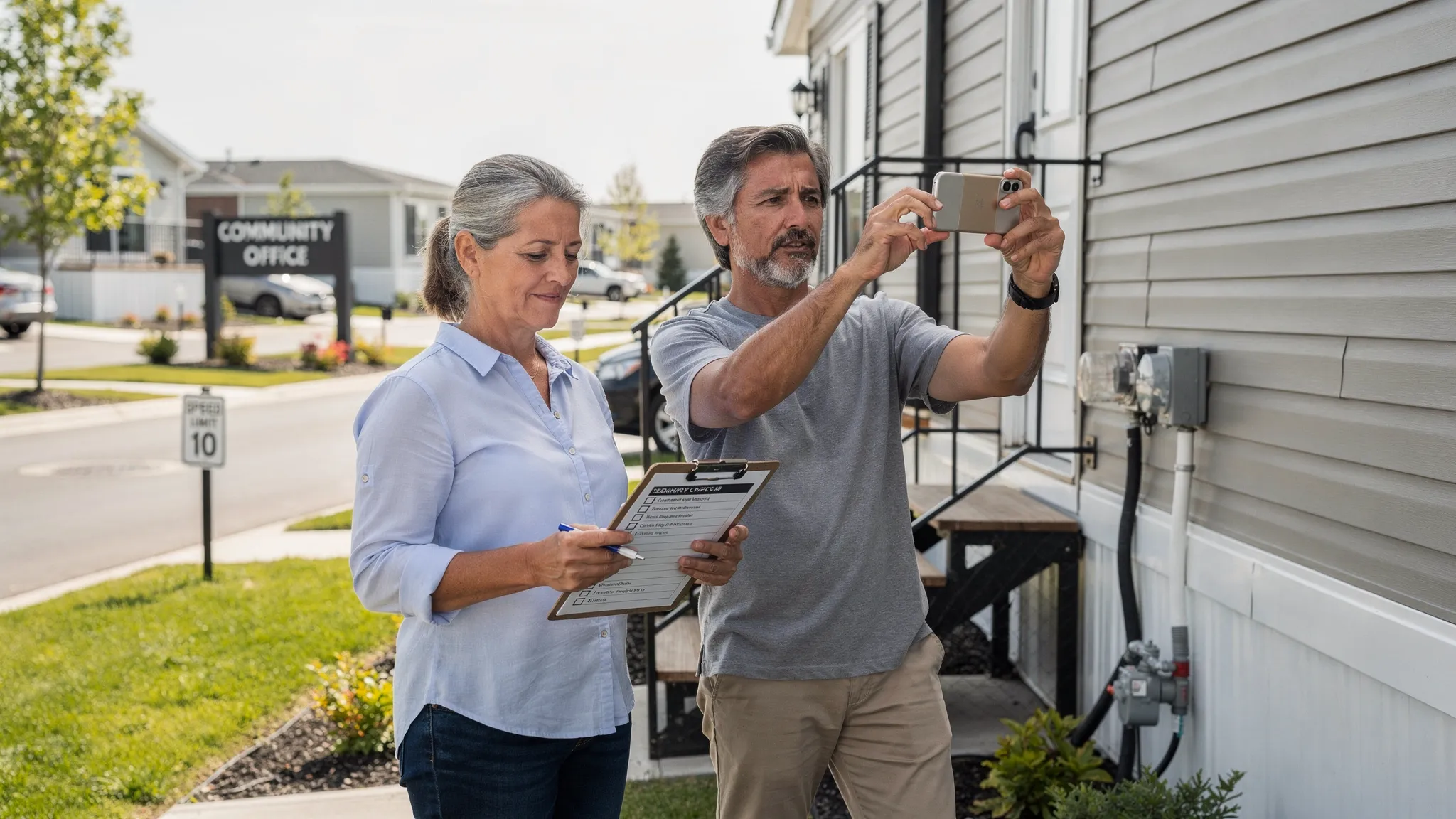
- A HUD Certification Label (often called the HUD tag) on the exterior of each section
- A data plate (usually inside the home) with key details like manufacturer, serial number, wind zone, roof load, and thermal zone
In most cases, FHA requires the home to be built on or after June 15, 1976 (the start of the HUD Code standard).
If you are not sure what you are looking at, ask the seller or retailer to help you locate the HUD tag(s) and data plate early. It saves time and prevents appraisal and underwriting delays.
FHA loan options for manufactured homes in 2026 (Title I vs Title II)
There are two common FHA paths. The right one depends on whether you are buying just the home or the home and land together.
| FHA option | What it can finance | Common use case | Big requirement to plan for |
|---|---|---|---|
| FHA Title I (Manufactured Home Loan) | Home only, or home plus lot (varies by lender) | Land-lease community or when you do not own land | Not every lender offers it, and terms can differ by lender |
| FHA Title II (FHA-insured mortgage) | Typically home + land as real property | You own (or are buying) the land with the home | Permanent foundation and the home generally must be titled as real property |
For official program context, see HUD’s overview of the FHA programs on the U.S. Department of Housing and Urban Development (HUD) site.
2026 checklist: FHA requirements for manufactured homes
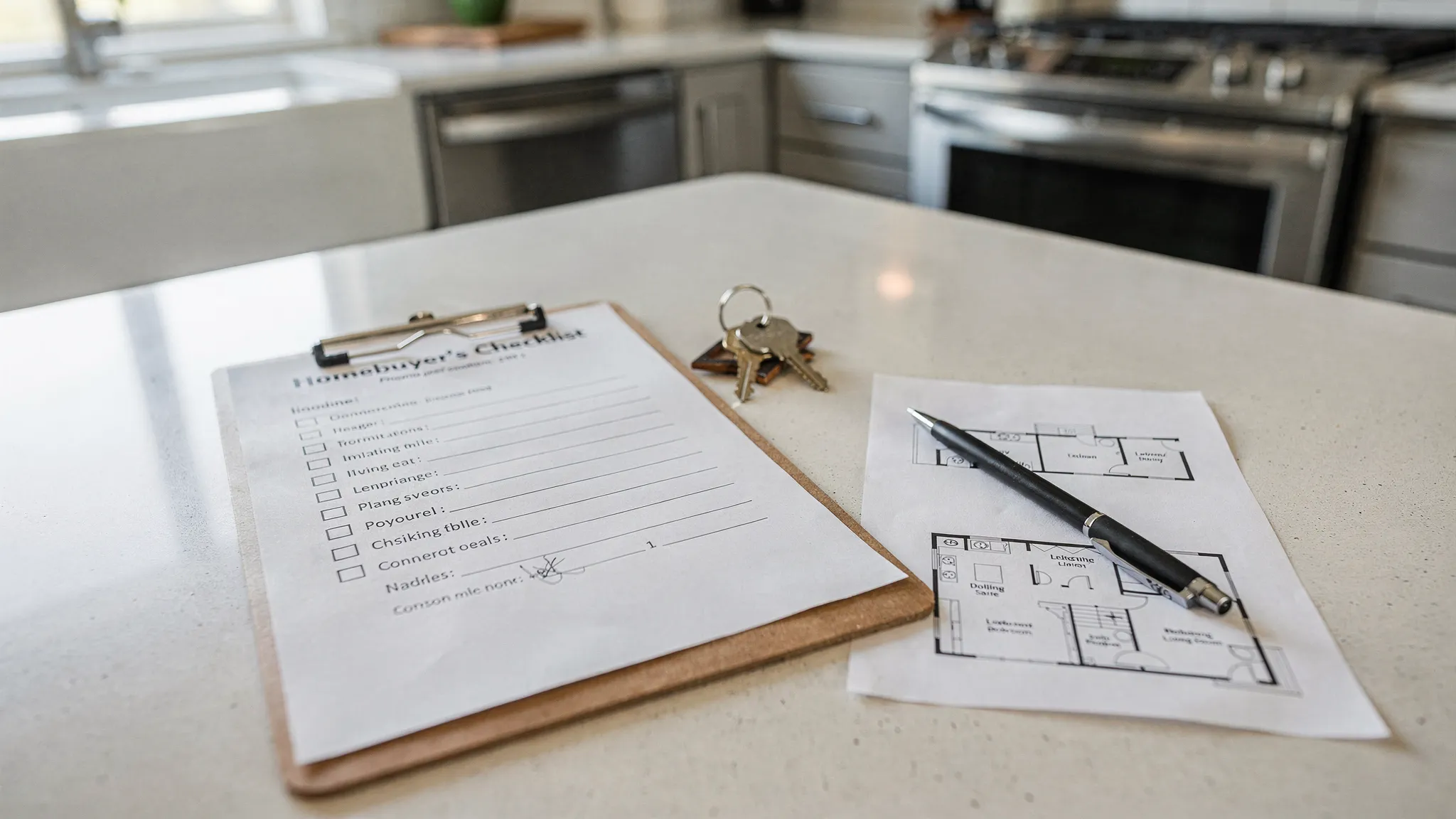
Use this section as a pre-application checklist. Not every detail applies to every loan type, and lenders can add overlays, but these are the most common FHA-driven requirements.
1) Home eligibility (HUD Code, size, and condition)
In general, the manufactured home must:
- Be HUD Code compliant (built on or after June 15, 1976)
- Have HUD documentation identifiers (HUD tag(s) and data plate)
- Be a one-unit dwelling (typical single-family setup)
- Be suitable for year-round living and meet basic property standards required by FHA appraisal
Condition matters. FHA loans rely on an FHA appraisal that evaluates safety, soundness, and security. If the home has major hazards (roof failure, electrical issues, missing handrails on elevated entrances, etc.), repairs may be required before closing.
Where people get stuck:
- The HUD tags were removed during remodel work and cannot be verified
- The data plate is missing and the appraiser cannot confirm details
- The home has unpermitted additions that create safety or structural concerns
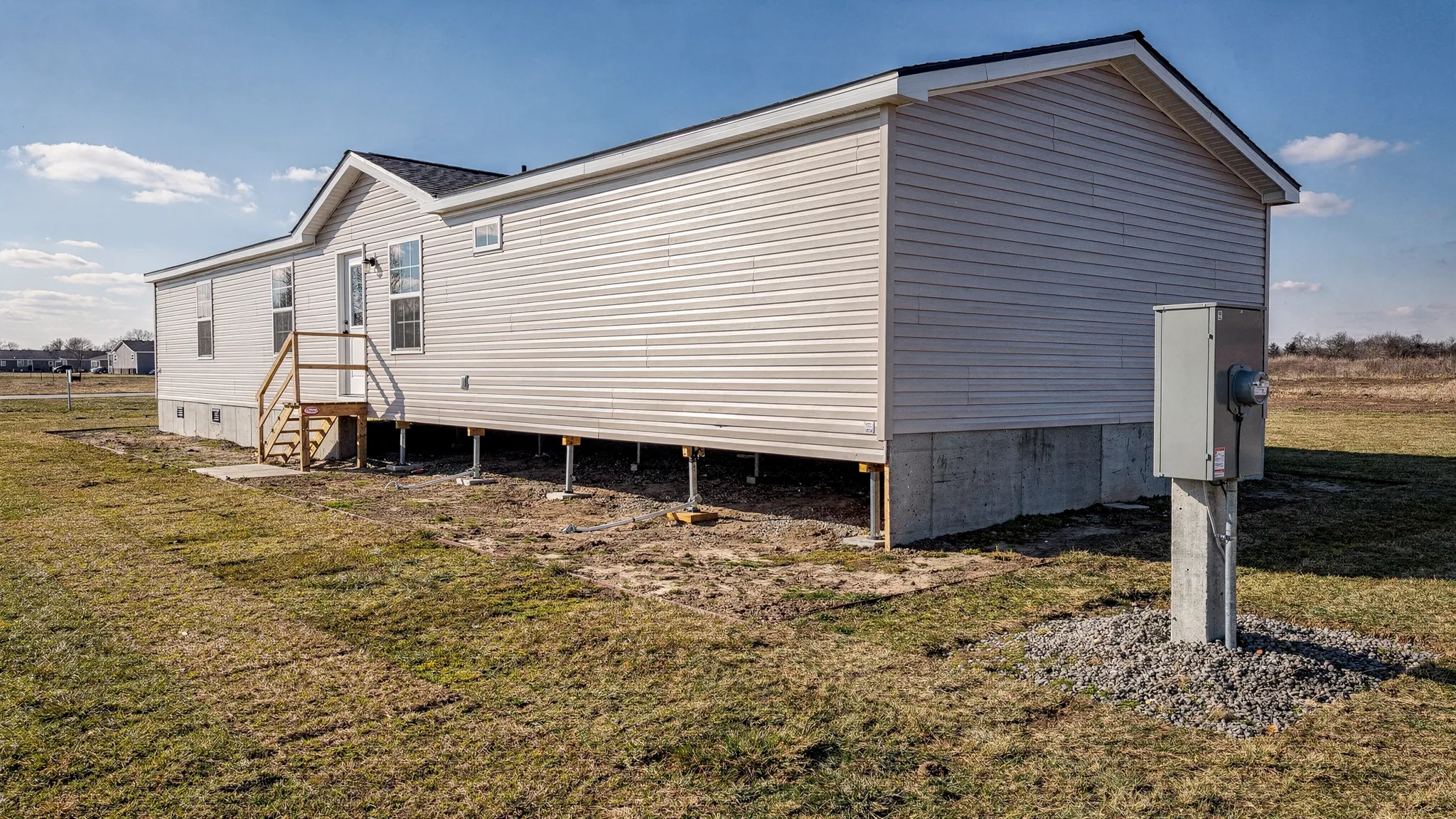
2) Foundation and installation requirements (critical for Title II)
For most FHA Title II mortgages, the home generally must be:
- Permanently affixed to a compliant foundation
- Installed according to state and local requirements
- Supported by documentation lenders recognize (often an engineer or foundation certification based on HUD guidance)
HUD has long-standing standards for permanent foundations for manufactured housing. Many lenders and engineers reference HUD’s foundation guidance (commonly associated with the “Permanent Foundations Guide for Manufactured Housing”). If you are trying to finance with Title II, assume you will need clear foundation documentation and plan for it early.
Practical tip: If you are shopping homes already installed (especially older ones), ask for any existing foundation or installation records before you pay for inspections and appraisal.
3) Land and property type: fee simple, leasehold, and land-lease communities
This is where FHA Title I and Title II diverge.
- Title II is most commonly used when the home is treated like a traditional house: you own the home and the land, and the home is attached to the land.
- Title I may be used in scenarios where the home is financed more like personal property, which can be relevant in some community or home-only situations (availability varies by lender).
If the home is in a land-lease community, financing depends on the program and lender rules. Some FHA scenarios require specific lease terms and protections. A common FHA concept for leaseholds is that the lease term should extend beyond the loan term (often at least a few years past maturity). Your lender will confirm the exact requirement for your case.
4) Title, “real property” classification, and liens
For Title II in particular, one of the most important requirements is that the home is treated as real estate (not just a vehicle-like title).
That usually means:
- The home is affixed to land
- The home title is retired, cancelled, or converted per state process (terminology varies)
- Any prior liens are properly released
In Texas, manufactured housing title and ownership records are handled through the state’s manufactured housing systems, and the steps can vary based on whether the home is being converted to real property. If you want to review the state authority, start with the Texas Department of Housing and Community Affairs manufactured housing information via TDHCA.
5) Appraisal requirements and documentation the appraiser will ask for
Expect the appraiser (and underwriter) to look for:
- HUD tag numbers and data plate information
- Evidence the home is attached and the foundation appears compliant
- Comparable manufactured home sales (when available)
- Any health and safety issues that require repair
If the appraiser cannot verify the HUD identifiers, the loan may be delayed or denied even if everything else looks good. That is why confirming labels early is so valuable.
6) Borrower requirements (the standard FHA basics still apply)
FHA borrower requirements are not unique to manufactured homes, but they still drive approvals.
Common factors include:
- Verifiable income and employment
- Acceptable credit history (minimums vary by lender and scenario)
- Debt-to-income ratios within lender and FHA tolerance
- Funds to close (down payment and closing costs) that meet sourcing rules
For the most current general FHA borrower guidance, the Consumer Financial Protection Bureau (CFPB) is a solid educational resource.
7) Down payment and mortgage insurance (plan your monthly payment correctly)
FHA loans typically include mortgage insurance (an upfront component and a monthly component). This affects affordability, so it is worth asking a lender for a full payment breakdown early.
Because rules and costs can change and depend on your exact file, avoid relying on social media estimates. Ask for a written loan estimate once you have a specific home and property scenario.
Quick “deal-breakers” that often derail FHA manufactured home loans
If you want a fast gut-check before you spend money on appraisal and inspections, watch for these red flags:
- Home built before June 15, 1976 (often not FHA-eligible)
- HUD tags or data plate missing and cannot be verified
- Home is not (and cannot reasonably be) converted to real property when Title II is needed
- Foundation issues with no path to documentation or correction
- Unresolved title issues or outstanding liens
- Property condition problems that are expensive to repair (roof, electrical, structural concerns)
None of these automatically means “no” in every situation, but they are the most common reasons buyers have to pivot to a different home, a different loan type, or a different property setup.
What to gather before you apply (saves weeks)
Having these items ready can speed up lender review and reduce appraisal back-and-forth:
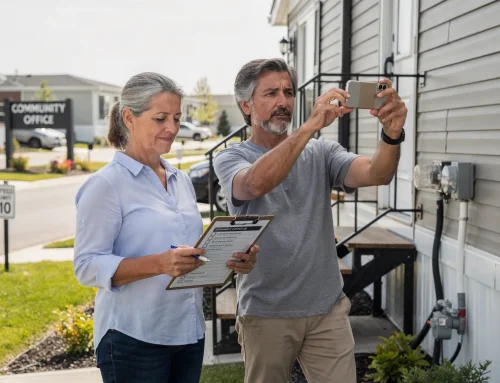
- HUD tag numbers and a photo if available
- Data plate photo
- Seller information and ownership documents
- If the home is already set, any foundation or installation documents available
- If buying land too, the address, legal description, and any HOA or community documents
- Your last two years of W-2s (or tax returns if self-employed), recent pay stubs, and recent bank statements (lenders may ask for different periods)
San Antonio area note: land, utilities, and permitting can affect timelines
In the San Antonio region, the home itself may meet FHA requirements, but the deal timeline can still hinge on site realities such as:
- Utility access (water, sewer or septic, electric)
- Flood zone considerations
- Clear addressing and legal description for rural parcels
- Permitting and inspection scheduling depending on jurisdiction
If you are buying a land and home package, align your lender, installer, and site prep plan early so foundation documentation and inspections do not become the bottleneck.
Frequently Asked Questions
Are FHA requirements for manufactured homes different from site-built homes? Yes. FHA uses many of the same borrower standards, but manufactured homes add requirements around HUD Code compliance, HUD labels and data plate, and (for many mortgages) permanent foundation and real property titling.
Can I get an FHA loan on a manufactured home in a mobile home park? Sometimes, but it depends on the loan type and lender participation. FHA Title I may be an option in some home-only or community scenarios, and lease terms and documentation can matter. Ask a lender experienced in manufactured housing.
Do I need the HUD tag and data plate for FHA financing? In most cases, yes. If they are missing, the appraiser and underwriter may not be able to validate eligibility, which can stop the loan.
Does FHA require the home to be on a permanent foundation? For many FHA Title II mortgages on manufactured homes, a permanent foundation is typically required, along with documentation acceptable to the lender.
Can I finance an older manufactured home with FHA? Many FHA scenarios require the home to be built on or after June 15, 1976 (HUD Code). Older “mobile homes” are commonly not eligible for FHA-insured financing.
What is the biggest mistake buyers make with FHA manufactured home loans? Choosing a home first and checking eligibility later. Verify HUD labels, title status, and foundation documentation early, before you pay for appraisal, inspections, or non-refundable deposits.
Next step: get matched to the right home and financing path
If you are shopping in the San Antonio area and want help lining up a home that can realistically meet FHA requirements, Homes2Go San Antonio can help you compare models and connect with financing options that fit your situation.
- Explore financing paths on the Homes2Go SA financing page
- Or contact the team via the Homes2Go San Antonio website to discuss your budget, whether you are buying land, and what FHA route is most realistic for your timeline
 Mobile Home Parks for Seniors Near Me: What to Ask on Tour
 Manufactured Mobile Homes: Key Differences and Buying Tips