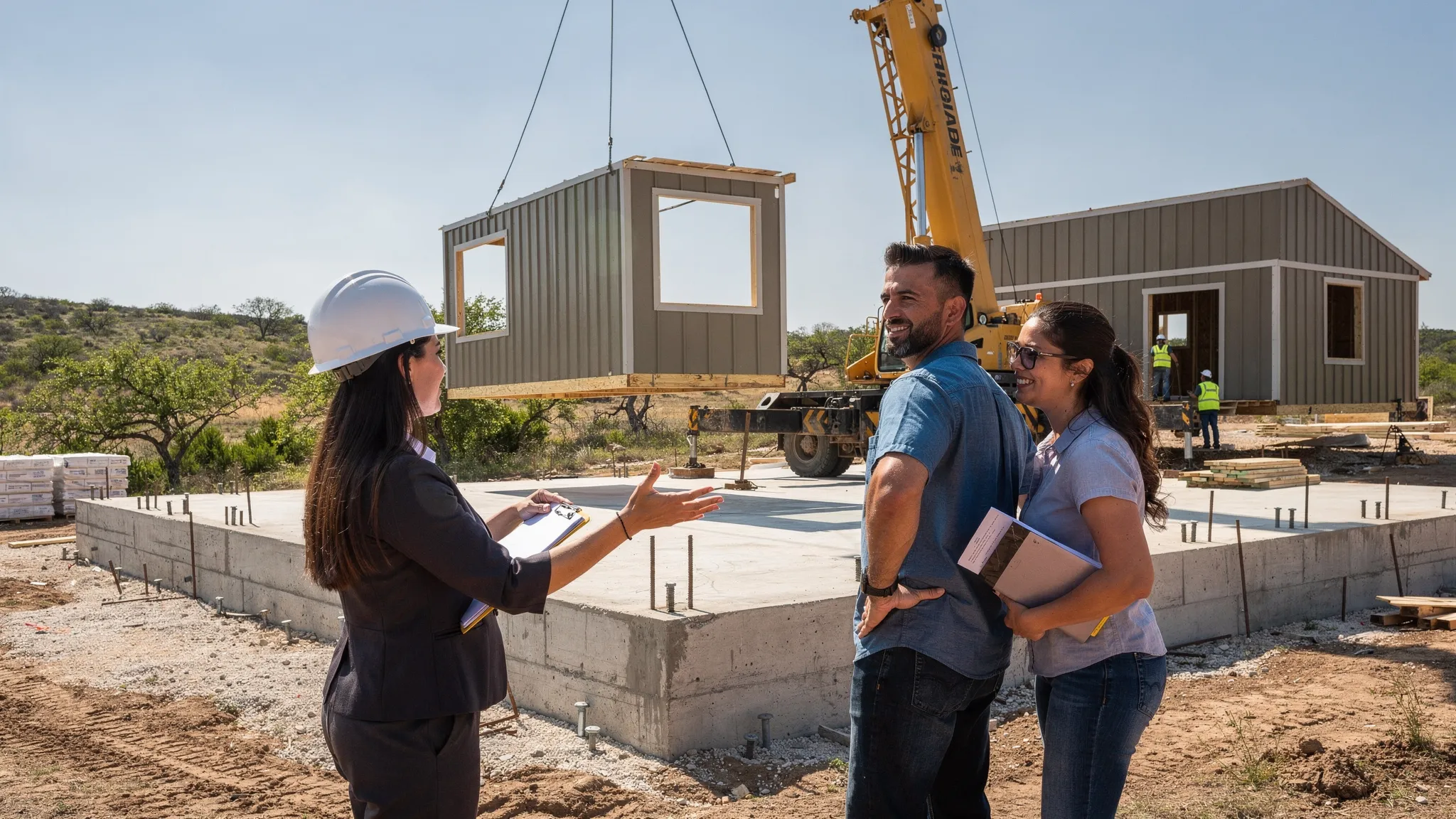

Buying a manufactured home with an FHA loan can be a great path to affordable homeownership, but approval often comes down to two “make or break” details: how the home is titled and whether it’s installed on an FHA-compliant permanent foundation. If either piece is missing or documented incorrectly, a lender may treat the home like personal property (or decline the file), even if the home itself is in great shape.
This guide explains how FHA views manufactured housing, what “title” and “foundation” really mean in underwriting, and what San Antonio area buyers can do to set themselves up for a smooth closing.
FHA loans for manufactured homes: the quick context
FHA financing for manufactured homes generally falls into two buckets:
- FHA Title I: Often used for a manufactured home purchase with financing that resembles “home-only” lending. It can be used in more situations, including some cases where the home is not treated as real estate.
- FHA Title II: A traditional FHA mortgage used when the manufactured home is real property, typically meaning it is on land you own (or an FHA-eligible leasehold) and the home is permanently affixed to an approved foundation.
Homes2Go San Antonio covers these options on its financing page. The key takeaway is that Title II is the common “FHA mortgage” people think of, but it usually requires both correct titling and a compliant foundation.
Why title and foundation matter so much
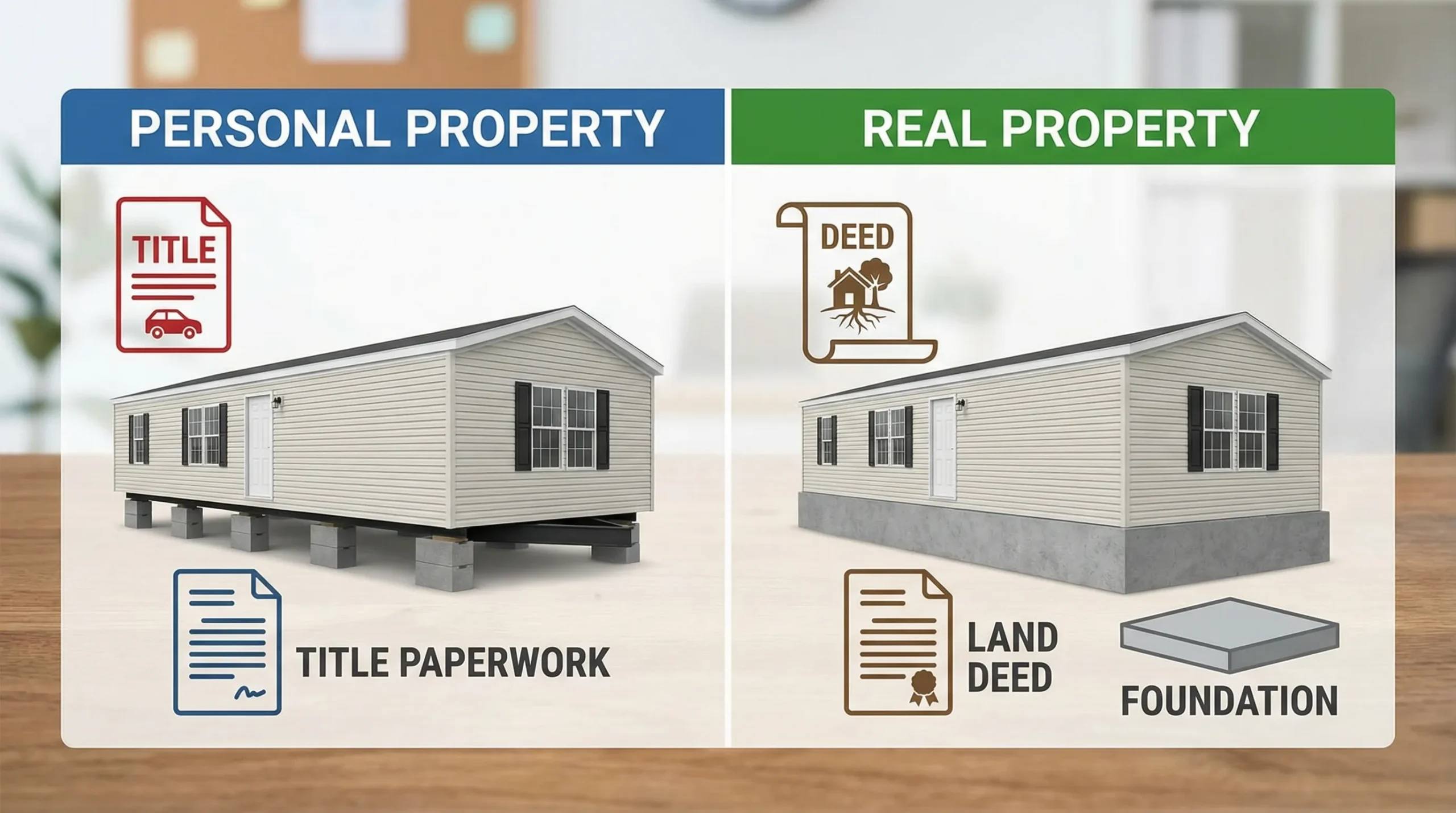
Manufactured homes can be classified in two different ways:
- Personal property (similar to a vehicle in how ownership is recorded)
- Real property (treated like a site-built home, recorded with the land)
FHA Title II loans are designed for real estate mortgages, so the lender needs to prove the home is legally and physically part of the real property collateral.
That proof comes from:
- Title documentation showing the home is real property (or has been properly converted)
- Foundation documentation showing the home is on a permanent foundation meeting HUD/FHA requirements
If one is missing, lenders can get stuck. For example, a home may look “permanent” to a buyer, but if the paperwork still shows personal property, underwriting will treat it differently.
FHA baseline eligibility for manufactured homes (what lenders commonly verify)
Even before title and foundation, FHA has baseline rules lenders typically check.
Common requirements include:
- The home is a HUD Code manufactured home (built to HUD standards), generally built on or after June 15, 1976
- It will be the borrower’s primary residence
- The home is a one-unit dwelling (single-family) and meets minimum property standards
- The home is properly identified with HUD certification labels (tags) and an HUD data plate (often inside a cabinet, closet, or electrical panel area)
HUD’s manufactured housing program overview is a helpful reference for buyers who want the official background: HUD Manufactured Home Program.
Part 1: Title for an FHA manufactured home loan (what it means and what to ask)
“Title” is not just a formality. It determines whether the home is legally treated as personal property or real property.
Personal property vs real property (plain-English definitions)
- Personal property title: The home is owned like a movable asset. This is common in some community settings or when the home is not permanently affixed.
- Real property: The home is legally tied to land, recorded and taxed as real estate (similar to a site-built home).
For many FHA Title II mortgages, lenders want the manufactured home to be real property.
Texas-specific note: the Statement of Ownership and Location (SOL)
In Texas, manufactured home ownership and location are typically documented through the Texas Department of Housing and Community Affairs (TDHCA) manufactured housing system.
One of the key documents buyers run into is the Statement of Ownership and Location (SOL).
- It helps establish who owns the home, where it is located, and whether it is treated as personal property or real property.
You can review TDHCA’s manufactured housing resources here: TDHCA Manufactured Housing.
Because each transaction is different (new home, used home, land owned, land-lease, liens), your lender and retailer will usually coordinate what’s needed. The important point is that the “paper trail” must match the loan type.
Title questions to ask before you apply
Ask these early, ideally before you spend money on appraisal or underwriting fees:
- Is the home currently titled as personal property or real property?
- Is there an existing lien on the home title? If yes, how will it be released at closing?
- Do we have the HUD tags and HUD data plate information available?
- Has the home ever been moved since its original installation? Some lenders have stricter overlays about relocations.
If you are buying land with your home, Homes2Go’s land and home packages guide can help you think through the land side of the transaction.
Part 2: The FHA permanent foundation requirement (what “permanent” actually means)
For FHA Title II manufactured home mortgages, the home generally must be installed on a permanent foundation system.
“Permanent” does not just mean “it feels solid.” FHA and lenders usually want documentation that the foundation meets HUD’s standards for manufactured housing foundations.
The core standard lenders look to
The most commonly referenced technical standard is HUD’s guide:
- Permanent Foundations Guide for Manufactured Housing (HUD)
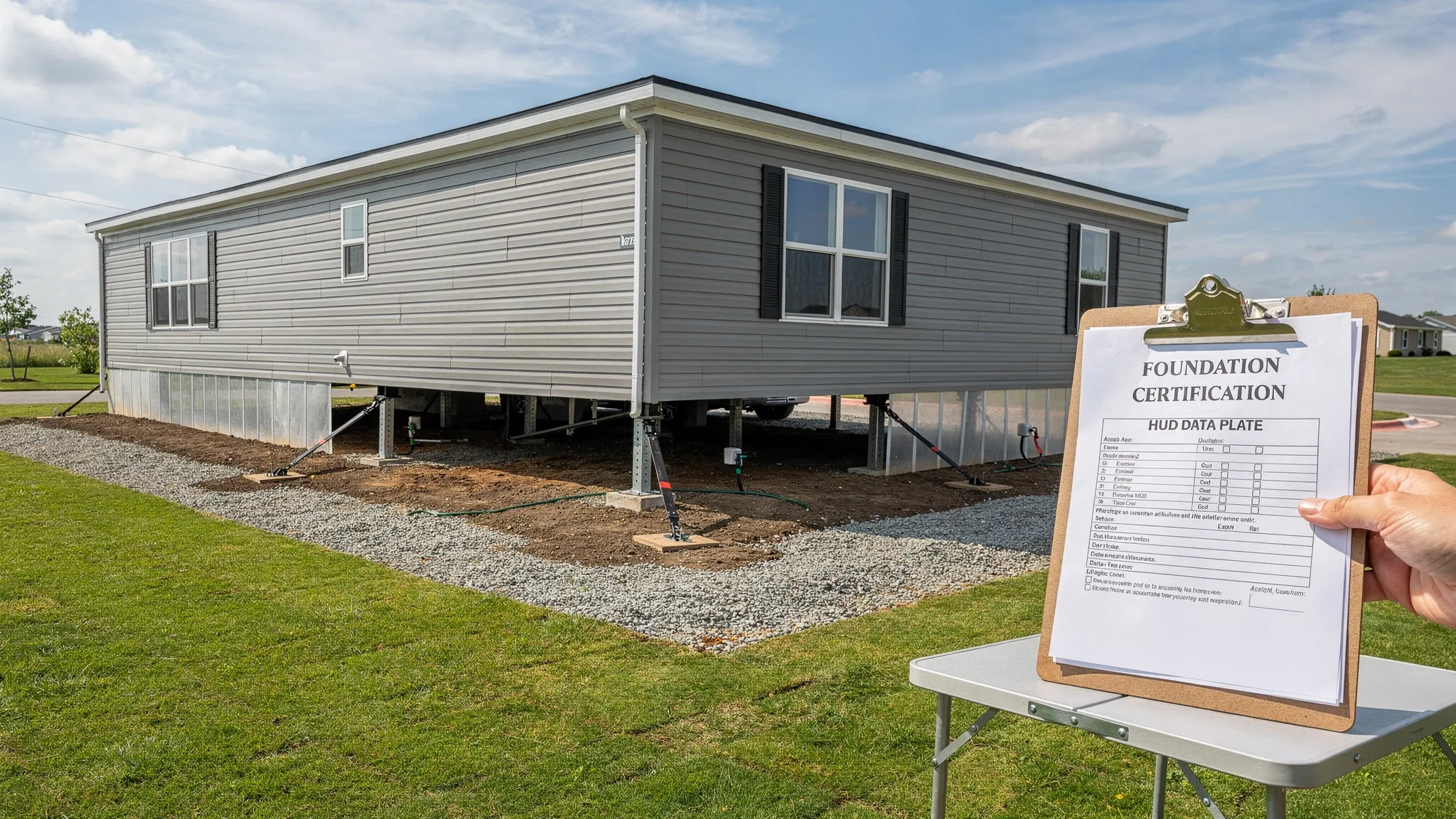
Lenders often require a foundation certification (commonly from a licensed professional engineer or architect) stating the foundation complies with HUD’s Permanent Foundations Guide.
What a permanent foundation typically includes
Exact requirements depend on the site and the home, but many FHA-compliant installations share these characteristics:
- The home is anchored to resist wind and other loads
- The foundation uses durable materials (often concrete/masonry or engineered systems)
- The home is properly supported with an installation that meets code and manufacturer specs
- Utilities and tie-downs are installed correctly
If you are placing a home in South Texas, you may hear questions about soil, drainage, and wind resistance more than frost depth. Even so, lenders still want the installation to meet the recognized HUD standard and local requirements.
Add-ons, porches, and garages can create underwriting issues
One common surprise: additions can create appraisal and compliance problems if they are not built correctly.
Lenders may scrutinize:
- Porches or rooms attached in a way that compromises the home’s structure
- Additions that are not structurally independent
- Evidence of settling or uneven support
This does not mean you cannot have a porch or carport. It means the work must be done in a way that does not violate the foundation and structural requirements expected for FHA collateral.
How title and foundation determine which FHA path may fit
The table below is a practical way to think about common scenarios. Final eligibility always depends on lender guidelines and the full file.
| Scenario | Title status | Foundation status | FHA path buyers often explore |
|---|---|---|---|
| Home on land you own, installed to HUD foundation guidance | Real property (or convertible) | Permanent foundation with documentation | FHA Title II (traditional FHA mortgage) |
| Home in a land-lease community, no permanent foundation documentation | Often personal property | May not meet Title II foundation requirements | FHA Title I or non-FHA home-only financing (varies) |
| Used manufactured home on private land with unclear install history | Mixed | Often needs inspection/certification | Possible Title II, but lender overlays are common |
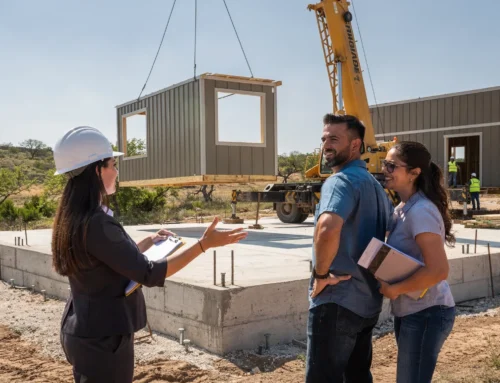
| New manufactured home placed on your land with engineered foundation plan | Convertible to real property | Designed for compliance | Often the cleanest route to Title II |
If you are unsure which direction you are heading, start with the outcome you want (home-only vs land-home mortgage), then work backward through title and foundation documentation.
A buyer checklist to avoid FHA delays (San Antonio area)
Most FHA manufactured home problems are not “you don’t qualify” problems. They are “we cannot document the collateral” problems. Use this as a preflight check.
Before you sign a purchase agreement
- Confirm the home is HUD Code (post-1976) and locate the HUD tags and data plate
- Ask whether the transaction is intended to be FHA Title I or FHA Title II
- Confirm whether you will own the land or lease the land, and whether lease terms meet lender requirements (if applicable)
Before appraisal and underwriting
- Ask the lender what they require for foundation certification
- Verify the home can be (or already is) treated as real property if you are pursuing Title II
- Confirm there are no unresolved title issues (liens, missing ownership documents, mismatched serial numbers)
Before closing
- Ensure all required TDHCA and county recording steps (as applicable) are coordinated
- Make sure the installation and site work are complete enough for the appraiser and inspections
If you want a broader overview of the buying process (definitions, permitting, communities vs private land), see Homes2Go’s mobile homes San Antonio buyer guide.
What documents lenders commonly request (besides your income paperwork)
Every lender has its own checklist, but for manufactured homes, documentation tends to include:
- Proof of HUD Code compliance (HUD tags, data plate details)
- Appraisal with manufactured home comparables and property analysis
- Foundation-related documentation (often an engineer/architect letter)
- Title/SOL documentation, including lien releases when applicable
- Evidence the home is classified correctly for the loan type (personal vs real property)
Your lender is the final authority on required documents, but understanding these categories helps you ask the right questions early.
Common misconceptions that cost buyers time
“If it’s on concrete blocks, it’s a permanent foundation.”
Not necessarily. FHA typically wants a foundation that meets HUD’s permanent foundation guidance and is documented accordingly.
“Any mobile home qualifies for FHA.”
FHA financing is tied to manufactured home standards, documentation, and property condition. Older pre-1976 mobile homes generally do not meet HUD Code requirements.
“I can sort out the title later.”
Title and classification are central to the loan structure. Fixing them late often delays closing.
Frequently Asked Questions
What is the difference between FHA Title I and Title II for a manufactured home? FHA Title I is often used for home-only situations, while FHA Title II is a traditional mortgage typically used when the home is real property and on a permanent foundation.
Can I get an FHA mortgage for a manufactured home in a mobile home park? Sometimes, but it depends on whether the home can meet FHA requirements for the loan type, including lease terms and, for Title II, foundation and real property treatment. Many park setups end up using alternatives.
What is the HUD data plate and why does it matter? The HUD data plate lists key details about the manufactured home (like manufacturer, serial number, and compliance information). Lenders and appraisers often use it to confirm the home meets HUD Code standards.
What is a foundation certification letter? It is documentation, commonly from a licensed engineer or architect, stating the manufactured home’s foundation complies with HUD’s Permanent Foundations Guide and is suitable for FHA collateral.
Can I use FHA if the manufactured home has been moved? It may be possible, but lender rules vary widely. Some lenders have stricter requirements for homes that have been relocated after initial installation due to condition and documentation concerns.
Ready to explore FHA-friendly manufactured homes in San Antonio?
If you’re aiming for an FHA mortgage for a manufactured home, start by matching the right home and homesite with the right paperwork from day one. Homes2Go San Antonio can help you compare financing directions and choose homes that fit your goals.
- Browse available homes: Homes2Go San Antonio
- Review financing options: Manufactured home financing
- Planning land plus a home? Start here: Land and home packages
 FHA Financing for Manufactured Homes: Full Checklist
 FHA Loan for Modular Home: How It Differs From MH