
Shopping for manufactured home financing in 2026 can feel like comparing moving targets. The rate you see on Monday may not be the rate another lender quotes on Friday, and two buyers can receive different offers for the same home because credit profile, down payment and homesite details matter.
If you are checking chattel loan interest rates today, the goal is not to chase the lowest number in an ad. The goal is to compare written quotes that use the same assumptions, then decide which loan gives you the best balance of payment, total cost, timing and lender fit. That matters especially for San Antonio buyers who want an affordable manufactured home without buying land at the same time.
Why chattel loan rate shopping is different in 2026
A chattel loan finances the manufactured home as personal property rather than combining the home and land into one real estate mortgage. That structure can be helpful if you plan to place the home in a community, rent a lot or already have a homesite arrangement that does not call for a land-home mortgage. It also means the loan is priced differently from a conventional mortgage.
Because the collateral is the home itself, lenders may look closely at the model, age, title status, installation plan, borrower credit and where the home will be located. Chattel loans may close faster than land-home transactions in some cases, but the interest rate is often higher than a traditional mortgage secured by land. If you need a plain-language refresher before comparing quotes, Homes2Go has a helpful guide to chattel loans for manufactured homes explained simply.
In 2026, the biggest mistake buyers make is treating chattel loan interest rates today as one fixed market number. There is no single universal rate that applies to every manufactured home buyer. A lender quote is a price for your specific file, not a general forecast. That is why comparison only works when each lender is pricing the same scenario.
Interest rate, APR and payment are not the same thing
A low interest rate can still come with higher costs if fees are larger, the term is shorter or the loan amount is structured differently. The Consumer Financial Protection Bureau explains that an interest rate reflects the cost of borrowing the principal, while APR is a broader annual cost that includes certain fees. You can review the CFPB’s overview of interest rate versus APR if you want the consumer-finance definition before reading lender quotes.
For manufactured home buyers, the payment is the number that affects your monthly budget, but APR and total repayment help you understand long-term cost. You need all three.
| Number to compare | What it tells you | What it does not tell you |
|---|---|---|
| Interest rate | The rate used to calculate interest on the loan balance | It may not include fees or other finance charges |
| APR | A broader annual cost measure that includes certain loan costs | It may not include every ownership expense, such as lot rent or utilities |
| Monthly payment | What you are likely to pay each month for the loan | It can hide long-term cost if the loan term is longer |
| Total of payments | The overall amount paid if you keep the loan to the end | It does not show whether the payment fits your current budget |
When comparing chattel loan interest rates today, do not stop at the first column. A 2026 quote with a slightly higher rate but lower fees could be better than a lower-rate quote with more upfront costs, depending on how long you plan to keep the home and whether you may refinance later.
Build an apples-to-apples quote before comparing lenders
The cleanest way to compare lenders is to remove as many variables as possible. If one quote assumes a larger down payment, a shorter term or a different home price, the rate comparison is not fair.
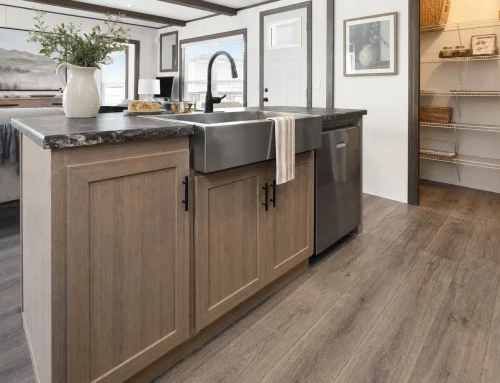
Start by choosing the home or home price range you actually want. For example, if you are pricing the 16 by 80 Legacy Heritage H-1680-32J, a 3-bedroom, 2-bath, 1,193-square-foot manufactured home available from Homes2Go in San Antonio, ask each lender to quote the same estimated loan amount, down payment and term. If you later move to a different floor plan, the financing picture should be refreshed rather than reused.
The same applies if you are considering a larger home such as the 32 by 48 Legacy Heritage H-3248-32A, a 3-bedroom, 2-bath, 1,372-square-foot doublewide manufactured home. A higher purchase price can change the loan amount, payment, required down payment and debt-to-income calculation. It may not change the rate by itself, but it can change approval strength and affordability.
Use this checklist when asking for quotes:
| Quote detail | Why it matters |
|---|---|
| Same home model or same estimated home price | Keeps the loan amount consistent |
| Same down payment | Prevents one quote from looking better only because you put more cash down |
| Same loan term | Longer terms can reduce payment but increase total interest |
| Same credit profile | A quote based on a soft estimate may change after a full application |
| Same homesite plan | Community placement, private land or land-home financing can affect loan options |
| Same quote date | Rates can change, so timing matters |
| Written fee breakdown | Lets you compare lender charges, third-party costs and prepaid items |
You should also ask whether the quote is locked, floating or only preliminary. A rate that is not locked can move before closing. A preliminary quote can also change if income, credit, homesite or title details differ from what the lender first reviewed.
Factors that can move your chattel loan rate
Chattel lenders do not price only one factor. Your rate is usually tied to a full risk picture. The lender wants to know whether the payment is manageable, whether the home qualifies for the program and whether the title and site details are clear.
Credit profile is usually one of the biggest variables. A stronger score, clean recent payment history and lower revolving debt may help you qualify for a better offer. Debt-to-income ratio matters too because lenders compare your monthly obligations with your income. A buyer with the same credit score but higher car payments or credit card minimums may see a different approval result.
Down payment can also affect pricing. More cash down may reduce lender risk and lower the amount financed. It can also help keep the monthly payment within a lender’s approval limits. This does not mean every buyer needs a large down payment, but it does mean you should compare quotes using the same cash-to-close target.
The home and site matter as well. Lenders may have different rules for new versus pre-owned homes, single-section versus multi-section homes, community placement, leased land and private property. If you are not sure what documents are needed, review Homes2Go’s guide to chattel loan requirements for manufactured home buyers before you request final quotes.
| Rate factor | How it can affect the quote | Buyer action |
|---|---|---|
| Credit score and history | Stronger credit may improve pricing or approval options | Check reports early and correct errors before applying |
| Debt-to-income ratio | High monthly debt can limit approval or term choices | Estimate all monthly obligations before shopping |
| Down payment | More down can reduce the financed amount and payment | Ask lenders to quote the same down payment scenario |
| Loan term | A longer term can lower payment but increase total cost | Compare both payment and total of payments |
| Home type and age | Lender programs may vary by home specifications | Confirm the exact model and year being quoted |
| Homesite arrangement | Community lot, leased land or owned land can affect loan fit | Provide site details upfront |
When checking chattel loan interest rates today, remember that an advertised rate may assume stronger credit, a specific loan term, a minimum down payment or a certain type of home. If your situation differs, your actual quote can differ.
Compare the full monthly housing cost
A chattel loan payment is only one part of affordability. Your real monthly housing cost may include the home loan, homeowner’s insurance, taxes, community lot rent, utilities and maintenance. If you compare only principal and interest, you may choose a loan that looks affordable on paper but feels tight after move-in.
This is especially important in San Antonio, where buyers may compare homes in different communities or homesite setups. One option may have a lower home payment but higher monthly lot rent. Another may have a slightly higher home loan payment but lower utility costs because of a newer, energy-efficient design. Energy savings are not a guaranteed financing benefit, but they can matter when you are building a household budget.
Ask each lender and home consultant to separate loan payment from non-loan costs. Some quotes may show only principal and interest. Others may estimate taxes or insurance. Lot rent is usually separate from the loan and should be reviewed with the community, not assumed from the financing quote.
A practical comparison looks like this:
| Monthly cost item | Ask this before deciding |
|---|---|
| Principal and interest | Is this based on a fixed rate and the exact term I requested? |
| Insurance | Is the quote estimated, required or already verified? |
| Taxes or title-related costs | Are they included in the payment or paid separately? |
| Lot rent or site rent | What is the current amount, and can it change? |
| Utilities | Are there energy-efficient features that may affect monthly usage? |
| Maintenance reserve | Can I set aside money for repairs and upkeep? |
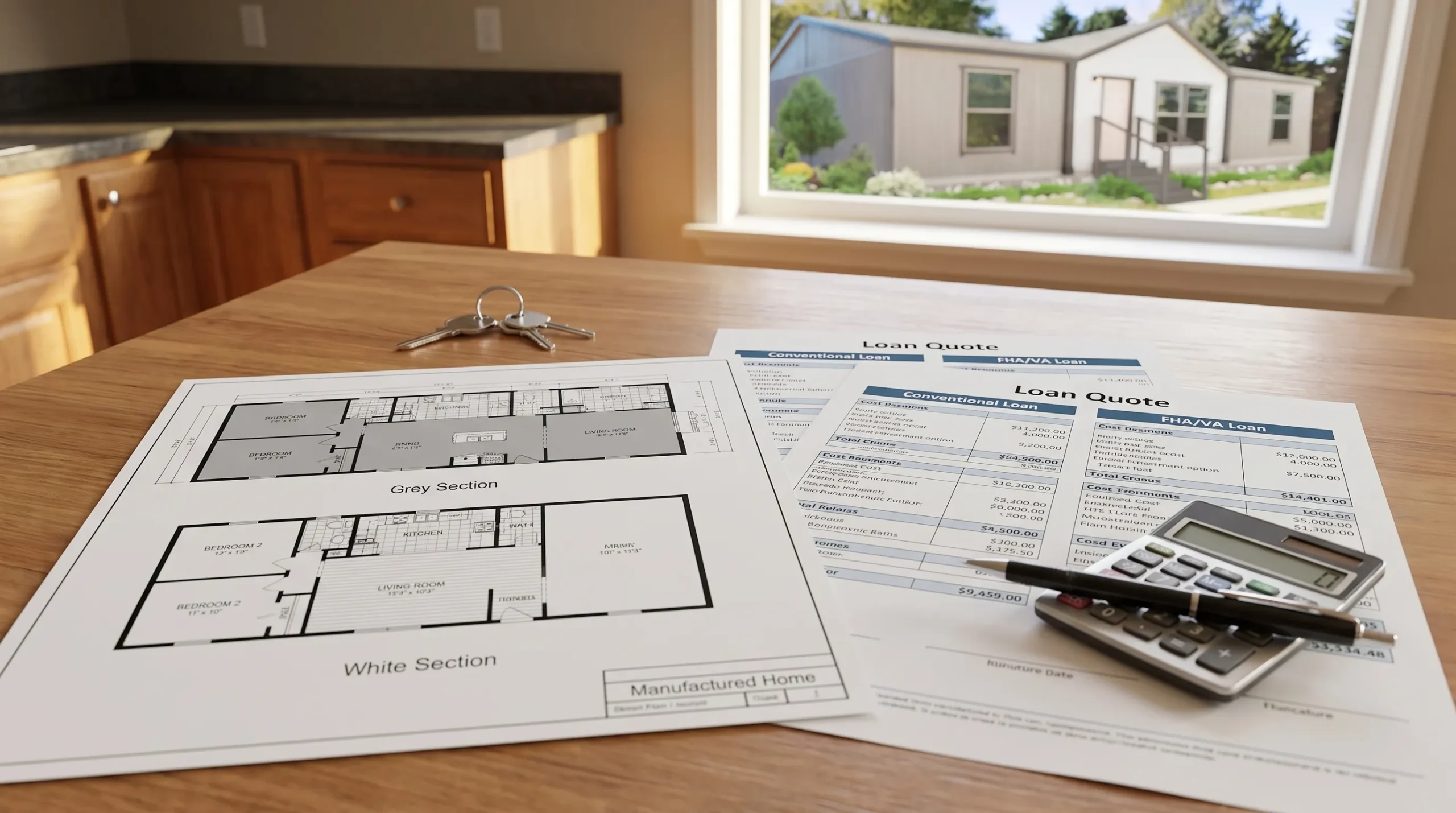
If you are deciding between a chattel loan and a mortgage that includes land, the comparison gets more complex. A land-home loan may have a different rate, closing process, title structure and term. Homes2Go’s guide to mobile home and land mortgage versus chattel loan options is a better fit if you are buying both the home and land together.
A 2026 workflow for comparing chattel loan quotes
Rate shopping works best when you follow a consistent process. You do not need to become a loan officer, but you do need enough structure to know whether one offer is truly better than another.
First, decide whether you are financing only the home or the home plus land. If the land is not part of the loan, a chattel loan may be the right category to explore. If you are buying land too, compare land-home mortgage options before assuming chattel financing is best.
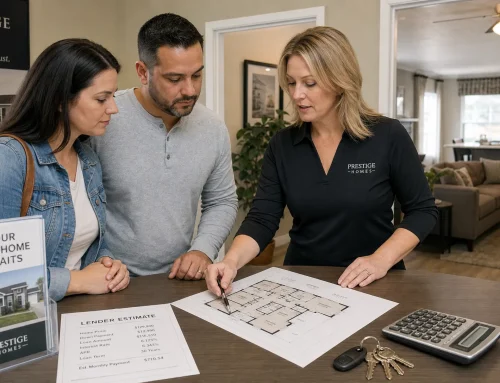
Second, narrow your home choice. The model, price, size and placement plan give lenders a real scenario to price. Homes2Go’s wide selection of manufactured home models and detailed floor plans can help you move from a rough budget to a quote-ready home choice.
Third, prepare your documents. Lenders commonly review income, identity, credit, debts, housing history and information about where the home will be placed. Having the basics ready can reduce back-and-forth and make quotes more reliable.
Fourth, ask for written quotes close together in time. Since chattel loan interest rates today can shift with lender pricing and market conditions, quotes gathered weeks apart may not be comparable. A same-week comparison is usually more useful than collecting one quote in January and another in March.
Fifth, compare the numbers in this order: loan amount, rate, APR, term, payment, fees, cash to close and total of payments. If two offers are close, lender experience with manufactured homes may matter. A lender that understands home-only manufactured housing can sometimes make the process smoother, even when the rate is not the absolute lowest.
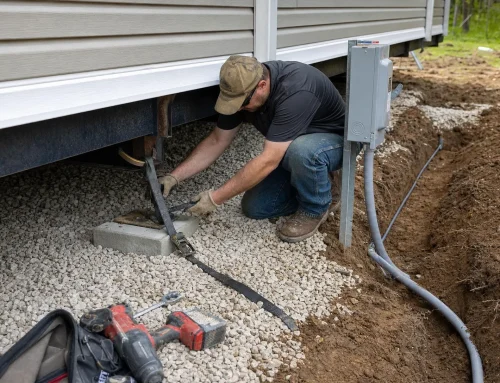
Finally, ask what could change before closing. Rate expiration, final credit approval, home appraisal or valuation requirements, insurance verification, community approval and title documents can all affect timing. A strong quote should come with clear conditions, not vague assurances.
Questions to ask before choosing a lender
A lender quote should be understandable. If you cannot explain the main numbers after reading it, ask for clarification before moving forward. Good questions protect you from comparing the wrong details or accepting a payment you did not fully understand.
Ask whether the rate is fixed or variable, whether the quote includes all lender fees and whether there are any prepayment penalties. Ask how long the quote is valid, what conditions must be met and what could cause the rate or payment to change. If a lender gives you only a monthly payment, request the rate, APR, term, loan amount and cash-to-close estimate in writing.
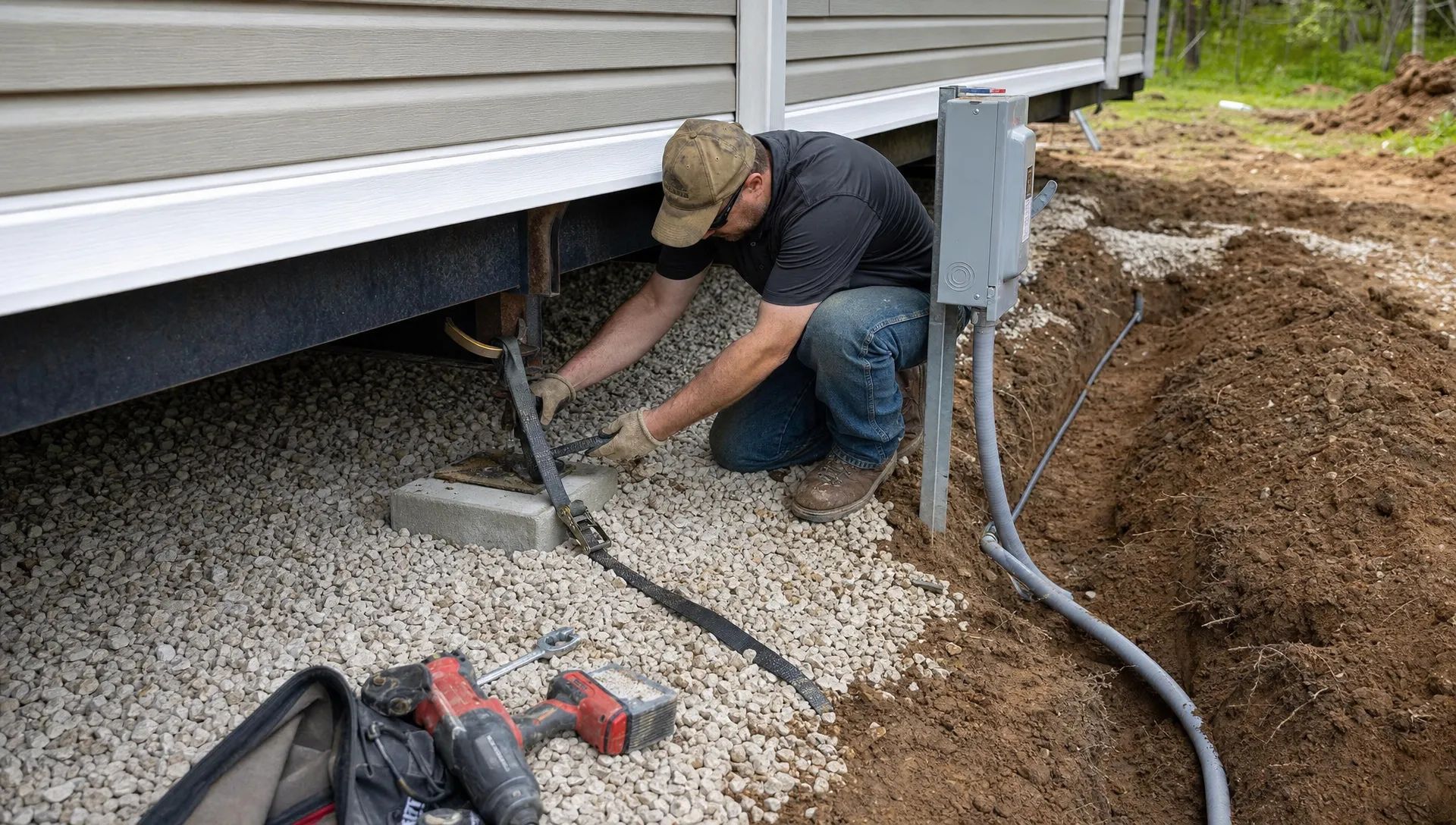
You should also ask how the lender handles manufactured home title work, community placement and installation documents. Chattel financing is a specialized area. The lowest advertised rate may not help if the lender cannot close the type of manufactured home transaction you are actually doing.
At Homes2Go San Antonio, buyers can get guidance on home models, floor plans, move-in ready options, communities and financing conversations. Homes2Go does not set every lender’s pricing, but having a local manufactured home team can help you ask better questions and avoid comparing incomplete quotes.
Common mistakes when comparing chattel loan interest rates today
The first mistake is comparing a rate from one lender with a payment from another. Rates, APRs and payments answer different questions. A payment may be lower because the term is longer, not because the loan is cheaper.
The second mistake is forgetting cash to close. A quote with a lower monthly payment may require more upfront money. If that extra cash would drain your emergency savings, the lower payment may not be the better choice.
The third mistake is choosing a quote before the home and site are clear. A lender may price a generic scenario, then revise the quote once the actual home model, title status or community approval is known. This is why rate shopping should happen alongside home selection, not completely separate from it.
The fourth mistake is ignoring service. Manufactured home financing often requires coordination among the buyer, lender, retailer, community, installer and insurance provider. A responsive lender can reduce stress and delays. Rate matters, but a quote that is hard to close can become expensive in other ways.
Frequently Asked Questions
What is a good chattel loan interest rate in 2026? A good rate is one that is competitive for your credit profile, down payment, home choice and loan term. Because lenders price files differently, compare written quotes rather than relying on a generic market number.
How often do chattel loan interest rates today change? They can change whenever a lender updates pricing, and preliminary quotes may change after a full application review. Ask how long your quote is valid and whether the rate can be locked.
Should I compare APR or the interest rate? Compare both. The interest rate shows how interest is calculated on the balance, while APR includes certain fees and gives a broader view of loan cost. Also review the monthly payment and total of payments.
Can I refinance a chattel loan later? Refinancing may be possible, but it depends on lender programs, your credit, the home, the remaining balance and market conditions at that time. Do not choose an unaffordable loan today based only on the hope of refinancing later.
Does a doublewide manufactured home get a better chattel loan rate? Not automatically. Home size and type may affect lender eligibility, but the rate also depends on credit, income, down payment, term, home age, title status and site details.
Ready to compare homes and financing options in San Antonio?
The best way to compare chattel loan interest rates today is to start with a real home, a realistic budget and written quotes that use the same assumptions. That gives you a clearer view of payment, total cost and what it will take to move forward.
If you are shopping for an affordable manufactured home in the San Antonio area, Homes2Go San Antonio can help you review available models, explore detailed floor plans and discuss flexible financing options with guidance from a local team. Bring your rate questions, your budget and your preferred home style, then compare your options with a full picture instead of a single number.
 Chattel Loan Requirements for Manufactured Home Buyers
 How Modular Home Inspectors Evaluate Factory-Built Homes