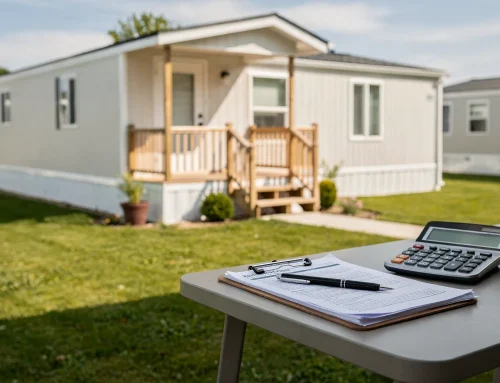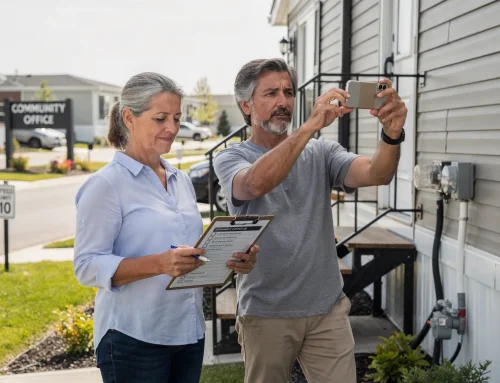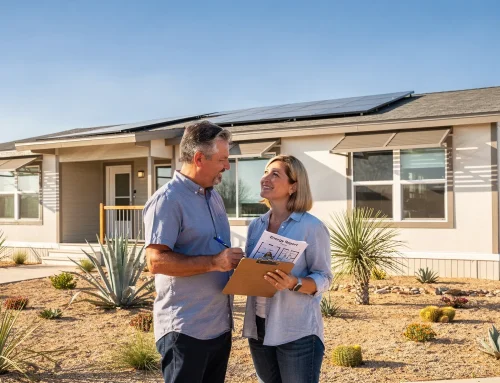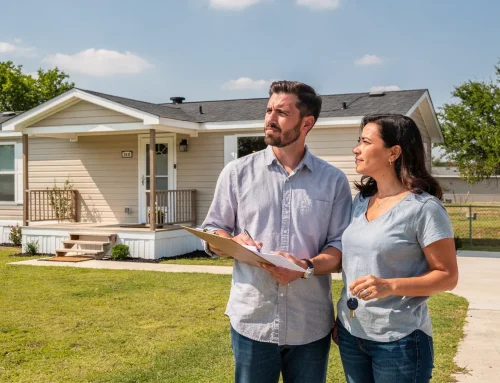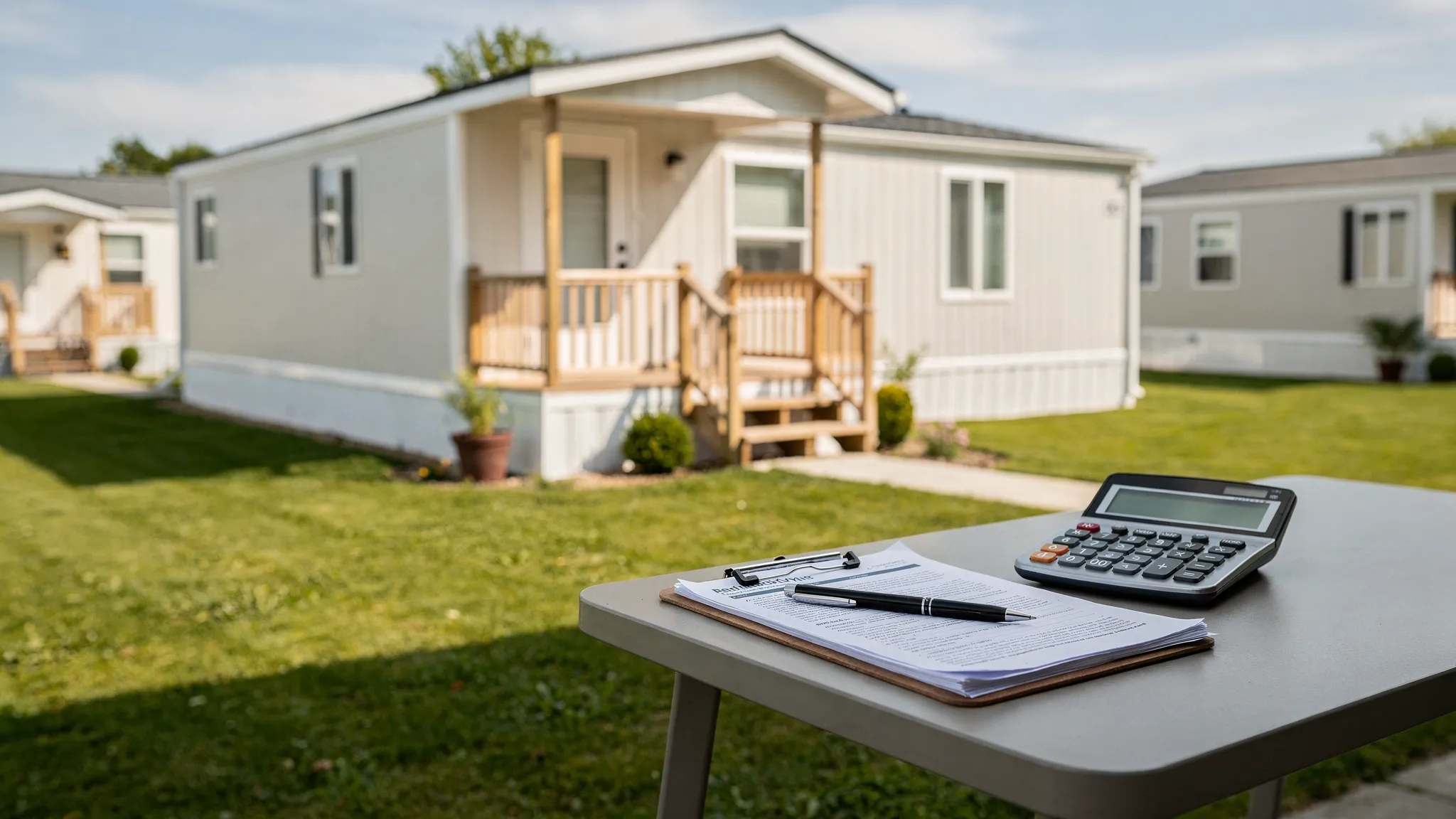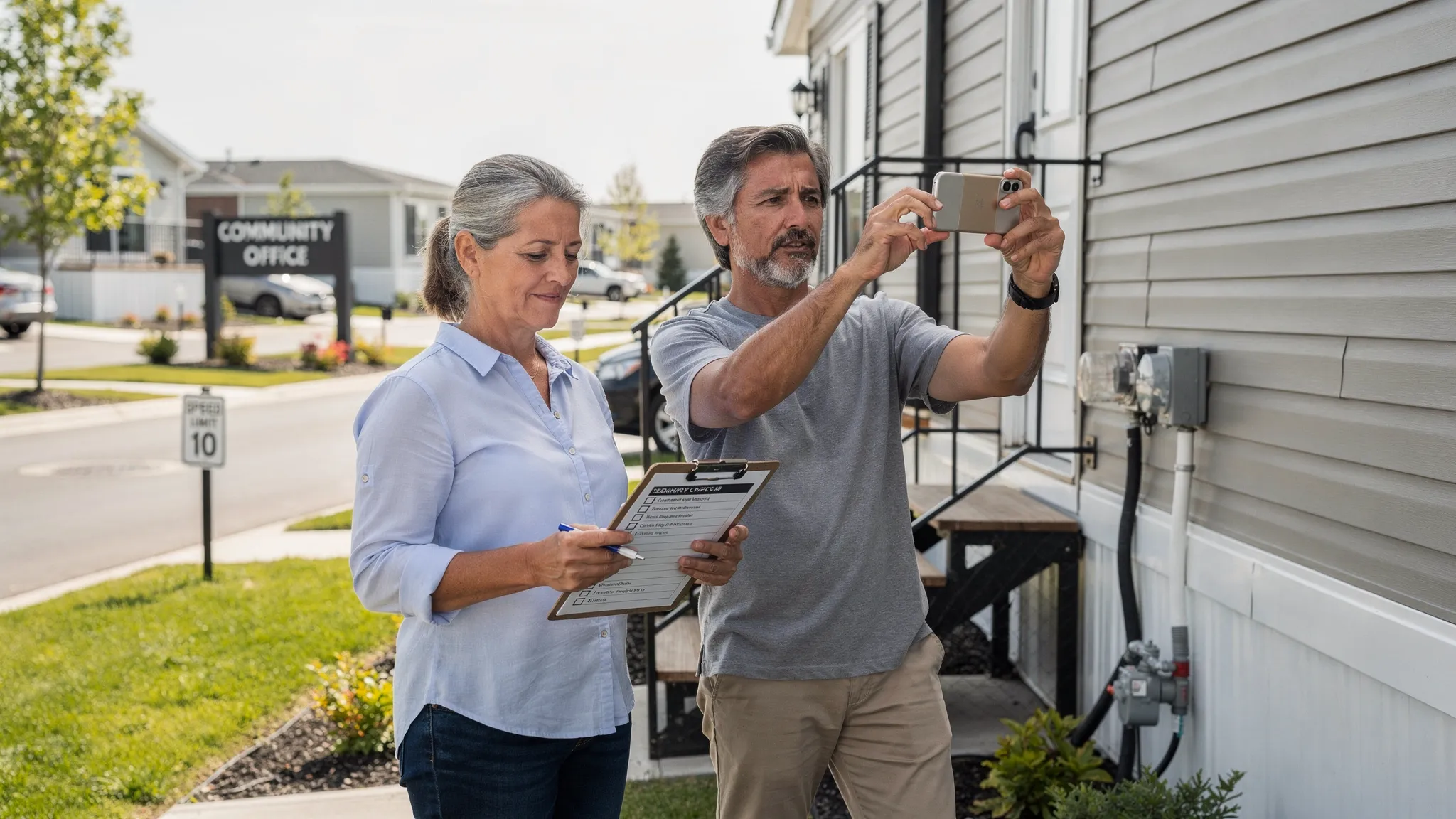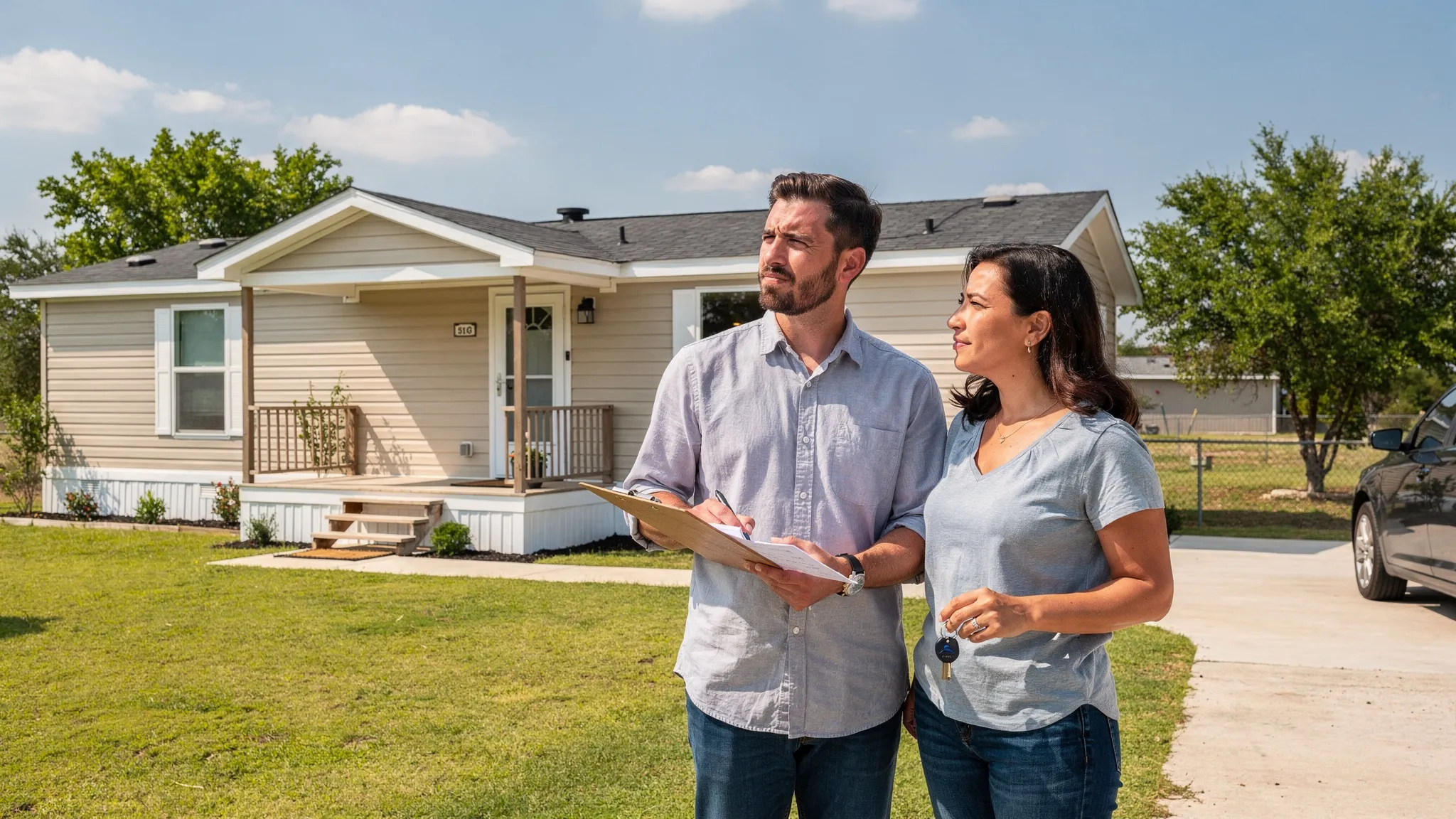

If you’re searching “double wide trailers for rent near me,” you’re usually trying to solve a very specific problem: you want the space of a traditional home, but with a monthly payment you can plan around. The catch is that rental arrangements for double wides can look very different depending on whether you’re renting the home, the lot, or both.
This guide breaks down the lease terms that matter most, the fees that surprise renters, and the questions to ask before you sign, especially if you’re looking around the San Antonio area.
First, what counts as a “double wide trailer” in a lease?
Many listings still use “trailer,” but most double wides you’ll see today are manufactured homes (built to the federal HUD Code). Modern manufactured homes are not the same thing as older pre-1976 mobile homes.
- A double wide is typically a manufactured home built in two sections and joined on site.
- Most are placed in land-lease communities (sometimes called mobile home parks), though some are on private land.
If you want a quick technical reference, HUD’s manufactured housing overview is a reliable starting point: HUD Manufactured Housing Program.
The 3 most common rental setups (and why they change the lease)
Before you compare prices, confirm which of these you’re actually renting.
1) You rent the home and the lot (community-owned rental)
This is common in communities that have park-owned homes available.
What it means for your lease:
- One agreement often covers both home rent and lot rent (or it itemizes them).
- Community rules (parking, pets, landscaping, quiet hours) are usually incorporated into the lease.
2) You rent only the home on someone else’s lot (less common, but it happens)
For example, a private owner might rent out their double wide that sits in a community.
What it means for your lease:
- You might have a lease with the owner and also need to follow community rules.
- You may still have to pass park screening even if you’re not paying the park directly.
3) You rent a lot and place your own home (lot lease only)
This is more relevant if you already own a manufactured home (or plan to buy one).
What it means for your lease:
- Your biggest risk becomes lot rent increases, utility responsibilities, and move-out conditions.
- The lease may require the home to meet community standards (age, exterior condition, skirting, etc.).
For Texas-specific regulatory context on manufactured housing (installation, licensing, and related rules), you can review Texas TDHCA Manufactured Housing.
Lease terms you should review carefully (before you pay any deposit)
A double wide rental can be a great fit, but only if you understand what the contract actually makes you responsible for.
Lease length, renewal, and rent increases
Look for:
- Term: month-to-month vs 6-month vs 12-month.
- Renewal language: automatic renewal, conversion to month-to-month, or re-qualification.
- Rent increases: when they can happen, how much notice is required, and whether increases are capped (many leases are not capped).
Tip: If you’re budgeting tightly, prioritize leases that clearly state the notice period for any rent change.
What your monthly payment includes (and what it does not)
Two rentals with the same advertised rent can have very different total costs.
Common “included” items (varies by property):
- Trash pickup
- Water (sometimes)
- Sewer (sometimes)
- Community amenities
Common “not included” items:
- Electricity
- Internet
- Gas (if applicable)
- Pet fees
- Lawn care
Ask for a written utility responsibility breakdown. If the manager says “it’s usually about X,” ask for recent average ranges for that specific home.
Security deposit, non-refundable fees, and how you get money back
Deposits and fees are where renters get burned most often, especially when listings are vague.
Confirm:
- Security deposit amount and conditions for return
- Non-refundable fees (admin, cleaning, “risk fee,” pet fee)
- Move-out standards: cleaning requirements, carpet rules, yard condition, trash removal
In Texas, landlord-tenant rules on deposits and other requirements are generally addressed in Texas Property Code Chapter 92. Read the primary source if you want specifics: Texas Property Code (Chapter 92).
Maintenance and repairs (who fixes what?)
Double wide rentals often come with more “house-like” maintenance issues (HVAC, plumbing, appliances), and you want the lease to spell out responsibilities.
Clarify:
- Who handles HVAC service calls and filter changes
- What counts as an “emergency repair”
- Response-time expectations (if stated)
- Tenant responsibilities (changing light bulbs, smoke detector batteries, pest control, lawn care)
If the home is in a community, also ask who maintains:
- The driveway/parking pad
- Exterior lighting
- Trees and common-area drainage
Rules that can end your lease early
Many renters focus on rent and deposit, but the “rules” section can contain lease-ending triggers.
Pay attention to:
- Occupancy limits (including long-term guests)
- Pets (breed restrictions, weight limits, number of pets, pet deposits)
- Smoking policies
- Parking (commercial vehicles, trailers, guest parking)
- Noise and nuisance rules
- Exterior standards (holiday decor, grills, storage sheds, window units)
If you think a rule will be hard to follow, get clarification in writing before signing.
Insurance requirements (and what it actually covers)
Many leases require renters insurance. Even when it’s optional, it’s usually smart.
Verify:
- Whether renters insurance is required
- Minimum liability amount (if stated)
- Whether the landlord/community requires being listed as an “interested party”
Renters insurance typically covers your belongings and liability, not the structure itself (unless the policy is specifically set up differently). If you have questions, ask an insurance agent to explain coverage in plain language.
Subleasing, roommates, and early termination
Life changes fast. Make sure you understand:
- Whether you can add a roommate later
- Whether subleasing is allowed
- Early termination options (and fees)
- Job relocation clauses (rare, but sometimes offered)
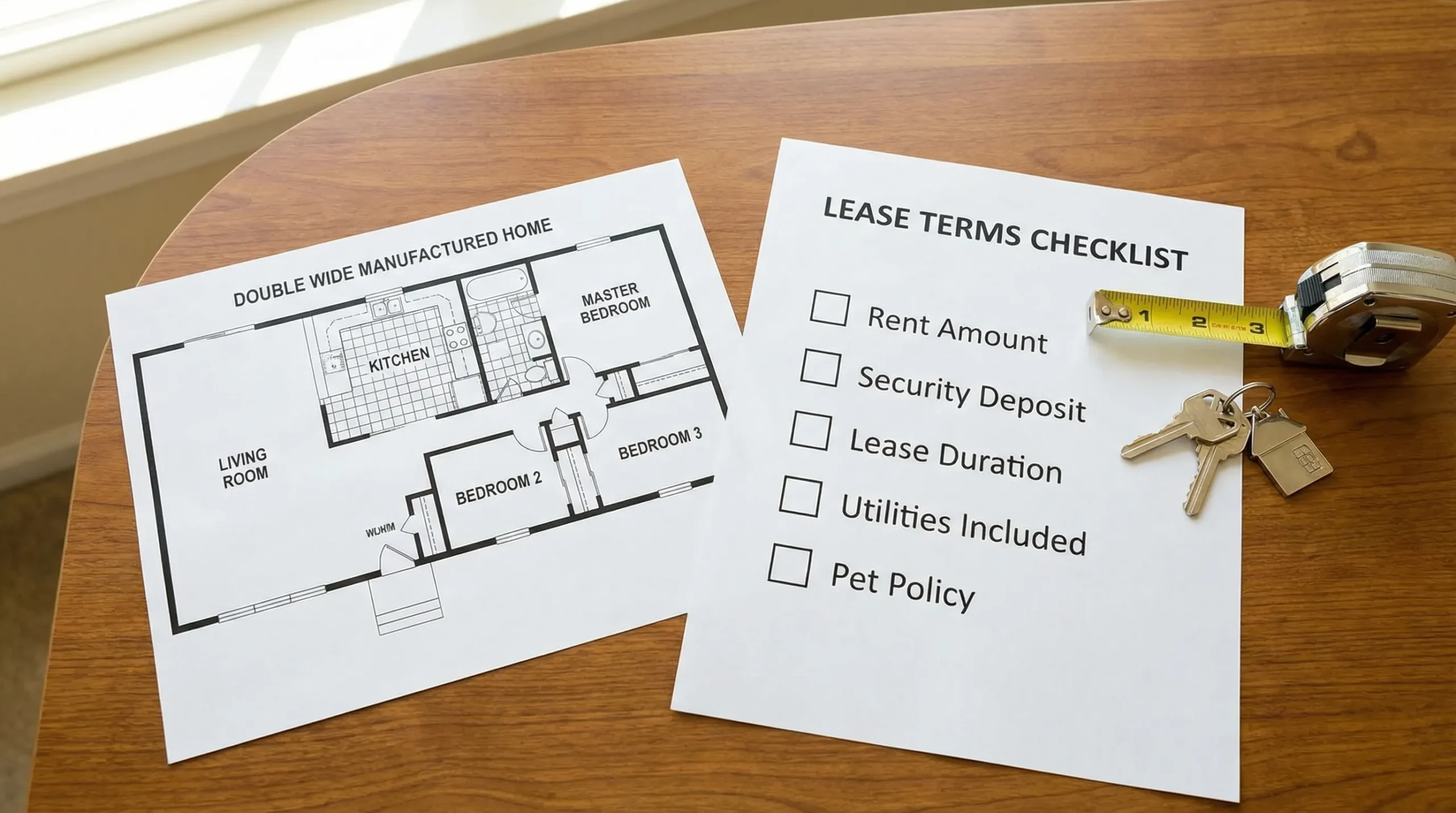
A practical “lease terms” comparison table
Use this table while touring, so you can compare two rentals side-by-side without relying on memory.
| Lease item | What to look for | Why it matters |
|---|---|---|
| Lease term | Month-to-month vs 12-month, renewal process | Controls flexibility and future rent risk |
| Rent breakdown | Home rent, lot rent, utilities, amenity fees | Prevents surprise monthly costs |
| Deposits and fees | Refundable vs non-refundable, conditions | Impacts move-in cash and move-out refunds |
| Maintenance | Clear division of responsibilities | Avoids paying for major repairs you didn’t cause |
| Community rules | Pets, parking, guests, noise, exterior standards | Common source of violations and disputes |
| Late fees | Amount, grace period, when it’s charged | Helps you plan if payday timing is tight |
| Entry/inspections | Notice requirements, frequency | Impacts privacy and scheduling |
| Move-out terms | Notice period, cleaning standards, keys, yard | Determines how easy it is to leave cleanly |
How to spot rental red flags (especially online)
Manufactured home rentals get targeted by scammers because people search by urgency (“near me,” “move-in ready,” “no credit”). Slow down if you see:
- Price is far below market with a “must rent today” push
- Refusal to show the home in person (or provide a live video walk-through)
- Request for payment via wire transfer, gift cards, or crypto
- No written lease offered until after you pay
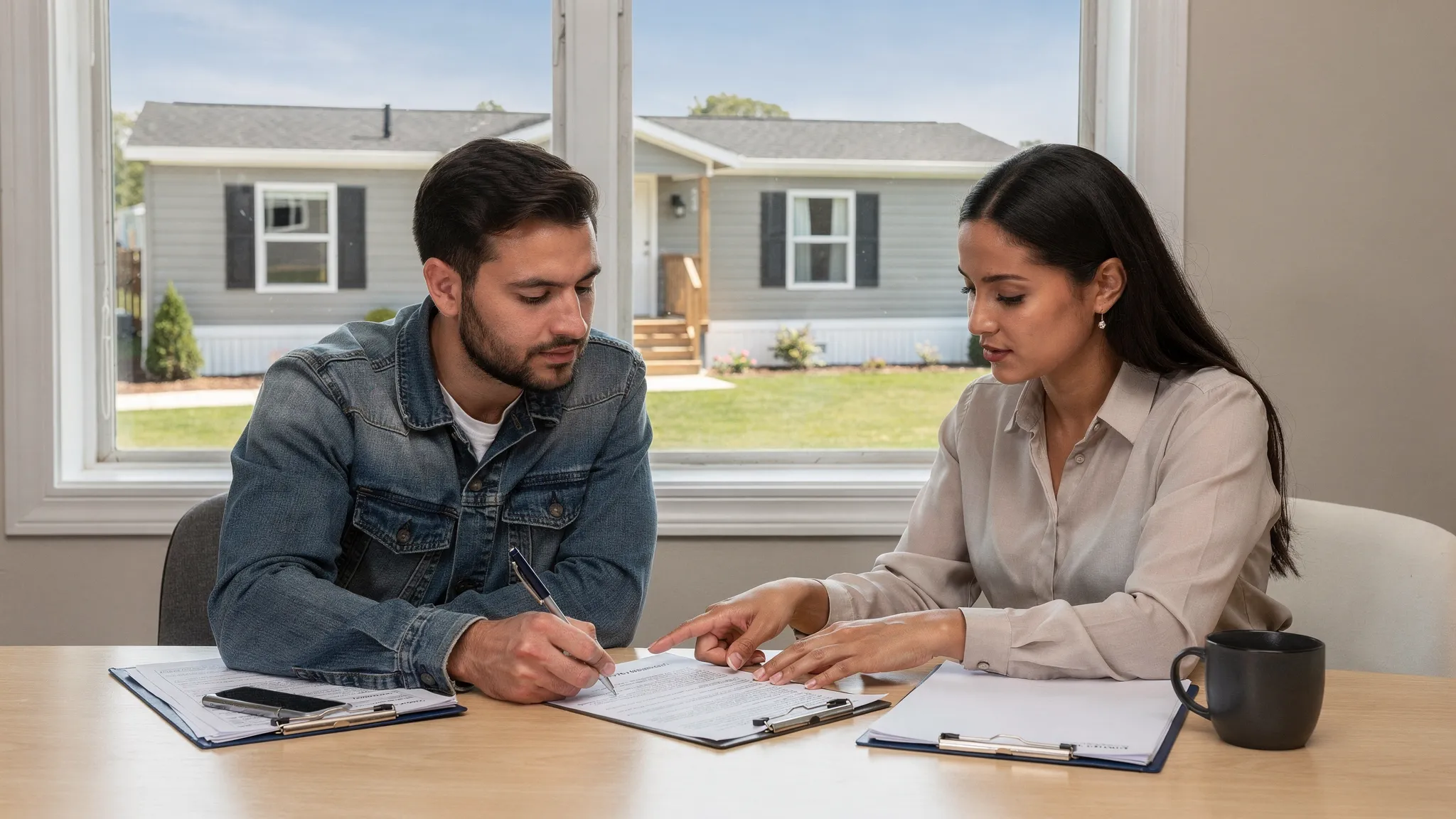
A legitimate rental should have a clear application process, written terms, and a verifiable point of contact.
Questions to ask on the tour (that protect your wallet)
Most lease problems are predictable if you ask the right questions early.
- What is the full monthly amount after all required fees?
- Which utilities are separately metered, and which are allocated?
- Who handles HVAC repairs, and how do service calls work?
- How often does rent increase, and what notice do you give?
- Are there pet restrictions beyond what’s listed in the ad?
- What are the move-out requirements to receive the deposit back?
- If the home is in a community, can I review the community rules before applying?
If you can’t find the right rental, consider a rent vs buy reality check
In many Texas markets, renters start looking for a double wide because they want:
- More bedrooms
- A yard or more privacy
- A predictable living setup
If rentals are limited or the lease terms feel restrictive, it may be worth comparing against ownership. Manufactured homes can sometimes offer a more stable long-term path, especially if you can secure financing and choose the right location.
If you’re exploring ownership in the San Antonio area, Homes2Go San Antonio has educational resources that can help you evaluate the full cost picture:
- Manufactured homes in San Antonio: options, prices, and tips
- Manufactured home financing options
- Land and home packages in San Antonio
(If you’re specifically comparing communities, this roundup can help you understand what to look for on the lot-rent side: Best mobile home parks in San Antonio roundup.)
Frequently Asked Questions
Are “double wide trailers” and manufactured homes the same thing? In most modern listings, “double wide trailer” refers to a double-section manufactured home. Manufactured homes are built to the federal HUD Code, which has applied to new manufactured homes since 1976.
Is lot rent included when I rent a double wide? Sometimes. Some rentals bundle home rent and lot rent, while others itemize them. Always ask for a written breakdown of what the monthly payment includes.
Can a community change the rent during my lease term? Many leases only allow rent changes at renewal, but it depends on the contract. Read the rent increase and renewal clauses carefully and confirm the required notice period.
What fees should I expect beyond monthly rent? Common extras include application fees, admin fees, deposits, pet fees, utility charges, and sometimes trash or amenity fees. Ask for a full move-in cost sheet.
What should I check before paying a deposit? Confirm you can tour the home, verify who you’re paying (owner or manager), review the lease terms in writing, and get a receipt that clearly labels payments as refundable deposit vs non-refundable fees.
Want more stability than a rental lease can offer?
If you’re shopping “double wide trailers for rent near me” because you want more space and a place that feels like home, it may be worth comparing rental terms against owning a manufactured home.
Homes2Go San Antonio helps buyers explore move-in ready manufactured homes, review floor plans, and understand financing options with trusted local lenders. When you’re ready, you can start by browsing resources and reaching out with questions at homes2gosa.com.
 Trailer Park Homes Near Me for Rent: How to Spot Hidden Fees