Renting a mobile home can be one of the fastest ways to get more space, a yard, and a quieter neighborhood feel without paying apartment prices. But “cheap” listings can also hide expensive fees, unsafe conditions, or outright scams. The goal is not just to find cheap mobile homes for rent, it is to find a place that is clean, legal, and financially predictable.
Below is a practical, renter-first playbook to find safe deals, vet the home and the community, and avoid the most common traps.
What “cheap” really means (calculate the true monthly cost)
A low advertised rent is only one line of the budget. Mobile home rentals can come with add-ons that quickly erase the discount.
Before you tour anything, estimate your all-in monthly cost:
- Base rent (the home)
- Utilities (electric, water, sewer, trash, gas)
- Internet and cable (sometimes limited provider options)
- Fees (application, admin, pest control, valet trash, late fees)
- Deposits (security, pet, key, utility deposits)
- Parking, storage sheds, or pet rent
If the listing will not clearly state what is included and what is billed separately, treat it as a warning sign.
Quick comparison: common rental setups and what to watch
| Rental setup | What you are renting | Why it can be cheaper | Common “gotchas” to verify |
|---|---|---|---|
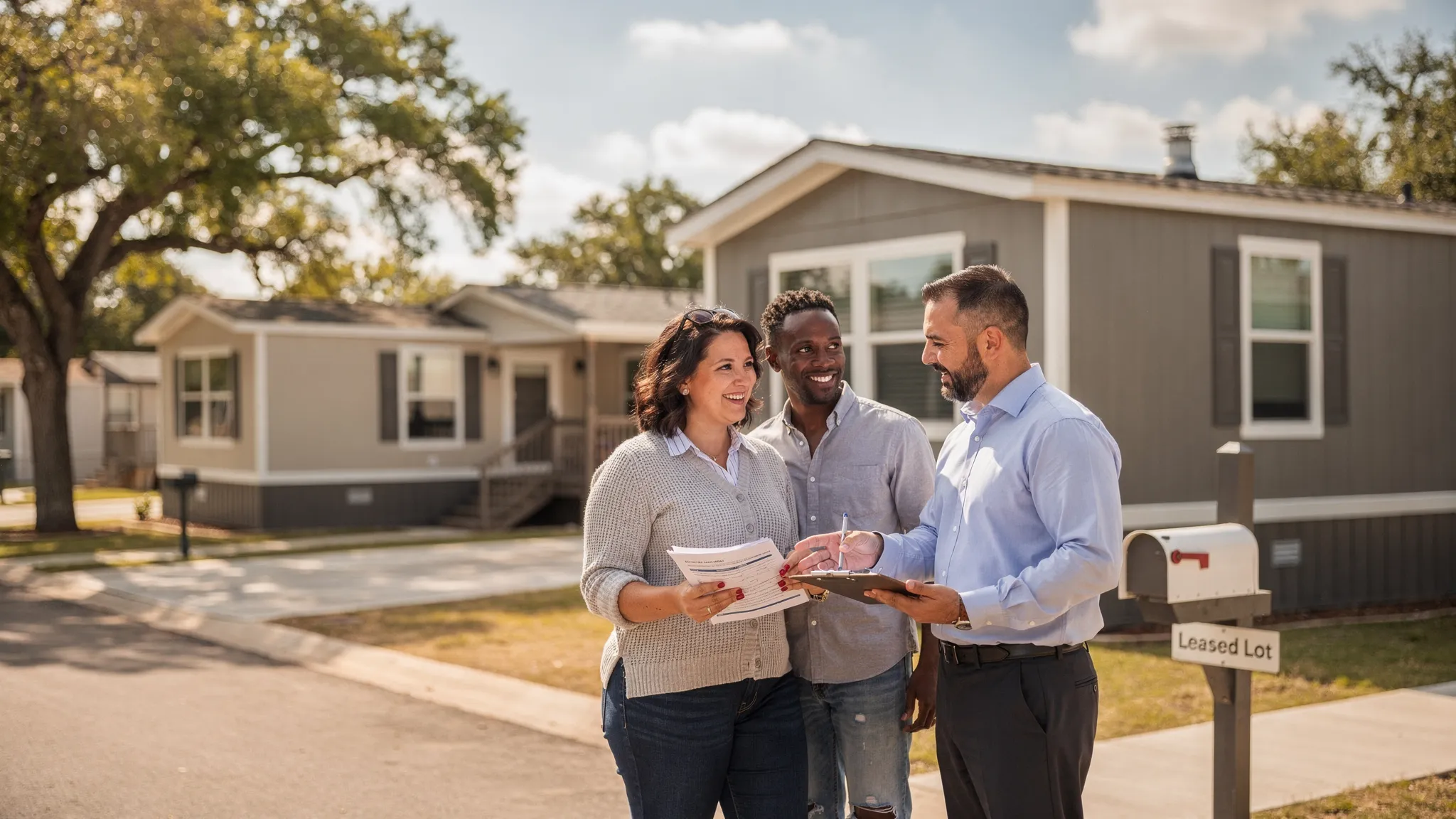
| Home in a land-lease community | The home only (lot is owned by the park) | Communities often have many units, so prices can be competitive | Extra monthly fees, strict rules, maintenance responsibility boundaries |
| Home on private land | Home plus land use | More privacy, fewer community fees | Utility setup, septic/well responsibility, longer commutes |
| “Lot rent only” | The lot, you supply the home | Can be low monthly cost if you already own a home | Move-in restrictions (age of home, skirting, roof), transport and setup costs |
| Rent-to-own | Home now, option to buy later | Lower barrier than traditional financing | Inflated price, unclear title, repair obligations shifted to renter |
Start your search where legitimate deals tend to show up
Cheap listings exist in every channel, but safer deals usually come from sources with accountability.
Better places to look (and why)
Reputable communities and park offices. Many communities keep waitlists or post vacancies directly. If the office will not schedule a showing or cannot answer basic questions about fees and rules, move on.
Local dealerships and housing specialists (for alternatives to renting). If you are open to owning, manufactured-home retailers can help you compare monthly payment scenarios versus rent. Homes2Go San Antonio, for example, focuses on manufactured homes for sale and can walk you through realistic payment paths on their financing options page.
Listings with verifiable management. Look for listings that include:
- A real business name (not just a first name)
- A local phone number that matches the community or manager
- A clear address (or at least the community name)
- Written fee disclosure
Screen listings in 5 minutes (before you spend time touring)
A quick pre-screen can save you hours.
Green flags
- You can tour the unit in person (or with a live video walkthrough)
- The application process is standard and includes ID verification
- Lease terms, fees, and maintenance responsibilities are written down
- The manager can explain utility billing and who handles repairs
Red flags that often signal scams or bad management
- Pressure to pay immediately to “hold” the home
- Requests for payment by wire transfer, gift cards, crypto, or cash apps only
- The contact refuses a showing but offers a “lockbox code” after a deposit
- The price is dramatically below local comparables with no explanation
For a clear breakdown of common fraud patterns, the FTC’s guidance on rental listing scams is worth reading before you start applying.
Tour the home like an inspector (not like a shopper)
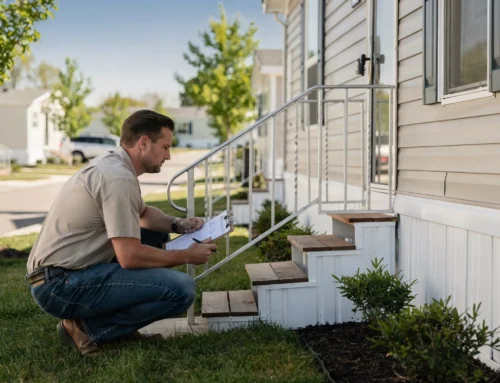
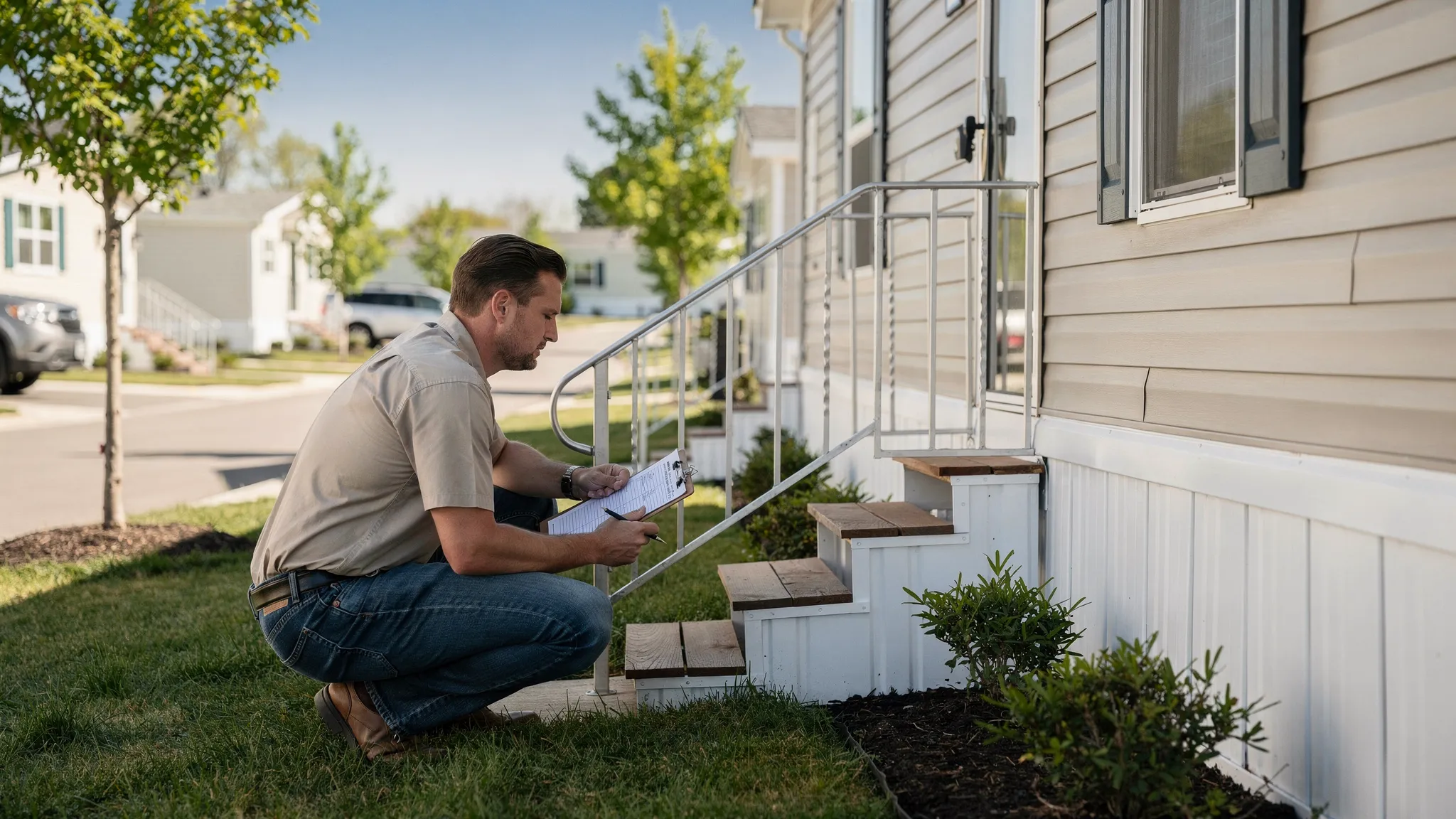
Manufactured and mobile homes can be perfectly safe and comfortable, but deferred maintenance shows up fast if you know where to look.
Inside the home: high-impact checks
Focus on issues that can affect health, safety, and monthly costs:
- Water damage: staining on ceilings, soft floors near tubs/toilets, musty smells
- Electrical: warm outlets, flickering lights, missing outlet covers, overloaded power strips
- Windows and doors: drafts, broken locks, gaps that invite pests
- HVAC: age of the system, filter condition, uneven cooling or heating
- Plumbing: water pressure, slow drains, leaks under sinks, running toilets
- Smoke and CO alarms: confirm they exist and work (especially if gas appliances are present)
If you see signs of chronic leaks or unsafe wiring, it is rarely a “cheap fix” in a rental situation.
Under and around the home: what many renters forget
Mobile homes depend heavily on site conditions.
- Skirting and ventilation: missing panels can lead to pest issues and pipe problems
- Tie-downs and stability: the home should feel solid when walking
- Roof condition: missing shingles, patched areas, sagging spots
- Drainage: standing water after rain can mean future mold and foundation issues
If you are renting in a flood-prone area, use the address to check FEMA’s Flood Map Service Center. It is a fast way to spot elevated risk that can affect safety and insurance costs.
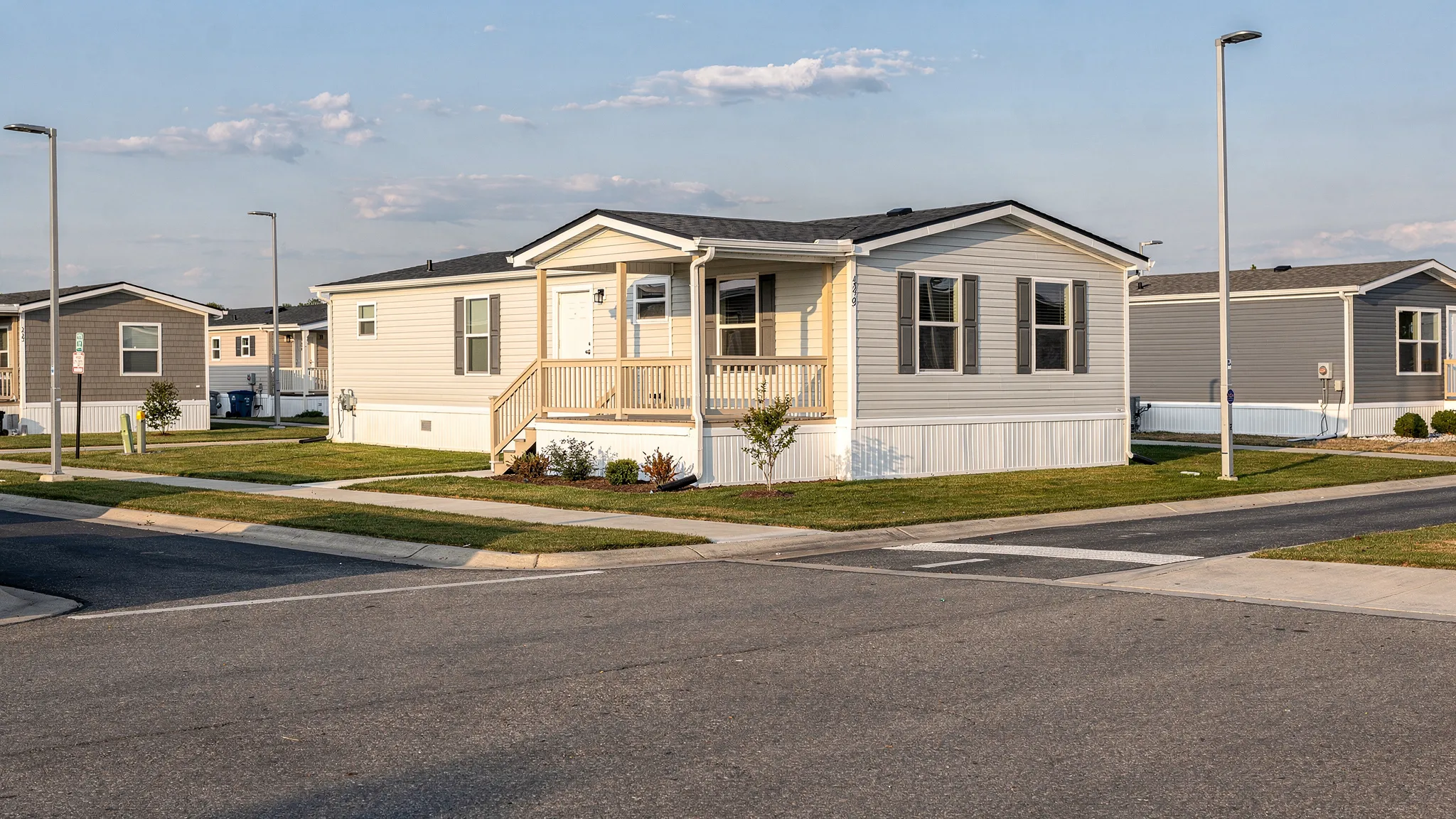
Evaluate the community: safety and upkeep are part of the deal
Even a great-looking unit can become a bad experience if the community is poorly managed.
Signs of a well-run community
- Office hours are posted and calls are returned
- Roads are drivable and well-lit at night
- Trash areas are clean and not overflowing
- Rules are visible and consistently enforced (not arbitrary)
- You see routine maintenance (landscaping, signage, common-area repairs)
A surprisingly practical indicator is how the property handles dust and debris on streets and parking areas, especially near entry roads and common spaces. Many well-managed neighborhoods use professional sweeping contractors for periodic cleanups. If you want a sense of what professional sweeping typically includes (magnetic sweeping, dust control, scheduled service), see an example of street sweeping services and use that as a benchmark for what “maintained” can look like.
Questions to ask current residents (politely)
Keep it simple and specific:
- Are maintenance requests handled quickly?
- Do fees change often or without explanation?
- Is it quiet at night?
- Any recurring issues with water, sewer, or trash pickup?
You do not need gossip. You need patterns.
Read the lease like it is a monthly bill (because it is)
Cheap rent can turn expensive when the lease pushes costs onto the tenant.
Lease items you should be able to point to on paper
- What is included in rent: water, sewer, trash, lawn care, pest control (or not)
- Fee schedule: late fees, returned payment fees, admin fees, amenity fees
- Maintenance responsibilities: who fixes plumbing leaks, HVAC, appliances, skirting, steps, handrails
- Entry rules: how much notice management must give before entering
- Renewal terms: how rent changes are communicated and how much notice is required
- Move-out rules: cleaning standards, carpet charges, pet damage rules, deposit timeline
If you are told “don’t worry, we never charge that,” ask for it in writing. Verbal assurances do not protect you later.
Rent-to-own: when it can help and when to walk away
Rent-to-own can be legitimate, but it is also one of the easiest places for bad actors to hide inflated pricing and unclear ownership.
Protect yourself before signing anything
- Confirm who legally owns the home today and who can transfer title
- Get the full purchase price, not just the monthly payment
- Clarify who pays for major repairs (roof, HVAC, plumbing)
- Make sure your credits toward purchase are clearly defined
If you want a cleaner path to ownership, compare rent-to-own offers against standard manufactured home financing. Homes2Go San Antonio publishes an overview of options like chattel loans and mortgage-style programs on their manufactured home financing page.
Negotiating a safe deal (without being unrealistic)
In many markets, the best “deal” is not always lower rent. It can be fewer fees, better maintenance terms, or improved move-in conditions.
Consider negotiating for:
- A longer lease term with a clearly stated renewal increase cap (if offered)
- Waived admin fees or reduced deposit with strong rental history
- Professional cleaning or pest treatment before move-in
- A written repair list completed before you get keys
If management will not commit to repairs in writing, assume they will not happen.
If you are in San Antonio: renting vs buying may be closer than you think
Some renters start searching for cheap mobile homes for rent because apartments feel overpriced or cramped. In those cases, it is smart to run a parallel plan: keep looking for rentals, but also compare what ownership could cost monthly.
A few factors can make buying more competitive than renting for some households:
- You can lock in a predictable payment (depending on loan type)
- Newer manufactured homes can reduce utility surprises, especially in Texas heat
- You control upgrades and maintenance standards
If you want to explore neighborhoods and community fit first, Homes2Go San Antonio also has a local-focused guide to choosing communities in their mobile home parks roundup and a broader San Antonio buyer guide that explains terminology, placement options, and the move-in process.
A simple “safe deal” checklist to use on every listing
Use this as your repeatable filter so you do not get distracted by pretty photos.
| Category | What to verify | What you want to see |
|---|---|---|
| Identity | Who is renting it and who manages it | A real company or verifiable owner, consistent contact info |
| Showing | Can you tour it | In-person tour or live video walkthrough, no deposit required to view |
| Price clarity | What is included | Written disclosure of utilities, fees, deposits |
| Condition | Water, electrical, HVAC, pests | No active leaks, safe outlets, working HVAC, clean under-sink areas |
| Community | Lighting, roads, trash, rules | Clean common areas, visible maintenance, clear posted policies |
| Lease terms | Maintenance and renewal | Responsibilities spelled out, notice periods clear, no vague addendums |
Bottom line
You can find cheap mobile homes for rent without rolling the dice, but you have to treat the search like a verification project, not a scrolling project. Focus on total monthly cost, insist on a real tour, read the lease for fees and maintenance responsibilities, and trust what the property condition and community upkeep tell you.
If the rental market feels thin or the numbers are close, it is also worth comparing against manufactured home ownership paths so you can choose the option that is truly affordable long term.
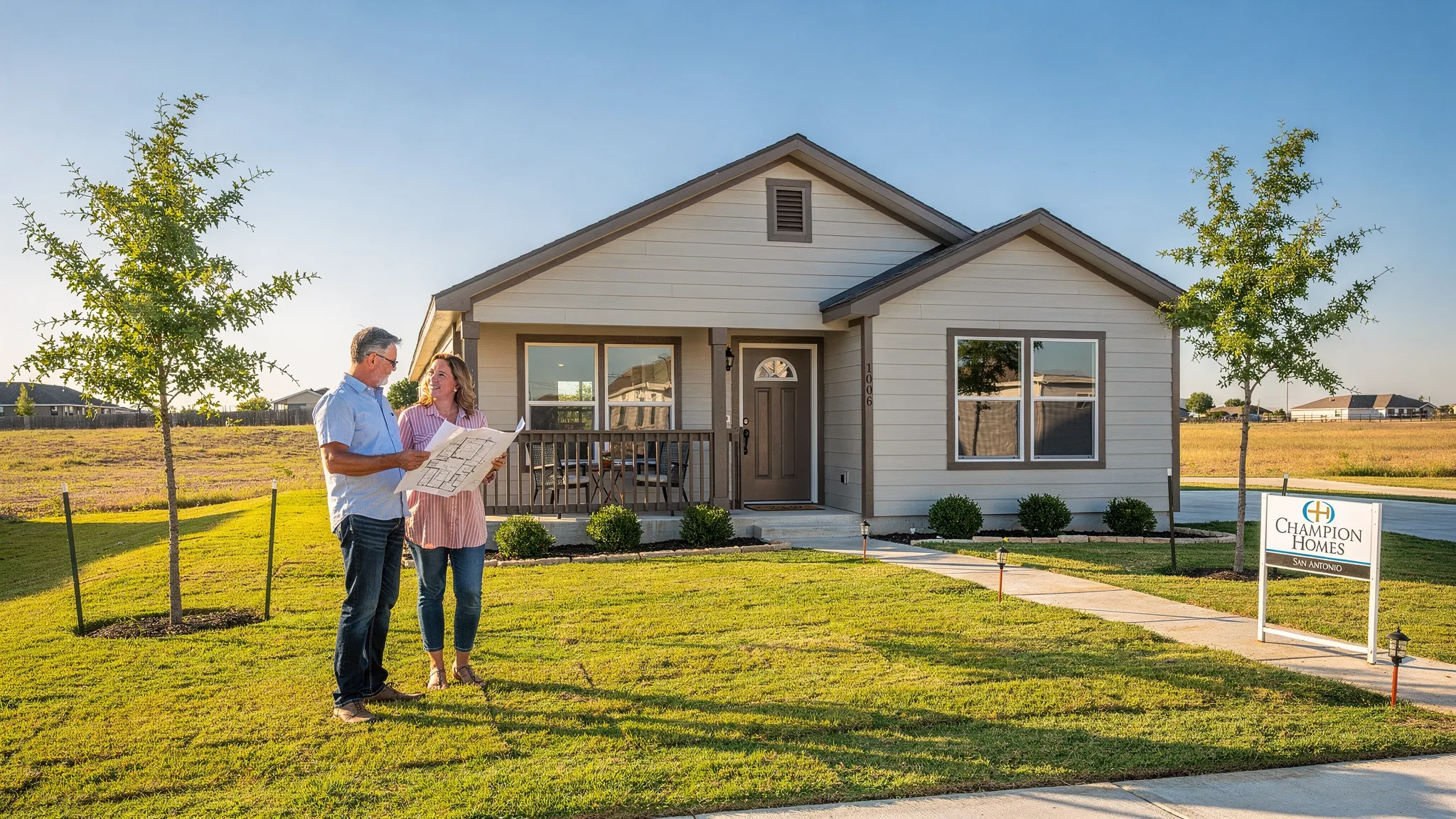
 Champion Homes: Floor Plans, Features, and Value