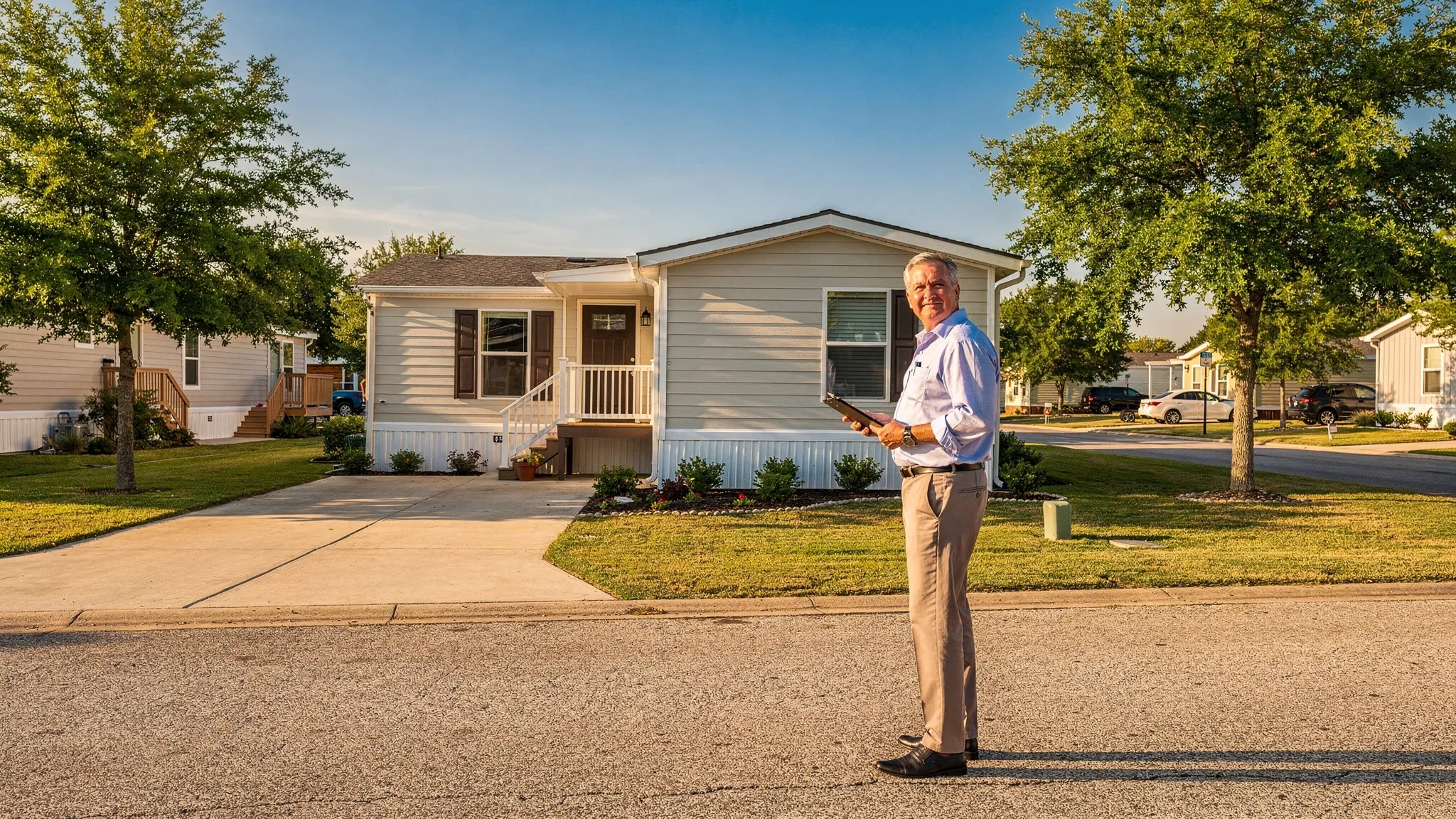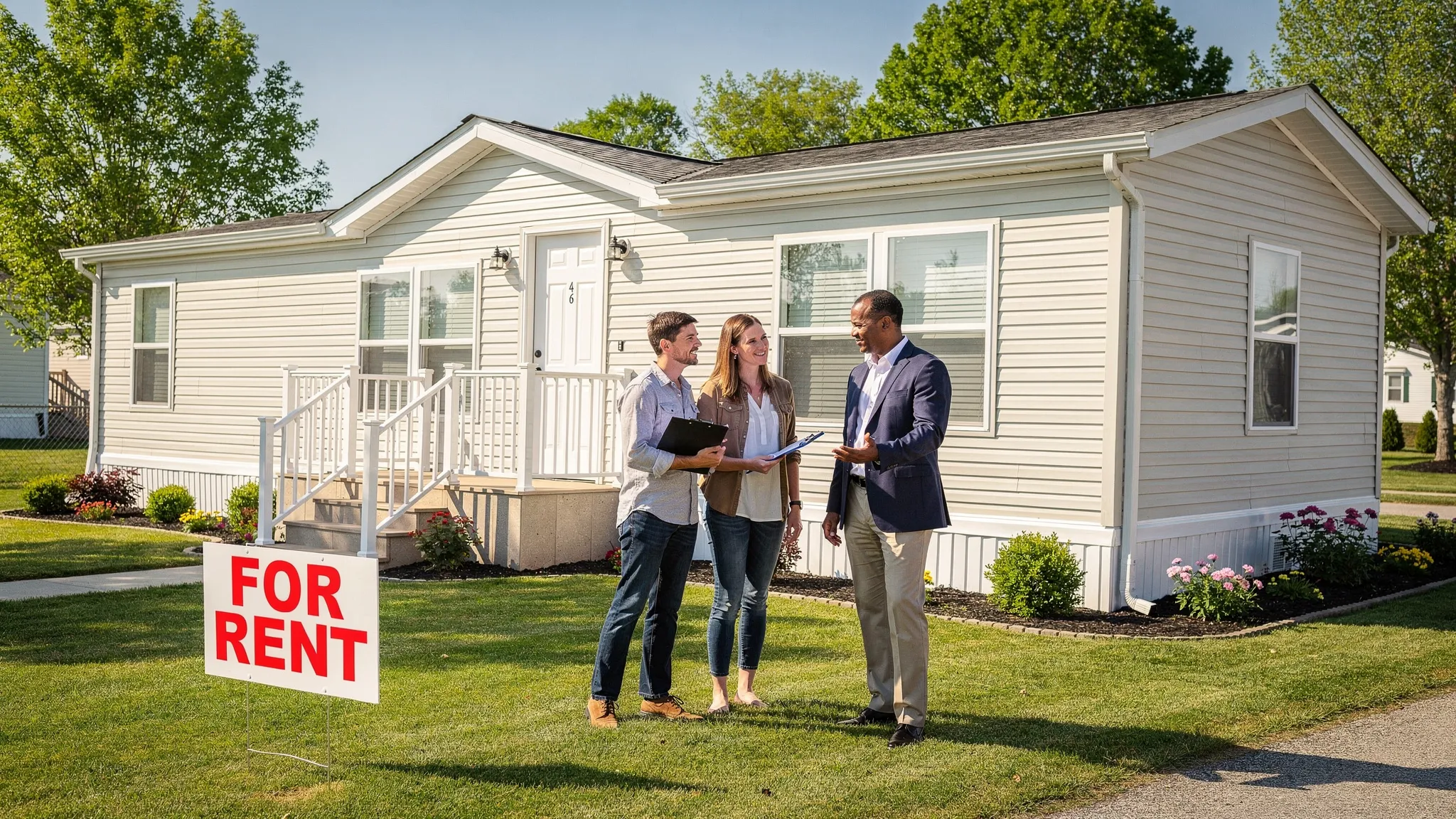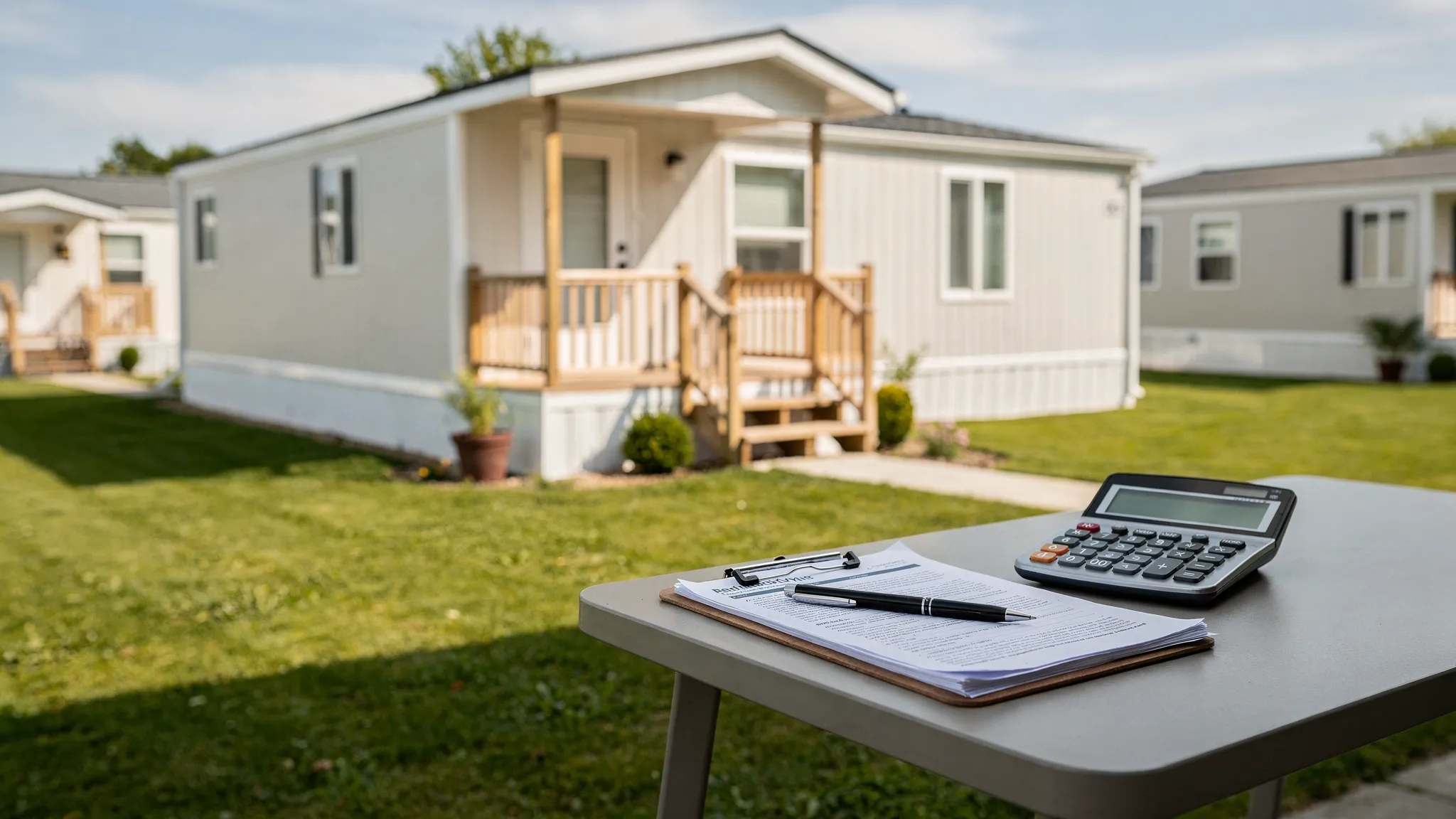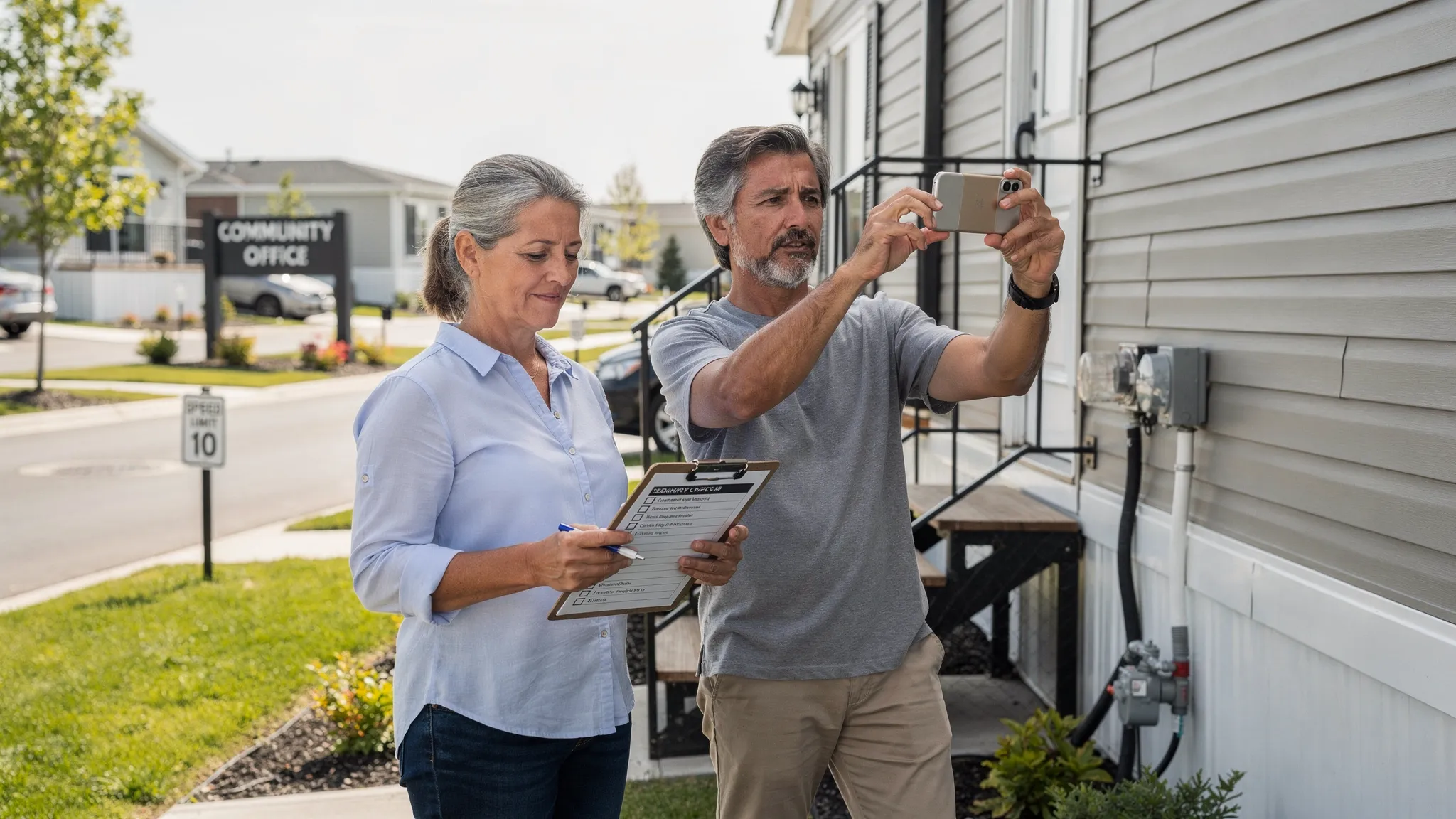

If you are comparing neighborhoods and housing types in the San Antonio area, all age mobile home parks (often called manufactured home communities) can be a practical middle ground. You get the affordability of a manufactured home, plus a built-in community and shared amenities, without needing to buy land.
What surprises many buyers is that the “park” part has its own economics and rules. Lot rent, utility billing, pet policies, and community standards can change your monthly budget and your day-to-day lifestyle as much as the home itself.
What “all age” really means (and what it does not)
An all-age community is open to households of any age, including families with children. That is the key distinction from 55+ communities, which can legally restrict residency to older adults if they meet federal requirements under the Housing for Older Persons Act (HOPA). For background, see HUD’s overview of HOPA and senior housing exemptions.
All-age does not mean “no rules.” Most communities still set standards for:
- Safety and noise
- Vehicle parking and traffic
- Appearance and upkeep
- Pets
- Guest limits and occupancy limits
Because all-age parks serve a wider mix of households (young families, working adults, retirees), rules are often designed to reduce conflicts and protect property values.
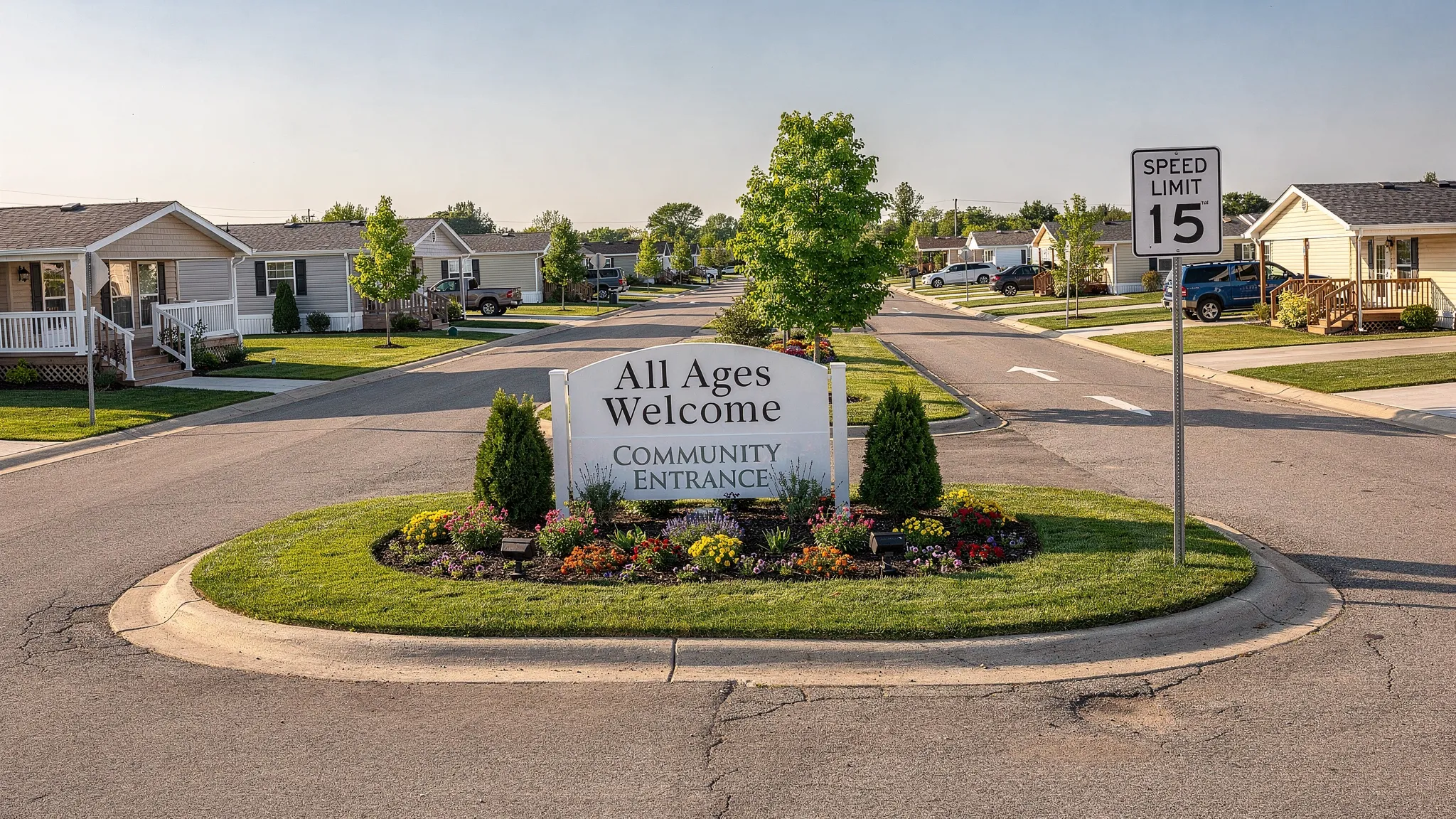
Common rules in all age mobile home parks (what to expect before you apply)
Community rules vary, but many parks use similar categories. The important part is not whether rules exist, it is whether you can live comfortably with them.
Lease and residency rules
Most land-lease communities require a written lease (or lot rental agreement) that spells out rent, due dates, late fees, and community policies. Ask whether you are signing:
- Month-to-month
- Six months
- Twelve months
Longer terms can provide stability, but you should still understand how rent increases are handled at renewal.
Occupancy limits and household changes
Even in an all-age community, management may cap the number of occupants per home based on bedroom count, septic capacity, or community standards. Ask how they handle:
- New baby or custody changes
- Roommates
- Adult children returning home
Home standards and appearance guidelines
Many communities require homes to meet minimum condition standards, especially if you are moving in a used home. You may see rules for:
- Skirting requirements
- Exterior paint condition
- Approved sheds or carports
- Fencing types (or fence restrictions)
- Lawn care responsibilities
These rules can be a benefit if you want a tidy neighborhood, but they can feel restrictive if you prefer a more flexible, “country” setup.
Pets, breeds, and pet deposits
Pet policies are one of the most common deal-breakers for families. Typical questions to ask include:
- Is there a pet limit (number, weight, species)?
- Are there breed restrictions?
- Are there pet deposits or pet rent?
- Are vaccination records required?
If you rely on an assistance animal, it is worth reviewing HUD guidance on assistance animals and reasonable accommodations so you know what documentation may be requested.
Parking, vehicles, and “work truck” rules
Many parks restrict:
- Commercial vehicles with signage
- Trailers, boats, or RV parking
- Inoperable vehicles
If you or a household member uses a work truck, confirm the policy in writing before paying any fees.
Fees and monthly costs: what you really pay in an all-age park
The most common budget mistake is focusing only on the home payment and forgetting the “community” costs. In an all-age park, your monthly housing cost often includes:
- Your home payment (if financed)
- Lot rent (land lease)
- Utilities (sometimes billed by the community)
- Insurance (homeowners or manufactured home policy)
- Maintenance and repairs (home upkeep is usually the homeowner’s responsibility)
Lot rent: what it usually covers
Lot rent can include some combination of:
- Use of the homesite
- Common area maintenance
- Community amenities (clubhouse, pool, playground)
- Trash service
Just as often, utilities are separate or partially separate.
Utilities: direct-billed vs. community-billed
Utility billing is a key “fine print” item. Depending on the community, utilities may be:
- In your name with a local provider
- Billed through the park (sometimes called submetering or allocation)
Neither approach is automatically good or bad. What matters is transparency and how disputes are handled.
One-time move-in and recurring add-ons
Many communities charge some combination of application fees, deposits, or administrative fees. Others add monthly charges for pets, storage, or amenities.
Here is a practical table you can use when comparing parks.
| Cost or fee type | Usually charged | What it may cover | What to ask before paying |
|---|---|---|---|
| Application fee | One-time at application | Background/credit screening | Is it refundable if denied? What criteria matter most? |
| Security deposit (lot) | One-time at move-in | Lease security, damages to community property | What triggers deductions at move-out? |
| Lot rent | Monthly | Homesite lease, common areas | What is included? How often can rent change? |
| Water/sewer | Monthly | Usage charges | Is it submetered, allocated, or flat rate? |
| Trash | Monthly | Waste pickup | Is it optional or mandatory? |
| Pet fee or pet rent | One-time and/or monthly | Pet privilege, admin | Any breed/weight limits? |
| Late fees | When late | Payment enforcement | When is rent considered late, and what are fees? |
| Community amenity fees | Monthly or annual | Pool, gym, clubhouse access | Are they included in lot rent or separate? |
| Home move-in/setup fees | One-time | Administrative or site-related costs | Are there required vendors or installers? |
Tip: Always request a written fee sheet. Verbal answers can be misunderstood, and policies can change.
The approval process: why parks screen residents (and how to prepare)
Most all-age communities have an approval process because they are managing shared infrastructure and neighborhood standards. Screening is also how parks reduce nonpayment risk and address safety concerns.
While every park is different, you may be asked for:
- Government-issued ID
- Proof of income or employment
- Rental history or references
- Credit and background screening authorization
- Pet documentation (vaccinations)
If you are buying a home and placing it in a community, approvals may happen in two tracks: you are approved as a resident, and the home is approved as a unit (size, condition, exterior standards, installation requirements).
Best-fit: who tends to thrive in all-age communities
All-age parks can be an excellent fit, but they are not for everyone. Consider your household priorities.
All-age parks tend to fit best if you want:
- A neighborhood where kids can have peers nearby
- Predictable access to amenities (playground, pool, clubhouse, community events)
- Less land responsibility than a private lot
- A quicker path to move-in than buying land and doing full site development
They may be a mismatch if you need:
- Maximum privacy and no close neighbors
- Space for large equipment, multiple trailers, or frequent mechanical projects
- Freedom to remodel the exterior anytime without approvals
If you think you may want land later, it can still make sense to start in a community and build equity in the home, but you should check resale rules first.
How to choose an all-age mobile home park in the San Antonio area
San Antonio has a wide range of communities, from small, quiet parks to larger, amenity-heavy neighborhoods. Instead of relying only on photos, use a “systems check” approach.
1) Location and daily life
Drive the route you would take on a normal weekday. Pay attention to:
- Commute time to work and school
- Grocery and pharmacy distance
- Road noise and truck traffic
- Whether the area floods or holds standing water after rain
If you are evaluating school logistics, confirm the district boundaries yourself. School lines can be more nuanced than “nearby equals assigned.”
2) Infrastructure and maintenance signals
A 15-minute walk can tell you a lot. Look for:
- Road condition and drainage
- Consistent skirting and tie-down appearance (signs of proper setup and upkeep)
- Street lighting at night
- Lots that appear abandoned or unsafe
3) Management quality (the hidden variable)
In land-lease communities, management practices can make or break your experience. Ask:
- How maintenance requests are handled for community-owned systems
- How rules are enforced (consistently, or selectively)
- How rent increases are communicated
A simple tactic is to visit twice: once during business hours and once in the evening. If possible, talk to residents respectfully about what they like and what they would change.
4) Lease clarity and rent increase expectations
You want clear answers, in writing, to questions like:
- What is the lease term?
- What is the total monthly bill on average (lot rent plus typical utility billing method)?
- Are there required add-on services?
- What happens at renewal?
If a park will not provide the lease and rules until after you pay, that is a reason to slow down.
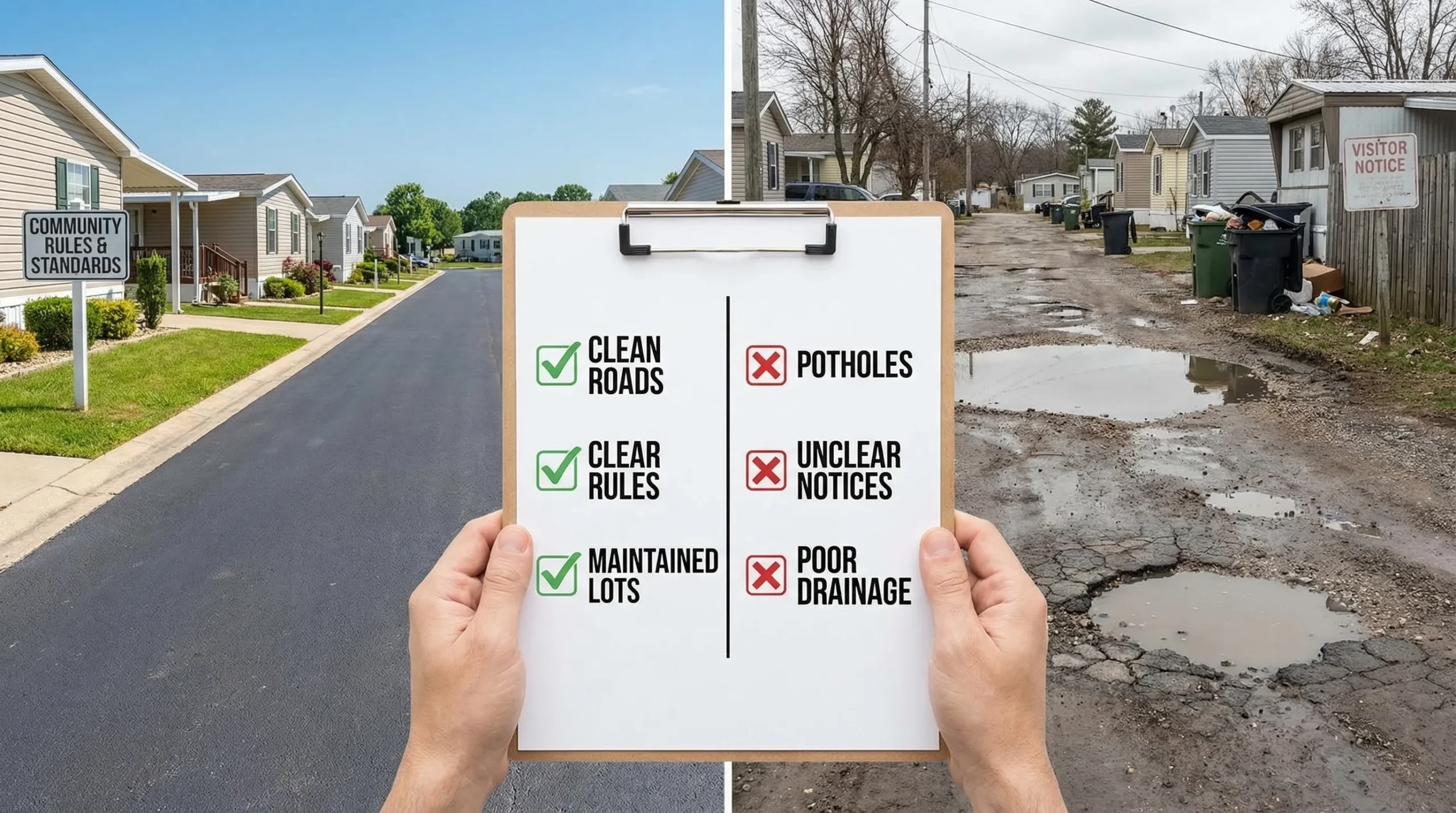
Buying a manufactured home for an all-age park: compatibility checklist
Not every home is automatically accepted in every community. Before you purchase (or before delivery), confirm the park’s requirements for the home itself.
| Home requirement area | Why it matters in a community | What to confirm |
|---|---|---|
| Home size and layout | Lot dimensions and setbacks | Minimum/maximum width and length allowed |
| Age and condition (especially used homes) | Community standards and curb appeal | Any age cap, exterior condition checklist, inspection needs |
| Installation standards | Safety and compliance | Who installs, what inspections are required, tie-down expectations |
| Skirting, steps, and railings | Safety and appearance | Approved materials and required timelines |
| Sheds, carports, fences | Uniformity and setbacks | Permit process, approved types, HOA-style restrictions |
| Utility hookups | Cost and feasibility | Water/sewer connection type, meter location, electrical capacity |
For general manufactured housing basics and how buying differs from site-built, Homes2Go has a broader local guide you can reference: Mobile Homes San Antonio: A Quick Buyer Guide.
Red flags to take seriously
Every community can have a downside, but some issues are consistent indicators of future stress:
- Pressure to sign immediately without time to review the lease and rules
- Unclear utility billing (no explanation of how usage is measured or allocated)
- Frequent ownership or management turnover
- Poor drainage, standing water, or visible sewer issues
- Many abandoned units or unsafe structures
- Rules that feel arbitrary, with inconsistent enforcement
If you see multiple red flags, compare with other all-age parks before committing.
Frequently Asked Questions
Are all age mobile home parks the same as manufactured home communities? In most everyday usage, yes. “Mobile home park” is a common term, but many properties prefer “manufactured home community,” especially for newer neighborhoods.
What is usually included in lot rent? It depends on the community. Lot rent often includes the land lease and common area upkeep, and may include trash or amenities. Water, sewer, and electricity are frequently separate.
Can an all-age park deny my application? Communities often screen applicants using income, background, and rental history criteria. Ask for their written requirements and whether application fees are refundable if denied.
If I own the home, can I sell it later? Often yes, but the process varies. Some parks require buyer approval, have rules about moving the home out, or require updates before resale. Ask about resale rules before you move in.
Do all-age parks allow pets? Many do, but policies vary widely. Confirm limits (number, weight, breed), deposits, and whether there is monthly pet rent.
Is financing different if I place a home in a community? It can be. Some buyers use a chattel loan (home-only financing) when they do not own the land. Homes2Go outlines common options on their manufactured home financing page.
Want help matching a home to the right all-age community in San Antonio?
If you are trying to balance rules, fees, commute time, and home monthly payment, it helps to plan the home and community together.
Homes2Go San Antonio can help you compare manufactured home models, review floor plans, and navigate financing options so you can choose a setup that fits your budget and lifestyle. Start by browsing available homes at Homes2Go SA, or explore their local community research in the Best Mobile Home Parks in San Antonio roundup.
 Oak Creek Homes: Models, Finishes, and Price Expectations
 Mobile Homes Parks Near Me: Compare Lot Rent and Amenities