
San Antonio remains one of Texas’s most in-demand metros, and that demand makes it harder to find a home that fits a real-world budget. The good news is you still have choices in 2026, if you know where to look, which programs to check, and how to compare total monthly cost (not just the sticker price).
This guide walks through the most practical affordable housing options in San Antonio right now, including rental pathways, buyer programs, and ownership alternatives like manufactured homes.
What “affordable” actually means (and why it matters)
Most housing agencies use a simple benchmark: housing is “affordable” if your total housing costs stay around 30% of gross household income. That total usually includes rent or mortgage, property taxes, insurance, utilities, and in some cases HOA or lot rent. HUD explains the framework and how affordability ties to income limits and program eligibility on its site: HUD affordability overview.
Why this matters in practice:
- It helps you compare renting vs buying using the same yardstick.
- It keeps you from “qualifying” for a payment that is technically approved but financially stressful.
- Many assistance programs are tied to income limits based on Area Median Income (AMI).
If you do nothing else before shopping, decide your maximum comfortable monthly housing cost and use that number as your north star.
Affordable housing options in San Antonio (2026)
Below are the most common paths locals use to lower monthly costs. The right pick depends on how long you plan to stay, your credit and savings, whether you need flexibility, and whether you are open to living a little outside the core.
1) Manufactured homes (often the fastest path to ownership)
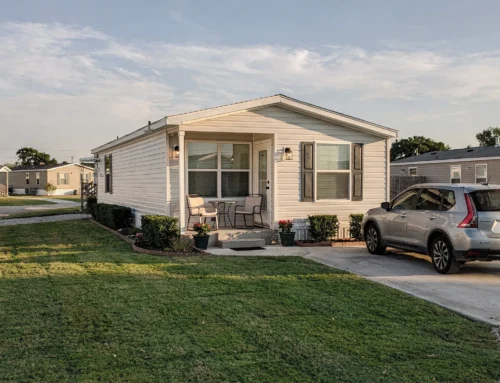
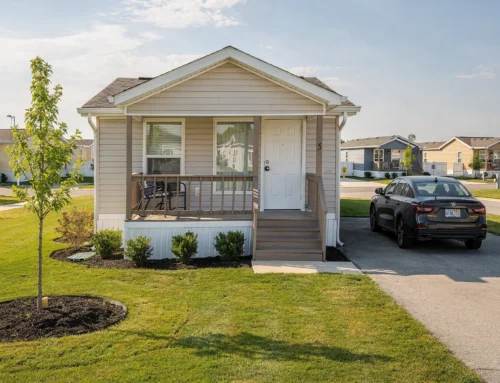
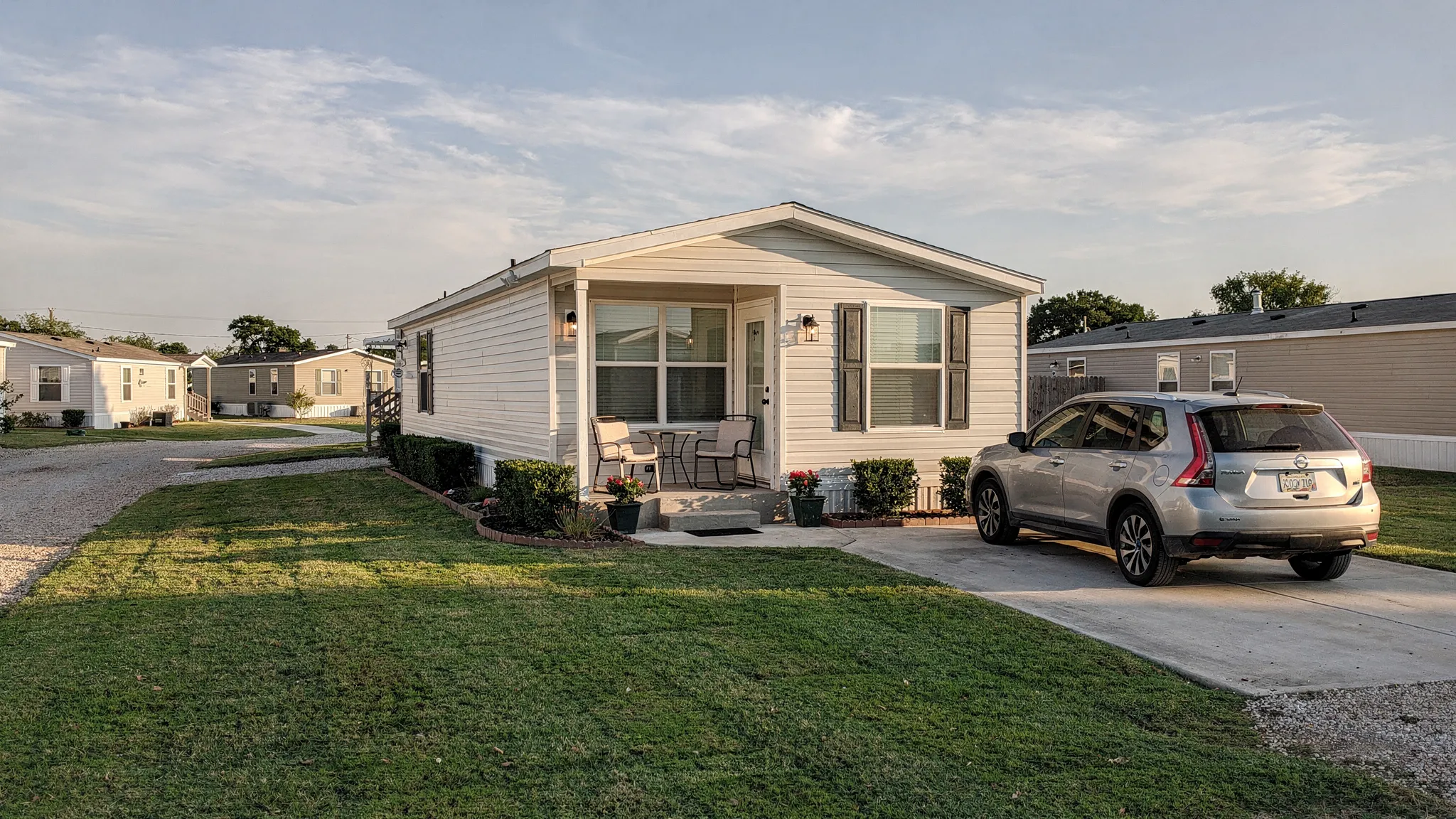
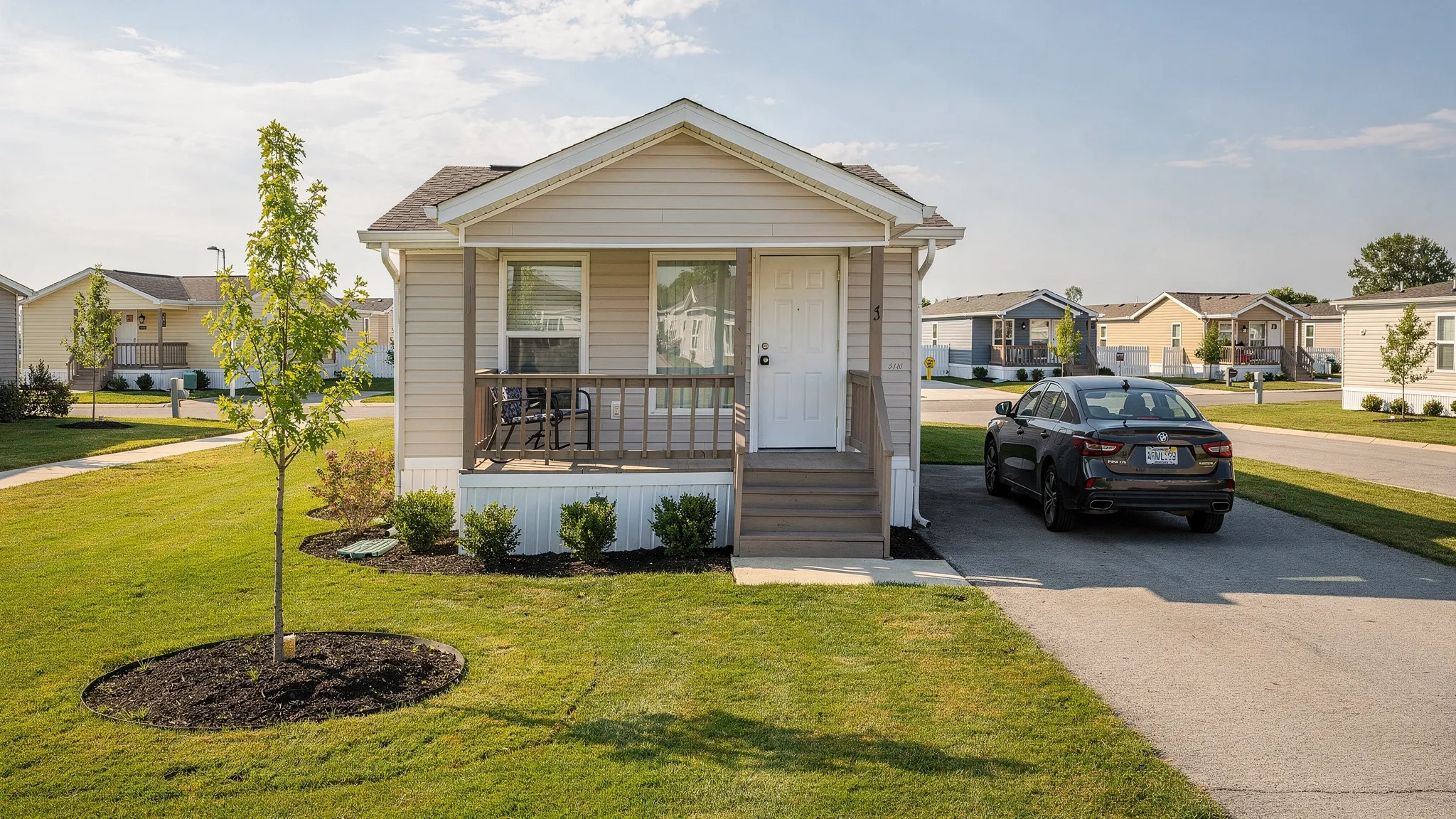
For many buyers, manufactured housing is the most straightforward way to get a newer home, modern interior layouts, and predictable monthly payments without competing for limited entry-level site-built inventory.
In San Antonio, buyers typically choose between:
- Placing a manufactured home on private land (you own the home, and you own or buy the land).
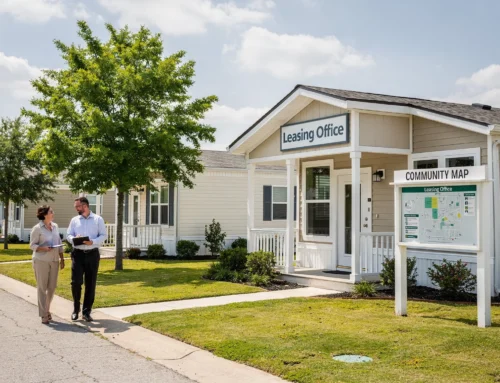
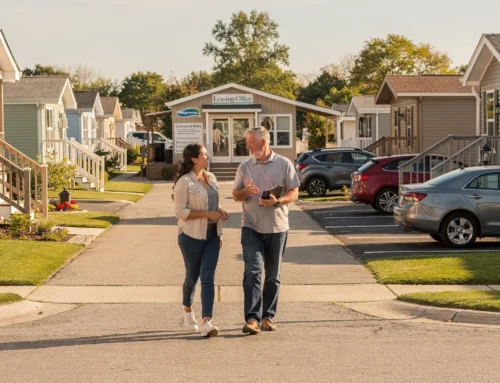
- Living in a land-lease community (you own the home and lease the homesite).
Manufactured homes can be especially attractive if you value:
- More square footage per dollar
- Newer systems (HVAC, plumbing, electrical) compared with older resale housing
- Floor plan variety, including multi-bedroom layouts
If you want a deeper breakdown of what impacts cost (home price, delivery, install, utilities, permits), start here: Manufactured homes in San Antonio: options, prices, and tips.
Homes2Go San Antonio can help you compare models, review floor plans, and understand financing routes with local lending partners. For financing basics (including chattel loans and mortgage options), see: Homes2Go financing options.
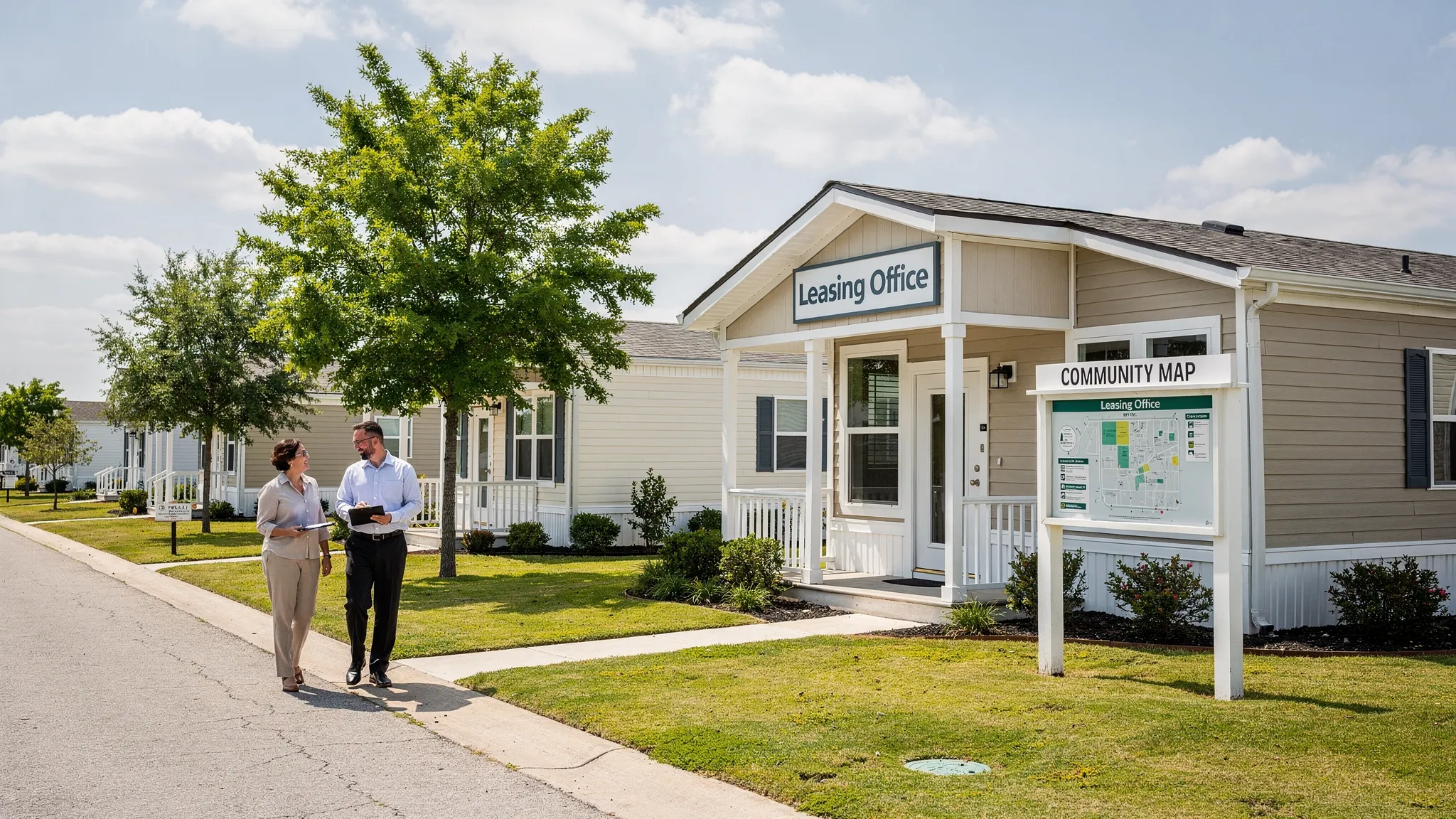
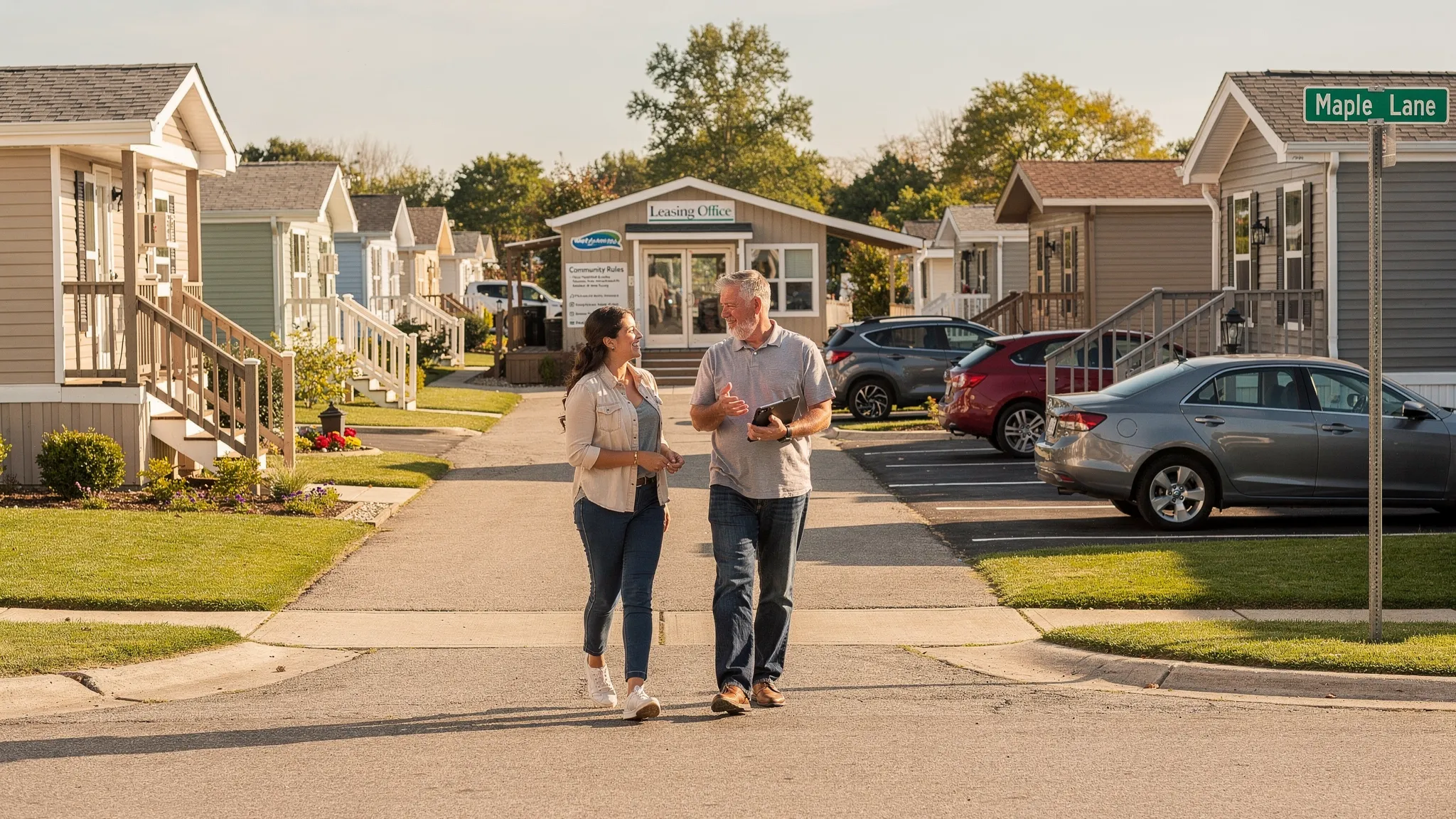
2) Land-lease communities (lower upfront costs, different monthly math)
Land-lease communities can reduce the upfront hurdle because you are not buying land. You typically pay:
- A home payment (if financed)
- Lot rent (often includes some services, depending on the community)
- Utilities (varies)
This can be a good fit if you:
- Want a neighborhood feel and amenities
- Prefer a community that already supports manufactured housing
- Need a lower upfront cost than land purchase + site development
It is also important to compare the long-term math. Lot rent changes over time, so ask how increases are handled and what your lease terms are.
If you are exploring communities, this roundup can help you build a tour list and questions to ask: Best mobile home parks in San Antonio.
3) Older resale homes (potentially affordable, but budget for repairs)
San Antonio has neighborhoods with older housing stock that can look affordable on price alone. The catch is that older homes can shift costs from the purchase price to:
- Deferred maintenance (roof, HVAC, foundation, plumbing)
- Higher utility bills (insulation, windows, duct leakage)
- Renovation timelines and cash needs
If you go this route, treat the inspection as a budgeting tool. Ask contractors for real quotes early, not “someday” estimates.
4) Condos and townhomes (trade yard space for price and location)
Condos and townhomes can offer a lower purchase price than a detached home in the same area. The common trade-offs are:
- HOA dues (and special assessments)
- Rules around rentals, parking, and renovations
This option is strongest when you want closer-in living and can find an HOA with solid reserves and clear financials.
5) Duplexes, fourplexes, and “missing middle” rentals
If you are renting, do not overlook small multifamily properties. A well-managed duplex or fourplex can be:
- More affordable than large apartment complexes in the same area
- Quieter, with fewer shared walls and smaller parking demand
This is also a viable owner strategy if you can buy a small multifamily property and live in one unit, depending on financing and availability.
6) Housing Choice Voucher (Section 8) and local housing support
If your income qualifies, federal rental assistance can be the most direct way to reduce monthly housing cost. In the San Antonio area, the main starting point is the local housing authority:
Program availability can depend on funding and waiting lists, so it is smart to check early, keep documentation organized, and respond quickly to updates.
7) First-time buyer and down payment assistance programs
Down payment and closing cost help can move you from “almost ready” to “ready,” especially if your income is steady but savings are thin.
A reliable place to start researching Texas programs is:
Also consider working with a HUD-approved housing counseling agency to review your budget and loan options:
Important: assistance programs have specific rules about credit, income limits, homebuyer education, property standards, and how long you must live in the home.
8) USDA loans in the outskirts (if you are open to a longer commute)
USDA Rural Development loans can offer favorable terms for eligible buyers in qualifying areas outside the urban core. Eligibility depends on location and household income.
- USDA Rural Development housing programs
This can pair well with manufactured housing placed on eligible land, depending on the property and loan structure.
9) VA loans for eligible veterans and service members
If you qualify, VA loans can be one of the strongest affordability tools because they are designed to reduce barriers to ownership.
Your lender can confirm eligibility, and you should still compare total monthly cost (taxes, insurance, HOA or lot rent).
10) Nonprofit and shared-equity paths (limited supply, strong impact)
In some cases, nonprofits, community land trusts, or shared-equity programs provide below-market purchase opportunities. These can be excellent for long-term stability, but inventory is typically limited and resale rules apply.
If you see a program that looks promising, read the resale restrictions carefully so you understand how equity growth works.
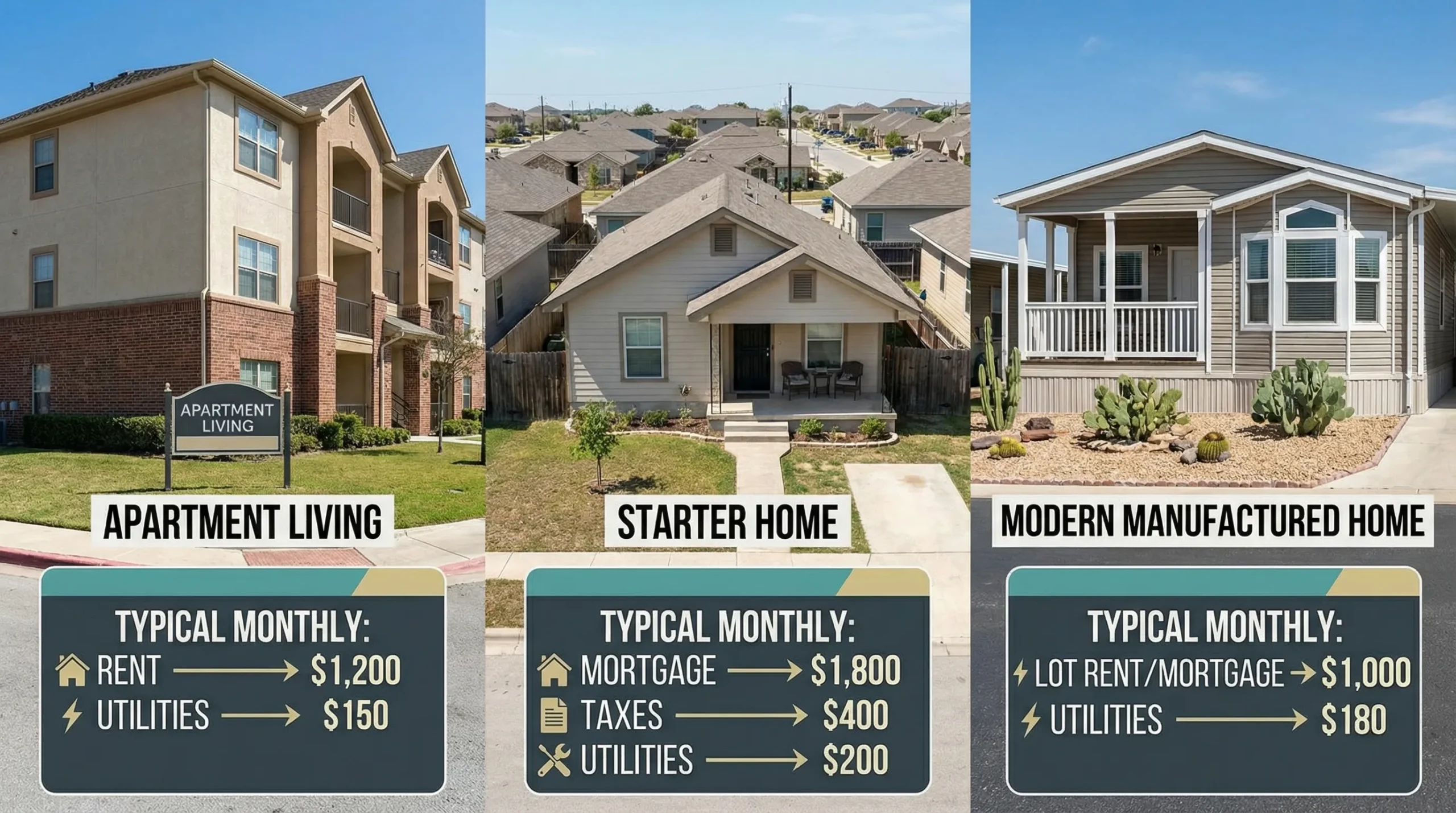
Compare options using the monthly payment, not just price
Different housing types bundle costs differently. An apartment might include some utilities. A condo might add HOA dues. A manufactured home in a community may add lot rent.
Use this simplified comparison to frame your decision.
| Option | Best for | Costs to model carefully | Common trade-offs |
|---|---|---|---|
| Apartment rental | Flexibility, minimal maintenance | Rent increases, fees, utilities | Less control, no equity |
| Older resale home | Buyers who can manage repairs | Repairs, insurance, utilities | Surprise maintenance, renovation time |
| Condo/townhome | Location and lower price vs detached | HOA dues, assessments | HOA rules, shared walls |
| Manufactured home on private land | Ownership with space and newer systems | Land cost, site work, install, taxes, insurance | Land search, setup timeline |
| Manufactured home in a community | Lower upfront vs buying land | Lot rent terms, utility responsibility | Lot rent changes, community rules |
| Voucher-assisted rental | Lowest monthly burden if eligible | Program timing, paperwork | Waiting lists, unit availability |
If you want a quick rule: pick the path where the worst-case month still fits your budget (for example, higher summer utilities, insurance renewals, or rent increases).
A 2026 checklist to avoid “payment shock”
Affordability problems often show up after move-in. These steps reduce surprises.
Build your “all-in” housing number
Before touring homes, estimate:
- Monthly payment (rent or mortgage)
- Property taxes (if buying)
- Homeowners insurance (or renters insurance)
- Utilities (electricity is a big line item in South Texas)
- HOA dues or lot rent (if applicable)
- Maintenance reserve (many homeowners aim to set aside something monthly)
For buyers comparing energy costs, newer manufactured homes can be compelling. If energy efficiency is a priority, this guide explains what to look for in a Texas-friendly way: Energy-efficient manufactured homes (San Antonio).
Get pre-approved early (and ask the right questions)
A pre-approval is more than a letter. Use it to learn:
- Which loan types you qualify for (and what changes your rate)
- Required cash to close
- Whether the home type affects financing (for example, manufactured home classification can matter)
If manufactured housing is on your shortlist, it also helps to understand the difference between land-home financing and home-only financing. Homes2Go breaks down common paths here: Manufactured home financing in San Antonio.
Verify location risks before you commit
In and around San Antonio, location impacts more than commute time. Before you sign:
- Check flood risk and drainage history
- Confirm utility availability (especially on land purchases)
- Ask about road access and easements
If you are considering a land and home setup, this step-by-step overview is helpful for planning timelines and avoiding delays: Land and home packages in San Antonio.

When manufactured homes are the “most affordable” choice (and when they are not)
Manufactured homes tend to win on affordability when:
- You want a newer home but your budget does not match nearby site-built prices
- You can find land that fits your budget, or a community with reasonable lot rent
- You value predictable systems and lower near-term maintenance compared to older resales
They may be a tougher fit when:
- Land prices or site work costs push the total beyond what a resale home would cost
- You need to be in a very specific school zone where land is scarce
- You are not comfortable with the setup timeline (permits, utility connections, installation)
A good shopping process is to compare two scenarios side by side: a “typical” older resale and a manufactured home scenario that includes land or lot rent, setup costs, and utilities.
Local next steps (a practical plan for this week)
If you want to move from browsing to action, focus on a short sequence:
- Set a monthly housing budget using the 30% guideline as a reference.
- Pull your credit and correct errors (small fixes can change loan terms).
- Check eligibility for assistance programs through TDHCA and local resources.
- Tour at least two categories of housing (for example, an apartment and a manufactured home community, or a resale home and a manufactured model).
If manufactured housing is on your shortlist, Homes2Go San Antonio can walk you through models, floor plans, and financing options with trusted local lenders, without guesswork. You can start by exploring financing basics here: Homes2Go San Antonio financing.
 FHA Loan and Manufactured Home: What Qualifies
 Trailer Home Parks Near Me: How to Compare Communities