
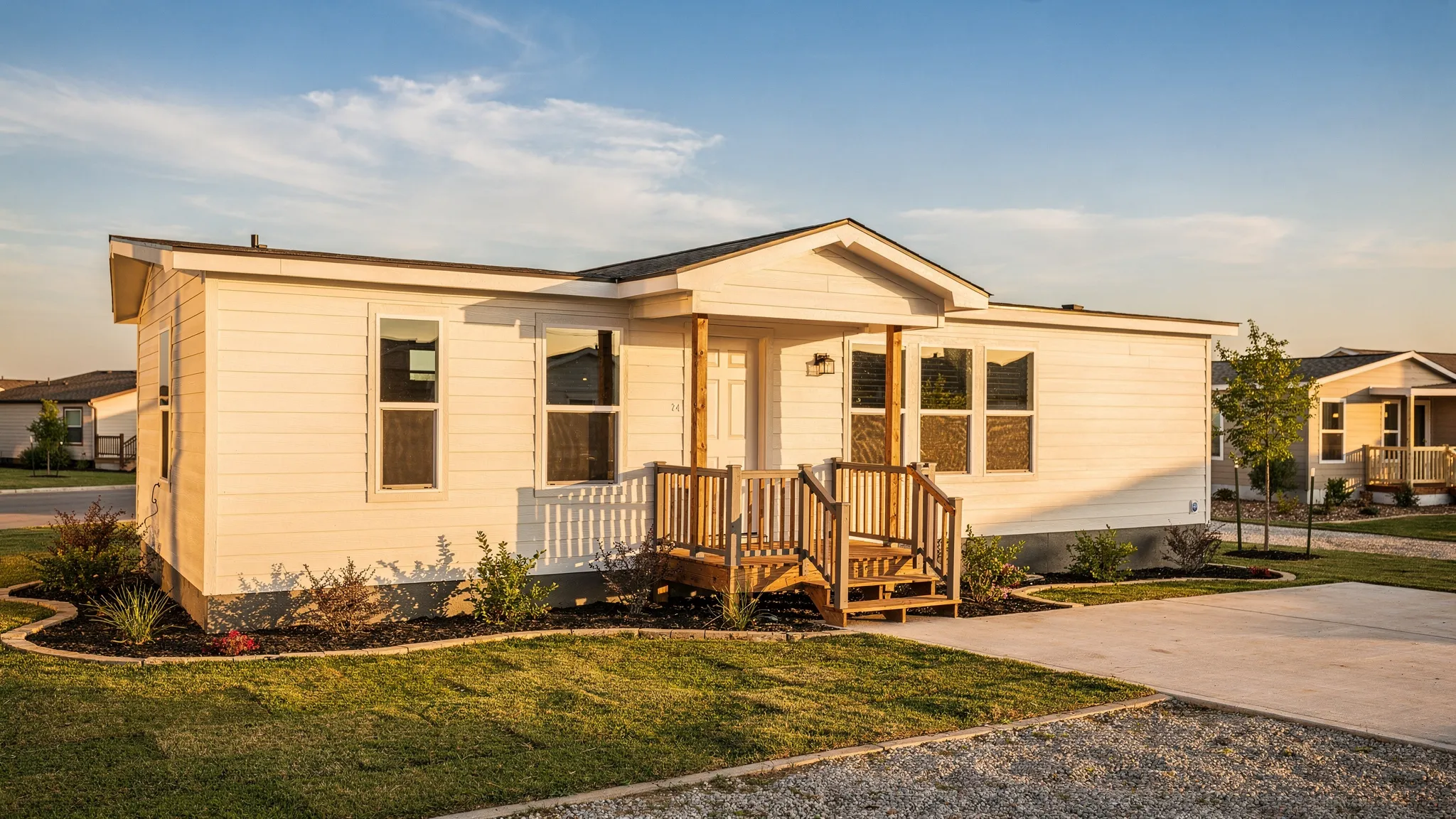
Housing costs have made “starter home” feel like a disappearing category in many Texas markets. That is exactly why more buyers are taking a serious look at affordable manufactured homes: you can often get a newer, more spacious home with modern finishes for a monthly payment that fits real-life budgets.
But “affordable” is not just about the sticker price. The real win is getting more for less: choosing the right floor plan, putting money into the upgrades that matter, understanding financing, and avoiding surprise costs that show up between “I love this model” and move-in day.
What “get more for less” actually means in manufactured housing
Manufactured homes are built to the federal HUD Code, which sets standards for design, construction, strength, durability, transportability, fire resistance, energy efficiency, and quality. (If you want the official definition and the why behind the standards, start with HUD’s manufactured home program overview).
When buyers say they want “more,” they usually mean a few practical things:
- More usable space for the budget (bedrooms, storage, bigger living areas)
- More move-in ready features (modern interiors, updated kitchens, efficient HVAC)
- More predictability in build quality and timelines (factory-controlled construction)
- More control of monthly costs, especially utilities in South Texas heat
The “less” side is just as important: less wasted space, less financial friction, and fewer expensive surprises.
Where the savings often come from (and where they don’t)
Manufactured housing is typically more cost-efficient than comparable site-built construction because much of the work happens in a factory environment with repeatable processes, protected materials, and streamlined labor scheduling. In plain English, you are often paying for the home itself, not as much for weather delays, jobsite inefficiency, or fragmented subcontracting.
That said, manufactured housing is not “cheap” in the sense of cutting corners by default. The value comes from efficient production plus smart buying decisions.
Here are the most common places affordability can be won or lost:
1) The home price vs the move-in price
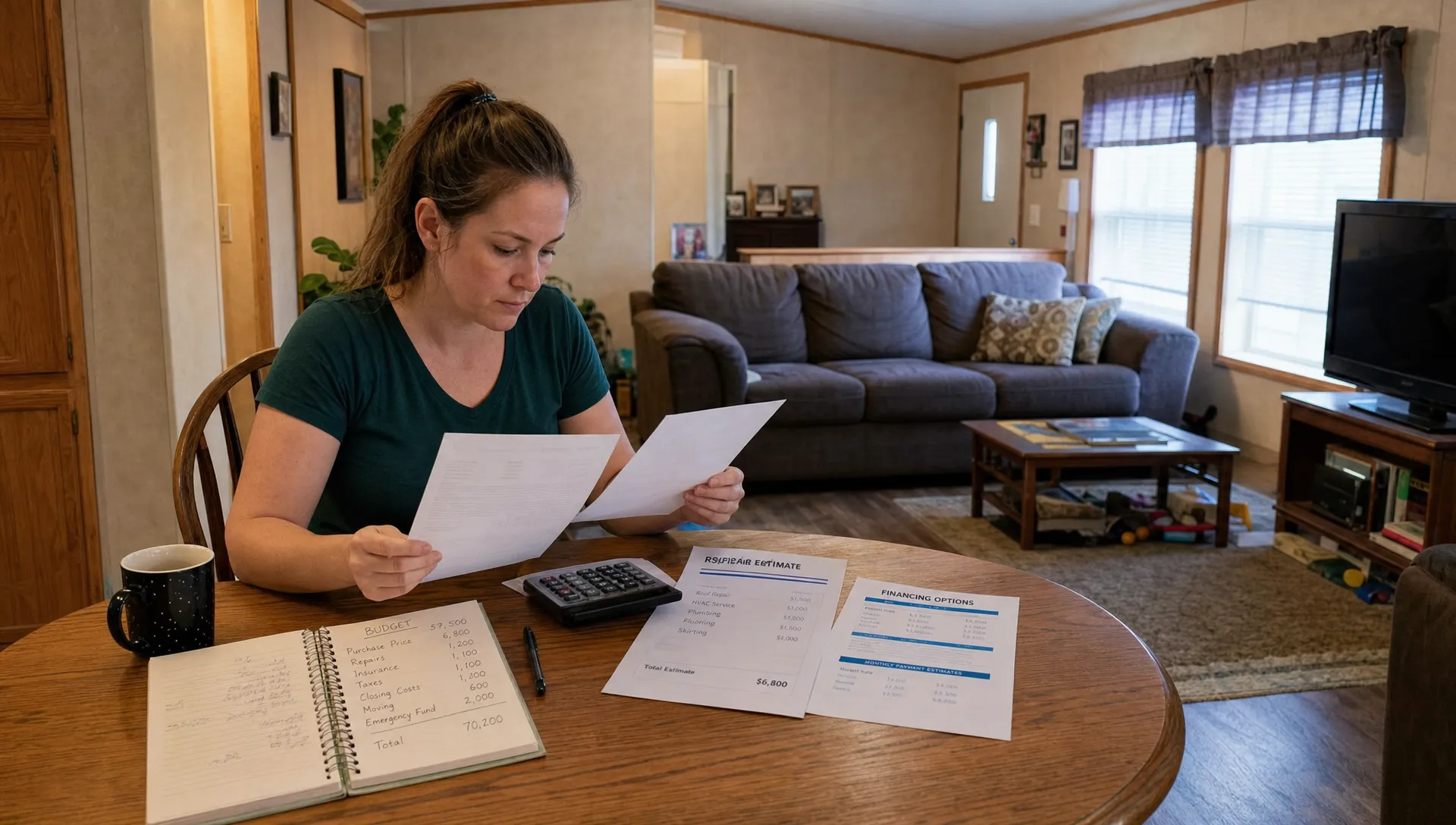
Many first-time buyers focus on the base price of a model and get blindsided by everything required to make it livable on a specific site. You will make better decisions faster when you ask for an itemized estimate that reflects your real placement plan.
Here is a high-level view of what can affect your all-in budget (exact items vary by property, county, and installation needs):
| Cost area | What it covers | Why it matters for affordability |
|---|---|---|
| Home + options | Model price and selected upgrades | Most visible cost, but not the full picture |
| Delivery/transport | Moving sections from plant to site | Distance and access can change costs |
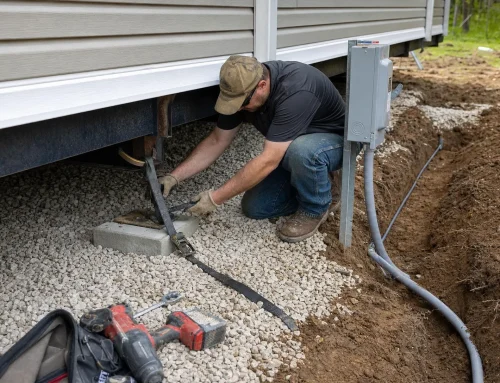
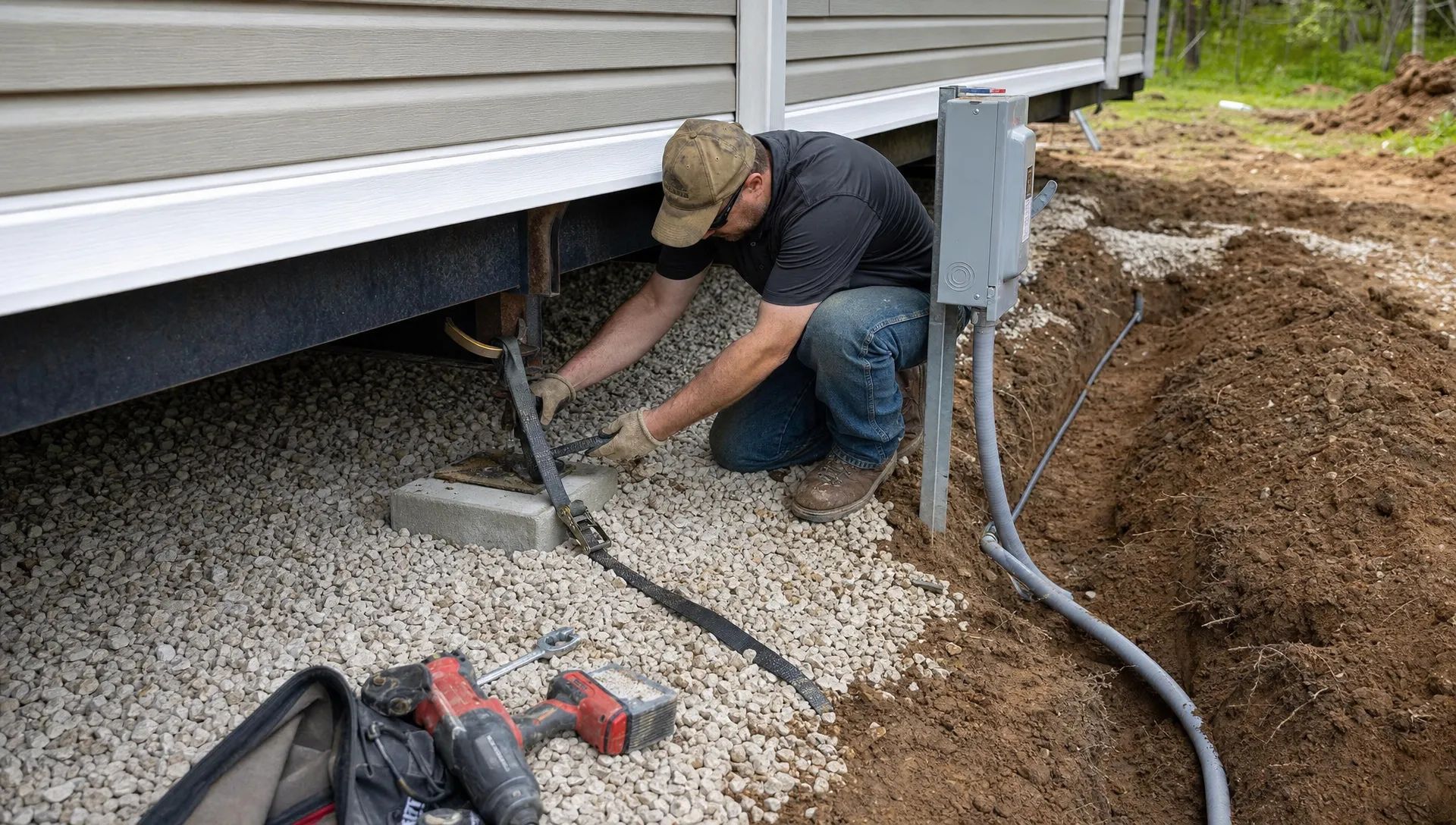
| Installation/setup | Set, level, tie-downs, finish work | Critical for safety, performance, and code compliance |
| Foundation type | Pier-and-beam or other approved systems | Impacts long-term stability and financing eligibility |
| Site work | Pad, grading, driveway, drainage | Common source of surprise overruns |
| Utilities | Water, electric, septic/sewer, gas | May require trenching, permits, or new equipment |
| Permits/inspections | Local approvals and required inspections | Timing and fees vary by location |
| Insurance/taxes | Homeowner coverage and property taxes | Affects monthly payment and lender requirements |
If you want a deeper local walk-through of the buying process in the San Antonio area, Homes2Go SA also breaks down steps and common mistakes in their mobile home buyer guide for San Antonio.
2) Monthly cost is often the true “price”
Two homes with the same purchase price can feel wildly different month-to-month depending on:
- Loan type and term
- Land situation (lot rent vs land ownership)
- Utility efficiency (insulation, windows, HVAC)
- Insurance and tax structure
If your goal is to “get more for less,” treat your total monthly payment as the main target, and the home model as the tool to hit it.
How to choose a home that feels upgraded without overspending
The best value plays in manufactured housing are usually about layout and performance, not luxury add-ons that look great in a showroom but do little for daily life.
Prioritize layout that eliminates wasted square footage
A well-designed 1,100 to 1,400 square foot layout can live bigger than a larger home with:
- Long hallways
- Formal rooms you will not use
- Undersized closets and laundry areas
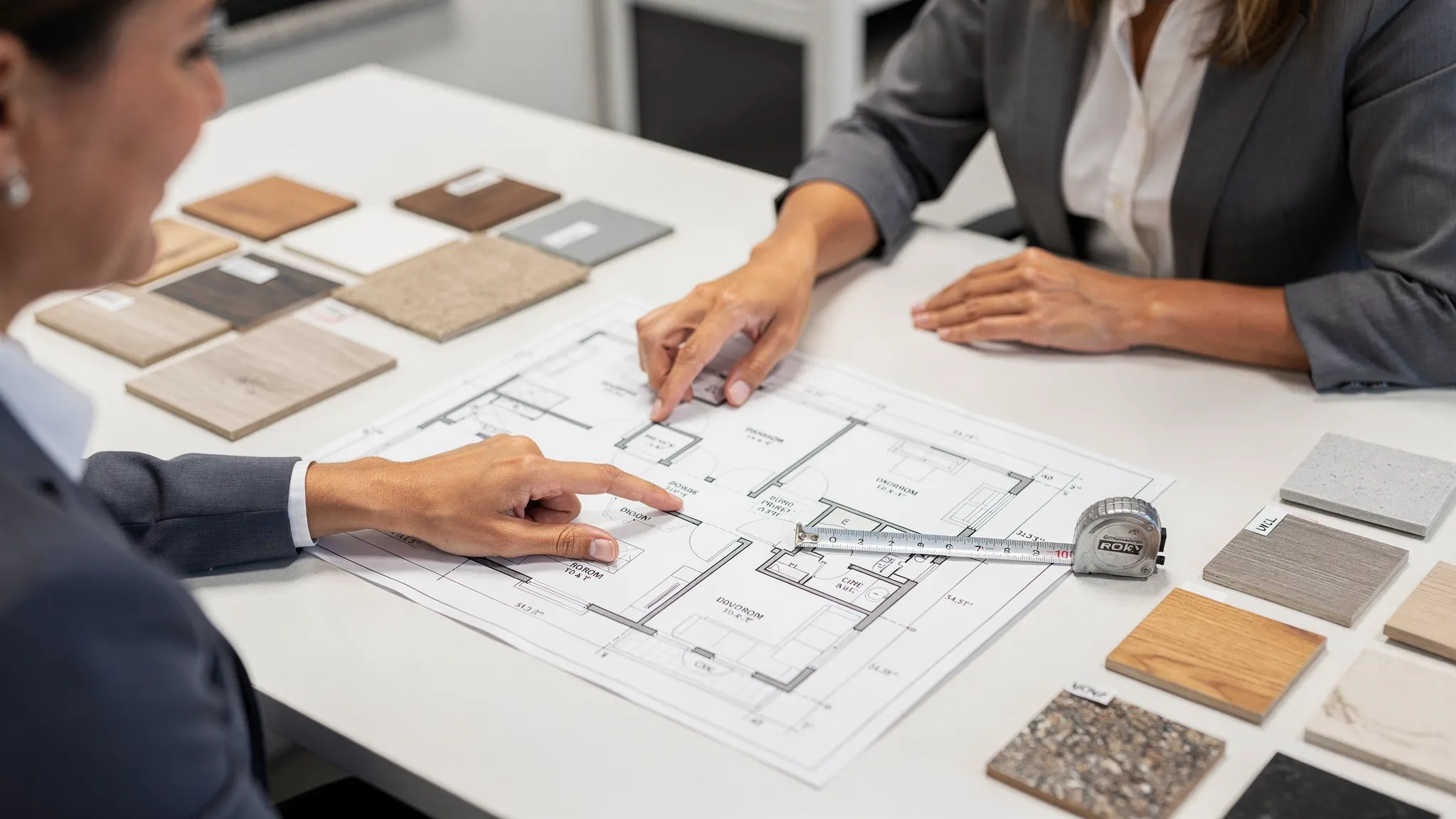
When touring floor plans, ask yourself one question: Will this home still feel functional when life gets busy? That often points you toward smart essentials like pantry storage, a real utility space, and bedroom separation.
Put money into upgrades that reduce ongoing costs
In South Texas, comfort and energy bills are not small concerns. If you are choosing where to spend, upgrades that improve building “envelope” performance often age the best.
Homes2Go SA has a full Texas-focused breakdown of what to look for in efficient builds in Energy-efficient manufactured homes: save more in Texas heat.
To make the decision easier, here is a practical way to think about common options.
| Upgrade category | Why it can be worth it | When it might not be |
|---|---|---|
| Insulation and air sealing | Improves comfort and can lower cooling demand | If you rarely run HVAC (uncommon in South Texas summers) |
| Quality windows | Reduces heat gain and drafts | If shaded site placement already solves most solar exposure |
| Efficient HVAC and duct sealing | Better runtime efficiency and airflow | If the home size is small and basic equipment is already right-sized |
| Durable roofing/materials | Can reduce maintenance and weather-related headaches | If you plan to relocate the home quickly (short holding period) |
| Practical interior upgrades | Cabinets, fixtures, flooring that withstand daily use | If you are paying mainly for aesthetics, not durability |
The guiding principle: spend on what you cannot easily change later (envelope, windows, core systems), be cautious about expensive cosmetic packages you could update gradually.
Financing: the fastest way to “get more” without stretching your budget
Affordability is not only the home price. It is the structure of your financing and how well it matches your placement plan.
Manufactured home financing commonly falls into two broad buckets:
Chattel loans (home-only)
Often used when the home is placed in a land-lease community or when the buyer does not own the land. These loans can close faster and fit certain situations well, but terms and rates can differ from traditional mortgages.
Mortgage-style financing (land + home)
If you are buying land (or already own land) and the home is permanently installed, you may qualify for financing that looks more like a standard home mortgage, depending on eligibility and lender requirements.
For a consumer-friendly overview of manufactured housing finance considerations, the Consumer Financial Protection Bureau (CFPB) is a solid starting point.
Practical ways to improve affordability through financing
Rather than chasing a “perfect rate,” focus on the levers you can control:
- Clarify your placement plan early (community vs private land). Financing options can change based on this.
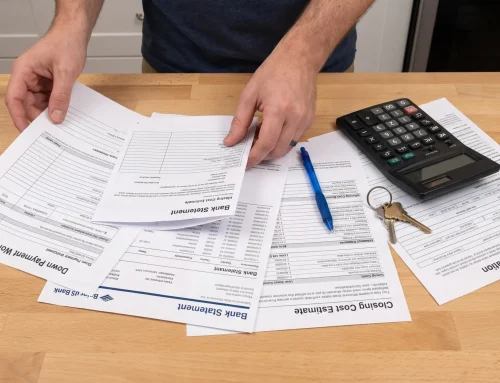
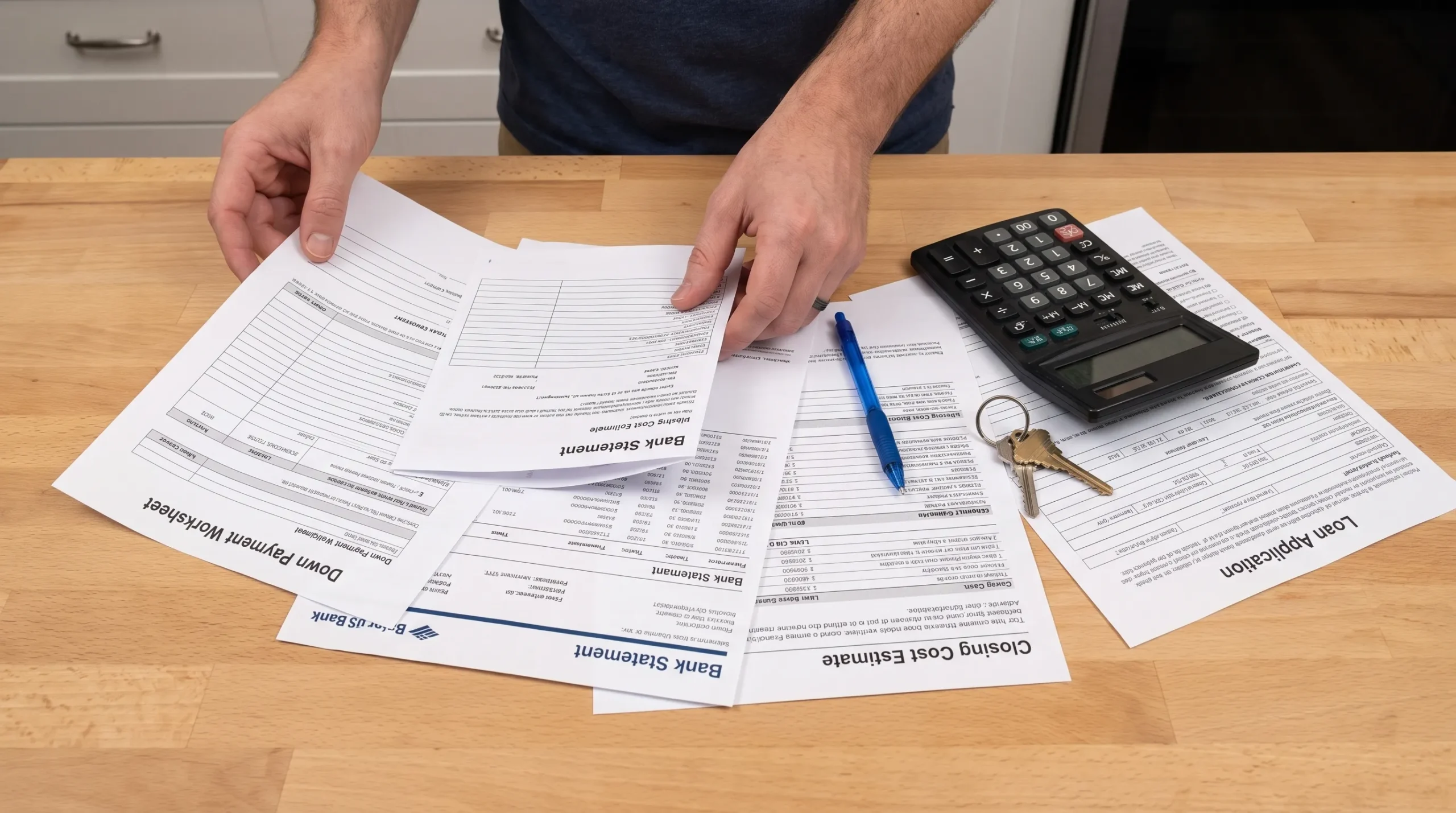
- Reduce uncertainty for the lender by gathering documents up front (income, employment, ID, debt statements).
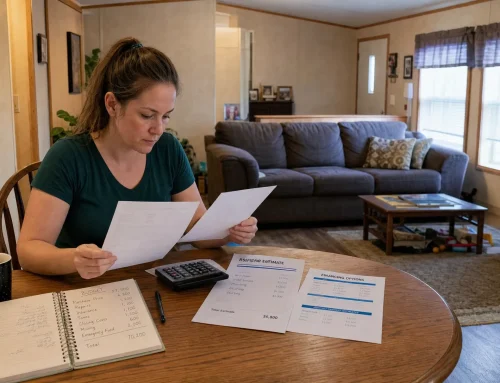
- Avoid payment shock by estimating insurance, taxes, and lot rent (if applicable) before you choose a model.
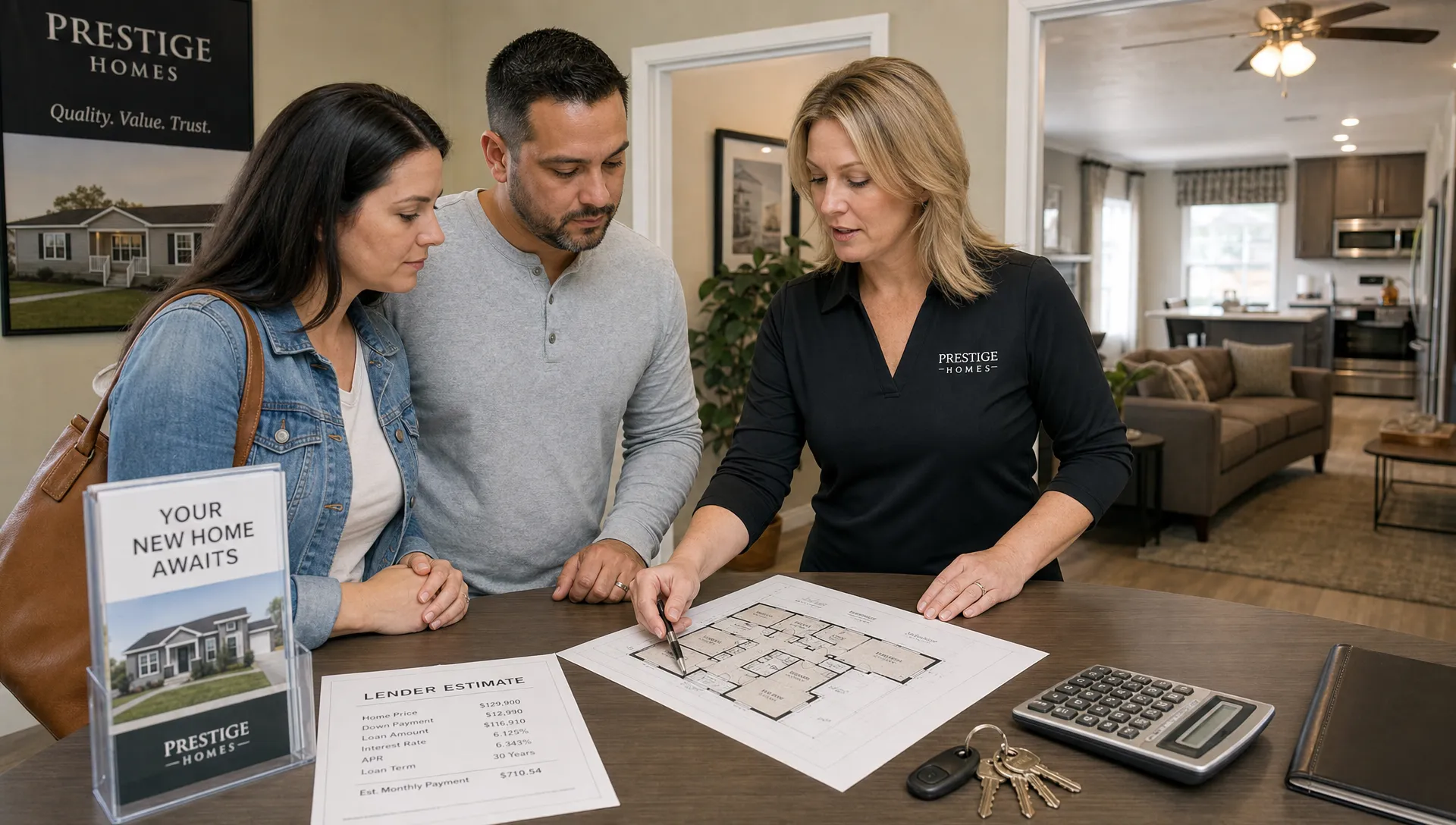
- Ask for scenarios: “If I put down X vs Y, what changes in payment?”
Homes2Go SA highlights that they work with trusted local lenders and support first-time buyers, which can be especially helpful when you are comparing options and trying to balance down payment, monthly payment, and move-in timing.
Land choices that change your budget more than the model does
Many buyers assume the home model is the biggest decision. In reality, your land situation often drives the long-term financial picture.
Community living (land-lease) vs private land vs land-and-home packages
Each path can be affordable, but they are affordable in different ways.
| Placement option | Typical affordability advantage | What to budget carefully |
|---|---|---|
| Land-lease community | Lower upfront cash compared to buying land | Lot rent, community rules, approval process, included utilities |
| Private land you own | More long-term control and potentially different financing options | Site work, utilities, zoning, access, drainage |
| Land-and-home package | Convenience and coordination, fewer “unknowns” | What is included in the package vs still your responsibility |
If you are still deciding which direction makes sense in the San Antonio area, these Homes2Go SA resources can help you compare:
- Land-and-home packages in San Antonio: complete guide
- Best mobile home parks in San Antonio (roundup)
How to shop smarter so you don’t accidentally pay more
The best “get more for less” strategy is to compare homes the way lenders, installers, and experienced buyers do: by isolating what is included, what is required, and what is optional.
Questions that protect your budget
Use these questions when comparing quotes from any retailer or when narrowing models:
- What is included in the quoted price (delivery, setup, skirting, steps, AC, appliances)?
- What site work is assumed, and what site work is excluded?
- What foundation/installation method is planned, and who is responsible for permits and inspections?
- What warranties apply, and what is the service process if something needs adjustment after move-in?
- What is the estimated timeline from order to move-in, assuming permits and site readiness?
This is not about being difficult. It is about making sure you are comparing apples to apples.
Avoid the “lowest price, highest regret” trap
Sometimes the cheapest quote becomes expensive later if it results in:
- Inadequate insulation for your climate
- Underpowered or poorly specified HVAC
- Cut corners on installation quality
- Confusion about what is actually included
Manufactured homes can deliver excellent value, but installation and specification details matter. If you want a broader overview of models, costs, and common decision points, see Manufactured homes San Antonio: options, prices, tips.
A simple “value-first” checklist for affordable manufactured homes
If you want one guiding framework when you tour models or review floor plans, use this:
- Livability first: Choose a layout that fits daily life (storage, laundry, room separation).
- Performance second: Prioritize energy efficiency features that reduce ongoing costs.
- Placement plan early: Decide community vs land before you finalize financing.
- Itemized pricing always: Ask what is included, excluded, and assumed.
- Monthly payment realism: Include insurance, taxes, and lot rent (if applicable).
How Homes2Go San Antonio helps buyers get more for less
Getting a strong deal in manufactured housing is rarely about a single trick. It is the combination of choosing the right model, matching it to the right site plan, and using financing that supports your budget.
Homes2Go San Antonio focuses on making that process easier with:
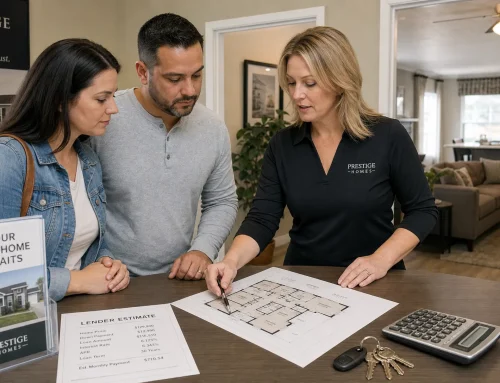
- A wide selection of home models with detailed floor plans
- Expert guidance through selection, placement planning, and next steps
- Flexible financing options through trusted local lenders
- Move-in ready homes and access to top home communities
If you are ready to compare options or want help mapping a realistic move-in budget, start at Homes2Go San Antonio or explore the local land option highlighted on the Sandy Oaks property page.
 New Manufactured Homes Near Me: How to Shop
 New Mobile Homes for Sale: Features and Pricing