
When you search “new manufactured homes near me”, you are usually trying to do two things fast: find real, available homes in your area, and avoid wasting time on listings that are outdated, mispriced, or not actually “new.” The good news is that shopping for a brand-new manufactured home can be straightforward if you follow a clear process and know what to verify.
Below is a practical, buyer-focused guide to shopping for new manufactured homes locally, with special relevance for San Antonio and the surrounding area.
What counts as a “new” manufactured home (and why it matters)
A new manufactured home is typically one that has not been previously installed or titled to a homeowner. It may be sitting on a dealer’s lot, being built to order, or recently delivered to a community as inventory.
To protect yourself from bait-and-switch listings, confirm these basics early:
- Build date and serial/VIN: Ask when it was built and whether it has ever been titled.
- HUD Code compliance: Manufactured homes are built to the federal HUD Code (post-1976). You can learn more directly from the U.S. Department of Housing and Urban Development (HUD).
- Warranty status: “New” should come with applicable manufacturer warranties (terms vary by builder and components).
Step 1: Define what “near me” really means for manufactured homes
Unlike apartments or site-built houses, manufactured homes involve transport, installation, and sometimes community approval, so your practical radius should account for logistics, not just driving distance.
Before you fall in love with a model, decide where you want to place the home:
Option A: In a land-lease community (mobile home park)
You buy the home and lease the lot. This can be a faster path to move-in if the community has open sites, but you must meet their rules and approval process.
Option B: On private land (you own or buy the land)
You control the land, but you also handle more variables like utilities, access, permits, and site prep.
If you are not sure which path fits your situation, start by picking your target placement area first (community or land). That decision determines what “near me” means, because delivery and setup requirements can change by county, access roads, and installer availability.
Step 2: Set a budget that includes the “invisible” costs
Many buyers compare only the base home price, then get surprised later. A realistic budget separates three buckets:
- Home cost: the model, options, and factory upgrades.
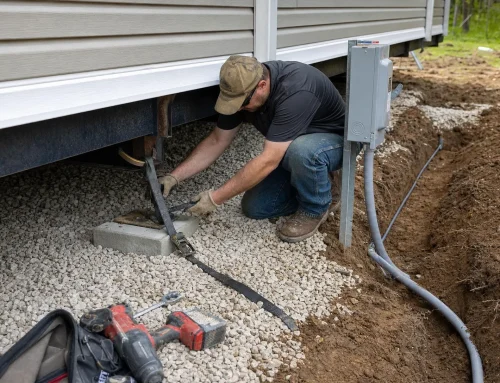
- Setup and site costs: delivery, installation, foundation type (where applicable), utility connections, steps, skirting, and other requirements.
- Monthly costs: loan payment (if financed), insurance, property taxes (varies), and either lot rent (community) or land-related costs.
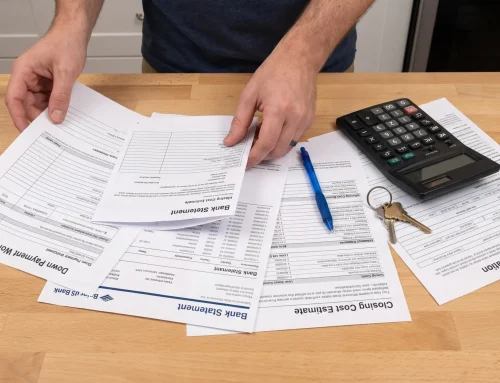
A quick way to stay grounded is to ask any seller you talk to for a written estimate that clearly separates home price vs. delivery/install vs. site work.
Step 3: Choose your must-haves before you tour
If you shop first and define priorities later, you will tour too many homes and still feel unsure.
Start with a short “must-have” list:
- Bedrooms and bathrooms
- Total size and layout (single-section vs multi-section)
- Storage (pantry, linen, utility room)
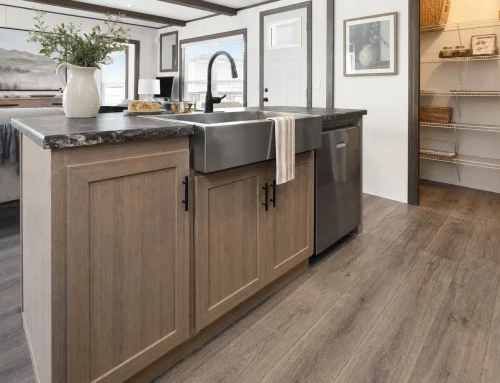
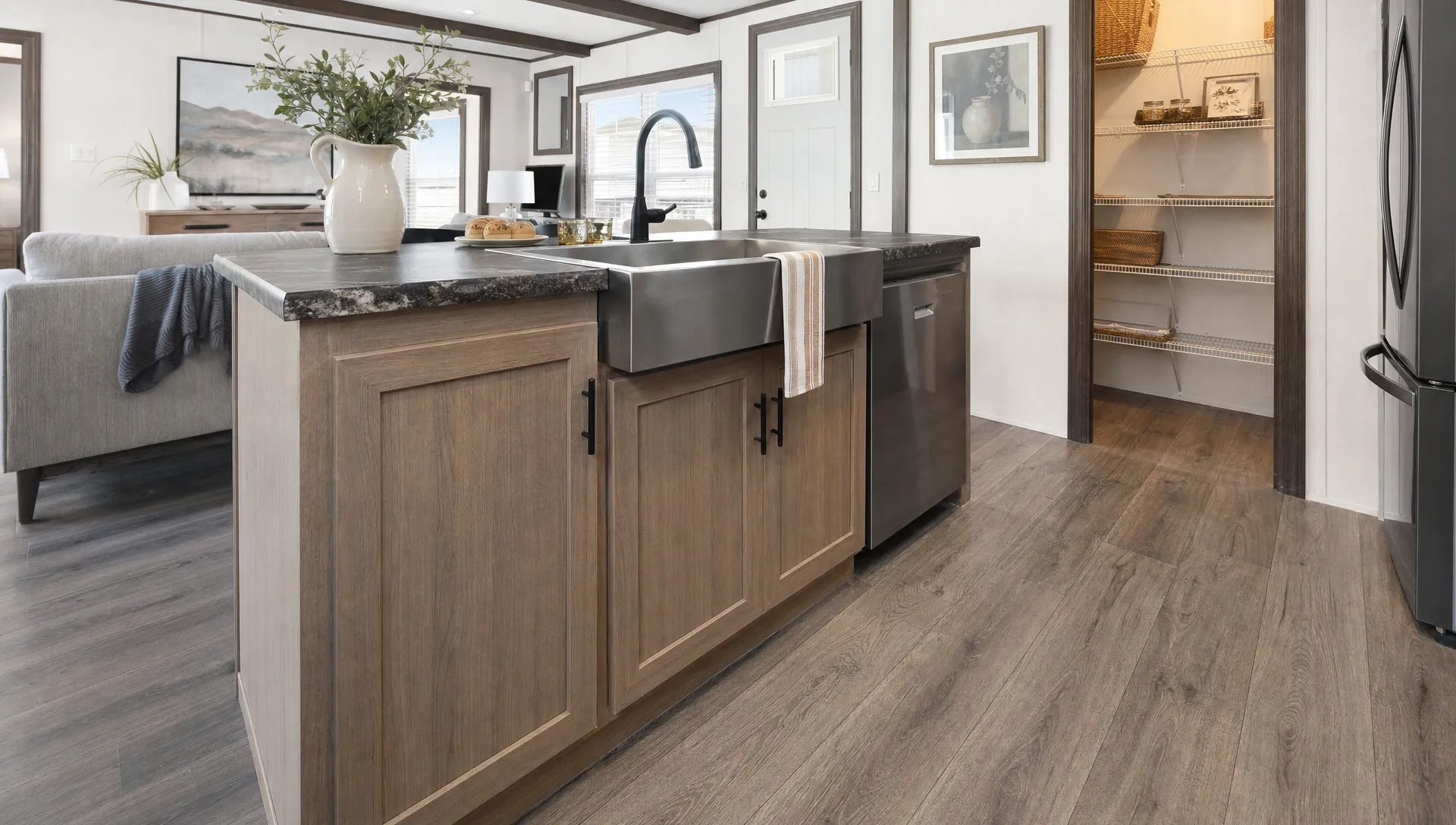
- Kitchen priorities (island, appliance spacing, cabinet space)
- Energy-comfort priorities (insulation, window performance, HVAC efficiency)
In Texas heat, comfort features can change your monthly experience dramatically. If energy efficiency matters to you, keep a checklist handy while you tour (insulation, window quality, duct sealing, and HVAC sizing all matter).

Step 4: Find trustworthy “near me” inventory (and spot bad listings)
Here are the most reliable ways to find genuinely available new manufactured homes locally:
Local retailer/dealer inventory
A good local dealer can show current models, explain build options, and coordinate financing and installation. The key is transparency: you want clear answers on total cost, timeline, and what is included.
Community inventory
Some communities have new homes already placed or reserved for incoming buyers. This can reduce timeline uncertainty, but you must verify community rules, lot rent, and approval steps.
Build-to-order models
If you want specific finishes or a floor plan not currently on the lot, ordering new can be a strong option. The tradeoff is timeline.
To keep comparisons clean, use a simple tracking sheet (even in your phone notes) and record the same items each time: model name, size, included features, estimated delivery/install, and total estimated out-the-door cost.
Quick red flags when searching “near me”
If a listing feels off, it often is. Be cautious when you see:
- A price that is dramatically lower than every other comparable new home, with vague details
- No mention of delivery/installation, or the seller refuses to break out costs
- Unclear “new” status (no build date, no warranty clarity)
- High-pressure urgency without written estimates
Step 5: Verify licensing and paperwork (especially in Texas)
Manufactured housing is regulated, and you should feel comfortable asking who is licensed and who is responsible for what.
In Texas, manufactured housing oversight runs through the Texas Department of Housing and Community Affairs (TDHCA). You can start at the TDHCA Manufactured Housing Division
for consumer information and regulatory context.
Key items to ask about (and get in writing where possible):
- Who is selling the home (retailer) and who is installing it
- What is included in the quoted price vs. what is not
- How titling/registration will be handled
- Warranty details and who you contact for service
If you are placing the home in a community, also ask the community what documentation they require before delivery.
Step 6: Tour like an inspector, not like a window shopper
New homes can look great, but you are buying the build quality and the layout fit for your daily life.
During a walkthrough, pay attention to:
- Floor feel: soft spots or uneven areas
- Door and cabinet alignment: consistent gaps, doors close cleanly
- Window operation and seals: smooth open/close, visible sealing quality
- Bathroom and kitchen function: clearance, storage, ventilation
- Noise and airflow: stand near vents, listen for rattles, ask about duct routing
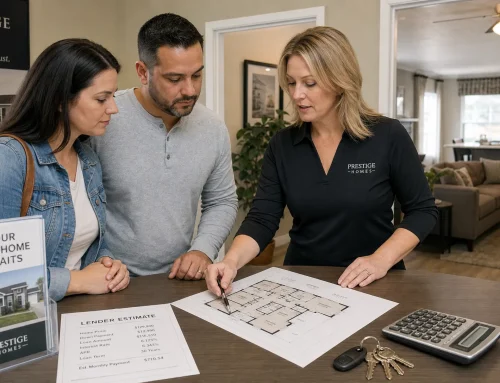
Also ask to see the floor plan and verify room dimensions if a specific space matters (like a king bed fit, desk wall, or dining table).
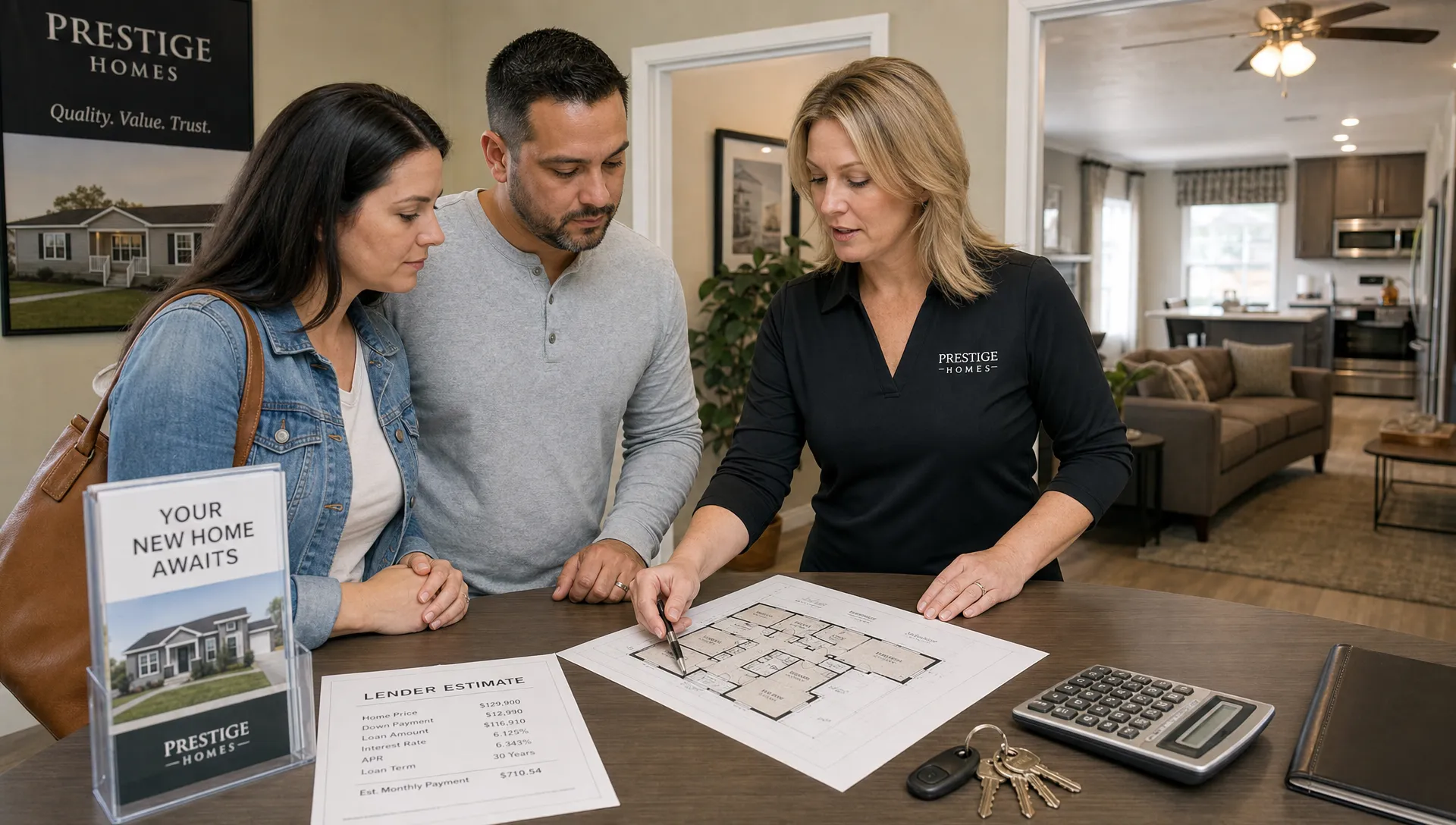
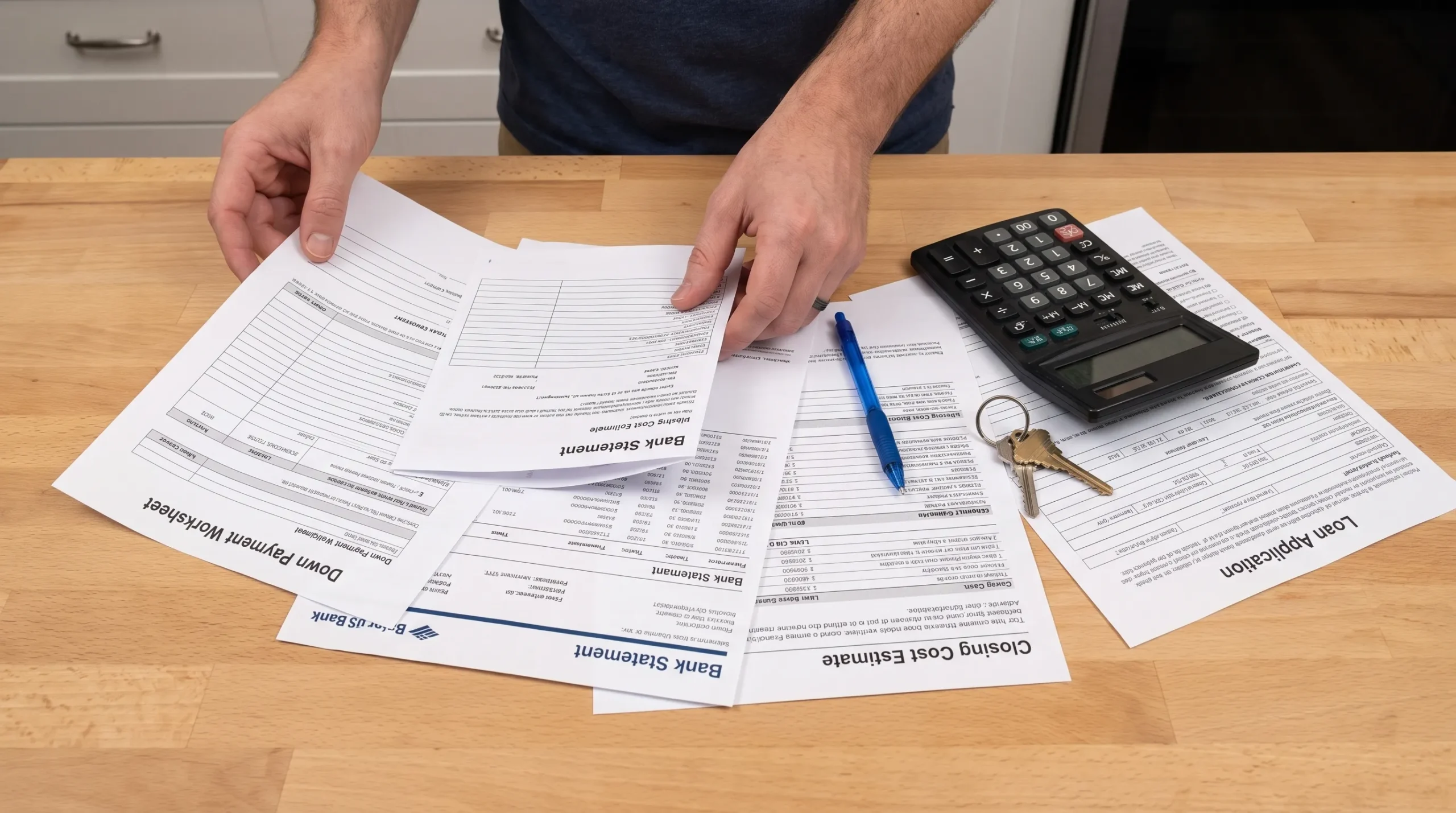
Step 7: Compare financing options early (it changes what you can shop)
Financing affects more than the monthly payment, it can affect where the home can be placed and what needs to be completed before closing.
Common paths include:
- Home-only loans (often called chattel loans)
- Land-home financing (when the home and land are financed together, if eligible)
Even if you are not ready to apply, a pre-qualification conversation can help you avoid shopping outside your comfortable payment range.
For general guidance on comparing mortgage and loan offers, the Consumer Financial Protection Bureau (CFPB)
provides helpful, unbiased resources.
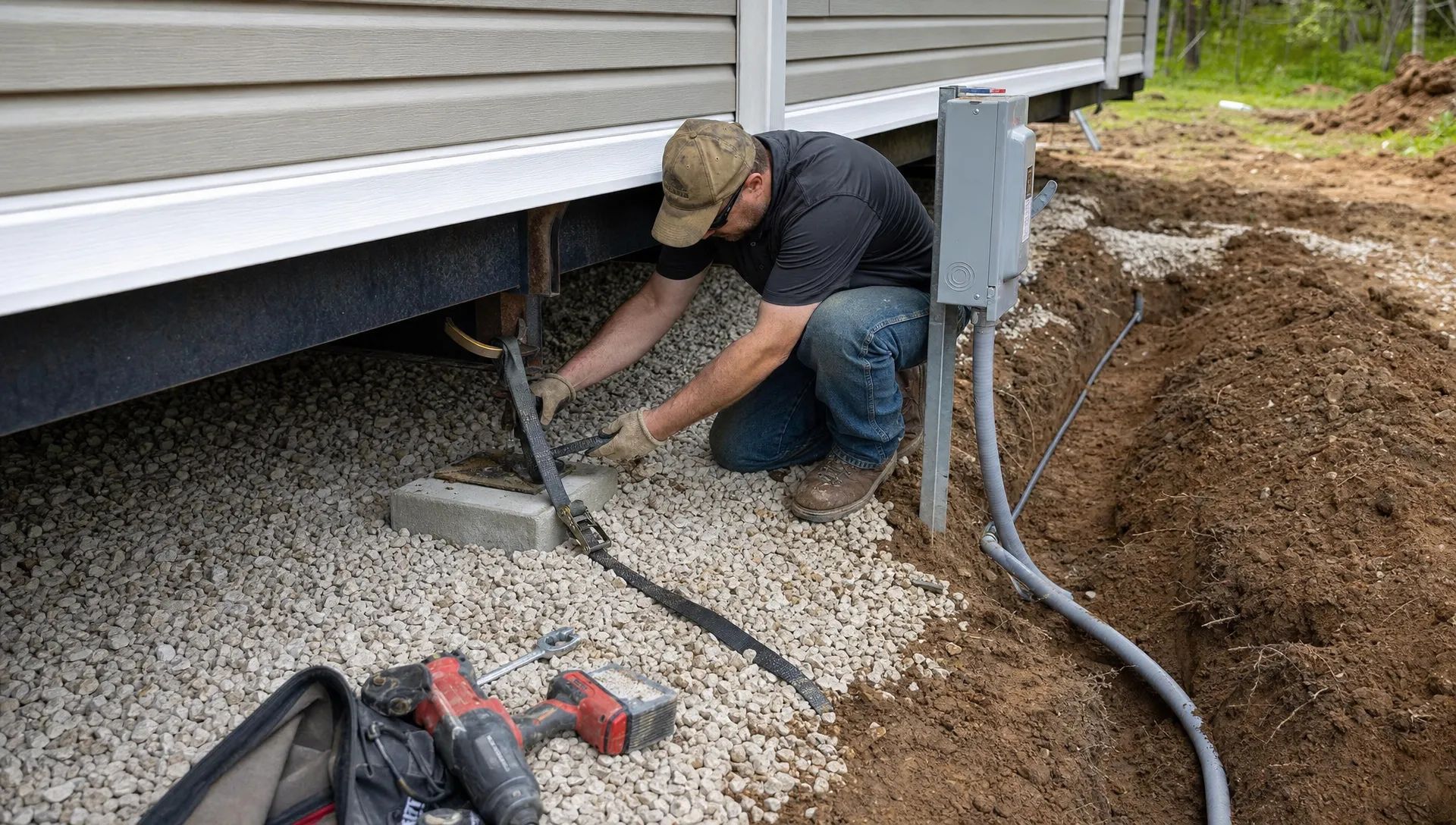
Step 8: Understand installation and timeline before you commit
Manufactured home buying timelines can be smooth, but they depend on coordination. Before signing, ask for a realistic timeline that includes:
- Order/build time (if not buying existing inventory)
- Delivery scheduling
- Site prep readiness (utilities, pad, access)
- Installation and required inspections
- Final walkthrough and punch list
If anyone promises a timeline but cannot explain the steps, treat that as a signal to slow down.
A practical comparison: where to buy “new manufactured homes near me”
Use this table to compare your options quickly while you shop.
| Buying path | Best for | Advantages | Watch-outs | What to verify |
|---|---|---|---|---|
| Local retailer/dealer | Most buyers who want guidance and choices | Multiple models, local expertise, help coordinating steps | Quotes can vary widely in what is included | Itemized estimate, warranty, who installs, timeline |
| Community inventory | Buyers prioritizing speed and a set location | Home may already be placed or pre-approved for the site | Community rules, fees, and approval can be strict | Lot rent, lease terms, community approval steps |
| Build-to-order | Buyers who want specific floor plan/finishes | Customize options and layouts | Longer timeline, more decisions | Written spec sheet, build timeline, change order policy |
Questions to ask before you sign anything
These questions help you avoid the most common misunderstandings:
- What is the total estimated cost including delivery, installation, and required add-ons?
- What exactly is included (skirting, steps, setup type, HVAC, appliances, permits if applicable)?
- Who handles utility connections and site work coordination?
- What warranties apply, and who performs warranty service?
- What happens if there is a delay (build, delivery, site readiness)?
- If placing in a community, what are the lease terms and monthly charges, and what approvals are required?
Shopping locally in San Antonio: what to prioritize
San Antonio-area buyers often benefit from focusing on three local realities:
Heat and comfort
Look for practical energy-comfort choices, not just marketing language. Insulation levels, window performance, duct sealing, and a properly sized HVAC system can matter as much as the floor plan.
Placement logistics
Some areas have tighter access roads, specific site requirements, or utility constraints. Ask early what site conditions could add cost or time.
Financing plus placement alignment
If you are deciding between a community and private land, confirm how your financing path fits that choice before you commit to a specific home.
How Homes2Go San Antonio can help you shop smarter
If you are searching for new manufactured homes near you in the San Antonio area, Homes2Go San Antonio can help you narrow your options with:
- A wide selection of home models and detailed floor plans
- Flexible financing options through trusted local lenders
- Guidance for first-time buyers (from choosing a model to move-in readiness)
- Modern interiors and energy-efficient designs available on many models
- Support matching homes to top home communities
You can explore options and start a conversation at Homes2Go San Antonio.
Frequently Asked Questions
Are “manufactured homes” and “mobile homes” the same thing? Manufactured homes are built to the federal HUD Code (post-1976). Many people still say “mobile home,” but “manufactured home” is the modern, regulated category for new builds.
How do I confirm a manufactured home is actually new? Ask whether it has ever been titled, request the build date/serial information, and confirm warranty coverage. A legitimate seller should be able to explain this clearly.
What should I focus on when comparing two new manufactured homes? Compare total cost (not just base price), what is included in delivery and installation, the floor plan’s livability, energy-comfort features, and warranty/service expectations.
Can I buy a new manufactured home and place it in a community? Often yes, but the community must approve the home, the installation plan, and sometimes the seller/installer. Always confirm community rules before you purchase.
Do new manufactured homes come with warranties? Many do, but warranty terms vary by manufacturer and component. Get warranty details in writing and ask who handles service requests.
Ready to shop “new manufactured homes near me” with fewer surprises?
If you want help comparing models, estimating total move-in costs, and understanding financing options in the San Antonio area, start here: Homes2Go San Antonio. Browse available homes, review floor plans, and talk with a team that can guide you from first tour to move-in.
 New Mobile Homes for Sale San Antonio: Top Picks
 Affordable Manufactured Homes: Get More for Less