
Rent-to-own arrangements for mobile and manufactured homes can sound like the perfect middle ground, you move in now, work toward ownership over time, and avoid some of the hurdles of a traditional mortgage. In San Antonio, where many buyers are balancing housing costs with credit rebuilding or saving for a down payment, it is no surprise that “mobile homes rent to own” is a common search.
But rent-to-own can mean very different things depending on the seller, the community, and the contract structure. Some deals are fair and transparent. Others are expensive, confusing, or designed so buyers never reach the finish line.
This guide breaks down the pros, cons, and practical steps to protect yourself and choose the path that actually gets you to ownership.
What “rent to own” means for mobile and manufactured homes
In real estate, rent-to-own usually refers to a lease-option or lease-purchase arrangement.
- Lease-option: You lease the home now and pay an upfront option fee for the right (not the obligation) to buy later.
- Lease-purchase: You lease now but are contractually committed to buy later (higher risk if your financing falls through).
With manufactured housing, there is an extra wrinkle: you might be dealing with the home only, the land only, or both.
Common rent-to-own setups you will see around San Antonio
| Setup | What you are “renting” | What you can end up owning | What to watch closely |
|---|---|---|---|
| Home in a land-lease community (park) | The home (plus you pay separate lot rent) | The home (you still lease the lot) | Park approval rules, lot rent increases, who handles repairs, title status |
| Home placed on your land (or family land) | The home | The home (and you already own the land) | Site readiness, permits/installation, insurance requirements, clear path to title transfer |
| “Rent-to-own” marketed deal that is really seller financing | The home, sometimes bundled with land | Home (and sometimes land) once paid off | Interest rate, balloon payments, late fee clauses, lien/title transfer process |
| Contract for deed (land included) | The property under contract terms | Ownership after full payment | Buyer protections are different than a mortgage, get legal review in Texas |
Important Texas detail: manufactured homes have title and ownership documentation that must be handled correctly. In Texas, this is typically managed through the Texas Department of Housing and Community Affairs (TDHCA) Manufactured Housing Division. If the seller cannot clearly prove ownership and provide the right paperwork, do not move forward.

Pros of mobile homes rent to own
Rent-to-own is popular for a reason. When it is structured fairly, it can help buyers bridge the gap between renting and owning.
Lower barrier to move in
You may be able to move in with:
- A smaller upfront amount than a traditional down payment
- Fewer mortgage-style underwriting requirements (depends on the deal)
This can help if you are rebuilding credit, recently relocated to San Antonio, or need stable housing now.
Time to improve credit and financial profile
Many buyers use the rent-to-own period to:
- Pay down revolving balances
- Build consistent on-time payment history
- Save for a down payment or closing costs
If you plan to refinance into a traditional loan later, this runway can be valuable.
A chance to “test drive” the home and location
With manufactured homes, lifestyle fit matters. Rent-to-own can give you time to confirm:
- Commute and neighborhood fit
- Community rules (if you are in a land-lease park)
- Utility costs and comfort, especially in Texas heat
If energy bills are a concern, compare the home’s insulation, windows, and HVAC. Homes2Go SA has a practical overview of what to look for in energy-efficient manufactured homes for Texas heat.
Potential price lock (sometimes)
Some contracts set the future purchase price up front. That can help budgeting, but only if the price is realistic and the contract is fair.
Cons and risks you need to understand
Rent-to-own can be expensive, and the biggest risks often show up in the fine print.
You can lose money if you cannot buy
Many rent-to-own agreements include:
- An option fee (often nonrefundable)
- “Rent credits” that only apply if you purchase on time
If you miss deadlines or cannot qualify for financing later, you may lose the option fee and credits.
The Consumer Financial Protection Bureau (CFPB) warns consumers to be cautious with rent-to-own and similar alternative financing arrangements, especially around fees, disclosures, and what happens if you miss a payment.
Higher monthly cost than standard rent
Monthly payments can be higher because they may include:
- A premium for the option to purchase
- Extra amounts labeled as “credits”
If you also pay lot rent in a community, your true monthly housing cost can surprise you.
Repairs and maintenance may shift to you early
In normal rentals, landlords typically handle major repairs. In rent-to-own, contracts often push maintenance responsibilities to the occupant.
That is not automatically bad, but it must be priced accordingly, clearly written, and realistic for your budget.
Community approval and rules can derail the plan
If the home is in a manufactured home community, you may need:
- Park approval to live there
- Park approval to keep the home there long-term
Rules can cover pets, vehicles, subleasing, exterior changes, and more. Also, lot rent can change over time.
If you are comparing communities, use a structured tour approach like the one in Homes2Go SA’s San Antonio mobile home park roundup.
Title problems are a deal-breaker
Manufactured home title issues can include:
- The seller not actually being the legal owner
- Existing liens that were never released
- Mismatched serial numbers or missing HUD labels
If the title is not clean and transferable, you do not have a safe path to ownership.
Predatory terms are common in the “rent-to-own” space
Watch for:
- Balloon payments you cannot refinance
- Aggressive late fees and default clauses
- Clauses that let the seller evict quickly and keep all “credits”
- Vague language about when you get the title
If anything feels unclear, slow down and get professional review.
Steps to do rent-to-own the right way (and protect yourself)
The goal is simple: move in with a written plan that ends with a clear transfer of ownership, not a costly detour.
Step 1: Decide what you are trying to own
Start by getting specific:
- Do you want to own the home only (and lease a lot in a community)?
- Do you want to own home plus land?
- Do you already have land, or are you open to a land-and-home solution?
If your long-term plan includes land, it can be helpful to compare rent-to-own against a more standard path like a land-and-home package. Homes2Go SA covers that process in this land-and-home packages guide for San Antonio.
Step 2: Build a payment plan you can actually sustain
Do not evaluate rent-to-own based only on the monthly number. Map out the full monthly housing cost:
- Base payment to the seller
- Lot rent (if applicable)
- Utilities (electric, water, sewer, trash)
- Insurance
- Maintenance reserve (repairs happen)
A simple rule that helps many buyers: if your budget only works when “nothing goes wrong,” it is not a safe plan.
Step 3: Ask for proof of ownership and confirm the home identity
Before you pay an option fee or deposit, request documentation that shows:
- The seller is the legal owner
- Any liens are disclosed (and how they will be cleared)
- The home’s identifying information matches the paperwork
In Texas, manufactured home ownership and location are commonly documented through TDHCA. Start with official guidance at the TDHCA Manufactured Housing Division.
If a seller refuses to provide paperwork, treats your questions as “unnecessary,” or wants cash quickly, treat that as a major warning sign.
Step 4: Get an independent inspection, not just a walkthrough
A manufactured home can look great and still hide costly issues. Consider an inspection that covers:
- Roof condition and signs of leaks
- Floors and subfloor softness
n- Plumbing leaks and water heater age - Electrical panel and safety concerns
- HVAC performance (critical in South Texas)
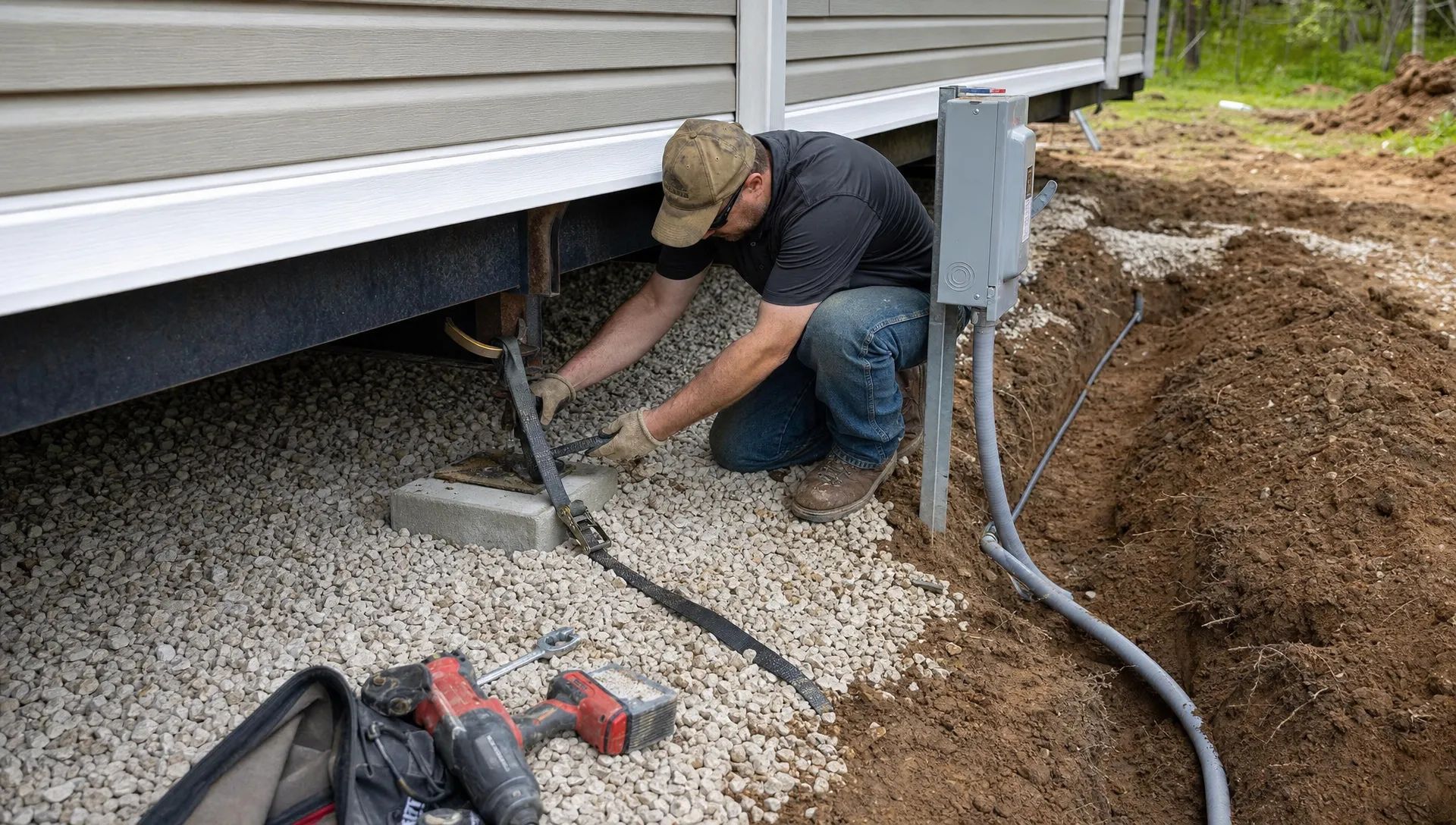
- Tie-downs, skirting, and visible setup issues
If the home will be moved to land, also think about site-related costs like pad, utility connections, septic (if needed), and driveway access.
Step 5: Understand the contract type and have it reviewed
Rent-to-own paperwork is not standardized. In Texas, the legal details matter, especially for default and title transfer.
Key items to verify in writing:
| Contract item | What “good” looks like | What to avoid |
|---|---|---|
| Option fee and credits | Clear amount, where it is applied, deadlines | Credits that vanish easily, vague conditions |
| Purchase price and timeline | Defined price or defined formula, realistic deadline | Short deadlines that force failure |
| Maintenance responsibilities | Clear split of major vs minor repairs | You pay for everything but do not own |
| Default and eviction terms | Reasonable cure periods, clear process | Immediate forfeiture for minor issues |
| Title transfer | Written trigger for when title transfers and how | “We will transfer later” with no specifics |
| Who pays taxes/insurance | Clear responsibility and proof requirements | Unclear obligations that create surprise costs |
For anything involving large sums or land, consider having a Texas real estate attorney review the agreement. That cost is usually small compared to the downside risk.
Step 6: Confirm insurance requirements before you sign
Insurance can make or break affordability. Depending on the setup, you may need:
- Manufactured home insurance
- Liability coverage required by a community
- Additional coverage if the home is being moved or installed
Confirm what coverage is required, who is listed as additional insured or loss payee, and whether the contract requires specific deductibles.
Step 7: Plan your “exit” path to ownership on day one
Many rent-to-own deals fail because the buyer never builds a clean path to financing.
Even if you are not ready today, define:
- What credit score or debt-to-income target you need
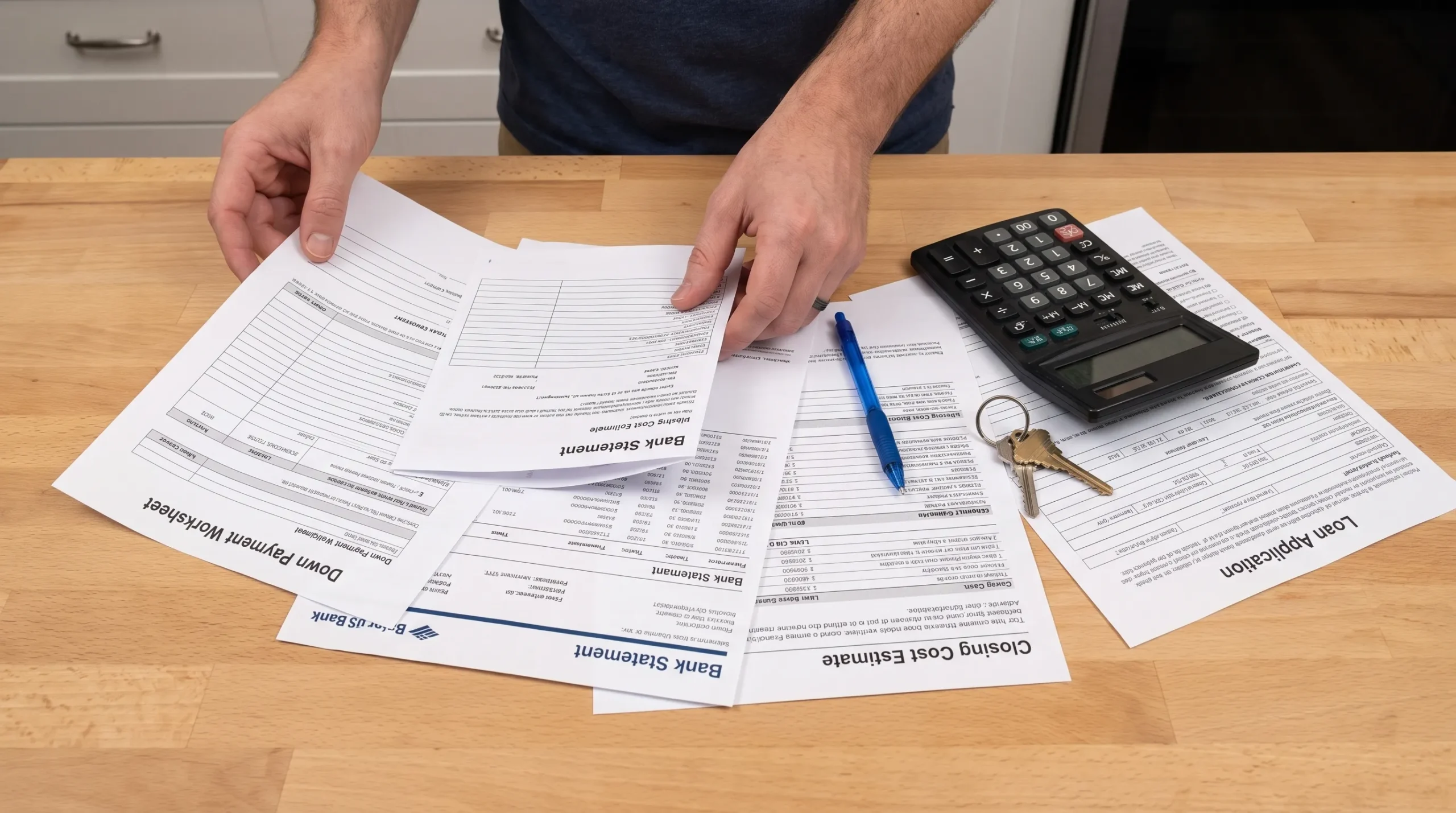
- How much you plan to save for down payment and closing
- What loan types you may qualify for (chattel, land-home mortgage, etc.)
If you want a primer on financing types for manufactured homes in the area, Homes2Go SA’s mobile home buyer guide for San Antonio is a helpful starting point.
Step 8: Keep documentation and pay in a traceable way
Protect yourself with clean records:
- Use traceable payments (not cash)
- Save receipts and a payment ledger
- Keep copies of the contract, addenda, and any repair agreements
- Document the home condition at move-in with photos
If there is ever a dispute, your documentation matters.
When rent-to-own might be a good fit (and when it usually is not)
Rent-to-own tends to work best when the buyer has a realistic near-term path to financing and the contract is transparent.
Rent-to-own can make sense if
- You can qualify for financing in 12 to 24 months with a clear credit plan
- The seller provides clean documentation and a contract you understand
- The total monthly cost fits your budget with room for repairs
- The purchase price is reasonable compared to comparable homes
It is usually a poor fit if
- You are not sure you can qualify later and there is no backup plan
- The seller will not provide title/lien documentation
- The contract has harsh default language or confusing credit rules
- You are relying on rent credits as your only “down payment” strategy
Alternatives to consider before you commit
Sometimes the safest move is not rent-to-own, it is a more standard purchase route that provides stronger consumer protections.
Common alternatives:
- Traditional financing for a manufactured home (chattel or mortgage-style, depending on land ownership)
- Land-and-home packages that bundle the home and site plan into a more straightforward ownership path
- Buying in a community with lender support, where the home and lot arrangement is clear from the start
Homes2Go SA regularly helps buyers compare these paths, especially first-time buyers who want payment clarity and a realistic timeline.

Getting help in San Antonio without guessing
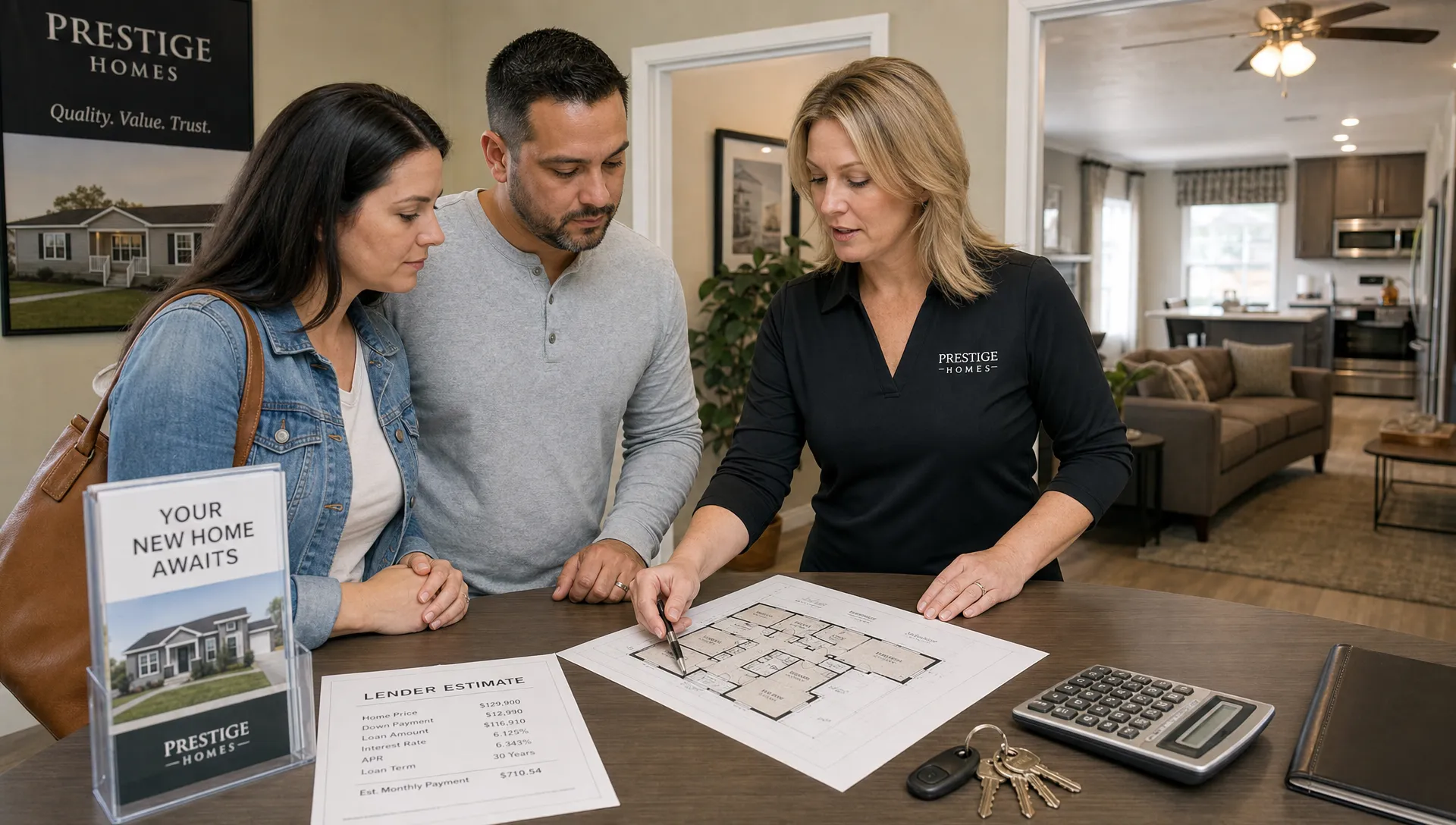
If you are exploring mobile homes rent to own because you want an affordable path to homeownership, the most important step is to compare it against other realistic options using the same numbers, total monthly cost, upfront cash needed, and what happens if life changes.
Homes2Go San Antonio can help you evaluate homes, review floor plans, and understand purchase pathways and financing options so you can choose the route that fits your budget and timeline. Start here: Homes2Go San Antonio.
 Mobile Homes Near Me for Sale: Search Like a Pro
 Single Wide Mobile Homes for Sale: Buyer Guide